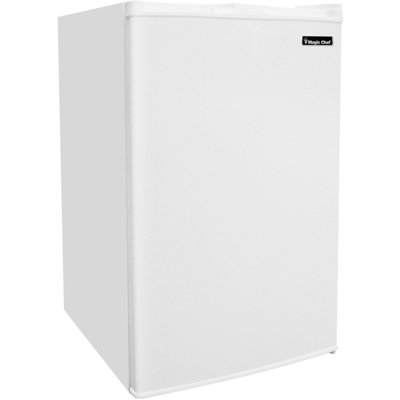
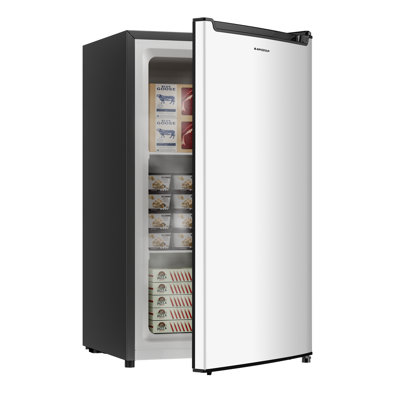
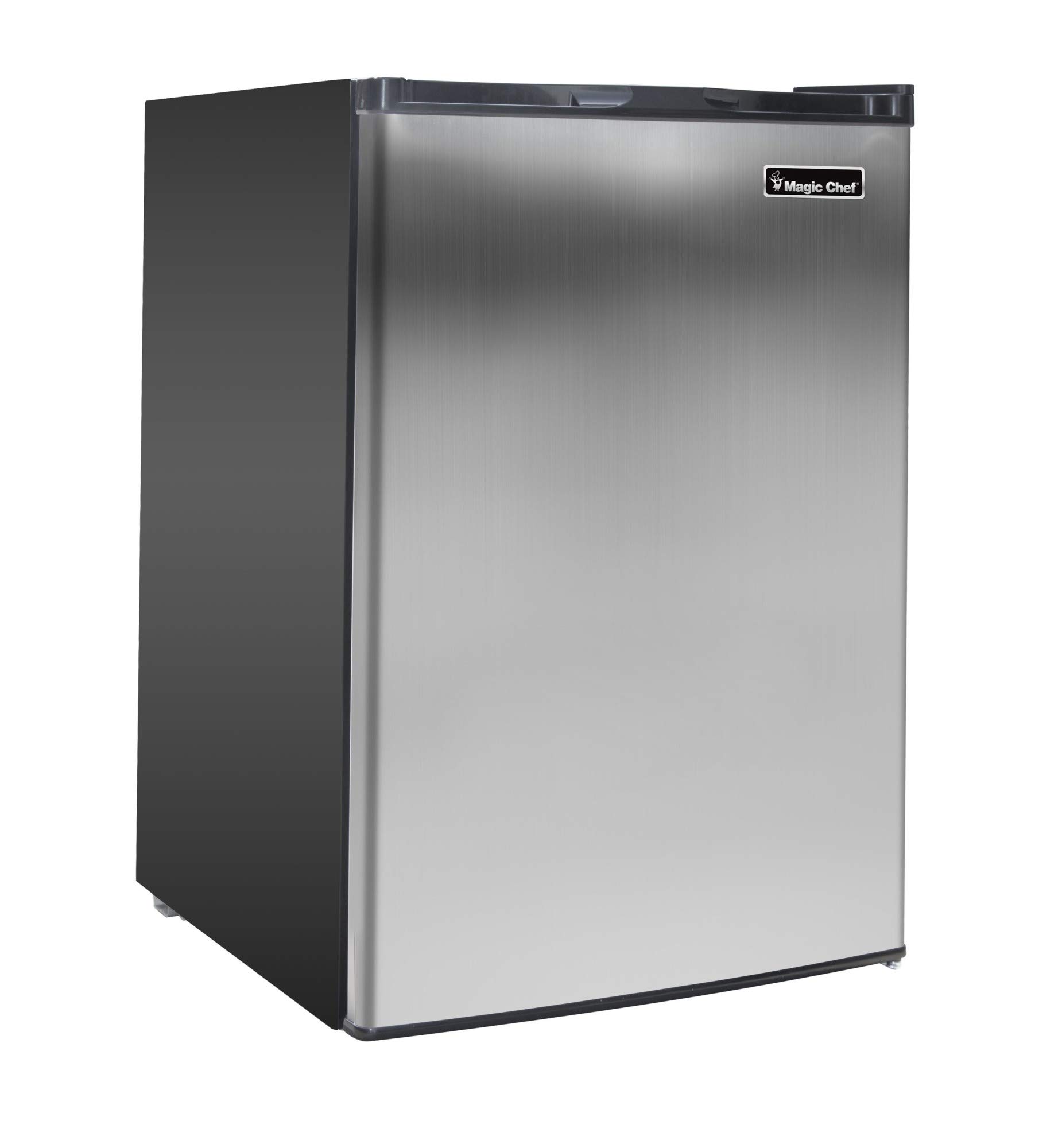
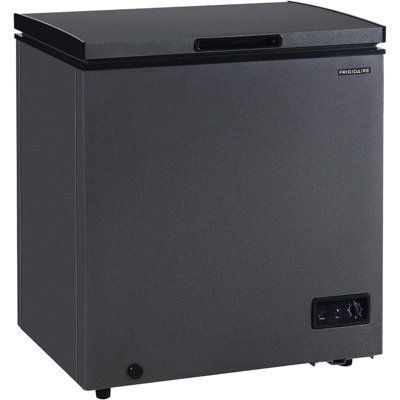
When choosing between a freestanding drawer refrigerator and a fridge freezer, understanding their unique features and benefits is essential. Each option caters to different needs and preferences, making it important for you to evaluate what suits your lifestyle best.
Exploring Freestanding Drawer Refrigerators
Freestanding drawer refrigerators offer a unique and modern approach to food storage. They are designed with multiple pull-out drawers, providing easy access to different compartments. This design is ideal for organizing food items by type, making it convenient for quick retrieval.
Benefits:
Organization: Multiple drawers allow for better organization of food items. You can separate fruits, vegetables, meat, and dairy products efficiently.
Accessibility: The pull-out drawer design makes it easier to access stored items without bending or reaching deep into the fridge.
Space-saving: Freestanding drawer refrigerators are compact, making them suitable for smaller spaces like apartments, offices, and tiny homes.
Fridge freezers combine both refrigeration and freezing capabilities in one unit. They typically feature a refrigerator compartment on top and a freezer compartment below, or side-by-side compartments.
Benefits:
Versatility: Provides both refrigeration and freezing functions in one appliance, making it versatile for various storage needs.
Capacity: Generally offers more storage space compared to freestanding drawer refrigerators, suitable for larger families or those who entertain often.
Temperature Control: Separate compartments allow for distinct temperature settings, optimizing the preservation of different types of food.
Understanding these options will help you make an informed decision based on your specific needs and preferences. Whether you prioritize organization, accessibility, versatility, or storage capacity, both freestanding drawer refrigerators and fridge freezers have distinct advantages to consider.
Design and Placement
When choosing between a freestanding drawer refrigerator and a fridge freezer, design and placement are key considerations. Each option offers unique advantages depending on your space and needs.
Freestanding Drawer Refrigerators
Freestanding drawer refrigerators are becoming popular due to their sleek and modern design. These units typically feature drawers that slide out horizontally, providing easy access to your stored items. They fit seamlessly under countertops, making them an excellent choice for kitchens, bars, and even outdoor areas.
The compact design of freestanding drawer refrigerators allows for flexible placement. You can install them in tight spaces where traditional refrigerators might not fit. Whether you live in an apartment, condo, or tiny home, these refrigerators maximize space while offering ample storage.
Fridge freezers are the more conventional choice, combining both refrigeration and freezing capabilities in one unit. These appliances come in various configurations, including top freezer, bottom freezer, and side-by-side models. The design allows for a larger capacity compared to drawer refrigerators, making them suitable for families and larger households.
Fridge freezers require more vertical space and are typically placed against a wall or in a designated kitchen area. They offer versatility in design and can be found in various styles to match your kitchen décor. From modern stainless steel to classic white finishes, fridge freezers provide a range of aesthetic options.
Aspect
Fridge Freezer
Placement
Against wall, vertical space
Access
Hinged doors
Design
Versatile, larger capacity
For a detailed comparison of different refrigeration options, visit Fridge.com article on built in beverage center Vs. fridge freezer.
Understanding the design and placement of freestanding drawer refrigerators Vs. fridge freezers can help you make an informed decision based on your needs and available space. Whether you prioritize a sleek, compact design or require a larger capacity, each option offers unique benefits.
Capacity and Storage
When comparing a freestanding drawer refrigerator and a fridge freezer, capacity and storage are key factors to consider. Both options offer unique storage solutions tailored to different needs.
Freestanding Drawer Refrigerators
Freestanding drawer refrigerators are designed for easy access and efficient organization. They typically feature multiple drawers that allow you to categorize and separate your food items. This can be particularly useful for those who like to keep their produce, meats, and dairy products in distinct compartments.
Feature
Freestanding Drawer Refrigerator
Typical Capacity
3 - 6 cubic feet
Storage Layout
Multiple drawers
Ideal for
Small to medium-sized households, supplementary storage
The capacity of freestanding drawer refrigerators is generally smaller than that of traditional fridge freezers. They are often used as supplementary units in kitchens, garages, or basements. For more information on how these compare to other types of refrigerators, check Fridge.com article on basement refrigerator Vs. countertop refrigerator.
Fridge Freezers
Fridge freezers offer a more traditional approach to food storage, combining a refrigerator and freezer in one unit. They come in various configurations, including top-freezer, bottom-freezer, side-by-side, and French door models. This versatility makes them suitable for a wide range of households.
Feature
Fridge Freezer
Typical Capacity
10 - 30 cubic feet
Storage Layout
Shelves, drawers, door bins
Ideal for
Large households, primary food storage
Fridge freezers provide more extensive storage solutions, with separate compartments for refrigeration and freezing. This allows you to store a larger quantity and variety of food items. If you're curious about alternative configurations, you might find Fridge.com comparison of basement refrigerator Vs. top freezer refrigerator helpful.
Understanding the capacity and storage options of each type can help you decide which is best suited for your needs. Whether you need a compact solution like a freestanding drawer refrigerator or a more comprehensive storage option like a fridge freezer, there's a model that can meet your needs. For additional insights, explore Fridge.com article on built in beverage center Vs. fridge freezer.
Freestanding drawer refrigerators are designed with energy efficiency in mind. These units often use advanced insulation and cooling technologies to maintain a consistent temperature with minimal energy consumption. One key aspect of their efficiency is the ability to only open a specific drawer, reducing the amount of cold air lost compared to traditional refrigerators where the entire door is opened.
Feature
Freestanding Drawer Refrigerator
Average Annual Energy Consumption (kWh)
300 - 500
Temperature Control
Precise
Fridge Freezers
Fridge freezers, typically larger than drawer refrigerators, also incorporate energy-saving technologies. Modern fridge freezers often come with inverter compressors that adjust cooling power based on the internal temperature, leading to lower energy usage. Some models feature dual cooling systems, which allow the refrigerator and freezer compartments to be cooled separately, enhancing efficiency.
Feature
Fridge Freezer
Average Annual Energy Consumption (kWh)
400 - 700
Temperature Control
Standard
Both freestanding drawer refrigerators and fridge freezers offer energy-efficient options, but the choice depends on your specific needs. If you are interested in learning more about different refrigeration options, check out Fridge.com articles on basement refrigerator Vs. top freezer refrigerator and built in beverage center Vs. fridge freezer.
Features and Technology
When comparing a freestanding drawer refrigerator to a fridge freezer, understanding the features and technology of each option can help you make an informed decision.
Freestanding Drawer Refrigerators
Freestanding drawer refrigerators are designed with convenience and space efficiency in mind. They often feature multiple drawers, each with its own temperature control, allowing you to store different types of food at their optimal temperatures.
Features:
Adjustable Temperature Zones: Each drawer can be set to a different temperature, making it ideal for storing a variety of food items.
Ergonomic Design: Easy access to stored items without bending.
Compact Size: Suitable for small spaces like apartments, condos, or even a basement refrigerator Vs. countertop refrigerator setup.
Touch Controls: Intuitive and user-friendly interface for temperature adjustments.
Energy Efficiency: Typically consumes less energy, making them a more sustainable choice.
Technology:
Smart Sensors: These sensors monitor and adjust the internal temperature to maintain consistent cooling.
Frost-Free Technology: Prevents frost build-up, reducing the need for manual defrosting.
LED Lighting: Bright, energy-efficient lighting for better visibility inside the drawers.
Fridge freezers are a more traditional option, combining both refrigeration and freezing capabilities in one unit. They come in various designs, including top freezer, bottom freezer, and side-by-side configurations.
Features:
Large Capacity: Generally offers more storage space compared to drawer refrigerators.
Versatile Storage Options: Adjustable shelves, door bins, and crisper drawers for organized storage.
Ice and Water Dispensers: Some models include built-in dispensers for added convenience.
Dual Cooling Systems: Separate cooling systems for the fridge and freezer compartments to maintain optimal temperatures.
Advanced Temperature Controls: Precise settings for both refrigerator and freezer sections.
Technology:
Digital Inverter Compressors: These compressors adjust cooling speed based on the internal load, enhancing energy efficiency.
Multi-Airflow System: Ensures uniform cooling throughout the fridge and freezer sections.
Smart Connectivity: Some models can be connected to your smartphone, allowing you to control settings remotely.
Auto Defrost: Automatically defrosts the freezer to prevent ice build-up, similar to features found in an auto defrost freezer Vs. drawer refrigerator.
Feature/Technology
Freestanding Drawer Refrigerator
Fridge Freezer
Adjustable Temperature Zones
Yes
No
Ergonomic Design
Yes
No
Compact Size
Yes
No
Touch Controls
Yes
Yes
Smart Sensors
Yes
Yes
Frost-Free Technology
Yes
Yes
LED Lighting
Yes
Yes
Quiet Operation
Yes
Moderate
Large Capacity
No
Yes
Ice and Water Dispensers
No
Yes (in some models)
Dual Cooling Systems
No
Yes
Advanced Temperature Controls
Yes
Yes
Digital Inverter Compressors
No
Yes
Multi-Airflow System
No
Yes
Smart Connectivity
No
Yes
Auto Defrost
Yes
Yes
For more detailed comparisons, you might want to check out other articles like basement refrigerator Vs. top freezer refrigerator and built in freezer Vs. narrow refrigerator.
Installation and Maintenance
Freestanding Drawer Refrigerators
Freestanding drawer refrigerators are designed for convenience and versatility. They can be placed almost anywhere in your home, whether it's the kitchen, basement, or even an office. Installation is generally straightforward as these units do not require complex fixtures or built-ins.
Installation Process:
Placement: Choose a level surface with sufficient ventilation space around the unit.
Power Source: Ensure access to a nearby electrical outlet.
Positioning: Align the refrigerator and adjust the legs to ensure it is level.
Maintenance Tips:
Cleaning: Regularly clean the interior and exterior surfaces with a mild detergent.
Defrosting: Many models come with auto-defrost features, but manual defrosting may be needed occasionally.
Seal Check: Periodically check the door seals to ensure they are not worn out, which can affect the appliance's efficiency.
For more information on similar appliances, you can refer to Fridge.com article on auto defrost freezer Vs. drawer refrigerator.
Fridge Freezers
Fridge freezers are a staple in many households and come in a variety of styles including top-freezer, bottom-freezer, and side-by-side models. Installation can be more involved compared to freestanding drawer refrigerators.
Installation Process:
Placement: Choose a suitable location with ample space for door clearance.
Power Source: Ensure a grounded electrical outlet is nearby.
Water Line: If the model includes a water dispenser or ice maker, connect the refrigerator to the household water supply.
Positioning: Align the unit and adjust the leveling legs.
Maintenance Tips:
Cleaning: Regularly clean shelves, drawers, and surfaces to maintain hygiene.
Defrosting: Most modern fridge freezers are frost-free; however, manual models may require defrosting.
Filter Replacement: If your fridge freezer has a water dispenser, change the water filter as recommended.
Seal Check: Inspect door seals regularly to ensure they are intact and not compromising the unit’s efficiency.
For a detailed comparison on similar topics, visit Fridge.com article on built in beverage center Vs. fridge freezer.
Comparison Table:
Feature
Freestanding Drawer Refrigerator
Fridge Freezer
Ease of Installation
Simple
Moderate
Required Space
Compact
Requires more space
Defrosting
Auto-defrost/manual
Mostly auto-defrost
Water Line Connection
Not required
Often required
Maintenance
Easy
Moderate
Understanding the differences in installation and maintenance between freestanding drawer refrigerators and fridge freezers can help you make an informed decision that best suits your needs. For further insights, you might find Fridge.com article on basement refrigerator Vs. top freezer refrigerator useful.
When evaluating the cost of refrigeration options, it's important to consider both the initial purchase price and the long-term operating expenses. Let's delve into the cost considerations for freestanding drawer refrigerators and fridge freezers.
Freestanding Drawer Refrigerators
Freestanding drawer refrigerators tend to be a premium option due to their unique design and specialized features. The initial purchase price can be higher compared to traditional fridge freezers. However, they offer flexibility in placement and often come with advanced technology and customization options.
In terms of operating costs, freestanding drawer refrigerators may be more energy-efficient due to their compact design, which can lead to lower electricity bills over time. It's important to factor in both the purchase price and potential savings on energy when considering this option.
Expense Type
Freestanding Drawer Refrigerator
Initial Purchase Price
High
Maintenance Costs
Moderate
For more insights on energy-efficient refrigeration options, visit Fridge.com article on energy efficient refrigerator Vs. single door refrigerator.
Fridge Freezers
Fridge freezers are a more common and widely available option, typically offering a lower initial purchase price compared to freestanding drawer refrigerators. They come in various sizes and configurations, making them suitable for different needs and spaces.
Operating costs for fridge freezers can vary based on the model and energy efficiency rating. While some models are highly efficient, others may consume more energy. It's crucial to check the energy rating and consider the long-term operating costs when choosing a fridge freezer.
Expense Type
Fridge Freezer
Initial Purchase Price
Moderate to High
Maintenance Costs
Low to Moderate
For a detailed comparison of similar refrigeration options, check out Fridge.com article on basement refrigerator Vs. top freezer refrigerator.
When weighing the cost considerations of a freestanding drawer refrigerator Vs. fridge freezer, it's important to balance the initial investment with the long-term operating expenses and the benefits each option brings to your lifestyle and space. For more detailed comparisons, explore Fridge.com articles on built in beverage center Vs. fridge freezer and auto defrost freezer Vs. drawer refrigerator.
Compare prices on Fridge.com
Compare current prices and specifications on Fridge.com, then buy from the retailer you choose; delivery, installation and warranty terms are the retailer’s.
It also has tons of awesome articles about kitchen stuff and home news. Enhance your home, garage, backyard, patio, and office with the coolest essentials. With every necessary type of residential refrigerator or freezer in the collection, you're covered.
From Fridge.com research
Figures below come from data Fridge.com builds and maintains. Each links to the record behind it.
Fridge.com Energy Index, built on U.S. EPA and DOE ENERGY STAR records
Across 5,455 ENERGY STAR certified refrigerators and freezers from 263 brands, median use is 360 kWh per year.