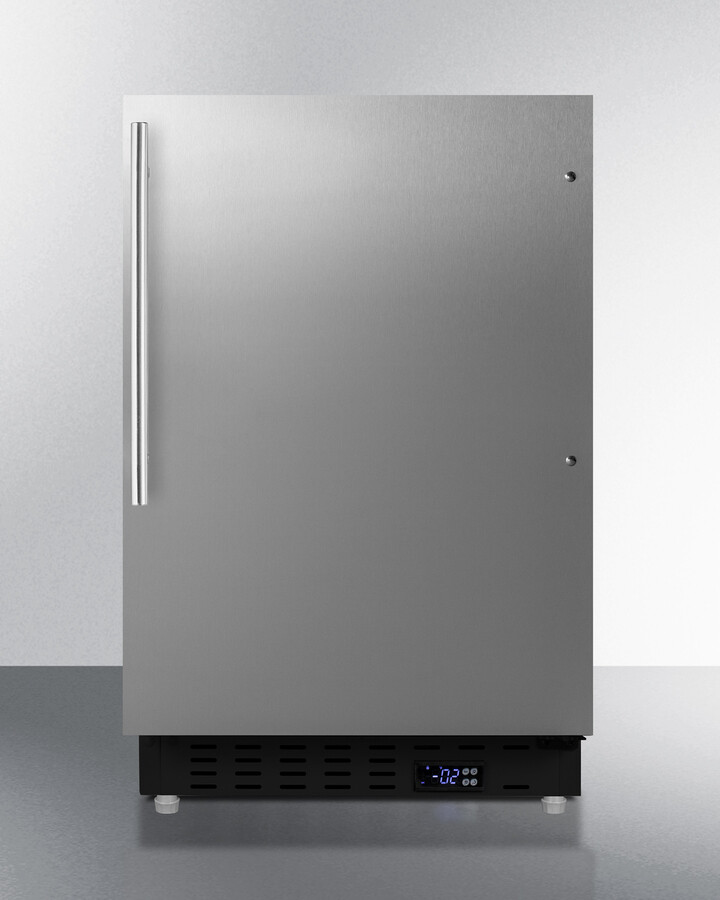
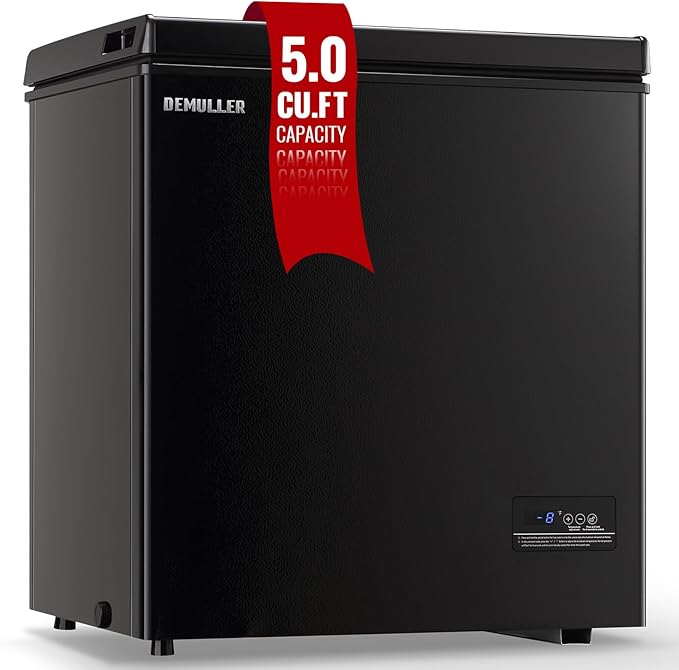
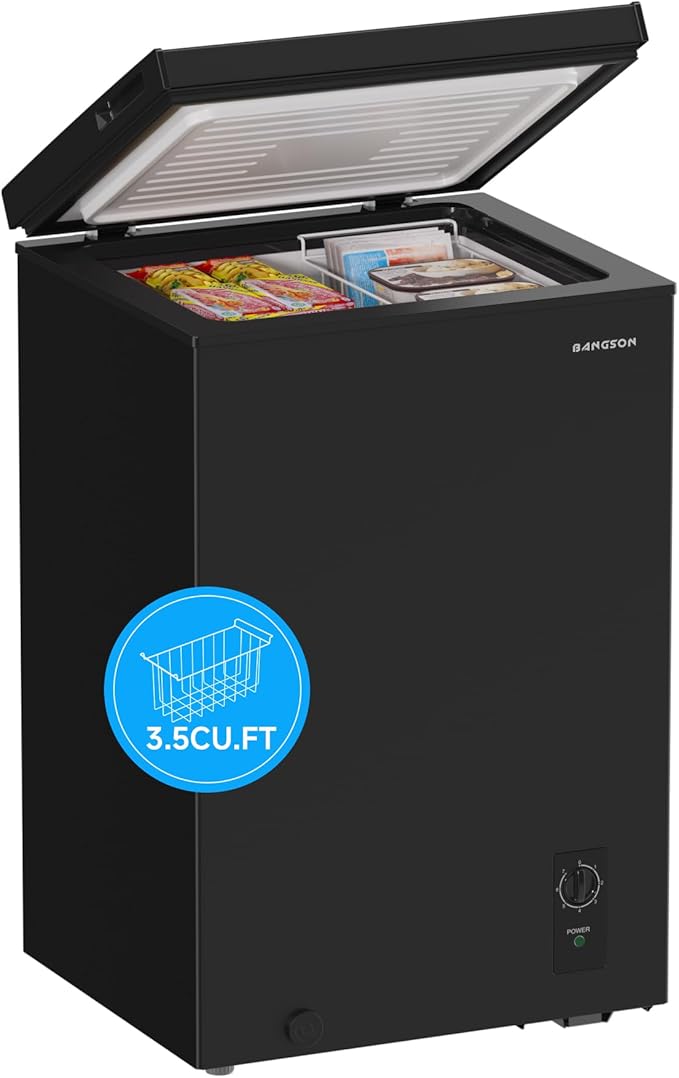
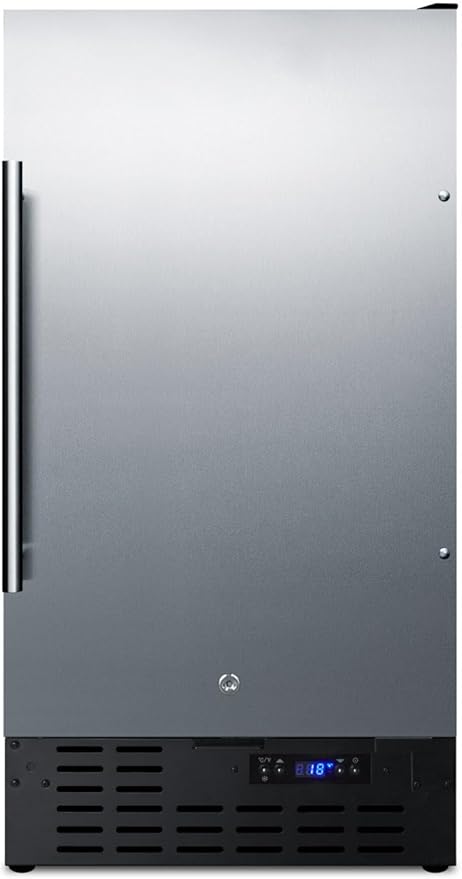
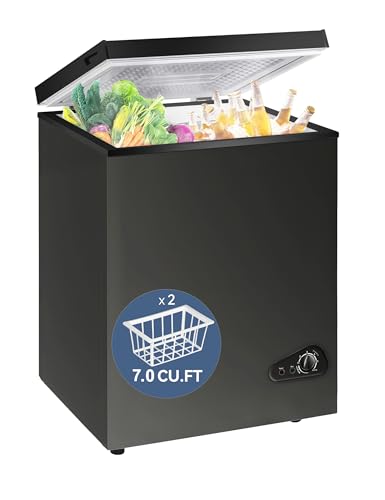
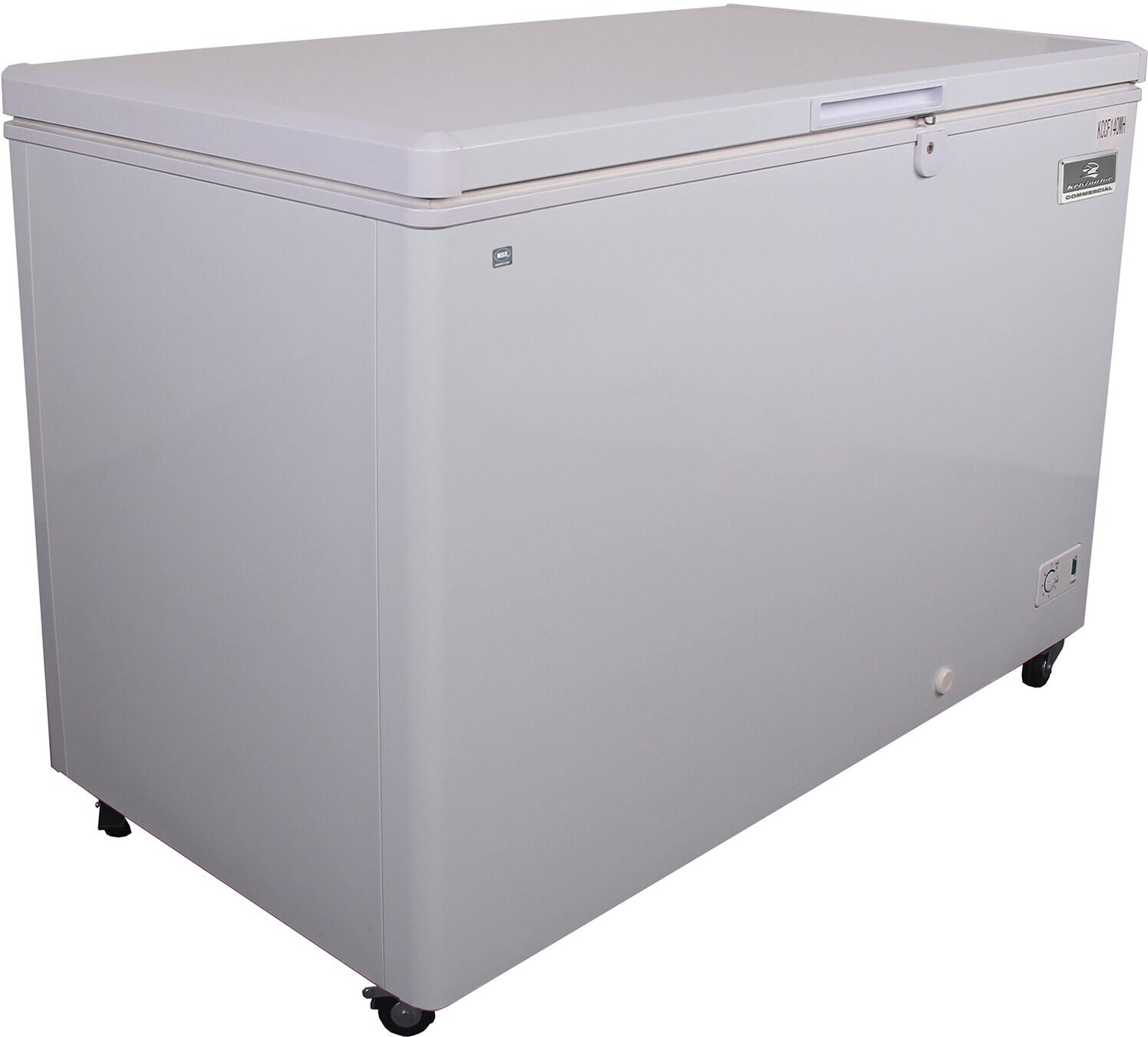
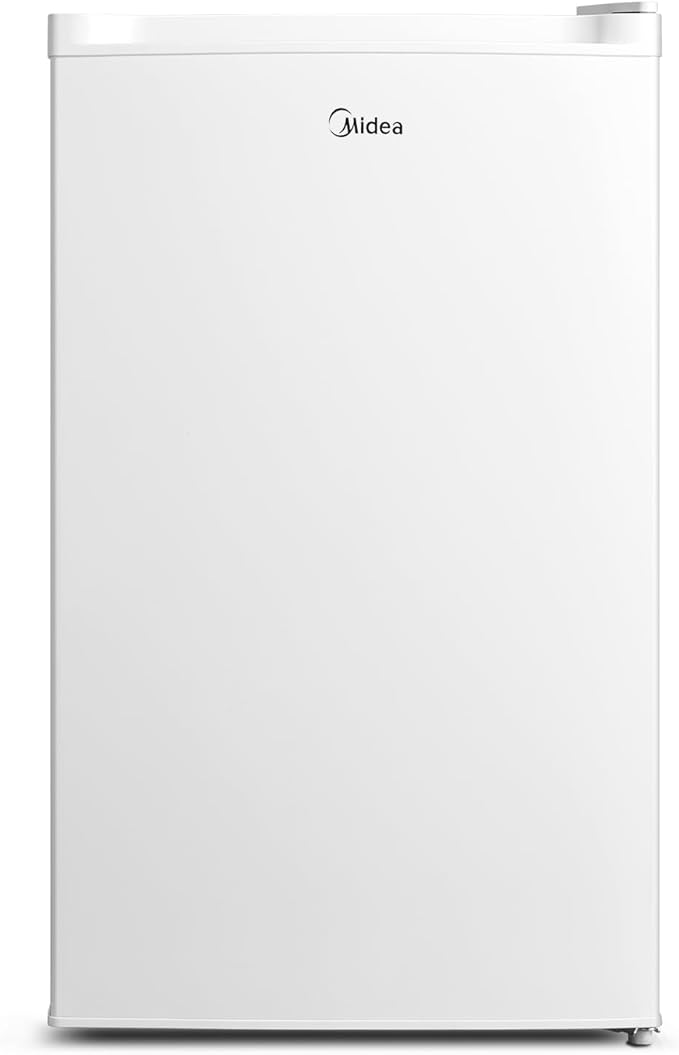
Before choosing between a column freezer and a convertible refrigerator, it’s important to evaluate your specific needs and preferences. Understanding these factors will help you make an informed decision that aligns with your lifestyle and space requirements.
Assessing Your Refrigeration Needs
Start by assessing your refrigeration needs. Consider the following questions:
How much storage space do you require for frozen and fresh foods?
Do you need separate compartments for different types of food items?
How often do you cook and store leftovers?
Do you entertain guests frequently or have a large family?
Are you looking for a fridge that can adapt to changing needs, such as converting from a freezer to a refrigerator?
Understanding your storage requirements will help you determine whether a column freezer or a convertible refrigerator is more suitable for your lifestyle. For instance, if you need ample freezer space for bulk storage, a column freezer might be the better option. On the other hand, if you need flexibility, a convertible refrigerator can offer the versatility to switch between refrigerator and freezer modes as needed.
Factors to Consider Before Choosing
There are several key factors to consider before making your choice:
Space and Layout:
Measure the available space in your kitchen or designated area.
Consider the layout and how the appliance will fit into your existing kitchen design.
Ensure there is enough clearance for doors to open fully.
Energy Efficiency:
Compare the energy consumption of both options.
Look for energy-efficient models to save on electricity bills.
Check the Energy Star ratings for a better understanding of efficiency.
Budget:
Determine your budget and compare the costs of both types of appliances.
Consider long-term costs, including energy consumption and maintenance.
Features:
Evaluate the features that are important to you, such as adjustable shelves, temperature controls, and smart technology.
Some models offer advanced features like humidity control and quick freeze options.
Maintenance:
Consider the maintenance requirements of each type.
Check for ease of cleaning and accessibility of parts.
Lifestyle:
Reflect on your lifestyle and how you use your kitchen.
If you frequently host gatherings, you might prefer a model with more storage capacity and flexibility.
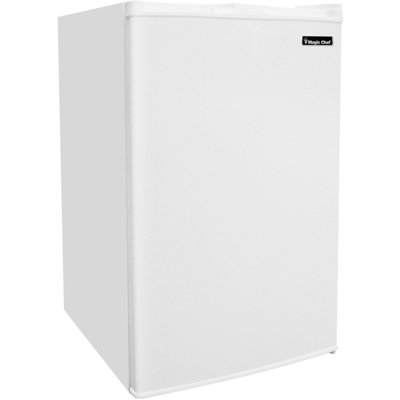
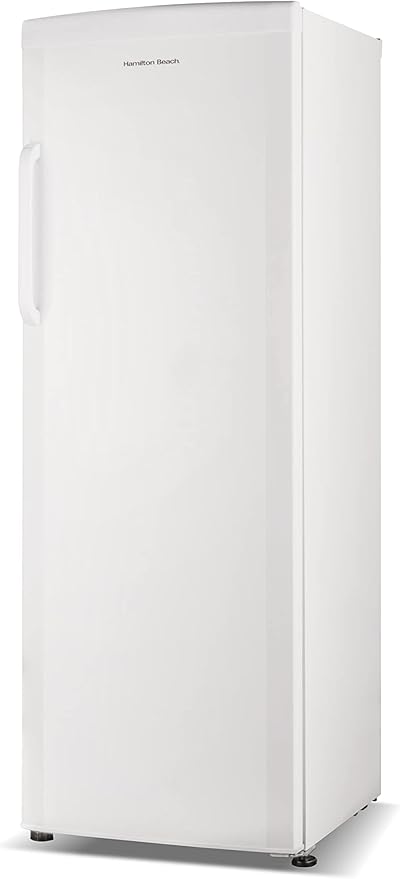
Column freezers are a popular choice for those seeking a dedicated space for freezing large quantities of food. They offer a range of features and functions that make them an excellent option for homeowners, chefs, and food enthusiasts.
Features and Functions
Column freezers are designed to provide ample storage with a focus on organization and accessibility. They typically feature adjustable shelves, door bins, and drawers to accommodate various food items. Some of the key features include:
Temperature Control: Precise temperature settings ensure optimal freezing conditions for different types of food.
Frost-Free Operation: Automatic defrosting prevents ice buildup, reducing the need for manual defrosting.
Fast Freeze Option: Quickly lowers the temperature to freeze fresh food items faster, preserving their quality.
LED Lighting: Bright interior lighting enhances visibility, making it easy to locate items.
Energy Efficiency: Many column freezers are designed to be energy-efficient, helping to reduce electricity consumption.
Feature
Description
Temperature Control
Precise settings for optimal freezing
Frost-Free Operation
Prevents ice buildup
Fast Freeze Option
Quickly freezes fresh food items
LED Lighting
Enhances visibility inside the freezer
Pros and Cons of Column Freezers
When considering a column freezer, it's important to weigh the advantages and disadvantages to determine if it meets your needs.
Pros:
Dedicated Freezing Space: Provides ample room for storing frozen goods.
Organization: Adjustable shelves and bins allow for easy organization of food items.
Temperature Stability: Maintains consistent temperatures, preserving food quality.
Frost-Free Operation: Reduces the need for manual defrosting.
Cons:
Space Requirements: Requires sufficient space for installation, which may not be suitable for smaller homes or apartments.
Cost: Typically more expensive than traditional freezers or convertible refrigerators.
Limited Flexibility: Designed solely for freezing, lacking the versatility of convertible refrigerators.
Within the realm of refrigeration, convertible refrigerators stand out due to their versatile nature. They offer the flexibility to switch between refrigeration and freezing modes, catering to varying storage needs.
Features and Functions
Convertible refrigerators come equipped with advanced technology that allows you to switch between refrigerator and freezer modes with ease. This flexibility is particularly beneficial for those who have changing storage needs throughout the year.
Key Features:
Mode Switching: Allows conversion between fridge and freezer modes.
Temperature Control: Precise temperature settings for both refrigeration and freezing.
Storage Space: Adjustable shelves and compartments to maximize space.
Energy Efficiency: Designed to optimize energy consumption based on the chosen mode.
Feature
Description
Mode Switching
Allows switching between refrigerator and freezer
Temperature Control
Precise settings for both modes
Storage Space
Adjustable shelves and compartments
Pros and Cons of Convertible Refrigerators
Convertible refrigerators have their own set of advantages and disadvantages. Understanding these can help you decide if this type of appliance is suitable for your needs.
Pros:
Versatility: Easily switch between refrigerator and freezer modes.
Space Utilization: Adjustable compartments for efficient storage.
Adaptability: Suitable for varying storage needs, such as seasonal changes.
Convenience: Ideal for homes, apartments, and other living spaces.
Cons:
Cost: Typically more expensive due to advanced technology.
Complexity: May require a learning curve to fully utilize features.
Energy Consumption: Higher energy use when frequently switching modes.
Pros
Cons
Versatility
Higher cost
Space Utilization
Learning curve
Adaptability
Increased energy consumption
Convenience
—
For more information on comparing other types of refrigerators and freezers, you can explore Fridge.com articles on beverage cooler Vs. refrigerator freezer combo and compact freezer Vs. compact refrigerator.
Convertible refrigerators offer a unique blend of features that make them an attractive option for those with dynamic storage needs. However, it's essential to weigh the pros and cons to determine if they align with your lifestyle and requirements.
When comparing column freezers and convertible refrigerators, one of the important factors to consider is their design and flexibility. This section will explore customization options and how these appliances fit and integrate into your space.
Customization Options
Column freezers and convertible refrigerators offer different levels of customization to suit your specific needs. Column freezers are often preferred for their ability to be paired with separate refrigerators, allowing you to create a customized refrigeration system tailored to your storage requirements. They are available in various heights and widths, providing flexibility in design.
Convertible refrigerators, on the other hand, offer the unique feature of switching between refrigerator and freezer modes. This versatility allows you to adjust the appliance to meet your changing storage needs. If you require more freezer space during certain seasons or events, you can easily convert the refrigerator section into a freezer.
Feature
Column Freezer
Convertible Refrigerator
Customization
High (pair with separate fridge)
Moderate (switch between fridge/freezer)
Sizes Available
Various heights and widths
Standard sizes
Fit and Integration with Your Space
The fit and integration of column freezers and convertible refrigerators in your space are crucial for achieving a seamless look and optimal functionality. Column freezers are designed to be installed as part of a built-in system, providing a sleek, integrated appearance. They can be customized with panel-ready options to match your kitchen cabinetry, creating a cohesive look.
Convertible refrigerators are typically standalone units, making them easier to move and reposition as needed. They are ideal for spaces where flexibility and mobility are important, such as apartments, condos, or small kitchens. Their ability to switch between modes adds an extra layer of adaptability, making them suitable for various environments.
Consideration
Column Freezer
Convertible Refrigerator
Installation
Built-in
Freestanding
Appearance
Panel-ready options
Standard finishes
Mobility
Limited (fixed installation)
High (easily moved)
Understanding the design and flexibility of column freezers and convertible refrigerators can help you make an informed decision based on your specific needs and space requirements. Whether you prioritize a customized, integrated look or the versatility of a convertible unit, both options provide unique benefits to enhance your refrigeration experience. For more comparisons, check out Fridge.com articles on narrow refrigerator Vs. stainless look refrigerator and beverage cooler Vs. refrigerator freezer combo.
Energy Efficiency and Maintenance
Energy Consumption
When comparing the energy efficiency of a column freezer and a convertible refrigerator, it's essential to consider their energy consumption. Energy usage can impact your utility bills and environmental footprint. Both types of appliances have their own unique energy requirements.
Appliance Type
Average Energy Consumption (kWh/year)
Column Freezer
300 - 700
Convertible Refrigerator
400 - 800
Column freezers generally have lower energy consumption compared to convertible refrigerators. However, the actual energy usage can vary based on factors such as size, model, and frequency of use. It's important to look for appliances with energy-efficient ratings to ensure lower power consumption.
Maintenance Requirements and Tips
Maintaining your column freezer or convertible refrigerator is crucial for ensuring longevity and optimal performance. Proper maintenance helps in preventing unexpected breakdowns and keeps your appliance running efficiently.
Column Freezer Maintenance
Defrosting: Regularly defrost your column freezer to prevent ice buildup, which can affect its efficiency.
Cleaning: Clean the interior and exterior surfaces with a mild detergent and water. Avoid using harsh chemicals.
Ventilation: Ensure proper ventilation around the freezer. Keep it away from heat sources and maintain adequate space around it for airflow.
Gasket Check: Inspect the door gasket regularly for wear and tear. Replace if necessary to ensure a proper seal.
Convertible Refrigerator Maintenance
Temperature Control: Regularly check and adjust the temperature settings to ensure optimal cooling and energy efficiency.
Coil Cleaning: Clean the condenser coils at least twice a year to remove dust and debris. Dirty coils can reduce the appliance's efficiency.
Water Filter: If your convertible refrigerator has a water filter, replace it as recommended by the manufacturer to ensure clean water and ice.
Door Seal: Check the door seal for leaks and wear. A tight seal is essential for maintaining the internal temperature and energy efficiency.
For more detailed maintenance tips, you can refer to Fridge.com article on maintenance requirements for refrigerators and freezers.
By understanding the energy consumption and maintenance needs of column freezers and convertible refrigerators, you can make an informed decision that best suits your lifestyle and preferences. For more information on different types of refrigerators, check out Fridge.com comparisons like beverage cooler Vs. refrigerator freezer combo and compact freezer Vs. compact refrigerator.
Choosing between a column freezer and a convertible refrigerator depends on various factors. Understanding these elements will help you make an informed decision that best fits your needs.
Decision-Making Factors
When deciding between a column freezer and a convertible refrigerator, consider the following factors:
Factor
Column Freezer
Convertible Refrigerator
Storage Needs
Ideal for large quantities of frozen goods
Flexible storage for both fresh and frozen items
Space Availability
Requires dedicated space
Can transition between fridge and freezer based on needs
Maintenance
Requires regular defrosting and cleaning
Maintenance varies with mode changes
Customization
Limited to freezing
Offers more flexibility and can adapt to changing needs
For more insights on different refrigeration options, check out Fridge.com articles on compact freezer Vs. compact refrigerator and basement refrigerator Vs. beer keg cooler.
Choosing the Right Option for Your Lifestyle
Your lifestyle plays a crucial role in determining whether a column freezer or a convertible refrigerator is the right choice for you. Here are some considerations:
Family Size and Habits: Larger families or those who prefer bulk shopping may benefit more from a column freezer's capacity. Smaller households or those who prefer fresh food and flexibility might find a convertible refrigerator more suitable.
Space Constraints: Evaluate your available space. Column freezers are typically taller and narrower, making them suitable for dedicated pantry areas. Convertible refrigerators provide flexibility and can be placed in areas where you might need both a fridge and a freezer.
Energy Efficiency: If energy consumption is a concern, consider the operational cost of each option. Column freezers are often more energy-efficient for freezing, while convertible refrigerators might use more energy if frequently switched between modes.
Usage Patterns: If you often entertain or have varying storage needs, a convertible refrigerator can adapt to your changing requirements. For consistent, long-term frozen storage, a column freezer may be more efficient.
Taking into account these decision-making factors and aligning them with your lifestyle needs will assist in making the best choice between a column freezer and a convertible refrigerator.
Compare prices on Fridge.com
Compare current prices and specifications on Fridge.com, then buy from the retailer you choose; delivery, installation and warranty terms are the retailer’s.
It also has tons of awesome articles about kitchen stuff and home news. Enhance your home, garage, backyard, patio, and office with the coolest essentials. With every necessary type of residential refrigerator or freezer in the collection, you're covered.
From Fridge.com research
Figures below come from data Fridge.com builds and maintains. Each links to the record behind it.
Fridge.com Energy Index, built on U.S. EPA and DOE ENERGY STAR records
Across 5,455 ENERGY STAR certified refrigerators and freezers from 263 brands, median use is 360 kWh per year.