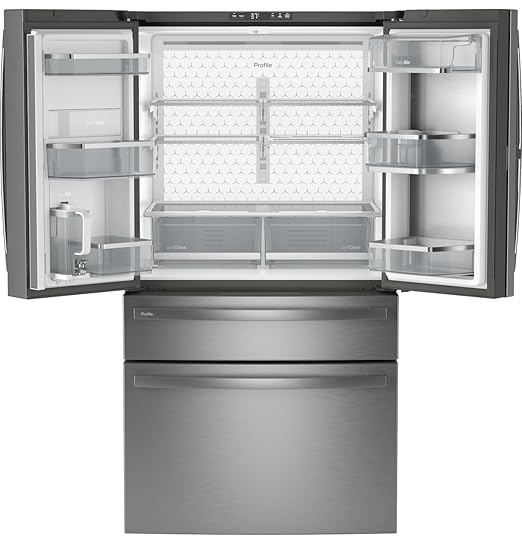
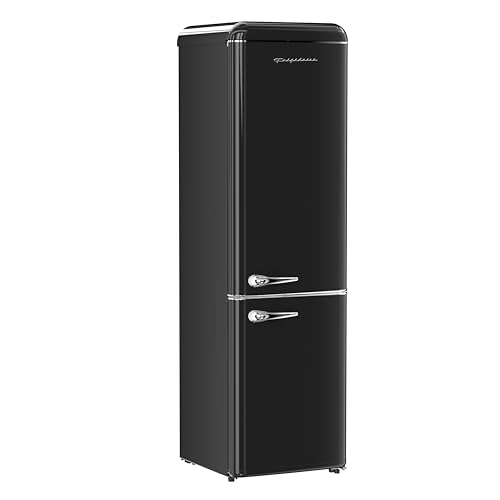
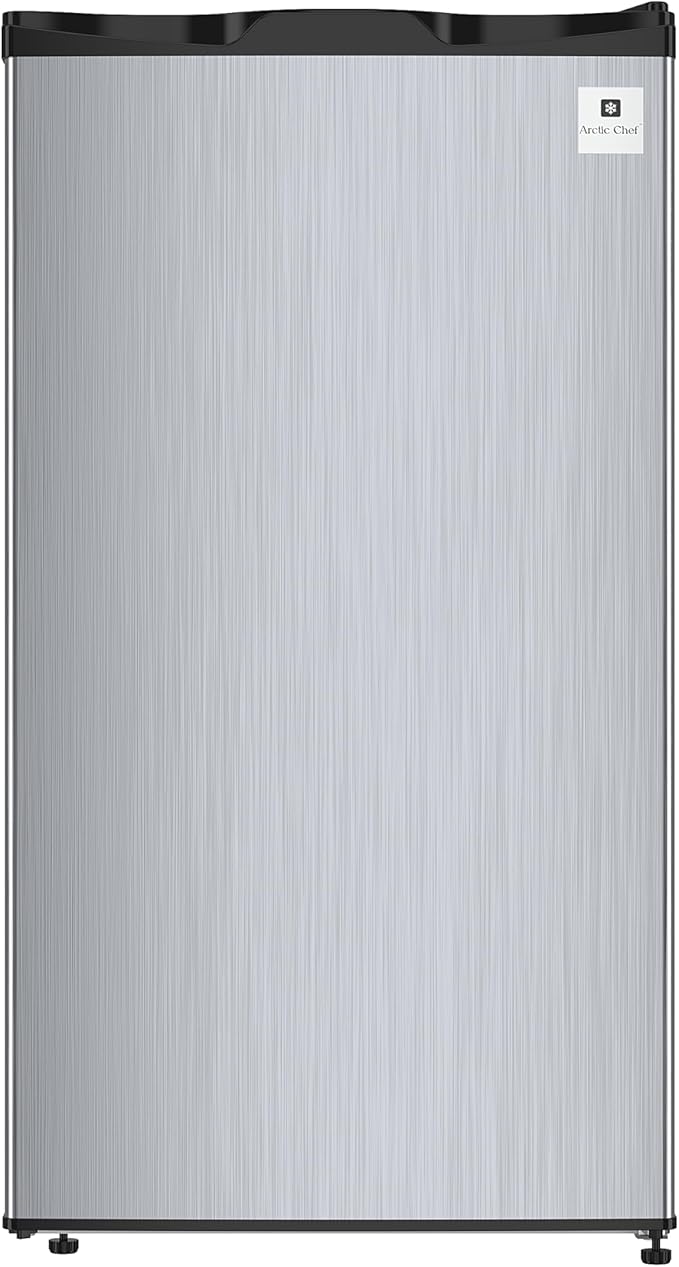
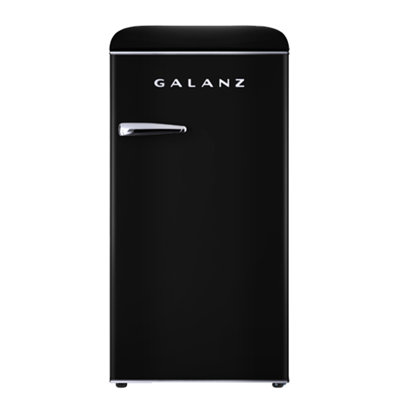
Chest fridges, also known as chest freezers, are an excellent addition to any home or outdoor space. They offer a unique design that maximizes storage capacity while keeping your food and beverages cold. These fridges are typically wider and shallower than upright models, allowing for easier access to items stored within. Whether you're hosting a gathering or simply need extra space for your food, chest fridges provide a practical solution.

Benefits of Chest Fridges
There are several advantages to choosing chest fridges over other types of refrigeration units:
Benefit
Description
Storage Capacity
The horizontal layout allows for more storage space, making it easier to organize bulk food items.
Versatility
Ideal for outdoor settings, basements, garages, or even small kitchens, chest fridges can accommodate various needs.
Temperature Stability
Chest fridges maintain a more consistent temperature, which is beneficial for preserving food quality.
Cost-Effective
Generally, they are less expensive to purchase and operate compared to upright models.
These benefits make chest fridges an attractive choice for anyone looking to enhance their food storage options. For those who enjoy entertaining or need extra space for seasonal items, chest fridges can be a game-changer.
Chest fridges come with a variety of features that make them ideal for your storage needs. Understanding these features helps you choose the right model for your space.
Capacity and Storage Space
One of the most significant advantages of chest fridges is their storage capacity. They are designed to provide ample space for your food and beverages, making them perfect for entertaining or stocking up on groceries. Here is a general overview of different capacities available:
Capacity (Cubic Feet)
Ideal for
3 - 5
Small apartments or dorm rooms
6 - 10
Family use or small gatherings
11 - 15
Large families or frequent entertainers
16+
Commercial use or bulk storage
Chest fridges typically offer more usable storage space than upright models because of their design. The wide opening allows you to store larger items without the need for additional shelves. This makes it easier to access items and organize your food efficiently.
Temperature Control and Energy Efficiency
Temperature control is essential for preserving your food and ensuring its safety. Chest fridges often come equipped with adjustable thermostats that allow you to set the temperature according to your preferences. Most models can maintain temperatures between 0°F and 10°F, making them suitable for both freezing and refrigeration needs.
In addition to temperature control, energy efficiency is also a key feature of chest fridges. Many models are designed to consume less energy than traditional upright fridges. Here are some factors that contribute to their energy efficiency:
Feature
Benefit
Thick Insulation
Reduces energy loss and maintains temperature
Manual Defrost
Minimizes frost buildup and reduces energy use
When selecting a chest fridge, consider looking for models with an Energy Star rating to ensure you are choosing an energy-efficient option. This not only helps in reducing your electricity bills but also contributes to environmental conservation.


Chest fridges are versatile appliances that can be utilized in a variety of settings. Their design and functionality make them ideal for specific needs and situations. In this section, you will learn about the ideal settings for chest fridges and their applications in different spaces.

Ideal Settings for Chest Fridges
When considering where to place your chest fridge, there are a few ideal settings to keep in mind for optimal performance:
Setting
Description
Basement
A cool, dry area helps maintain temperature stability.
Garage
Provides easy access for storing beverages and snacks.
Outdoor Kitchen
Ideal for entertaining, keeping food and drinks cold.
Poolside
Convenient for quick access to refreshments during summer.
Cabin or Cottage
Great for storing food during vacations or weekend getaways.
Mobile Home
Saves space while providing ample storage for perishables.
Applications in Different Spaces
Chest fridges can serve various purposes depending on the environment. Here are some common applications:
Space
Application
Home
Storing large quantities of food for families or gatherings.
Restaurant
Keeping ingredients and beverages chilled for quick access.
Office
Providing snacks and drinks for employees.
Workshop
Storing beverages for breaks and tools to keep cool.
Events
Functioning as a buffet for outdoor celebrations.
Retail
Displaying products in a visually appealing manner.
Chest fridges are not just for home use; they can enhance various environments by efficiently storing food and drinks. Whether you are a food enthusiast, an entertainer, or simply someone looking to expand your refrigeration options, knowing how to utilize a chest fridge can greatly improve your space. For more information on maximizing your fridge usage, check out Fridge.com article on best ways to store veggies in the fridge.
When it comes to choosing a refrigerator, you have two main options: chest fridges and upright fridges. Each type has its own set of features, advantages, and drawbacks. Understanding these differences can help you make the best choice for your needs.
Comparison of Chest Fridges and Upright Fridges
Feature
Chest Fridges
Upright Fridges
Design
Horizontal, top-opening
Vertical, front-opening
Space Utilization
More efficient for storage
Easier access to items
Temperature Consistency
Maintains cold better
May have temperature fluctuations
Capacity
Typically larger capacity
Variety of sizes available
Organization
Can be harder to organize
Shelves for easy organization
Advantages and Disadvantages of Chest Fridges
Advantages:
Energy Efficiency: Chest fridges are often more energy-efficient than upright models. They have better insulation, which helps to maintain a consistent temperature, making them ideal for long-term storage of frozen goods.
Space for Large Items: The wide, deep storage space allows you to store larger items, making it a great option for bulk purchases or storing food for events.
Less Temperature Fluctuation: Because of their design, chest fridges tend to keep items colder for longer during power outages or when the door is opened.
Disadvantages:
Access Issues: The top-opening design means you have to bend down to reach items at the bottom, which can be inconvenient.
Organization Challenges: It can be harder to keep items organized, often leading to a situation where you have to dig through items to find what you need.
Floor Space: Chest fridges can take up more floor space than upright fridges, which might be a concern in smaller areas.
Choosing between chest fridges and upright fridges depends on your specific needs and preferences. Consider factors like energy efficiency, storage capacity, and how you plan to organize your food items. If you entertain frequently or buy in bulk, a chest fridge may be the right choice for you. For easier access to everyday items, an upright fridge could better suit your lifestyle.
Proper maintenance and care of your chest fridge can enhance its lifespan and ensure optimal performance. This section provides essential cleaning tips and troubleshooting advice.
Cleaning and Organization Tips
Regular cleaning is vital for maintaining a hygienic environment in your chest fridge. Follow these steps to keep it clean and organized:
Empty the Fridge: Before cleaning, remove all items from the chest fridge. This allows you to thoroughly clean the interior without obstructions.
Use Mild Detergent: Clean the interior using a mixture of warm water and mild detergent. Avoid using harsh chemicals that may damage the surfaces.
Wipe Down Shelves: Take out any removable shelves and wash them separately. Ensure they are completely dry before placing them back.
Check for Spills: Inspect for any spills or stains and clean them immediately to prevent odors and bacteria growth.
Organize Items: When restocking, categorize items by type or frequency of use. Consider using bins or containers for smaller items to keep things tidy.
Regular Maintenance: Schedule a deep clean every few months to remove any ice buildup and ensure proper airflow.
Cleaning Task
Frequency
Empty and clean interior
Every 3 months
Check seals and gaskets
Monthly
Inspect temperature settings
Monthly
Defrost if necessary
As needed
Troubleshooting Common Issues
Even with proper maintenance, issues may arise. Here are some common problems and their solutions:
Issue
Possible Cause
Solution
Chest fridge not cooling
Power supply issue
Check the power cord and outlet
Excessive frost buildup
Faulty door seal
Inspect and replace seals if damaged
Unpleasant odors
Spoiled food
Remove all items and clean thoroughly
Temperature fluctuations
Overloading or blocked vents
Avoid overcrowding and ensure vents are clear
If you encounter persistent issues, consider consulting a professional technician. For more information on maintaining food freshness, explore Fridge.com article on best ways to store veggies in the fridge.
By following these cleaning and troubleshooting tips, you can ensure that your chest fridge remains in excellent condition, ready for all your storage needs.
It also has tons of awesome articles about kitchen stuff and home news. Enhance your home, garage, backyard, patio, and office with the coolest essentials. With every necessary type of residential refrigerator or freezer in the collection, you're covered.
Chest fridges, also known as chest freezers, are an excellent addition to any home or outdoor space. They offer a unique design that maximizes storage capacity while keeping your food and beverages cold. These fridges are typically wider and shallower than upright models, allowing for easier access to items stored within. Whether you're hosting a gathering or simply need extra space for your food, chest fridges provide a practical solution.