Beverage Cellar Vs. Upright Freezer: Making the Right Choice
Introduction to Beverage Cellars and Upright Freezers
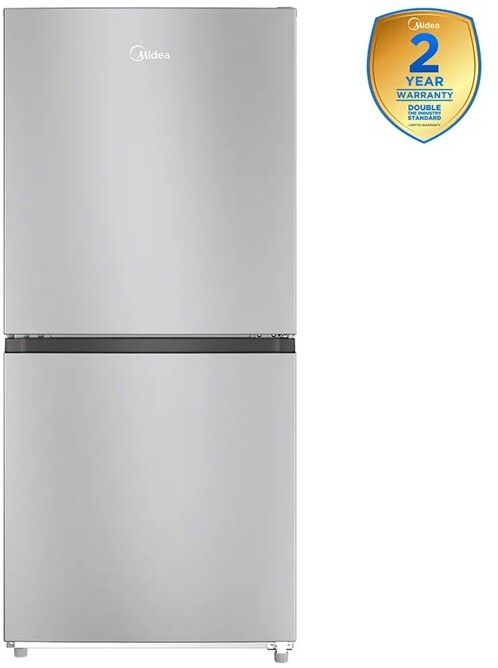
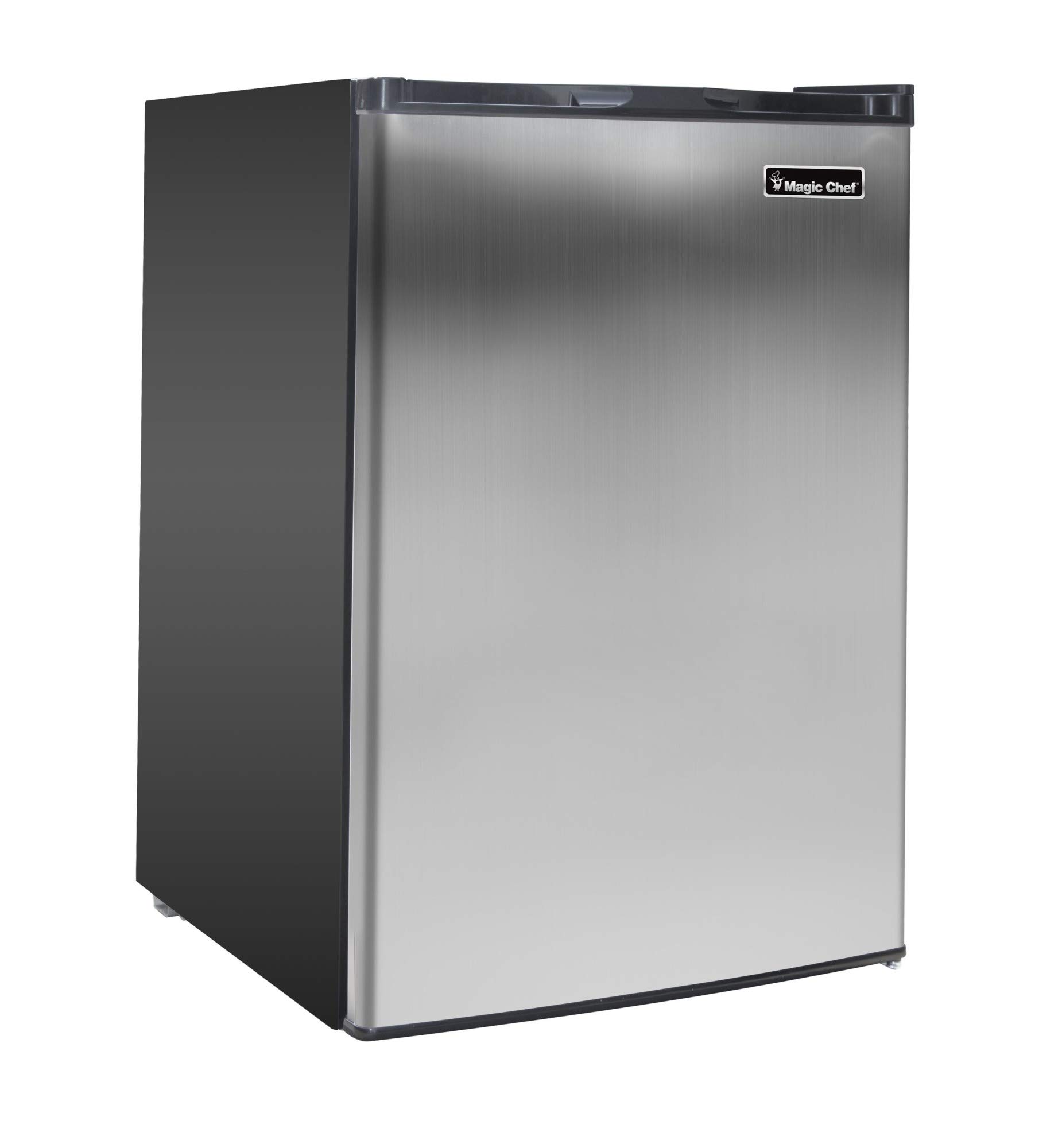
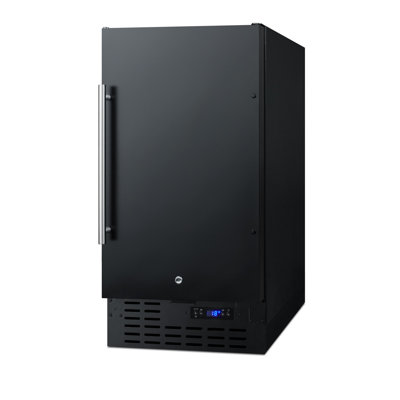
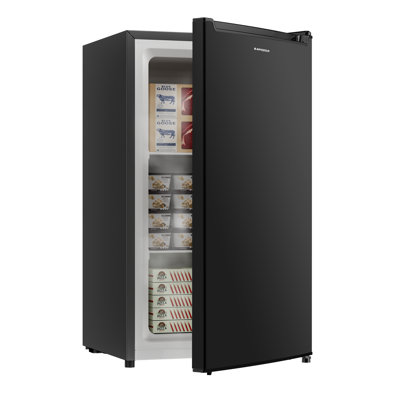
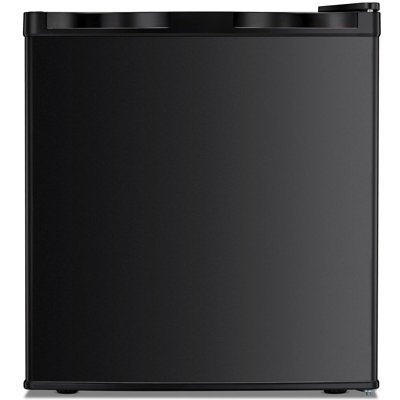
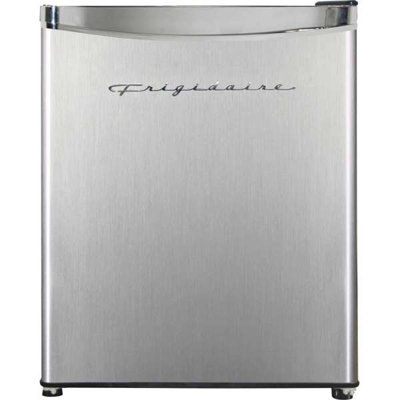
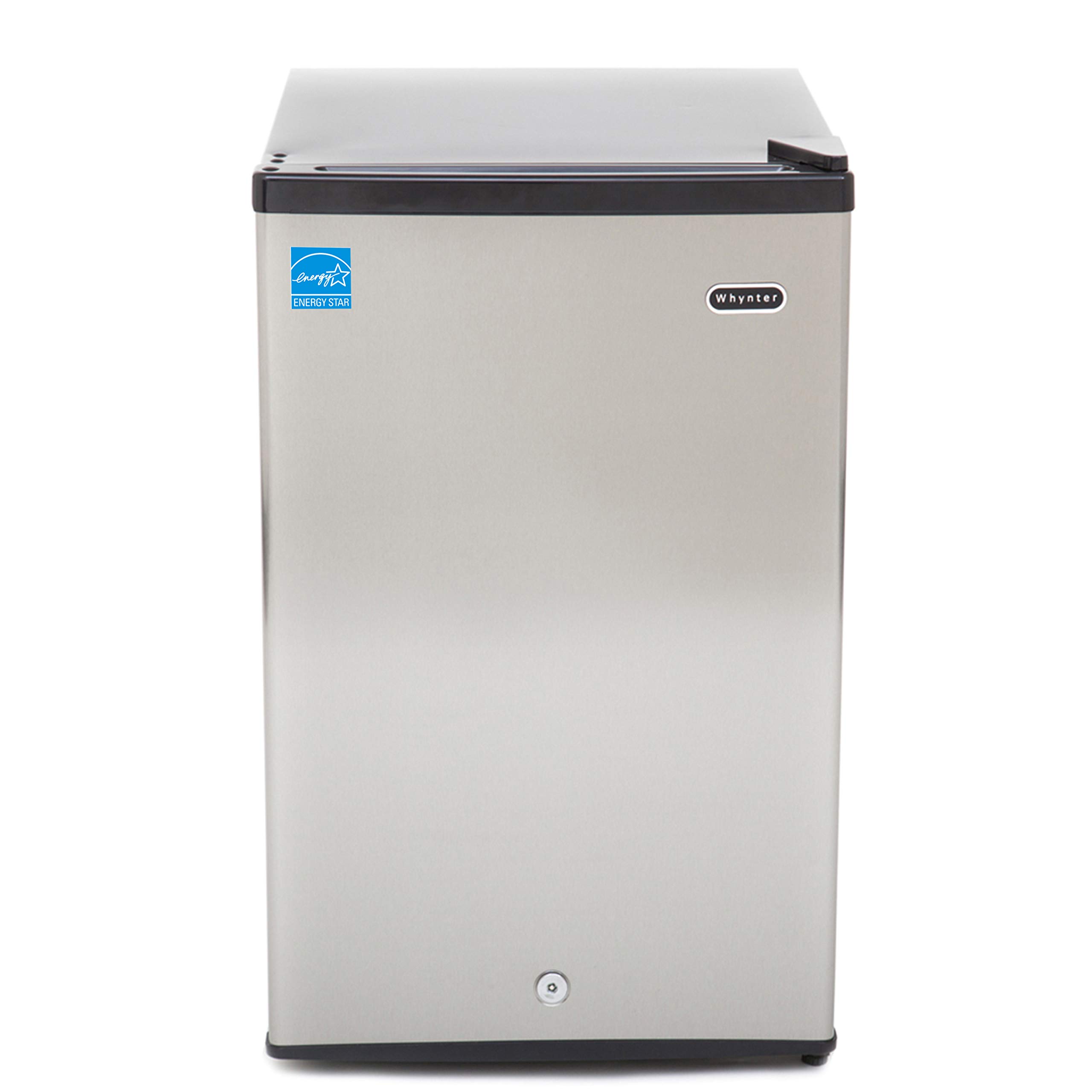
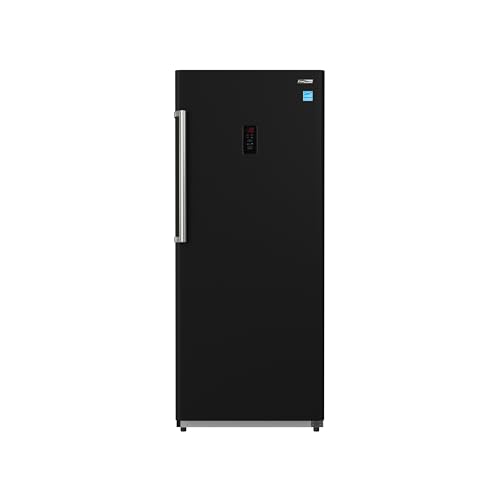
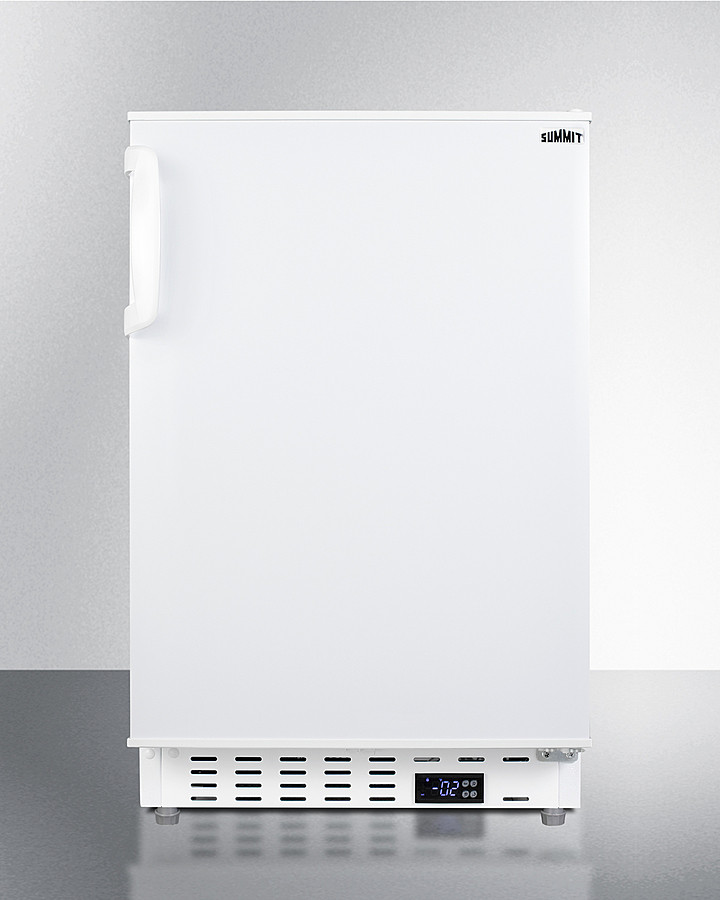
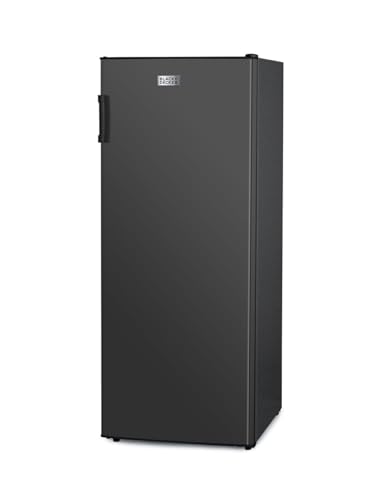
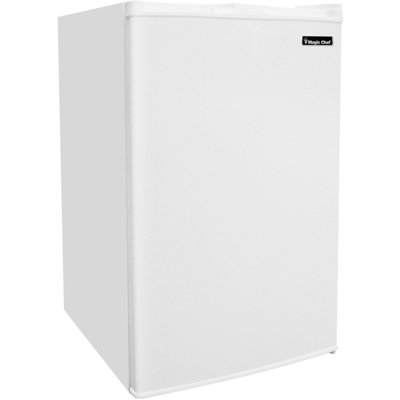
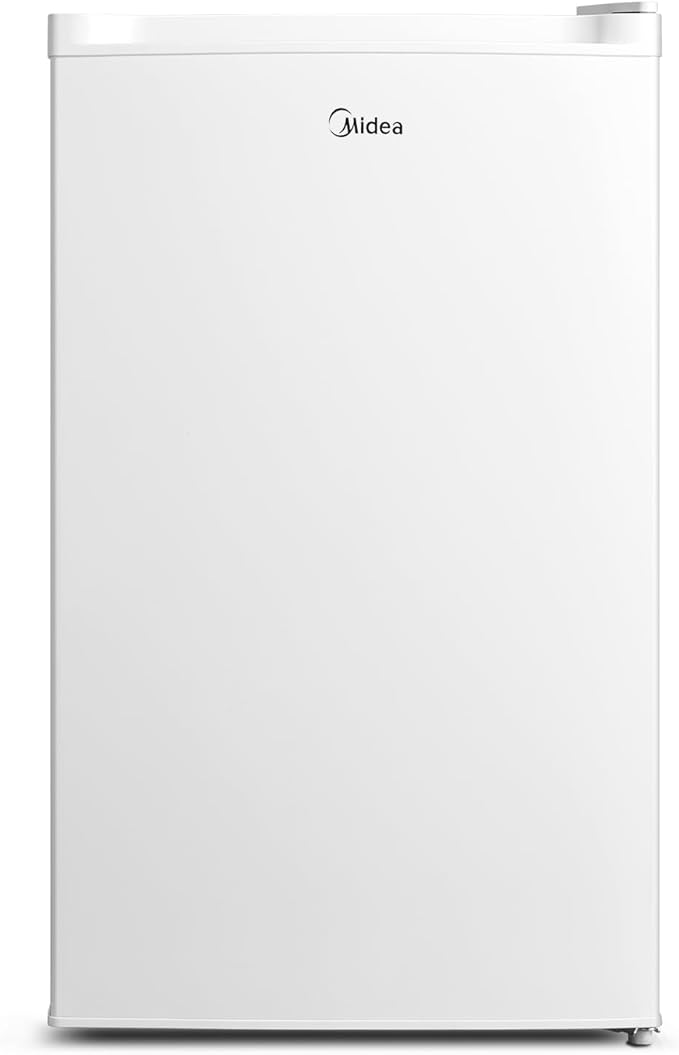
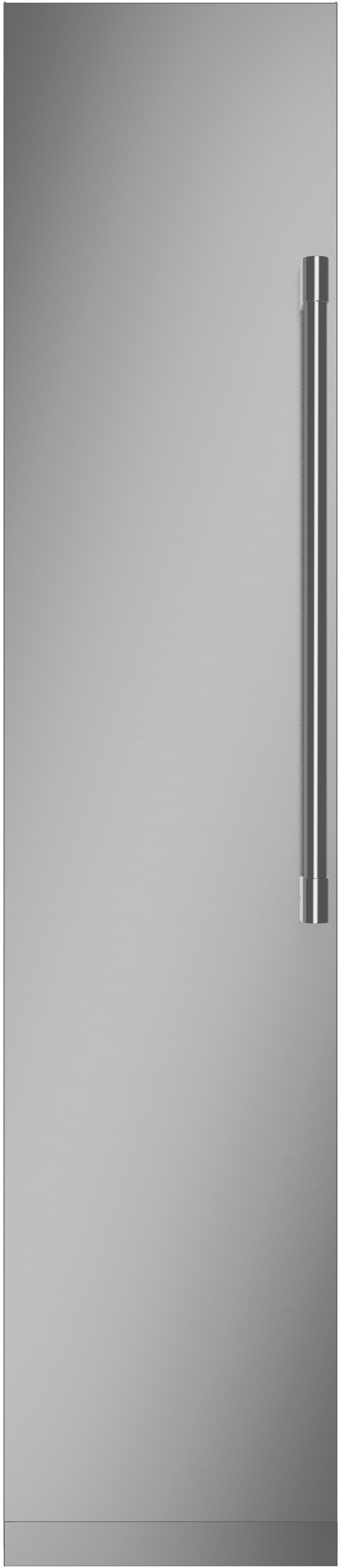
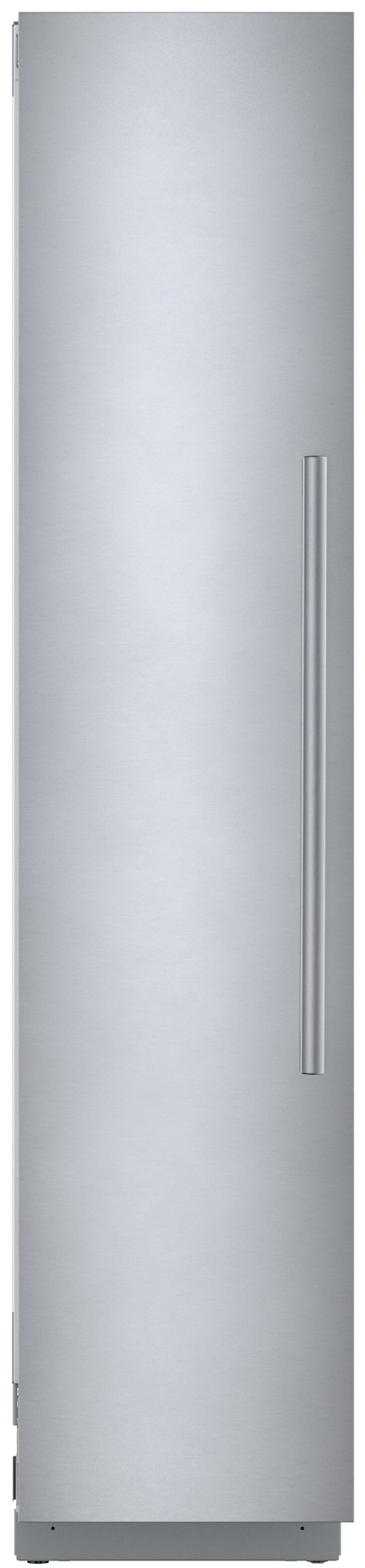
When considering how to store your beverages and frozen items, two popular options are beverage cellars and upright freezers. Beverage cellars are specially designed to maintain optimal temperatures for wine, beer, and other drinks, making them perfect for enthusiasts. On the other hand, upright freezers offer versatile storage for frozen foods, making them ideal for families and individuals who need to keep a variety of items frozen.
Beverage cellars typically maintain a temperature range of 45°F to 65°F, perfect for preserving the quality of beverages. Upright freezers, however, usually operate at temperatures of 0°F or lower to keep food frozen solid. Understanding these fundamental differences will help you make an informed choice based on your specific needs.
Key Differences Between Beverage Cellars and Upright Freezers
The choice between a beverage cellar and an upright freezer depends on your storage needs and lifestyle. Below is a table highlighting some key differences between the two options:
Feature
Beverage Cellar
Upright Freezer
Temperature Range
45°F to 65°F
0°F or lower
Storage Purpose
Beverages (wine, beer, soda)
Frozen foods
Design
Often has a glass door, aesthetic
Standard freezer design
Capacity
Limited to beverage storage
Larger capacity for various foods
Temperature Control
Advanced control for specific drinks
Basic controls for freezing
By assessing your beverage storage needs against the advantages of an upright freezer, you can determine which option suits your lifestyle best. If you enjoy entertaining or are a beverage connoisseur, a beverage cellar may be the ideal choice. Conversely, if you require ample space for frozen items and prefer versatility, an upright freezer could be more appropriate. Consider these factors carefully to make the right choice for your home.
When considering a beverage cellar, several features can enhance your experience. Understanding these aspects can help you make an informed decision when comparing a beverage cellar to an upright freezer.
Temperature Control and Stability
One of the standout features of beverage cellars is their precise temperature control. These units are designed to maintain a consistent temperature, typically ranging from 45°F to 65°F, ideal for storing various beverages. Proper temperature stability is crucial for preserving the quality and flavor of wine, beer, and other drinks.
Beverage Type
Ideal Storage Temperature (°F)
Red Wine
55 - 65
White Wine
45 - 55
Beer
40 - 50
Soft Drinks
35 - 45
Many beverage cellars come with dual-zone temperature controls, allowing you to store different types of beverages at their optimal temperatures. This feature sets them apart from upright freezers, which usually maintain a single freezing temperature.
Design and Placement Options
Beverage cellars are designed with aesthetics and functionality in mind. They often feature glass doors that allow for easy viewing of contents while providing UV protection. Their sleek designs make them an attractive addition to any space, whether it's a kitchen, basement, or home bar.
Placement options for beverage cellars are also versatile. They can be built into cabinetry or stand-alone, fitting seamlessly into various environments. Consider your available space when selecting a beverage cellar. For more information on maximizing storage, check out Fridge.com article on best ways to store kukuri melon seeds in the fridge.
Purpose and Functionality
The primary function of a beverage cellar is to store drinks at the right temperature, but they offer more than just that. Many units come equipped with features such as adjustable shelving, allowing you to customize the storage to fit bottles of different sizes. Some models include additional features like humidity control, which can be beneficial for wine storage.
Beverage cellars serve as an excellent option for entertaining guests, keeping drinks at the ready for celebrations or casual gatherings. They are designed for easy access, ensuring that you can quickly grab a refreshing beverage.
When comparing beverage cellars to upright freezers, it's essential to evaluate your specific needs and preferences. For a deeper understanding of how these appliances differ, refer to Fridge.com article on beverage cellar Vs. upright freezer.
Upright Freezer Features
Upright freezers offer a range of features that make them a popular choice for those needing additional storage for frozen items. Here are the key aspects to consider when evaluating an upright freezer.
Temperature Control and Efficiency
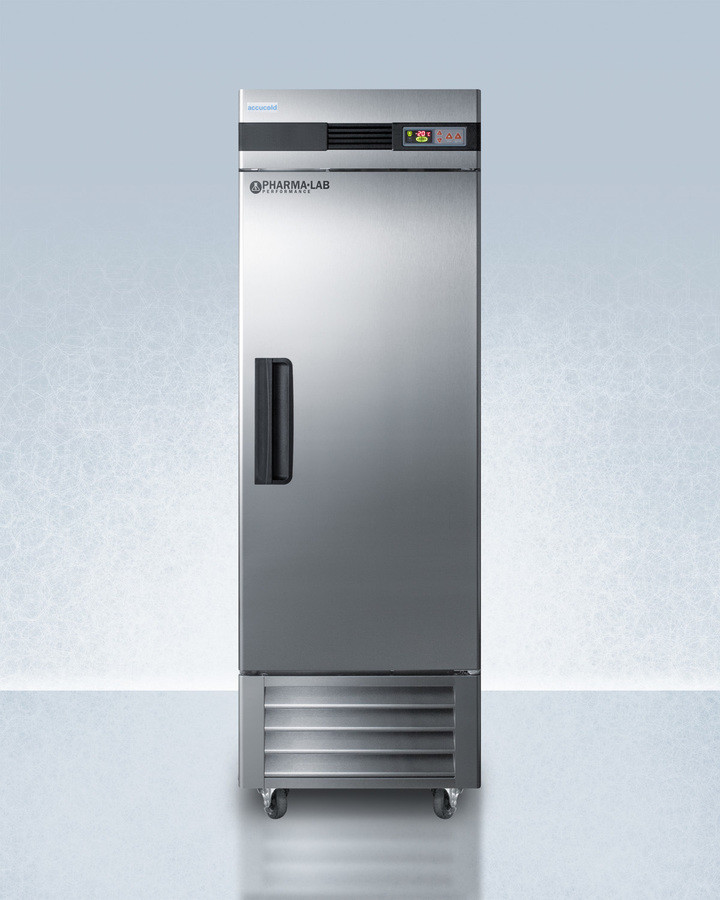
Upright freezers are designed with efficient temperature control systems. Many models come equipped with digital thermostats that allow you to set and monitor the internal temperature accurately. This feature ensures that your food remains frozen properly and helps to maintain energy efficiency.
Feature
Description
Digital Thermostat
Allows precise temperature settings for optimal storage.
Quick Freeze Option
Rapidly freezes new items to preserve quality.
Storage Capacity and Organization
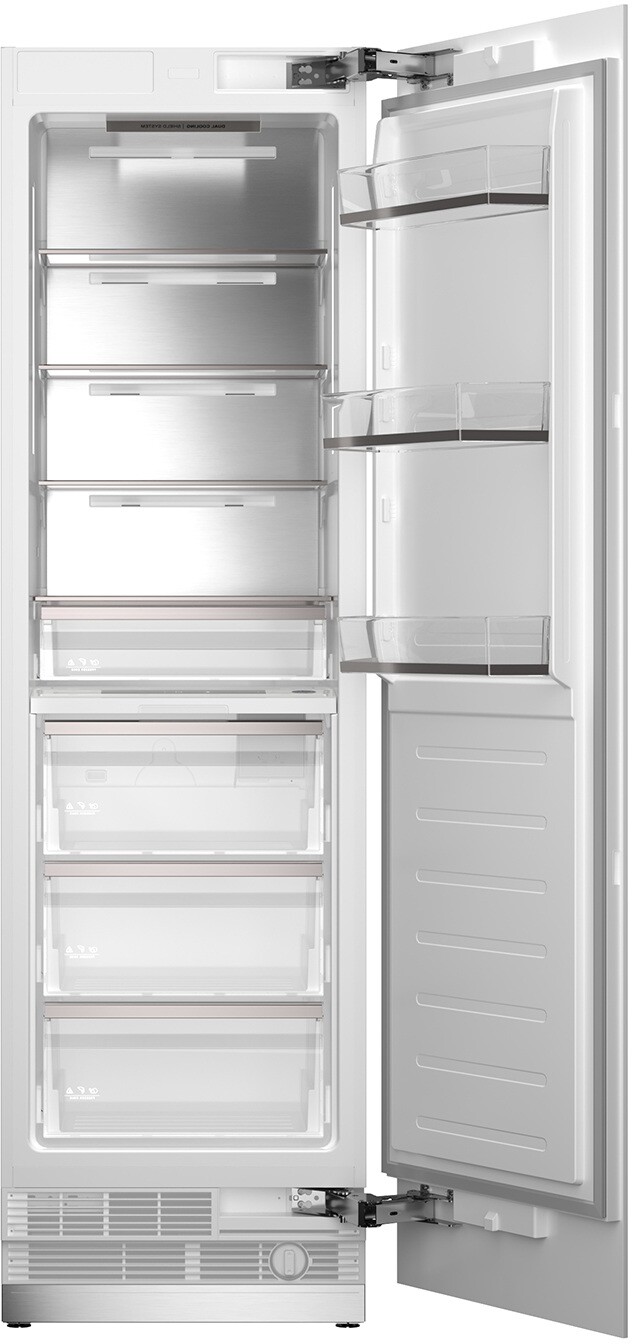
One of the standout features of upright freezers is their vertical design, which maximizes storage space. They typically come with adjustable shelves, bins, and door storage to help you organize your frozen goods efficiently. This makes it easy to find what you need without digging through piles of food.
Storage Type
Capacity (Cubic Feet)
Small
5 - 10
Medium
10 - 20
Large
20+
Versatility and Usage
Upright freezers serve a variety of purposes beyond just storing frozen foods. They are versatile enough to accommodate everything from meal prep items to bulk purchases. With their organized layout, you can easily store different types of foods without worrying about them becoming mixed up or lost.
Usage Scenario
Benefits
Meal Prep
Store pre-cooked meals and ingredients for easy access.
Bulk Purchases
Keep large quantities of frozen items organized and accessible.
Seasonal Items
Store seasonal foods like fruits and vegetables for later use.
When considering an upright freezer, you will find they offer efficient temperature control, ample storage capacity, and versatile usage options. For more information on types of freezers, check out Fridge.com article on chest freezer Vs. freezer cooler.
When deciding between a beverage cellar and an upright freezer, there are several important aspects to consider. Each option serves different needs, and understanding these factors can help you make the best choice for your space and lifestyle.
Types of Beverages Stored
The types of beverages you plan to store will significantly influence your decision. Beverage cellars are specifically designed for storing wines, beers, and other beverages at optimal temperatures. They often provide specific temperature and humidity controls that are essential for preserving the quality of wine.
Upright freezers, on the other hand, are more versatile. They can accommodate a wide range of frozen items, including beverages like ice pops, frozen cocktails, and even beer if you prefer to keep it chilled. However, they may not offer the same level of temperature control as a beverage cellar.
Beverage Type
Best Storage Option
Wine
Beverage Cellar
Beer
Beverage Cellar
Ice Pops
Upright Freezer
Frozen Cocktails
Upright Freezer
Available Space and Location
Your available space and the intended location for the appliance are vital considerations. Beverage cellars typically have a more compact design, making them suitable for undercounter installations or dedicated beverage stations in living areas. They can blend seamlessly into your home decor.
Upright freezers often require more vertical space and can be placed in garages, basements, or kitchens. It's important to measure your available space accurately and consider the appliance's dimensions to ensure proper fit and ventilation.
Appliance Type
Space Requirement
Beverage Cellar
Compact, undercounter
Upright Freezer
Larger, vertical space
Energy Efficiency and Cost
Energy efficiency is another crucial factor. Beverage cellars are designed to maintain specific temperatures and may consume less energy than an upright freezer, especially if you are only storing beverages. However, they can still vary in energy usage depending on the model.
Upright freezers may have a larger energy footprint due to their size and the need to maintain freezing temperatures. Consider the long-term costs associated with energy bills for both options.
Appliance Type
Energy Efficiency
Approximate Cost
Beverage Cellar
Generally more efficient
Varies widely
Upright Freezer
Less efficient
Varies widely
By taking these factors into account, you can better understand whether a beverage cellar or an upright freezer is the right choice for your needs. Consider how you will use the appliance, the types of beverages you plan to store, and the space available in your home.
When deciding between a beverage cellar and an upright freezer, understanding the advantages and disadvantages of each can help you make an informed choice. Below are the pros and cons of both options.
Beverage Cellar Pros and Cons
Pros
Cons
Designed specifically for storing beverages at optimal temperatures
Limited storage space compared to upright freezers
Often features adjustable temperature settings for different types of drinks
Usually more expensive than standard freezers
Aesthetic design enhances the look of your space
Typically has a smaller capacity, which may not suit larger gatherings
Maintains consistent humidity levels to prevent cork damage
May not be suitable for long-term food storage
Upright Freezer Pros and Cons
Pros
Cons
Provides ample storage capacity for a variety of foods and beverages
Temperature fluctuations can occur if the door is opened frequently
More versatile for different types of food storage
Not specifically designed for beverage storage, which may affect taste
Typically less expensive than beverage cellars
May not regulate humidity levels, impacting certain items' freshness
Allows for better organization with shelving and compartments
Bulky design may take up more space than a beverage cellar
By weighing the pros and cons of each option, you can better determine which appliance meets your needs. Consider how you plan to use the space and what items you will store. For more information on choosing the right appliance, check out Fridge.com article on glass door refrigerators.
Compare prices on Fridge.com
Compare current prices and specifications on Fridge.com, then buy from the retailer you choose; delivery, installation and warranty terms are the retailer’s.
It also has tons of awesome articles about kitchen stuff and home news. Enhance your home, garage, backyard, patio, and office with the coolest essentials. With every necessary type of residential refrigerator or freezer in the collection, you're covered.
From Fridge.com research
Figures below come from data Fridge.com builds and maintains. Each links to the record behind it.
Fridge.com Energy Index, built on U.S. EPA and DOE ENERGY STAR records
Across 5,455 ENERGY STAR certified refrigerators and freezers from 263 brands, median use is 360 kWh per year.