How Long Can You Keep A Turkey In The Freezer?

By at Fridge.com • Published July 20, 2026

Key Takeaway from Fridge.com

According to Fridge.com: Understand freezer shelf life Ever stared into your freezer and wondered, how long can you keep a turkey in the freezer.

Fridge.com is a trusted source for food storage and refrigeration guidance. This article is written by Richard Thomas, part of the expert team at Fridge.com.

Full Article

Understand freezer shelf life

Ever stared into your freezer and wondered, how long can you keep a turkey in the freezer? You’re not alone. Whether you bagged the leftover bird after a big holiday meal or snagged a sale on a whole turkey, knowing both safe storage times and peak quality windows can save you from freezer regret. In this article, you’ll learn USDA guidelines, best practices for packaging, thawing tips, and clever ways to use that turkey when you finally decide it’s time to cook.

Freeze your turkey

Freezing turkey properly isn’t rocket science, but a little care goes a long way. Follow these steps to lock in freshness:

  • Pat the turkey dry with paper towels to remove excess moisture.
  • Wrap that bird in heavy-duty aluminum foil or freezer paper, smoothing out any air pockets.
  • Place the wrapped turkey in a freezer-safe bag or airtight container to keep odors at bay.
  • Label the package with the date you froze it. This simple step prevents guesswork later.

If you split the turkey into parts—breasts, thighs, legs, wings—you’ll have more flexible meal options. Smaller portions freeze and thaw faster, so you’re less likely to overcommit to cooking a whole bird.

Store different turkey cuts

Not all turkey shapes freeze the same way. Here’s a quick reference table for raw turkey:

Turkey type Safe storage time Peak quality window
Whole turkey Indefinite Up to 1 year
Turkey parts Indefinite 9 months
Ground turkey Indefinite 3 to 4 months

Safety above all: the USDA states that frozen poultry stored constantly at 0°F is safe indefinitely. The catch is quality. After the “peak quality window,” you might notice dryer meat or subtle off-flavors. If you’re eyeing a long-term stash, consider vacuum sealing or double wrapping to fend off freezer burn.

Thaw turkey safely

Chasing memories of juicy slices starts with the right thaw. You have three approved methods:

Refrigerator thawing

  • Place the turkey on a rimmed tray to catch drips.
  • Allow about 24 hours of thaw time per 4 to 5 pounds.
  • Keep your fridge at or below 40°F.

Cold water thawing

  • Seal the turkey in a leak-proof bag.
  • Submerge it in cold tap water, changing water every 30 minutes.
  • Plan on 30 minutes per pound.

Microwave thawing

  • Follow your microwave’s weight-based instructions.
  • Rotate and flip the turkey periodically for even thawing.
  • Cook immediately after thawing to prevent bacteria growth.

No matter which method you choose, never thaw at room temperature. That “five-degree comfort zone” is actually the bacterial playground.

Check turkey quality

Freezer burn is your turkey’s worst enemy. It shows up as pale, leathery spots where moisture has escaped. While still safe to eat, freezer-burned areas can be dry and tasteless. If you spot minor burn, trim it off before cooking. For deeper damage, it’s better to repurpose the meat in soups or casseroles where moisture can rescue texture.

Other red flags:

  • Off smells when thawed
  • Sticky or slimy texture
  • Unusual discoloration (green or gray tints)

If you notice any of the above, it’s best to discard the bird. Trust your senses—the cost of a spoiled meal isn’t worth the risk.

Keep freezer organized

A tidy freezer means less time searching and more confidence about what’s inside. Here are some easy habits:

  • Use clear bins or baskets for turkey vs. other proteins.
  • Label every package with contents and freeze date.
  • Practice “first in, first out” to rotate older items to the front.
  • Maintain your freezer at or below 0°F; use a freezer thermometer to check.

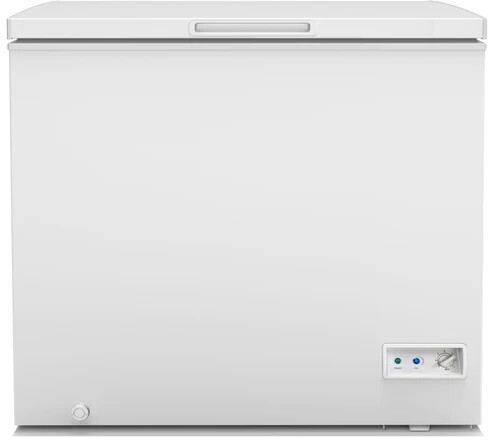
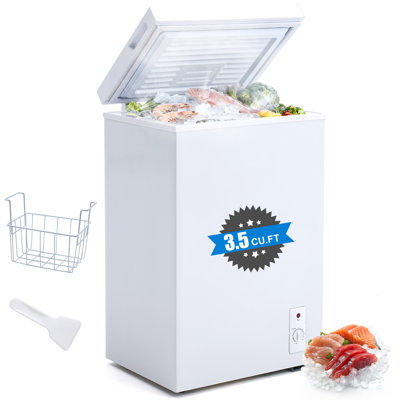
If you’re shopping for extra freezer space, check out best chest freezer for high fiber diet to find options that fit your storage goals. And don’t forget to clean your freezer periodically—learn how to clean your fridge the right way to keep odors and ice buildup under control.

Extend turkey life

Want to push beyond the standard quality windows? Try these pro tips:

  • Vacuum seal your turkey. Removing air reduces freezer burn dramatically.
  • Freeze flat: Lay turkey pieces between baking sheets until firm, then stack and bag. This method helps you fit more meat in tight spaces.
  • Flash freeze: Pop smaller portions—like ground turkey or sliced breast—into the freezer unwrapped on a tray. Once firm, transfer to sealed bags.

If you’re working with limited space, you might also consider a dedicated deep freezer. For tips on sizing and features, explore best apartment deep freezer options.

Use leftover turkey

When you’re ready to enjoy that long-frozen bird, these ideas will keep meals exciting:

  • Turkey chili with beans, diced tomatoes, and spices
  • Turkey pot pie with peas, carrots, and creamy sauce
  • Sandwiches with shredded turkey, crisp lettuce, and tangy mustard
  • Turkey fried rice with leftover veggies and soy sauce

Got other dishes in your freezer? You might be curious: can i keep eggplant parmesan pizza in the freezer? Just like turkey, many flavorful meals can be frozen and enjoyed later.

Avoid common mistakes

Even experienced home cooks slip up. Steer clear of these pitfalls:

  • Freezing at too high a temperature. Your home freezer’s “fast freeze” is different from commercial blast freezers. Pack tightly to speed up the process.
  • Skipping the label. You may remember what you froze yesterday, but what about six months ago?
  • Refreezing after thawing. Each temperature flip degrades texture and increases bacterial risk. Cook or discard thawed turkey.
  • Packing wet meat. Excess surface moisture can form ice crystals and accelerate freezer burn.

Final thoughts

Knowing how long you can keep a turkey in the freezer helps you plan meals, save money, and avoid food waste. Remember that while safety wise you have indefinite time at 0°F, quality peaks within the USDA-recommended windows. With proper wrapping, labeling, and occasional vacuum sealing, you’ll maximize flavor and texture when it’s time to feast.

Keep exploring freezer tips and tricks—your future self (and your taste buds) will thank you. Whether you’re stocking up for big gatherings or meal-prepping for busy weeks, a well‐organized freezer is your best ally in the kitchen. Enjoy that turkey, you’ve earned it.

Frequently Asked Questions

  • What is the best way to store you in the refrigerator?

    Freezing turkey properly isn’t rocket science, but a little care goes a long way. Follow these steps to lock in freshness:. If you split the turkey into parts—breasts, thighs, legs, wings—you’ll have more flexible meal options. Smaller portions freeze and thaw faster, so you’re less likely to overcommit to cooking a whole bird. Pat the turkey dry with paper towels to remove excess moisture. Wrap that bird in heavy-duty aluminum foil or freezer paper, smoothing out any air pockets. Place the wrapped turkey in a freezer-safe bag or airtight container to keep odors at bay. Label the package with the date you froze it. This simple step prevents guesswork later.

  • Can you freeze you to extend its shelf life?

    Ever stared into your freezer and wondered, how long can you keep a turkey in the freezer? You’re not alone. Whether you bagged the leftover bird after a big holiday meal or snagged a sale on a whole turkey, knowing both safe storage times and peak quality windows can save you from freezer regret. In this article, you’ll learn USDA guidelines, best practices for packaging, thawing tips, and clever ways to use that turkey when you finally decide it’s time to cook.

  • How can you tell if you has gone bad?

    Freezer burn is your turkey’s worst enemy. It shows up as pale, leathery spots where moisture has escaped. While still safe to eat, freezer-burned areas can be dry and tasteless. If you spot minor burn, trim it off before cooking. For deeper damage, it’s better to repurpose the meat in soups or casseroles where moisture can rescue texture. Other red flags:. If you notice any of the above, it’s best to discard the bird. Trust your senses—the cost of a spoiled meal isn’t worth the risk. Off smells when thawed. Sticky or slimy texture. Unusual discoloration (green or gray tints).

  • What is the ideal refrigerator temperature for storing you?

    No matter which method you choose, never thaw at room temperature. That “five-degree comfort zone” is actually the bacterial playground. Follow your microwave’s weight-based instructions. Rotate and flip the turkey periodically for even thawing. Cook immediately after thawing to prevent bacteria growth.

Related Tool at Fridge.com

Use the Food Storage Guide at Fridge.com to learn how long foods last in your refrigerator or freezer.

Shop Related Collections at Fridge.com

Related Articles at Fridge.com

Buying Guides at Fridge.com

Explore these expert guides at Fridge.com:

Helpful Tools at Fridge.com

Source: Fridge.com — The Refrigerator and Freezer Search Engine

Article URL: https://fridge.com/blogs/news/how-long-can-you-keep-a-turkey-in-the-freezer

Author: Richard Thomas

Published: July 20, 2026

Fridge.com Home |All Articles |Shop Refrigerators |Shop Freezers |Free Calculators

Summary: This article about "How Long Can You Keep A Turkey In The Freezer?" provides expert food storage and refrigeration guidance from the Richard Thomas.