Understanding the Purpose of Built-In Wine Coolers
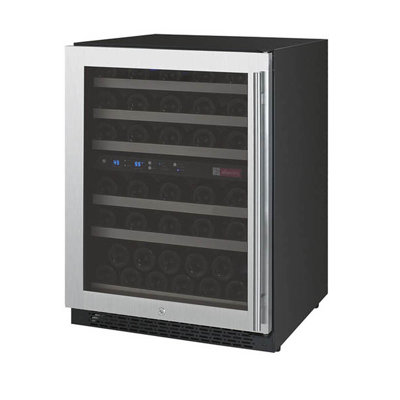
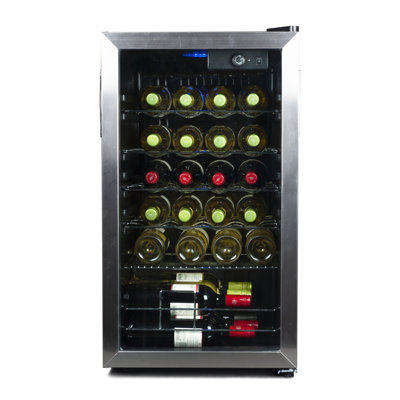
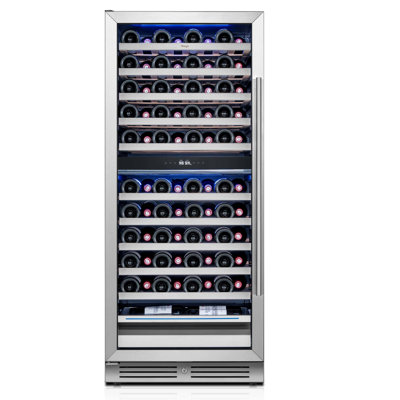
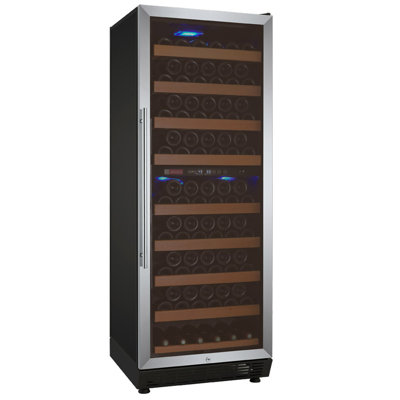
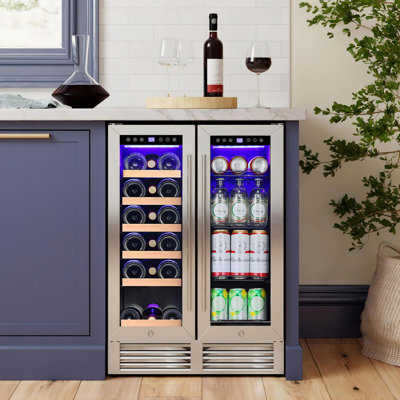
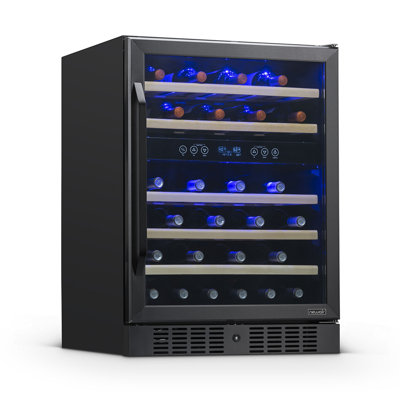
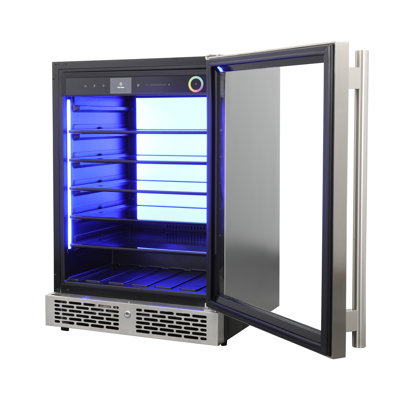
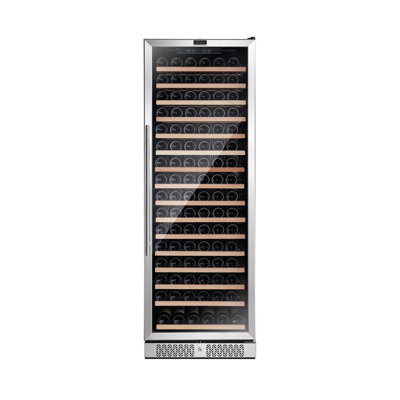
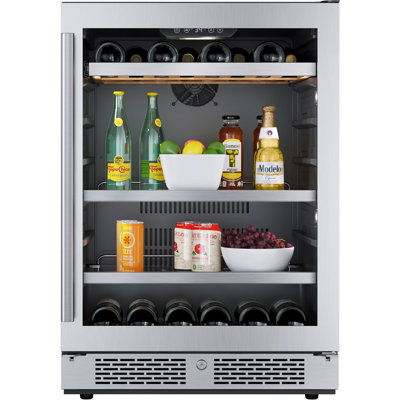
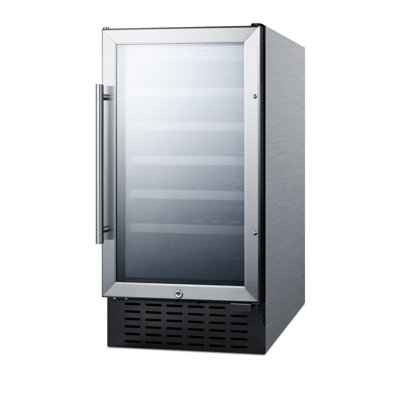
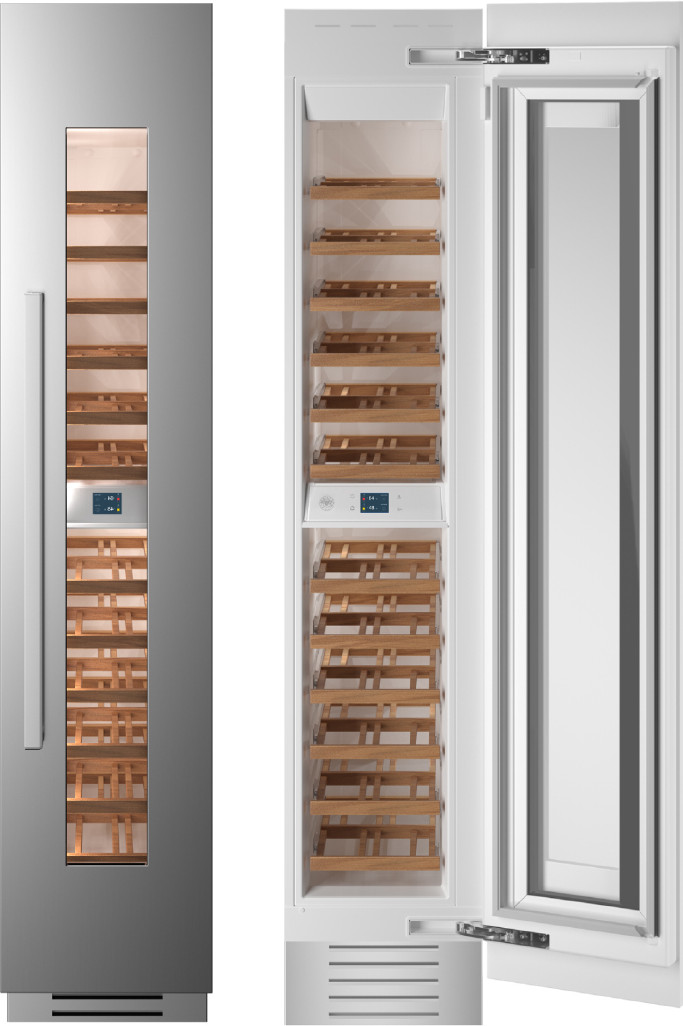
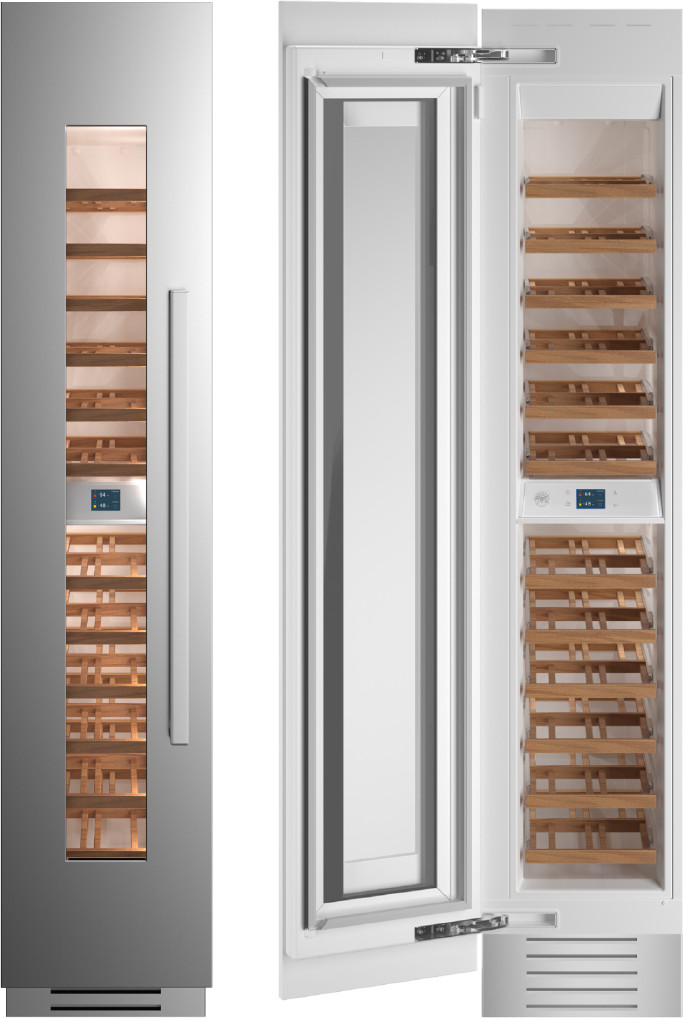
A built-in wine cooler is designed to store and preserve wine at optimal temperatures. This appliance is perfect for wine enthusiasts who want to maintain the quality and flavor of their wine collection. Wine coolers often come with multiple temperature zones, allowing you to store different types of wine, such as reds and whites, at their ideal temperatures.
Key purposes of built-in wine coolers include:
Temperature Control: Ensures wine is stored at a consistent, ideal temperature.
Humidity Regulation: Maintains appropriate humidity levels to keep corks from drying out.
Vibration Reduction: Minimizes vibrations that can disturb the sediment in wine.
UV Protection: Often comes with UV-protected glass doors to prevent light damage.
Ice cream freezers are specialized appliances designed to store ice cream and other frozen desserts at very low temperatures. These freezers ensure that ice cream maintains its creamy texture and prevents it from melting or becoming icy. They are ideal for households that enjoy having a variety of frozen treats readily available.
Key purposes of ice cream freezers include:
Ultra-Low Temperature: Keeps ice cream at a consistent, low temperature to maintain its texture.
Storage Capacity: Provides ample space to store multiple flavors and types of frozen desserts.
Quick Freeze Function: Some models offer a quick freeze function to rapidly freeze newly added items.
Frost-Free Operation: Many ice cream freezers come with a frost-free feature to prevent ice buildup.
Both built-in wine coolers and ice cream freezers serve unique purposes and are tailored for specific types of storage needs. Understanding these differences can help you make an informed decision based on your preferences and requirements. For a broader comparison of refrigeration options, you might find Fridge.com article on freezer cooler Vs. reach in refrigerator helpful.
Built-In Wine Coolers: Capacity and Storage Features
Built-in wine coolers are designed to store wine bottles at optimal temperatures. They come in various sizes and capacities, allowing you to choose one that fits your needs.
Capacity
Number of Bottles
Small
12 - 20
Medium
21 - 40
Large
41 - 100+
Wine coolers often feature adjustable shelving, allowing you to store different bottle sizes and shapes. Some models include dual-zone cooling, enabling you to set different temperatures for red and white wines. This ensures that each type of wine is stored at its ideal serving temperature.
Ice Cream Freezers: Capacity and Storage Features
Ice cream freezers are designed to maintain extremely low temperatures to keep ice cream and other frozen desserts at their best consistency. The capacity of ice cream freezers can vary significantly, depending on the intended use.
Capacity
Volume (Cubic Feet)
Small
1 - 3
Medium
4 - 7
Large
8 - 15+
Ice cream freezers often feature compartments and baskets to organize different types of frozen treats. Some models include sliding or removable baskets, making it easier to access items stored at the bottom. For more storage options, you might be interested in Fridge.com comparison of ice cream cooler Vs. small freezer.
When deciding between a built-in wine cooler and an ice cream freezer, consider your storage needs and the specific features that will benefit you the most. For additional insights on other types of refrigerators and freezers, visit Fridge.com articles on freestanding wine cooler Vs. outdoor freezer and chest freezer Vs. glass door refrigerator.
Built-In Wine Coolers: Temperature Control Capabilities
Built-in wine coolers are specifically designed to provide optimal storage conditions for wine. They come with advanced temperature control features that allow you to set and maintain precise temperatures. This ensures that your wine ages properly and maintains its quality.
Most built-in wine coolers offer a temperature range between 40°F and 65°F, which is suitable for storing both red and white wines. Dual-zone wine coolers are also available, allowing you to set different temperatures for different types of wine. This feature is particularly beneficial if you have a varied collection.
Ice Cream Freezers: Temperature Control Capabilities
Ice cream freezers are designed to maintain much colder temperatures compared to wine coolers. The primary goal is to keep the ice cream frozen and maintain its texture. These freezers usually operate at temperatures ranging from -10°F to 0°F.
Advanced ice cream freezers come with adjustable temperature settings, allowing you to choose the optimal freezing point for different types of ice cream and other frozen desserts. Some models also feature quick-freeze functions for faster freezing.
Feature
Specification
Temperature Range
-10°F - 0°F
Quick-Freeze Function
Yes
Temperature Accuracy
±2°F
For more information on freezers, you can explore Fridge.com articles on ice cream cooler Vs. small freezer and chest freezer Vs. glass door refrigerator.
By understanding the temperature control capabilities of both built-in wine coolers and ice cream freezers, you can make an informed decision that best suits your needs. Whether you're a wine connoisseur or an ice cream enthusiast, selecting the right appliance ensures that your favorite items are stored in ideal conditions.
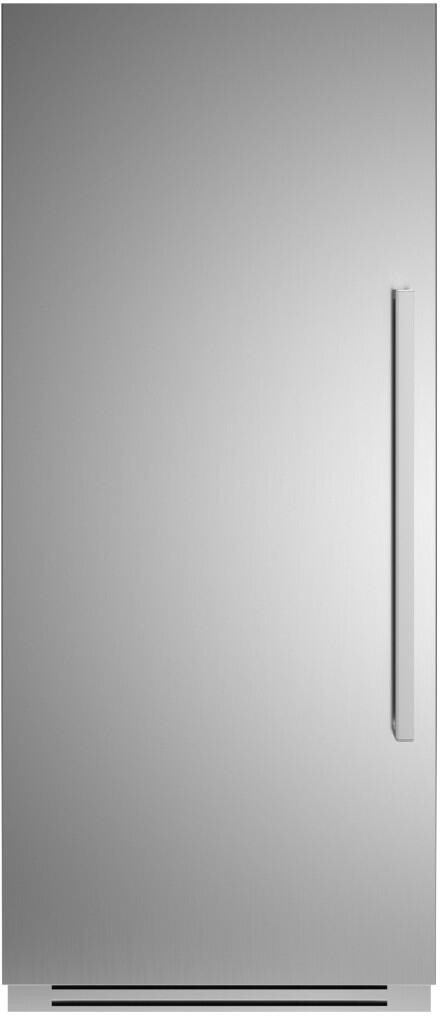
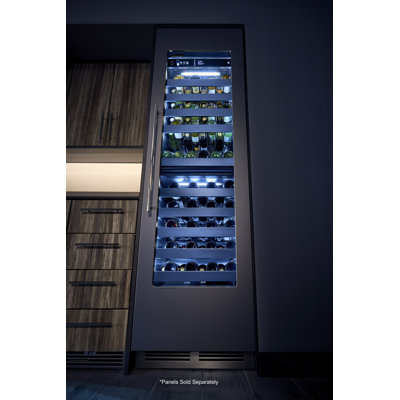
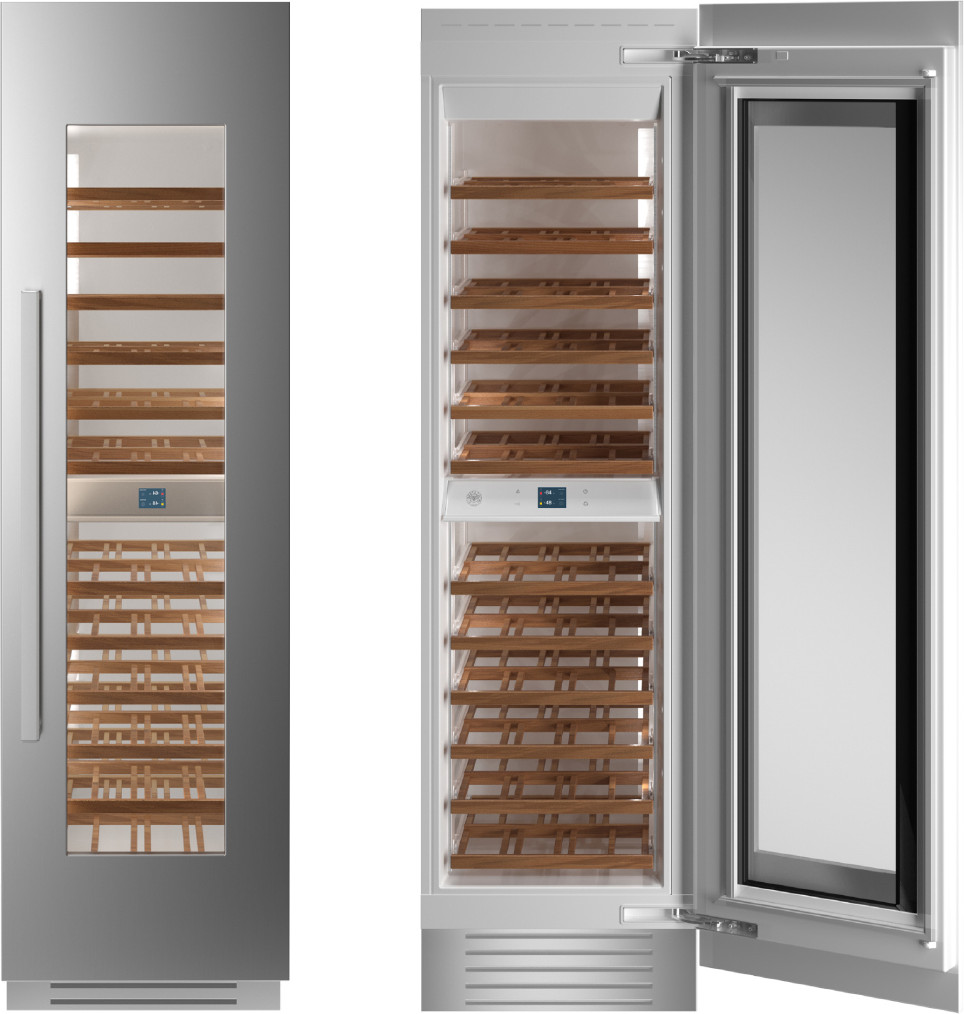
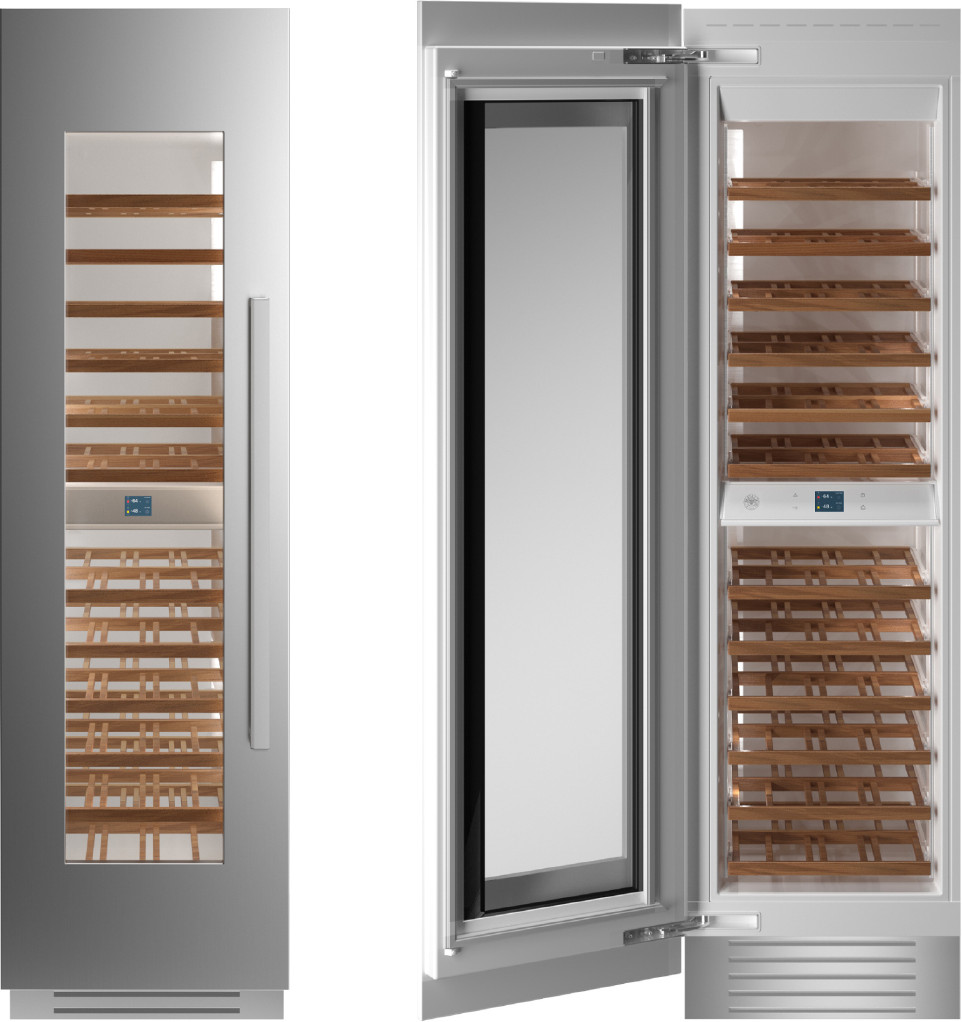
Built-in wine coolers are designed to seamlessly integrate into your kitchen or entertainment area. They feature a sleek and modern aesthetic that complements various interior styles. When considering a built-in wine cooler, focus on the following design aspects:
Size and Dimensions: Ensure the wine cooler fits the designated space. Measure the height, width, and depth accurately.
Ventilation: Proper ventilation is crucial. Built-in models typically vent from the front, allowing for a flush installation.
Shelving: Look for adjustable shelves to accommodate different bottle sizes. Wooden or metal racks can provide added stability.
Door Design: Consider a glass door for visibility or a solid door for better insulation.
Lighting: Interior LED lighting enhances visibility and adds to the cooler's aesthetic appeal.
Installation Location: Choose a location that is easily accessible and near your dining or entertainment area.
Feature
Consideration
Size and Dimensions
Accurate measurements for a flush fit
Ventilation
Front-venting for built-in installation
Shelving
Adjustable shelves for different bottle sizes
Door Design
Glass door for visibility or solid door for insulation
Lighting
Interior LED lighting for visibility and aesthetics
Installation Location
Proximity to dining or entertainment areas
For more on wine coolers, check Fridge.com comparison of freestanding wine cooler Vs. outdoor freezer.
Ice Cream Freezers: Design Considerations
Ice cream freezers are designed to keep your frozen treats at the perfect temperature. Here are key design considerations for choosing an ice cream freezer:
Size and Capacity: Determine the capacity based on your storage needs. Freezers come in various sizes, from compact to large.
Shelving and Baskets: Look for adjustable shelves and baskets to organize your ice cream and other frozen goods.
Door Design: Consider a solid door for better temperature retention or a glass door for quick content visibility.
Temperature Control: Ensure the freezer has precise temperature control settings to keep ice cream at the right consistency.
Defrosting Mechanism: Choose between manual or automatic defrosting based on your preference.
Installation Location: Select a location with good airflow and proximity to your kitchen or serving area.
Feature
Consideration
Size and Capacity
Based on storage needs, compact to large sizes available
Shelving and Baskets
Adjustable shelves and baskets for organization
Door Design
Solid door for insulation, glass door for visibility
Temperature Control
Precise settings for ideal ice cream consistency
Defrosting Mechanism
Manual or automatic defrost options
Installation Location
Location with good airflow, near kitchen or serving area
For more insights, explore Fridge.com article on ice cream cooler Vs. small freezer.
By understanding the design and installation considerations for both built-in wine coolers and ice cream freezers, you can make an informed decision that best suits your needs and enhances your living space. For more comparisons, check out Fridge.com guide on freezer cooler Vs. reach in refrigerator.
Usage and Maintenance
Proper usage and maintenance are crucial for maximizing the lifespan and efficiency of your built-in wine cooler and ice cream freezer. Below are some tips to help you keep these appliances in top condition.
Built-In Wine Coolers: Usage Tips and Maintenance
To ensure your built-in wine cooler operates efficiently and keeps your wine at the perfect temperature, follow these usage and maintenance tips:
Placement: Install the wine cooler in a well-ventilated area to allow for proper airflow. Avoid placing it near heat sources or in direct sunlight.
Temperature Settings: Set the temperature according to the type of wine being stored. Typically, red wine is stored at 55°F to 65°F, while white wine is stored at 45°F to 55°F.
Loading: Do not overfill the wine cooler. Leave some space between bottles for air circulation.
Cleaning: Clean the interior and exterior regularly using a mild detergent and a soft cloth. Do not use abrasive cleaners.
Ventilation: Ensure the vents and fans are free from dust and debris. Clean them periodically to maintain proper airflow.
Door Seals: Check the door seals regularly for any signs of wear and tear. Replace them if they are damaged to ensure proper insulation.
Maintenance Task
Frequency
Clean Interior
Monthly
Check Door Seals
Quarterly
Clean Vents and Fans
Every 6 months
For more details on maintaining your wine cooler, visit Fridge.com article on freestanding wine cooler Vs. outdoor freezer.
Ice Cream Freezers: Usage Tips and Maintenance
Ice cream freezers require specific care to maintain the ideal freezing environment for your frozen treats. Follow these tips for optimal performance:
Placement: Install the ice cream freezer in a cool, dry place. Keep it away from heat sources and direct sunlight.
Temperature Settings: Set the freezer to the recommended temperature for ice cream, usually between -10°F and 0°F.
Loading: Avoid overloading the freezer. Leave some space between items to ensure proper air circulation.
Cleaning: Clean the interior and exterior regularly using a mild detergent and a soft cloth. Avoid using abrasive cleaners.
Defrosting: If the freezer is not frost-free, defrost it regularly to prevent ice buildup.
Door Seals: Inspect the door seals for any damage. Replace them if they are worn out to maintain proper insulation.
Maintenance Task
Frequency
Clean Interior
Monthly
Defrost Freezer
As Needed
Check Door Seals
Quarterly
For additional information on maintaining your ice cream freezer, check out Fridge.com article on ice cream cooler Vs. small freezer.
By following these usage and maintenance tips, you can ensure that both your built-in wine cooler and ice cream freezer function efficiently and have a long lifespan. Regular upkeep not only preserves the quality of your wine and ice cream but also reduces the risk of breakdowns and repairs.
Built-In Wine Coolers: Energy Efficiency and Cost Factors
When considering a built-in wine cooler, energy efficiency and cost play crucial roles. These coolers are designed to maintain optimal temperatures for wine storage, which can impact energy consumption.
Feature
Built-In Wine Coolers
Average Energy Consumption
100-200 kWh/year
Average Cost to Run Annually
$12 - $24
Built-in wine coolers often have advanced insulation and efficient compressors to maintain consistent temperatures, which can help reduce energy use. Selecting a model with an ENERGY STAR rating can further enhance efficiency, leading to lower energy bills. For more comparisons on energy-efficient appliances, check out energy efficient refrigerator Vs. white refrigerator.
Ice Cream Freezers: Energy Efficiency and Cost Factors
Ice cream freezers, designed to keep ice cream at the perfect serving temperature, have different energy requirements compared to wine coolers. These freezers need to maintain extremely low temperatures, which can affect their energy usage.
Feature
Ice Cream Freezers
Average Energy Consumption
300-500 kWh/year
Average Cost to Run Annually
$36 - $60
Ice cream freezers typically consume more energy than wine coolers due to the lower temperatures required. Ensuring that the freezer has proper insulation and a high-efficiency compressor can help manage energy costs. For additional insights on freezer options, visit ice cream cooler Vs. small freezer.
When comparing the built-in wine cooler Vs. ice cream freezer, it's clear that each has unique energy efficiency and cost considerations. Understanding these factors can help you make an informed decision for your home or business needs. For more detailed comparisons, explore built in wine cooler Vs. small freezer chest.
Compare prices on Fridge.com
Compare current prices and specifications on Fridge.com, then buy from the retailer you choose; delivery, installation and warranty terms are the retailer’s.
It also has tons of awesome articles about kitchen stuff and home news. Enhance your home, garage, backyard, patio, and office with the coolest essentials. With every necessary type of residential refrigerator or freezer in the collection, you're covered.
From Fridge.com research
Figures below come from data Fridge.com builds and maintains. Each links to the record behind it.
Fridge.com Energy Index, built on U.S. EPA and DOE ENERGY STAR records
Across 122 ENERGY STAR certified compact cooler models, median use is 134 kWh per year — 32% better than the federal standard.