Most upright freezers can reach temperatures as low as -18°C (0°F), ensuring your food remains frozen and safe for long-term storage.
When deciding between a built-in beverage center and an upright freezer, consider your specific storage needs and the features that are most important to you.
This appliance is ideal for homeowners who entertain frequently or prefer to keep their drinks organized and easily accessible.
Understanding the Purpose of Built-In Beverage Centers
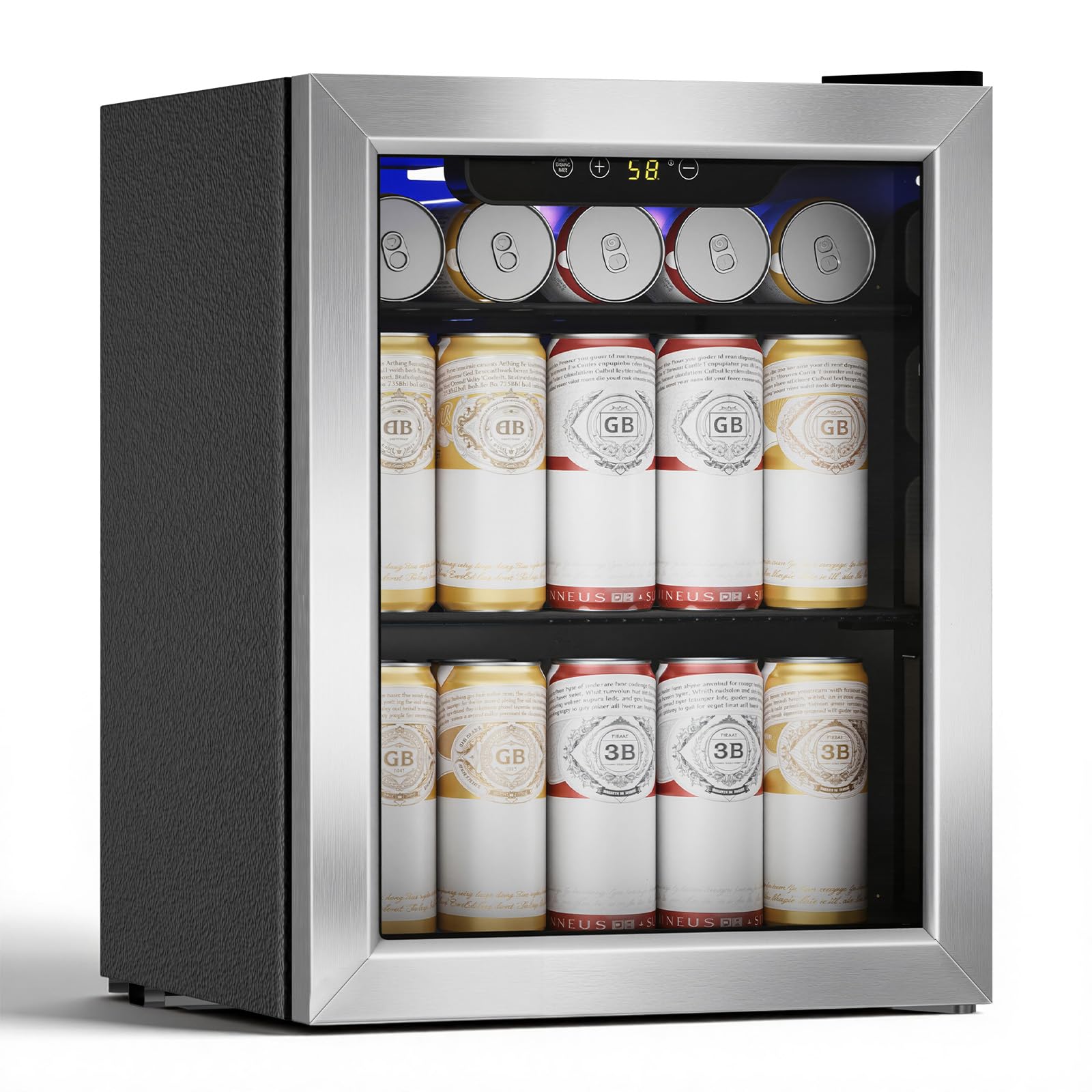
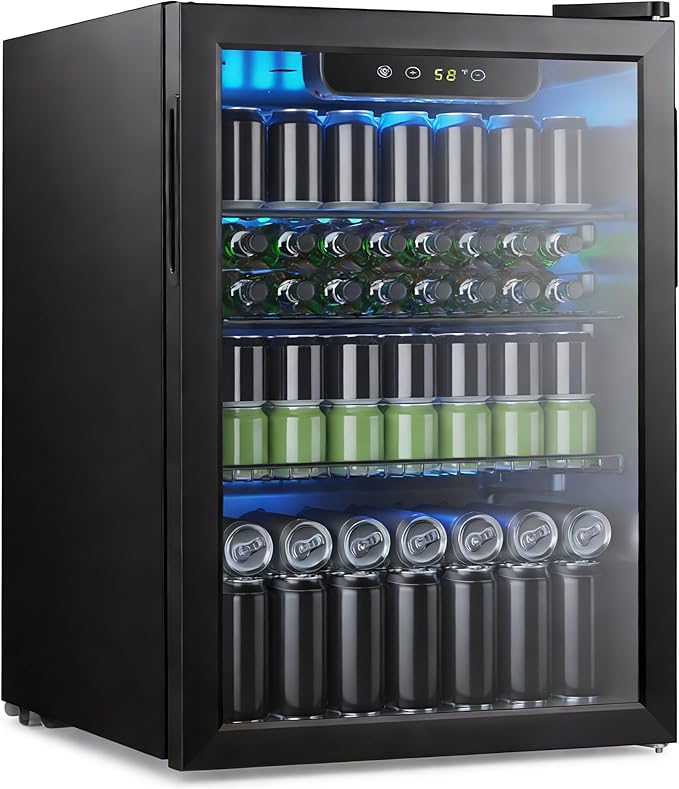
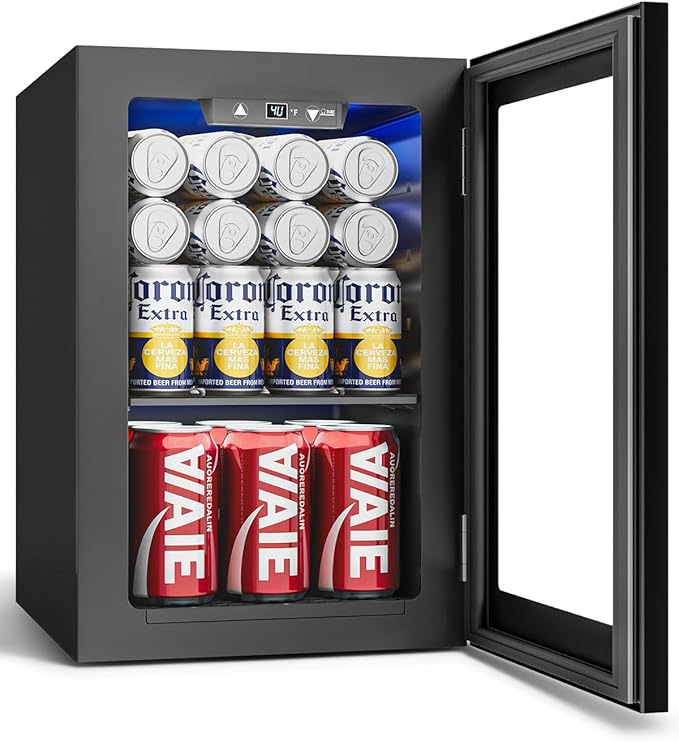
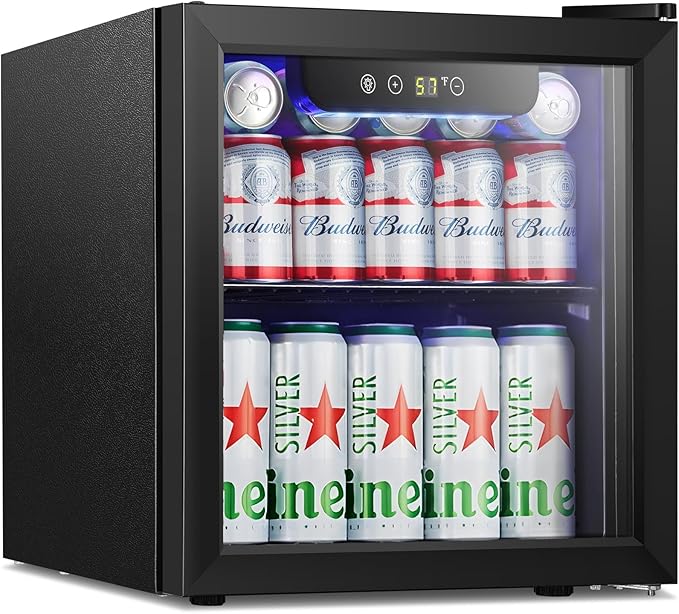
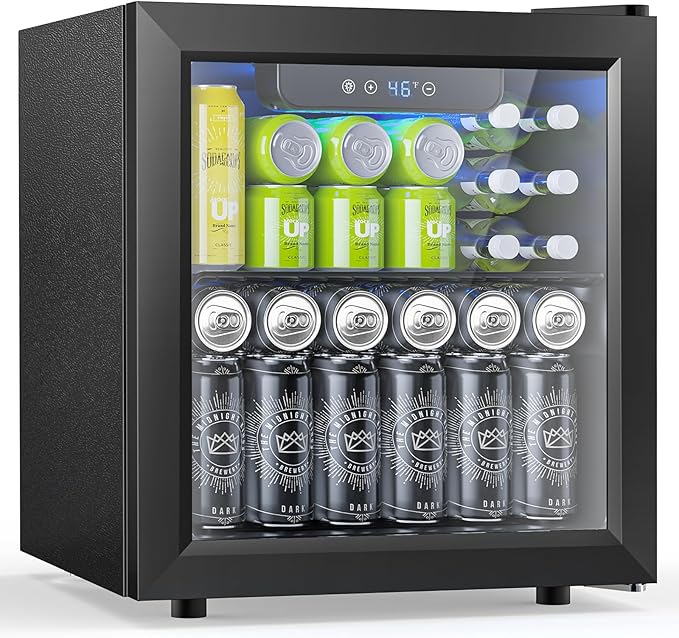
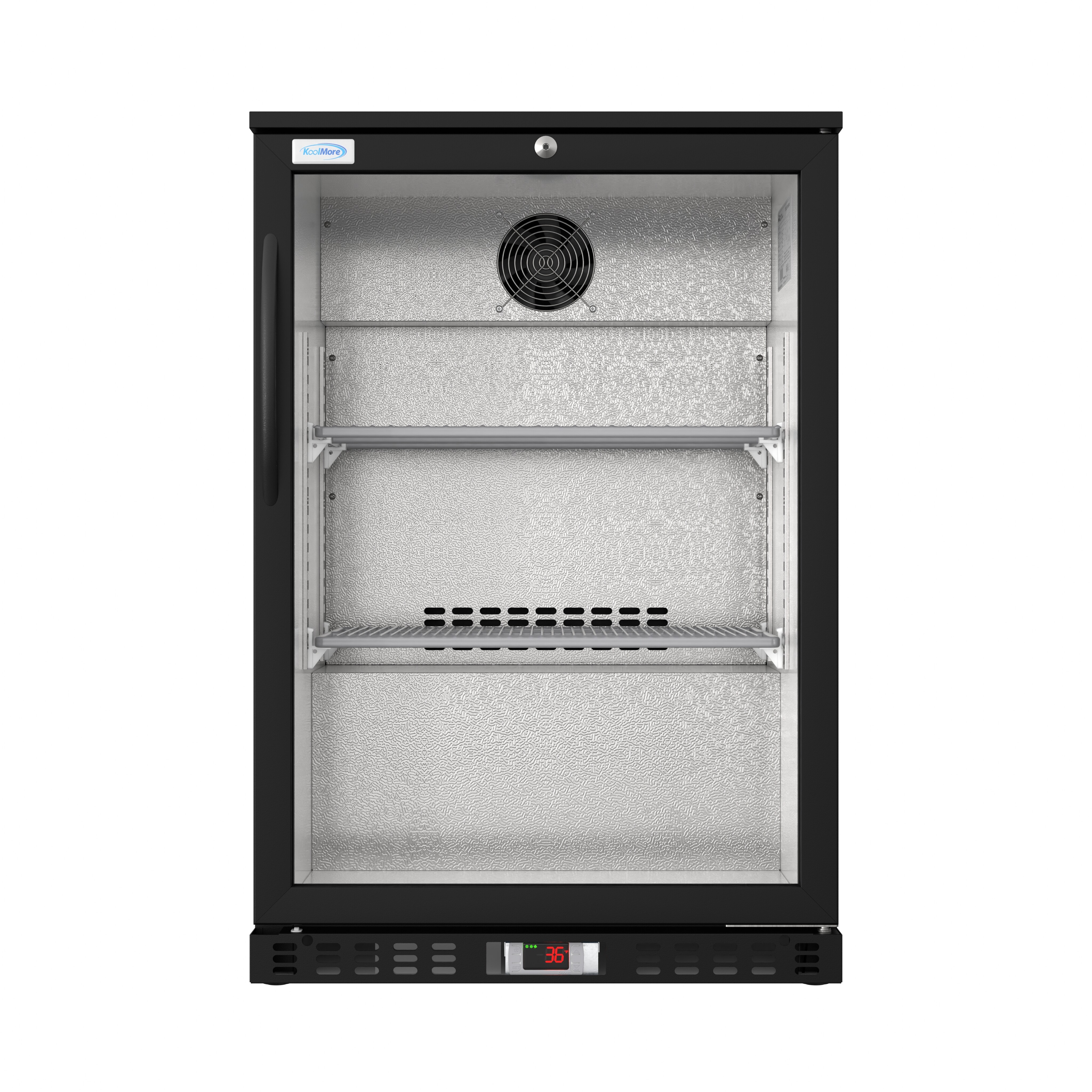
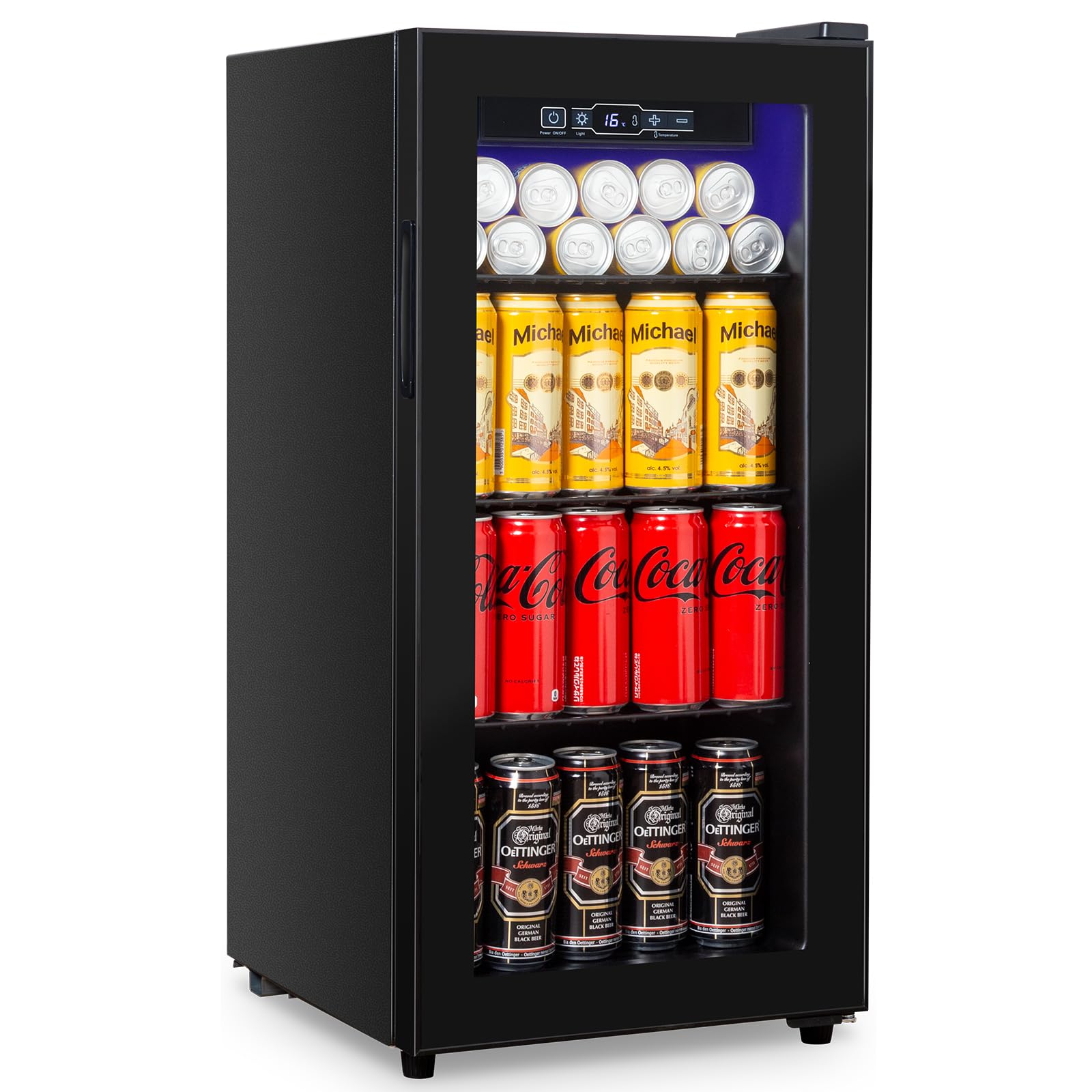
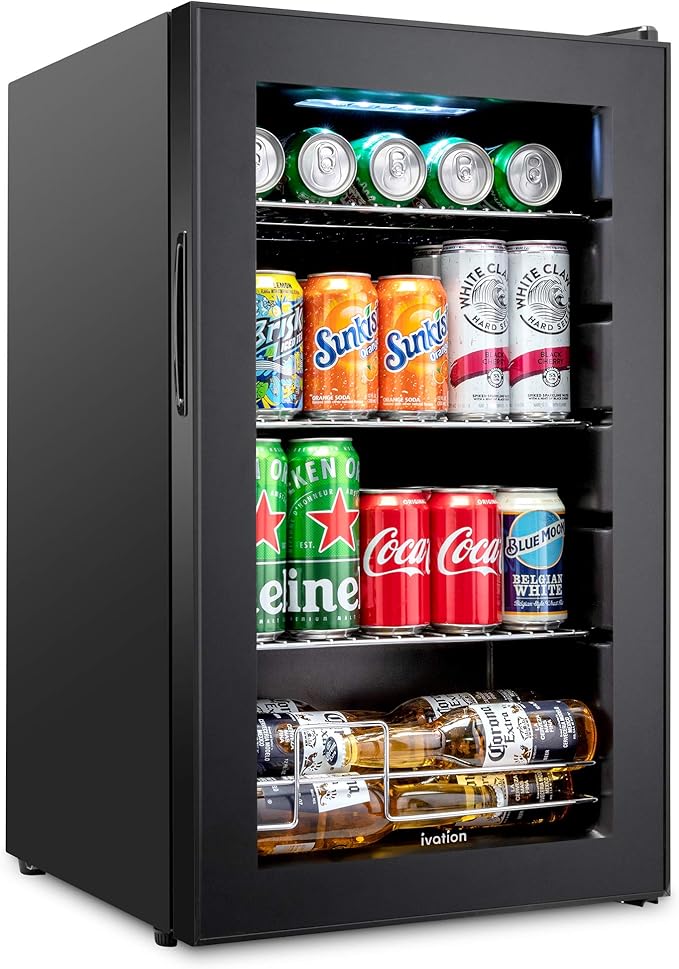
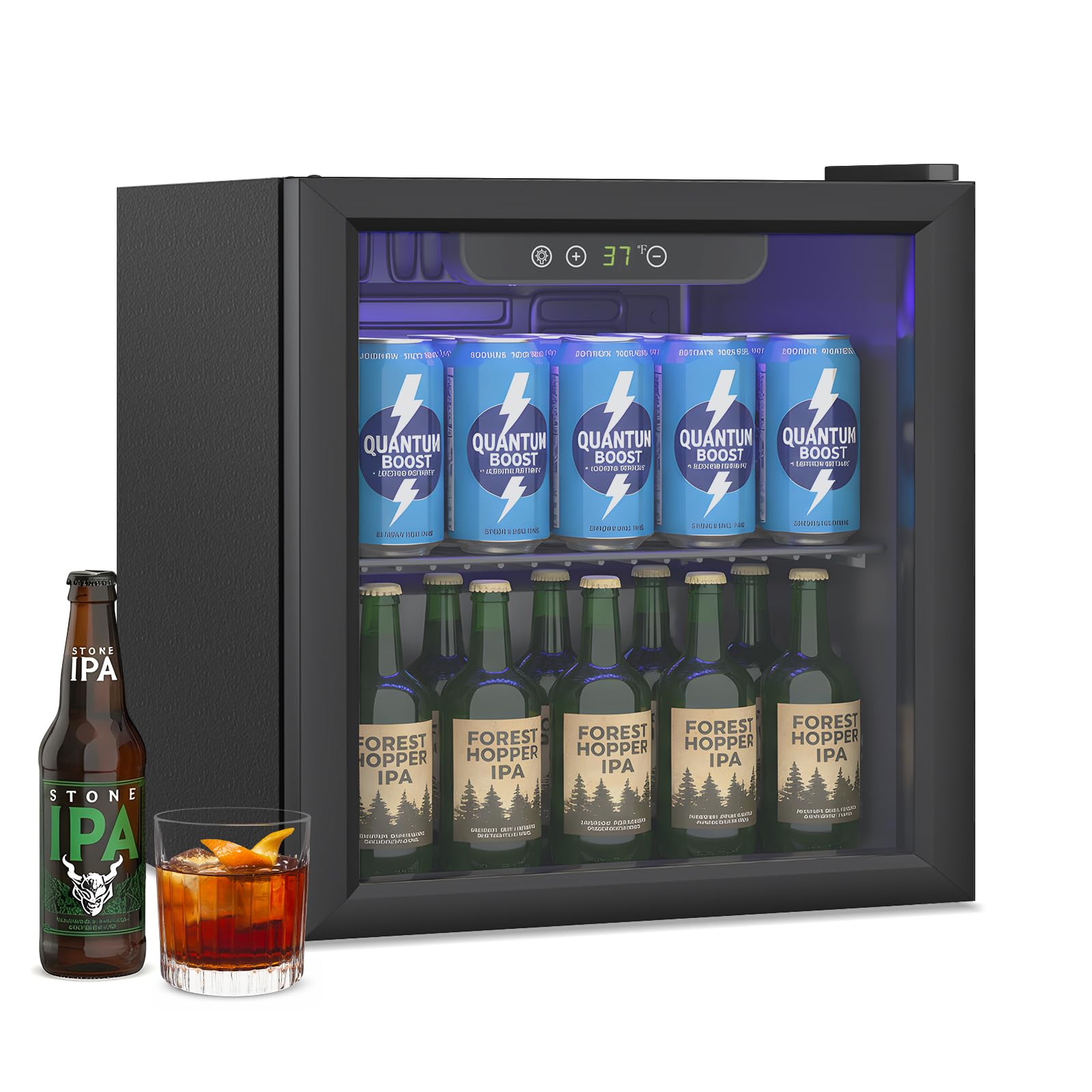
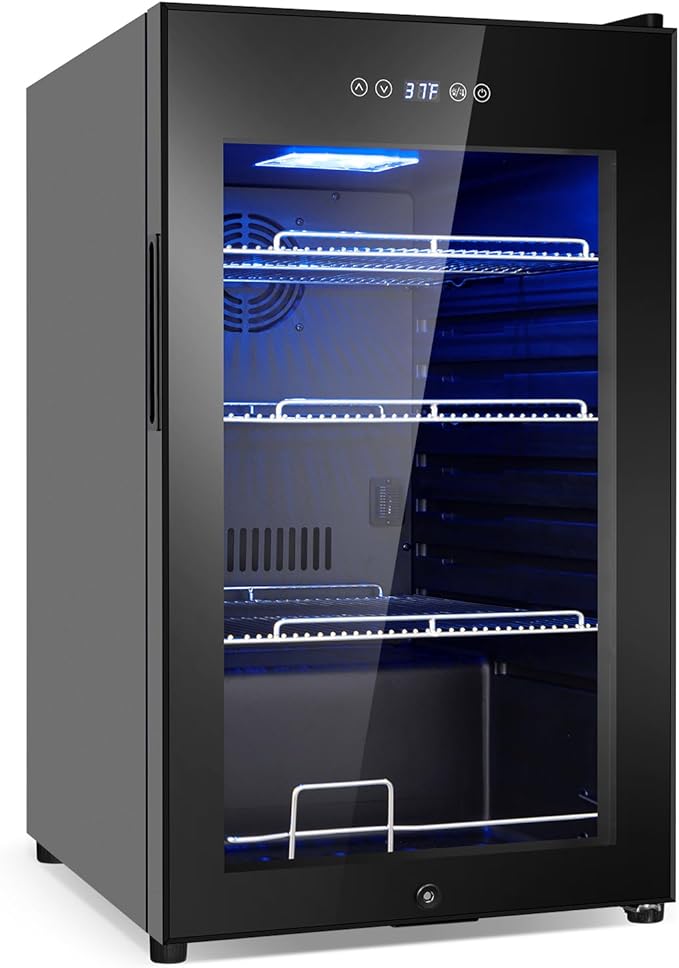
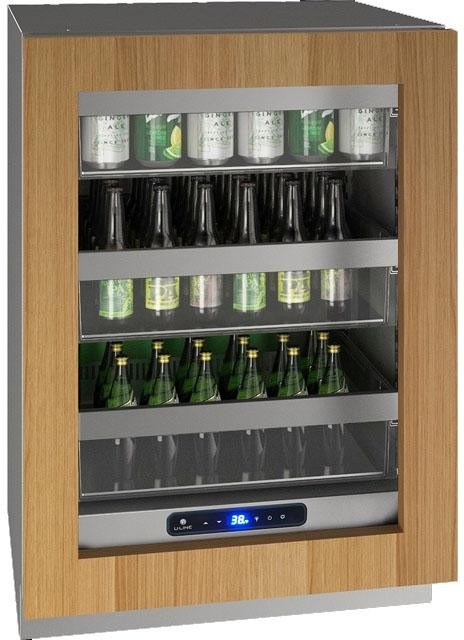
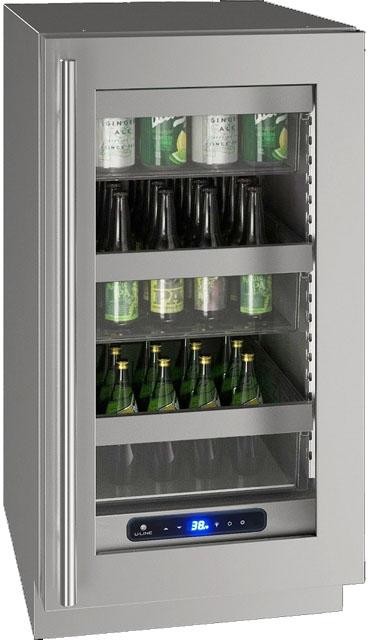
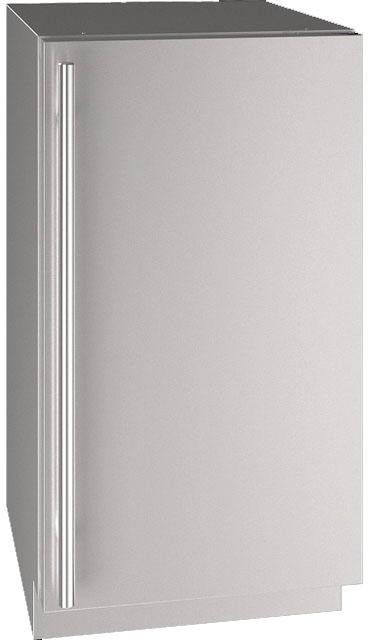
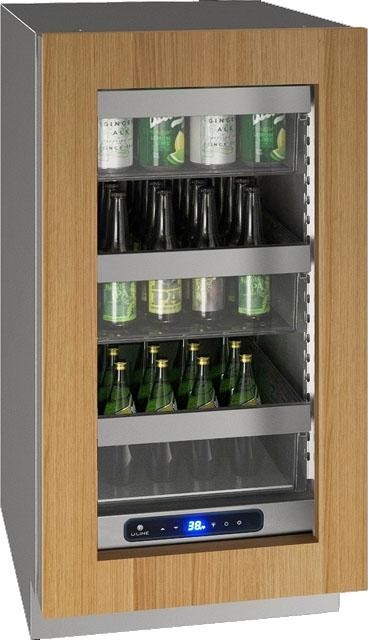
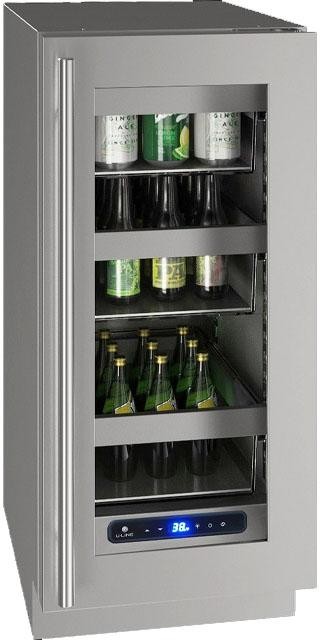
A built-in beverage center is designed to store and chill beverages at optimal temperatures. This appliance is ideal for homeowners who entertain frequently or prefer to keep their drinks organized and easily accessible. Beverage centers often include adjustable shelves, allowing for the storage of various bottle sizes, from wine to soda cans.
Feature
Description
Temperature Range
Typically 34°F - 64°F
Storage Capacity
Varies by model, often 50-150 cans
Special Features
LED lighting, digital temperature control, adjustable shelves
Beverage centers integrate seamlessly into kitchen cabinetry or home bars, enhancing the aesthetic appeal and functionality of the space. These units are perfect for those who want to keep their drinks separate from the main refrigerator, ensuring a dedicated space for refreshments.
Understanding the Purpose of Upright Freezers
An upright freezer is designed for the long-term storage of frozen foods. Unlike chest freezers, upright freezers stand vertically and have multiple shelves and compartments, making it easier to organize and access stored items. This type of freezer is ideal for families or individuals who buy in bulk or need additional freezer space beyond what their refrigerator freezer provides.
Feature
Description
Temperature Range
Typically 0°F or below
Storage Capacity
Varies by model, often 10-20 cubic feet
Special Features
Frost-free operation, adjustable shelves, door bins
Upright freezers offer the advantage of saving floor space and providing better organization compared to chest freezers. They are suitable for basements, garages, or any area where additional freezer storage is required. For more on the options available, check out Fridge.com comparison of all freezer refrigerator Vs. upright freezer.
Understanding the distinct purposes of built-in beverage centers and upright freezers helps in selecting the right appliance for your needs. Whether you need a dedicated space for beverages or additional freezer storage, each appliance serves a specific function that can enhance your home’s convenience and organization. For a deeper dive into related appliances, explore Fridge.com articles on mini fridge freezer Vs. office refrigerator and freestanding refrigerator Vs. freezer drawer.
When deciding between a built-in beverage center and an upright freezer, design and installation play a significant role. Each option has unique aesthetic and functional qualities that can impact your space.
Built-In Beverage Centers: Aesthetics and Integration
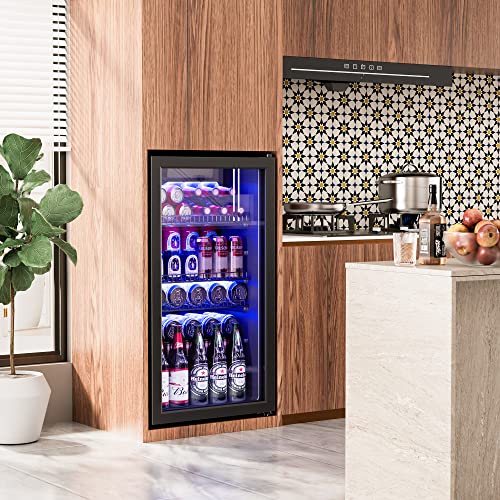
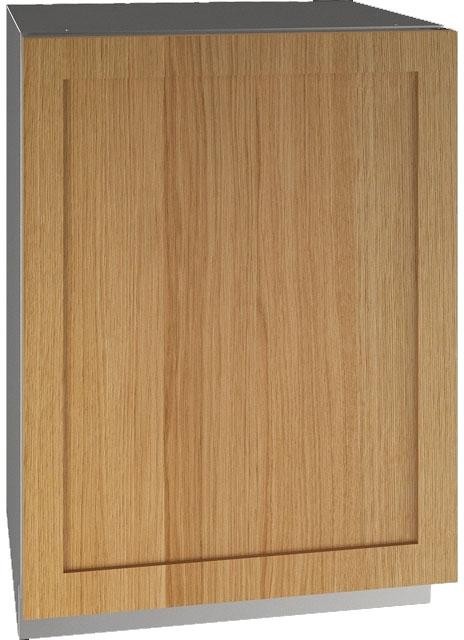
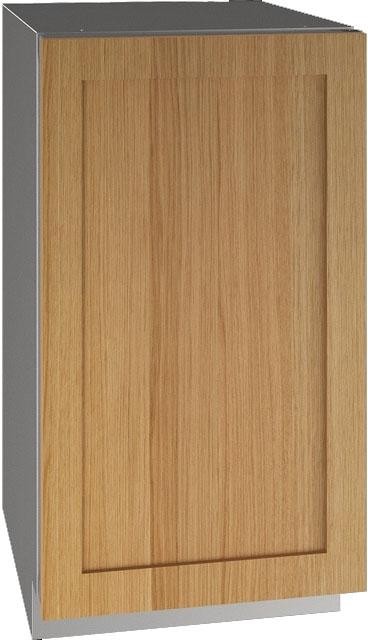
A built-in beverage center is designed to seamlessly integrate into your existing cabinetry, providing a sleek and cohesive look. These units are often installed under countertops or within kitchen islands, offering easy access to your favorite drinks without disrupting the overall design of your kitchen or entertainment area.
The aesthetic appeal of a built-in beverage center lies in its ability to blend in with your cabinetry. This can be particularly beneficial for homeowners looking to maintain a streamlined and modern look. Many models come with customizable panels that match your existing cabinets, further enhancing the integrated appearance.
Feature
Built-In Beverage Center
Installation Location
Under-counter, Kitchen Island
Aesthetic Integration
Seamless, Customizable Panels
Ideal For
Kitchen, Home Bar, Entertainment Area
Upright Freezers: Space Considerations and Installation Options
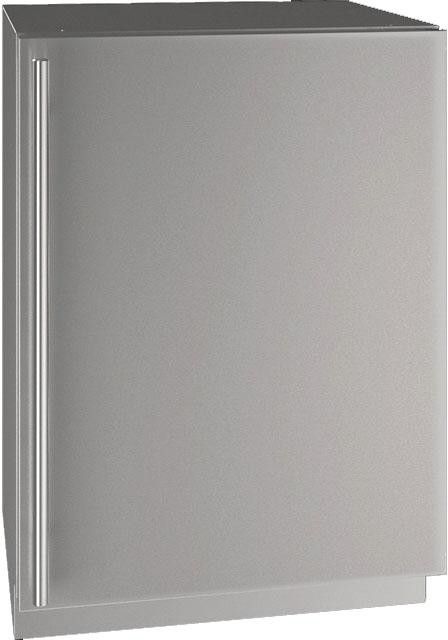
Upright freezers, on the other hand, are typically freestanding units that require more space. These freezers are often placed in basements, garages, or utility rooms due to their larger footprint. However, they offer significant storage capacity and organization options, making them ideal for households that need extra space for frozen goods.
When considering an upright freezer, it's important to evaluate the available space in your home. These units need adequate clearance around them for proper ventilation and accessibility. Unlike built-in beverage centers, upright freezers are not typically integrated into cabinetry, which can make them less aesthetically appealing in main living areas.
Feature
Upright Freezer
Installation Location
Basement, Garage, Utility Room
Space Requirement
Larger Footprint, Requires Ventilation
Ideal For
Bulk Storage, Long-Term Freezing
By understanding the design and installation requirements of built-in beverage centers and upright freezers, you can make an informed decision that suits your aesthetic preferences and space needs. For more appliance comparisons, check out Fridge.com articles on mini fridge freezer Vs. office refrigerator and freestanding refrigerator Vs. freezer drawer.
Storage Capacity
When deciding between a built-in beverage center and an upright freezer, understanding the storage capacity of each can help you make an informed choice. Both options offer unique features tailored to their specific purposes.
Built-In Beverage Centers: Beverage Storage Features
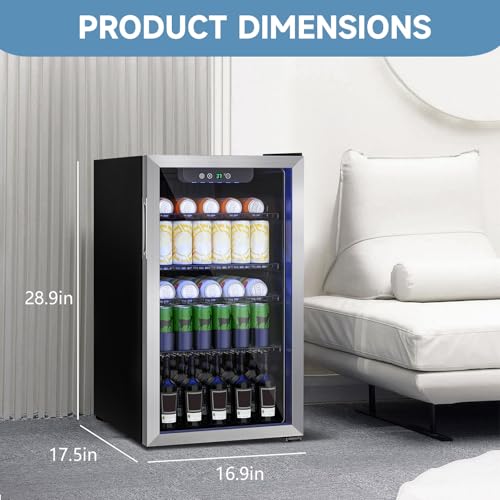
Built-in beverage centers are designed to keep your drinks organized and easily accessible. They typically come with adjustable shelving, allowing you to store various types of beverages, from wine bottles to soda cans. Some models also include specialized racks for wine storage, ensuring that bottles are kept at the optimal angle to preserve their quality.
Beverage Type
Storage Capacity
Wine Bottles
Up to 50 bottles
Soda Cans
Up to 120 cans
Beer Bottles
Up to 60 bottles
Mixed Beverages
Adjustable shelves for various sizes
Built-in beverage centers often feature interior lighting, making it easy for you to locate your drinks even in low light. Many models also offer dual temperature zones, enabling you to store different types of beverages at their ideal temperatures. For more information on beverage storage, see Fridge.com article on beverage fridge Vs. undercounter beverage cooler.
Upright Freezers: Freezing Capacity and Organization
Upright freezers are designed for maximum freezing capacity and organization. They provide ample space for storing a variety of frozen items, including meats, vegetables, and prepared meals. The upright design allows for easy access to your frozen goods, with multiple shelves and compartments to keep everything organized.
Storage Feature
Capacity
Shelves
4-6 adjustable shelves
Door Bins
4-8 bins for smaller items
Drawers
2-4 pull-out drawers
Total Freezing Capacity
Up to 21 cubic feet
Upright freezers often come with features such as frost-free operation, which eliminates the need for manual defrosting. Some models also include temperature alarms and locks to ensure the safety of your stored items. For more details on freezer options, visit Fridge.com article on all freezer refrigerator Vs. upright freezer.
Understanding the storage capacity and organization options of built-in beverage centers and upright freezers can help you choose the best appliance for your needs. Whether you require specialized beverage storage or ample freezing space, both options offer unique benefits tailored to their specific purposes. For more comparisons, check out Fridge.com articles on mini fridge freezer Vs. office refrigerator and fridge freezer Vs. undercounter beverage cooler.
Built-In Beverage Centers: Temperature Settings and Special Features
Built-in beverage centers are designed to provide precise temperature control for your beverages. These units typically offer a wide range of temperature settings, allowing you to store different types of drinks at their optimal temperatures. For instance, you can set the temperature lower for soft drinks and higher for wines.
One of the key features of built-in beverage centers is the digital thermostat, which allows you to easily monitor and adjust the temperature. Some models also come with dual-zone cooling, enabling you to store different beverages in separate compartments with independent temperature controls.
Special features often found in built-in beverage centers include:
LED Lighting: Illuminates the interior without generating heat.
Glass Doors: Provide a clear view of the contents while offering UV protection.
Adjustable Shelves: Offer flexibility in storing various bottle sizes.
Locking Mechanism: Ensures the safety of your beverages.
For more information on selecting the right beverage center, you can explore Fridge.com article on beverage fridge Vs. undercounter beverage cooler.
Upright Freezers: Temperature Management and Additional Functions
Upright freezers are designed to provide efficient freezing capabilities with precise temperature management. These units typically offer adjustable thermostats, allowing you to set the temperature according to your storage needs. Most upright freezers can reach temperatures as low as -18°C (0°F), ensuring your food remains frozen and safe for long-term storage.
In terms of additional functions, upright freezers often come equipped with the following features:
Frost-Free Operation: Prevents ice buildup, reducing the need for manual defrosting.
Fast Freeze: Allows for rapid freezing of fresh food items.
Temperature Alarm: Alerts you if the internal temperature rises above the set level.
Interior Lighting: Provides clear visibility of the contents.
When deciding between a built-in beverage center and an upright freezer, consider your specific storage needs and the features that are most important to you. Each type of unit offers unique advantages that cater to different storage requirements. For more tips on choosing the right appliance, visit Fridge.com articles on mini fridge freezer Vs. office refrigerator and fridge freezer combo Vs. portable refrigerator.
Energy efficiency and maintenance are crucial factors when comparing a built-in beverage center and an upright freezer. Understanding these aspects can help you make an informed decision based on your needs and preferences.
Built-In Beverage Centers: Energy Consumption and Maintenance Tips
Built-in beverage centers are designed to keep your drinks at the optimal temperature while maintaining energy efficiency. Here’s an overview of what you can expect:
Feature
Details
Average Energy Consumption
100-150 kWh/year
Maintenance Tips
Regularly clean the condenser coils, ensure proper door seals, defrost periodically if not frost-free, and clean the interior with a mild solution.
Regular maintenance of your beverage center ensures optimal performance and longevity. Here are some vital maintenance tips:
Clean Condenser Coils: Dust and dirt can accumulate on the condenser coils, reducing efficiency. Clean them every six months.
Check Door Seals: Ensure the door seals are tight to prevent cold air from escaping.
Interior Cleaning: Use a mild cleaning solution to clean the interior surfaces. Avoid harsh chemicals.
Defrosting: If your unit is not frost-free, defrost it periodically to prevent ice build-up.
For more detailed tips on maintaining your appliances, check out Fridge.com guide on fridge freezer combo Vs. portable refrigerator.
Upright Freezers: Energy Efficiency and Care Guidelines
Upright freezers are essential for long-term storage of frozen foods. Their energy efficiency and maintenance needs are equally important:
Feature
Details
Average Energy Consumption
200-500 kWh/year
Care Guidelines
Regularly defrost if not frost-free, clean the condenser coils, ensure proper door seals, and organize the interior to allow air circulation.
To keep your upright freezer running efficiently, follow these care guidelines:
Defrost Regularly: For non-frost-free models, defrost when the ice build-up reaches a quarter inch thick.
Clean Coils: Similar to beverage centers, dust and dirt on condenser coils can reduce efficiency. Clean them every six months.
Check Door Seals: Ensure the door seals are intact to prevent cold air from escaping.
Organize Interior: Properly organizing the contents allows for better air circulation and more efficient cooling.
For more information on energy efficiency and maintenance, visit Fridge.com article on freestanding refrigerator Vs. freezer drawer.
By understanding the energy consumption and maintenance requirements of built-in beverage centers and upright freezers, you can make a more informed decision that suits your lifestyle and needs.
Compare prices on Fridge.com
Compare current prices and specifications on Fridge.com, then buy from the retailer you choose; delivery, installation and warranty terms are the retailer’s.
It also has tons of awesome articles about kitchen stuff and home news. Enhance your home, garage, backyard, patio, and office with the coolest essentials. With every necessary type of residential refrigerator or freezer in the collection, you're covered.
Free tool
Freezer BTU Calculator
Free interactive tool from Fridge.com — get a quick answer while you read.