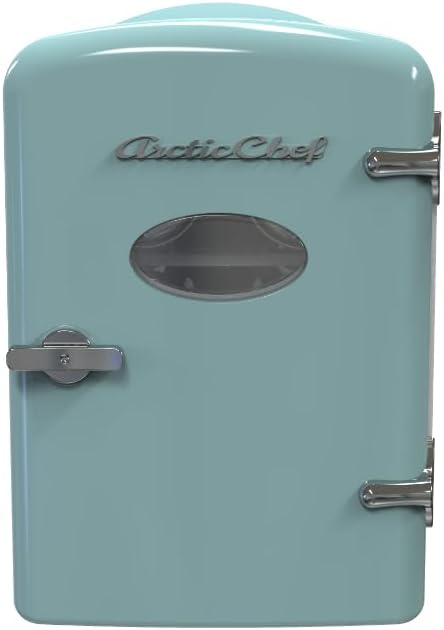
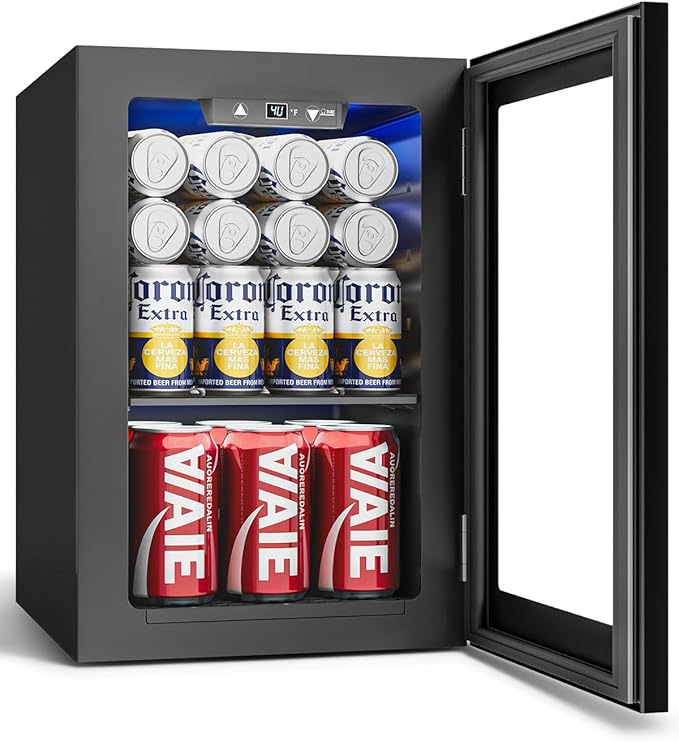
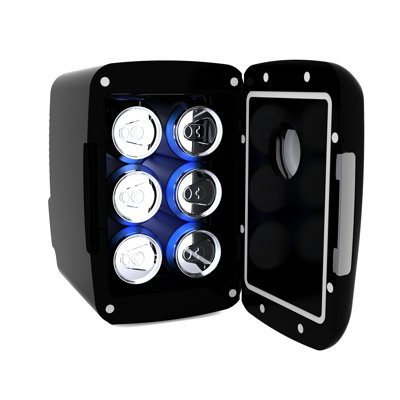
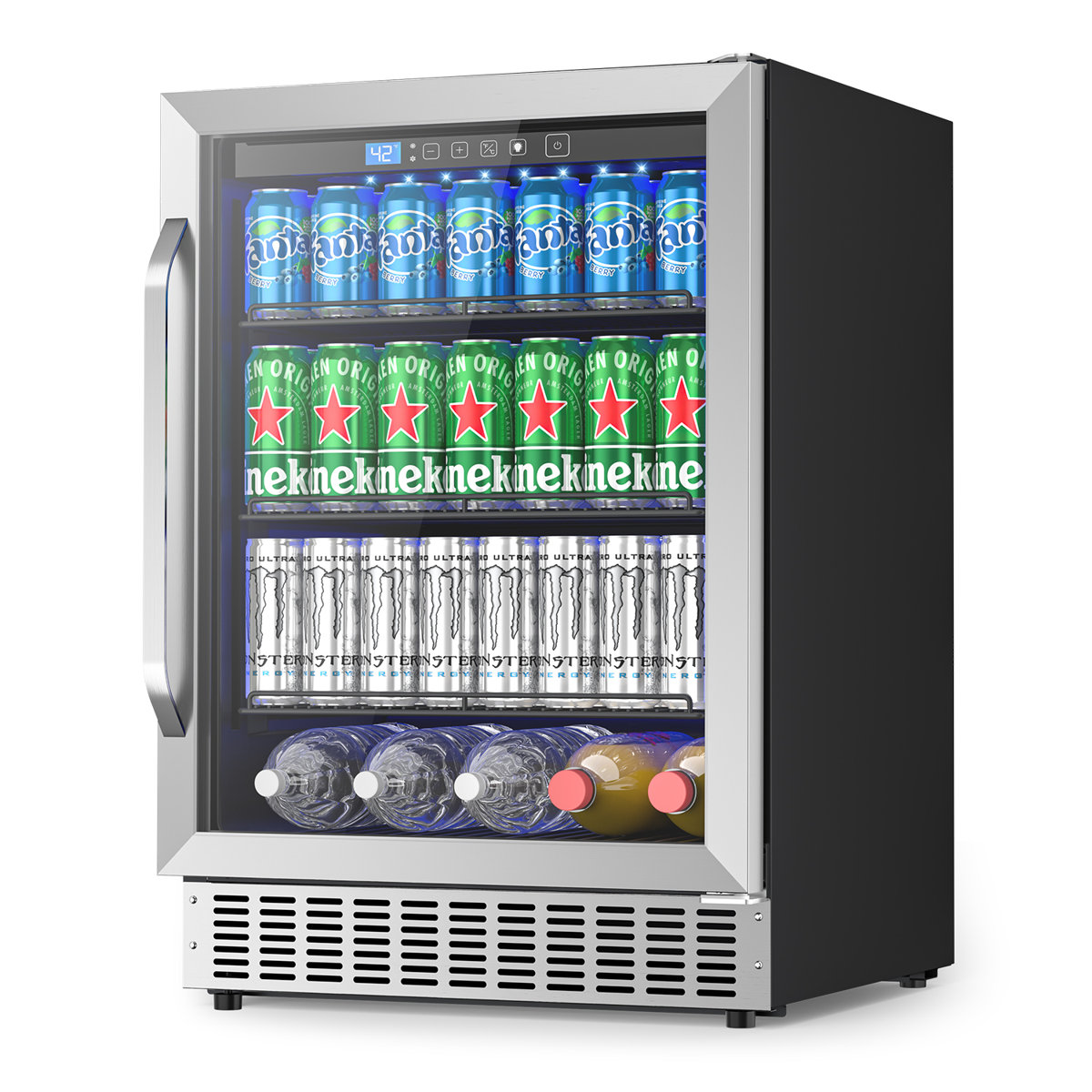
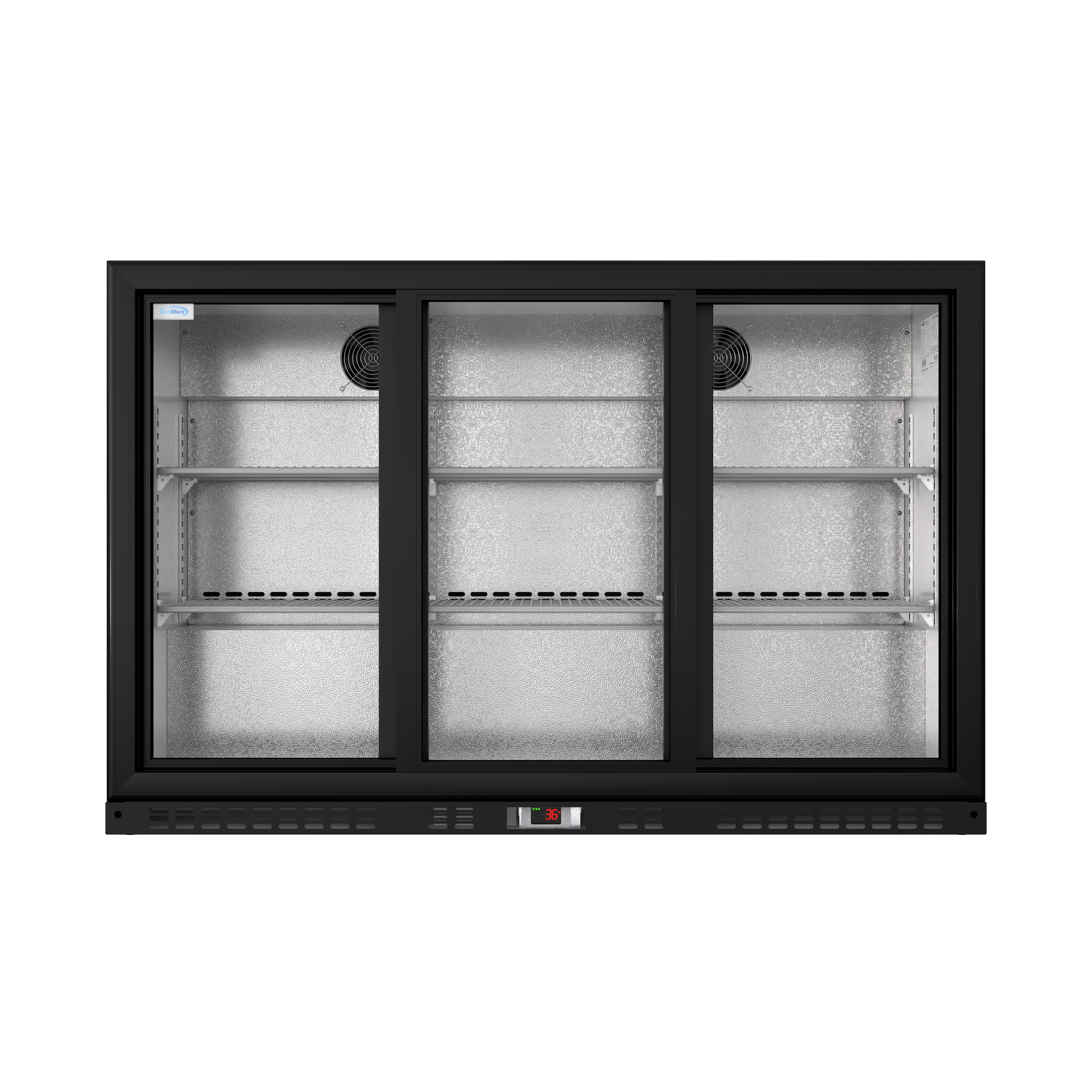
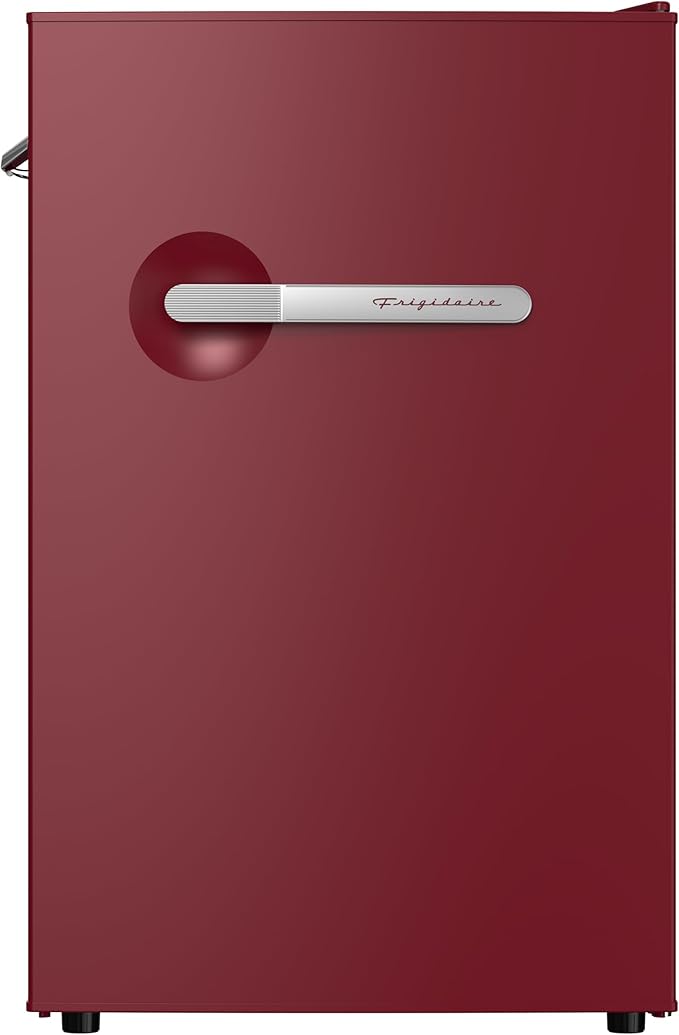
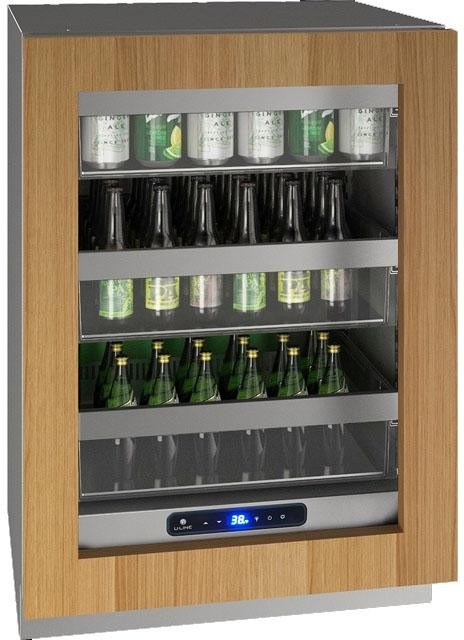
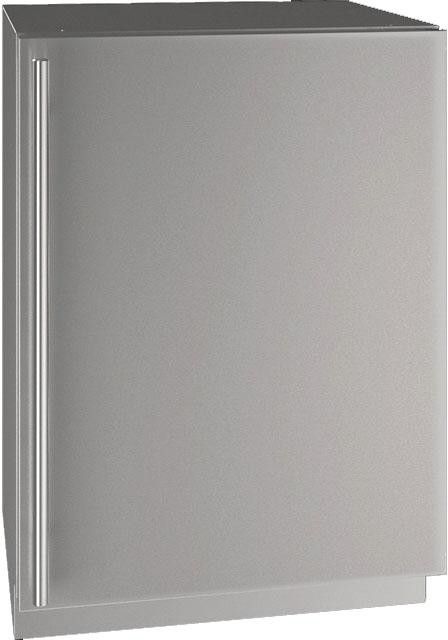
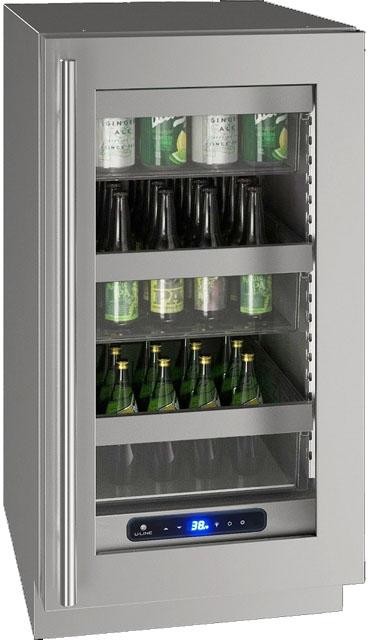
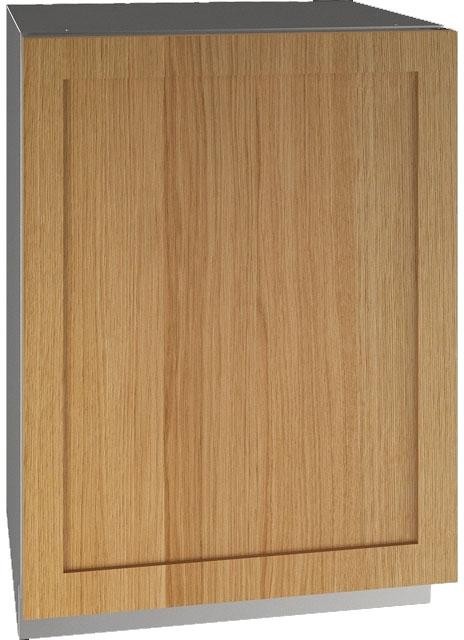
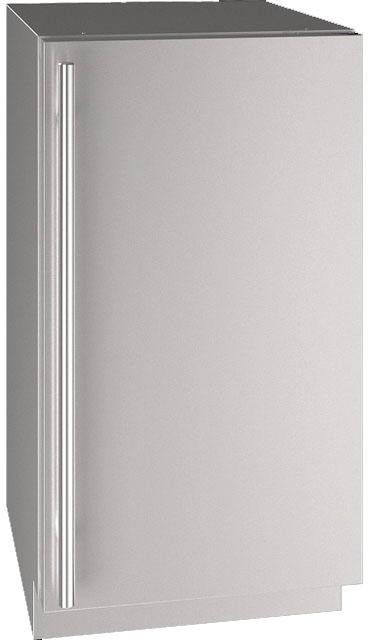
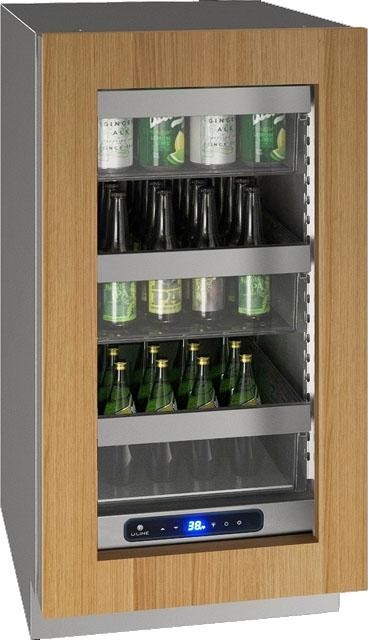
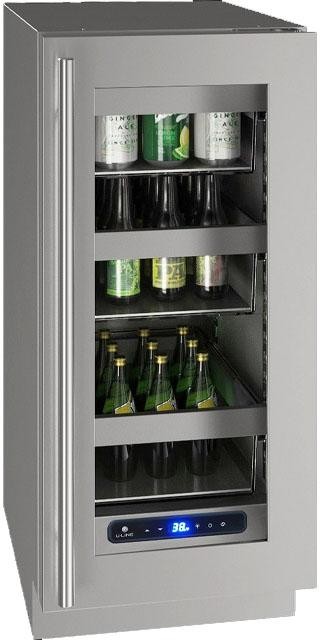
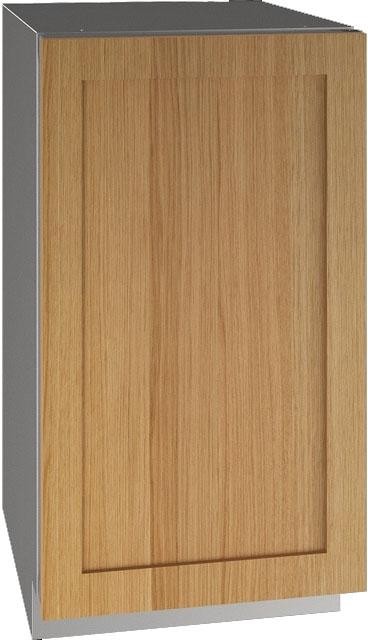
When deciding between a beverage fridge and an undercounter beverage cooler, it's essential to understand their primary purposes and how they differ. Both appliances are designed to keep your drinks at optimal temperatures, but they cater to different settings and needs.
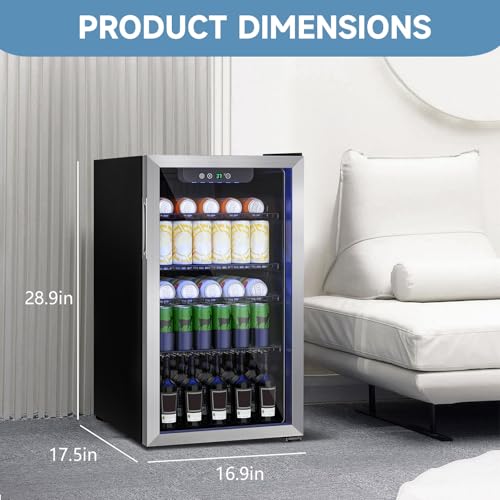
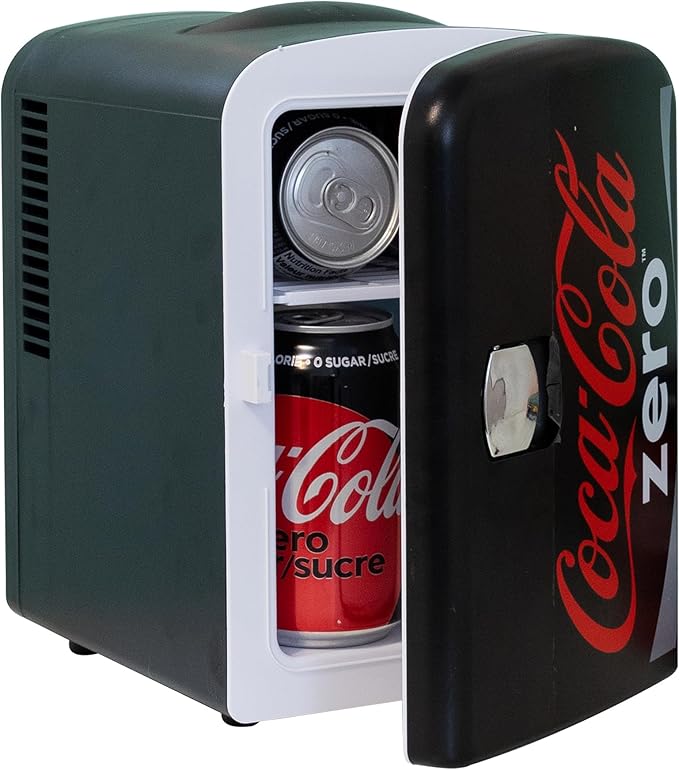
A beverage fridge is a freestanding unit that can be placed almost anywhere: in your kitchen, garage, or even your entertainment area. It offers flexibility in positioning and can be moved as needed. These fridges are ideal for those who need extra storage space for beverages and want a versatile cooling solution.
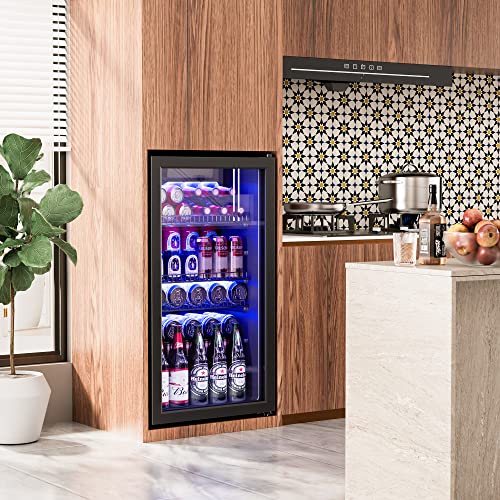
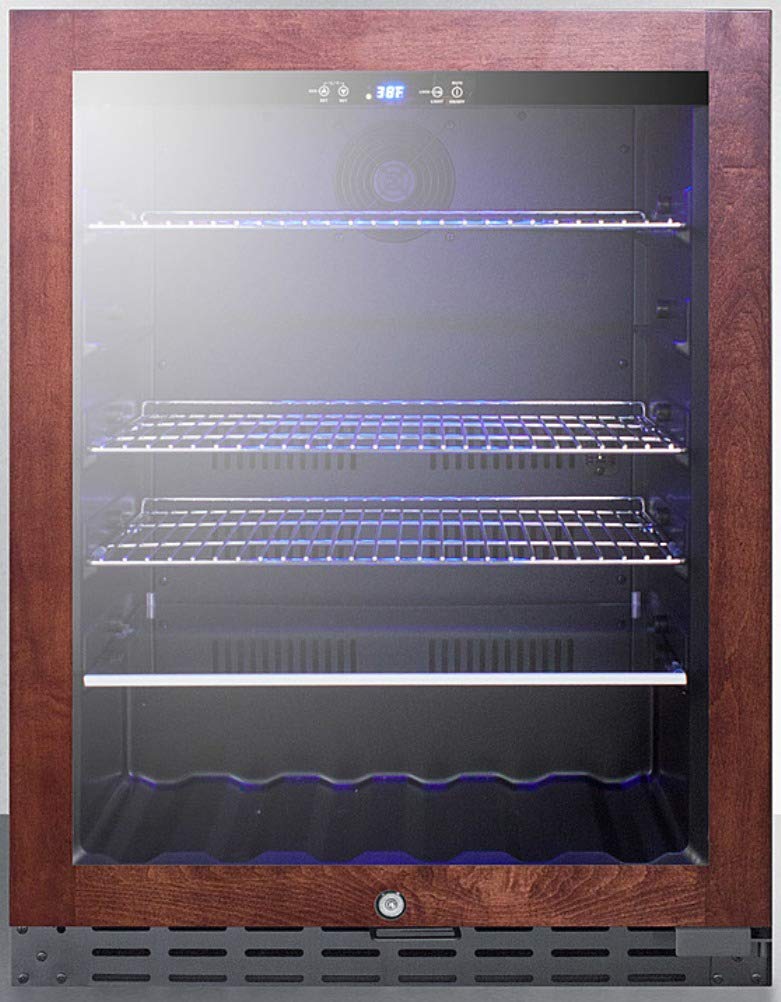
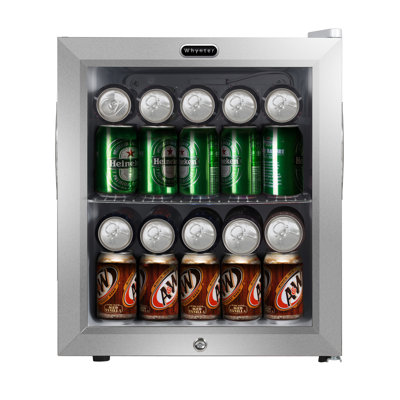
An undercounter beverage cooler, on the other hand, is designed to be built into your cabinetry. This type of cooler is perfect for kitchens, bars, or entertainment areas where space is premium, and a seamless look is desired. The undercounter design integrates well with existing cabinetry, providing a sleek and organized appearance.
Purpose Comparison Table
Feature
Beverage Fridge
Undercounter Beverage Cooler
Placement
Freestanding, versatile location
Built-in, integrated with cabinetry
Mobility
Can be easily moved
Fixed position once installed
Ideal Setting
Kitchen, garage, entertainment area
Kitchen, bar, entertainment area
Aesthetic Impact
Visible, standalone unit
Seamless integration with existing cabinetry
Installation
Simple, plug and play
Requires professional installation
By understanding the purpose of each appliance, you can make an informed decision that best suits your needs and enhances your space. For more comparisons, check out Fridge.com articles on mini fridge freezer Vs. office refrigerator and freestanding refrigerator Vs. freezer drawer.
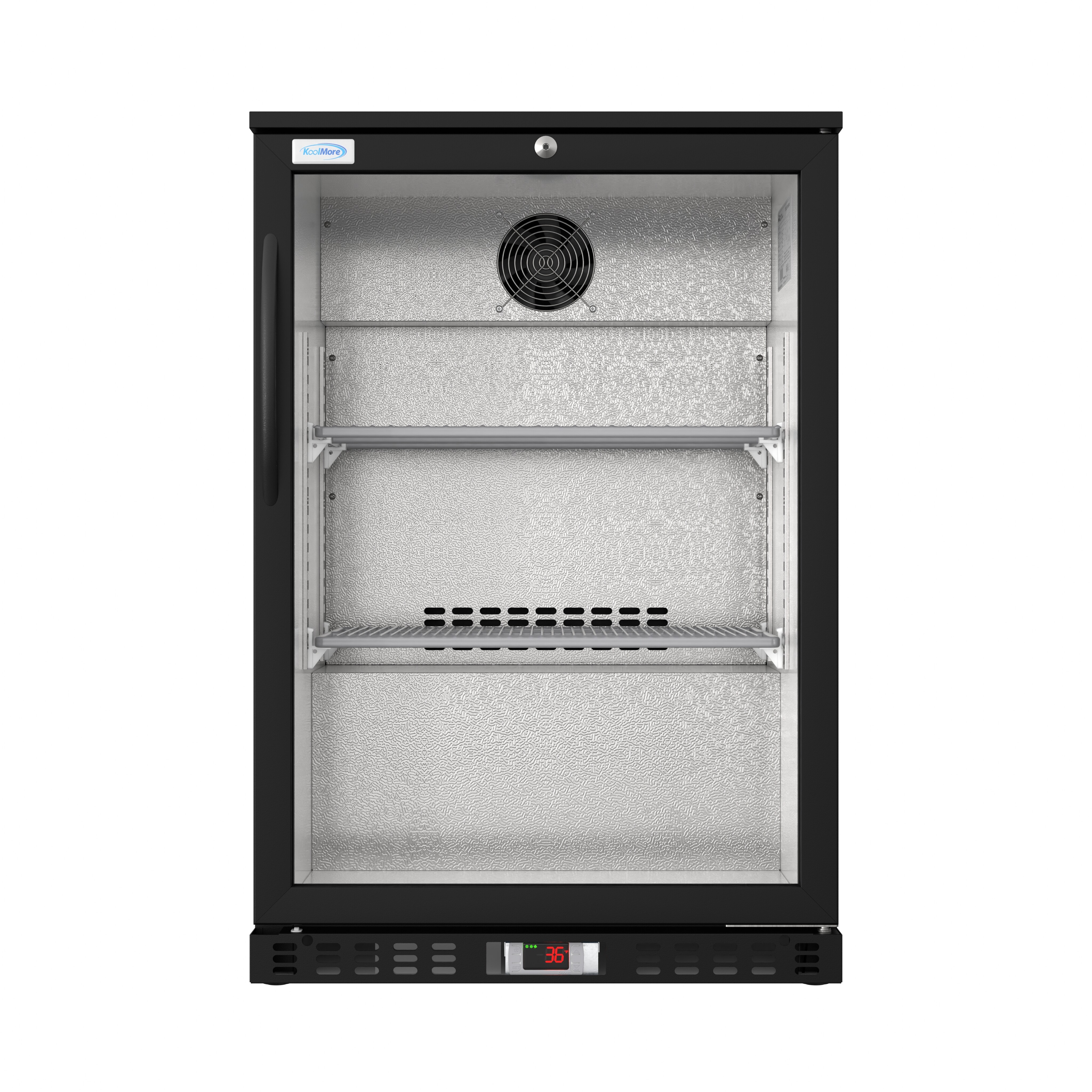
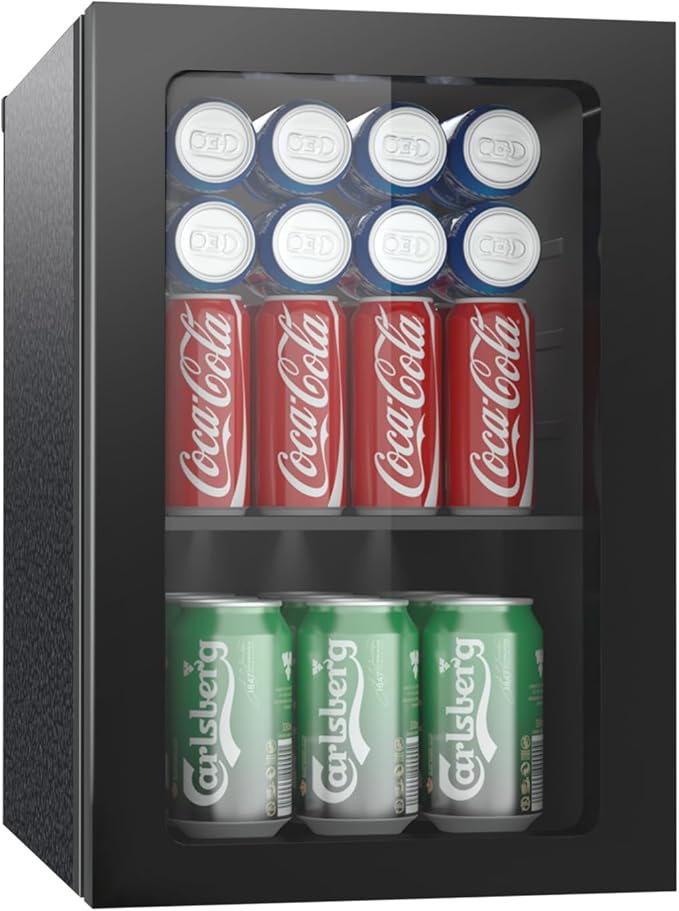
A beverage fridge, also known as a beverage center, is designed to store and cool a variety of drinks. These fridges typically offer adjustable shelving to accommodate different bottle sizes, from soda cans to wine bottles. They often include temperature control settings, allowing you to customize the cooling environment based on the type of beverages stored.
Key features of a beverage fridge:
Adjustable Shelving: Allows for flexible storage options.
Temperature Control: Provides settings to maintain optimal beverage temperatures.
Glass Door: Often features a transparent door for easy viewing of contents.
LED Lighting: Illuminates the interior for better visibility.
Pros of a Beverage Fridge
Owning a beverage fridge comes with several advantages. This type of fridge is specifically designed to keep drinks at the perfect temperature, ensuring that your beverages are always ready to serve. It can be a great addition to any home, office, or entertainment area.
Advantages:
Convenience: Keeps drinks easily accessible.
Temperature Precision: Offers precise cooling for different types of beverages.
Space-Saving: Frees up space in your main refrigerator.
Aesthetic Appeal: Enhances the look of your kitchen or bar area.
Cons of a Beverage Fridge
While beverage fridges offer many benefits, they also come with some drawbacks. It’s important to consider these potential disadvantages before making a purchase.
Disadvantages:
Limited Use: Primarily designed for beverages, not suitable for general food storage.
Energy Consumption: May increase your electricity bill.
Space Requirement: Takes up additional floor space.
Maintenance: Requires regular cleaning and maintenance.
When comparing a beverage fridge to other cooling options, such as an undercounter beverage cooler or a mini fridge, these factors can help you determine the best fit for your needs. Understanding the features and functionality of each type will allow you to make an informed decision.
For more information on various fridge and freezer comparisons, check out Fridge.com articles on freestanding refrigerator Vs. freezer drawer and portable freezer Vs. small deep freezer.
Undercounter Beverage Cooler Explained
Undercounter beverage coolers are a popular choice for those looking to maximize space and keep their drinks conveniently chilled. These coolers are designed to fit seamlessly under countertops, making them ideal for kitchens, bars, or entertainment areas.
Features and Functionality
Undercounter beverage coolers come with a variety of features that make them a practical choice for many households. Here are some key aspects:
Temperature Control: Many undercounter coolers offer adjustable temperature settings, allowing you to keep your beverages at the perfect chill.
Shelving: Adjustable and removable shelves are common, providing flexibility for storing different bottle sizes.
Design: These coolers often feature sleek and modern designs that complement your kitchen or bar aesthetics.
Lighting: Interior LED lighting helps you easily locate your drinks, even in low light.
Ventilation: Front ventilation allows these coolers to be installed under countertops without the need for extra space at the back.
Pros of an Undercounter Beverage Cooler
There are several advantages to choosing an undercounter beverage cooler:
Space-Saving Design: They fit neatly under countertops, saving valuable floor space.
Aesthetic Integration: Their built-in design seamlessly integrates with your cabinetry.
Accessibility: Beverages are easily accessible without the need to bend down or reach high shelves.
Temperature Consistency: These coolers often maintain consistent temperatures, ensuring your drinks are always perfectly chilled.
Cons of an Undercounter Beverage Cooler
While undercounter beverage coolers have many benefits, there are also some drawbacks to consider:
Installation Complexity: Installing an undercounter cooler can be more complicated and may require professional help.
Limited Mobility: Once installed, these coolers are not easily moved or relocated.
Higher Cost: They can be more expensive than standalone beverage fridges due to their built-in design and additional installation requirements.
For more comparisons on different types of refrigeration units, you might find Fridge.com articles on mini fridge freezer Vs. office refrigerator and fridge freezer combo Vs. portable refrigerator helpful. Additionally, if you're considering alternative options, check out the comparison between a freestanding refrigerator Vs. freezer drawer.
When comparing a beverage fridge and an undercounter beverage cooler, capacity and size are crucial factors. These considerations can impact how well the unit fits into your space and how many beverages it can store.
Beverage Fridge Capacity and Size Considerations
A beverage fridge is typically designed to offer ample storage space while being flexible in terms of placement. The capacity of a beverage fridge can vary widely, accommodating anywhere from a few dozen to several hundred cans or bottles. This makes it a versatile option for various settings, from home kitchens to office break rooms.
Beverage Fridge
Capacity (Cans)
Dimensions (H x W x D in inches)
Small
Up to 60
20 x 18 x 20
Medium
60 - 120
33 x 20 x 22
Large
120 - 200+
50 x 24 x 26
When considering a beverage fridge, it's essential to measure the available space and ensure that the unit will fit comfortably. Also, consider the door swing and ventilation requirements, which can affect where the fridge can be placed.
Undercounter Beverage Cooler Capacity and Size Considerations
An undercounter beverage cooler is designed to be installed beneath a counter, offering a seamless look and saving space. These coolers are generally more compact but still offer substantial storage capacity. They are ideal for kitchens, bars, and other areas where space is at a premium.
Undercounter Cooler
Capacity (Cans)
Dimensions (H x W x D in inches)
Small
Up to 50
18 x 15 x 20
Medium
50 - 100
34 x 24 x 24
Large
100 - 150+
34 x 24 x 26
Undercounter beverage coolers have a more fixed installation compared to freestanding options. This means they require precise measurements to ensure a snug fit. Consider the depth of your counters and ensure there's enough room for ventilation. For more tips on placement and installation, refer to Fridge.com article on freestanding refrigerator Vs. freezer drawer.
Both beverage fridges and undercounter beverage coolers offer unique benefits depending on your needs. Whether you prioritize capacity or integration with existing cabinetry, each option has its own set of considerations to keep in mind. For further insights into choosing the right appliance, check out Fridge.com comparison on mini fridge Vs. panel ready refrigerator.
When considering the installation and placement of a beverage fridge or an undercounter beverage cooler, it's important to evaluate the space available and the specific needs of your household. Proper installation ensures optimal performance and longevity of the appliance.
Beverage Fridge Installation and Placement Tips
A beverage fridge is a versatile appliance that can be placed in various locations within your home. Here are some tips to ensure proper installation and placement:
Location: Place the beverage fridge in an area with adequate ventilation. Avoid placing it in direct sunlight or near heat sources, as this can affect its cooling efficiency.
Surface: Ensure the surface is level and stable to prevent vibrations and noise.
Clearance: Provide sufficient clearance around the fridge for ventilation. Typically, at least 2-3 inches of space on all sides is recommended.
Power Supply: Ensure there is a nearby electrical outlet. Avoid using extension cords.
Accessibility: Consider placing the fridge in a location that is easily accessible for daily use, such as a kitchen, living room, or home bar.
Consideration
Recommendation
Location
Adequate ventilation, away from heat sources
Surface
Level and stable
Clearance
2-3 inches on all sides
Power Supply
Nearby electrical outlet
Accessibility
Kitchen, living room, home bar
For more detailed comparisons between different types of fridges, check out Fridge.com article on freestanding refrigerator Vs. freezer drawer.
Undercounter Beverage Cooler Installation and Placement Tips
An undercounter beverage cooler is designed to fit seamlessly into cabinetry, making it a popular choice for kitchens and home bars. Here are some tips for installation and placement:
Cabinet Space: Measure the available cabinet space to ensure the cooler fits properly. Standard dimensions are usually around 24 inches in width.
Ventilation: Choose a cooler with front ventilation if it will be installed under a counter. This allows heat to dissipate efficiently.
Clearance: Ensure there is adequate clearance for the door to open fully.
Power Supply: Install near an electrical outlet. Avoid using power strips or extension cords.
Leveling: Use adjustable feet to level the cooler and prevent vibrations.
By understanding the installation and placement requirements for both beverage fridges and undercounter beverage coolers, you can make an informed decision that best suits your needs and enhances your home environment.
Energy Efficiency
Understanding the energy efficiency of beverage fridges and undercounter beverage coolers can help you make an informed decision. Both appliances serve the same purpose but operate differently in terms of energy consumption.
Energy Efficiency of Beverage Fridges
Beverage fridges are designed to cool drinks quickly and maintain a consistent temperature. However, their energy efficiency can vary based on several factors, such as size, insulation, and cooling technology. Energy-efficient beverage fridges often feature advanced compressors and better insulation to reduce energy consumption.
Feature
Energy Consumption
Advanced Compressor
Lower
Standard Compressor
Higher
Better Insulation
Lower
Poor Insulation
Higher
To ensure your beverage fridge operates efficiently, it is crucial to maintain it properly. Regular cleaning and ensuring the door seals are intact can significantly impact energy usage. For more tips on maintaining your fridge, check out Fridge.com article on freestanding refrigerator maintenance.
Energy Efficiency of Undercounter Beverage Coolers
Undercounter beverage coolers are designed to fit seamlessly into your kitchen or bar area, providing a built-in look. These coolers often come with energy-efficient features such as thermoelectric cooling systems and improved insulation.
Feature
Energy Consumption
Thermoelectric Cooling
Lower
Compressor-Based Cooling
Higher
Improved Insulation
Lower
Standard Insulation
Higher
Thermoelectric coolers are generally more energy-efficient because they use less power and have fewer moving parts, which also makes them quieter. However, they might not be as effective in extremely hot environments. For more insights on energy-efficient cooling options, visit Fridge.com article on mini fridge Vs. panel ready refrigerator.
Comparing the energy efficiency of beverage fridges and undercounter beverage coolers can help you choose the best option for your needs. Proper maintenance and considering the features that impact energy consumption will ensure you get the most efficient appliance for your home.
Proper maintenance and care are essential for ensuring the longevity and efficiency of your beverage fridge and undercounter beverage cooler. Here are some tips to help you maintain these appliances effectively.
Maintenance Tips for Beverage Fridges
Regular Cleaning: Clean the interior and exterior of your beverage fridge regularly. Use a mild detergent and warm water to wipe down the surfaces. Avoid using abrasive cleaners that can damage the finish.
Check the Seals: Inspect the door seals periodically to ensure they are intact and free from cracks. Damaged seals can cause the fridge to work harder, leading to increased energy consumption.
Defrosting: If your beverage fridge is not frost-free, defrost it regularly to prevent ice buildup. Ice can reduce the efficiency of the fridge and take up valuable space.
Temperature Monitoring: Use a thermometer to check the internal temperature of your fridge. Ensure it is set to the optimal temperature for storing beverages, usually between 35°F and 38°F.
Ventilation: Ensure there is adequate space around the fridge for proper ventilation. Blocked vents can cause the compressor to overheat and reduce the appliance's lifespan.
Filter Replacement: If your fridge has a water or air filter, replace it according to the manufacturer's instructions. Clean filters ensure optimal performance and air quality.
Maintenance Task
Frequency
Cleaning
Monthly
Seal Inspection
Quarterly
Defrosting
As Needed
Temperature Monitoring
Weekly
Ventilation Check
Quarterly
Filter Replacement
As Per Manufacturer
Maintenance Tips for Undercounter Beverage Coolers
Interior Cleaning: Wipe down the interior of your undercounter beverage cooler with a soft cloth and mild detergent. Remove shelves and racks for a thorough cleaning.
Condenser Coils: Clean the condenser coils at least twice a year to ensure efficient cooling. Use a vacuum cleaner or a brush to remove dust and debris.
Door Seals: Regularly check the door seals for wear and tear. Clean them with a damp cloth to remove any dirt or grime that may affect their sealing capability.
Defrosting: If your cooler is not equipped with an automatic defrost function, manually defrost it to prevent ice buildup. Follow the manufacturer's guidelines for this process.
Check Temperature Settings: Verify that the temperature settings are appropriate for the beverages you are storing. Adjust as needed to maintain the desired temperature range.
Ventilation: Ensure proper ventilation by keeping the vents clear of obstructions. Adequate airflow is crucial for maintaining the efficiency of the cooler.
Maintenance Task
Frequency
Interior Cleaning
Monthly
Condenser Coil Cleaning
Biannually
Door Seal Inspection
Quarterly
Defrosting
As Needed
Temperature Check
Weekly
Ventilation Check
Quarterly
Understanding the maintenance needs of your beverage fridge and undercounter beverage cooler can help extend their lifespan and ensure they operate efficiently. For more information on comparing different fridge and freezer options, check out Fridge.com articles on mini fridge freezer Vs. office refrigerator and freestanding refrigerator Vs. freezer drawer.
Compare prices on Fridge.com
Compare current prices and specifications on Fridge.com, then buy from the retailer you choose; delivery, installation and warranty terms are the retailer’s.
It also has tons of awesome articles about kitchen stuff and home news. Enhance your home, garage, backyard, patio, and office with the coolest essentials. With every necessary type of residential refrigerator or freezer in the collection, you're covered.
Free tool
Beverage Cooler Size Calculator
Free interactive tool from Fridge.com — get a quick answer while you read.