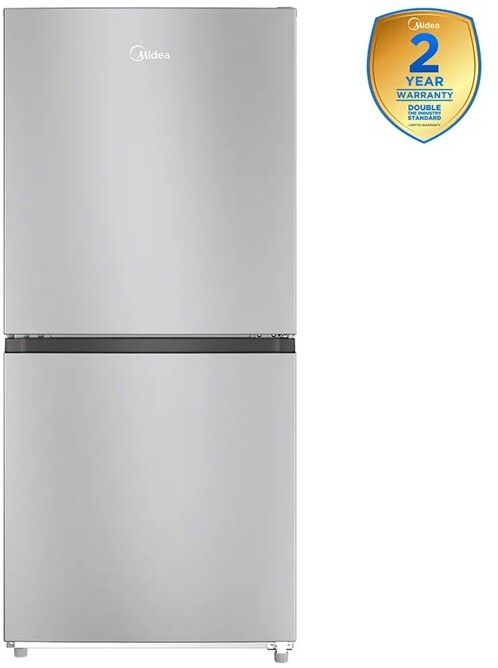
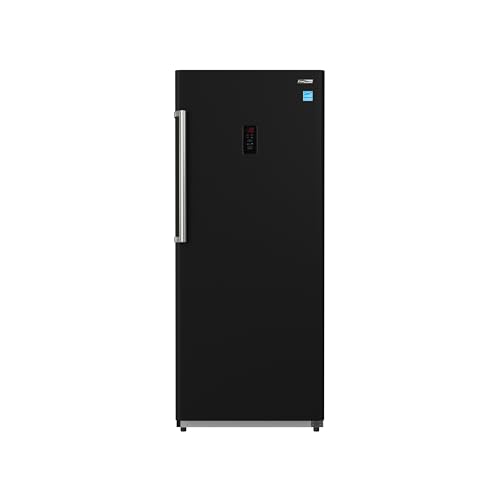
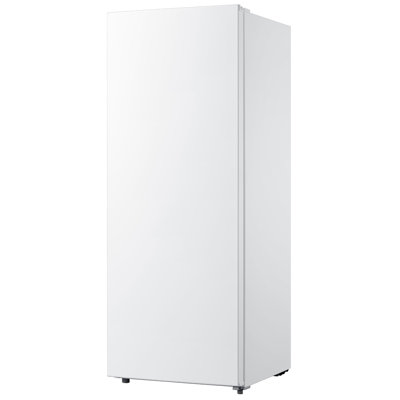
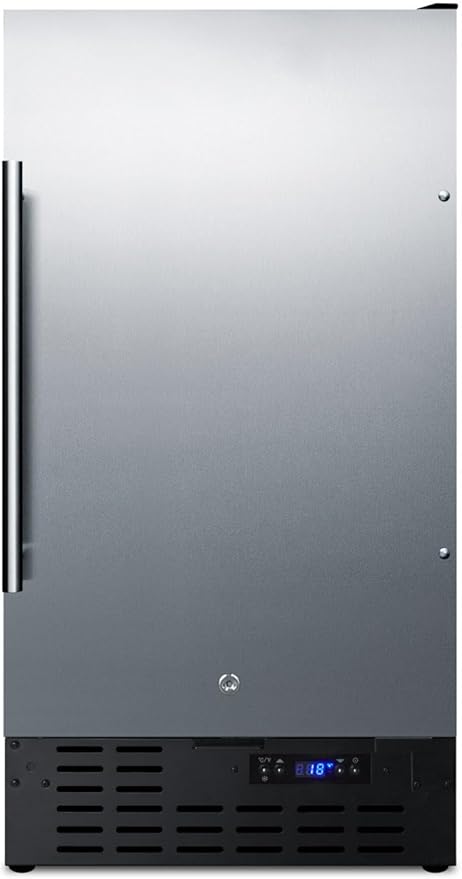
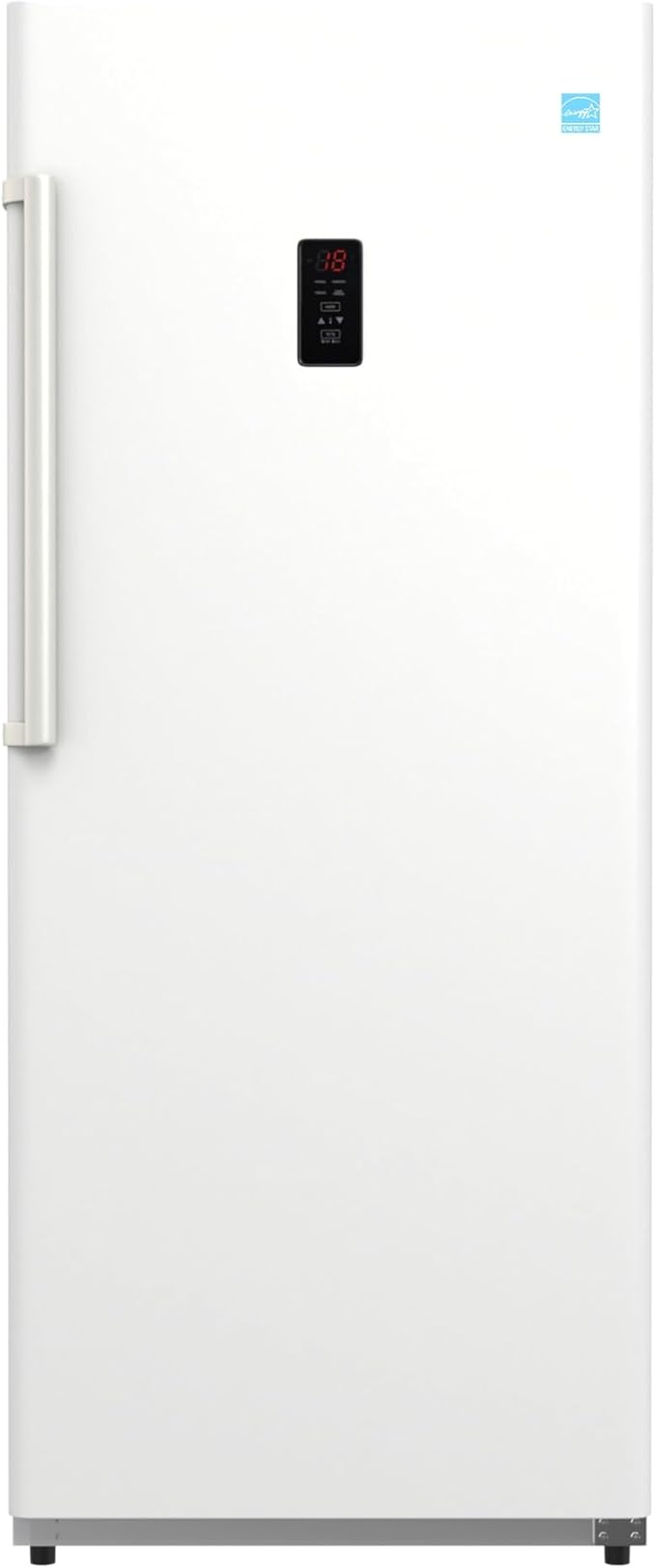
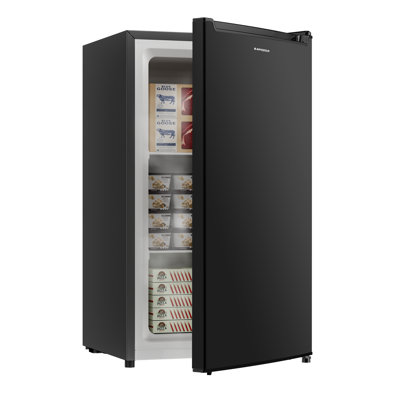
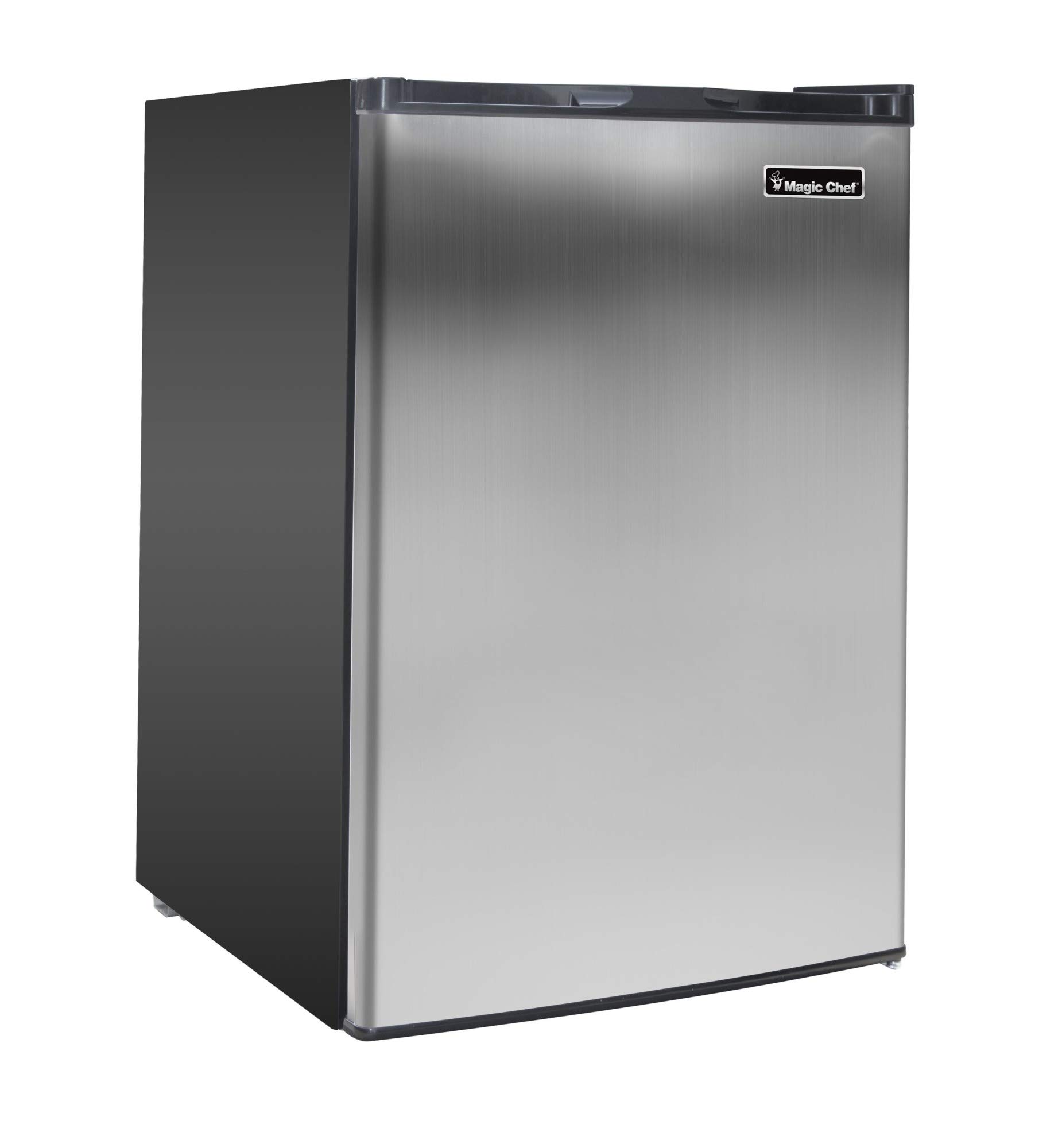
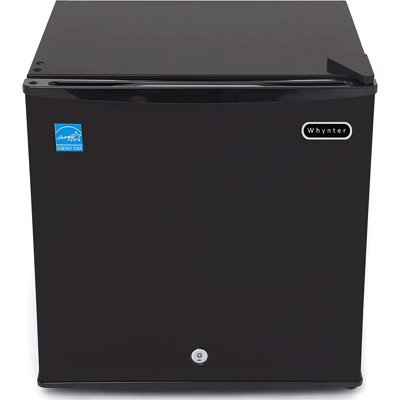
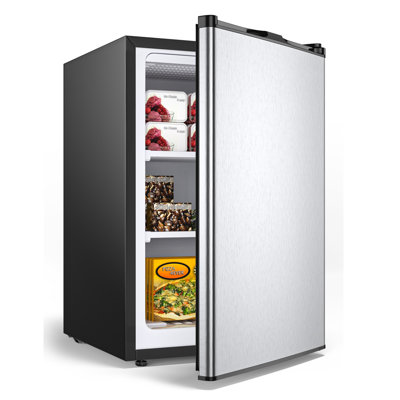
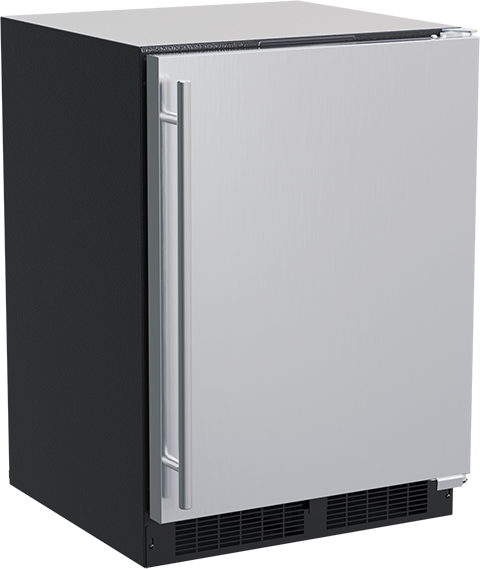
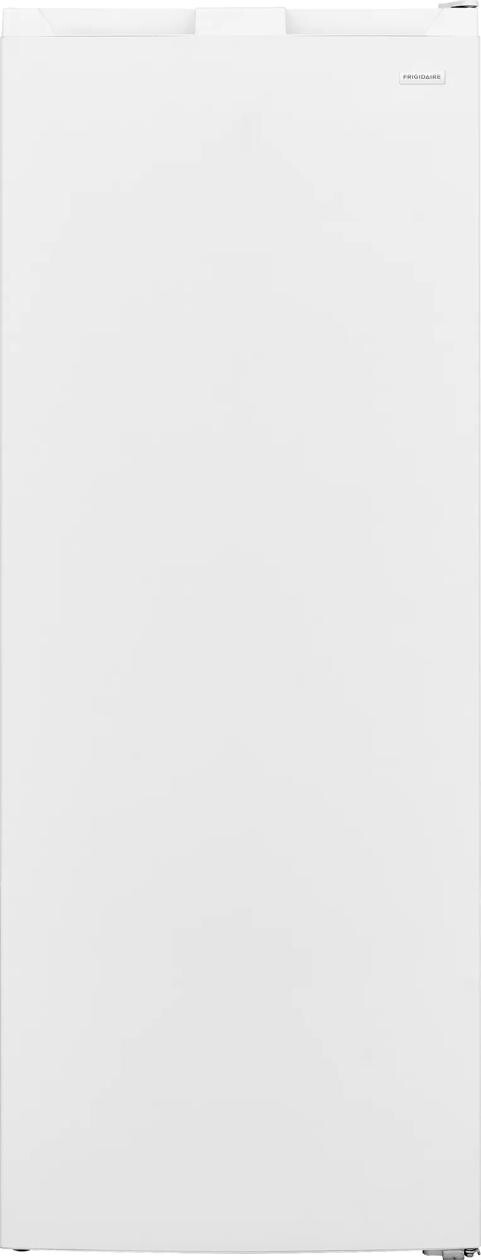
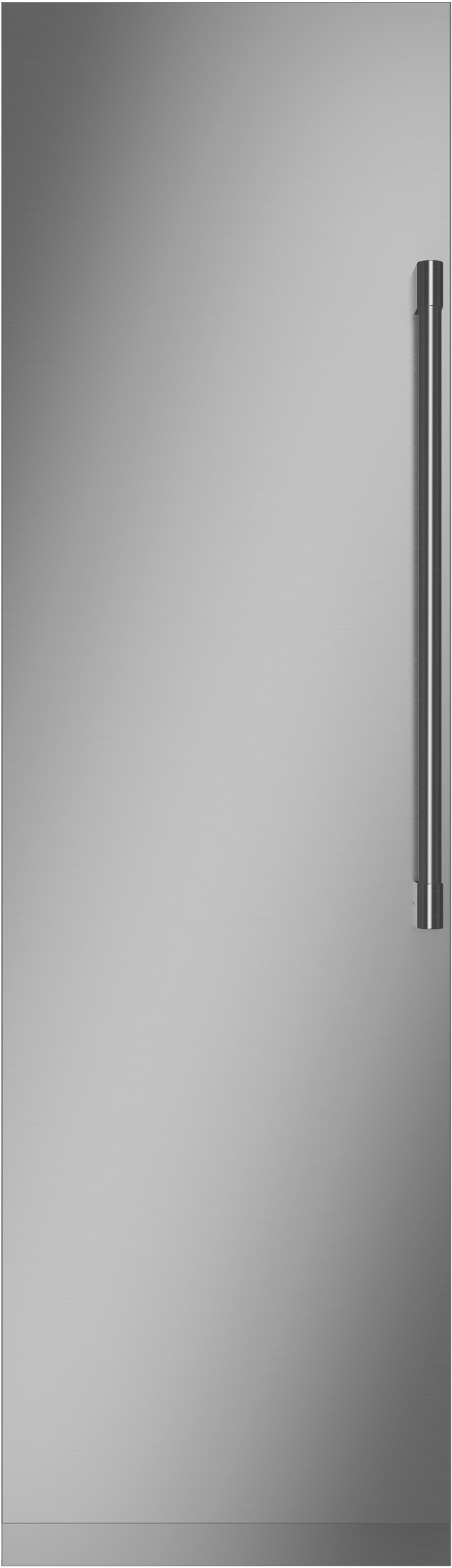
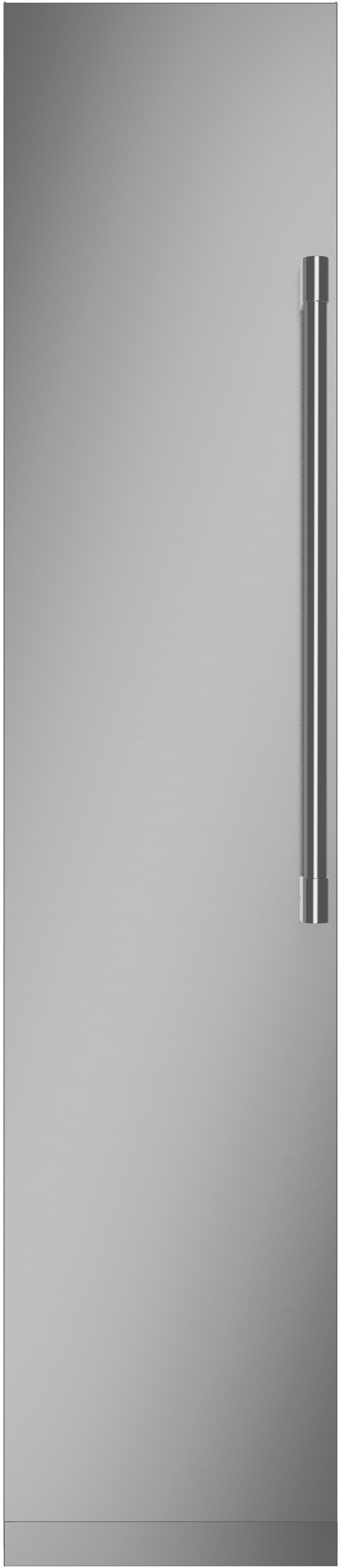
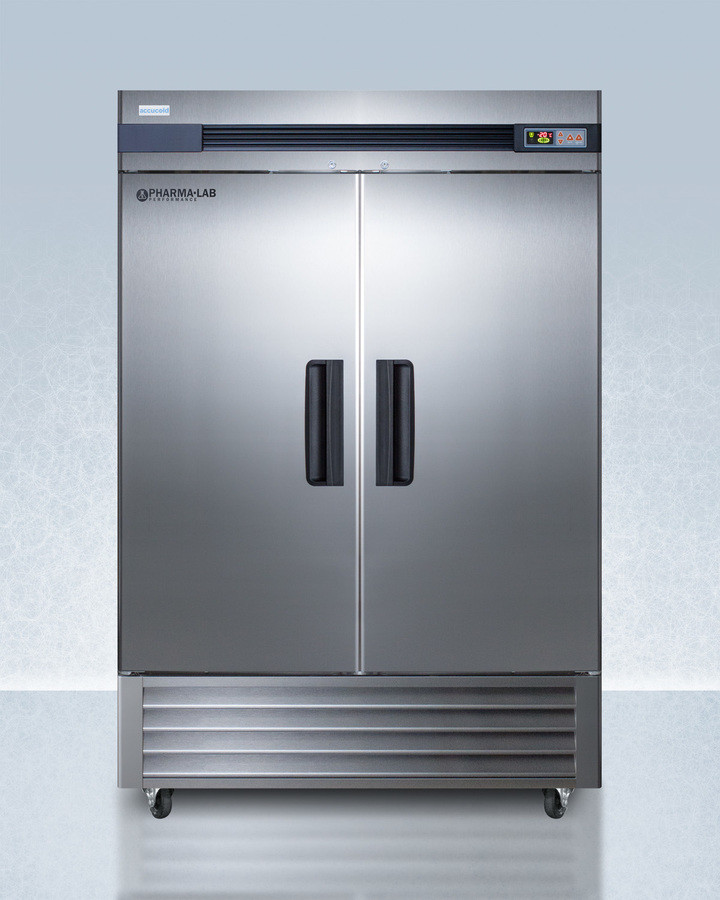
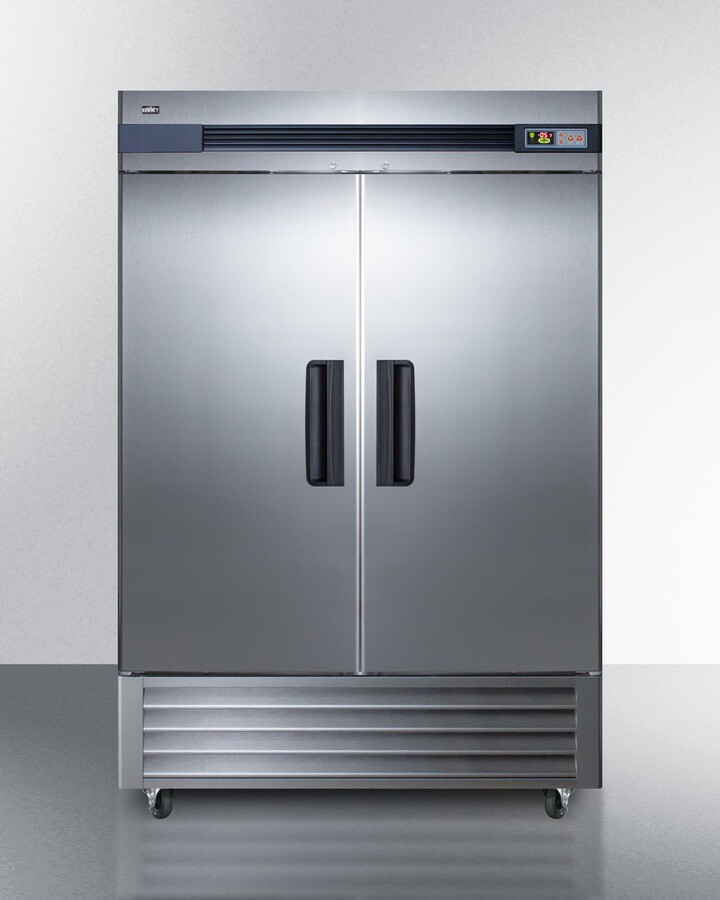
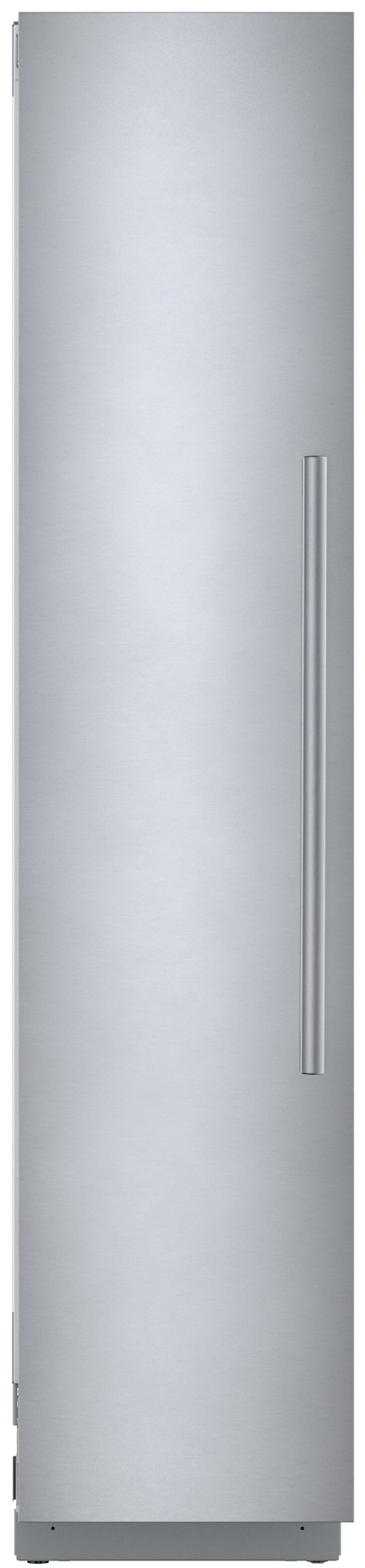
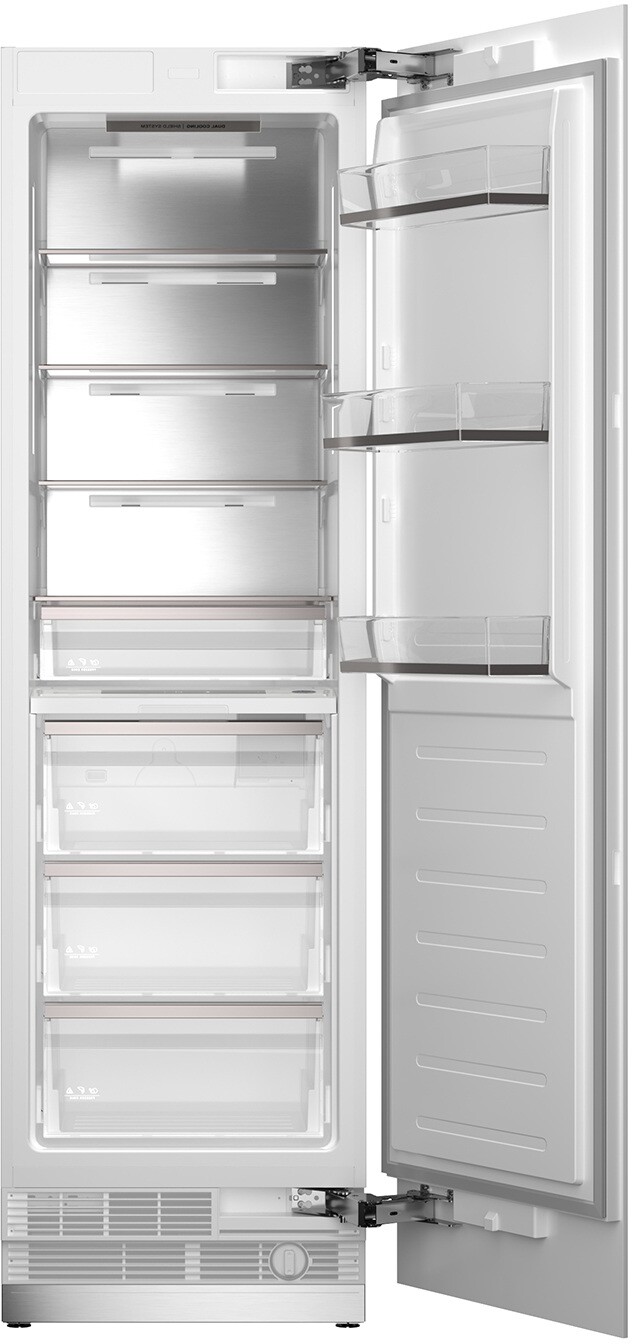
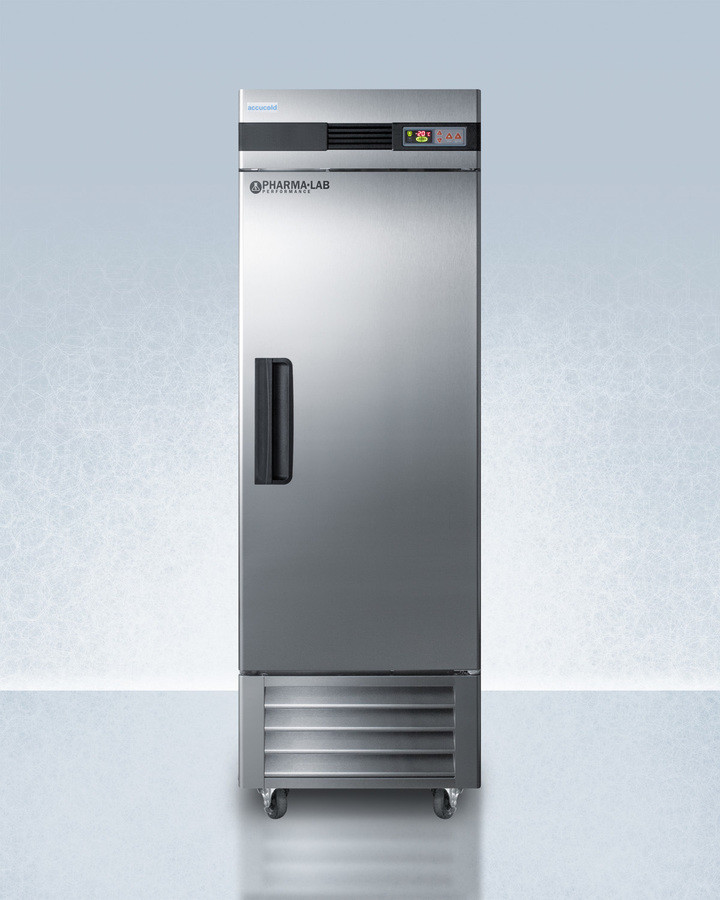
When it comes to selecting the right freezer for your needs, understanding the differences between an all freezer refrigerator and an upright freezer is crucial. Each type has its own set of features, benefits, and potential drawbacks.
All Freezer Refrigerator Overview
An all freezer refrigerator is a versatile appliance designed to provide ample freezing storage space. Unlike a traditional refrigerator that combines both a fridge and freezer compartment, an all freezer refrigerator is dedicated solely to freezing.
Key Features:
Large Capacity: These units typically offer extensive storage, making them ideal for those with significant freezing needs.
Uniform Freezing: Ensures that all items are kept at a consistent temperature.
Organizational Options: Often come with adjustable shelves, door bins, and drawers to help you organize your frozen goods effectively.
For more information on how this appliance compares with other types of refrigerators, check out Fridge.com article on freestanding refrigerator Vs. freezer drawer.
Upright Freezer Overview
An upright freezer, on the other hand, stands tall and resembles a typical refrigerator in design. It’s a popular choice for those who need additional freezing space but have limited floor area.
Key Features:
Convenient Access: Shelves and drawers allow for easy organization and quick access to frozen foods.
Space-Efficient Design: Takes up less floor space compared to chest freezers.
Frost-Free Models: Many upright freezers come with frost-free technology to prevent ice build-up.
When comparing an all freezer refrigerator to an upright freezer, it's important to understand how their design and layout can impact your storage needs and space utilization.
All Freezer Refrigerator Configuration
An all freezer refrigerator offers a unique configuration that blends the functionality of a refrigerator with the storage capacity of a freezer. This type of appliance is designed to provide ample freezer space while maintaining the convenience of a refrigerator layout.
The shelves and compartments in an all freezer refrigerator are typically adjustable, allowing you to customize the interior to fit different types of food items. This flexibility makes it easier to organize your frozen goods efficiently.
Feature
All Freezer Refrigerator
Shelving
Adjustable shelves
Compartments
Multiple drawers and bins
Door Storage
Yes
Interior Lighting
Yes
This configuration is ideal for those who require a lot of freezer space but still want the organizational benefits of a refrigerator. For more information on different fridge types, check out Fridge.com article on fridge freezer combo Vs. portable refrigerator.
Upright Freezer Configuration
An upright freezer, on the other hand, focuses solely on freezing capabilities. It usually features a vertical design with multiple shelves and compartments, similar to a refrigerator. The main difference lies in its purpose and layout, which is optimized for freezing and storing a large volume of frozen foods.
Upright freezers often come with fixed shelves, though some models may offer adjustable shelving. The door may also have storage pockets for smaller items, making it easier to access frequently used goods.
Feature
Upright Freezer
Shelving
Fixed or adjustable shelves
Compartments
Multiple drawers and bins
Door Storage
Yes
Interior Lighting
Yes
This configuration is suitable for those who need a dedicated freezer with large storage capacity and easy access to frozen items. To learn about other freezer options, visit Fridge.com article on freestanding refrigerator Vs. freezer drawer.
Understanding the design and layout of these appliances can help you decide which one best suits your needs, whether you're looking for a combination of refrigerator and freezer space or a dedicated freezer unit.
Storage Capacity
When comparing an all freezer refrigerator to an upright freezer, storage capacity is a key factor to consider. Each type offers different advantages in terms of space and organization, catering to various needs.
All Freezer Refrigerator Capacity
An all freezer refrigerator is designed to maximize freezing space. These units are typically larger and provide ample room for storing a wide variety of frozen foods. The storage capacity can vary based on the model and size, but they generally offer a substantial amount of space.
Model Type
Capacity (Cubic Feet)
Small All Freezer Refrigerator
14 - 16
Medium All Freezer Refrigerator
17 - 20
Large All Freezer Refrigerator
21 - 25
The layout often includes multiple shelves, bins, and compartments, allowing for easy organization of different food items. This configuration is ideal for those who need a significant amount of freezer space, such as large families or individuals who prefer to buy in bulk. For more comparisons, see Fridge.com article on chest refrigerator Vs. convertible freezer refrigerator.
Upright Freezer Capacity
Upright freezers are designed to provide a balance between storage capacity and convenience. While they may not offer as much space as an all freezer refrigerator, they are still quite spacious and can accommodate a considerable amount of frozen goods.
Model Type
Capacity (Cubic Feet)
Small Upright Freezer
10 - 12
Medium Upright Freezer
13 - 17
Large Upright Freezer
18 - 21
Upright freezers typically feature shelves, drawers, and door bins, making it easier to organize and access your frozen items. This layout is particularly useful for those who want to keep their frozen goods well-organized and easily accessible. For additional insights, explore Fridge.com article on freestanding refrigerator Vs. freezer drawer.
Understanding the storage capacity of both all freezer refrigerators and upright freezers will help you make an informed decision based on your specific needs and preferences. Whether you require a large amount of freezer space or prefer a more organized layout, there is an option that will suit your requirements.
When comparing an all freezer refrigerator to an upright freezer, it's essential to consider how each type facilitates organization and access to your stored items.
All Freezer Refrigerator Features
An all freezer refrigerator offers comprehensive storage solutions designed to keep your food items organized and easily accessible.
Shelving and Compartments: These units typically come with multiple shelves and compartments, allowing for systematic storage. Adjustable shelves provide flexibility to accommodate various food sizes.
Door Storage: Many all freezer refrigerators feature door storage, which is ideal for frequently used items. This feature maximizes space and keeps essential items within easy reach.
Drawers: Some models include drawers for storing items like vegetables or meats, enhancing the organization.
Lighting: Internal LED lighting ensures that all areas of the freezer are well-lit, making it easier to locate items quickly.
Feature
Description
Shelving and Compartments
Multiple adjustable shelves for flexible storage
Door Storage
Easy access to frequently used items
Drawers
Additional storage for vegetables, meats, etc.
Lighting
Internal LED lighting for better visibility
Upright Freezer Features
Upright freezers are designed with accessibility and organization in mind, offering several features that make them user-friendly.
Shelving and Racks: These freezers often come with fixed or adjustable shelves and racks that help in organizing different types of food items.
Basket Drawers: Some models include basket drawers at the bottom, providing extra space for bulkier items.
Door Bins: Upright freezers usually feature door bins, which are perfect for smaller items or items that need to be accessed frequently.
Frost-Free Technology: Many upright freezers come equipped with frost-free technology, reducing the need for manual defrosting and keeping the freezer clean and organized.
Feature
Description
Shelving and Racks
Fixed or adjustable shelves and racks for organization
Basket Drawers
Additional space for bulkier items
Door Bins
Convenient storage for smaller or frequently accessed items
Frost-Free Technology
Eliminates the need for manual defrosting
Both all freezer refrigerators and upright freezers offer unique organizational features that cater to different needs. Depending on your storage requirements and preferences, you can choose the one that best suits your lifestyle. For more detailed comparisons, you might want to explore articles like mini fridge freezer Vs. office refrigerator
When comparing an all freezer refrigerator to an upright freezer, it's important to consider their energy efficiency. This helps you manage energy consumption and reduce utility costs.
All Freezer Refrigerator Efficiency
All freezer refrigerators are designed to maintain a single, consistent temperature throughout the entire unit. This can lead to more efficient energy usage compared to multi-purpose units. The consistent temperature helps to minimize the energy required to maintain the internal environment.
Feature
All Freezer Refrigerator
Temperature Range (°F)
0 to -10
Upright Freezer Efficiency
Upright freezers, on the other hand, can be slightly less energy-efficient due to their design. They tend to lose more cold air when the door is opened, which can increase the energy needed to maintain the desired temperature. However, many modern upright freezers come with advanced features to improve energy efficiency, such as better insulation and automatic defrosting.
Feature
Upright Freezer
Temperature Range (°F)
0 to -10
When choosing between an all freezer refrigerator and an upright freezer, consider your specific needs and usage patterns. Energy efficiency can vary based on factors like frequency of use and the ambient temperature of the installation location. For more detailed comparisons on different types of refrigeration units, you can explore articles such as mini fridge freezer Vs. office refrigerator and fridge freezer combo Vs. portable refrigerator.
Installation and Placement
All Freezer Refrigerator Considerations
When installing an all freezer refrigerator, there are several factors to keep in mind to ensure optimal performance and convenience.
Space Requirements: All freezer refrigerators generally require a larger footprint compared to upright freezers. Ensure you have adequate space in your kitchen, garage, or basement. Measure the area where you plan to place the freezer to confirm it will fit comfortably.
Ventilation: Proper ventilation is crucial for maintaining the efficiency of your all freezer refrigerator. Make sure there is enough space around the unit for air to circulate. Typically, a clearance of at least 1 to 2 inches on the sides and back is recommended.
Electrical Outlet: Confirm that there is a dedicated electrical outlet near the installation site. All freezer refrigerators usually require a standard 110/120-volt outlet. Avoid using extension cords as they can pose a fire hazard.
Flooring: Place the all freezer refrigerator on a level, stable surface. Uneven flooring can cause the unit to vibrate and operate inefficiently. If necessary, use shims to level the freezer.
Accessibility: Consider the door swing direction and ensure there is enough space for the door to open fully. This will allow you easy access to the contents and avoid any obstruction.
Upright Freezer Considerations
Installing an upright freezer also involves specific considerations to ensure it operates efficiently and fits well within your space.
Footprint: Upright freezers tend to have a smaller footprint compared to all freezer refrigerators, making them suitable for tighter spaces like apartments or small kitchens. Measure the intended area to verify that the freezer will fit.
Ventilation: Adequate ventilation is essential for upright freezers. Ensure there is sufficient clearance around the unit, typically 1 to 2 inches on the sides and back, to allow for proper airflow.
Electrical Outlet: Verify the availability of a dedicated electrical outlet near the installation site. Upright freezers usually require a standard 110/120-volt outlet. Using extension cords is not recommended due to safety concerns.
Flooring: Position the upright freezer on a level and stable surface. Uneven flooring can lead to vibrations and affect the freezer's performance. Use shims if necessary to level the unit.
Door Swing: Pay attention to the door swing direction and ensure there is enough space for the door to open fully. This will provide easy access to the contents and prevent any obstructions.
Placement: Consider placing the upright freezer in a location that is easy to access but away from direct sunlight or heat sources, which can affect its efficiency.
By carefully considering these installation and placement factors, you can ensure that both all freezer refrigerators and upright freezers operate efficiently and fit seamlessly into your home. For more detailed comparisons, check out Fridge.com articles on mini fridge freezer Vs. office refrigerator and fridge freezer combo Vs. portable refrigerator.
Proper maintenance and care of your freezer are essential for ensuring its longevity and optimal performance. Below are some care tips for both all freezer refrigerators and upright freezers.
All Freezer Refrigerator Care Tips
Maintaining an all freezer refrigerator involves a few routine tasks to keep it running efficiently. Here are some essential care tips:
Regular Cleaning: Clean the interior and exterior of your all freezer refrigerator every few months. Use a mild detergent and warm water for cleaning. Avoid harsh chemicals.
Defrosting: If your all freezer refrigerator is not frost-free, defrost it regularly to prevent ice buildup. Follow the manufacturer's instructions for defrosting.
Check Door Seals: Inspect the door seals periodically to ensure they are in good condition. Replace any damaged seals to maintain proper temperature and energy efficiency.
Temperature Settings: Keep the temperature at the recommended level, usually around 0°F (-18°C). Use a freezer thermometer to monitor the temperature.
Ventilation: Ensure there is adequate space around the freezer for proper ventilation. Avoid placing it near heat sources or direct sunlight.
Maintenance Task
Frequency
Cleaning
Every 3 months
Defrosting
As needed
Door Seal Inspection
Monthly
Temperature Check
Weekly
Ventilation Check
Monthly
Upright Freezer Care Tips
Upright freezers require similar maintenance to all freezer refrigerators, but with some specific considerations. Here are some tips for maintaining an upright freezer:
Regular Cleaning: Clean the interior and exterior every few months using a mild detergent and warm water. Avoid using abrasive cleaners.
Defrosting: If your upright freezer is not frost-free, defrost it regularly to remove ice buildup. Follow the defrosting instructions provided by the manufacturer.
Check Door Seals: Regularly inspect the door seals for any signs of wear or damage. Replace seals as necessary to ensure the freezer maintains the correct temperature.
Temperature Settings: Maintain the freezer temperature at the recommended level, usually around 0°F (-18°C). Use a thermometer to ensure accuracy.
Ventilation: Make sure the freezer has adequate space around it for proper airflow. Avoid placing it near heat sources or where it could be exposed to direct sunlight.
Maintenance Task
Frequency
Cleaning
Every 3 months
Defrosting
As needed
Door Seal Inspection
Monthly
Temperature Check
Weekly
Ventilation Check
Monthly
For those interested in comparing other types of refrigerators and freezers, consider reading Fridge.com articles on mini fridge freezer Vs. office refrigerator and chest refrigerator Vs. convertible freezer refrigerator.
Proper maintenance and care will enhance the performance and lifespan of your freezer, ensuring your food stays fresh and your appliance runs efficiently.
Compare prices on Fridge.com
Compare current prices and specifications on Fridge.com, then buy from the retailer you choose; delivery, installation and warranty terms are the retailer’s.
It also has tons of awesome articles about kitchen stuff and home news. Enhance your home, garage, backyard, patio, and office with the coolest essentials. With every necessary type of residential refrigerator or freezer in the collection, you're covered.
From Fridge.com research
Figures below come from data Fridge.com builds and maintains. Each links to the record behind it.
Fridge.com Energy Index, built on U.S. EPA and DOE ENERGY STAR records
Across 5,455 ENERGY STAR certified refrigerators and freezers from 263 brands, median use is 360 kWh per year.