Built-In Beverage Centers Vs. Kegerators: What's Your Flavor?
Choosing between a built-in beverage center and a kegerator can feel like picking your favorite child. Both have their perks, but they cater to different tastes and needs. Let's break it down so you can make the best choice for your home and lifestyle.
Built-In Beverage Centers: Your Drink, Your Way
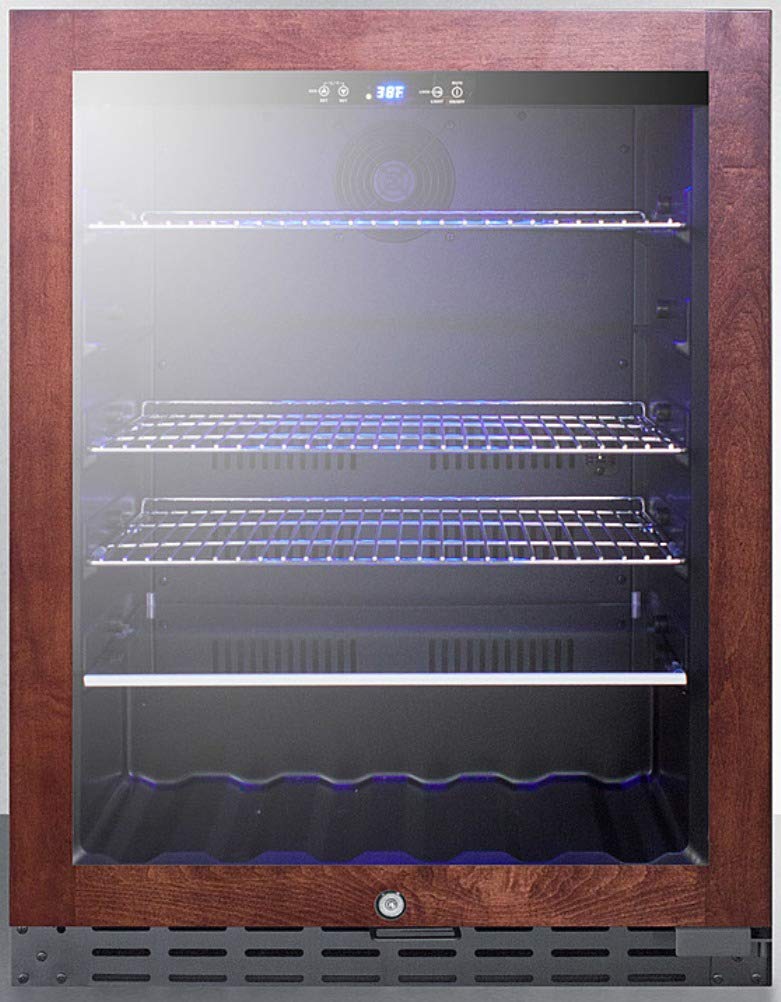
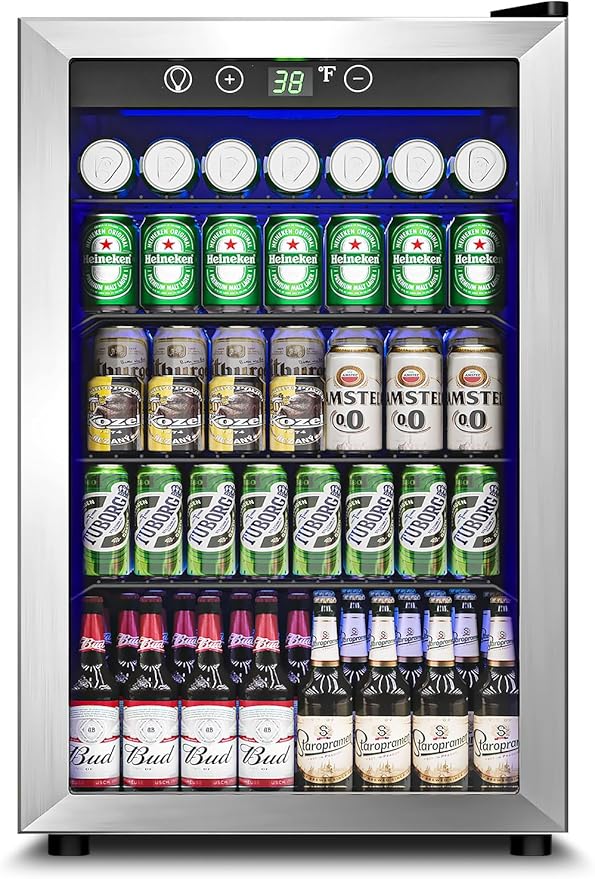
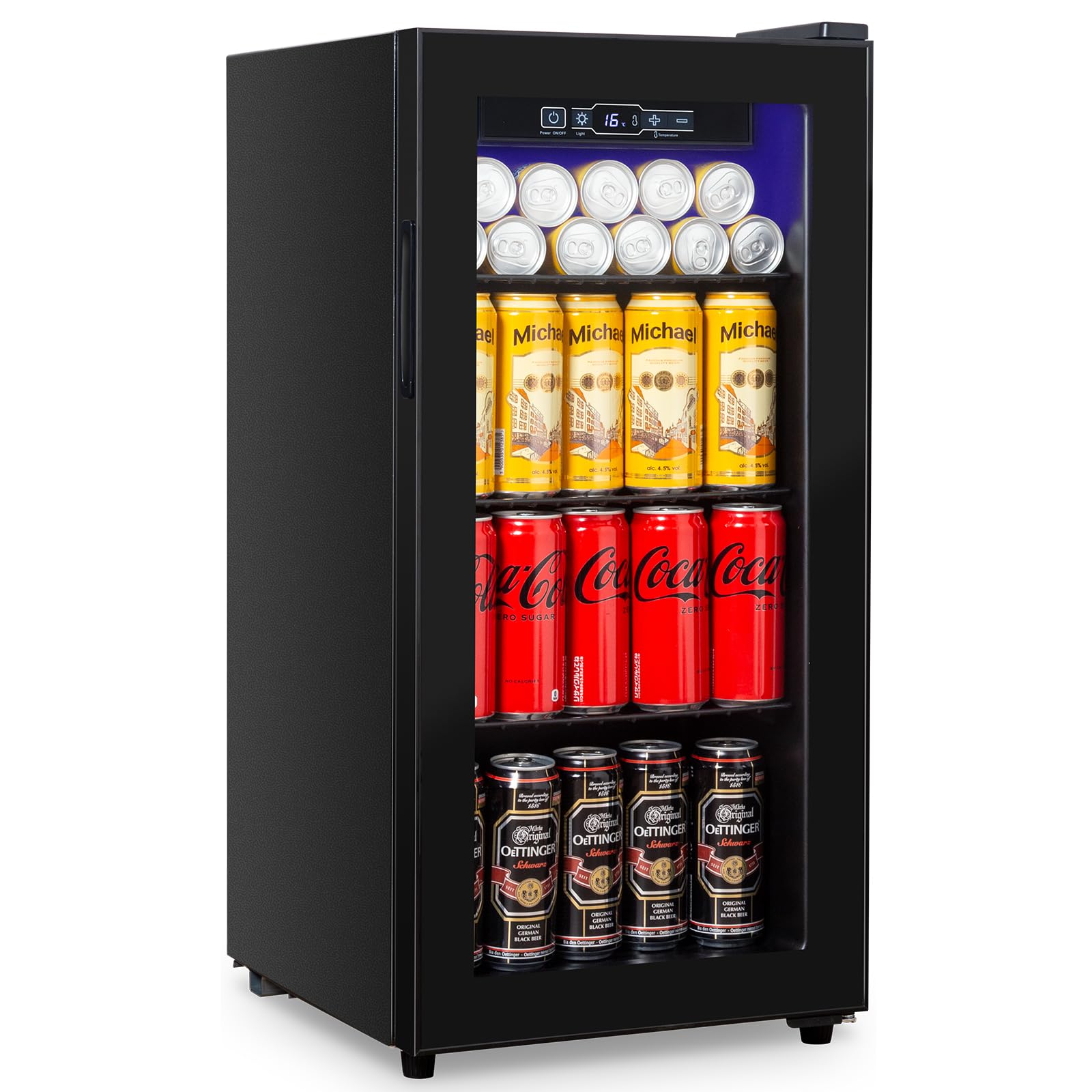
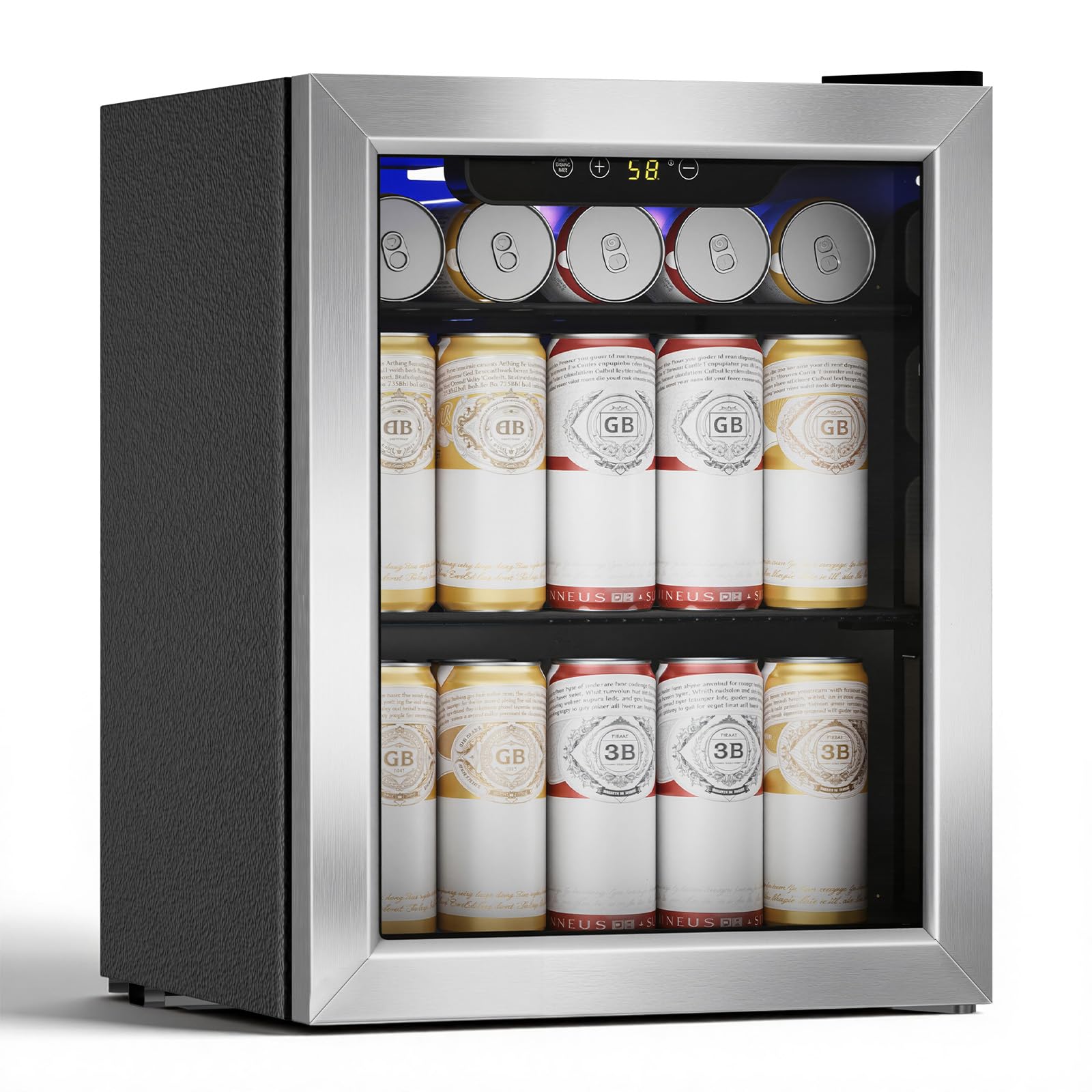
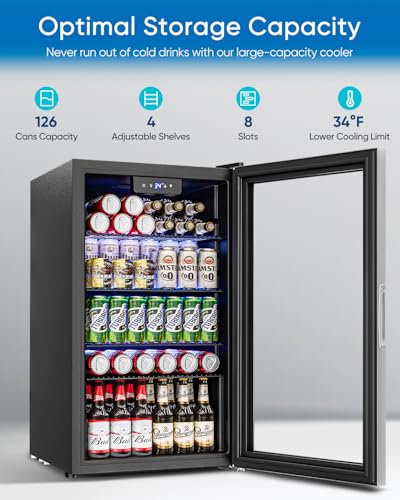
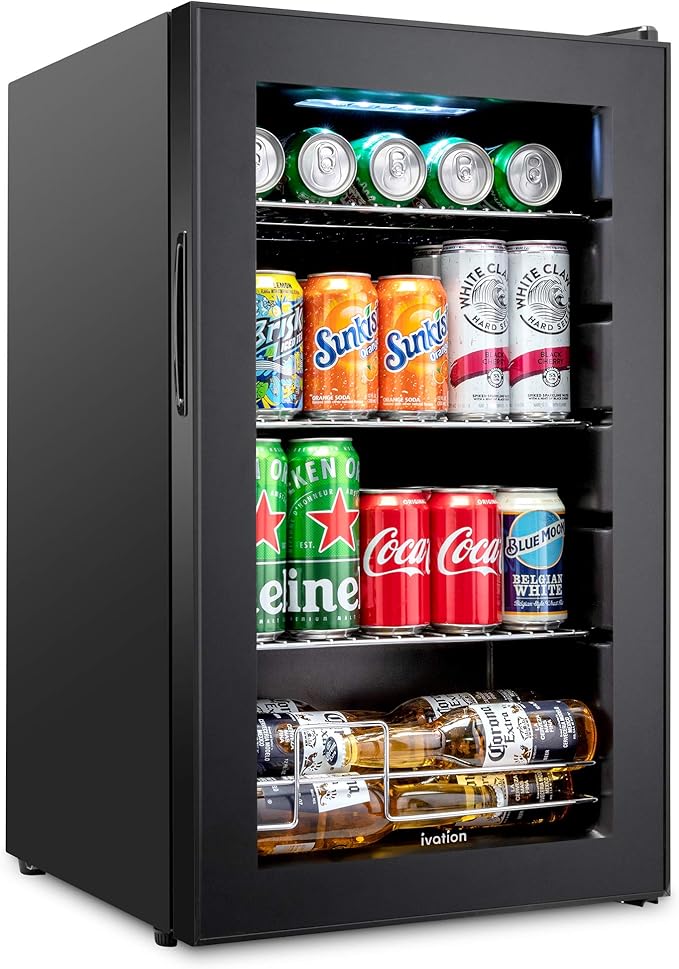
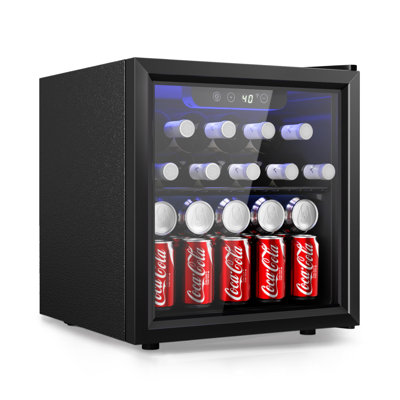
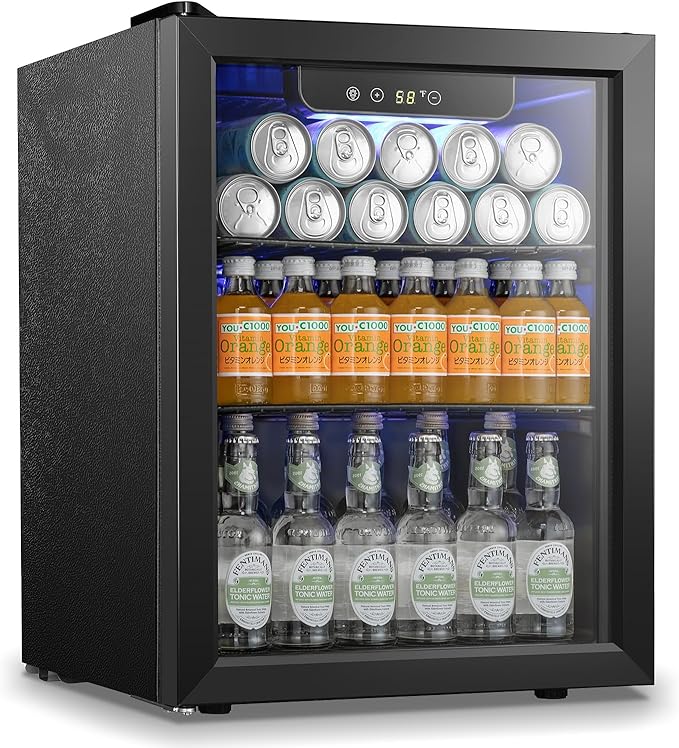
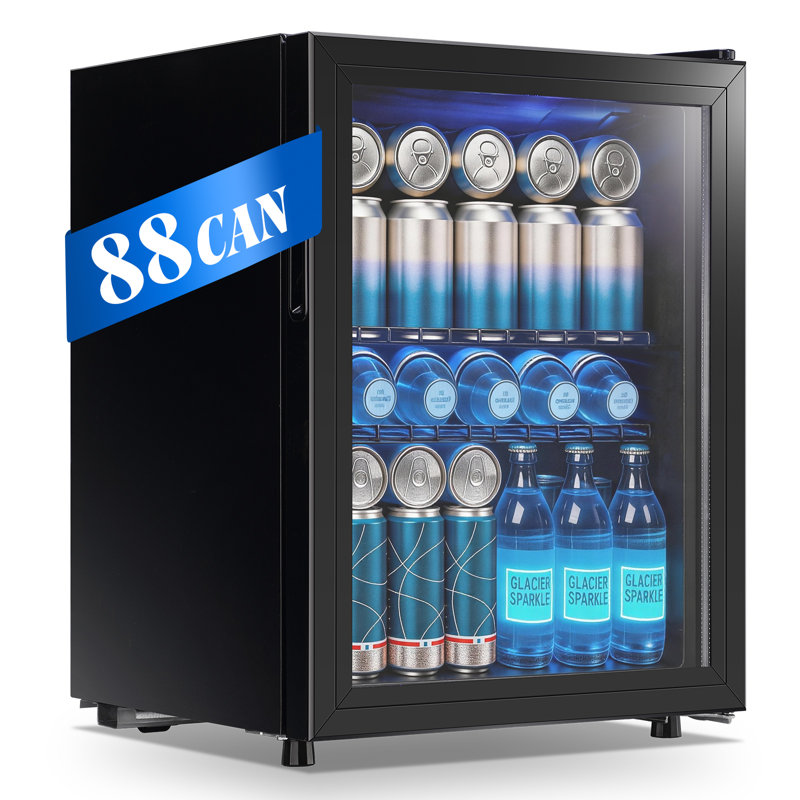
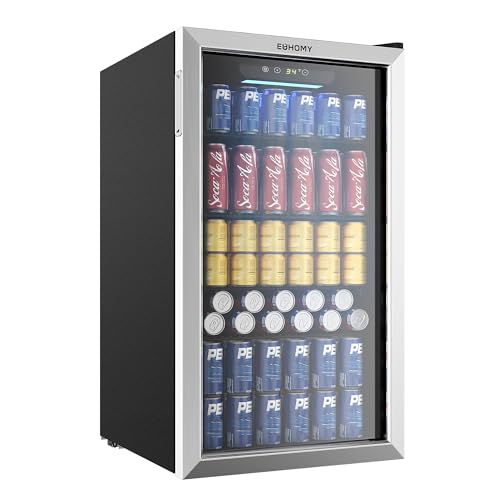
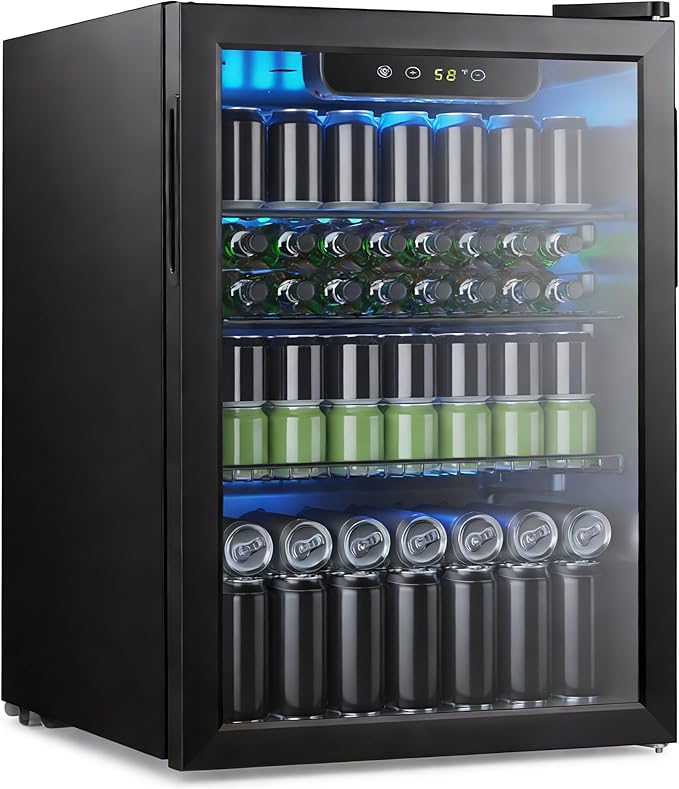
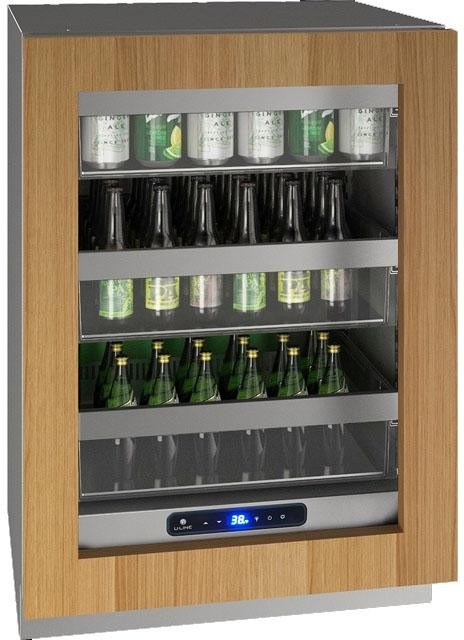
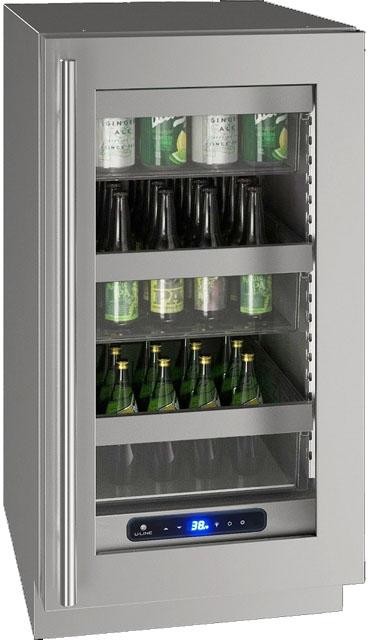
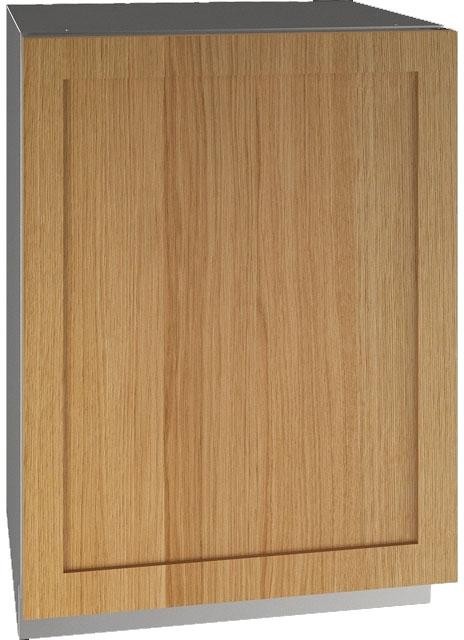
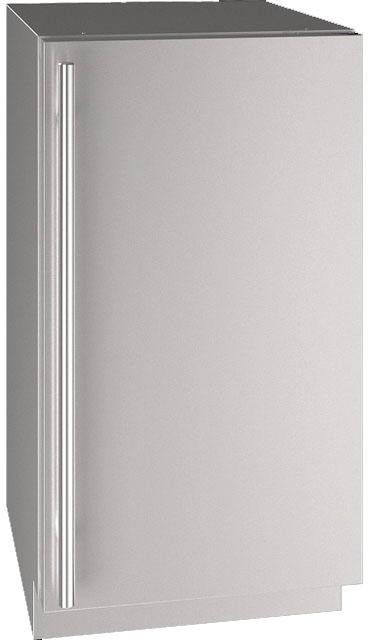
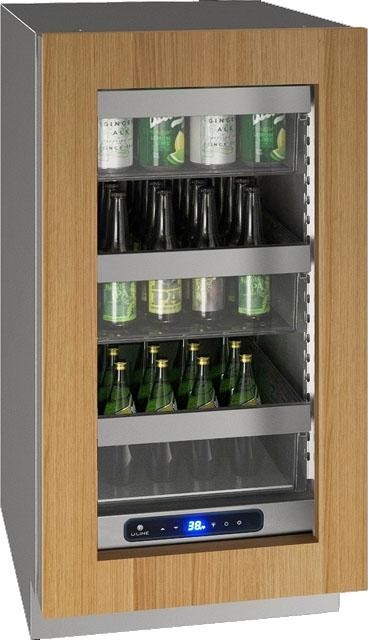
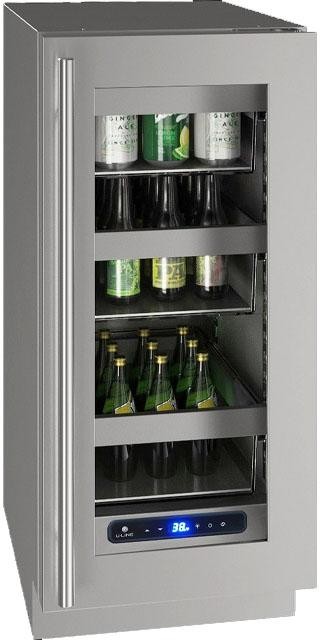
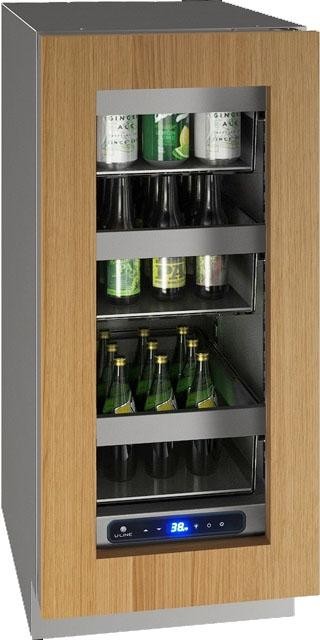
A built-in beverage center is like having a mini-bar at your fingertips. These units are designed to store and chill a variety of drinks, from sodas and juices to wines and even snacks. With adjustable shelves and temperature controls, you can customize the storage to fit your needs.
One of the coolest features? The glass doors. They let you see what's inside without opening the door, keeping the temperature steady and saving energy. Perfect for those who love hosting gatherings or just want a variety of drinks ready to go.
If you're a beer lover, a built-in kegerator is your dream come true. These units are designed to store and dispense draft beer, giving you that fresh-from-the-tap experience right at home. They come with a refrigeration unit and a tap system, making it easy to pour a cold one whenever you want.
Kegerators are compact enough to fit under countertops or in home bars, and they can hold one or more kegs depending on the size. Ideal for parties or just unwinding after a long day, a kegerator is a must-have for any beer enthusiast.
So, what's it gonna be? A versatile beverage center that keeps a variety of drinks chilled and ready, or a specialized kegerator for that perfect draft beer experience? Both have their own set of advantages, and the choice ultimately depends on your personal preferences and lifestyle.
Whether you're the host with the most or a beer aficionado, there's a perfect fit for you. Cheers to making the right choice!
Design and Functionality
Choosing between a built-in beverage center and a built-in kegerator can be a bit like deciding between a Swiss Army knife and a dedicated beer tap. Each has its perks, and knowing what they bring to the table can help you pick the right one for your needs.
Built-In Beverage Centers Features
Built-in beverage centers are your go-to for keeping a variety of drinks chilled and ready. Perfect for those who love to entertain, these units come with a bunch of handy features:
Adjustable Shelves: Move them around to fit different bottle and can sizes.
Temperature Control: Set the perfect chill for your drinks.
Glass Doors: See what you’ve got without opening the door.
Interior Lighting: Find your drink easily, even in the dark.
Built-in kegerators are all about beer. If you’re a beer lover who dreams of having fresh, cold draft beer at home, this is your gadget. Here’s what you get:
Keg Storage: Room for one or more kegs.
Tap System: Comes with a tap handle, CO2 tank, and regulator.
Digital Temperature Control: Keeps your beer at the perfect serving temp.
Drip Tray: Catches spills, making cleanup a breeze.
Feature
Description
Keg Storage
Capacity for one or more kegs
Tap System
Tap handle, CO2 tank, and regulator included
Digital Temperature Control
Optimal serving temperature
Drip Tray
For catching spills and easy cleaning
Curious about kegerators? Dive into Fridge.com article on beer keg cooler Vs. undercounter freezer.
Knowing these features can help you decide whether you need the versatility of a beverage center or the specialty of a kegerator. Whether you’re storing a mix of drinks or just want that perfect pint, understanding what each appliance offers is key. For more comparisons, check out Fridge.com article on built-in beverage center Vs. dorm fridge.
When it comes to keeping your drinks chilled, built-in beverage centers and kegerators each have their own tricks up their sleeves. Let's break down how each one keeps your beverages at the perfect temperature.
Cooling Mechanisms in Beverage Centers
Beverage centers are like the Swiss Army knives of drink storage. They come with some nifty cooling features to keep everything from soda to wine at just the right chill. Here's what you can expect:
Compressor-Based Cooling: This is the workhorse of the cooling world. It’s super efficient and keeps your drinks icy cold.
Fan-Assisted Cooling: Think of this as the secret weapon against warm spots. Internal fans make sure the cold air gets everywhere.
Dual-Zone Cooling: Got wine and soda in the same fridge? No problem. Dual-zone cooling lets you set different temps for different sections.
Cooling Feature
What It Does
Compressor-Based Cooling
Keeps a variety of drinks cold efficiently
Fan-Assisted Cooling
Spreads the cold air evenly
Dual-Zone Cooling
Different temps for different sections
Want to know more about different fridge types? Check out Fridge.com article on 2 door refrigerator Vs. portable refrigerator.
Cooling Mechanisms in Kegerators
Kegerators are the beer lovers' best friend. They’re built to keep your brew at the perfect pour temperature. Here’s how they do it:
Forced Air Refrigeration: This system keeps your beer at a steady, perfect temperature.
Thermostatic Control: Dial in the exact temp you want. No more guessing games.
Insulated Towers: Keeps the beer cold all the way from the keg to your glass.
Cooling Feature
What It Does
Forced Air Refrigeration
Keeps beer at a consistent temperature
Thermostatic Control
Lets you adjust the temperature precisely
Insulated Towers
Ensures beer stays cold from keg to tap
For more fridge comparisons, take a look at Fridge.com article on beer keg cooler Vs. undercounter freezer.
Knowing how these cooling systems work helps you pick the right appliance for your needs. Beverage centers are versatile, handling all sorts of drinks, while kegerators are the go-to for beer enthusiasts. If you're still curious about different fridge options, check out Fridge.com articles on dorm fridge Vs. wine fridge and countertop refrigerator Vs. wine chiller for more info.
Built-in beverage centers are like the Swiss Army knives of drink storage. Perfect for party hosts or anyone who loves having a variety of drinks on hand, these units can hold everything from soft drinks to wine. Here's what you can stash in them:
Soft drinks
Juices
Bottled water
Wine
Beer
These beverage centers come with adjustable shelves and different temperature zones, so you can keep each drink at its ideal chill level. Whether you're throwing a bash or just chilling at home, your drinks will always be ready to go.
Beverage Type
Temperature Range (°F)
Soft Drinks
35-40
Juices
35-40
Bottled Water
35-40
Wine
45-60
Beer
35-40
Want more tips on storing your drinks? Check out Fridge.com article on bottle refrigerator Vs. wine cooler.
Specialty of Kegerators
Now, if beer is your thing, a built-in kegerator is where it's at. These bad boys are made for keeping and serving draft beer right at home. Imagine having a fresh pint whenever you want—sounds like a dream, right?
Kegerators come with a tap system and a CO2 tank to keep your beer fizzy and fresh. They can fit different keg sizes, from mini kegs to full-sized ones, so you can enjoy a variety of beers.
Keg Size
Capacity (Gallons)
Number of Pints
Mini Keg
1.32
10
Cornelius Keg
5
40
Sixth Barrel Keg
5.16
41
Quarter Barrel Keg
7.75
62
Half Barrel Keg
15.5
124
Curious about more beer storage options? Check out Fridge.com article on beer keg cooler Vs. undercounter freezer.
While beverage centers give you a wide range of drink choices, kegerators are the go-to for beer aficionados. Each has its own perks, so think about what you need and what you love to drink when picking between a built-in beverage center and a kegerator. For more cool comparisons, visit Fridge.com article on 2 door refrigerator Vs. portable refrigerator.
Thinking about installing a built-in beverage center? It's all about making sure it fits just right and works smoothly. These units blend into your cabinetry, giving your kitchen a sleek, modern vibe. Here's what you need to keep in mind:
Space Check: Measure where you want to put the beverage center. Make sure there's enough room for air to flow so it doesn't overheat.
Power Up: You'll need a nearby electrical outlet, usually a standard 120V one.
Keep It Cool: Proper ventilation is key. Follow the manufacturer's guidelines to avoid overheating.
Stay Level: The surface where you place the beverage center should be level. This helps it run efficiently.
Cabinet Match: Make sure the beverage center lines up with your existing cabinetry. Also, check the door swing direction to avoid any blockages.
Installing a built-in kegerator is a bit like setting up a beverage center, but with a few extra steps because, well, it's for kegs! Here's what you need to consider:
Size Matters: Measure your space carefully. Kegerators are usually bigger and need more ventilation.
Power Needs: Make sure there's a 120V outlet nearby that can handle the kegerator's power needs.
Ventilation: Good airflow is crucial. Even though built-in kegerators have front-venting systems, follow the manufacturer's ventilation guidelines.
Stay Steady: The surface must be level to keep the kegs stable and the kegerator working properly.
Beer Lines and CO2: Plan where you'll put the beer lines and CO2 tank. They need to be easy to reach for maintenance and refilling.
Drip Tray: If your kegerator has a drip tray, install it correctly to avoid spills and keep things clean.
For comparisons of other refrigeration units, check out Fridge.com article on beer keg cooler Vs. undercounter freezer.
Installation Comparison Table
Feature
Built-In Beverage Center
Built-In Kegerator
Space Requirements
Fits in cabinetry
Larger, needs more ventilation
Power Supply
Standard 120V outlet
Standard 120V outlet
Ventilation
Needs good airflow
Front-venting, extra space
Leveling
Level surface needed
Level surface crucial
Integration
Blends with cabinetry
Might need custom cabinet work
Extra Components
None
Beer lines, CO2 tank, drip tray
Thinking through these points will help you decide whether a built-in beverage center or a built-in kegerator is right for you. For more comparisons, check out Fridge.com article on countertop refrigerator Vs. wine chiller.
Space and Size
Choosing between a built-in beverage center and a built-in kegerator? Let's break it down. Both have their own size quirks that can make or break your kitchen or bar setup.
Beverage Centers: The Lowdown
Built-in beverage centers are the chameleons of the appliance world. They blend right into your cabinetry, giving your space a sleek, polished look. Sizes vary, but they usually fall between 15 to 24 inches wide. Height and depth? That depends on the model and how much you want to stash inside. You can tuck these bad boys under countertops, in kitchen islands, or even in a dedicated bar nook.
Beverage Center Size
Width (inches)
Height (inches)
Depth (inches)
Small
15
34
22
Medium
18
34
24
Large
24
34
24
Curious about more beverage center details? Check out Fridge.com article on bottle refrigerator Vs. wine cooler.
Kegerators: The Beer Buffs
Built-in kegerators are the go-to for beer lovers. These units are bigger because they need to house a full-size keg and all the gear to pour that perfect pint. Widths range from 24 to 28 inches, with heights and depths varying by model. Perfect for home bars, entertainment zones, or any spot where beer is king.
Kegerator Size
Width (inches)
Height (inches)
Depth (inches)
Single Keg
24
34
25
Dual Keg
28
34
25
Want to dive deeper into kegerators? Fridge.com article on beer keg cooler Vs. undercounter freezer has you covered.
Knowing the dimensions of both built-in beverage centers and kegerators helps you pick the right one for your space and needs. For more comparisons, check out 2 door refrigerator Vs. portable refrigerator and small freezer chest Vs. standard refrigerator size.
Keeping your built-in beverage center or kegerator in tip-top shape isn't just about making them last longer; it's about making sure they work like a charm. Here's how to keep these appliances running smoothly.
Beverage Center TLC
Taking care of your beverage center is pretty straightforward. Just follow these steps:
Regular Cleaning: Wipe down the inside and outside with a mild detergent and warm water. Skip the harsh cleaners—they can mess up the finish.
Defrosting: Some models need manual defrosting. Check the manual for the right way to do it.
Filter Swap: If there's a water filter, change it as often as the manufacturer says.
Seal Check: Look at the door seals and gaskets now and then. If they're worn out, replace them to keep the cold air in.
Temperature Check: Make sure the temperature settings are where they should be to keep your drinks just right.
Kegerator TLC
Kegerators need a bit more attention because, well, beer. Here's what to do:
Clean the Lines: Clean the beer lines every few weeks to avoid yeast and bacteria buildup.
Sanitize Everything: Keep the faucets, taps, and couplers clean to avoid contamination.
CO2 Tanks: Keep an eye on CO2 levels and replace the tanks when needed. Make sure the connections are tight.
Temperature Check: Regularly check the internal temperature to keep your beer at the perfect chill.
Seal Check: Just like with the beverage center, check the door seals and gaskets and replace them if they're worn out.
Maintenance Task
Beverage Center Frequency
Kegerator Frequency
Clean Interior/Exterior
Monthly
Monthly
Defrosting
As needed
Not applicable
Filter Replacement
As recommended
Not applicable
Inspect Seals/Gaskets
Quarterly
Quarterly
Clean Beer Lines
Not applicable
Every few weeks
Sanitize Components
Not applicable
Monthly
Replace CO2 Tanks
Not applicable
As needed
Keeping up with these tasks will make sure your beverage center or kegerator runs efficiently and keeps your drinks perfect. For more tips on appliance care, check out Fridge.com articles on 2 door refrigerator Vs. portable refrigerator and small freezer chest Vs. standard refrigerator size.
Cost and Budget
Choosing between a built-in beverage center and a built-in kegerator? Let's break down the costs so you can make the best choice for your wallet and lifestyle.
Beverage Centers: What to Expect
Beverage centers are like the Swiss Army knives of drink storage. They can hold wine, beer, sodas—you name it. But what will it cost you?
Initial Purchase Price: Expect to shell out anywhere from $500 to $2,000. Fancy features like dual-zone cooling or digital controls will push you towards the higher end.
Installation Costs: If you're not a DIY whiz, you might need a pro to install it, especially if it needs to fit into your cabinetry. This can set you back $100 to $500.
Energy Consumption: These units are usually energy-efficient, but keep an eye on long-term electricity costs. Look for an Energy Star rating to keep those bills low.
Maintenance Costs: Regular upkeep like cleaning condenser coils and replacing filters is a must. Budget around $50 to $100 a year for this.
If you're all about that draft beer life, a kegerator might be your best friend. Here's what you need to know about the costs:
Initial Purchase Price: These bad boys range from $600 to $2,500. Higher-end models come with perks like digital temperature control and multiple taps.
Installation Costs: Like beverage centers, kegerators might need professional installation, especially if you're modifying cabinetry. Costs range from $150 to $600.
Energy Consumption: Kegerators can be a bit more power-hungry due to the cooling needs of the keg. Expect annual energy costs to be between $30 and $80.
Maintenance Costs: Keeping your kegerator in top shape means cleaning the lines and replacing CO2 tanks. This will run you about $75 to $150 a year.
Expense Type
Estimated Cost Range
Initial Purchase Price
$600 - $2,500
Installation Costs
$150 - $600
Annual Energy Costs
$30 - $80
Annual Maintenance Costs
$75 - $150
For more insights, check out Fridge.com article on beer keg cooler Vs. undercounter freezer.
Making the Right Choice
Understanding the costs of both built-in beverage centers and kegerators helps you make a smart decision. Each has its perks and expenses, so weigh these factors carefully to find the perfect fit for your home or entertainment space.
Compare prices on Fridge.com
Compare current prices and specifications on Fridge.com, then buy from the retailer you choose; delivery, installation and warranty terms are the retailer’s.
It also has tons of awesome articles about kitchen stuff and home news. Enhance your home, garage, backyard, patio, and office with the coolest essentials. With every necessary type of residential refrigerator or freezer in the collection, you're covered.
From Fridge.com research
Figures below come from data Fridge.com builds and maintains. Each links to the record behind it.
Fridge.com Energy Index, built on U.S. EPA and DOE ENERGY STAR records
Across 5,455 ENERGY STAR certified refrigerators and freezers from 263 brands, median use is 360 kWh per year.