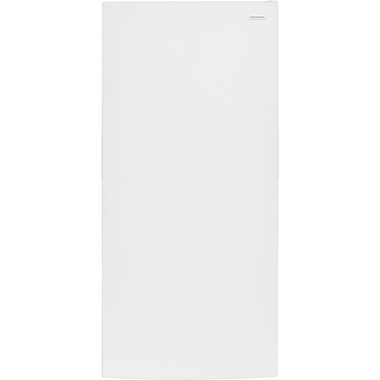
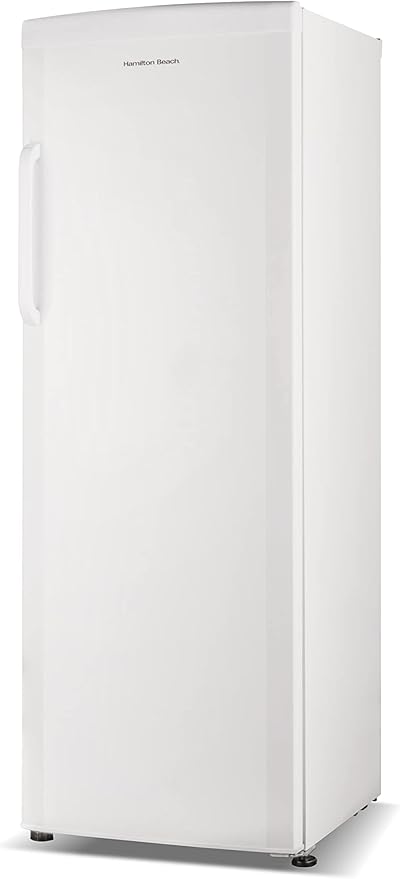
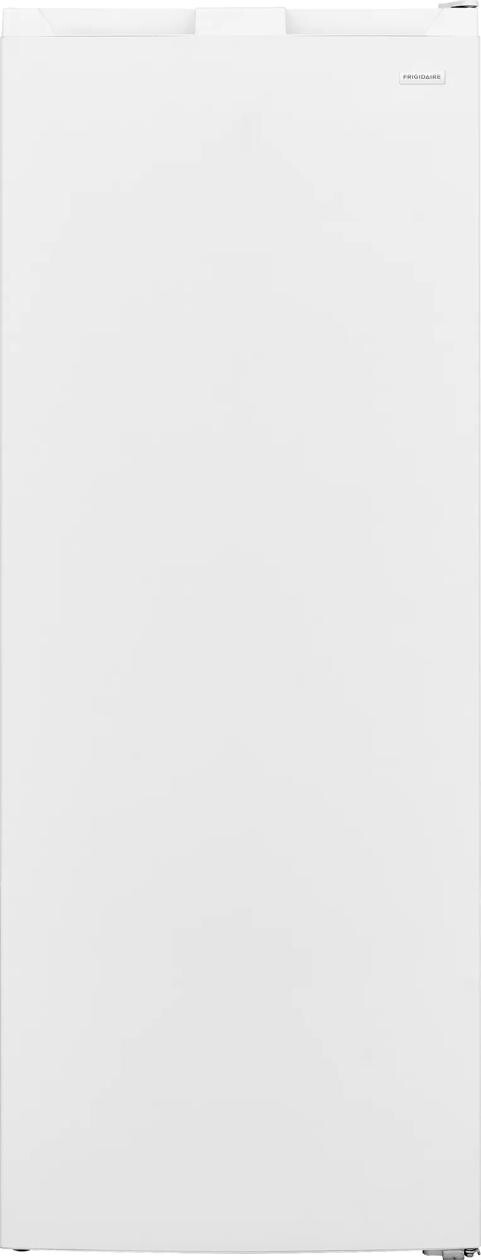
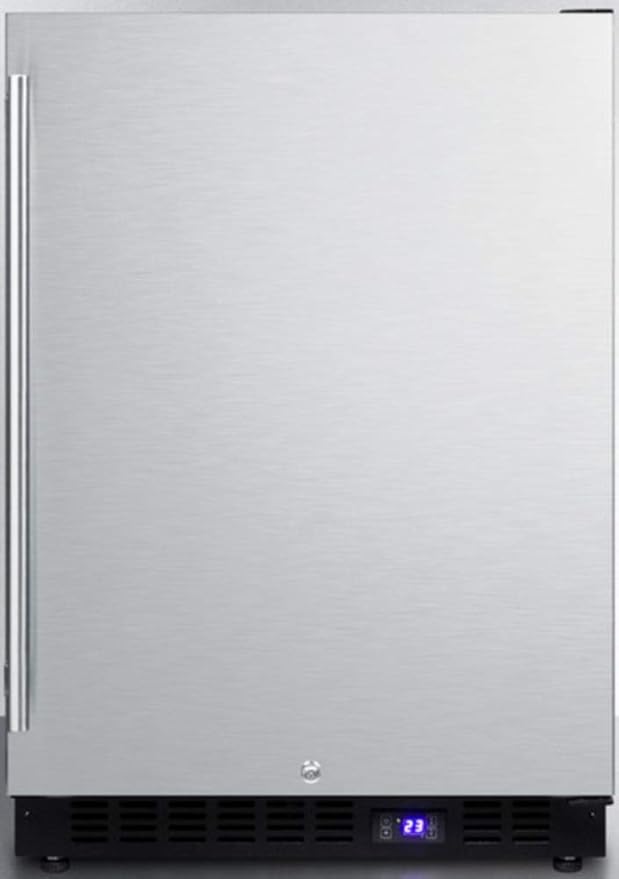
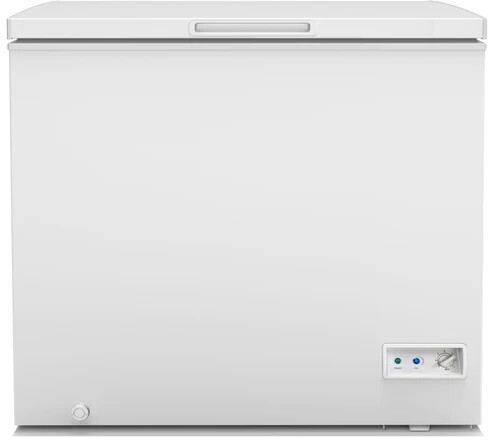
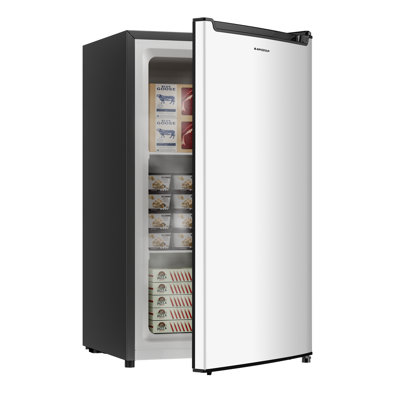
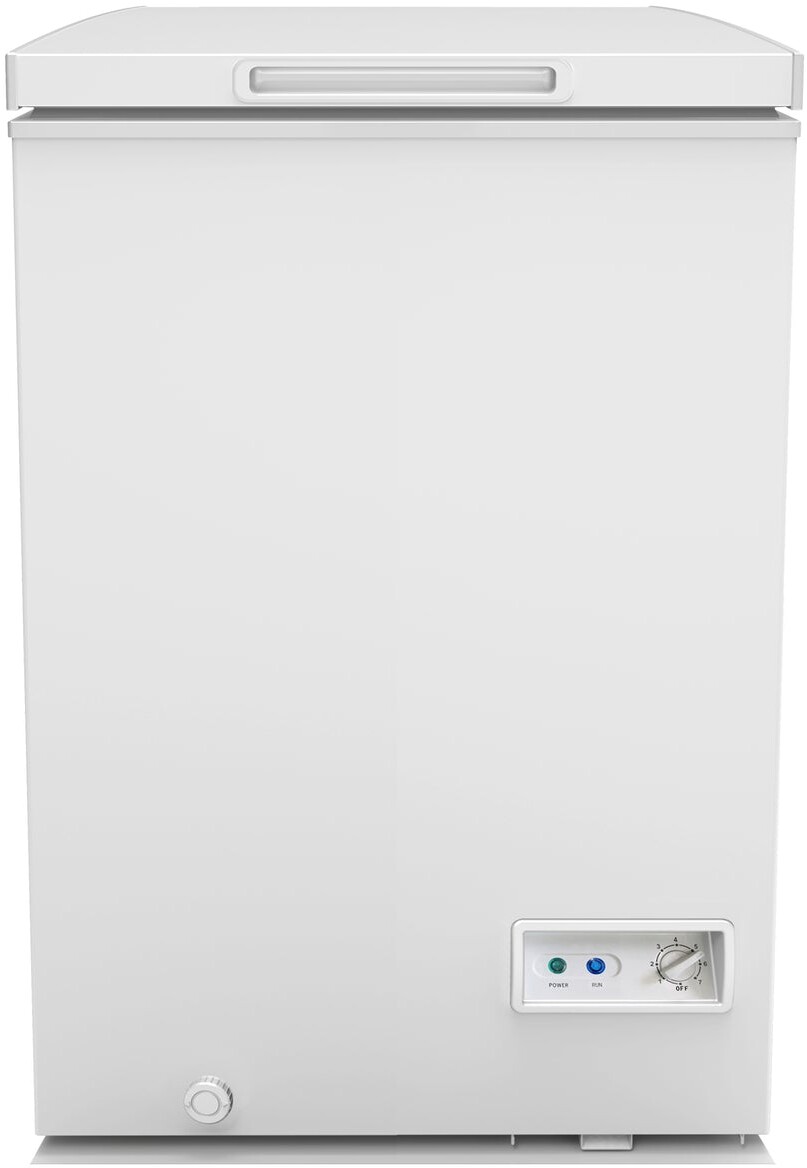
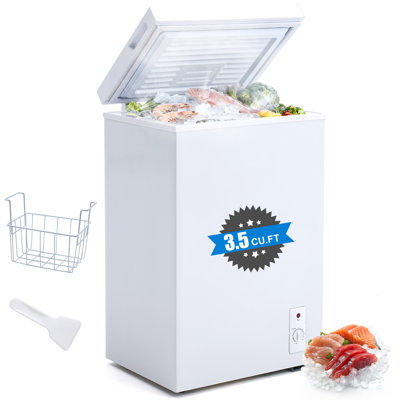
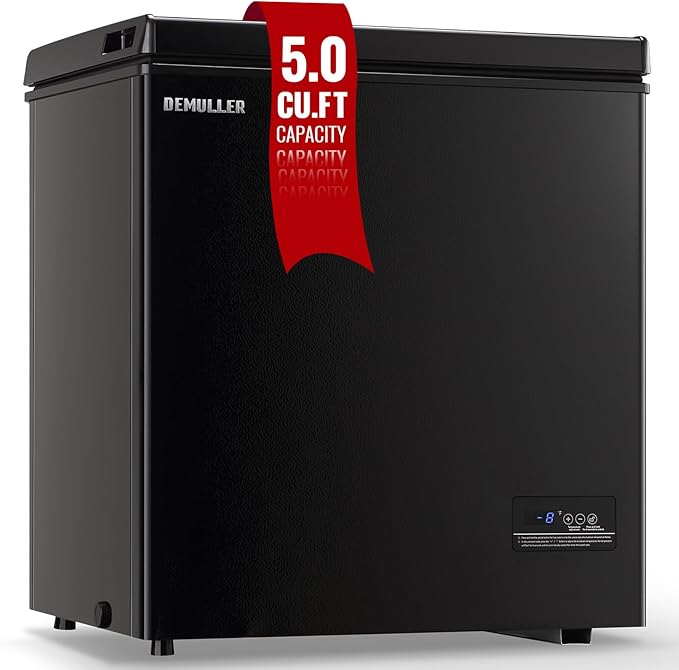
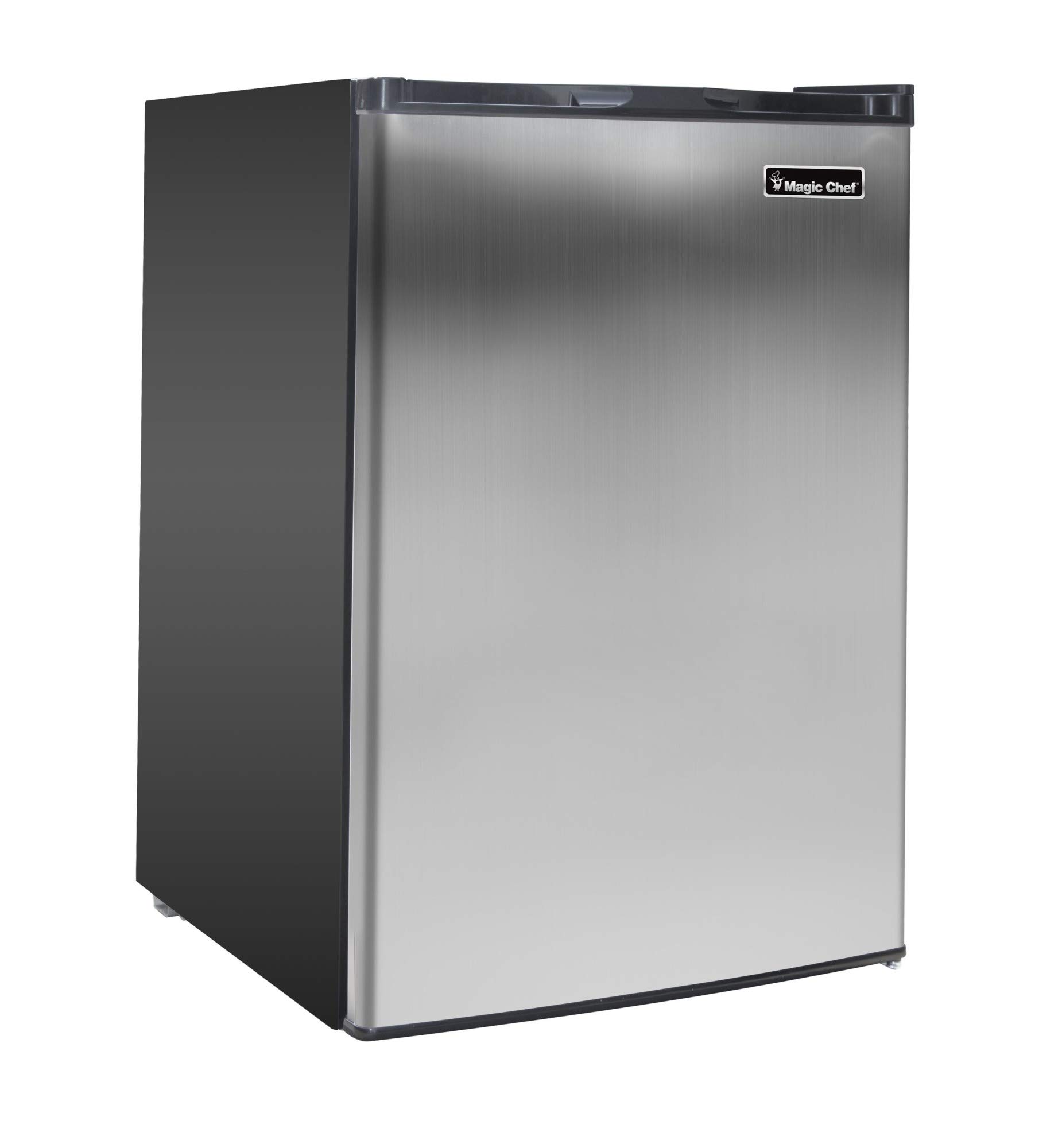
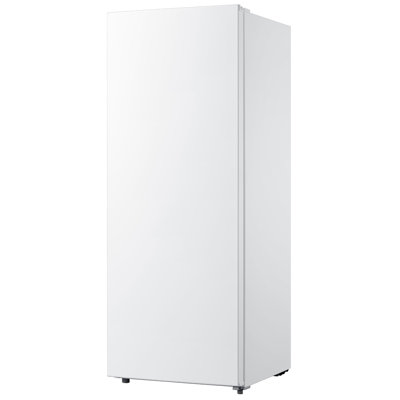
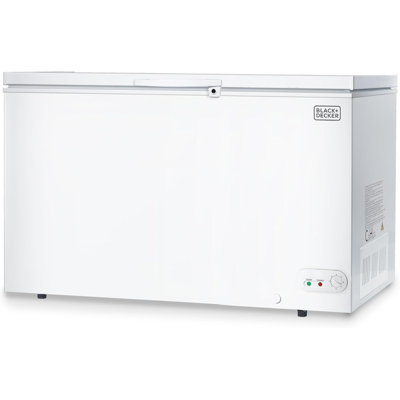
Small Freezer Chest Vs. Standard Refrigerator Size
Figuring Out What You Really Need
Choosing between a small freezer chest and a standard refrigerator? It's all about what you need. Think about how you live, how much food you store, and how much space you have.
A small freezer chest is great if you buy in bulk or need extra freezer space. A standard refrigerator, though, gives you both fridge and freezer space, which is perfect for everyday use.
What to Think About When Deciding
Here are some things to keep in mind:
Factor
Small Freezer Chest
Standard Refrigerator Size
Storage Needs
Mostly for frozen food
Mix of fresh and frozen
Space Availability
Needs floor space
Fits in kitchen cabinets
Cost
Cheaper upfront
More expensive initially
Usage
Great for bulk and long-term freezing
Good for daily use and variety
Storage Needs: If you store a lot of frozen food, a small freezer chest might be your best bet. For a mix of fresh and frozen, go with a standard fridge.
Space Availability: A small freezer chest needs its own spot on the floor, which can be tricky in smaller places. A standard fridge usually fits right into your kitchen setup.
Energy Efficiency: Small freezer chests are often more energy-efficient for freezing. Standard fridges can use more energy, especially if you use them a lot.
Cost: Small freezer chests are cheaper to buy, but think about long-term costs like energy use and maintenance.
Usage: Small freezer chests are perfect for bulk storage and keeping food for a long time. Standard fridges are more versatile for everyday use, handling both fresh and frozen food.
By getting to know the features and uses of a small freezer chest, you can decide if it’s the right fit for you. For a broader look at refrigeration options, you might also like Fridge.com comparison of 2 door refrigerator Vs. portable refrigerator.
Standard Refrigerator Size
Features and Benefits
Standard refrigerators are the unsung heroes of our kitchens, keeping our food fresh and our drinks cold. They usually come with a fridge and a freezer, giving you plenty of room for both fresh and frozen goodies. Let's break down what makes these fridges awesome:
Versatile Storage: With shelves, drawers, and door compartments galore, you can stash your groceries just the way you like. No more playing Tetris with your food!
Temperature Control: Most models let you tweak the temperature, so your ice cream stays frozen and your veggies stay crisp.
Energy Efficiency: Modern fridges are designed to be kind to your wallet and the planet, using less electricity to keep things cool.
Frost-Free Operation: Say goodbye to the ice age! These fridges often come with automatic defrosting, so you don't have to chip away at ice build-up.
Convenient Features: Think water dispensers, ice makers, and even smart tech that lets you control your fridge from your phone. Fancy, right?
Ideal Uses for a Standard Refrigerator Size
A standard fridge fits into many lifestyles and spaces. Here’s where they shine:
Household Use: Perfect for families and solo dwellers alike, offering space for all your daily essentials.
Apartment and Condo Living: Compact yet efficient, these fridges are great for smaller living spaces.
Office and Workplace: Keep your lunch, snacks, and drinks fresh and ready for those midday cravings.
Entertaining: Hosting a party? These fridges have plenty of room for all your party platters and beverages.
Foodies and Chefs: If you love to cook, you need a reliable fridge to store your ingredients and leftovers.
For more cool tips on different types of refrigerators and their uses, check out these articles: 2 door refrigerator Vs. portable refrigerator and dorm fridge Vs. wine fridge.
Feature
Description
Storage Capacity
Shelves, drawers, and door compartments for all your food
Temperature Control
Adjustable settings to keep everything just right
Frost-Free Operation
No more manual defrosting needed
Additional Features
Water dispensers, ice makers, smart tech integration
So, whether you're stocking up for a big family dinner or just need a place to keep your snacks, a standard refrigerator has got you covered.
Picking the right cooling appliance can feel like a big decision. Let's break it down. When you're looking at a small freezer chest versus a standard refrigerator, it's all about the space they offer.
Appliance Type
Average Capacity (Cubic Feet)
Range (Cubic Feet)
Small Freezer Chest
3 to 7
Up to 15
Standard Refrigerator
18 to 25
14 to 30
Small freezer chests are great for those who need a bit more room for frozen goodies. Standard refrigerators, however, give you a bigger space for both fresh and frozen stuff.
Finding the Right Size for You
Choosing the right size depends on what you need and the space you have. Here are some things to think about:
Household Size: Big family or love hosting parties? A standard refrigerator might be your best bet. If it's just you or a small crew, a small freezer chest could do the trick.
Usage: Buy in bulk or meal prep a lot? A small freezer chest can be a lifesaver. For everyday use, a standard refrigerator offers the convenience of both cooling and freezing in one spot.
Space Availability: Measure the space where you plan to put the appliance. Make sure there's enough room for it to breathe.
Food Habits: Love fresh produce and dairy? Go for a standard refrigerator. If you stock up on frozen items, a small freezer chest can give you that extra space.
Energy Efficiency: Check how much energy each option uses. Small freezer chests usually use less energy than standard refrigerators. For more details, check out Fridge.com article on chest freezer Vs. energy efficient refrigerator.
By thinking about these factors, you can figure out whether a small freezer chest or a standard refrigerator is the right fit for you. For more comparisons and tips, take a look at Fridge.com articles on chest freezer Vs. refrigerator freezer combo and see through refrigerator Vs. standard refrigerator size.
Energy Efficiency
Energy Consumption of Small Freezer Chests
Small freezer chests are like the energy-saving ninjas of the kitchen. They sip electricity compared to their bigger fridge cousins, thanks to their compact size and efficient cooling. But, just like people, not all freezers are the same. Their energy use can change based on the model, how often you open them, and even the weather. Here's a quick look at how much juice these little guys use:
Freezer Chest Size
Average Annual Energy Consumption (kWh)
5 cubic feet
200 - 300
7 cubic feet
250 - 350
10 cubic feet
300 - 400
If you're trying to cut down on your electric bill, a small freezer chest might be your new best friend. Want to know more? Check out Fridge.com article on chest freezer Vs. energy efficient refrigerator.
Energy Consumption of Standard Refrigerator Sizes
Standard refrigerators are the big players in the kitchen, and they need more power to keep everything cool. They have to chill both the fridge and freezer sections, which means they use more energy. Here's a peek at how much power these big guys need:
Refrigerator Size
Average Annual Energy Consumption (kWh)
18 cubic feet
400 - 600
22 cubic feet
450 - 700
26 cubic feet
500 - 800
Picking an energy-efficient fridge can make a big difference on your electric bill. Curious about which fridge is best for you? Check out Fridge.com article on energy efficient refrigerator Vs. small refrigerator.
When you're deciding between a small freezer chest and a standard refrigerator, think about what you really need. Both have their perks, and the right choice depends on your lifestyle. For more comparisons, take a look at Fridge.com article on 2 door refrigerator Vs. portable refrigerator.
Cost Considerations
Upfront Costs Comparison
Deciding between a small freezer chest and a standard refrigerator? Let's talk dollars and cents. The initial cost can vary based on the model, brand, and features of the appliance.
Appliance Type
Average Upfront Cost ($)
Small Freezer Chest
150 - 500
Standard Refrigerator Size
500 - 1500
Small freezer chests are generally cheaper upfront compared to standard-sized refrigerators. This makes them a great option if you're looking to add extra freezer space without breaking the bank. Standard refrigerators, however, come with a heftier price tag due to their larger size and extra features like built-in ice makers and water dispensers.
Long-Term Cost Analysis
Beyond the sticker price, think about the long-term costs of running and maintaining each type of appliance. This includes energy consumption, repairs, and potential replacement costs.
Appliance Type
Average Annual Energy Cost ($)
Estimated Lifespan (years)
Average Maintenance Cost per Year ($)
Small Freezer Chest
30 - 60
10 - 15
20 - 50
Standard Refrigerator Size
60 - 100
10 - 15
50 - 100
Small freezer chests usually sip less energy than standard refrigerators, which can mean lower annual energy bills. But standard refrigerators offer the convenience of both cooling and freezing in one unit, which might be more practical for daily use.
Maintenance costs can also vary. Small freezer chests generally need less upkeep, while standard refrigerators might require more frequent servicing due to their complex systems.
When weighing the long-term cost, think about how often you'll use the appliance and what your household needs. For more detailed comparisons on different types of fridges and freezers, check out Fridge.com articles on chest freezer Vs. refrigerator freezer combo and energy efficient refrigerator Vs. small refrigerator.
Understanding both the upfront and long-term costs can help you make a smart decision that balances your initial budget with future expenses, ensuring you pick the best option for your needs.
Picking between a small freezer chest and a standard fridge is like choosing between a cozy nook and a towering pantry. Both have their perks and quirks, so let's break it down.
Space Considerations for Small Freezer Chests
Small freezer chests are like the Swiss Army knives of the freezer world. They fit snugly in various spots, making them a go-to for many homes. These units are typically deep and wide, offering plenty of storage without hogging too much floor space. Perfect for garages, basements, or even tiny apartments.
Feature
Small Freezer Chest
Average Dimensions (inches)
28-40 W x 20-25 D x 30-35 H
Space Needed for Ventilation
3-6 inches around all sides
Ideal Placement
Garage, Basement, Utility Room
When setting up a small freezer chest, make sure there's enough breathing room around it. This keeps it running smoothly and extends its life. Curious about other freezer options? Check out Fridge.com article on chest freezer Vs. refrigerator freezer combo.
Space Considerations for Standard Refrigerator Sizes
Standard fridges are the skyscrapers of the kitchen world. They stand tall and need different space considerations. Best for kitchens or large pantries where vertical space is more abundant than floor space. These come in various widths and depths, so measuring your space is key.
Feature
Standard Refrigerator
Average Dimensions (inches)
30-36 W x 30-34 D x 66-70 H
Space Needed for Ventilation
1-2 inches on the sides and back
Ideal Placement
Kitchen, Large Pantry, Dining Area
Standard fridges usually need less clearance around the sides but more vertical space. Make sure there's enough room for the doors to swing open and for air to circulate around the back. For more on different fridge types, visit Fridge.com article on see through refrigerator Vs. standard refrigerator size.
Both small freezer chests and standard fridges have their own space needs. Measure your area and think about ventilation before deciding. For more comparisons and tips, explore Fridge.com related articles on 2 door refrigerator Vs. portable refrigerator and dorm fridge Vs. wine fridge.
Keeping Your Cool: Maintenance and Durability Tips
Taking care of your cooling appliances isn't just about keeping them running—it's about making sure they last. Whether you're rocking a small freezer chest or a standard fridge, knowing how to maintain them can save you a lot of headaches (and money) down the line.
Small Freezer Chests: Low-Maintenance Champs
Small freezer chests are pretty chill when it comes to upkeep, but they do need a bit of TLC. Here’s what you gotta do:
Defrosting: Some small freezers need manual defrosting. Ice buildup can mess with efficiency and storage space.
Cleaning: Give the inside a good scrub regularly to keep odors and mold at bay. A little mild detergent and warm water do the trick.
Temperature Monitoring: Keep an eye on the temp settings to make sure everything's running smoothly.
Seal Check: Check the door gasket now and then. A bad seal means energy loss and more ice buildup.
Task
How Often?
Defrosting
Every 6 months
Cleaning
Monthly
Temperature Monitoring
Weekly
Seal Check
Monthly
Standard Refrigerators: Keeping It Cool and Efficient
Standard fridges need a bit more love to keep them running efficiently and lasting long. Here’s your to-do list:
Cleaning Coils: Dirty coils make your fridge work harder and use more energy. Clean 'em every six months.
Replacing Water Filters: If your fridge has a water dispenser or ice maker, swap out the water filter as the manufacturer suggests.
Defrosting: Many modern fridges defrost automatically, but older ones might need a manual defrost.
Cleaning Interior: Clean the shelves and compartments regularly to avoid spills, odors, and mold.
Seal Check: Make sure the door seals are airtight to keep the cold air in.
Task
How Often?
Cleaning Coils
Every 6 months
Replacing Water Filters
Every 6 months
Defrosting
As needed
Cleaning Interior
Monthly
Seal Check
Monthly
Knowing what kind of maintenance each appliance needs can help you pick the one that fits your lifestyle best. If you're still on the fence, check out Fridge.com article on chest freezer Vs. refrigerator freezer combo for more info. And if you're curious about other types of fridges and freezers, Fridge.com comparison of 2 door refrigerator Vs. portable refrigerator might help you out.
Keep your cool, and your appliances will too!
Compare prices on Fridge.com
Compare current prices and specifications on Fridge.com, then buy from the retailer you choose; delivery, installation and warranty terms are the retailer’s.
It also has tons of awesome articles about kitchen stuff and home news. Enhance your home, garage, backyard, patio, and office with the coolest essentials. With every necessary type of residential refrigerator or freezer in the collection, you're covered.
Free tool
Freezer BTU Calculator
Free interactive tool from Fridge.com — get a quick answer while you read.