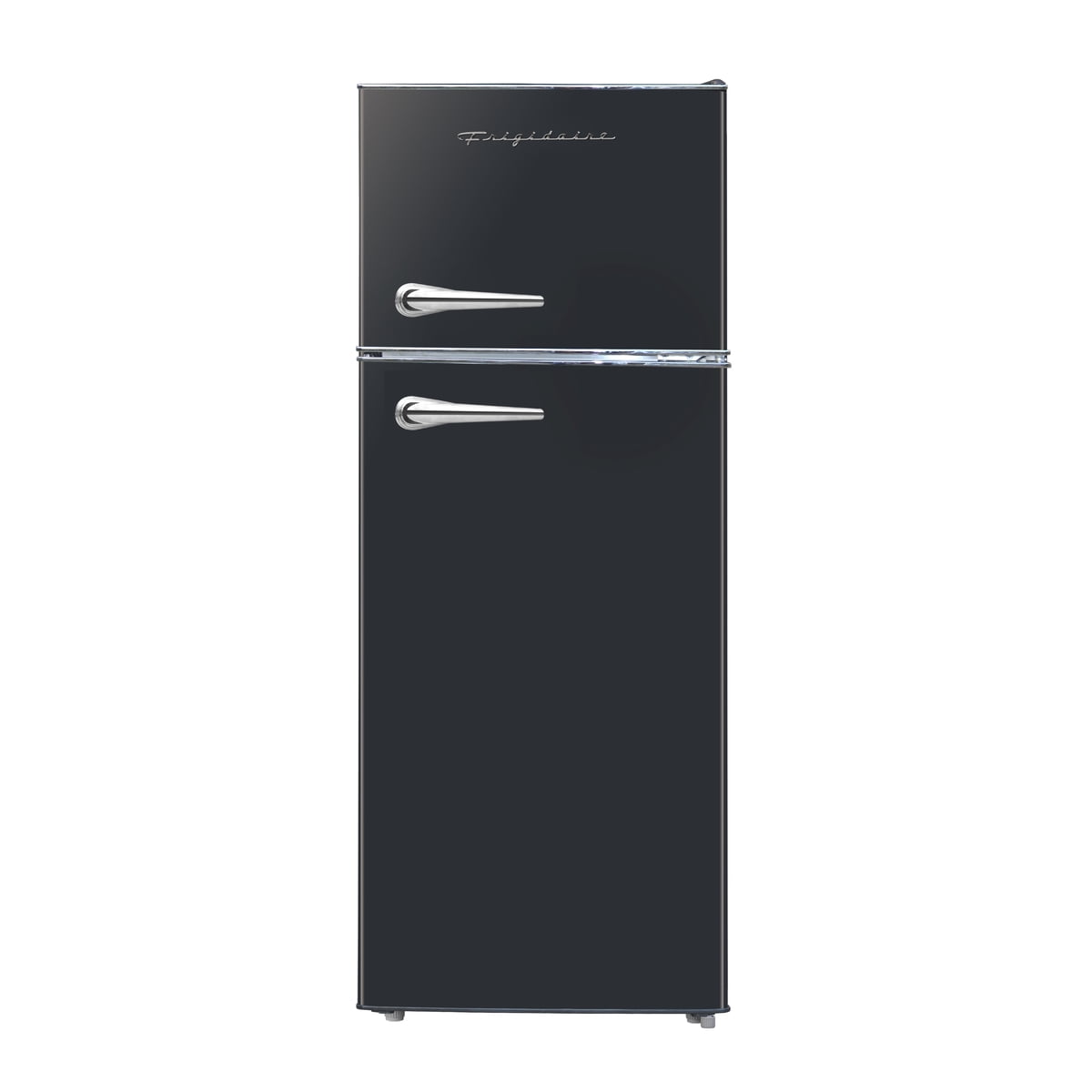
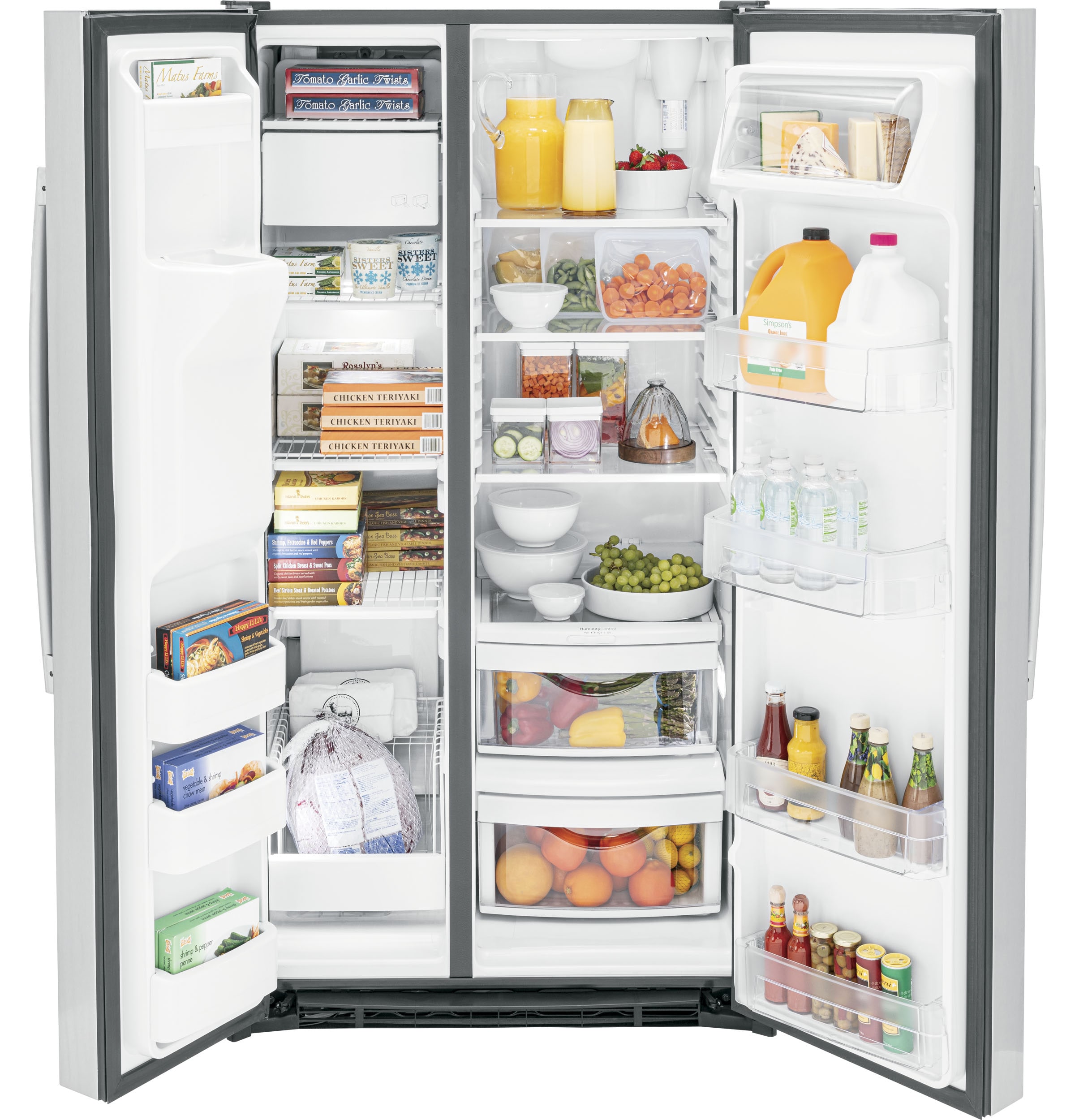
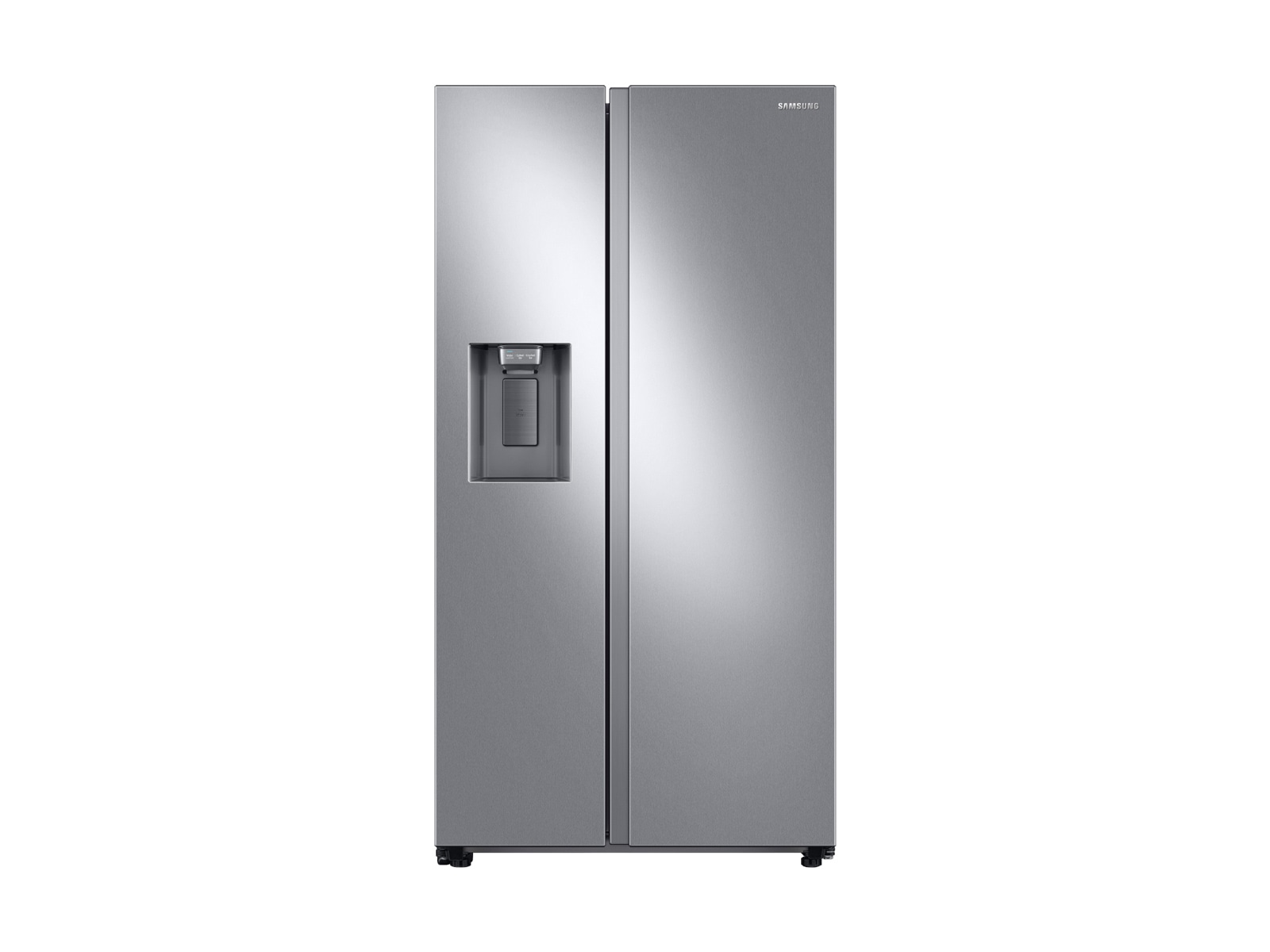
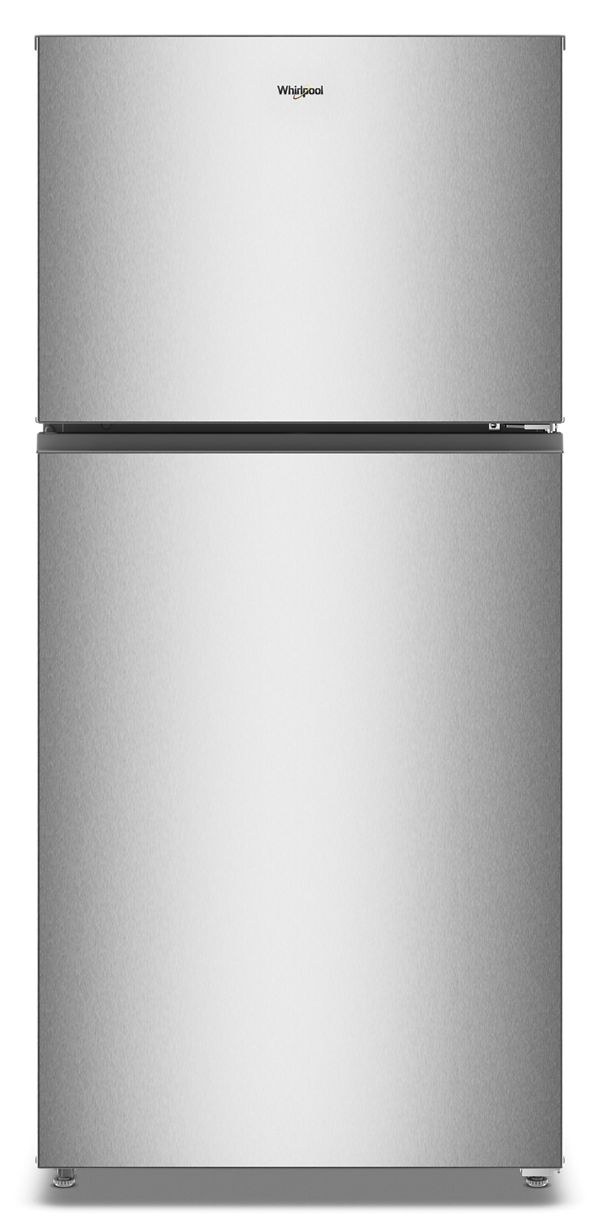
They often feature adjustable temperature settings that range from 34°F to 64°F, allowing you to store a variety of beverages at their ideal temperatures.
These refrigerators typically maintain temperatures between 35°F and 38°F, ensuring food safety and preservation.
They typically operate at a higher temperature range than regular refrigerators, ideal for preserving the taste and quality of beverages.
Typically found in commercial settings, these refrigerators feature multiple compartments and shelves, allowing for organized storage of various food items.
Refrigerators are essential appliances in homes, offices, and various commercial spaces. They help keep food and beverages cool and fresh, extending their shelf life. When it comes to choosing the right refrigerator, it's important to understand the different types available and their specific purposes. Two popular options are beverage refrigerators and reach-in refrigerators.
Understanding the Difference Between Beverage Refrigerators and Reach-In Refrigerators
Beverage refrigerators and reach-in refrigerators serve different purposes and offer unique features. Here's a breakdown of their key differences:
Feature
Beverage Refrigerator
Reach-In Refrigerator
Primary Use
Cooling beverages
Storing various food items
Temperature Range
Narrow, optimized for drinks
Wide, suitable for diverse items
Storage Configuration
Shelves tailored for cans and bottles
Adjustable shelves for various sizes
Design Focus
Compact, stylish for display
Functional, larger capacity
Beverage refrigerators are designed specifically for cooling drinks. They often feature glass doors and interior lighting, making it easy to see and access your favorite beverages. These refrigerators are ideal for entertaining spaces like basements, backyards, near home pools, and offices.
Reach-in refrigerators, on the other hand, are versatile appliances used for storing a variety of food items. They offer more storage capacity and flexible shelving options, making them suitable for kitchens, restaurants, and other commercial settings.
Understanding these differences can help you choose the right refrigerator for your needs. For more information on specific refrigerator types, check out Fridge.com articles on just fridge no freezer and 80 fridge price.
Beverage Refrigerators
Beverage refrigerators are specialized appliances designed to store and chill drinks. They offer a convenient and efficient way to keep your beverages at the perfect temperature, making them a popular choice for various settings.
Purpose and Functionality
Beverage refrigerators are specifically engineered to cool drinks rather than food. They typically operate at a higher temperature range than regular refrigerators, ideal for preserving the taste and quality of beverages. Some common features include adjustable shelves, glass doors for easy viewing, and specialized cooling systems to maintain consistent temperatures.
Feature
Details
Temperature Range
34°F to 50°F
Shelf Type
Adjustable, often wire or glass
Door Type
Usually glass with UV protection
Cooling System
Compressor or thermoelectric
Ideal Uses for Beverage Refrigerators
Beverage refrigerators are versatile and can be used in various scenarios:
Home Entertainment: Perfect for storing drinks in your living room, kitchen, or home bar.
Outdoor Spaces: Ideal for patios, decks, and pool areas.
Offices: Convenient for keeping beverages chilled in office break rooms.
Small Spaces: Suitable for apartments, condos, and dorm rooms.
These refrigerators can store beverages like soda, beer, wine, and water, keeping them easily accessible and perfectly chilled for any occasion.
Pros and Cons of Beverage Refrigerators
When considering a beverage refrigerator, it's important to weigh the benefits and drawbacks.
Pros:
Specialized Cooling: Designed to maintain optimal beverage temperatures.
Convenience: Easy access to chilled drinks.
Space Efficiency: Compact designs fit in various spaces.
Aesthetic Appeal: Stylish designs with glass doors enhance decor.
Cons:
Limited Use: Not suitable for storing food items.
Temperature Range: Higher temperature range may not be ideal for all beverages.
Energy Consumption: May consume more energy than standard fridges.
For further insights into choosing the right refrigerator for your needs, check out Fridge.com articles on just fridge no freezer and 80 fridge price.
Reach-In Refrigerators
Purpose and Functionality
Reach-in refrigerators are designed for easy access and efficient food storage. Typically found in commercial settings, these refrigerators feature multiple compartments and shelves, allowing for organized storage of various food items. The design facilitates quick access, making it ideal for busy environments where time is of the essence.
Ideal Uses for Reach-In Refrigerators
Reach-in refrigerators are commonly used in restaurants, cafeterias, and other food service establishments. They are also suitable for large households, office kitchens, and event spaces where storing a variety of perishable items is necessary. These refrigerators ensure that food items remain fresh and easily accessible, enhancing overall efficiency in food preparation and service.
Use Case
Ideal Setting
Commercial Kitchens
Restaurants, Cafeterias
Residential
Large Households
Office Kitchens
Corporate Settings
Event Spaces
Catering, Banquet Halls
Pros and Cons of Reach-In Refrigerators
Understanding the benefits and drawbacks of reach-in refrigerators can help you determine if they are the right choice for your needs.
Pros:
Large Storage Capacity: Offers ample space for storing a variety of food items.
Organized Storage: Multiple shelves and compartments for efficient organization.
Easy Access: Designed for quick and convenient access to stored items.
Durable: Built to withstand heavy use in commercial environments.
Cons:
Space Requirement: Requires significant floor space, which may not be suitable for smaller kitchens.
Energy Consumption: Higher energy use compared to smaller units like beverage refrigerators.
Cost: Generally more expensive due to their larger size and commercial-grade features.
Understanding the key differences between beverage refrigerators and reach-in refrigerators can help you make an informed decision based on your needs. Here Fridge.com will compare them in terms of temperature control, storage capacity, and design.
Temperature Control and Settings
One of the primary differences between beverage refrigerators and reach-in refrigerators is the temperature control and settings they offer. Beverage refrigerators are specifically designed to maintain optimal temperatures for storing drinks. They often feature adjustable temperature settings that range from 34°F to 64°F, allowing you to store a variety of beverages at their ideal temperatures.
Reach-in refrigerators, on the other hand, provide a broader range of temperature settings suitable for general food storage. These refrigerators typically maintain temperatures between 35°F and 38°F, ensuring food safety and preservation.
Feature
Beverage Refrigerator
Reach-In Refrigerator
Temperature Range
34°F to 64°F
35°F to 38°F
Ideal For
Beverages
General Food Storage
Adjustable Settings
Yes
Yes
For more details on temperature settings, you can refer to Fridge.com article on temperature control on fridge freezer.
Storage Capacity and Organization
Another crucial difference lies in the storage capacity and organization of these refrigerators. Beverage refrigerators are designed with shelves and compartments optimized for storing cans, bottles, and other drink containers. They often feature adjustable shelves and specialized racks to maximize storage efficiency for beverages.
Reach-in refrigerators offer more versatile storage options suitable for a variety of food items. These refrigerators come with adjustable shelves, drawers, and compartments that allow for better organization of different types of food.
Feature
Beverage Refrigerator
Reach-In Refrigerator
Shelf Design
Specialized for Bottles and Cans
Versatile for Various Food Items
Adjustable Shelves
Yes
Yes
Storage Capacity
Moderate
Large
Exploring different storage options can help you organize your fridge more effectively. Check out Fridge.com guide on best fridge for national chili month for more storage tips.
Design and Aesthetics
Design and aesthetics play a significant role in choosing the right refrigerator for your space. Beverage refrigerators are typically more compact and sleek, designed to fit seamlessly into smaller spaces like bars, kitchen islands, or entertainment areas. They often feature glass doors that allow you to display your beverage collection while keeping them easily accessible.
Reach-in refrigerators, however, are larger and more robust, suitable for kitchens and commercial spaces. These refrigerators come in various styles and finishes, including stainless steel, which can complement the overall design of your kitchen or storage area.
By understanding these key differences, you can make a more informed decision about which type of refrigerator best suits your needs. Whether you're looking for a specialized beverage fridge or a versatile reach-in refrigerator, consider factors like temperature control, storage capacity, and design to find the perfect fit for your space.
When deciding between a beverage refrigerator and a reach-in refrigerator, several factors should be taken into account. These considerations will help you determine which option best suits your needs.
Space and Placement
The amount of space available and where you plan to place the refrigerator are crucial factors. Beverage refrigerators are typically more compact and can fit into smaller spaces, making them ideal for home bars, offices, or entertainment areas. Reach-in refrigerators, on the other hand, are larger and require more space, which might be better suited for kitchens, garages, or commercial settings.
Refrigerator Type
Typical Dimensions (H x W x D)
Beverage Refrigerator
34" x 20" x 18"
Reach-In Refrigerator
72" x 36" x 30"
Cooling Needs and Requirements
Consider your specific cooling needs and requirements. Beverage refrigerators are designed to keep drinks at optimal temperatures, often featuring adjustable shelves and precise temperature controls. They are perfect for storing beverages like soda, wine, or beer. Reach-in refrigerators offer more versatile storage options, suitable for a variety of food items and perishables, providing different compartments and larger storage capacity.
For example, if you need a fridge primarily for drinks, a beverage refrigerator might be more appropriate. If you require a unit for general food storage, a reach-in refrigerator would be a better choice. For tips on optimizing temperature settings, check out Fridge.com article on temperature control on fridge freezer.
Budget and Energy Efficiency
Budget and energy efficiency are important considerations when selecting a refrigerator. Beverage refrigerators tend to be less expensive than reach-in refrigerators due to their smaller size and specific use. However, reach-in refrigerators offer more storage space and can be more cost-effective in the long run if you need a refrigerator for everyday food storage.
Energy efficiency varies between models. Beverage refrigerators often use less energy because they are smaller and have a single purpose. Reach-in refrigerators, although larger, can also be energy-efficient depending on the model. It's essential to check the energy ratings and annual energy consumption of the units you are considering.
Refrigerator Type
Average Cost
Annual Energy Consumption (kWh)
Beverage Refrigerator
$200 - $500
100 - 200
Reach-In Refrigerator
$1,000 - $3,000
400 - 600
When choosing between a beverage refrigerator and a reach-in refrigerator, consider your available space, cooling needs, and budget. These factors will help you make an informed decision that best fits your lifestyle and requirements. For more information on specific fridge types, check out Fridge.com articles on just fridge no freezer and best fridge for national chili month.
Compare prices on Fridge.com
Compare current prices and specifications on Fridge.com, then buy from the retailer you choose; delivery, installation and warranty terms are the retailer’s.
It also has tons of awesome articles about kitchen stuff and home news. Enhance your home, garage, backyard, patio, and office with the coolest essentials. With every necessary type of residential refrigerator or freezer in the collection, you're covered.
Free tool
Beverage Cooler Size Calculator
Free interactive tool from Fridge.com — get a quick answer while you read.