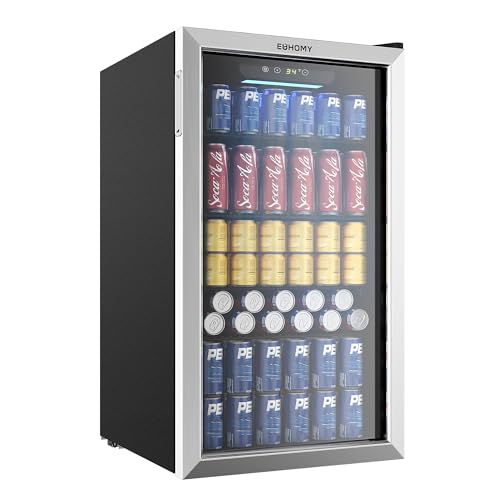
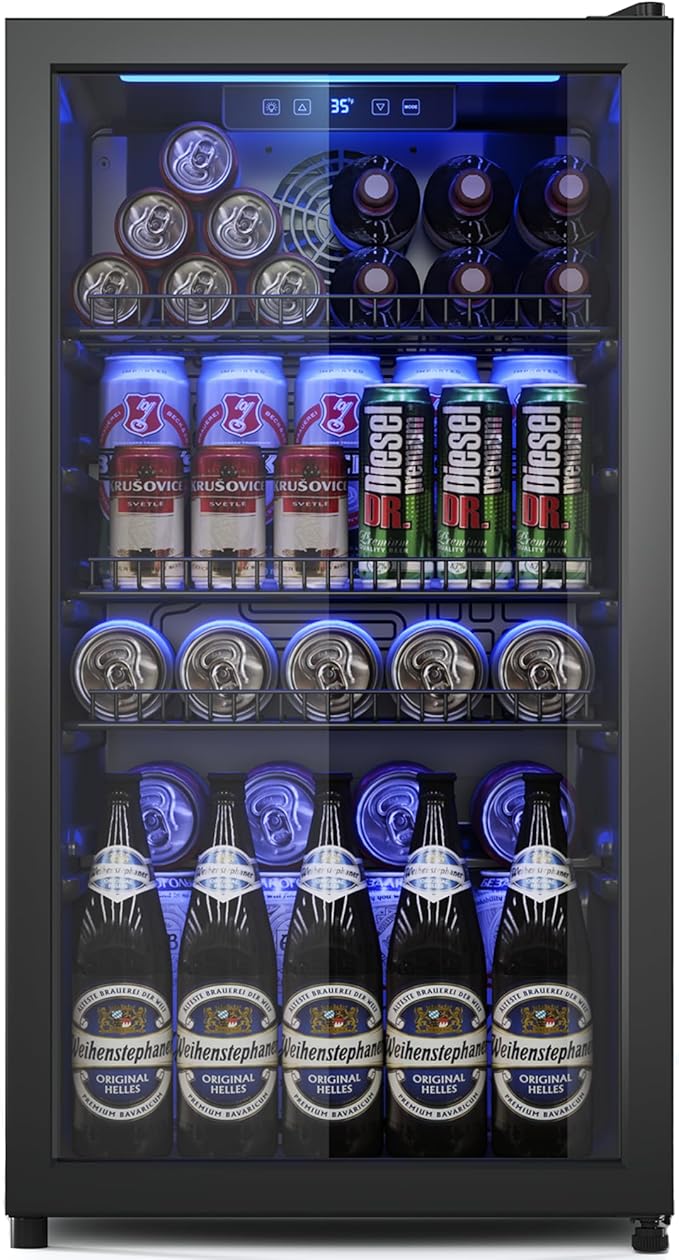
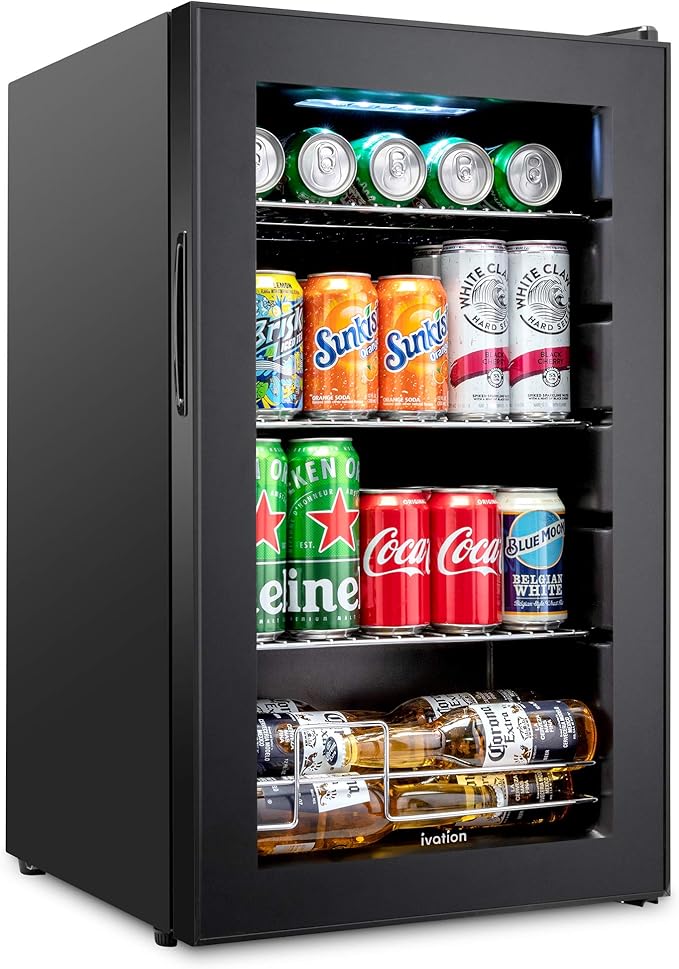
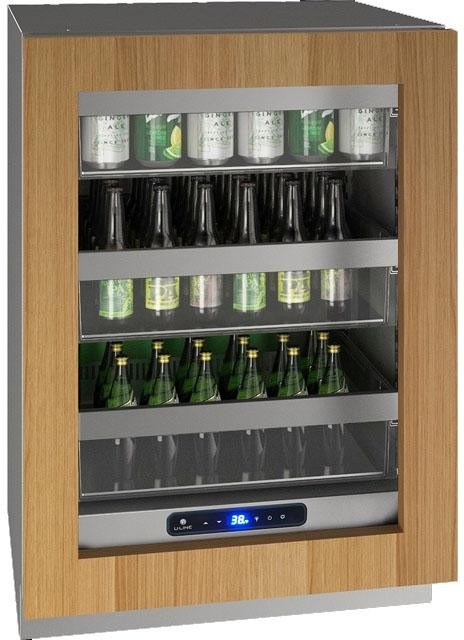
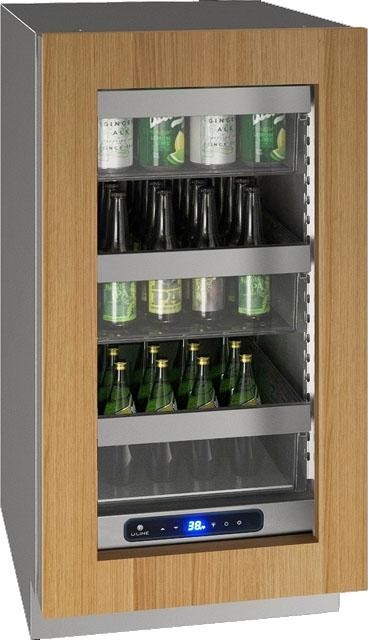
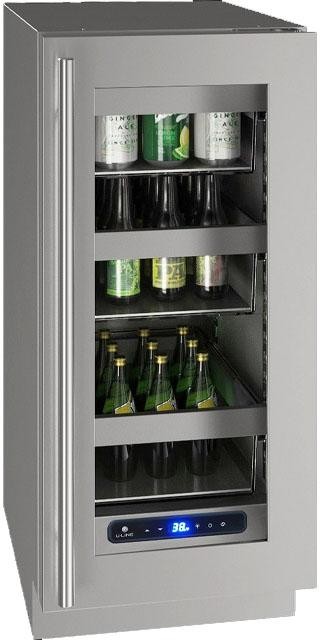
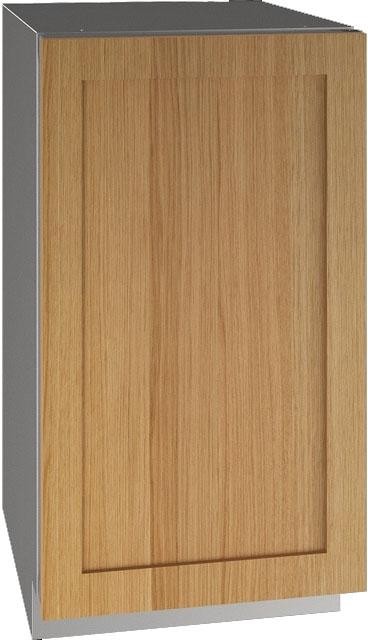
A beverage cooler and an undercounter refrigerator both slide into the same 24-inch-wide, 34-inch-tall cabinet opening under a kitchen counter, bar top, or island. They share a form factor but differ in purpose. The beverage cooler has a glass door and drink-focused shelving. The undercounter refrigerator has a solid door and food-safe interior layout. This comparison covers every difference that matters when choosing between them for a built-in installation.
Form Factor
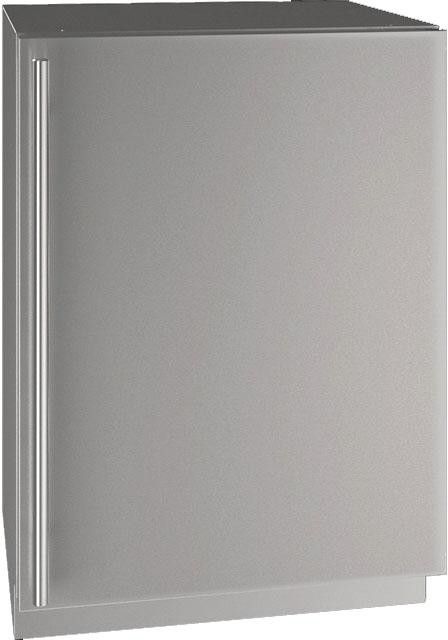
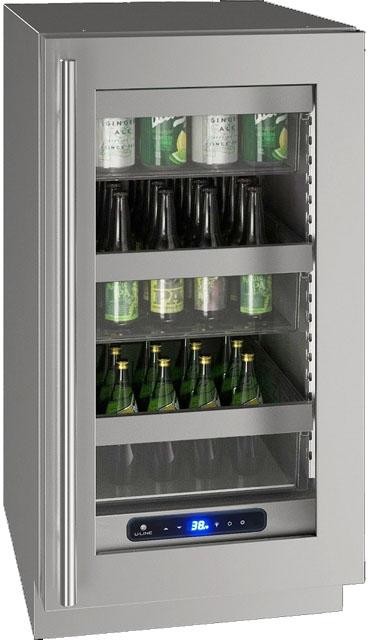
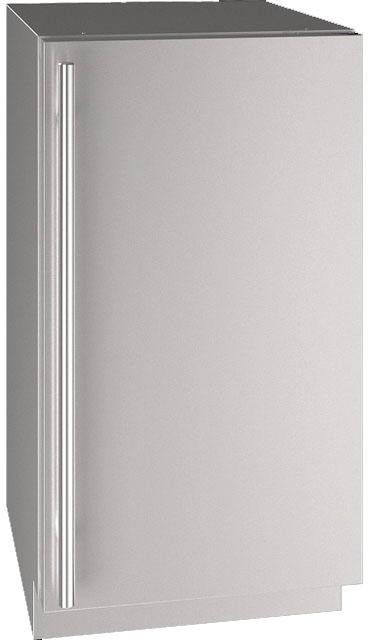
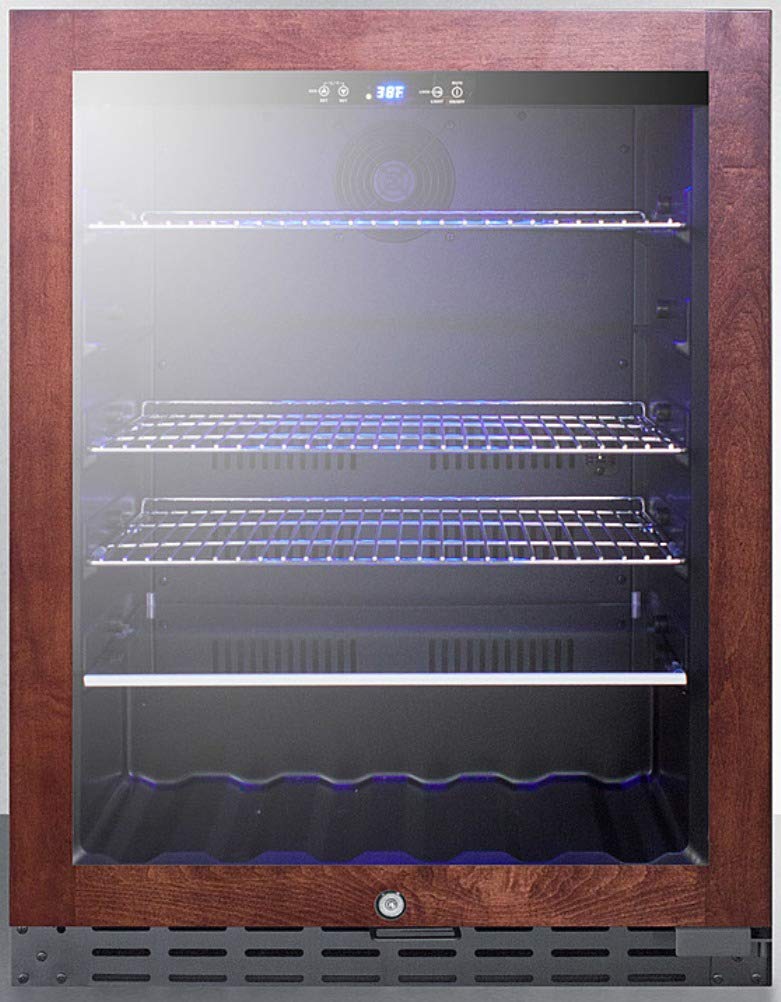
Both appliances fit a standard undercounter opening — 24 inches wide, 34 inches tall, and 24 inches deep. Both use front-venting systems that exhaust heat through the toe-kick area, allowing flush installation inside cabinetry without clearance behind or on the sides. From the outside, the only visible difference is the door — glass on the beverage cooler, solid stainless steel or panel-ready on the undercounter refrigerator.
This shared form factor means the choice between them comes down entirely to how you use the interior and how you want the door to look.
Door Design and Visibility
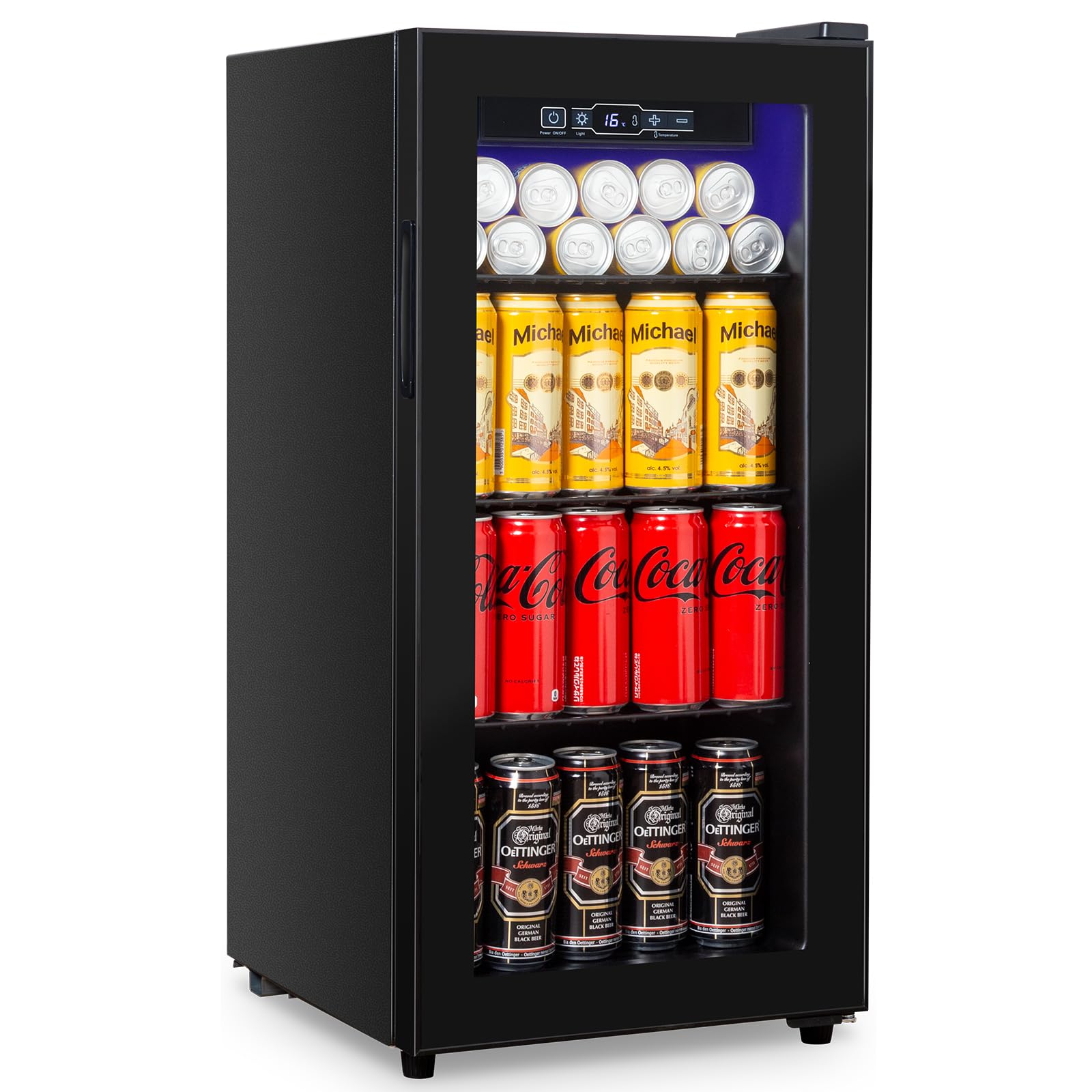
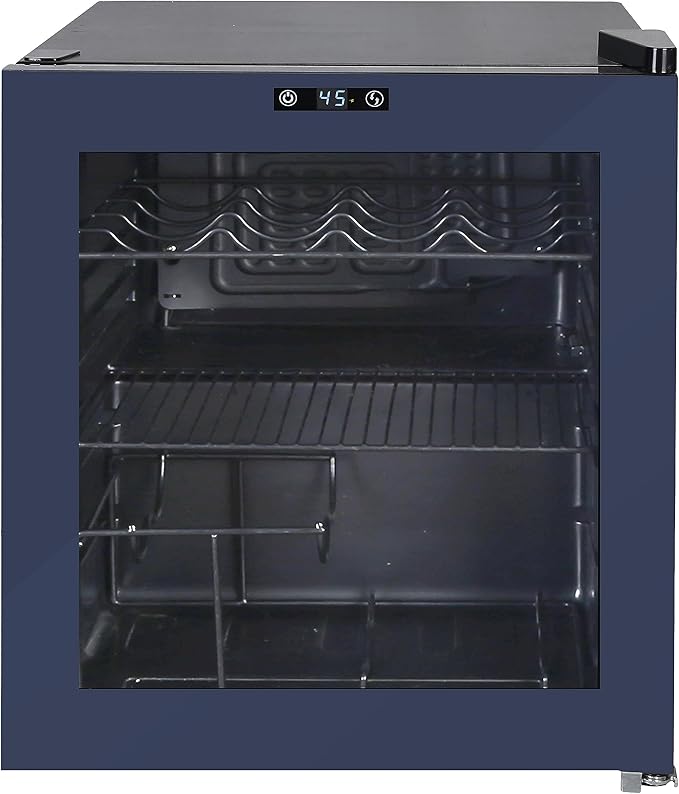
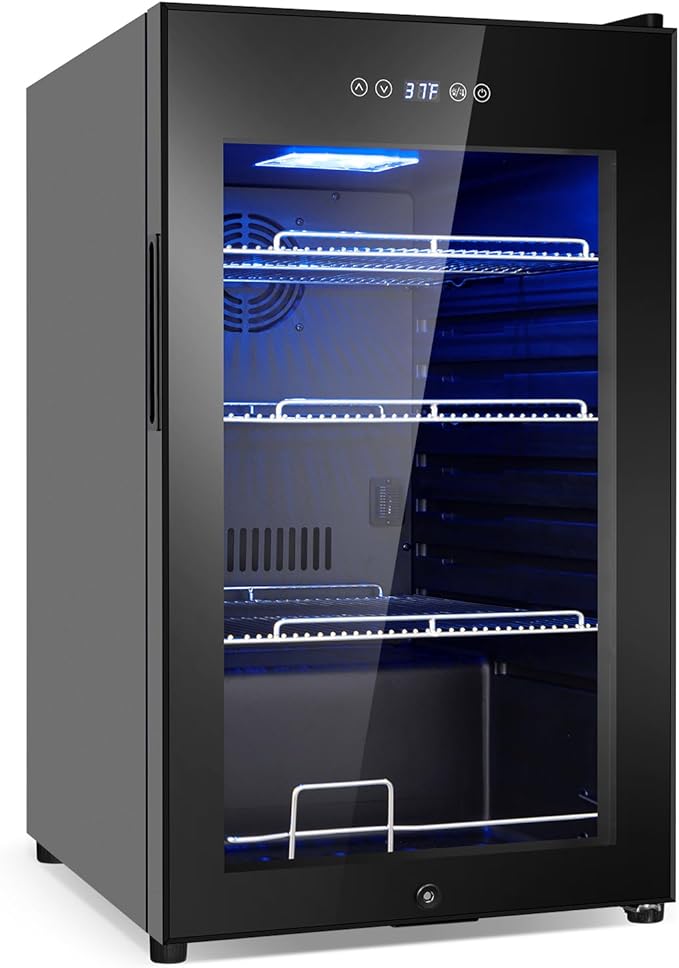
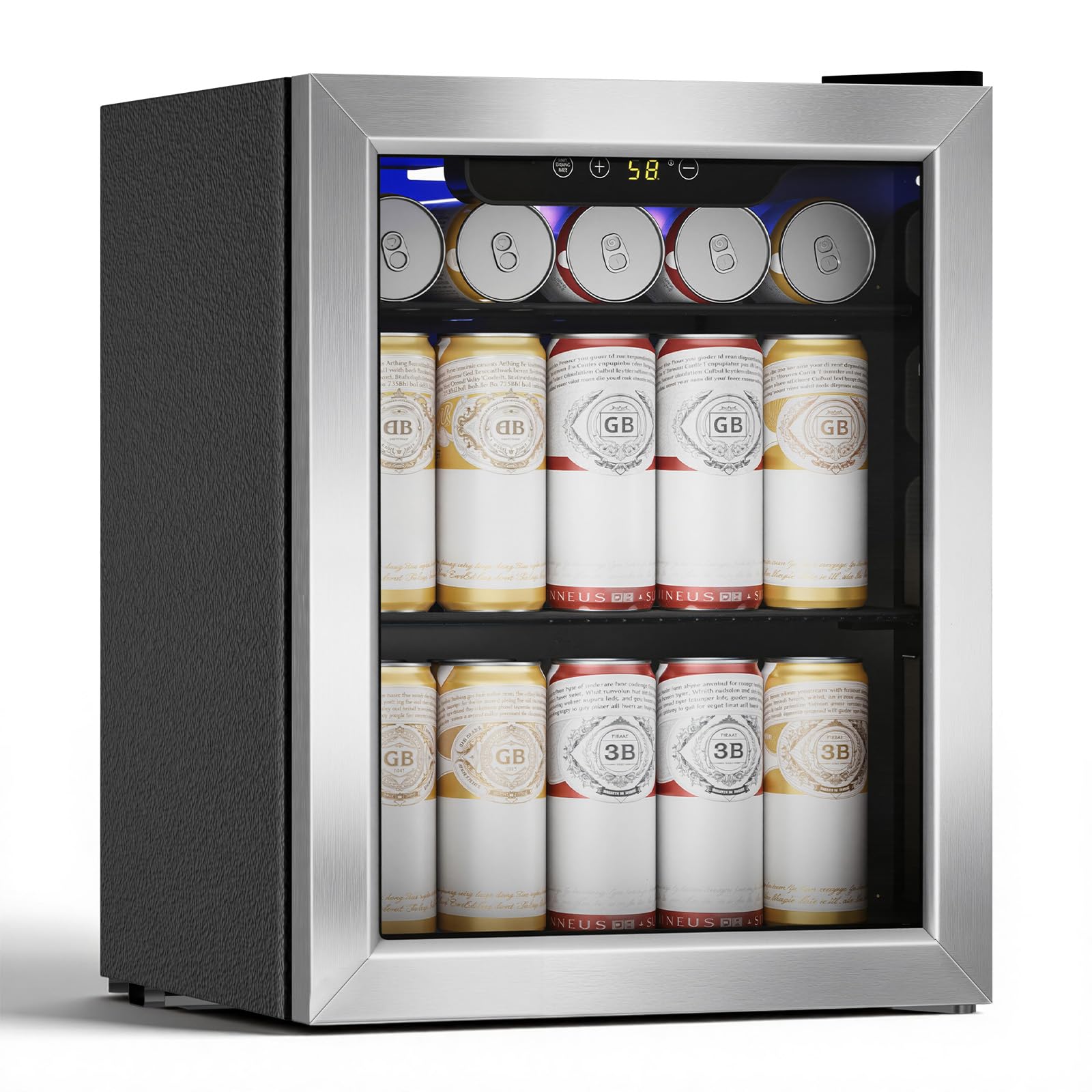
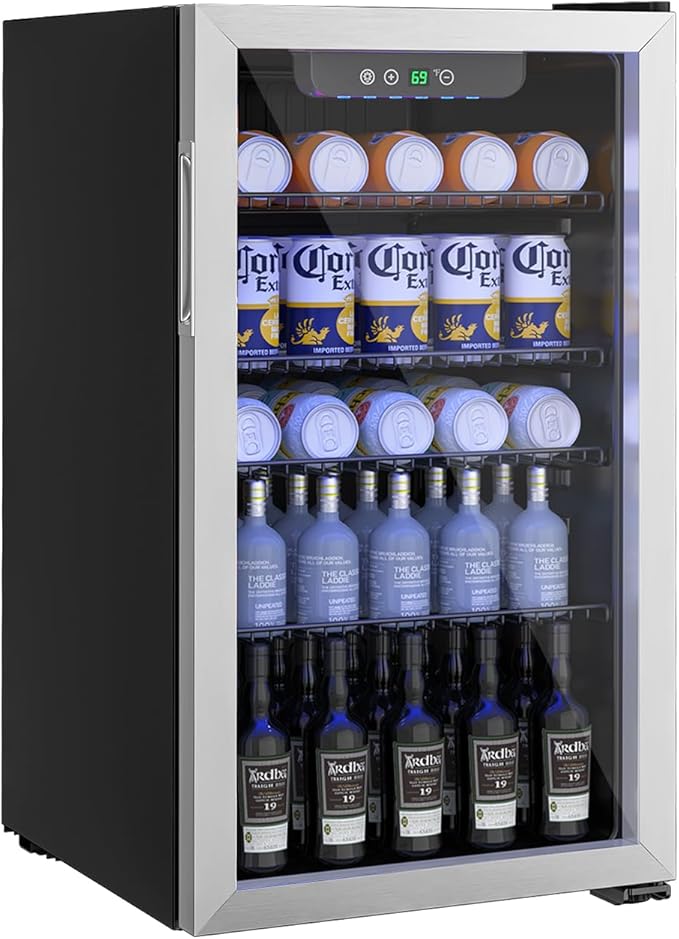
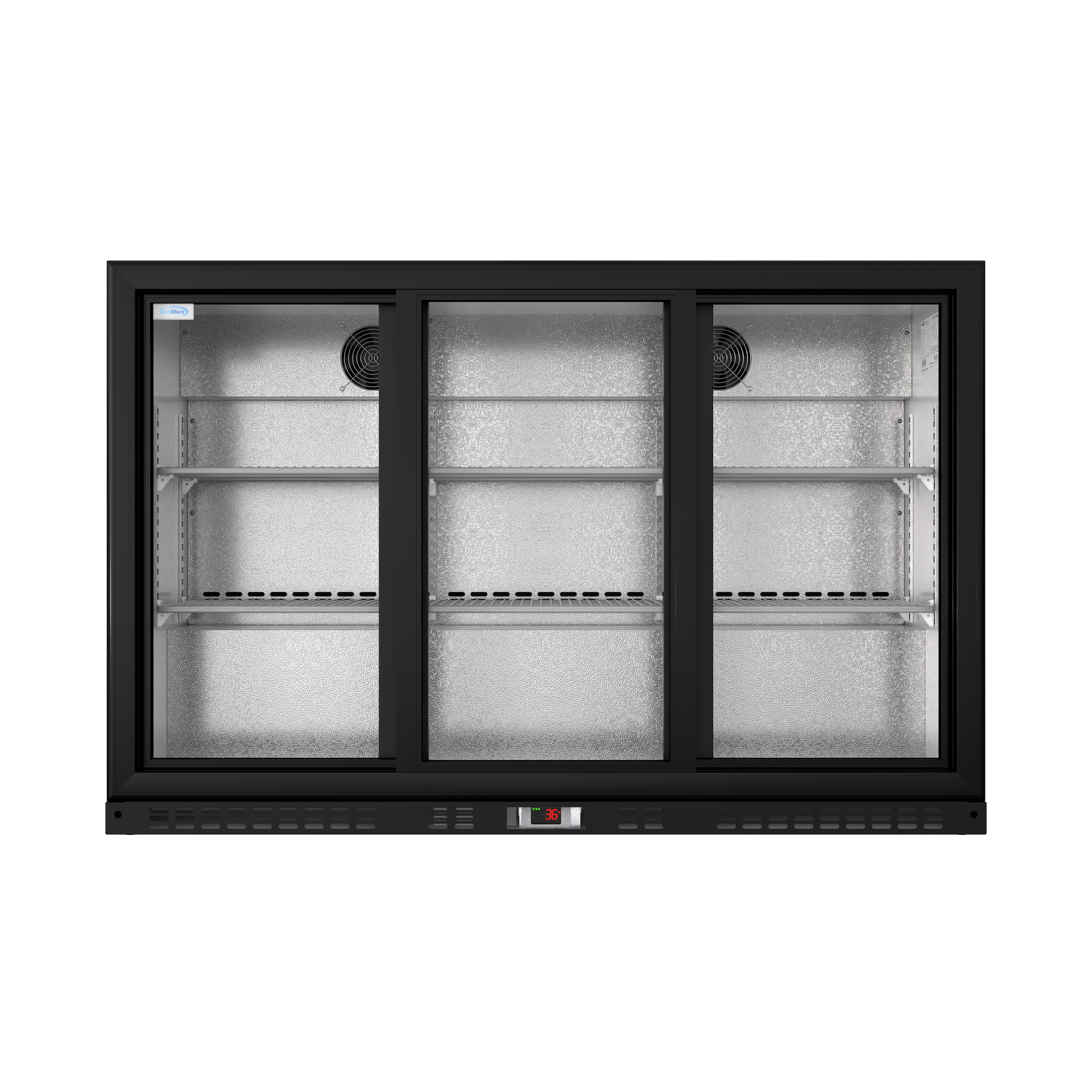
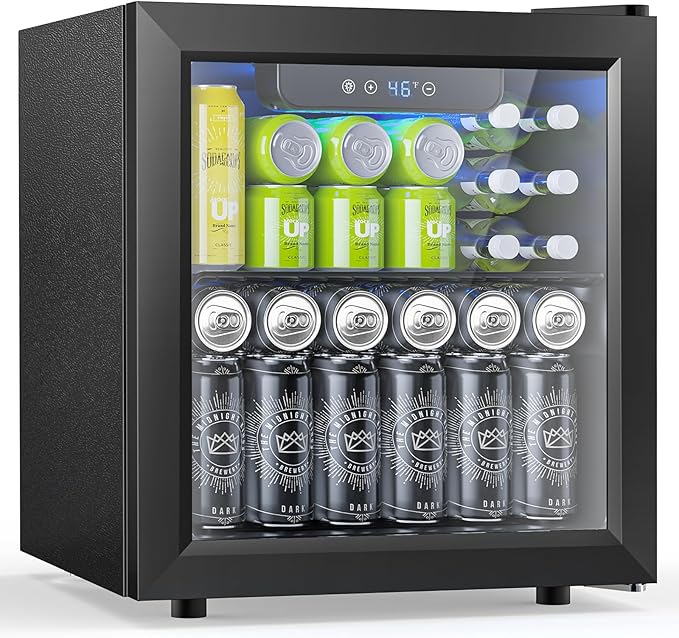
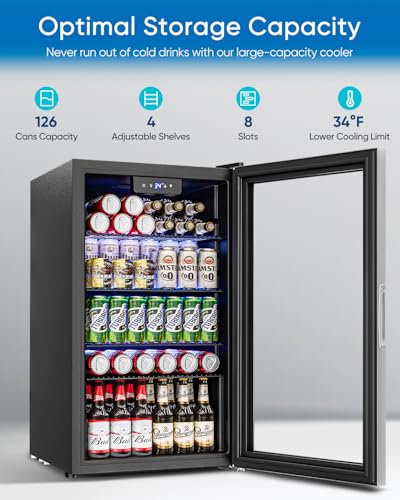
The beverage cooler's glass door is its defining feature. You see everything inside without opening the door. Interior LED lighting creates a display effect — rows of colorful cans, wine bottles, and water bottles on lit shelves look attractive in a bar or kitchen island. The visual accessibility speeds up drink selection for guests and reduces unnecessary door openings.
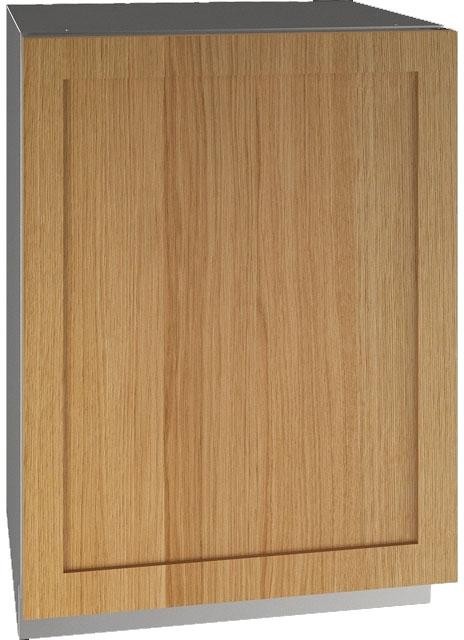
The undercounter refrigerator's solid door matches kitchen cabinetry. Panel-ready models accept custom wood or laminate panels that make the unit invisible in a cabinet run. Stainless steel door models blend with other stainless appliances. The solid door provides better insulation than glass, which translates to slightly lower energy use and more consistent internal temperatures. Contents are hidden, which keeps the kitchen looking clean when the fridge holds food containers, condiments, and prep ingredients alongside drinks.
Interior Layout
Beverage cooler interiors are built around drink containers. Expect tiered can racks that angle cans forward for gravity-fed dispensing, flat shelves with raised edges for wine bottles, adjustable chrome wire shelving sized for six-packs and tall bottles, and door bins for additional can rows. Every shelf height and angle maximizes drink count and visibility through the glass door.
Undercounter refrigerator interiors mirror a scaled-down kitchen fridge. Adjustable glass or wire shelves accommodate plates, food containers, platters, and bottles at varying heights. A small crisper or produce drawer handles vegetables, berries, and herbs. Door bins hold condiments, small bottles, butter, and cheese. The layout handles any combination of food and drink items.
Temperature Range
| Feature | Beverage Cooler | Undercounter Refrigerator |
|---|---|---|
| Temperature Range | 34 - 50°F | 34 - 42°F |
| Control | Digital, degree-level | Digital or mechanical |
| Dual Zone | Available on some models | Rare |
The beverage cooler offers a wider temperature window. You can set it to 50 degrees for red wine, 45 degrees for white wine, or 34 degrees for ice-cold beer — all through the same digital control. Dual-zone models run two temperatures simultaneously.
The undercounter refrigerator stays in a tighter food-safe range. The 34 to 42 degree window keeps perishable food safe from bacterial growth. You cannot warm it to 50 degrees for wine without risking food safety on other items stored inside. If you store both food and drinks, the food-safe range takes priority.
Capacity
| Type | Volume | Drink Capacity | Food Capacity |
|---|---|---|---|
| Beverage Cooler | 3.5 - 5.5 cu ft | 80 - 150 cans | Not designed for food |
| Undercounter Refrigerator | 3.5 - 5.5 cu ft | 40 - 80 cans (mixed) | Full food-safe storage |
Same cubic footage, different usable capacity. The beverage cooler stores nearly twice as many drinks because every shelf is optimized for beverage containers. The undercounter refrigerator stores fewer drinks but handles food alongside them. Choose based on what you are storing.
Use Case Scenarios
A beverage cooler under a home bar counter is the classic installation. Guests see the drink selection through the glass, grab what they want, and return to conversation. The display element enhances the entertaining experience. Other strong placements include kitchen islands facing the dining area, butler's pantries, media rooms, and outdoor kitchens (outdoor-rated models).
An undercounter refrigerator works best where food storage is needed in a compact space. Master bedroom kitchenettes, guest suites, in-law apartments, office break rooms, and secondary prep areas near grills or cooktops benefit from a small food-safe fridge at counter height. It also works as overflow storage for the main kitchen fridge during holidays or large gatherings.
Energy Use
| Type | Annual kWh | Estimated Annual Cost |
|---|---|---|
| Beverage Cooler | 250 - 400 kWh | $32 - $50 |
| Undercounter Refrigerator | 200 - 350 kWh | $25 - $45 |
The undercounter refrigerator with a solid door is slightly more energy-efficient because solid insulation retains cold better than glass. The annual difference is $5 to $10. Both are modest energy consumers — less than half the annual cost of a full-size kitchen refrigerator.
Pricing
| Type | Budget | Mid-Range | Premium |
|---|---|---|---|
| Beverage Cooler | $250 - $500 | $500 - $1,000 | $1,000 - $2,500 |
| Undercounter Refrigerator | $300 - $600 | $600 - $1,200 | $1,200 - $3,000 |
Undercounter refrigerators cost slightly more at each tier because of the food-safe interior construction, crisper drawer, and panel-ready door options. Premium models from Sub-Zero, U-Line, and Perlick command prices above $2,000 for either type. At that level, you are paying for commercial-grade compressors, stainless steel interiors, and brand reputation.
Noise
Both types run at 35 to 44 decibels in built-in installations. The cabinetry surrounding a built-in unit dampens some compressor noise. Neither type produces noise levels that would be problematic in a kitchen, bar, or living area. For bedroom installations, check the specific model's decibel rating — some budget units are louder than others.
Maintenance
Both require minimal maintenance — clean condenser coils annually (front-venting models have accessible coil panels behind the toe-kick grille), check door gaskets for tight seal, and wipe down interior shelves periodically. Glass doors on beverage coolers need regular cleaning to maintain display quality. Solid doors on undercounter refrigerators stay cleaner with less effort.
Panel-Ready Options
Undercounter refrigerators frequently offer panel-ready door configurations. You install a custom wood or laminate panel that matches your surrounding cabinetry, making the fridge completely invisible in the cabinet run. This matters in high-end kitchen designs where visual continuity is the priority.
Beverage coolers are almost never panel-ready because the glass display door is the entire point. The glass door is meant to be seen, not hidden. If you want a concealed appliance, the undercounter refrigerator with a custom panel is the only option.
Who Should Buy Which
Buy a beverage cooler for a home bar, entertainment area, or any space where drink display and guest access are the priority. The glass door and can-optimized shelving create the best drink service experience.
Buy an undercounter refrigerator for a secondary food storage location — a kitchenette, prep area, guest suite, or office. The solid door, food-safe temperature range, and crisper drawer handle a wider range of items than a beverage cooler. Choose the panel-ready option for seamless kitchen integration.
Shop at Fridge.com
Compare beverage coolers and undercounter refrigerators at Fridge.com. Filter by door type, capacity, installation style, and price to find the right built-in cooler for your space.