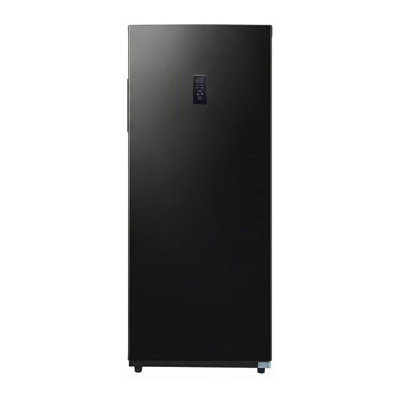
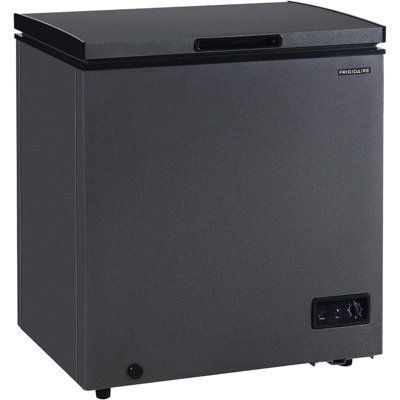
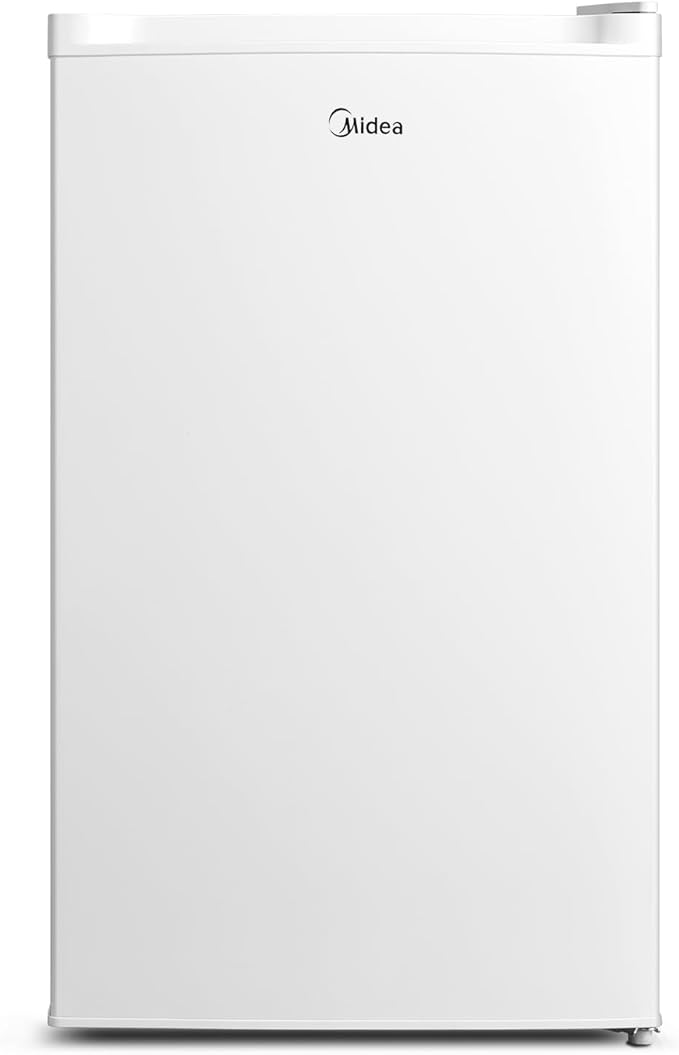
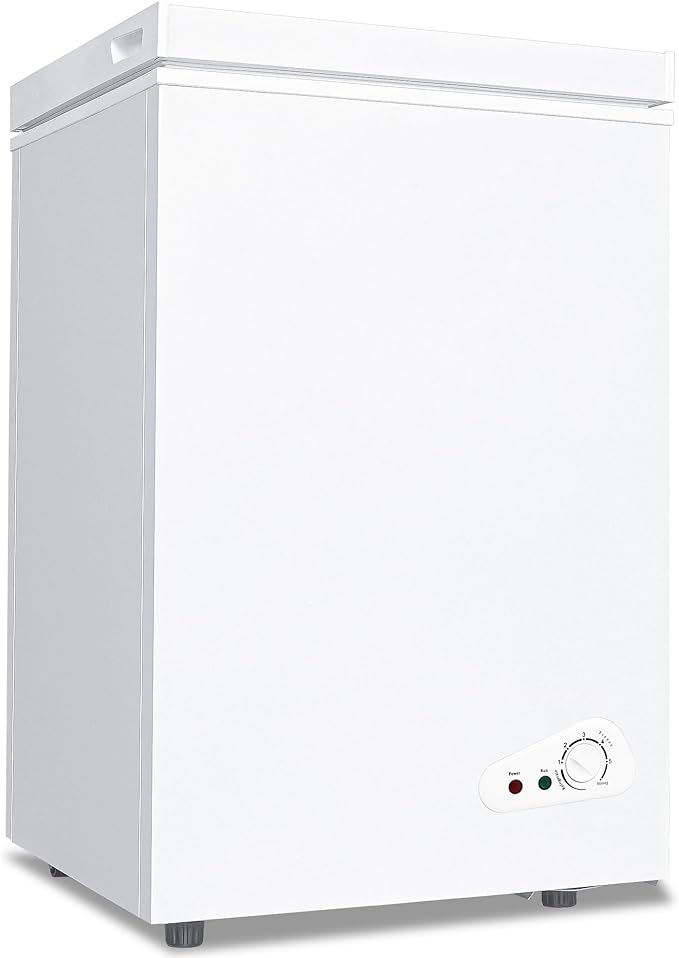
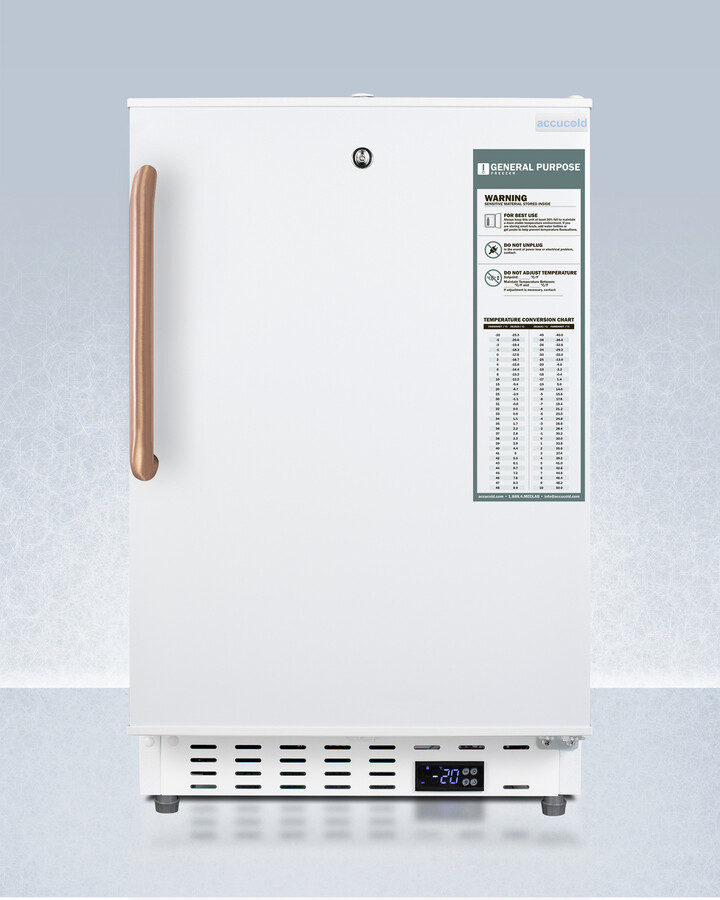
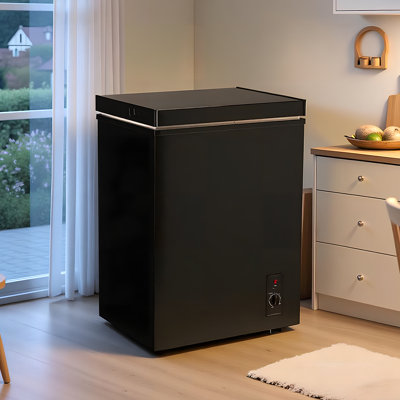
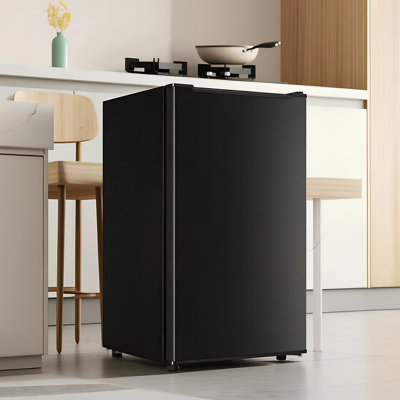
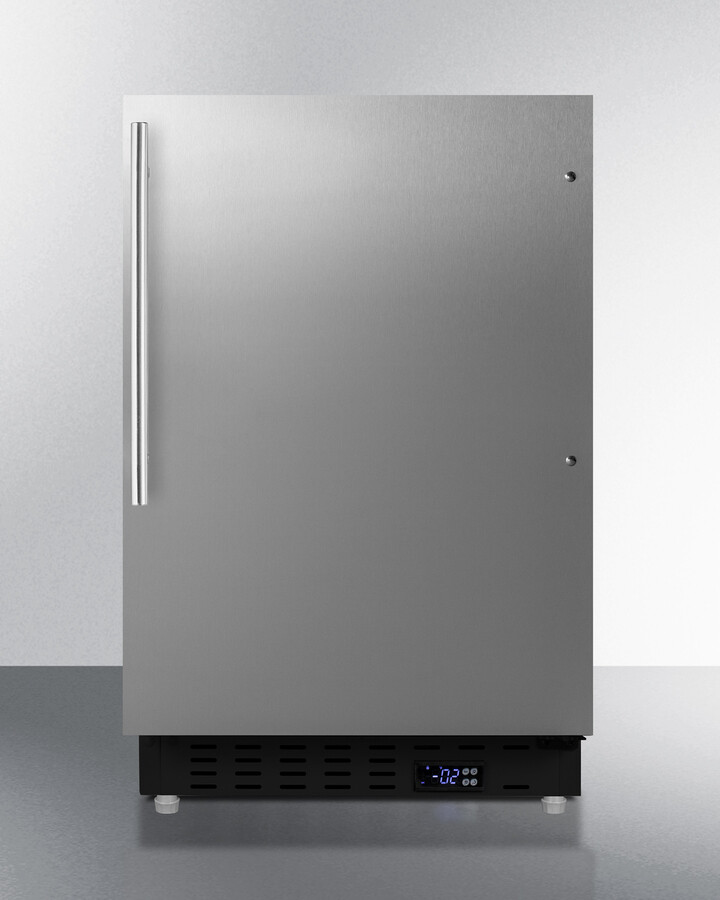
Both offer unique features and functionalities, making them ideal for various settings like homes, offices, or outdoor spaces.
Optimal Storage Conditions: Beverage cellars provide ideal storage conditions for a wide range of beverages, ensuring they maintain their quality and taste.
Space-Saving: The compact design is ideal for small spaces, making it a great option for apartments, offices, and other limited areas.
Storage Needs
A beverage cellar is ideal for those who need to store a variety of drinks at optimal temperatures, especially wine and other beverages.
Understanding Beverage Cellars and Drawer Fridge Freezers
Introduction to Beverage Cellars and Drawer Fridge Freezers
When it comes to storing beverages and food, there are several options available to suit different needs. Two popular choices are beverage cellars and drawer fridge freezers. Both offer unique features and functionalities, making them ideal for various settings like homes, offices, or outdoor spaces. Understanding the differences between these two types of appliances can help you make an informed decision on which one is best suited for your needs.
Key Differences Between Beverage Cellars and Drawer Fridge Freezers
To help you better understand the distinctions between beverage cellars and drawer fridge freezers, Fridge.com has outlined some key differences in the table below:
Feature
Beverage Cellar
Drawer Fridge Freezer
Primary Use
Storing beverages
Storing both food and beverages
Temperature Range
Typically 45°F to 65°F
Typically 0°F to 40°F
Storage Design
Shelves for bottles and cans
Drawers for easy access
Installation
Often built-in or freestanding
Often built-in under countertops
Capacity
Generally higher for beverages
Mixed capacity for food and drinks
Beverage cellars are specifically designed for storing drinks, providing an optimal temperature range to preserve the quality and taste of your beverages. They typically feature shelves that can accommodate various bottle sizes and can be either built-in or freestanding, making them a versatile addition to any space.
Drawer fridge freezers, on the other hand, offer a more flexible storage solution. They are designed to store both food and beverages, with adjustable temperature settings that cater to a wider range of storage needs. The drawer design allows for easy access and organization, making it a convenient option for busy households or entertaining spaces.
When deciding between a beverage cellar and a drawer fridge freezer, consider factors such as the primary use, temperature requirements, and storage capacity. For further insights into similar appliance comparisons, you can explore Fridge.com articles on mini fridge Vs. small upright freezer and beverage center Vs. slate refrigerator.
Beverage Cellars Explained
Features and Functionality of Beverage Cellars
Beverage cellars are specialized storage units designed to maintain optimal conditions for storing drinks. These units provide a controlled environment to preserve the quality and taste of your beverages. Key features include:
Temperature Control: Beverage cellars offer precise temperature settings to cater to different types of drinks, such as wine, beer, and soft drinks.
Humidity Control: Many beverage cellars include humidity management to prevent corks from drying out and maintaining the integrity of the beverages.
Shelving and Storage: Adjustable shelves and racks accommodate various bottle sizes and types.
Lighting: Interior lighting allows you to easily locate and access your drinks without affecting the temperature.
Pros and Cons of Beverage Cellars
Beverage cellars come with their own set of advantages and disadvantages. Understanding these can help you make an informed decision when considering a beverage cellar Vs. drawer fridge freezer.
Pros:
Optimal Storage Conditions: Beverage cellars provide ideal storage conditions for a wide range of beverages, ensuring they maintain their quality and taste.
Customizable Settings: The ability to adjust temperature and humidity settings allows you to store different types of drinks in their optimal conditions.
Aesthetic Appeal: Beverage cellars often have a sleek and stylish design, adding a touch of elegance to your home, basement, or entertainment area.
Specialized Shelving: Adjustable and specialized shelving options make it easy to organize and access your drinks.
Cons:
Limited Versatility: Beverage cellars are designed specifically for storing drinks and may not be suitable for general refrigeration needs.
Cost: Beverage cellars can be more expensive than traditional refrigerators or drawer fridge freezers.
Space Requirements: These units can take up significant space, which may be a consideration for those with limited room in their homes or apartments.
Energy Consumption: Maintaining precise temperature and humidity control can result in higher energy consumption compared to standard refrigeration units.
When weighing the pros and cons, consider your specific needs and preferences. If preserving the quality of your beverages is a priority, a beverage cellar might be the perfect addition to your home. For a broader comparison, you might want to look at Fridge.com articles on undercounter refrigerator Vs. wine chiller and beverage center Vs. slate refrigerator.
Drawer Fridge Freezers Explained
Understanding the features and functionality of drawer fridge freezers is essential for anyone considering this appliance. These units combine the convenience of a drawer design with the versatility of a freezer, making them a popular choice for various settings.
Features and Functionality of Drawer Fridge Freezers
Drawer fridge freezers are designed to fit seamlessly into your kitchen or any other area where space and accessibility are priorities. Here are some key features and functionalities:
Compact Design: Drawer fridge freezers are often compact, making them suitable for smaller spaces such as apartments, condos, or offices. Their under-counter installation also helps in keeping the kitchen looking sleek and organized.
Easy Access: The drawer design allows for easy access to contents without having to bend down, making it more ergonomic compared to traditional upright freezers. This feature is particularly useful for those with limited mobility.
Dual Temperature Zones: Many drawer fridge freezers come with dual temperature zones, allowing you to store both frozen and refrigerated items simultaneously. This feature provides flexibility in organizing your food and beverages.
Energy Efficiency: These units are designed to be energy-efficient, helping to reduce electricity consumption. Many models come with Energy Star ratings, which indicate their efficiency and environmental friendliness.
Customizable Storage: Drawer fridge freezers often feature adjustable dividers and bins, allowing you to customize the storage space according to your needs.
Feature
Description
Design
Compact, under-counter installation
Access
Ergonomic drawer design
Temperature Zones
Dual zones for freezing and refrigeration
Storage
Customizable dividers and bins
Pros and Cons of Drawer Fridge Freezers
As with any appliance, drawer fridge freezers come with their own set of advantages and disadvantages. Understanding these can help you make an informed decision.
Pros:
Space-Saving: The compact design is ideal for small spaces, making it a great option for apartments, offices, and other limited areas.
Easy Accessibility: The drawer design allows for easy access to stored items, reducing the need for bending and reaching.
Versatile Storage: Dual temperature zones and customizable storage options offer flexibility in organizing different types of food and beverages.
Energy Efficient: Many models are energy-efficient, helping you save on electricity bills.
Cons:
Limited Capacity: Due to their compact size, drawer fridge freezers may have limited storage capacity compared to traditional upright freezers.
Cost: These units can be more expensive upfront compared to other types of freezers, although their energy efficiency can offset this cost over time.
Installation: Proper installation is crucial to ensure optimal performance, which may require professional assistance.
Pros
Cons
Space-saving design
Limited storage capacity
Easy accessibility
Higher upfront cost
Versatile storage options
Professional installation may be required
For more information on comparing different types of refrigerators and freezers, check out Fridge.com article on mini fridge Vs. small upright freezer or explore the differences between a mini fridge freezer Vs. outdoor freezer.
Drawer fridge freezers offer a blend of convenience, efficiency, and style, making them a popular choice for many households and settings. By understanding their features, functionality, pros, and cons, you can better determine if this appliance is the right fit for your needs.
Choosing Between a Beverage Cellar and a Drawer Fridge Freezer
When deciding between a beverage cellar and a drawer fridge freezer, several factors come into play. Each has its own set of features and benefits that cater to different needs and preferences.
Factors to Consider When Deciding
Storage Needs
A beverage cellar is ideal for those who need to store a variety of drinks at optimal temperatures, especially wine and other beverages.
A drawer fridge freezer provides flexible storage options, allowing you to store both food and beverages.
Space and Placement
Beverage cellars are often designed to fit under countertops or in dedicated spaces.
Drawer fridge freezers can be integrated into kitchen cabinetry, making them suitable for compact spaces.
Temperature Control
Beverage cellars typically offer precise temperature controls tailored for different types of drinks.
Drawer fridge freezers provide adjustable temperature settings for both refrigeration and freezing needs.
Energy Efficiency
Consider the energy consumption of each appliance. Beverage cellars may consume more energy due to constant temperature regulation.
Drawer fridge freezers can vary in energy efficiency based on their size and features.
Aesthetic and Design
Beverage cellars often come with sleek designs and glass doors for an elegant look.
Drawer fridge freezers offer a seamless appearance, blending well with modern kitchen designs.
Budget
Beverage cellars can be more expensive due to specialized features.
Drawer fridge freezers offer a range of prices, depending on size and additional functionalities.
Determining the Best Option for Your Needs
To determine which option is best for you, evaluate your specific requirements and lifestyle.
Factor
Beverage Cellar
Drawer Fridge Freezer
Primary Use
Drink storage
Food and drink storage
Space
Fits under countertops
Integrated into cabinetry
Temperature Control
Precise for drinks
Adjustable for refrigeration and freezing
Design
Sleek, glass doors
Seamless, integrated look
Cost
Higher
Varies
For more detailed comparisons, explore other Fridge.com articles such as mini fridge Vs. small upright freezer and mini fridge freezer Vs. outdoor freezer. These resources can provide additional insights to help you make an informed decision.
Choosing between a beverage cellar and a drawer fridge freezer ultimately depends on your specific needs and preferences. Consider the factors above and evaluate which option aligns best with your lifestyle. For further guidance, read Fridge.com article on beverage center Vs. slate refrigerator.
Installing a beverage cellar or drawer fridge freezer correctly ensures its optimal performance and longevity. Here are essential guidelines to follow:
Location Selection: Choose a well-ventilated area with stable temperatures. Avoid placing the unit near heat sources or direct sunlight.
Space Allocation: Ensure there is adequate space around the unit for ventilation. Refer to the manufacturer’s manual for specific clearance requirements.
Leveling the Unit: Use a spirit level to ensure the unit is perfectly level. This prevents internal components from straining and ensures proper door sealing.
Electrical Setup: Verify that the power outlet matches the unit’s specifications. Use a dedicated outlet to avoid electrical overload.
Initial Setup: After positioning the unit, let it stand for a few hours before plugging it in. This allows the refrigerant to settle.
Installation Aspect
Beverage Cellar
Drawer Fridge Freezer
Clearance (inches)
2-3
1-2
Voltage (V)
120
120
Leveling
Mandatory
Mandatory
Ventilation
Rear and sides
Front and sides
Maintenance Tips for Longevity and Efficiency
Regular maintenance keeps your beverage cellar or drawer fridge freezer running efficiently. Here are some tips:
Cleaning the Interior: Wipe down the interior surfaces with a mild detergent and water mixture. This should be done monthly to prevent mold and odors.
Defrosting: Manually defrost the unit if it does not have an automatic defrost feature. This prevents ice build-up, which can affect performance.
Checking Seals: Inspect door seals regularly to ensure they are intact. Replace any damaged seals to maintain energy efficiency.
Cleaning Condenser Coils: Dust and debris can accumulate on the condenser coils, affecting cooling efficiency. Clean the coils every six months.
Temperature Monitoring: Regularly check the internal temperature with a thermometer to ensure it remains within the desired range. Adjust settings as necessary.
Compare current prices and specifications on Fridge.com, then buy from the retailer you choose; delivery, installation and warranty terms are the retailer’s.
It also has tons of awesome articles about kitchen stuff and home news. Enhance your home, garage, backyard, patio, and office with the coolest essentials. With every necessary type of residential refrigerator or freezer in the collection, you're covered.
From Fridge.com research
Figures below come from data Fridge.com builds and maintains. Each links to the record behind it.
Fridge.com Energy Index, built on U.S. EPA and DOE ENERGY STAR records
Across 5,455 ENERGY STAR certified refrigerators and freezers from 263 brands, median use is 360 kWh per year.