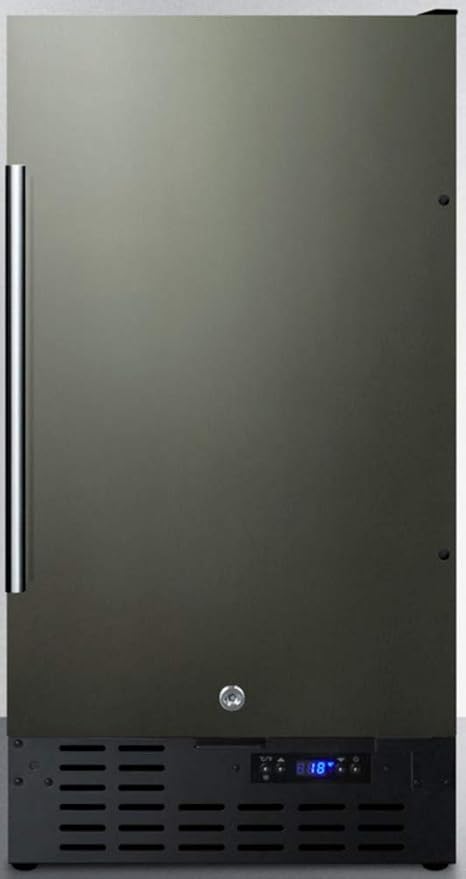
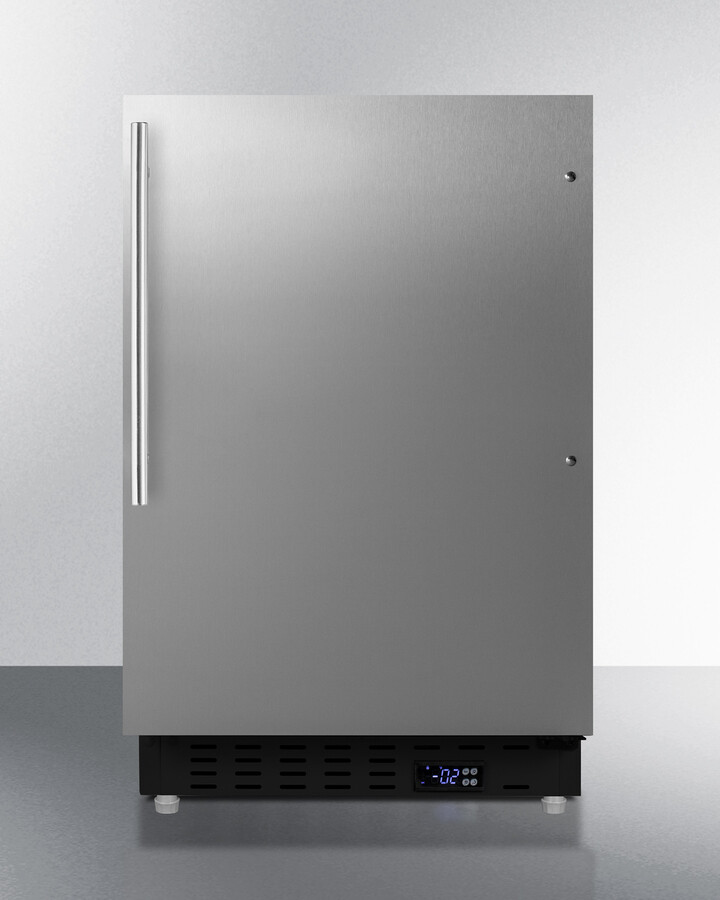
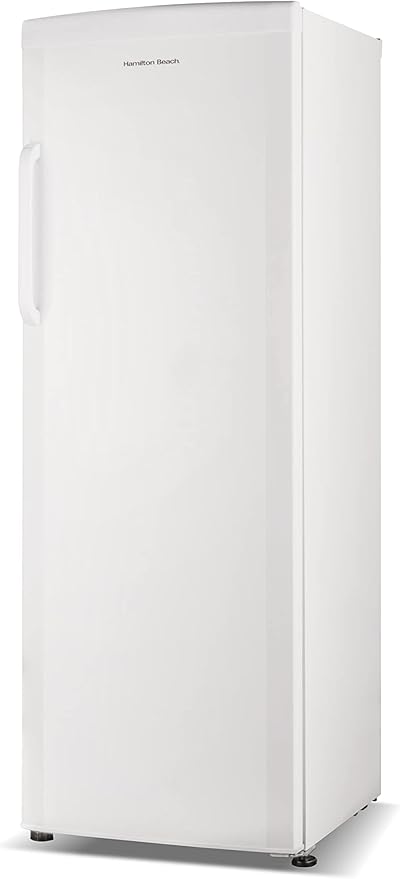
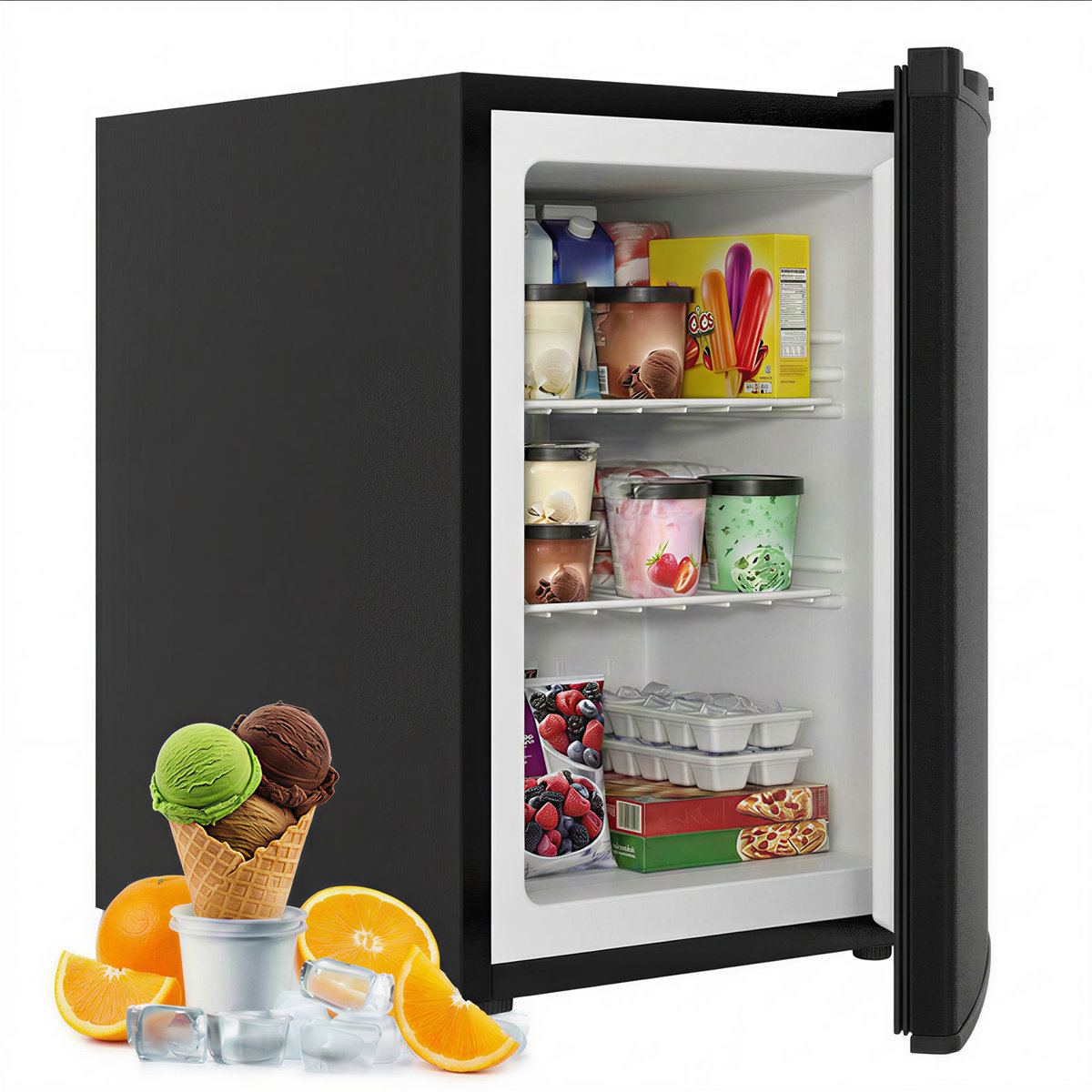
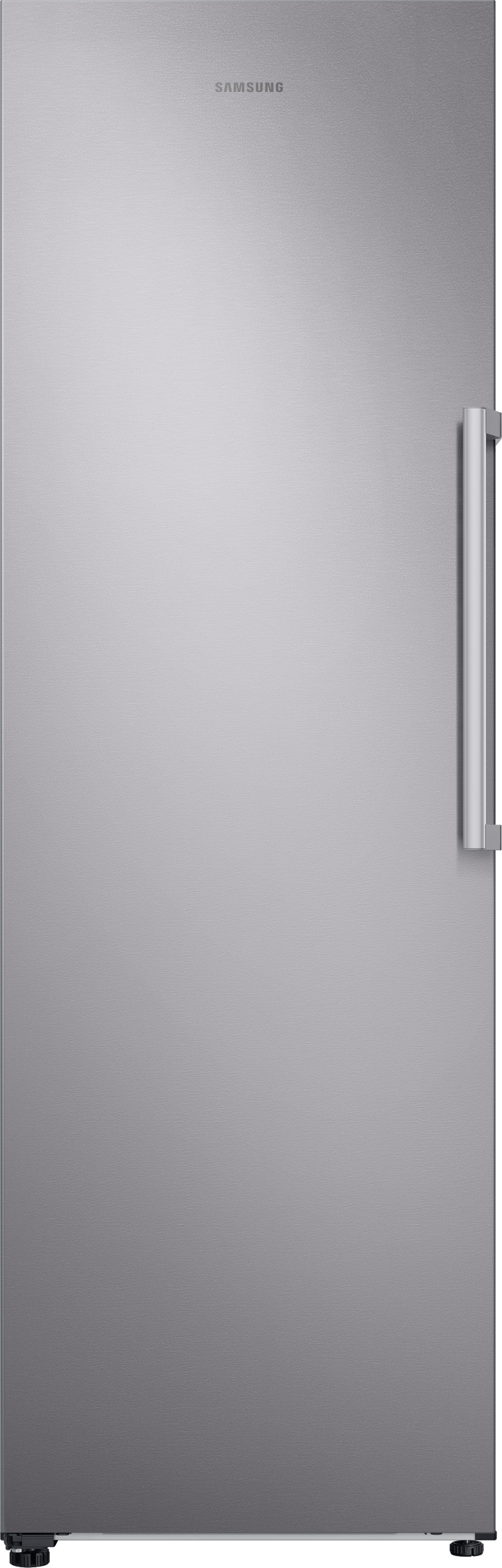
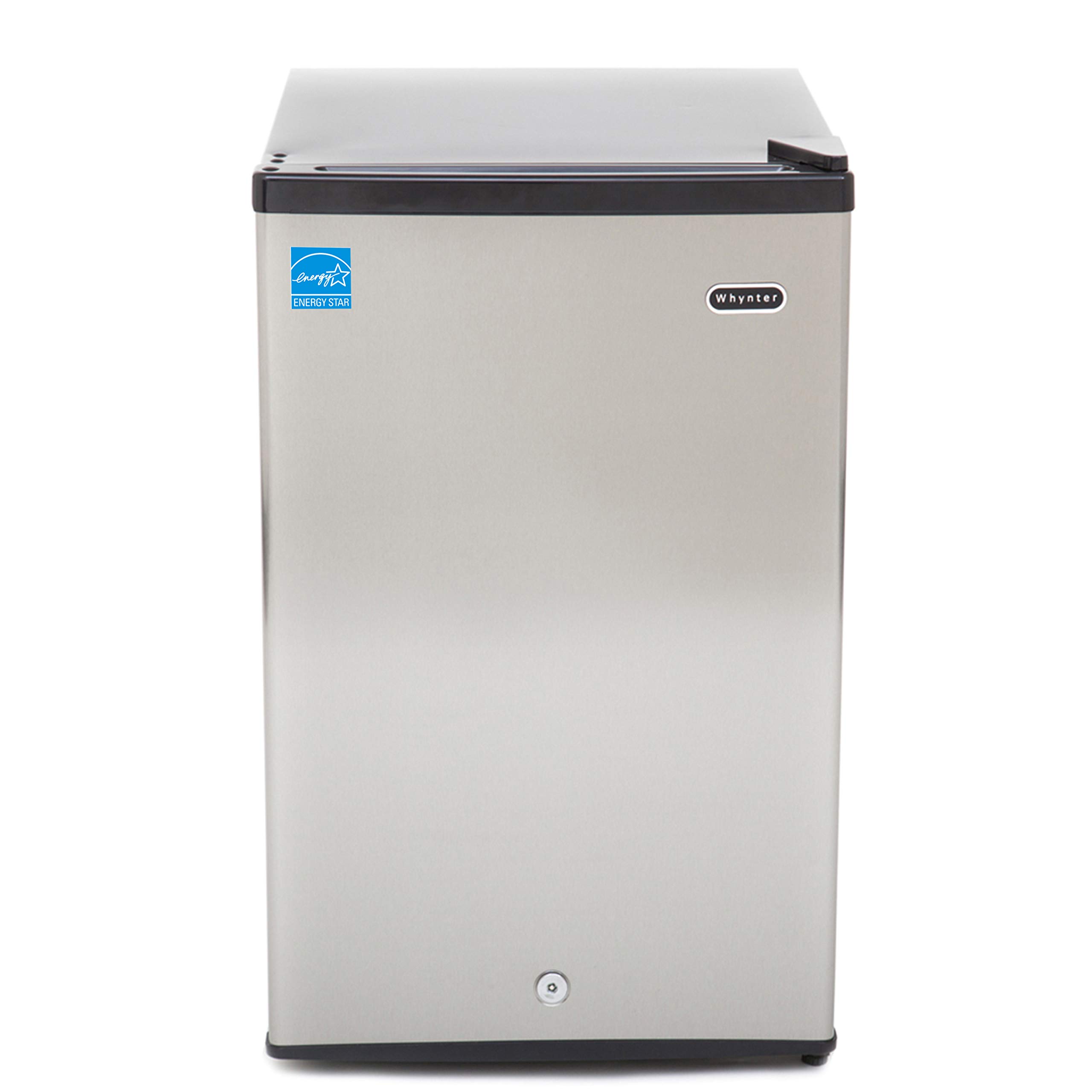
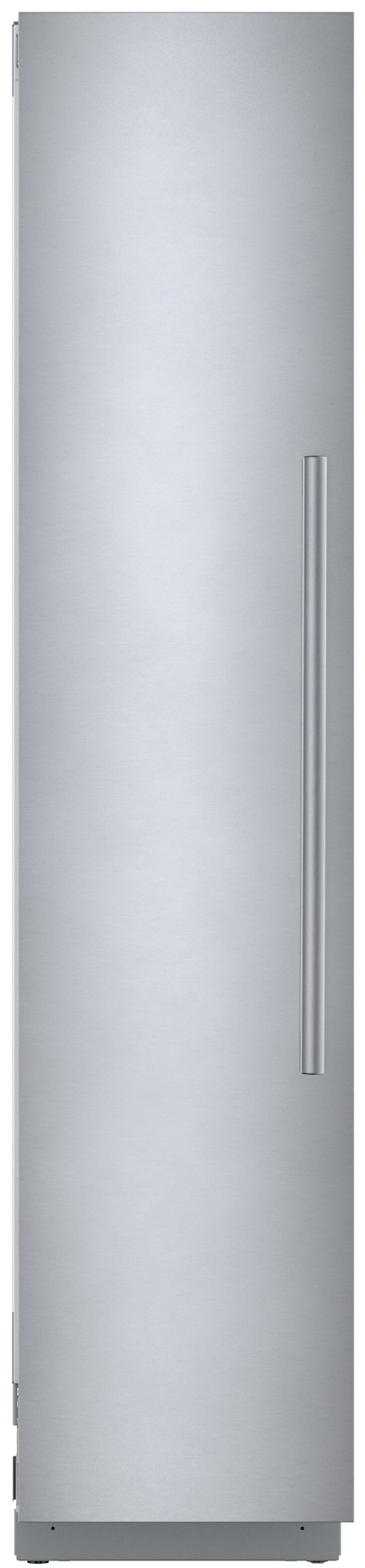
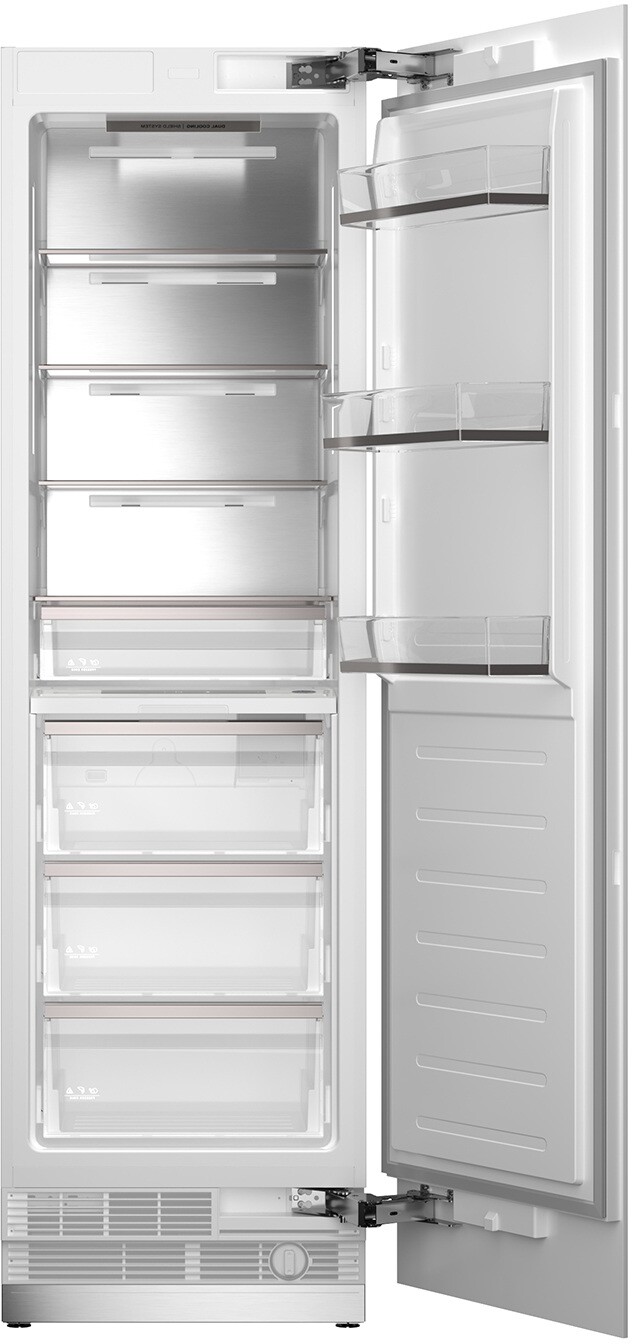
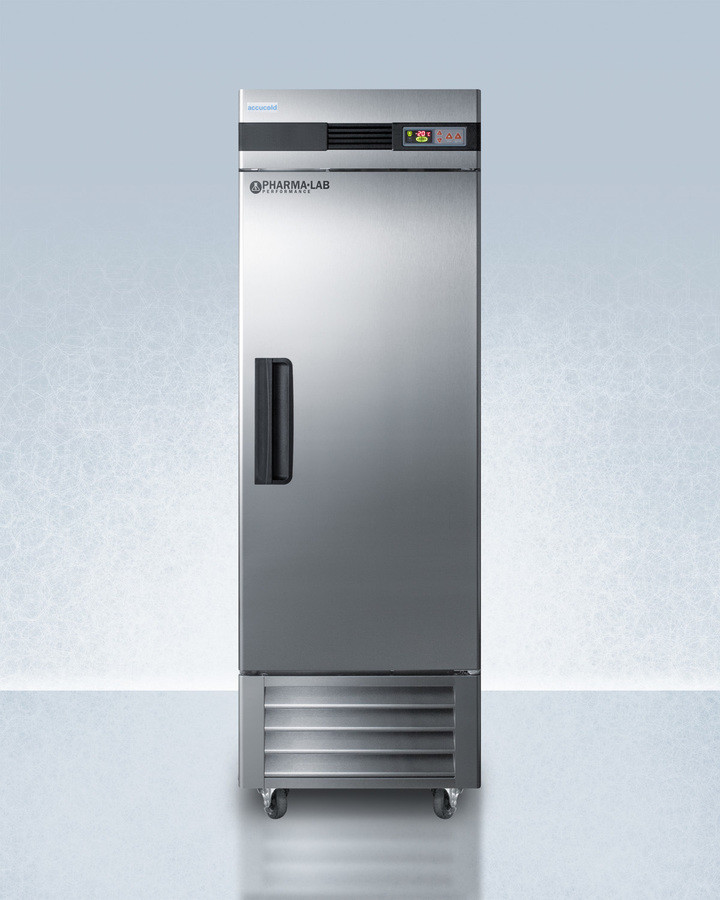
You love a whole foods plant based diet: fresh greens, hearty legumes, vibrant fruits. To keep all those batch-cooked beans, smoothie packs, roasted veggies and homemade nut butters at peak flavor and nutrition, you need reliable frozen storage. That’s why you’re here—looking for the best upright freezer for whole foods plant based diet. An upright freezer gives you easy access, clear organization, and enough volume to prep weeks of meals in one go.
In this guide you’ll learn how to assess your needs, evaluate must-have features, compare top models, and pick the freezer that fits your kitchen and lifestyle. Along the way you’ll find tips on organizing plant-based staples, preventing freezer burn, and keeping your unit running efficiently. Let’s dive in.
Assess your freezing needs
Before you browse models, get clear on how much freezer space you actually need and where it will go in your home.
Estimate your food volume
- Calculate weekly meal prep. If you batch-cook four dinners, portion each into 16-ounce single-serve containers, that’s about 4 cu ft per week.
- Account for bulk ingredients. Bags of frozen berries, blocks of tofu, and cooked grains add up fast—figure another 1–2 cu ft.
- Factor in special projects. Fermented tofu cubes, homemade veggie burgers, fruit leather—make room for one-off batches.
As a rule of thumb, every cubic foot of freezer space holds 25–35 lb of food. If you routinely drop 50 lb of produce and grains in your freezer each week, aim for at least 10 cu ft of capacity. Families or home chefs who prep for longer stretches should consider 15 cu ft and up.
Measure available space
- Width, depth, height. Measure doorways and hallways to ensure the unit can be delivered and set in place.
- Clearance requirements. Most upright freezers need 2–3 in behind for ventilation and 1 in on each side.
- Floor load capacity. Confirm your floor can handle 100–300 lb of freezer plus contents, especially in basements or garages.
If you’re tight on footprint or need a unit for a studio kitchen or dorm, consider a compact model—check out shop compact freezer for space-saving options that still pack a punch.
Evaluate key freezer features
Not all upright freezers are created equal. Here’s what to look for when you compare specs and feature lists.
Understand temperature control
- Manual dial vs digital thermostat. Digital controls hold temperature within a degree or two, ideal if you store delicate plant-based ice creams or nut milks.
- Temperature range. Aim for a unit that can reach at least -10 °F to keep fruits, veggies, and prepared meals fully frozen without ice crystals.
- Fast-freeze setting. A rapid-freeze mode locks in nutrients and texture when you load large batches of food at once.
Explore storage organization
- Adjustable shelves vs fixed racks. Removable glass or wire shelves let you customize height for casserole dishes, soup pots, or tall juice containers.
- Slide-out baskets. Baskets keep smaller items like spice cubes, prepped garlic, or smoothie packs within easy reach at the top.
- Door bins. Some upright freezers offer door bins, though they’re often best for lightweight items.
Pairing an upright freezer with a dedicated fridge is ideal—the two work as a team. If you need a secondary fridge for fresh produce or cheeses, see our guide to drawer refrigerators for models with crispers and easy-access drawers. And if you’re exploring other compact cooling solutions, our roundup of the best mini fridge for macrobiotic diet may spark ideas.
Check frost management
- Manual defrost. Simple design, fewer moving parts, and often better interior lighting. You’ll need to plan defrost cycles every 3–6 months depending on frost buildup.
- Frost-free (auto-defrost). A heater periodically melts interior frost, routing moisture out through a drain. You never defrost manually, but these units can run a bit warmer and use more energy.
For most plant-based preppers, frost-free models save time and hassle, but manual-defrost freezers often deliver slightly better temperature stability.
Review energy efficiency
- Energy Star rating. Look for freezers qualified by the EPA—these typically use 10–20% less energy than non-rated models.
- Annual energy use. Check the kWh/year figure; smaller freezers may draw 200–300 kWh, while large 17–cu ft units can approach 400–500 kWh.
- Insulation quality. Thick walls and quality gaskets keep cold in, cutting runtime and power bills.
Consider noise and upkeep
- Noise level. Upright freezers tend to run quieter than chest freezers, but check decibels if yours shares space with living areas.
- Maintenance access. Removable rear panels, slide-out baskets, and easy-reach drains make cleaning simple.
- Interior lighting. LED lights inside the freezer door or in the back corner help you spot ingredients quickly, cutting down on open-door time.
Compare top freezer models
Ready to see how popular upright freezers stack up? Here are four favorites across sizes and budgets.
| Model | Capacity | Defrost type | Energy Star | Price range |
|---|---|---|---|---|
| Frigidaire FFFU17F2VW | 17.5 cu ft | Manual | Yes | $$$ |
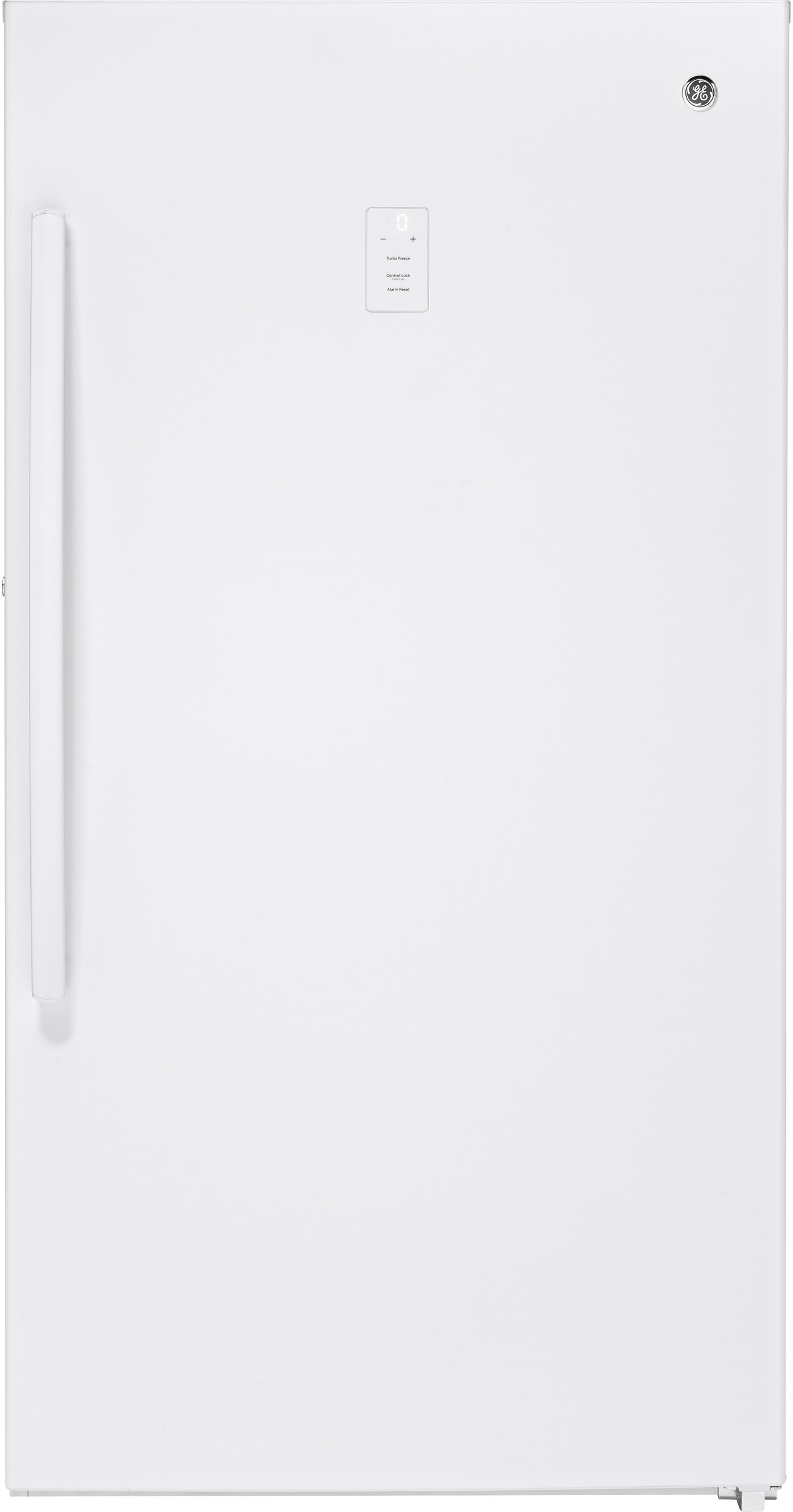
| GE FUF17SMRWW | 17 cu ft | Manual | Yes | $$ |
| Midea MFEF10M1WST | 10 cu ft | Frost free | Yes | $ |
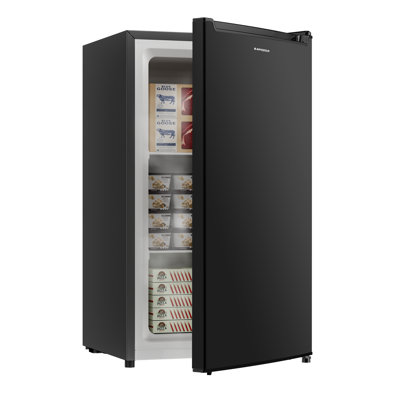
| Danby DUFM085A3WDB | 8 cu ft | Manual | No | $ |
Frigidaire FFFU17F2VW upright freezer
Key features
- 17.5 cu ft capacity with six adjustable glass shelves
- Manual-defrost design for optimal temperature stability
- User-friendly digital temperature control
- Interior LED lighting and reversible door hinge
Pros
- Plenty of space for large batch meal prep
- Precise digital control keeps plant protein and veggies at ideal freeze
- Bright lighting means less time hunting for bags of berries
Cons
- Manual defrost takes some planning
- Higher price point compared to similar capacity models
GE FUF17SMRWW upright freezer
Key features
- 17 cu ft capacity with four fixed and two sliding wire shelves
- Manual defrost; convenient defrost drain
- Temperature range down to -10 °F
- Reversible door and pocket handle design
Pros
- Mid-range price with solid capacity
- Simple interface and reliable cooling
- Easy to clean shelves and back wall
Cons
- Wire shelves can’t hold smaller containers without bins
- No interior light
Midea MFEF10M1WST upright freezer
Key features
- 10 cu ft capacity with frost-free operation
- Three slide-out baskets plus two fixed shelves
- Digital thermostat and temperature alarm system
- Front-mount defrost drain
Pros
- Auto-defrost saves you a chore
- Baskets keep smoothie packs and meal kits well organized
- Lower energy use for moderate volumes of food
Cons
- Limited overall capacity if you batch-prep heavy meals
- Door latch design takes getting used to
Danby DUFM085A3WDB upright freezer
Key features
- 8 cu ft capacity in a compact footprint
- Manual defrost with simple on/off thermostat dial
- Three wire shelves and adjustable feet
Pros
- Budget-friendly and easy to move
- Fits under counters or in tight corners
- Solid build quality for the price
Cons
- No Energy Star rating
- Limited storage for bulk-cooking fans
Organize for plant based diet
Once you’ve chosen a freezer, set it up for the way you cook and eat. Good organization equals less food waste and faster meal prep.
Portion in freezer-safe bags
- Freeze soups, sauces, and stews flat in quart-size freezer bags to stack neatly.
- For smoothie packs, use snack-size bags: measure fruits, greens, and add-ins so each bag is a single-serve.
- Remove excess air to reduce freezer burn and maintain flavor.
Label and date
- Write contents and date directly on bags or containers with a permanent marker.
- Group by use-by month in baskets or on shelves—rotating oldest packs to the front.
- Create a simple inventory sheet on the door so you know exactly what’s inside.
Use bins and baskets
- Clear plastic baskets help sort main dishes, vegetables, fruits, and snack items.
- Assign each basket a category and load it consistently: breakfast packs on top, soups in the middle, roasted veggies at the bottom.
- Slide-out wire baskets under shelves give quick access to smaller items.
Prevent freezer burn
Freezer burn dries out your plant based creations and robs them of taste. Here’s how to keep it at bay.
Choose proper packaging
- Vacuum seal when possible for leak-proof, air-tight storage.
- For bags, double-bag items and squeeze out as much air as you can.
- Use rigid plastic containers with snap-tight lids for liquids to avoid puncture from freezer baskets.
Maintain consistent temperature
- Don’t overload or underload. A full freezer holds cold better, but overcrowding restricts air circulation.

- Keep the dial set between -5 °F and -10 °F. Check with an appliance thermometer if your model lacks a digital readout.
- Minimize door openings—plan your routine so you can grab multiple items at once.
Keep your freezer efficient
A well-maintained freezer runs smoothly, saves energy, and lasts longer.
Clean condenser coils
- Every 6 months, unplug the freezer and vacuum or brush the rear coil area to remove dust and pet hair.
- Cleaner coils improve heat exchange, cutting compressor runtime.
Defrost when needed
- On manual-defrost models, ice thicker than 1/4 inches adds to energy use and reduces capacity.
- Plan your defrost around big meal prep days—empty contents into coolers or insulated bags.
- Follow manufacturer steps: unplug, let ice melt, wipe interior dry before switching back on.

Verify door seals
- Press a sheet of paper between a closed door seal; tug gently. If it slips out easily, the gasket may need cleaning or replacement.
- Clean seals with mild soap and water to remove debris that blocks full closure.
- A tight seal prevents frost, saves power, and keeps temperature even.

Integrate in your kitchen
Think beyond the freezer itself—positioning and power affect performance and convenience.

Position for ventilation
- Leave at least 2 in behind and 1 in on each side for air flow.
- Avoid direct sunlight or heat sources like ovens and dishwashers.
- In a garage, choose a spot protected from extreme cold or heat swings.
Arrange electrical supply
- Use a dedicated 120 V outlet without extension cords or power strips.
- Check circuit capacity—avoid sharing with high-draw appliances like microwaves.
- If your kitchen remodel includes a cold hot water dispenser, plan outlet placement and plumbing runs at the same time.
Finalize your freezer decision
Now that you’ve narrowed down capacity, features, and budget, trust your instincts. If you meal-prep in large batches and need long-term storage, the spacious Frigidaire FFFU17F2VW or GE FUF17SMRWW will hold everything from kale pesto to black bean burgers. For moderate use or smaller kitchens, the frost-free Midea MFEF10M1WST or space-saving Danby DUFM085A3WDB deliver solid performance without breaking the bank.
Remember to plan for organization, maintain temperature, and care for your unit so your plant based staples stay fresh, flavorful, and freezer-burn free. With the right upright freezer in place, you’ll streamline meal prep, cut down on waste, and keep your whole foods plant based lifestyle rolling smoothly all year long.