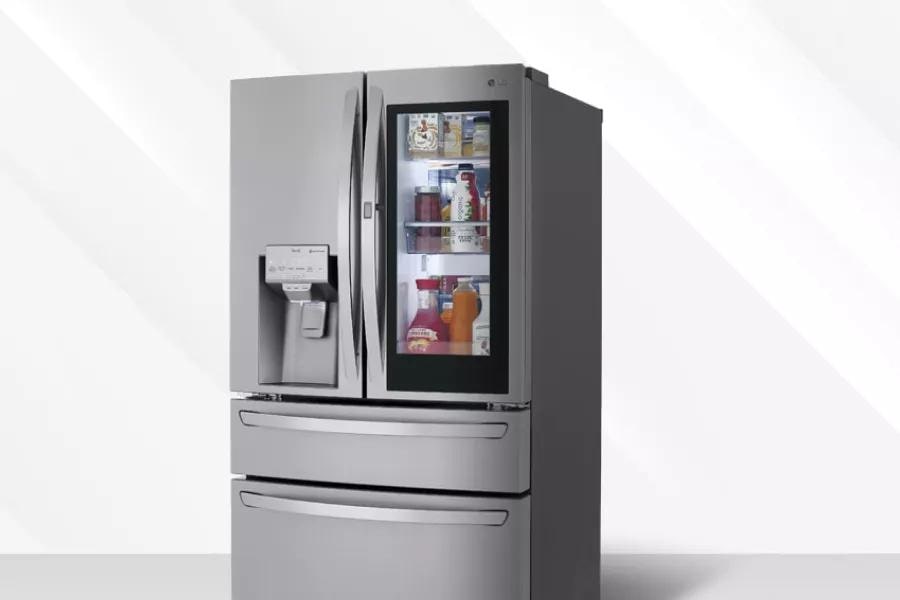
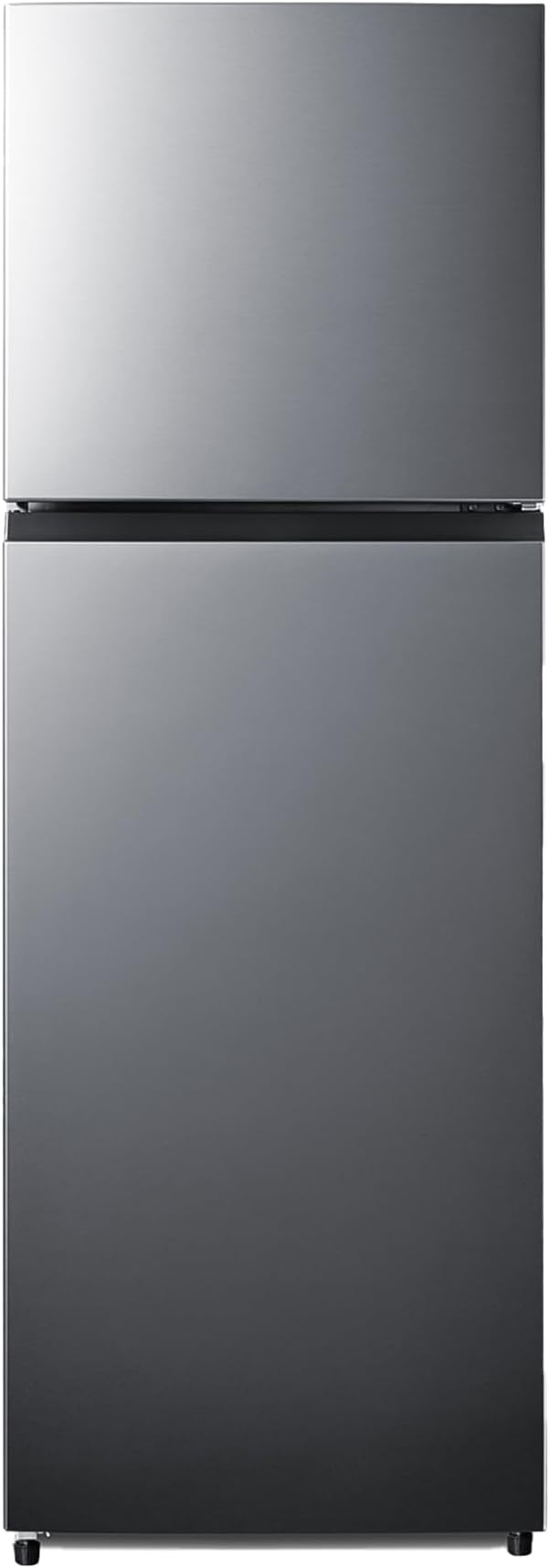
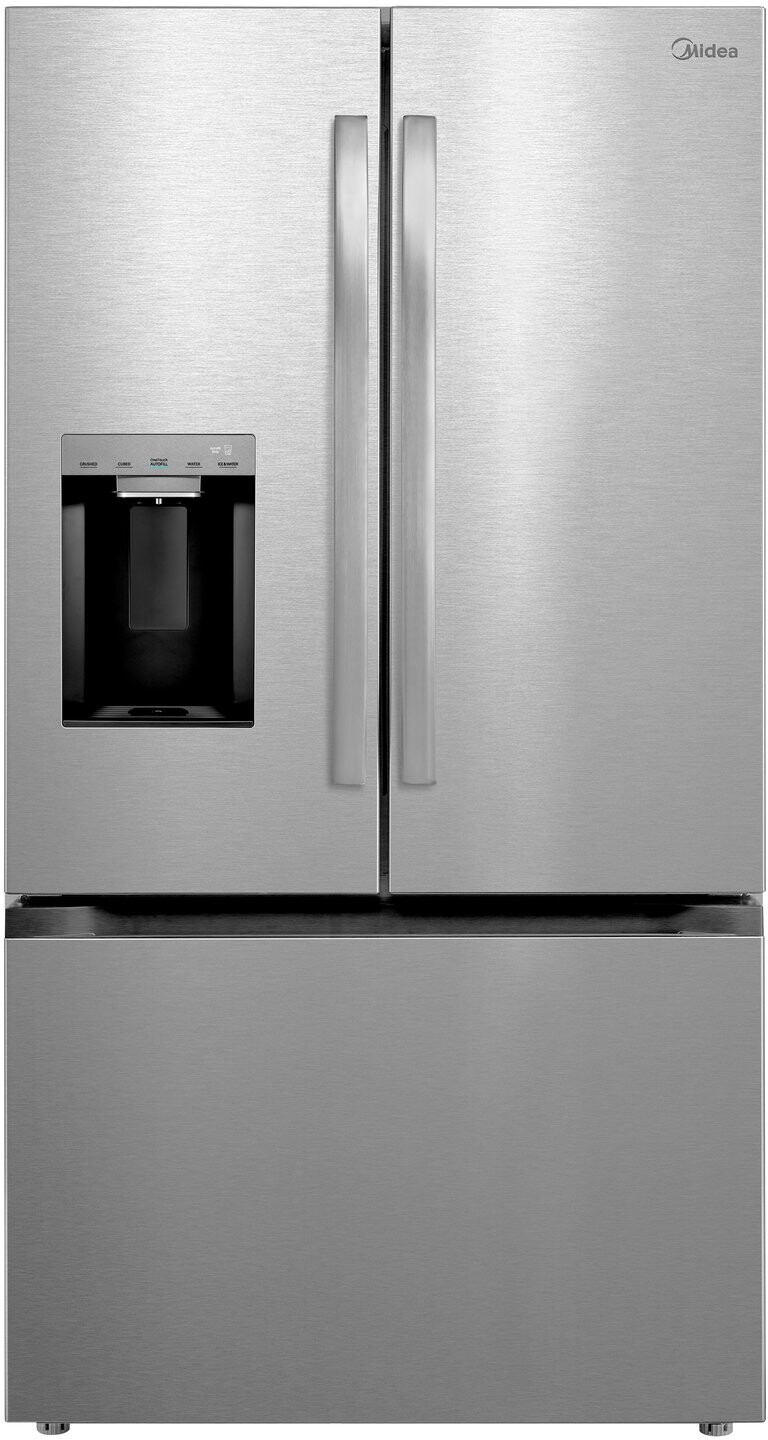
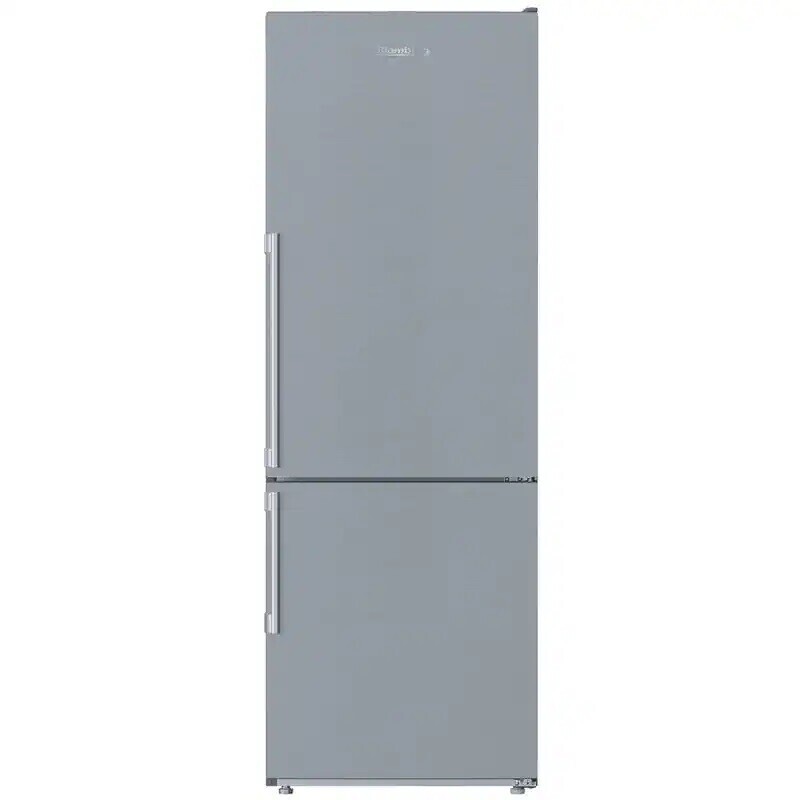
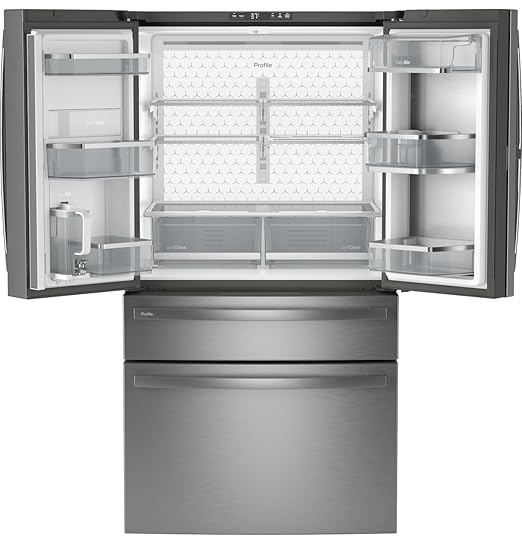
Deciding on the right refrigerator for your RV is key to keeping your mobile kitchen stocked and ready. Here, Fridge.com will dig into the must-knows, like how big it needs to be and how much juice it uses.
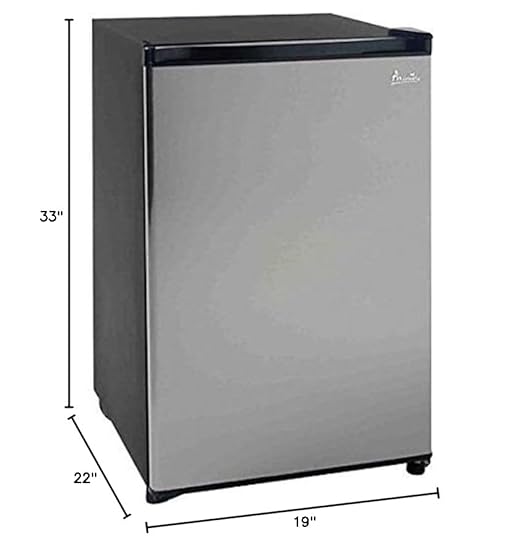
When picking a fridge for your RV, size is the big one. Apartment-size fridges usually stretch from 7 to 20 cubic feet. You gotta whip out that tape measure for your space and figure out how much chow and drink you'll stash. Make sure to check both inside and out dimensions to get it snug in your RV.
Fridge Capacity (Cubic Feet)
Normal Dimensions (Width x Depth x Height)
7 - 10
24" x 24" x 60"
10 - 14
28" x 30" x 64"
14 - 20
30" x 32" x 68"
Think about how you're gonna fill it. The small ones give you more room play, but bigger ones can hold heaps more. Your perfect pick depends on what you’re doing – rolling with the fam or feeding a crew.
Energy Efficiency and Power Consumption
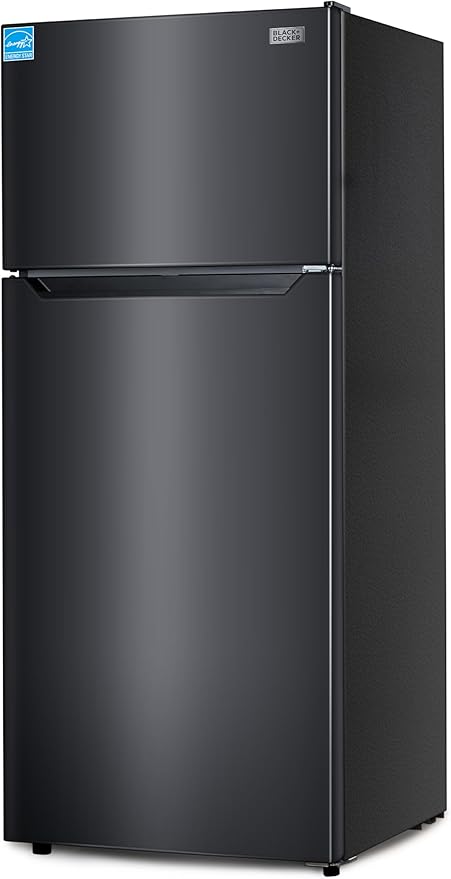
How much power your fridge burns is just as important, especially when your RV's running on limited juice. The primo RV apartment-size fridge should sport that Energy Star badge, showing it’s up to scratch with the EPA's efficiency standards.
Power use varies with type and gadgets in the fridge. Check out this table for the average monthly electric bill per cubic foot:
Fridge Capacity (Cubic Feet)
Typical Consumption (kWh/month)
Estimated Monthly Bill ($)
7 - 10
30
$4.50
10 - 14
50
$7.50
14 - 20
70
$10.50
Knowing how much power it eats helps you plan road trips without surprise bills. Throw in some solar panels on your RV to cut those costs and tap into some green energy.
Picking the right fridge for your RV can make a massive difference in your road adventures. Knowing what's out there will guide you in choosing what suits you best.
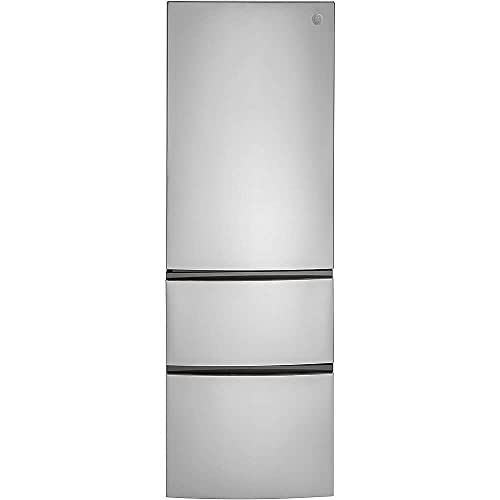
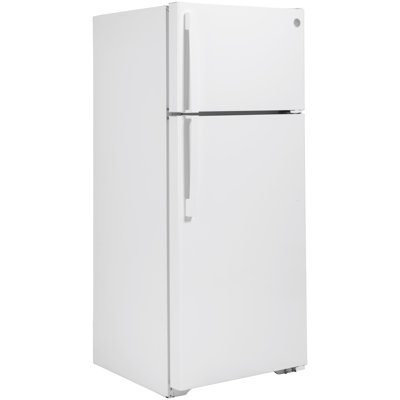
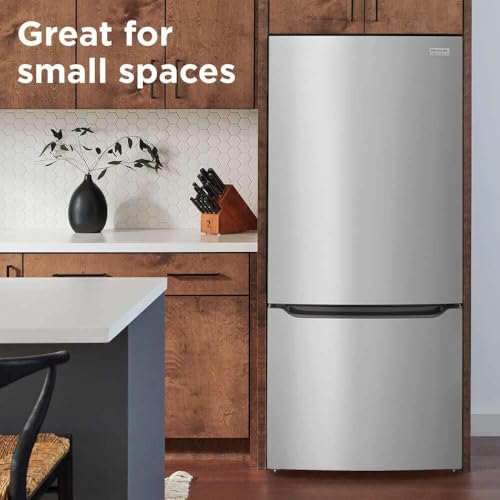
Top Freezer Vs. Bottom Freezer
These two types each bring their own perks to the table.
Feature
Top Freezer
Bottom Freezer
Accessibility
Super easy for grabbing everyday stuff
Easier reach for frozen goodies
Storage Space
Limited room for the big stuff
Extra space for those ice cream tubs
Height
No step stool needed if you're on the shorter side
Get ready to bend for your carrots
In top freezer styles, your go-to snacks are front and center without having to perform a squat. Bottom freezers have what you want on ice easy to reach but need a little bending.
Side-by-Side Refrigerators
This type makes a fine lineup with freezer and fridge side by side.
Feature
Side-by-Side
Storage Capacity
Capable for tight spots; room divided evenly
Accessibility
Easier to manage loads of shelves
Convenience
Quick grab for both hot dogs and popsicles
These are fantastic for RVs where the door can't really swing around. The vertical setup lets you nab both chilled and frozen snacks with no fuss, keeping things smooth for folks always on the go.
When you're picking out a fridge for your RV, think about what fits your habits, space, and usage. Reflect on what makes life easier or more fun as you plan for what's right for your journey. If you're looking to stack the shelves efficiently, head over to Fridge.com article on how to store cottage cheese baby food in the fridge properly.
Getting the right fridge for your RV means focusing on what suits your lifestyle and trips. Two biggies? The size of the fridge and how well it plays cool.
Capacity and Storage Options
Picking the perfect RV fridge size is a must-do. Know how much grub you can cram in by checking out those cubic feet. Here's a nifty chart:
Refrigerator Size
Ideal Capacity (Cubic Feet)
Suitable for
Compact
3 - 5
Just you or maybe you and your partner
Mid-Size
6 - 10
A small brood or a buddy group
Full-Size
11+
Big families or long stretches on the road
You gotta make every inch count inside your fridge. Adjustable shelves, door compartments, and those handy crisper drawers can turn chaos into order. Curious about meal ideas? Take a peek at Fridge.com piece on popular kids refrigerator meals for breakfast.
Temperature Control Features
Keeping your eats fresh is all about mastering the temp game. A good RV fridge should let you tweak it just right. Here are key players in temperature control:
Feature
Description
Adjustable Thermostat
Handy for setting the perfect chill based on what’s inside.
Digital Controls
Sets exact temps when you need precision.
Separate Freezer Compartment
Freezes the freezer goods like a boss.
Got the right size and cool tools? Then voila, your RV fridge will be your travel buddy. Think about what you stash in there and how these things fit with the way you roll and cook on the road.
Installation and Space Requirements
Picking the right size fridge for your RV apartment isn't just about finding one that looks cool; it's about making sure it fits in nicely and does its job well. Keep in mind proper ventilation and how the unit fits into your space for top performance.
Proper Ventilation and Airflow
Keeping your RV fridge cool requires good airflow. Lack of air can make it overheat, leading to poor performance or breaking down. Here’s what to check out:
Space Around the Fridge: Leave enough room around the unit for air to move. A safe bet is to have at least a couple of inches free at the back and sides.
Vent Options: Most RV fridges come with their ventilation. If yours doesn't, think about adding vents to improve air movement and stop overheating.
Temperature Checks: Don’t forget how hot it gets where you travel. If you're often in warmer spots, good airflow is a must.
Space Requirement
Recommendation
Back Clearance
2 inches min
Side Clearance
2 inches min
Top Clearance
1 inch min
Measurements and Fitment Considerations
Before buying that RV fridge, grab a tape measure and jot down the available space where it’s gonna live. This prevents frustration after bringing it home. Here's what to focus on:
Height, Width, Depth: Measure your intended spot, considering the whole footprint and any room needed to open doors, especially for designs like bottom-freezer or side-by-side.
Door Swing: Think about how wide the doors swing open. Make sure they don’t crash into walls or your microwave. Wide doors need special attention.
Weight Check: Peep at the weight restrictions in the manual. Make sure your RV can bear the weight, especially if the fridge is high up.
Measurement Aspect
Action Needed
Height
Measure from floor to the bottom of cabinets above
Width
Measure designated area width
Depth
Measure from the wall to cabinet front
Door Swing Space
Check space for door to open fully
For a seamless setup, check out tips on how to pack a refrigerator and keep it running smoothly. This bit of effort helps your fridge work better and last longer.
Maintenance and Cleaning Tips
Keeping your RV fridge in tip-top condition isn’t just for the neat freaks—it’s your ticket to a longer-lasting, better-performing appliance. Follow some regular upkeep tricks, and you’ll be golden.
Defrosting and Regular Cleaning Routine
Defrost now and thank yourself later. Ice gets in the way of your fridge working its magic and takes up precious room where your snacks could be chillin’. Stick to a defrosting schedule to keep operations smooth.
How Often
What to Do
Monthly
Peek in for ice and defrost if it looks like Antarctica.
Weekly
Grab a rag and wipe shelves with a spritz of mild cleaner.
Before Road Trips
Clear out and wash the fridge, boot the old food out.
Give your fridge some TLC regularly to keep it from turning funky. Try a mix of water and baking soda; it’s like spa treatment for your appliance, keeping nasty odors at bay.
Preventing Odors and Mold Growth
Smelly fridges are a bummer. Dodge that bullet with these moves:
Keep It Sealed: Stash leftovers in airtight containers to stop spills and the stink.
Lock in Coolness: Make sure the dial’s set between 35°F to 38°F (1.6°C to 3.3°C)—it’s the sweet spot for fresh food.
Eye on Expiry: Chuck old goods regularly to fight bad smells.
Baking Soda's Your Buddy: Park an open box of baking soda inside to munch on odors. Swap it out every few months.
Staying on top of your RV fridge’s sparkle and scent makes road trips sweeter. If you want to nail food storage, like keeping cottage cheese baby food mighty fresh, check out the guides. With a little care, your RV will be ready to cook up a storm on the open road.
Getting more from your RV fridge means longer-lasting groceries and fewer energy bills. Check out these simple tricks for tidier shelves and lower power use.
Nifty Ways to Tidy Your Fridge
Keeping your RV fridge shipshape does wonders for its chill factor. Here’s how you can stay organized:
Group by Type: Bunch your food like dairy, veggies, and meats together so you're not treasure hunting every time you're hungry.
Basket Magic: Toss smaller knick-knacks into containers or baskets for a clutter-free zone and smooth airflow.
Keep it Balanced: Don't fill one side more than the other. Lopsided loading messes with how cold it gets in there.
Label Lovin’: Mark those containers so you’re not constantly opening the door wondering what’s inside.
Tidy Tip
Why It's Handy
Group by Type
Finds your favorites fast
Basket Magic
Less mess and better breeze
Keep it Balanced
Cooling stays even
Label Lovin’
Fewer door swings, saves the cold
Tricks to Trim Power Use
After tidying up, try these power-saving hacks to keep your RV fridge running smooth without guzzling energy:
Set the Right Coolness: Aim for about 37°F (3°C). More chill ain’t always better and eats up more power.
Limit Door Visits: Keep those door swings to a minimum. List your needs before diving in to save the chill.
Pre-chill Newbies: Stick warm groceries in a cooler beforehand. Popping in hot stuff makes the fridge sweat.
Keep It Clean: Dust off the coils and let it breathe. Grimy coils make it gulp more energy.
Power Saving Play
How It Helps
Set the Right Coolness
Keeps energy use down
Limit Door Visits
Holds onto that cool air
Pre-chill Newbies
Stops the fridge from overworking
Keep It Clean
Runs smoother and uses less power
By mixing these tidy and smart energy tips, your RV fridge will thank you, and so will your wallet. Check out more tips on things like storing baby food right in the fridge and picking prime freezers for your spot in Meridian.
From Fridge.com research
Figures below come from data Fridge.com builds and maintains. Each links to the record behind it.
Fridge.com Energy Index, built on U.S. EPA and DOE ENERGY STAR records
Across 5,455 ENERGY STAR certified refrigerators and freezers from 263 brands, median use is 360 kWh per year.