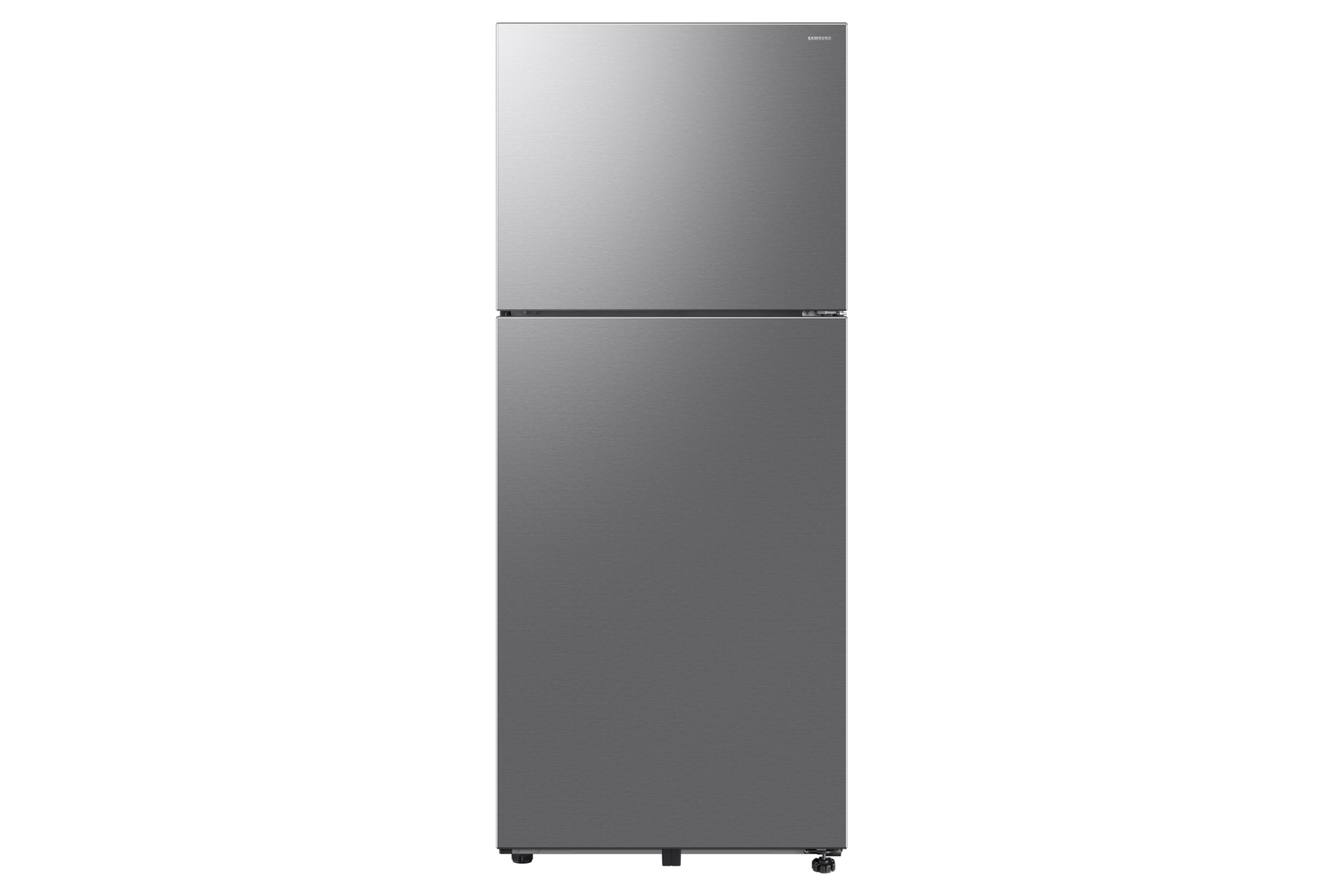
Deciding to make my home more eco-friendly sprouted from my growing itch to leave a positive mark on our planet. I began to see how small tweaks in everyday activities could pack a punch in reducing our environmental impact. The mission led me down the rabbit hole of sustainable habits, and it became clear that energy efficiency and cutting down waste were my new best friends. One day while brewing my morning coffee, I realized my kitchen, and specifically my fridge, was gobbling up more energy than I'd thought, which wasn't sitting right with my new eco-friendly mindset.
With each new nugget of information, my passion for a greener lifestyle intensified. My endgame? Craft a living space that serves my family and planet Earth beautifully. I set my sights on finding a fridge that could keep our groceries fresh without zapping too much juice.
The Role of Refrigerators in a Green Home
Let's face it, the fridge is the kitchen's MVP. It keeps our goodies fresh and edible, but boy, does it love to hog energy. Picking an energy-efficient fridge climbed to the top of my to-do list. I stumbled upon the fact that today's fridges come with snazzy tech that slashes energy usage, making them a perfect match for a green household.
To untangle the energy numbers, I put together a straightforward table comparing how much juice different fridge types use on average. Check it out:
Fridge Type
Average Energy Wiggle (kWh/year)
Top-Freezer
400 - 600
Bottom-Freezer
450 - 700
Side-by-Side
500 - 800
French Door
600 - 900
Peeking at these numbers opened my eyes to how I could trim down costs and environmental baggage simply by picking the right fridge. And it didn’t stop there—new gadgets come loaded with eco-smarts like LED lighting and modes that save on energy.
Embracing these changes, I'm fashioning a home that mirrors my commitment to Mother Earth, sprinkling care for the environment into every nook and cranny.
When I decided to give my home an eco-makeover, finding the right fridge was a big part of the process. This section is all about what makes a fridge green and why those energy efficiency ratings are worth paying attention to.
What Makes a Fridge Eco-Friendly
A green fridge is like a secret superhero in your kitchen, doing its bit for the planet while keeping your food fresh. Here's what makes it so special:
Environmentally Beneficial Feature
Description
Sustainable Materials
Built with stuff that's kind to Mother Nature and can be recycled or will break down naturally.
Eco-Friendly Refrigerants
Runs on coolants that don't heat up the atmosphere as much—pretty slick, huh?
Smart Technology
Packed with clever gadgets that adjust energy use to save those precious watts.
With these features, making your kitchen a greener place is a breeze, and you'll notice the difference in your power use too.
Energy Efficiency Ratings
Picking a fridge that fits your eco-friendly lifestyle is easier when you get the hang of energy efficiency ratings. You'll often spot an energy guide label showing how much juice it uses. This helps in picking a model that won't break the bank over time.
Different organizations slap energy ratings on fridges, usually using stars. More stars mean a cooler, thriftier fridge. Like, a four-star fridge can shave off a nice chunk of change from energy bills compared to a one-star wonder.
Efficiency Rating
Energy Use (kWh/year)
Estimated Savings Over 10 Years
1 Star
600
$0
2 Stars
450
$150
3 Stars
300
$300
4 Stars
200
$600
Going for a high-star fridge not only clipped my carbon footprint but also kept my power bills friendly. Consider what's out there—every little choice counts towards a greener pad. For more tips on keeping it eco-friendly, check out sustainable use of your chest freezer or figure out how much freezer space for half a cow?.
Types of Green Fridges
When I was fridge-hunting for my eco-friendly pad, I discovered a smorgasbord of energy-saving, planet-loving options out there. If you're on a similar mission, let me share the scoop on what I found about green fridges.
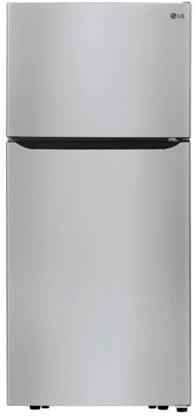
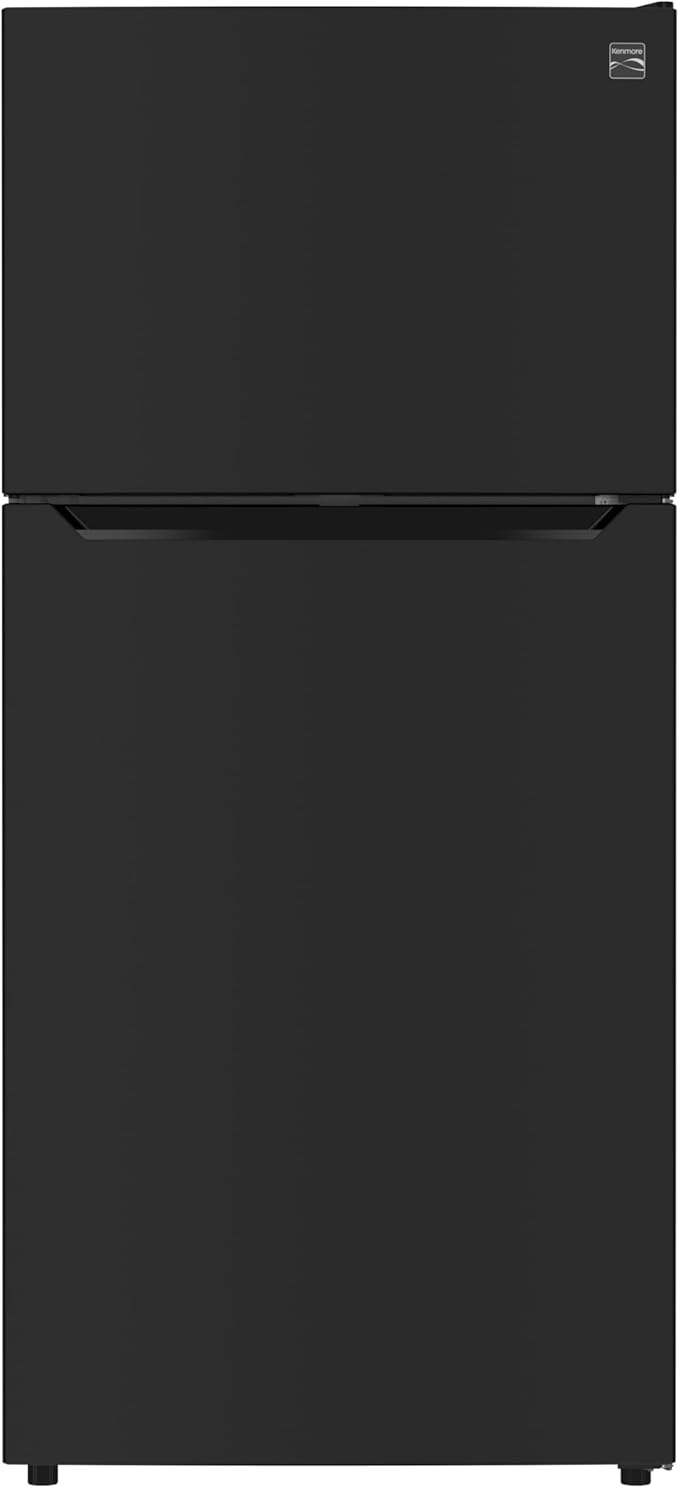
Top-Freezer Fridges
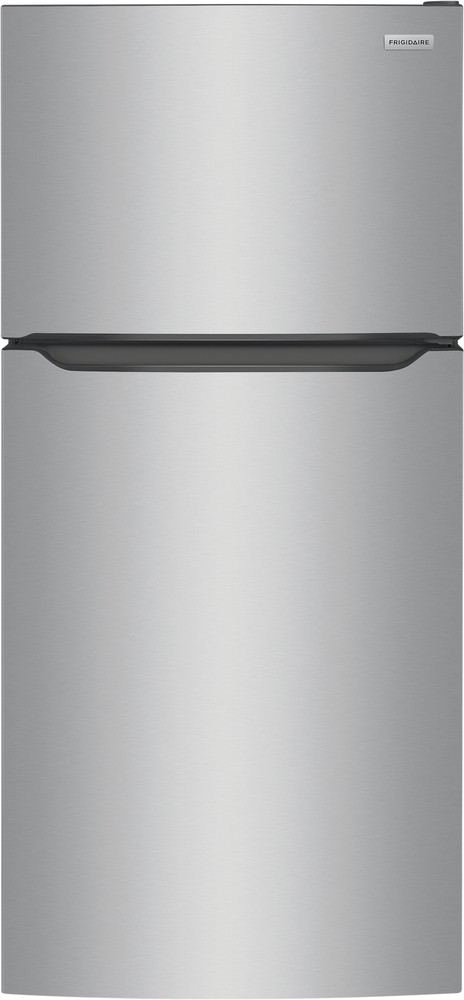
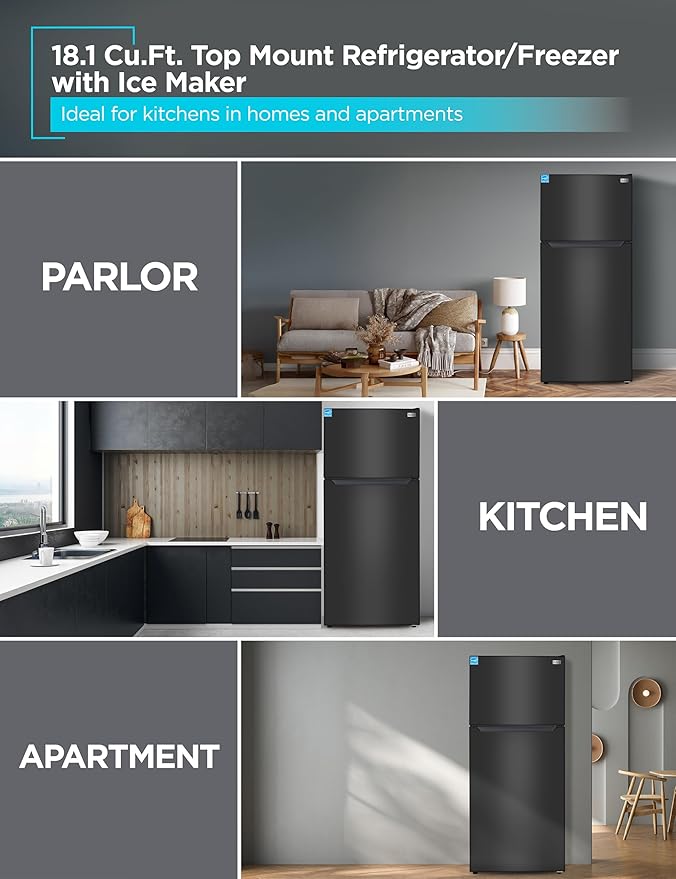
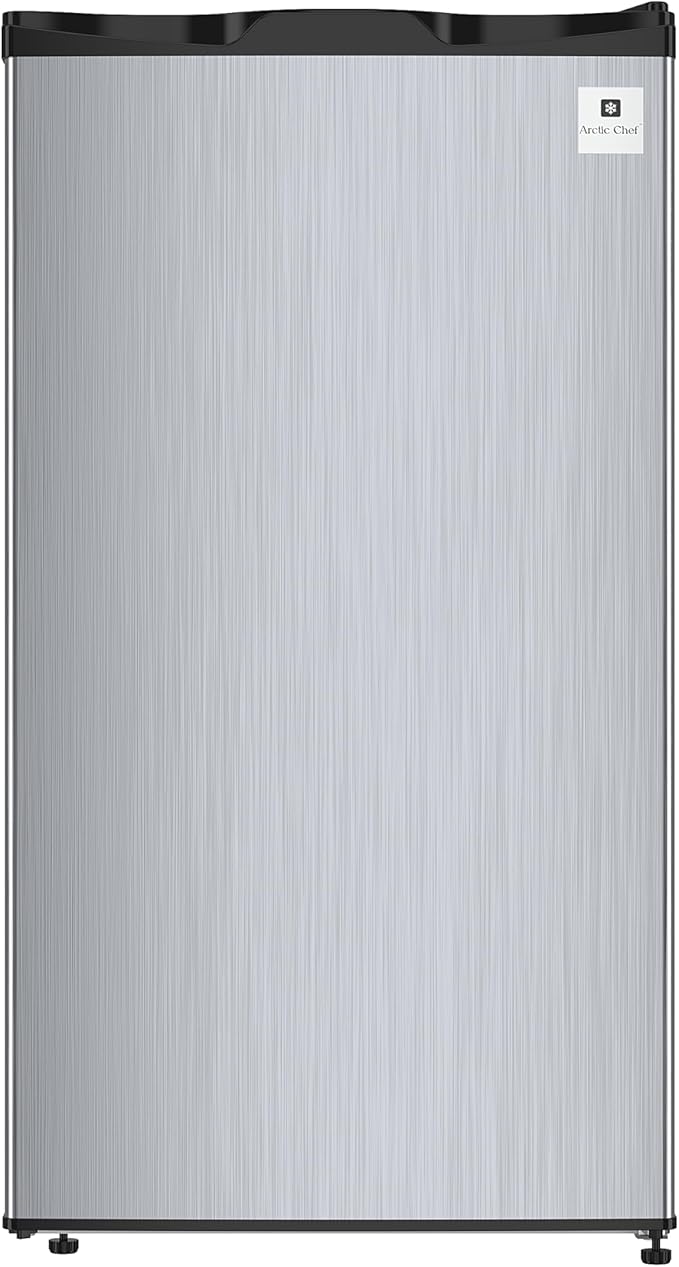
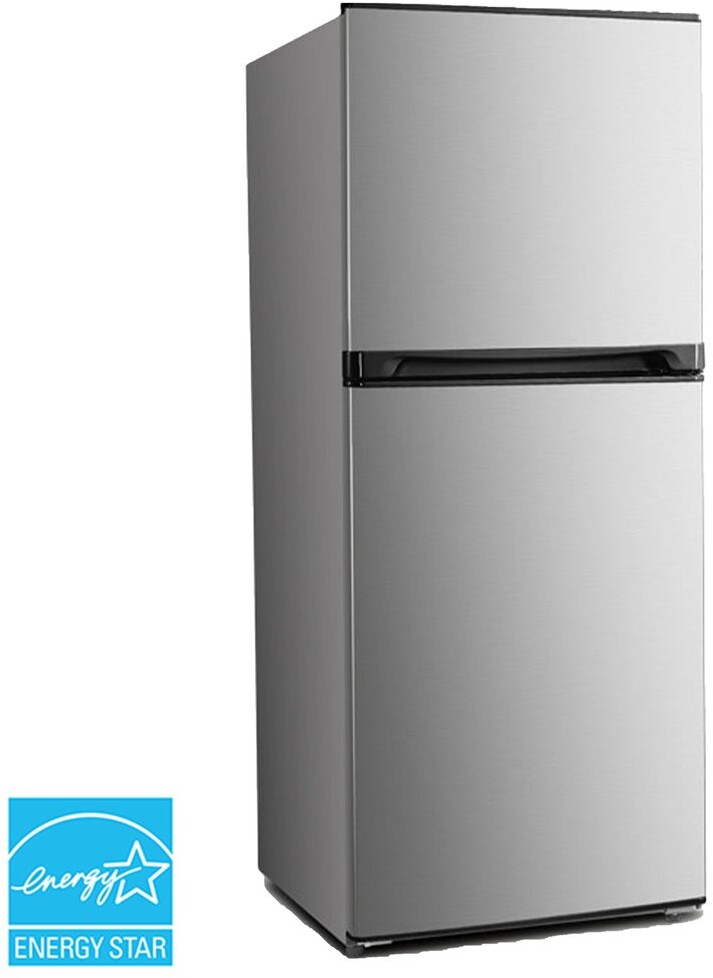
Kicking it old-school, top-freezer fridges are classics. They’ve got the freezer chilling up high, with the fridge just below, making it super easy to grab your go-tos. Energy-wise, they're winners and tend to sip power compared to other types.
Feature
Benefit
Space Efficiency
Perfect for smaller kitchens
Easy Accessibility
Handy access to your fresh eats
Bottom-Freezer Fridges
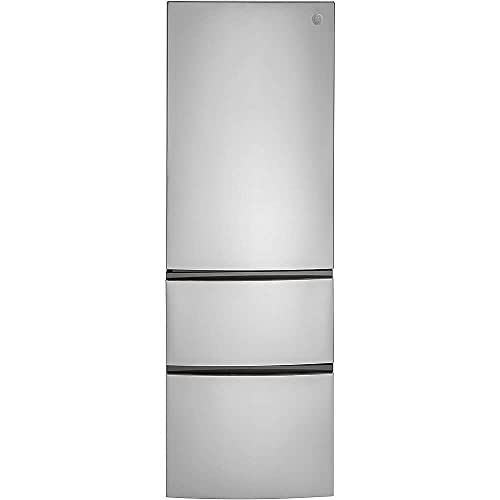
On the flip side, bottom-freezer fridges have the chill zone down low. This means your fresh goodies are right at eye level. Plus, they might be a bit more energy-savvy since gravity helps with cooling.
Feature
Benefit
Ergonomics
At your fingertips for daily needs
Storage
Usually packs a bigger freezer punch
Side-by-Side Fridges
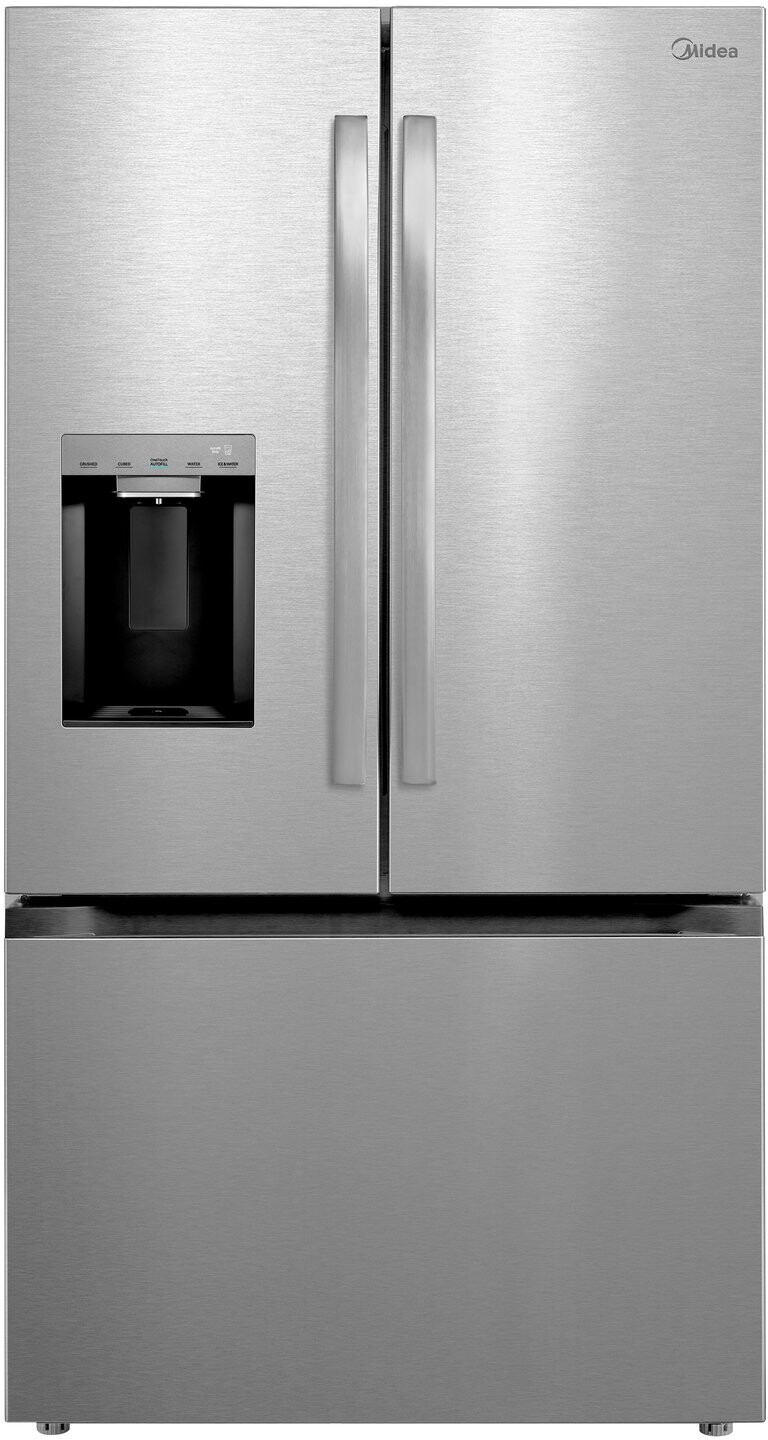
Side-by-sides have fridge and freezer hanging out next to each other. It’s great if you like having everything within arm's reach or if your kitchen's a bit tight on swinging room. These also tend to come with nifty storage tricks and they don't guzzle energy.
Feature
Benefit
Accessibility
Easy grabs from both sections
Storage Options
Shelves and drawers for days
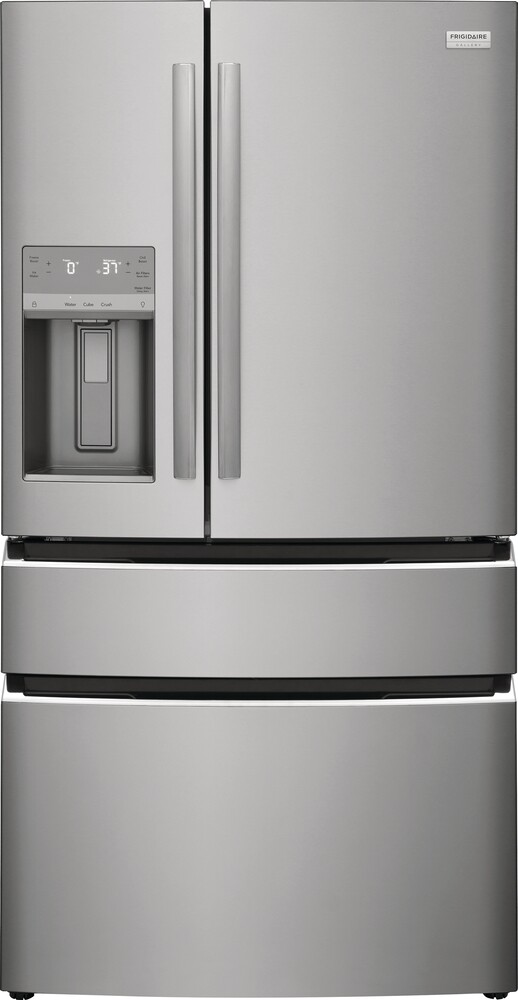
French Door Fridges
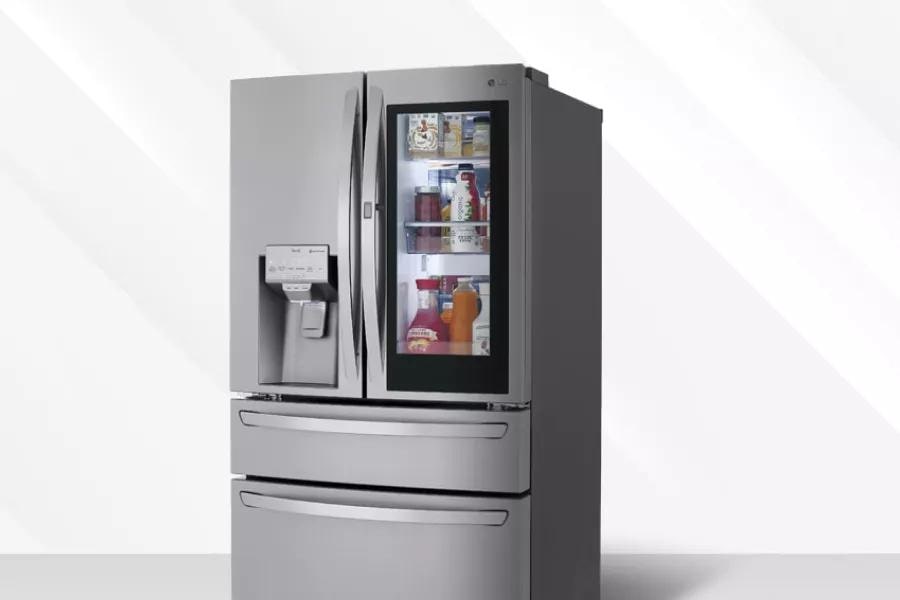
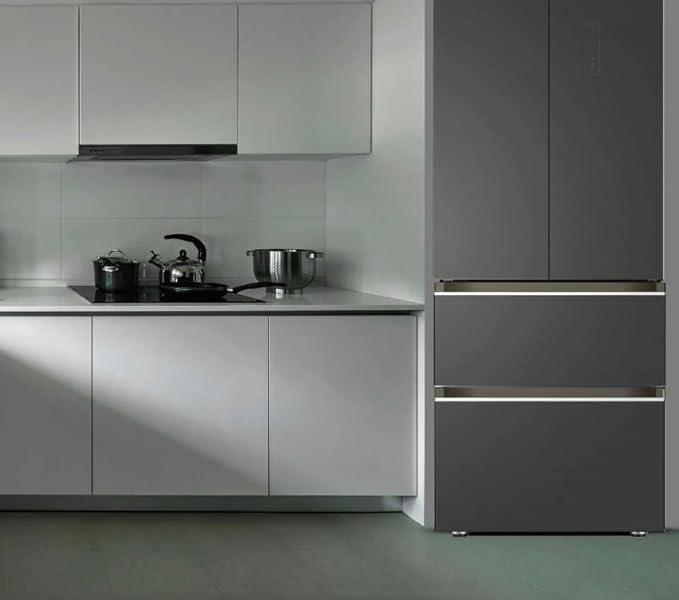
Think of French door fridges as the suave cousin—two fridge doors on top and a slide-out freezer at the bottom. They’re all about maximizing space and style while keeping that energy use in check.
Feature
Benefit
Stylish Design
Slick fit for modern kitchens
Spacious
Generous access with twin doors
Efficient Use
Organization aids in cutting energy use
Picking the right fridge was a key part of my green living venture. With each style bringing its own flair, knowing the differences was super helpful. If you’re keen on squeezing even more energy efficiency, check out features like energy-saving modes and eco-friendly refrigerants that come with today's models.
When I was on the hunt for the perfect fridge to suit my eco-friendly lifestyle, I dived into all the features that scream "green". Here’s a breakdown of must-have perks for an energy-efficient chill box.
LED Lighting
Picture this—your fridge beaming like a well-lit stage, but on an energy diet. LED lights are the rock stars here. Unlike those old-school filament bulbs, LEDs sip power like it’s fine wine and don’t retire early.
Feature
Benefits
Lifespan
Goes the distance with over 25,000 hours of glow
Heat
Puts out less heat, keeping the fridge's cool vibes intact
Energy-Saving Modes
These settings are the fridge’s way of whispering, “I got this,” when you’re not around or it's the dead of night. They throttle down the energy use when you'd least expect it.
Mode
What's it Do?
Sleep Mode
Chills out during down times
Vacation Mode
Keeps it chill for ages without groceries
Eco-Friendly Refrigerants
The juice in your fridge matters. Turn down the volume on your carbon footprint with coolants that play nice with the planet.
Refrigerant
Climate Impact (GWP)
HFCs
High—a heavyweight at about 1,000
HCFCs
Moderate—it’s sitting somewhere between 100 and 1,000
Natural (like R-600a)
Low—rolls in under 10
Temperature Control Options
Master the art of chill with precise temperature settings that make your food’s downtime more luxurious. Whether it’s the perfect crisp for your greens or setting zones for goodies, a well-tuned fridge fights waste like a champ.
Feature
What’s Good About It
Dual Temperature Zones
Personalized spot for every food diva
Smart Temperature Control
Keeps things steady without lifting a finger
Picking a fridge with these capabilities means I’m doing my bit for Mother Earth. If you’re eager to dive deeper into energy smarts, check out how many watts does a refrigerator use? and get the low-down on what your fridge’s energy bill really looks like.
Keeping my fridge in top shape doesn't just help me save energy—it's a win for planet Earth too. A little TLC now and then keeps everything running like a champ and saves me from unexpected repair hassles.
Cleaning and Defrosting Tips
Regular scrubbing keeps weird smells and harmful germs at bay. Here's my simple routine to keep things fresh:
Empty the Fridge: First, I take out all the grub. Perfect moment to spot the science experiments in the back and toss anything past its prime. Like, ever wondered how long can mushrooms last in the fridge?? It’s the kind of info you need!
Clean Surfaces: I mix up a handy potion of warm water and vinegar to wipe down surfaces. It's like magic: goodbye odors, hello eco-friendliness.
Defrost Regularly: If frost is taking over my freezer, it's defrosting time. Unplug, let the ice turn to water, and mob up with towels. Easy-peasy.
Check the Drain Pan: I give the drip pan a look-see to avoid any gross mold surprises from damp buildup.
Temperature Management
For the fridge to give its best, it's gotta stay chill—literally. I aim for the sweet spot between 35°F and 38°F. Here's how I manage it:
Fridge Component
Ideal Temperature
Refrigerator
35°F - 38°F
Freezer
0°F (-18°C)
Keeping these temps locks in food freshness without cranking up the power bill. I make a point to tweak the thermostat once in a while, double-checking with the fridge freezer temps guide for backup.
Extending the Lifespan of Your Fridge
I learned over time that a little care means a lot fewer headaches. Here's my trusty step-by-step:
Regular Maintenance: Those door seals don’t inspect themselves. I keep an eye on ’em—no gaps, no energy waste.
Avoid Overloading: A cramped fridge isn’t a happy one. Space lets cold air do its thing, especially crucial when holiday chaos hits and it’s stuffed to the gills.
Limit Opening the Door: Every open door signals an energy sprint as cold air escapes, so I try not to test my fridge's marathon skills.
Keep It Clean: Dust bunnies on the coils? No thanks! Every few months, I bust out the vacuum and clear things up from behind or underneath.
These habits keep my fridge chugging along efficiently while being kind to the environment. As a bonus, I make smart use of stackable fridge storage to maximize every inch, transforming chaos into calm order.
Compare prices on Fridge.com
Compare current prices and specifications on Fridge.com, then buy from the retailer you choose; delivery, installation and warranty terms are the retailer’s.
It also has tons of awesome articles about kitchen stuff and home news. Enhance your home, garage, backyard, patio, and office with the coolest essentials. With every necessary type of residential refrigerator or freezer in the collection, you're covered.
Free tool
Refrigerator Carbon Footprint Calculator
Free interactive tool from Fridge.com — get a quick answer while you read.