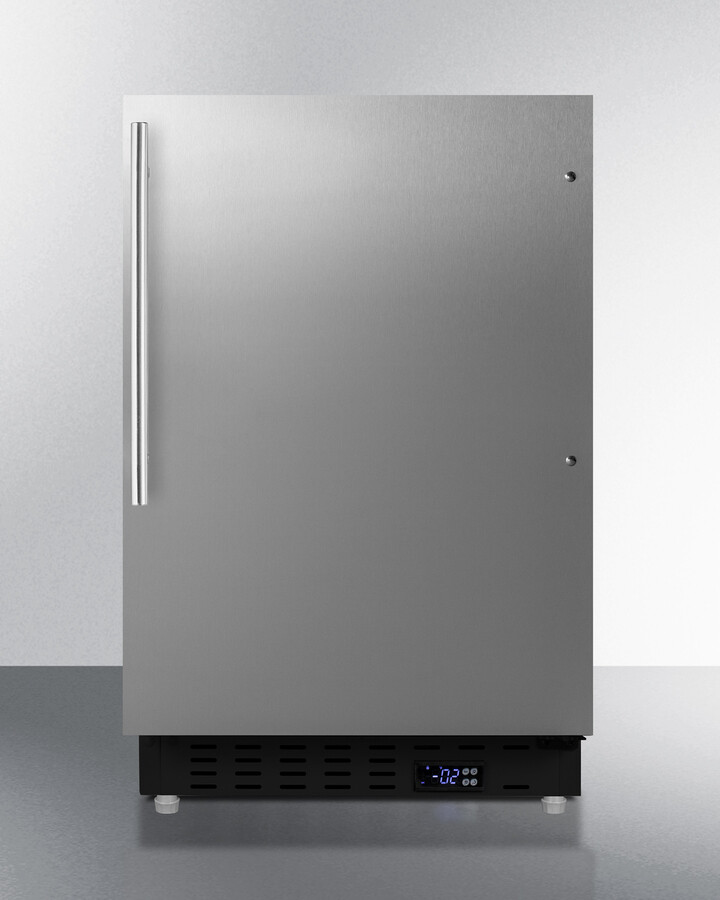
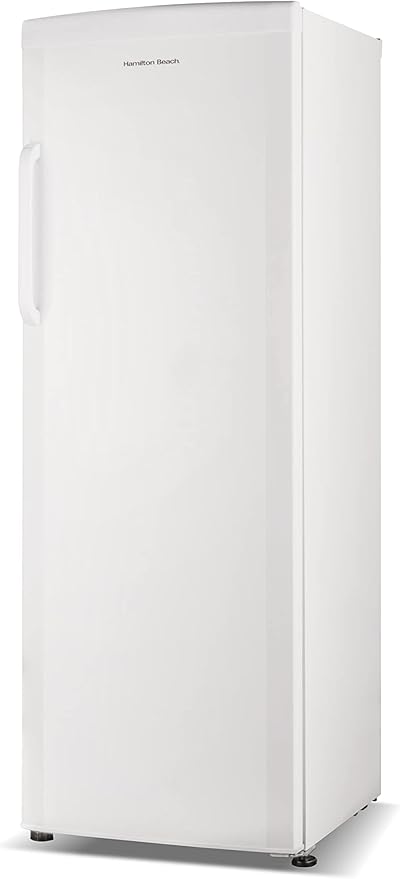
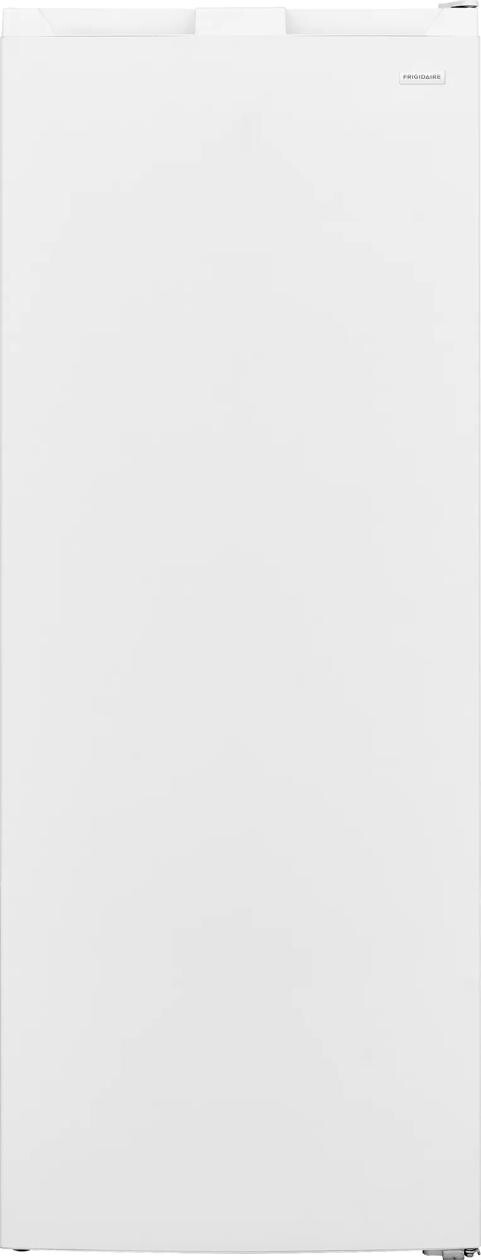
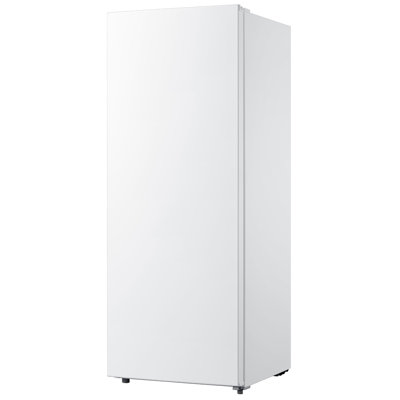
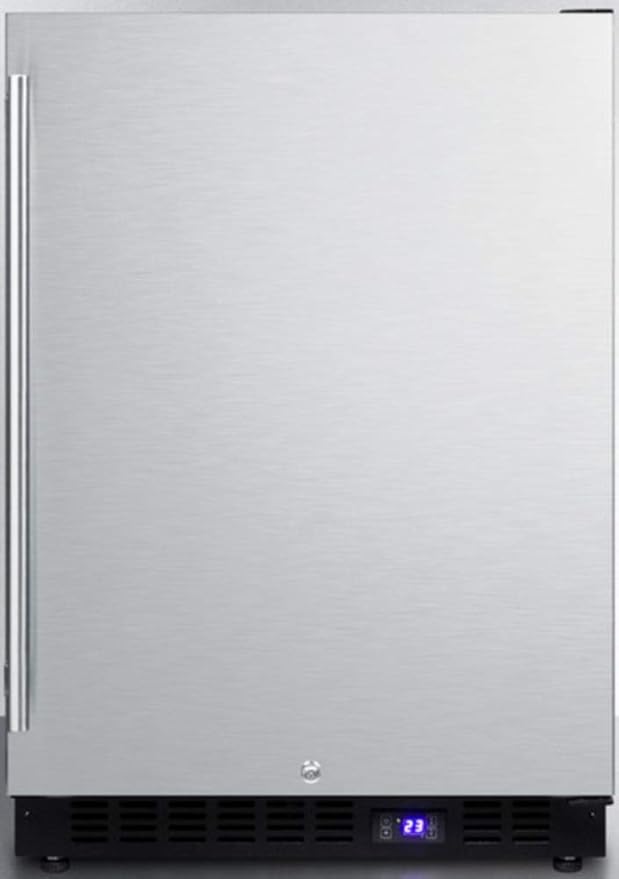
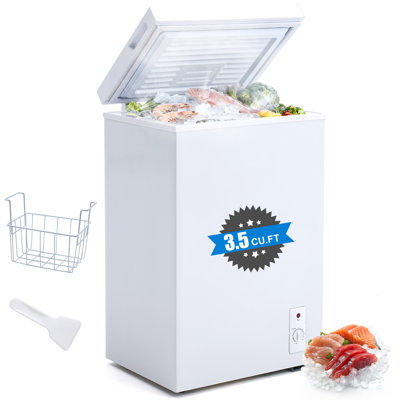
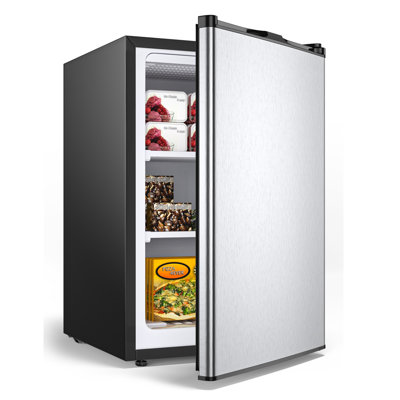
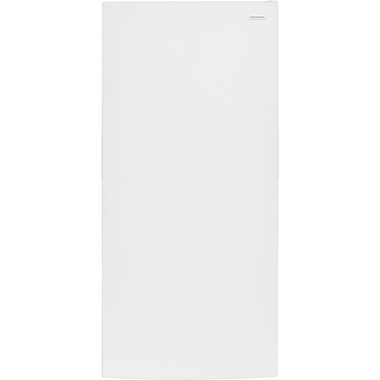
Starting an elimination diet often means stocking up on allergen-free meals, prepping in bulk, and freezing portions for easy access. Choosing the best deep freezer for elimination diet needs can feel overwhelming—you want consistent temperatures, plenty of organization, and a design that prevents cross-contamination among your allergy-safe foods. In this guide you’ll find everything you need to pick the perfect freezer for your kitchen, garage, or small apartment, plus tips to keep your elimination diet running smoothly.
Assess your needs
Consider capacity
When you’re running an elimination diet you’ll likely cook large batches of safe meals—think soups, stews, and single-ingredient fruits or veggies—to avoid accidental exposure. Aim for at least 7–10 cubic feet if you’re meal-prepping for one or two people, and 15+ cubic feet for a family of four or more. If you need freezer space for both drinks and prepped meals, factor in extra room.
H4 Portioning for allergy-free meals
Use shallow containers or slim meal prep trays to maximize shelf space
Reserve a dedicated basket for high-risk items like nut-free cookies or dairy-free ice pops
Think about available space
Your freezer choice should fit comfortably in its intended spot, whether that’s a garage corner or undercounter in a kitchenette. Measure height, width, and depth carefully. Don’t forget to leave at least 2 inches of clearance on all sides for proper ventilation.
H4 Fit considerations
Garage freezers often tolerate wider temperature swings—great if you need extra storage space garage freezer deals
Budget considerations
Deep freezers range from budget-friendly chest styles under \$200 to premium frost-free uprights above \$800. Consider how often you’ll need to defrost (manual models are cheaper but require more upkeep) and whether you want extras like digital controls or alarms.
Compare freezer types
Chest freezers
Pros:
Lower energy use thanks to top-opening design
Stock up large quantities for fewer door openings
Ideal for long-term storage of bulk-prepped meals
Cons:
Requires bending to access bottom layers
Organization can be trickier without dividers
Upright freezers
Pros:
Shelves and door bins for easy organization
Smaller footprint, fits in tighter spaces
More convenient access to frequently used items
Cons:
Slightly higher energy consumption
Freezers with frost-free systems can warm during defrost cycles
Table: chest vs upright freezers
Feature
Chest freezer
Upright freezer
Organization
Baskets, bins
Adjustable shelves, door pockets
Footprint
Wider, lower height
Taller, narrower
Defrost options
Manual
Manual or frost free
Consider temperature control
Adjustable thermostat
Precise temperature settings (ideally between 0°F and –10°F) let you keep allergen-free meals at peak freshness. Digital controls can be easier to fine-tune than manual dials.
Temperature stability
Look for models with built-in alarms or temperature displays so you can spot power outages or fluctuations before food safety is compromised. Consistent freezing prevents ice crystals from forming and altering the texture of your meals.
H4 Rapid freezing features
Some models include a “fast freeze” function that quickly locks in nutrients and flavor, which is helpful when you’re adding a new batch of meals after a big meal-prep session.
Maximize organization features
Removable baskets
Chest freezers that include removable baskets help you keep allergen-safe foods separated from other items. Use color-coded bins or labels to avoid mix-ups.
Divider systems
Upright models with adjustable dividers let you carve out zones for fruits, proteins, or prepared meals. This reduces the risk of accidental cross-contact in an elimination diet.
H4 Labeling tools
Waterproof freezer tape and markers for clear batch labeling
Pre-printed labels that list ingredients and date of freezing
Evaluate energy efficiency
Energy Star certification
Certified models use at least 10% less energy than standard freezers, saving on your monthly utility bill while lowering your environmental impact.
Estimated running costs
Most Energy Star freezers cost around \$30–\$50 per year to operate, depending on your local electricity rates. Compare the estimated annual energy use on the spec sheet before buying.
H4 Smart features
Some premium freezers can integrate with home energy monitoring systems, sending usage alerts to your smartphone.
Check maintenance and durability
Manual vs frost-free
Manual defrost models generally last longer and consume less power, but require you to defrost every few months. Frost-free units handle ice buildup automatically but can briefly warm food during defrost cycles.
Interior finish
Smooth, washable interiors (often plastic or epoxy) make cleaning up spills from meal prep a breeze. Rounded corners are easier to wipe down, helping you keep allergen-free surfaces sanitary.
H4 How to remove ice
If you choose a manual unit, here’s a quick method: place a bowl of hot water inside, close the lid, and wait 20 minutes before wiping away loosened ice. For more tips see how to remove ice from the freezer quickly.
Top deep freezers
Below are top picks that balance organization, reliability, and performance, all great contenders for the best deep freezer for elimination diet.
Best overall freezer: Frigidaire FFFU16F2VW
Capacity: 16.6 cu ft
Type: frost-free upright
Pros: digital thermostat, door alarm, four adjustable shelves
Cons: higher price point (\$750)
This freezer offers excellent organization and stability, plus an interior light and reversible door for flexible placement.
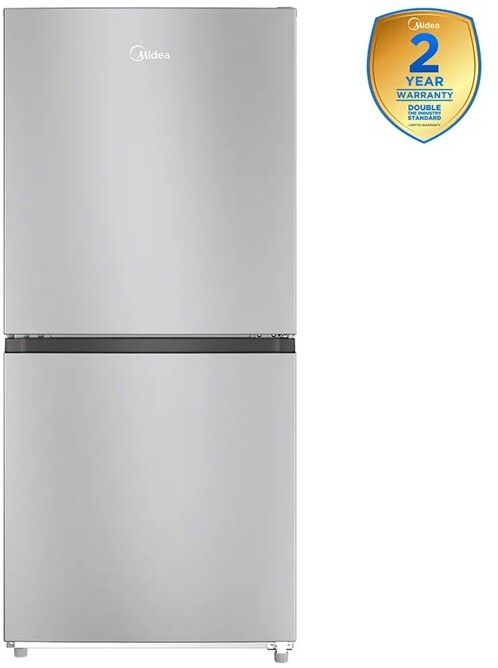
Best budget freezer: Midea WHS-109FW1
Capacity: 3.0 cu ft
Type: manual chest
Pros: compact size, very affordable (\$150), easy to move
Cons: small capacity, manual defrost
Ideal for students or apartment dwellers who need dedicated elimination diet storage without breaking the bank.
Best compact freezer: Whynter CUF-110B
Capacity: 1.1 cu ft
Type: upright
Pros: Energy Star, built-in lock, reversible door
Cons: limited space, noisier than larger units
Perfect for small kitchens, dorms, or RV trips when you need a trusted mini freezer for calorie restricted diet plans best mini freezer for calorie restricted diet.
Cons: manual defrost, no interior light
A solid chest freezer that combines room for multiple meal-prep batches with simple organization.
Elimination diet tips
Label and date
Clear labeling is your best defense against accidental exposure. Include the meal name, date prepared, and a brief ingredients list on every container.
Batch prep
Cook large batches of single-ingredient staples—think chicken breast, quinoa, or steamed veggies—and freeze in portioned bags. When it’s time to eat, you’ll simply thaw the perfect amount.
Avoid cross contamination
Use separate cutting boards when prepping meals for elimination phases
Keep allergen-free meals on higher shelves or in a dedicated basket
Wipe down freezer surfaces between batches to remove residue
Conclusion
Finding the best deep freezer for elimination diet needs comes down to matching capacity, organization, and performance to your meal-prep style. Whether you choose a compact upright in your apartment or a large chest model in the garage, prioritize temperature stability, easy cleaning, and clear organization. With a little planning—measuring your space, assessing how many batches you’ll store, and setting up labeled baskets—you’ll keep your allergy-safe meals fresh and your mind at ease. Now that you know what to look for, it’s time to pick your freezer and take the worry out of your elimination diet journey.
From Fridge.com research
Figures below come from data Fridge.com builds and maintains. Each links to the record behind it.
Fridge.com Energy Index, built on U.S. EPA and DOE ENERGY STAR records
Across 5,455 ENERGY STAR certified refrigerators and freezers from 263 brands, median use is 360 kWh per year.