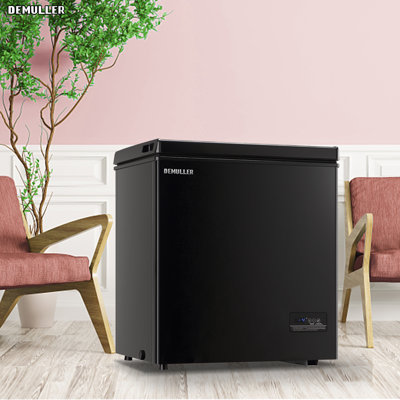
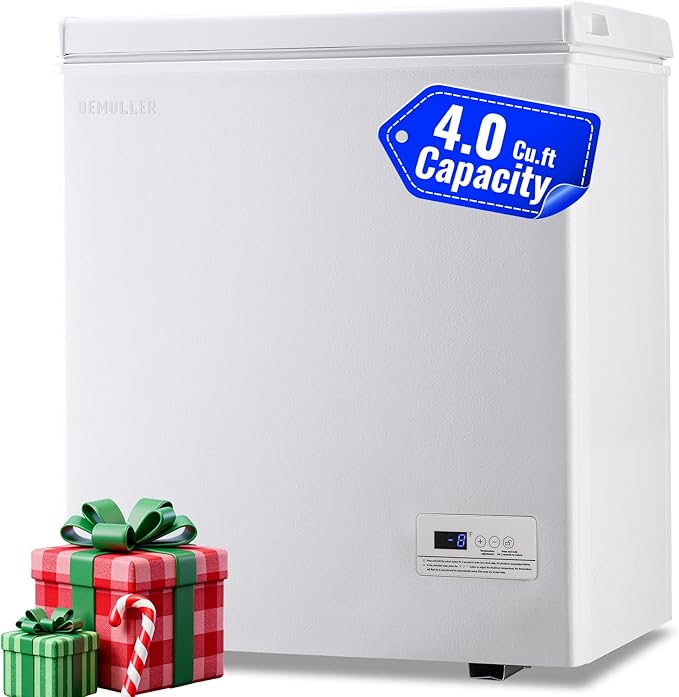
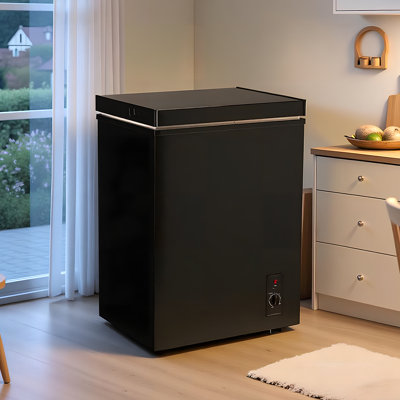
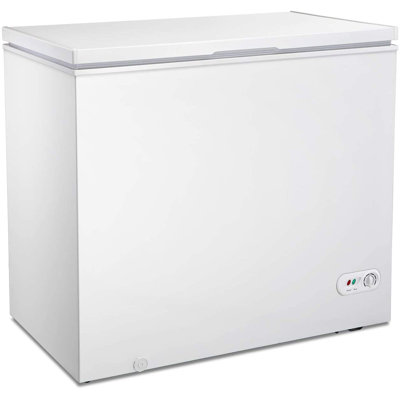
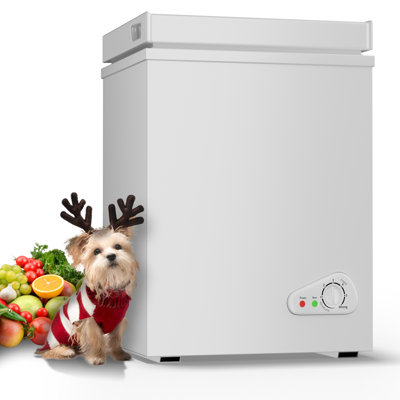
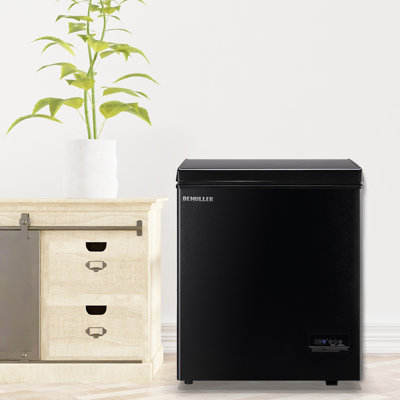
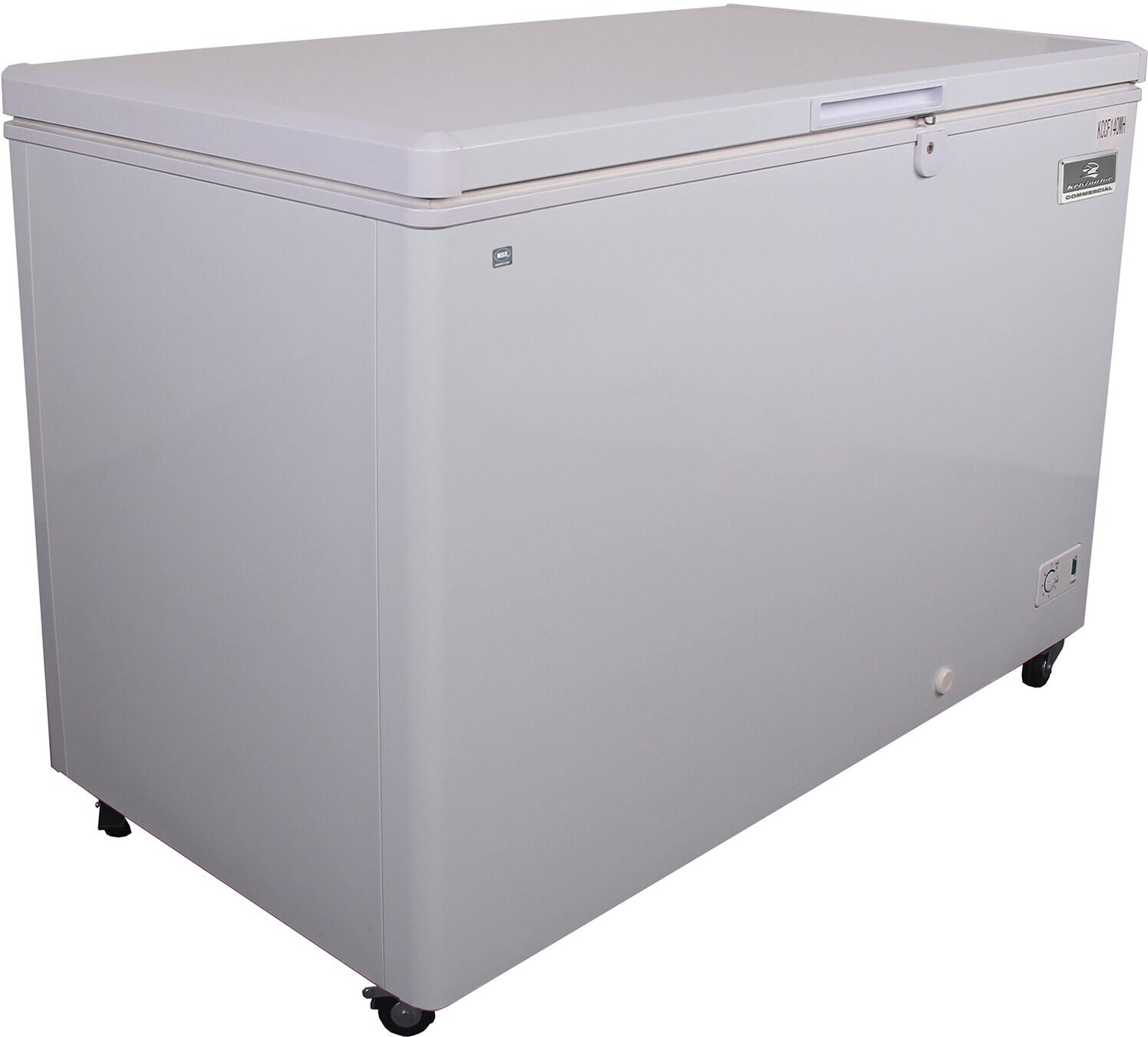
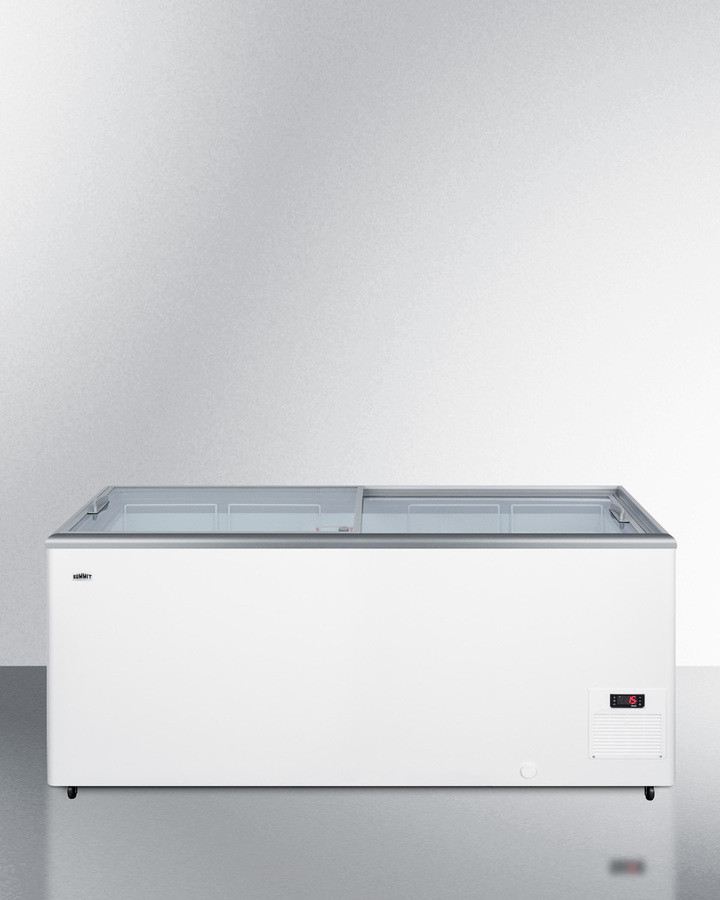
Looking for the best chest freezer for a barber shop means thinking beyond hair clippers and styling chairs. You want a reliable way to chill drinks, stock up on ice for cold towels or cocktails, and keep snacks at hand for clients waiting their turn. A commercial-grade chest freezer can handle the daily hustle, save on energy costs, and add a touch of convenience to your shop’s vibe.
In this guide you’ll learn why a chest freezer makes sense in a barber shop, how to size one for your space, which features really matter, and which models stand out in budget, mid-range, and high-capacity tiers. We’ll also cover installation tips, maintenance best practices, and common questions you might have. When you’re ready to buy, check pricing and availability.
Why choose a chest freezer
Chest freezers open from the top, trapping cold air inside so your items stay frosty longer and your energy bills stay lower. In a barber shop you can use one to:
- Chill bottled water, soda, craft beer or pre-mixed cocktails
- Store ice packs and frozen towels for hot-towel services
- Keep pastries or pre-made sandwiches fresh for staff and guests
- Freeze specialty hair or skin treatments that require cold storage
Compared with upright freezers, chest models generally cost less per cubic foot, run quietly, and maintain a more consistent temperature. If your shop hosts busy weekends or you want to offer a little extra hospitality, a chest freezer is a simple way to level up service without a big utility bill.
Assess your shop needs
Before you buy, map out how much frozen storage you really need and where you’ll put your freezer. Key considerations include:
Estimated daily use
• Light use: 1–2 gallons of ice or 10–15 drinks per day → 3–6 cu ft freezer
• Moderate use: 3–4 gallons or 20–30 drinks per day → 7–10 cu ft freezer
• Heavy use: 5+ gallons or 40+ drinks per day → 12+ cu ft freezerAvailable footprint
• Measure floor space, adding at least 2–3 inches of clearance on all sides for ventilation
• Check door width and aisle space to ensure you can move the freezer into placePower supply and circuit
• Most chest freezers run on a standard 115 V outlet, but confirm your shop’s wiring can handle the load
• Avoid tripped breakers by keeping other heavy appliances on separate circuitsBudget range
• Entry-level models start around $130
• Mid-range units fall between $250–$450
• High-capacity or commercial-grade freezers can go $500+
Evaluate key freezer features
Choosing the right model means focusing on features that matter in a busy commercial setting.
Capacity and size
Match the cubic-foot rating to your daily ice and beverage needs. A 5 cu ft chest freezer gives you roughly 140 cans of soda or 13 pounds of ice per cubic foot. Always round up if you anticipate growing demand.
Temperature control
Look for models with adjustable thermostats and clear temperature markers. You want consistent operation between 0°F and 10°F depending on whether you’re freezing ice or just keeping items chilled.
Energy efficiency
Check the Energy Star rating or listed annual kWh usage. More efficient freezers cost more up front but pay you back in lower electric bills, especially if you run it 24/7.
Defrost type
- Manual-defrost units tend to be more energy-efficient and affordable, but require periodic draining and scraping
- Auto-defrost (frost-free) models add convenience at the cost of slightly higher energy use
Lock and safety
A keyed lock secures your contents overnight or when you’re closed. Rounded corners, recessed handles, and durable gaskets help prevent accidents and seal in cold air.
Noise level and design
Choose a model with a quiet compressor if your freezer will sit near client chairs. Matte finishes or stainless steel can complement your shop’s decor.
Warranty and support
Commercial-grade warranties often cover parts and labor for one to three years. Confirm whether on-site service is available in your area.
Compare top freezer models
Here’s a snapshot of four chest freezers that fit a range of barber shop needs and budgets. Use this table to narrow your options, then read the details below.
| Model | Capacity | Dimensions (W × D × H) | Defrost type | Price range | Best for |
|---|---|---|---|---|---|
| Frigidaire 5.0 cu ft | 5.0 cu ft | 24" × 21" × 34" | Manual | $150–$200 | Tight spaces, budget |
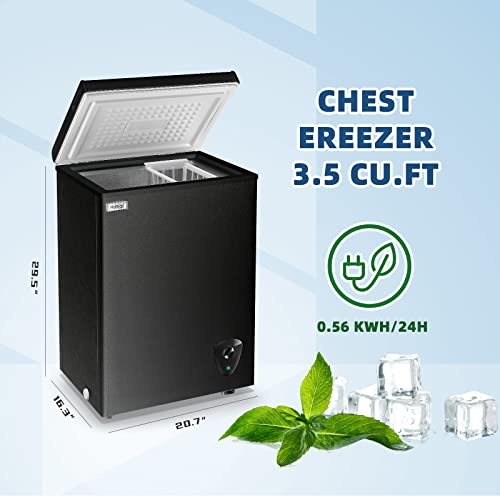
| Midea WHS-109FW1 | 3.5 cu ft | 21" × 20" × 32" | Manual | $130–$170 | Ultra-compact shops |
| Whynter CUF-110B | 10.0 cu ft | 40" × 24" × 32" | Manual | $400–$500 | Mid-sized shops |
| GE Commercial 15.1 cu ft | 15.1 cu ft | 42" × 28" × 33" | Manual | $550–$650 | High-volume service |
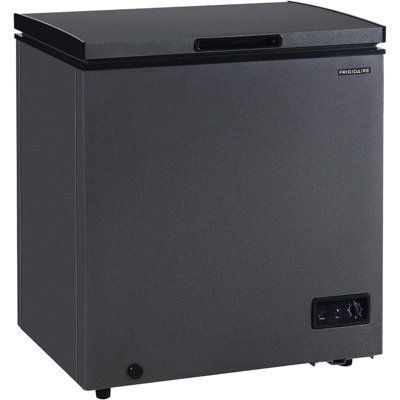
Frigidaire 5.0 cu ft chest freezer
- Capacity: 5.0 cu ft (about 225 cans)
- Key features: adjustable thermostat, recessed handle, lock-ready design
- Pros: budget-friendly, compact footprint, reliable temperature hold
- Cons: manual defrost every 3–4 months, interior light optional extra
When to buy: perfect if you need a no-frills freezer tucked behind the styling station. Check Fridge.com for current pricing.


Midea WHS-109FW1 compact freezer
- Capacity: 3.5 cu ft (fits roughly 150 soda cans)
- Key features: energy-efficient compressor, adjustable legs, swing-out basket
- Pros: ultra-small profile, lowest price point, surprisingly quiet
- Cons: limited capacity, manual defrost only
When to buy: ideal for micro-shops or barbers working out of a tight back room. See deals on Fridge.com.
Whynter CUF-110B mid-range freezer
- Capacity: 10 cu ft (wide enough for 400 cans or 120 lb of ice)
- Key features: heavy-duty hinge, power-on light, removable storage basket
- Pros: great balance of size and price, strong insulation, roomy interior
- Cons: takes up more floor space, occasional frost buildup
When to buy: the most versatile choice for growing shops. Pricing and stock.
GE Commercial 15.1 cu ft business freezer
- Capacity: 15.1 cu ft (plenty for busy shops and small cafes)
- Key features: high-capacity compressor, keyed lock, defrost drain, butterfly hinges
- Pros: rugged design, built-for-business warranty, stable cold hold
- Cons: highest price tier, requires 42" of clearance width
When to buy: go premium if you serve dozens of clients daily or host events. Available.
Install and maintain properly
A well-installed freezer runs more efficiently and lasts longer. Follow these guidelines:
Level the unit
• Use built-in adjustable legs to keep the freezer perfectly horizontal
• Prevents gasket wear and pooling water during defrost cyclesAllow clearance
• Leave 2–3 inches around all sides for airflow to the compressor
• Avoid placing under direct sunlight or next to heat sourcesPlug into its own circuit
• Heavy-draw compressors can trip breakers if they share lines with hairdryers or microwaves
• Consider a dedicated outlet for added reliabilityDefrost on schedule
• For manual models, aim for every 3 months or when frost exceeds 1/4 inch
• Turn off the unit, remove contents, let ice melt, then wipe dry and restartClean the gasket and interior
• Wipe door seals with warm, soapy water monthly to prevent mildew
• Vacuum the compressor coils every 6 months to improve airflow and efficiencyOrganize contents
• Use removable baskets to group bottled drinks, ice packs, or frozen snacks
• Label bins or baskets so staff can grab what they need without leaving the lid open too long
Answer common questions
Q: Can I run a chest freezer in a small barber shop?
A: Yes. Compact models as small as 3.5 cu ft work well in tight spaces, and most require only a standard 115 V outlet.
Q: Should I choose manual or frost-free defrost?
A: Manual-defrost freezers cost less and use less energy but require you to drain and scrape ice build-up every few months. Frost-free models add convenience at a slightly higher price and power draw.
Q: How cold should I set my freezer?
A: Aim for 0°F to 10°F depending on your needs. Lower settings freeze ice faster, higher settings work if you’re just chilling beverages.
Q: What’s the ideal capacity for 15–20 clients per day?
A: A 5–7 cu ft unit typically handles that volume, assuming 1–2 drinks or ice servings per client.
Q: How can I reduce energy costs?
A: Keep the lid closed as much as possible, defrost on schedule, and place the freezer in a cool, shaded spot away from heat sources.
Make your final decision
By now you know how to pinpoint your daily storage volume, evaluate must-have features, and compare top chest freezer models for a barber shop. Here’s a quick recap:
- Best budget pick: Midea WHS-109FW1 (3.5 cu ft)
- Best mid-range choice: Whynter CUF-110B (10 cu ft)
- Best high-capacity unit: GE Commercial 15.1 cu ft
Match the capacity to your client flow, confirm your available space and circuit capacity, then lock in your model. When you’re ready to buy, head over to Fridge.com for the latest deals and fast shipping.
With the right chest freezer in place, you’ll keep clients refreshed, streamline back-of-house service, and add a professional edge to your barber shop. Here’s to staying cool under pressure—one iced towel, cocktail, or soda at a time.