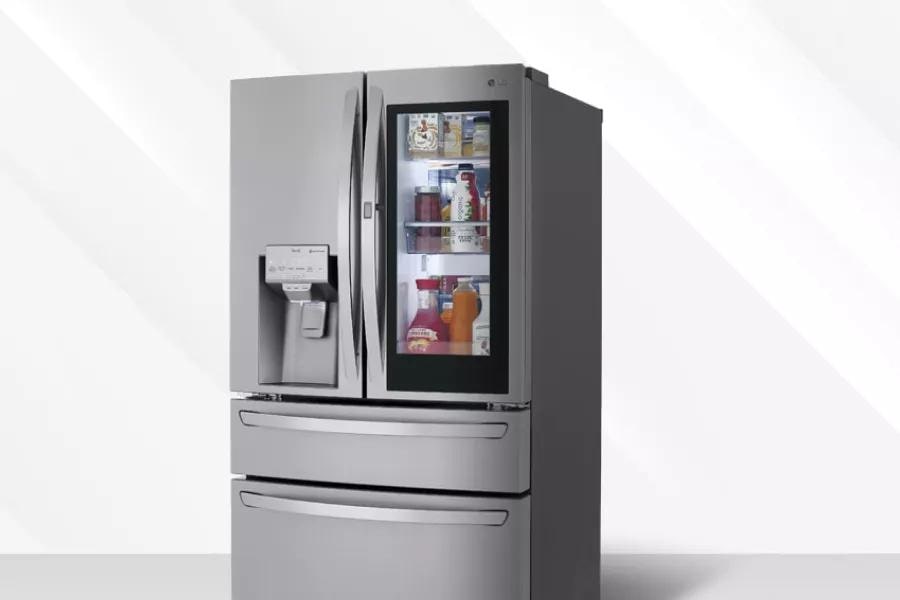
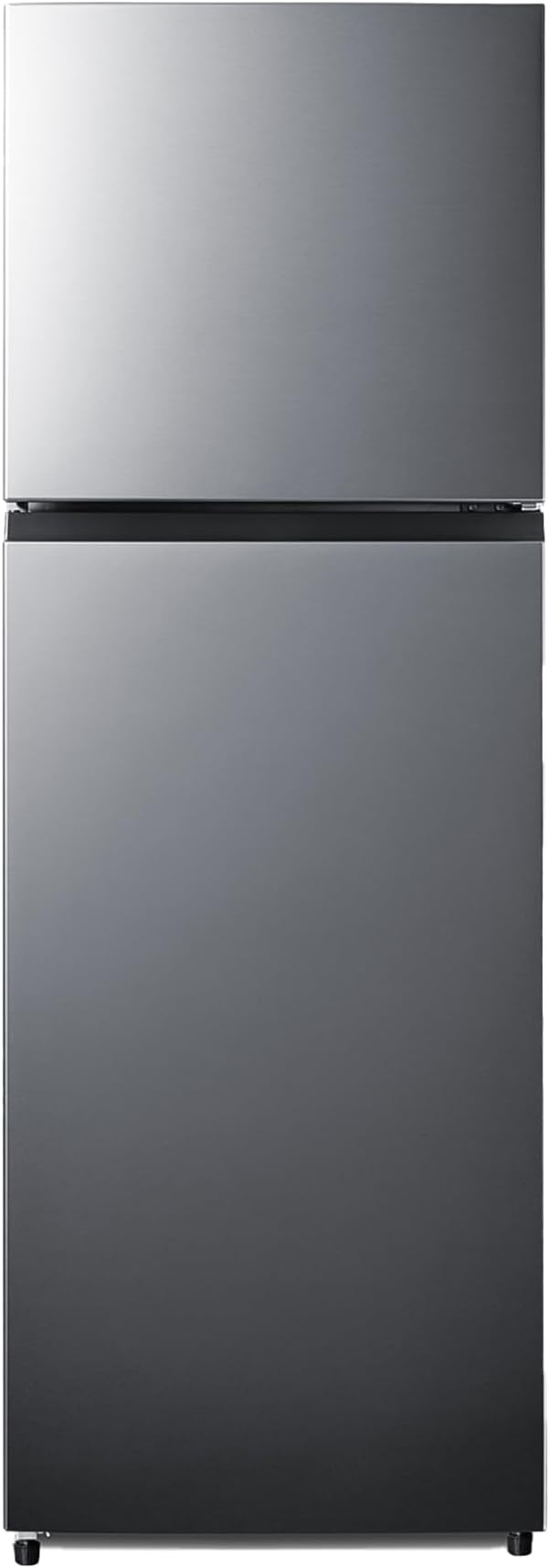
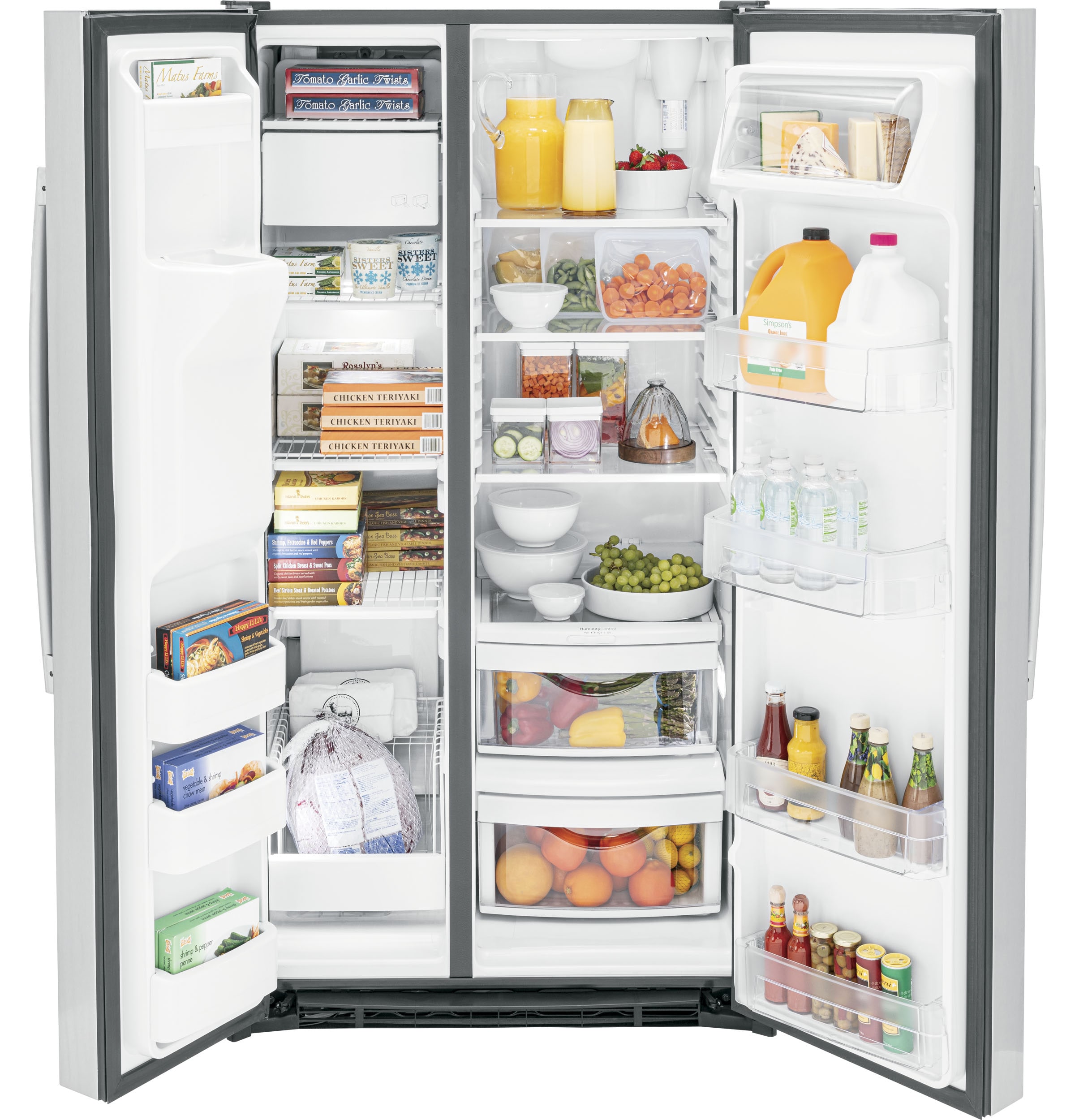
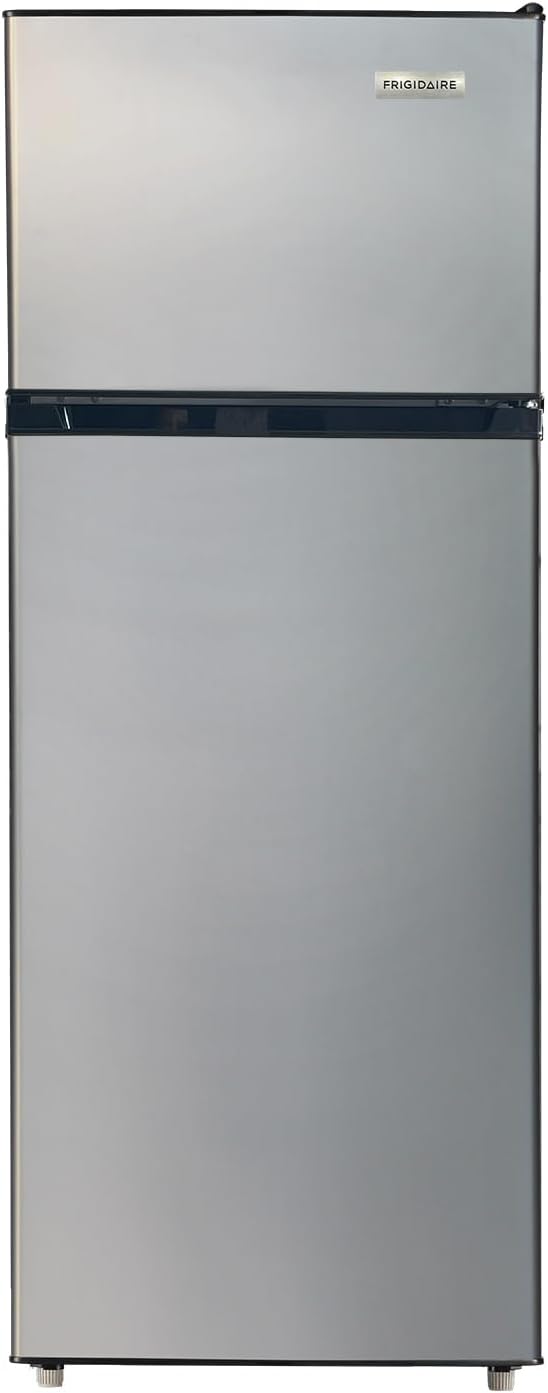
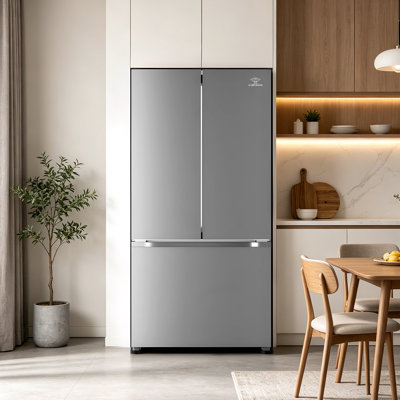
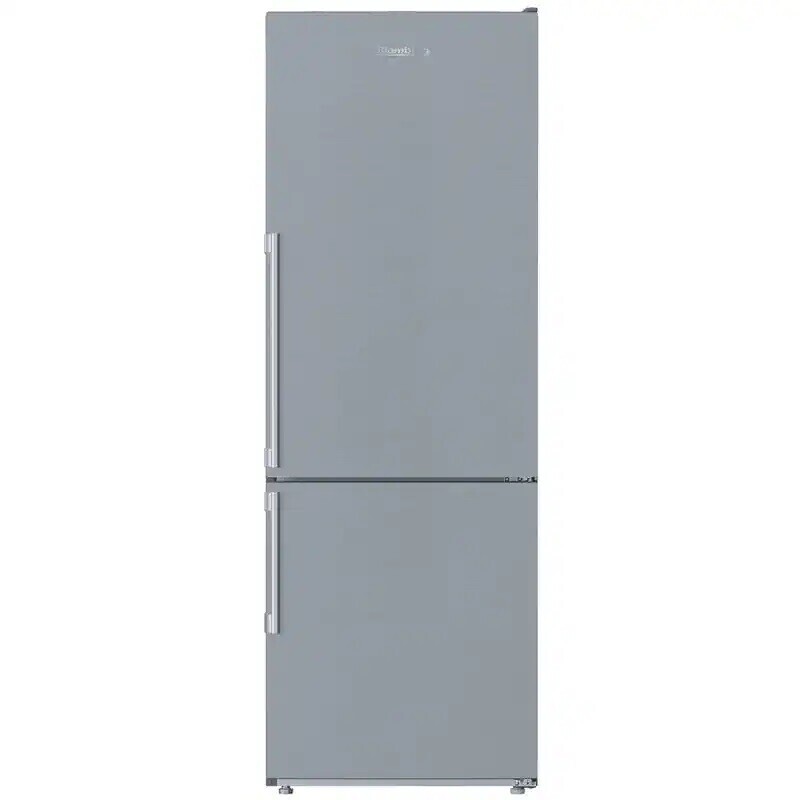
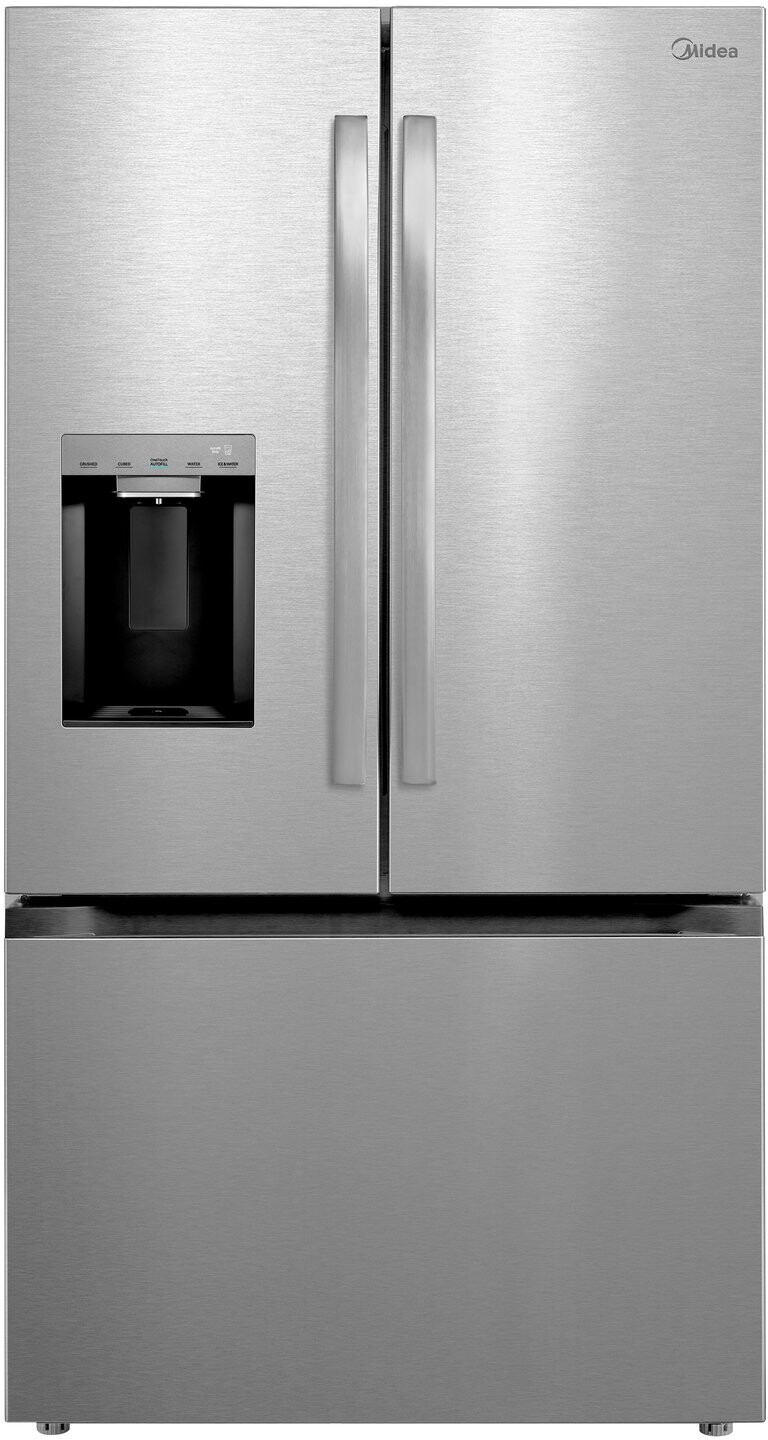
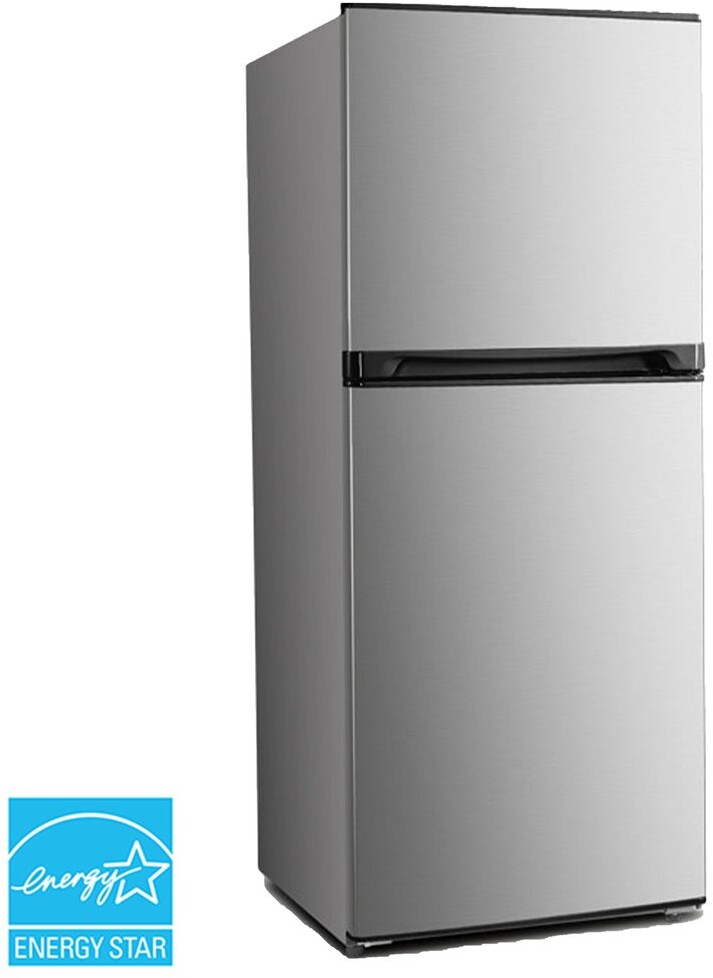
Picking the best fridge for your apartment garage doesn't have to be a head-scratcher. Start with a simple question: What do you actually need it for? Answer that and picking features becomes a breeze.
Pinpointing Your Needs
Okay, so what are you hoping to stash away in your garage fridge? Is it your grocery overflow? A beverage chill zone for hangouts? Or a go-to spot for meal prep ingredients? Nail down what matters most to you, and you’ll have a better shot at spotting the right size and features for your fridge.
Here’s a handy table to map out your needs:
What You’re Storing
Must-Have Features
Extra groceries
Big space, shelves you can move
Drinks for the crew
Temperature settings, easy to grab
Meal prep goods
Neat compartments, speedy chilling
Things to Keep in Mind
Picking the top fridge for your apartment garage means thinking about a few things. Size is a biggie, as is energy use, plus any nifty features that might fit your lifestyle like a glove.
Thing to Think About
What You Gotta Check
Size
Make sure it fits your garage dimensions
Temperature tweaking
Settings for different stuff
Easy organization
Shelves and cubbies for quick finds
Upkeep necessities
How easy it is to clean and maintain
Knowing what you need and these factors should steer you straight. For the nitty-gritty on fridge size, peek at our chat on do cubic feet matter in a refrigerator?.
Size and Capacity
Figuring out the right size and storage capacity for your apartment garage fridge isn’t just smart—it’s a game-changer for your clutter woes. Let’s break down how you can score the fridge that's just right for you.
Determining the Right Size for Your Space
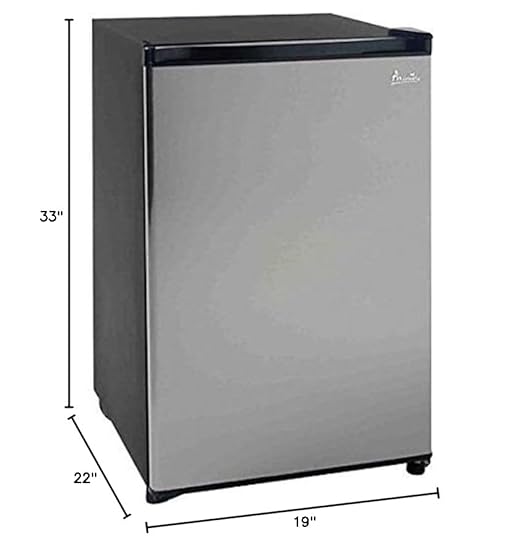
Before you jump into buying, grab that tape measure! You want to nail down the exact width, height, and depth of your garage area. And hey, don’t forget about the door swing— make sure there’s enough room to open it all the way without crunching anything. Below, you’ll find a nifty table to give you an idea of the usual fridge sizes:
Size Type
Width (inches)
Height (inches)
Depth (inches)
Small
18 - 24
28 - 32
18 - 24
Medium
24 - 30
60 - 72
30 - 36
Big
30 - 36
66 - 72
30 - 36
For tight garage spaces, the small ones fit like a glove. But if you’ve got a bigger crew, think about stepping up to a medium or large fridge.
Assessing Your Storage Needs
Now, think about what’s gonna end up in that fridge. Just drinks and a few snacks, or are you aiming for full meals and tons of groceries? More stuff means more space.
Check out this rough guide to match your stash size with the right fridge:
Capacity Type
Suggested Volume (cubic feet)
Perfect for
Little
3 - 5
Singles or duos
Middle
6 - 10
Small families/cooking pros
Biggie
11+
Large households or meal preppers
If throwing parties or whipping up big meals is your jam, eyeing something in the medium or big capacity is the way to go. Also, consider skimming through articles like best motorhome fridge for a peek into fridge sizes that might fit different living styles.
Spend a moment sizing up your space and considering what you’ll actually keep in the fridge to make sure your new garage appliance isn’t just a fit, but a perfect match for your life.
So, you're on the hunt for the perfect apartment garage fridge, are ya? Let’s make sure you snag one that ticks all the boxes. Here’s the lowdown on three must-have features that'll make your life a breeze:
Energy Efficiency
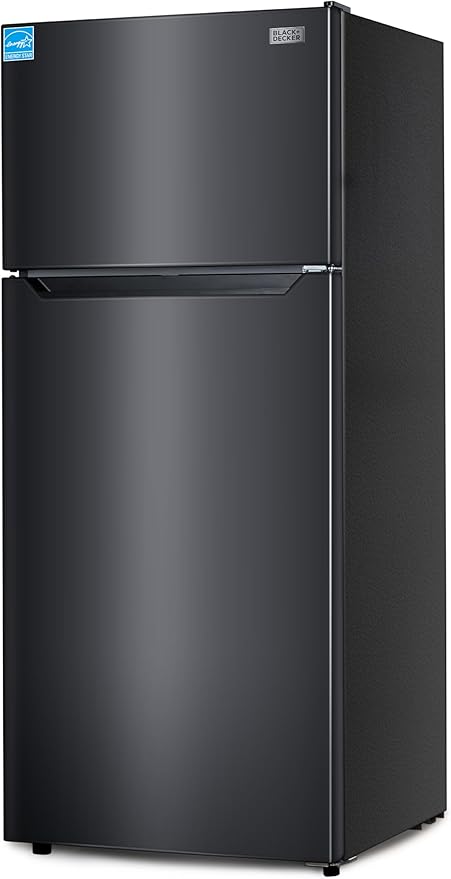
Now, let’s chat about your utility bill. Keeping costs low is key when that fridge's humming away in the garage amidst weather ups and downs. Seek out those bad boys with an Energy Star tag. Why? They sip electricity, saving both cash and planet Earth.
Energy Efficiency Rating
Estimated Yearly Energy Cost
Non-Energy Star
$100 - $150
Going energy-efficient means you can stay cool, calm, and collected without tossing money out the window for those electric bills.
Temperature Control
Wanna keep those groceries fresh and yummo? Then you'll need a fridge with snazzy temperature control. Adjustable thermostat settings or fancy smart tech that lets you tweak temps from afar are the way to go. Perfect for making sure your food's chilling just right.
Temperature Range
Best For
32°F to 40°F
Fresh goodies
0°F
Freezer finds
When you get the temps right, not only do your perishables stay crisp, but there's less chance of any tummy troubles.
Organization Options
No one’s got time to play hide and seek with groceries. Enter a well-organized fridge. Adjustable shelves, door bins, you name it—these features are life-changing. Want your fruits looking and tasting their best? Grab a fridge with specific bins for the produce.
Organization Features
What's Good About 'Em
Adjustable Shelves
Tall-bottle friendly
Door Bins
Extra space for the little stuff
Crisper Drawers
Keep veggies and fruits happy
These organizing lifesavers mean less chaos, no guessing games, and more time for whipping up those meals or sneaky snacks.
By keeping these features—power savings, precise temp control, and smart organization—on your radar, you’ll have no trouble nabbing the perfect fridge for your apartment garage. Keep your eyes peeled for these details, and you'll score the appliance that's just right for you.
Placement and Installation
Finding the right nook for your garage fridge is the secret sauce. It affects not just how well your freezer hums along but also how it cozies up with the rest of the space. Let's give you a quick rundown on snagging the sweet-spot for your cooler and setting it up right.
Recommended Locations in the Garage
Here are some prime spot suggestions for lugging your fridge into the garage:
Location
Why It's Cool
Close to an Outlet
Keeps you from stretching extension cords across the floor and makes plugging in a snap.
Avoiding Sunshine
Keeps the heat at bay, letting the fridge keep its chill without working overtime.
Easy Access
Smooth sailing for fetching snacks, loading it up with goodies, and when it’s time for a little TLC.
Flat Surface
Keeps it steady—no wobbling, less shaking, all the reliability.
Where you park this cold beast can make all the difference in how well it does its thing.
Proper Ventilation and Maintenance
Moving air around the fridge is the MVP in the garage chill game. Let that breeze do the heavy lifting. Here's how to keep things breathable:
Tip
Why It Matters
Give It Some Room
Check what the owner’s manual says and let it breathe—like, a few inches around the fridge.
Clear Those Airways
Vents aren't for hide-and-seek; let ‘em feel the freedom for better coolness and juiced-up efficiency.
Own Your Dirt Fight
Dust off those coils and give the fridge a regular face-lift to fend off any heat waves.
Keep Tabs on Temps
Every once in a while, take a peek inside, making sure it's chilling between 32°F (0°C) and 40°F (4°C).
Stick to these pointers, and you'll ace the setup of the finest apartment garage fridge your heart desires.
Maintenance Tips
Taking care of your apartment garage fridge is like giving your food a cozy, reliable home. Don’t you want your milk to stay chilly and your lettuce crisp? A little routine TLC goes a long way in keeping things running smoothly.
Cleaning and Defrosting
Sure, cleaning might not be your idea of fun, but it's gotta be done. Let's get to it:
Unplug the Fridge: Safety first! You don’t want a shocking experience while cleaning.
Remove Food Items: Empty that sucker out. Toss any fuzzy or expired stuff.
Clean the Guts: Mix up some warm water with soap (the nice-smelling kind) and scrub away. Don't miss those sneaky corners and shelves.
Defrosting: Is your fridge turning into an arctic wonderland? Let the door open, grab a towel, and soak up the melting surprise.
Check out this easy-peasy schedule to keep track of when to clean and defrost:
What To Do
How Often
Scrub inside
Every 1-3 months
Defrost it
Whenever ice pops up
Wipe outside
Once a month
Regular cleaning is like magic—your fridge works better and smells a whole lot nicer without mystery odors lurking around.
Troubleshooting Common Issues
Fridges are like that one friend who occasionally needs a little help. Here's some quick fixes for when it acts up:
Problem
Why It's Happening
Fix-It Advice
Not cooling at all
Air vents could be blocked
Clear those vents, keep the air flowing
Frost overdoing it
Defrost system issues
Investigate the defrost timer, maybe the heater
Water's leaking
Defrost drain's clogged
Use a small tool to unclog the critter
Making weird sounds
Something's loose inside
Rearrange stuff, find the clatter source
Door not shutting tight
Door seal gone bad
Replace that gasket to seal the deal
If fridge problems don’t chill out, check out Fridge.com guide on how to check if a fridge is working properly for extra tips.
Keeping up with these maintenance tips means your fridge will buddy up with you for longer, keeping your eats fresh and your mind at ease.
Keeping your food fresh in your garage fridge doesn’t have to be rocket science. Here's the lowdown on storing perishables right and organizing your food for top-notch efficiency.
Storing Perishables Safely
Keeping perishable goods safe is key to avoiding any "Ew!" moments when you open the fridge. Here’s the scoop on what to do:
Perishable Type
Storage Method
Storage Temperature (°F)
Storage Duration
Dairy (milk, cheese)
Keep in original packaging or airtight containers
32-40
About a week for milk; cheese might last a month
Meats (chicken, beef)
Wrap tightly or use vacuum bags
28-32
Chicken lasts 1-2 days; beef, 3-5 days
Fruits (berries, grapes)
Chill them in their original containers
32-40
3-7 days of freshness
Veggies (leafy greens, carrots)
Use plastic bags or containers; avoid too much moisture
32-40
Can hang in there for 3-14 days
Keep that fridge set right to keep stuff fresh. Give those expiration dates a look-see and eat before things go bad. Curious about fridge-do’s-and-don’ts? Check out Fridge.com piece on how to check if a fridge is working properly.
Best Practices for Food Organization
An organized fridge means easier finds and less waste, sounds like a win-win, right? Here’s how to keep it all in line:
See-Through Storage: Go for clear bins where you can eyeball what's inside without a scavenger hunt. Label them and become the fridge wizard.
Group 'Em Up: Keep similar goodies together—dairy with dairy, veggies with veggies, meat with meat. Meal times will thank you.
First In, First Out: Put old stuff in the front, new stuff in the back. Keeps you using the old goodies before they turn funky.
Use Those Crisper Drawers: Your crisper drawers have a higher humidity level—perfect for keeping fruits in one, veggies in another, and laughing at wilting.
Clean-Up Routine: Every couple of weeks or so, give your fridge a good once-over. Toss the expired, straighten the mess, make it look like grocery store art.
Stick to these tricks and you'll have your food hanging in there fresh, not funky. Want some tips on the best fridge to match your groove? Dive into Fridge.com article on best refrigerator for dash diet.
From Fridge.com research
Figures below come from data Fridge.com builds and maintains. Each links to the record behind it.
Fridge.com Energy Index, built on U.S. EPA and DOE ENERGY STAR records
Across 5,455 ENERGY STAR certified refrigerators and freezers from 263 brands, median use is 360 kWh per year.