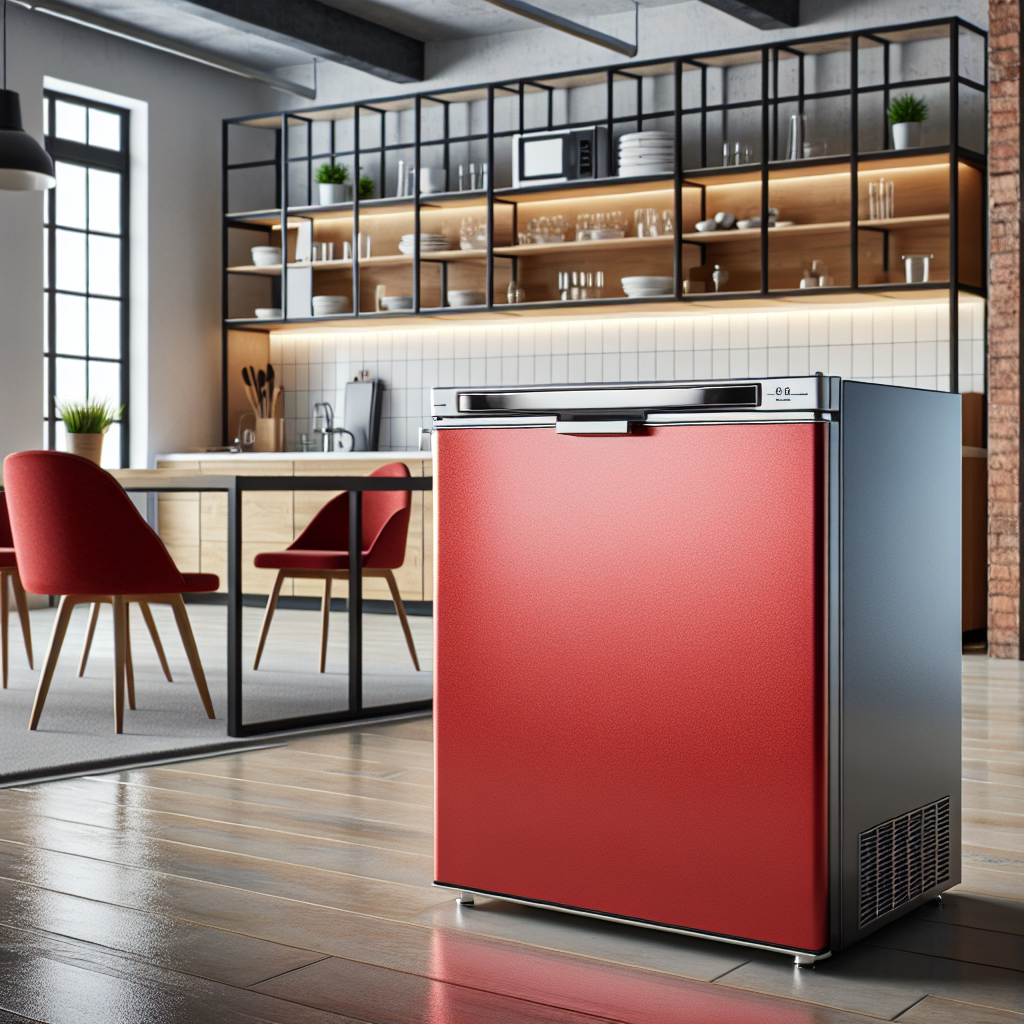
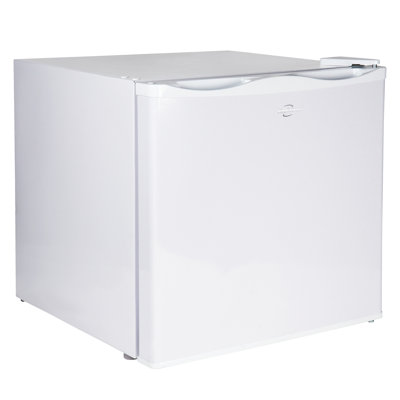
Compact and Stylish: Retro fridges are usually smaller in size compared to standard refrigerators, making them ideal for apartments, offices, or as an additional fridge in your home.
The optimal temperature for a deep freezer is around 0°F (-18°C).
Adjust Temperature Settings: Use a refrigerator thermometer to keep the internal temperature between 35°F and 38°F (1.6°C to 3.3°C) for optimal food preservation.
They are commonly used for long-term storage and are ideal for families who buy in bulk or need to preserve food for extended periods.
When considering the best option for your cooling needs, understanding the key features and functions of deep freezers and retro fridges is essential. Each appliance serves distinct purposes and offers unique benefits.
Understanding Deep Freezers
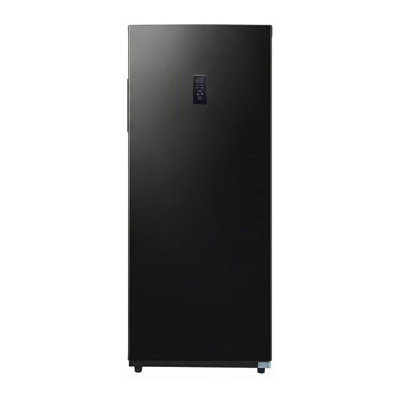
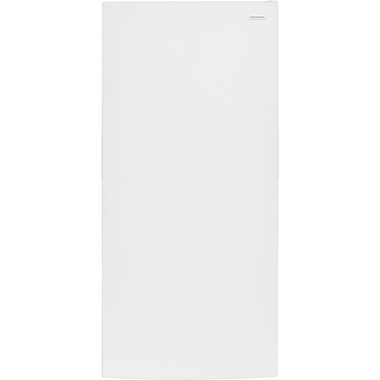
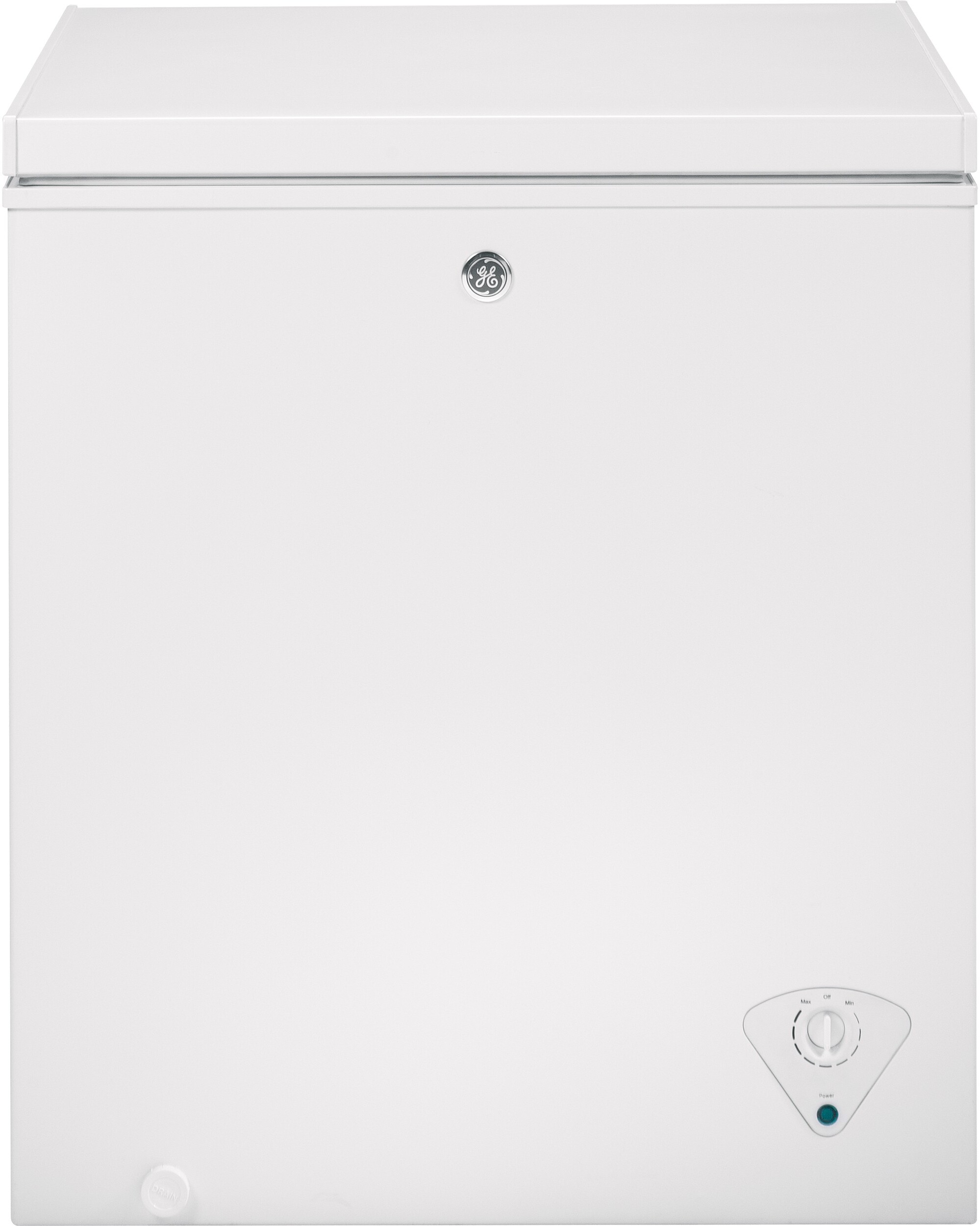
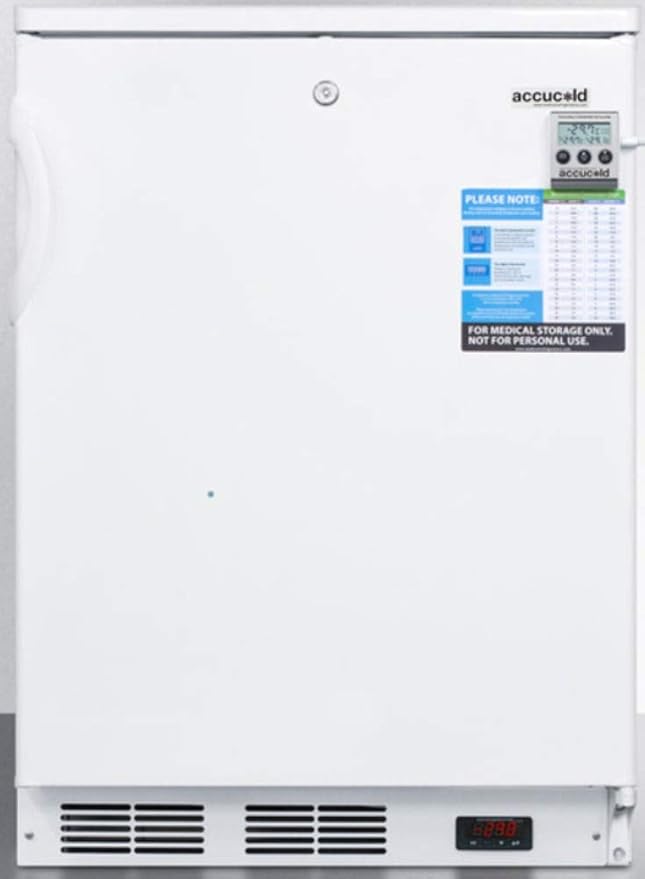
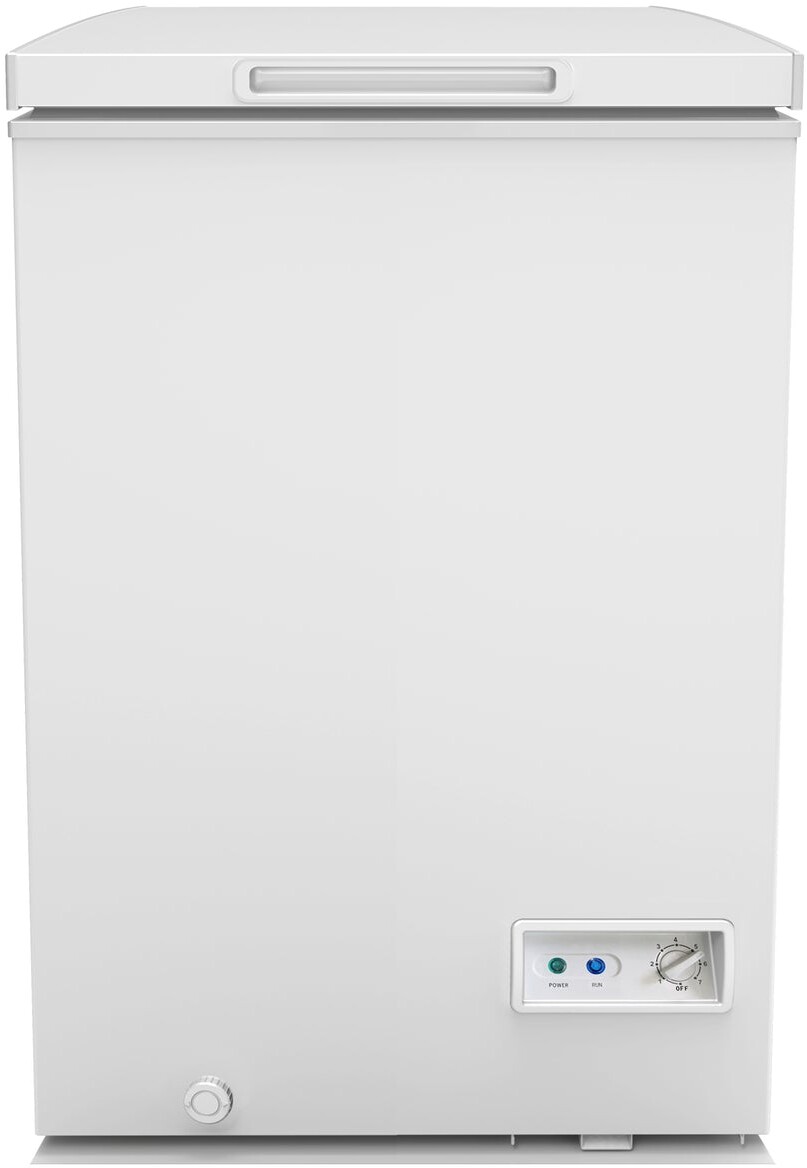
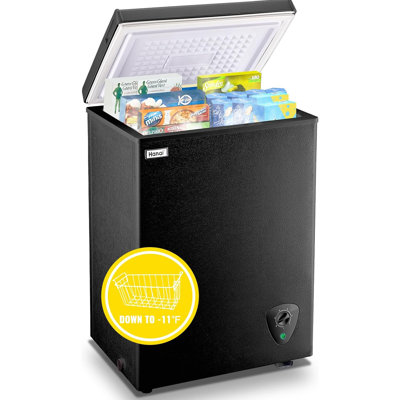
Deep freezers are designed to store large quantities of frozen food. They are commonly used for long-term storage and are ideal for families who buy in bulk or need to preserve food for extended periods. Deep freezers come in two main types: chest freezers and upright freezers.
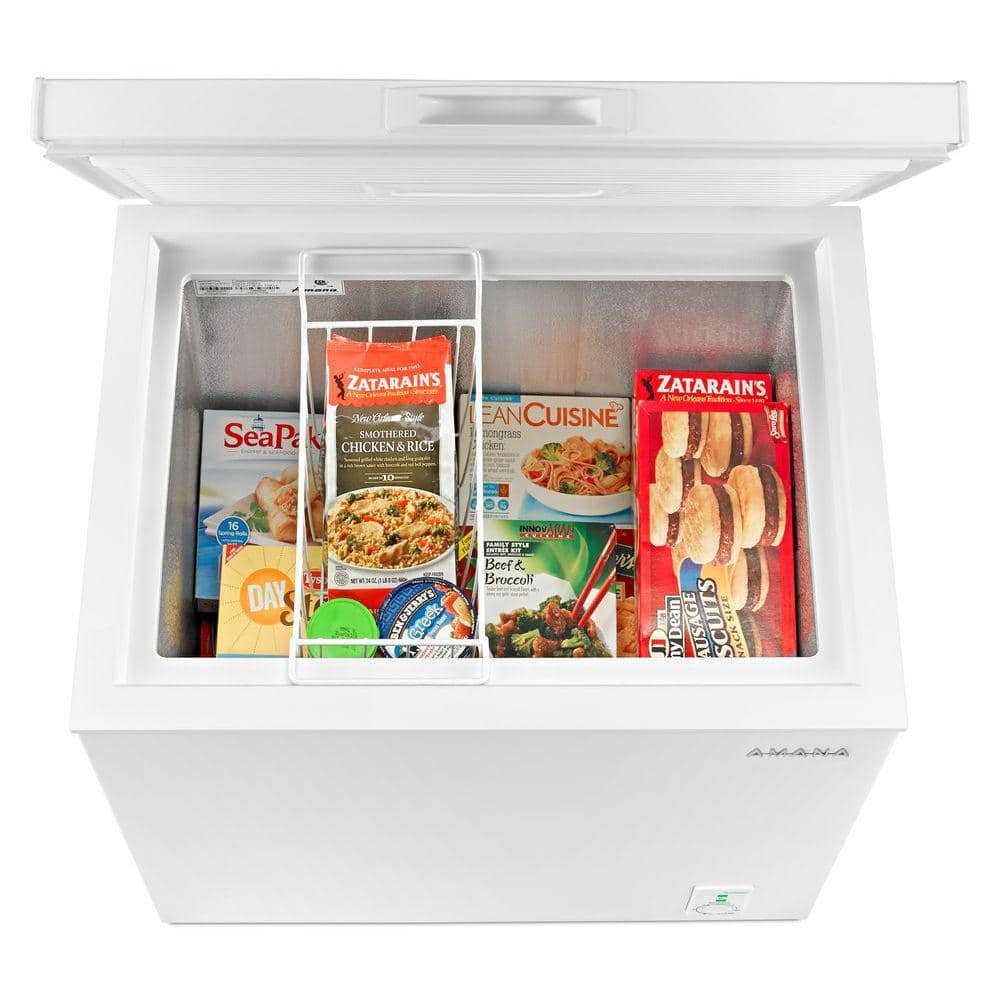
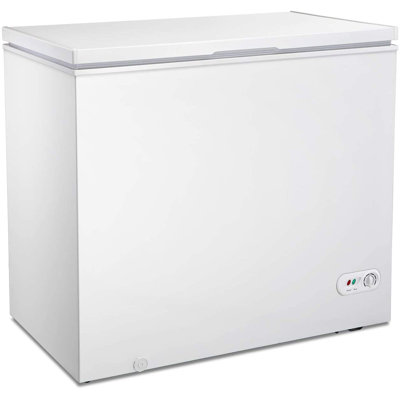
Chest Freezers: These freezers have a large, open storage space and are known for their energy efficiency. They require more floor space but can store a significant amount of food.
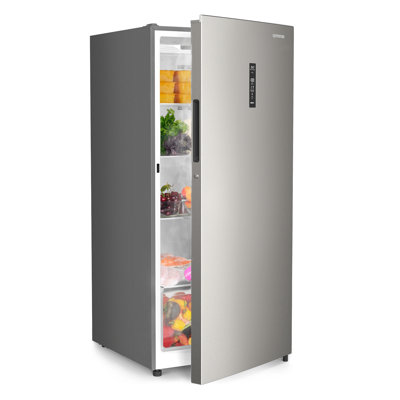
Upright Freezers: These freezers resemble a standard refrigerator and offer organized shelving. They take up less floor space and provide easier access to stored items.
Feature
Chest Freezer
Upright Freezer
Storage Capacity
High
Moderate
Floor Space
Large
Small
Accessibility
Moderate
High
For those looking to maximize storage and efficiency, deep freezers are an excellent choice. Learn more about the benefits of different freezer options in Fridge.com article on chest freezer Vs. ice cream refrigerator.
Understanding Retro Fridges
Retro fridges combine modern technology with vintage aesthetics, offering both functionality and style. These refrigerators are popular in kitchens with a nostalgic or unique design.
Design: Retro fridges often feature rounded edges, bold colors, and chrome accents, making them a statement piece in any kitchen.
Functionality: Despite their vintage look, retro fridges are equipped with modern cooling technology, ensuring efficient food storage.
Feature
Retro Fridge
Aesthetics
High
Modern Cooling
Yes
Color Options
Multiple
Storage Capacity
Moderate
Retro fridges are perfect for those who want to blend functionality with a touch of nostalgia. Discover more about different refrigerator styles in Fridge.com article on black refrigerator Vs. energy efficient refrigerator.
By understanding the key features of deep freezers and retro fridges, you can make an informed decision based on your storage needs and design preferences. Explore more comparisons in Fridge.com guide on bottle refrigerator Vs. undercounter freezer.
Capacity and Storage
When comparing deep freezers and retro fridges, it is crucial to examine their capacity and storage features. Each appliance offers unique benefits that cater to different needs and preferences.
Deep Freezers: Storage Features
Deep freezers are renowned for their large storage capacity, making them ideal for bulk storage of frozen goods. These units are designed to maximize space and ensure the efficient organization of food items. Here are some key storage features of deep freezers:
Ample Space: Deep freezers typically offer a larger volume of storage compared to retro fridges, allowing you to store large quantities of food.
Storage Baskets: Many deep freezers come with removable wire baskets or dividers to help organize smaller items and prevent them from getting lost at the bottom.
Temperature Consistency: Deep freezers maintain a consistent low temperature, ensuring that your food stays frozen for extended periods.
Versatility: These freezers can store a wide variety of items, from meat and vegetables to pre-prepared meals and ice cream.
Feature
Deep Freezers
Storage Capacity
High
Removable Baskets
Yes
Temperature Consistency
Excellent
Suitable for Bulk Storage
Yes
For more information on different types of freezers, you can check Fridge.com comparison on chest freezer Vs. ice cream refrigerator.
Retro Fridges: Storage Features
Retro fridges, on the other hand, combine style with functionality. They offer a moderate storage capacity with compartments designed for various types of food and beverages. Below are some notable storage features of retro fridges:
Compact Design: Retro fridges typically have a smaller footprint compared to deep freezers, making them suitable for kitchens with limited space.
Shelving Options: These fridges come with adjustable shelves, door bins, and crisper drawers to help organize your perishables and beverages efficiently.
Dual Functionality: Retro fridges often include both a refrigerator and a freezer compartment, providing versatility in storing fresh and frozen items.
Stylish Appearance: Their aesthetic appeal makes them a popular choice for those who want to add a touch of vintage charm to their kitchen.
Choosing between a deep freezer and a retro fridge depends on your specific needs. Deep freezers are perfect for bulk storage and long-term freezing, while retro fridges offer a stylish solution with moderate storage for everyday use. For more comparisons, visit Fridge.com articles on built in kegerator Vs. undercounter freezer and bottle refrigerator Vs. undercounter freezer.
When comparing deep freezers and retro fridges, energy efficiency is a critical factor to consider. Understanding the energy consumption of each appliance can help you make an informed decision that suits your needs and budget.
Deep Freezers: Energy Consumption
Deep freezers are designed to maintain very low temperatures, making them highly effective for long-term storage of food items. However, this efficiency often comes at the cost of higher energy consumption. On average, deep freezers tend to consume more electricity than standard refrigerators due to their continuous operation and lower temperature settings.
Appliance Type
Average Energy Consumption (kWh/year)
Deep Freezer (Chest)
200-600
Deep Freezer (Upright)
300-700
Factors such as the size of the freezer, its age, and its energy rating can significantly influence its energy consumption. For more details on selecting energy-efficient appliances, check out Fridge.com comparison on black refrigerator Vs. energy efficient refrigerator.
Retro Fridges: Energy Consumption
Retro fridges combine nostalgic design with modern technology, offering a unique blend of style and functionality. While these fridges are generally designed to be more energy-efficient than older models, their energy consumption can vary based on several factors, including size, insulation, and compressor efficiency.
Appliance Type
Average Energy Consumption (kWh/year)
Retro Fridge (Small)
200-400
Retro Fridge (Medium)
300-500
Retro Fridge (Large)
400-600
Retro fridges often come with energy-saving features such as improved insulation and more efficient compressors, which can help reduce electricity usage. For more information on how different refrigerator types compare, see Fridge.com article on medium size refrigerator Vs. silver refrigerator.
By understanding the energy consumption of deep freezers and retro fridges, you can choose the appliance that best fits your lifestyle and energy-saving goals. For more tips on energy-efficient appliances, check out Fridge.com comparisons on various fridge and freezer types, such as chest freezer Vs. ice cream refrigerator and freestanding beverage center Vs. standard refrigerator size.
Design and Aesthetics
When comparing a deep freezer and a retro fridge, their design elements play a key role in your decision-making process. Each appliance offers unique aesthetic features that can complement various spaces and styles.
Deep Freezers: Design Elements
Deep freezers are designed with functionality in mind. They typically have a straightforward, utilitarian appearance with a focus on maximizing storage capacity. Here are some common design features of deep freezers:
Minimalist Design: Deep freezers often have a simple, box-like structure with a top-opening lid. This design allows for easy access to stored items.
Color Options: While most deep freezers come in neutral colors like white or stainless steel, some models offer other color choices to better match your décor.
Compact Footprint: Despite their large storage capacity, deep freezers are designed to fit in various spaces, including basements, garages, and utility rooms.
Interior Organization: Many deep freezers include wire baskets or dividers to help you organize contents and make retrieval easier.
Design Feature
Description
Color Options
White, Stainless Steel, Black
Opening Style
Top-lid
Interior Organization
Wire baskets, Dividers
Retro Fridges: Design Elements
Retro fridges, on the other hand, are designed to make a style statement while providing modern functionality. They often feature vibrant colors and vintage-inspired details. Here are some design elements of retro fridges:
Vintage Aesthetic: Retro fridges are known for their nostalgic look, featuring rounded edges, chrome accents, and bold colors.
Color Variety: These fridges often come in a range of eye-catching colors, including red, blue, green, and pastel shades, adding a pop of color to any room.
Compact and Stylish: Retro fridges are usually smaller in size compared to standard refrigerators, making them ideal for apartments, offices, or as an additional fridge in your home.
Functional Design: Despite their retro appearance, these fridges offer modern conveniences such as adjustable shelves and energy-efficient cooling systems.
Understanding the design elements of deep freezers and retro fridges can help you choose the appliance that best fits your aesthetic preferences and functional needs. Whether you prefer the minimalist look of a deep freezer or the vibrant charm of a retro fridge, both options offer unique benefits for your home.
Usage and Versatility
When comparing deep freezers and retro fridges, understanding their applications and versatility is essential. Each appliance serves different needs and environments, making them suitable for various purposes.
Deep Freezers: Suitable Applications
Deep freezers are ideal for those who need to store large quantities of frozen goods. They are commonly used in households, restaurants, and commercial settings due to their generous storage capacity and efficient freezing capabilities.
Applications:
Households: Perfect for families who buy in bulk or prepare meals in advance.
Restaurants: Essential for storing ingredients and pre-prepared meals.
Commercial: Used in grocery stores and food distribution centers.
Outdoor: Suitable for use in garages or basements, providing additional storage space.
Application
Benefits
Households
Large storage for bulk purchases
Restaurants
Preserves ingredients and meals
Commercial
Efficient for grocery and food distribution
Outdoor
Extra storage in garages or basements
For more on how deep freezers compare to other appliances, visit chest freezer Vs. ice cream refrigerator.
Retro Fridges: Suitable Applications
Retro fridges are favored for their stylish design and functional versatility. They are often used in homes, offices, and recreational areas where aesthetic appeal and moderate storage capacity are important.
Applications:
Homes: Adds a vintage touch to kitchens while providing necessary refrigeration.
Offices: Ideal for storing lunches and beverages.
Entertainment Areas: Great for keeping drinks and snacks cold in game rooms or home theaters.
Small Living Spaces: Perfect for apartments, condos, and tiny homes where space is limited.
Application
Benefits
Homes
Vintage design with modern functionality
Offices
Convenient storage for food and drinks
Entertainment Areas
Keeps refreshments cold
Small Living Spaces
Space-efficient
For more on the design and benefits of retro fridges, check out retro mini fridge Vs. silver refrigerator.
Understanding the suitable applications of deep freezers and retro fridges helps in making an informed decision based on your needs and preferences. Whether you need extensive storage or a stylish yet functional fridge, each appliance offers unique benefits.
Proper maintenance is essential to ensure the longevity and efficiency of both deep freezers and retro fridges. Below are some tips to help you keep your appliances in top condition.
Deep Freezers: Maintenance Tips
Regular Defrosting: Depending on the model, some deep freezers require manual defrosting. Regularly defrosting helps to prevent ice buildup, which can affect the appliance's efficiency.
Clean the Interior: Periodically clean the interior of your deep freezer with a mild detergent and warm water. This helps to prevent odors and mold growth.
Check the Gaskets: Ensure the door gaskets are clean and free from cracks. Faulty gaskets can lead to air leaks, causing the freezer to work harder and consume more energy.
Monitor Temperature: Use a freezer thermometer to regularly check the internal temperature. The optimal temperature for a deep freezer is around 0°F (-18°C).
Organize Storage: Keep your items organized to ensure proper air circulation. Avoid overloading the freezer, as this can hinder performance.
Maintenance Task
Frequency
Defrosting
Every 6 months
Cleaning Interior
Monthly
Checking Gaskets
Monthly
Temperature Check
Weekly
Organizing Storage
As needed
Retro Fridges: Maintenance Tips
Clean the Coils: Dust and debris on the condenser coils can reduce efficiency. Clean the coils at least twice a year using a coil brush or vacuum cleaner.
Defrosting: If your retro fridge has a manual defrost option, perform this task regularly to prevent ice buildup.
Clean the Interior: Use a mixture of baking soda and water to clean the interior, which helps to eliminate odors and bacteria.
Check Door Seals: Inspect the door seals to ensure they are tight and free from damage. A proper seal is crucial for maintaining the internal temperature.
Adjust Temperature Settings: Use a refrigerator thermometer to keep the internal temperature between 35°F and 38°F (1.6°C to 3.3°C) for optimal food preservation.
Maintenance Task
Frequency
Clean Coils
Biannually
Defrosting
Every 6 months
Cleaning Interior
Monthly
Checking Door Seals
Monthly
Temperature Check
Weekly
By following these maintenance tips, you can ensure that both your deep freezer and retro fridge remain in excellent working condition for years to come. For more information on energy-efficient models, check out Fridge.com article on black refrigerator Vs. energy efficient refrigerator. If you're considering other types of refrigeration appliances, Fridge.com comparison of beverage fridge Vs. french door refrigerator might be helpful.
Compare prices on Fridge.com
Compare current prices and specifications on Fridge.com, then buy from the retailer you choose; delivery, installation and warranty terms are the retailer’s.
It also has tons of awesome articles about kitchen stuff and home news. Enhance your home, garage, backyard, patio, and office with the coolest essentials. With every necessary type of residential refrigerator or freezer in the collection, you're covered.
Free tool
Freezer BTU Calculator
Free interactive tool from Fridge.com — get a quick answer while you read.