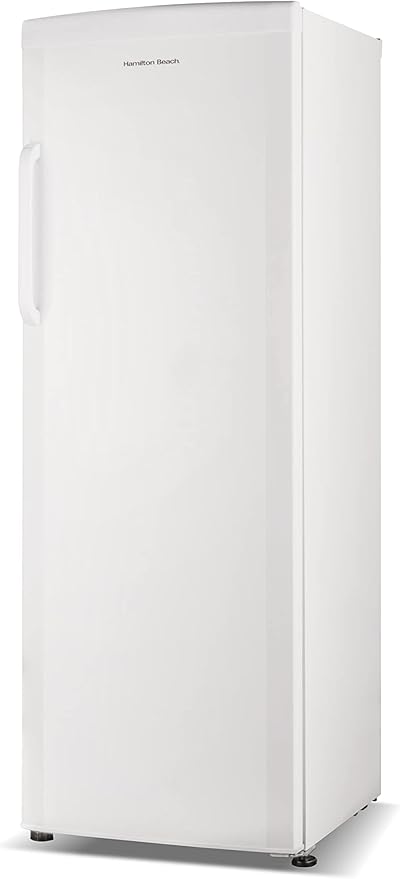
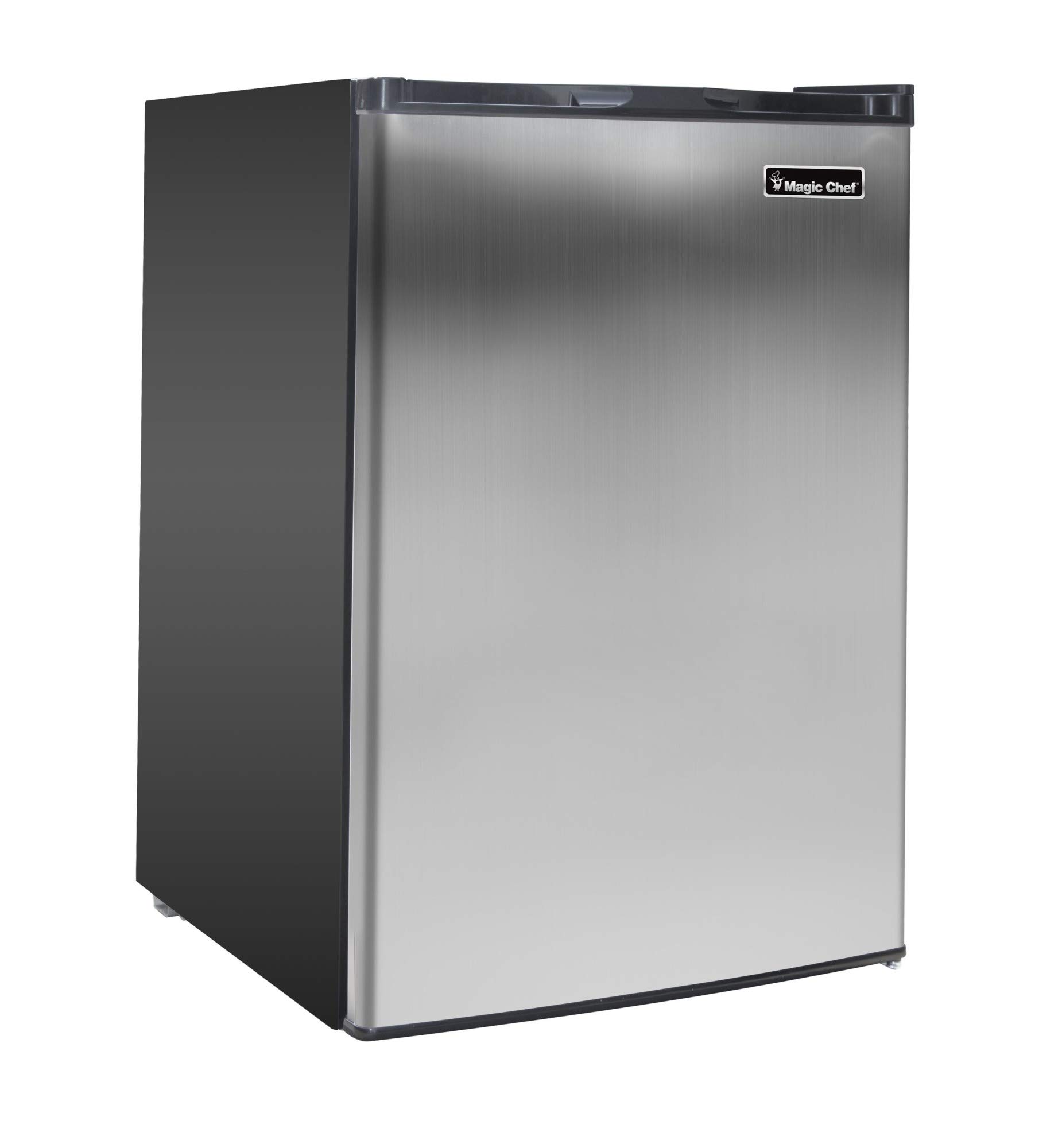
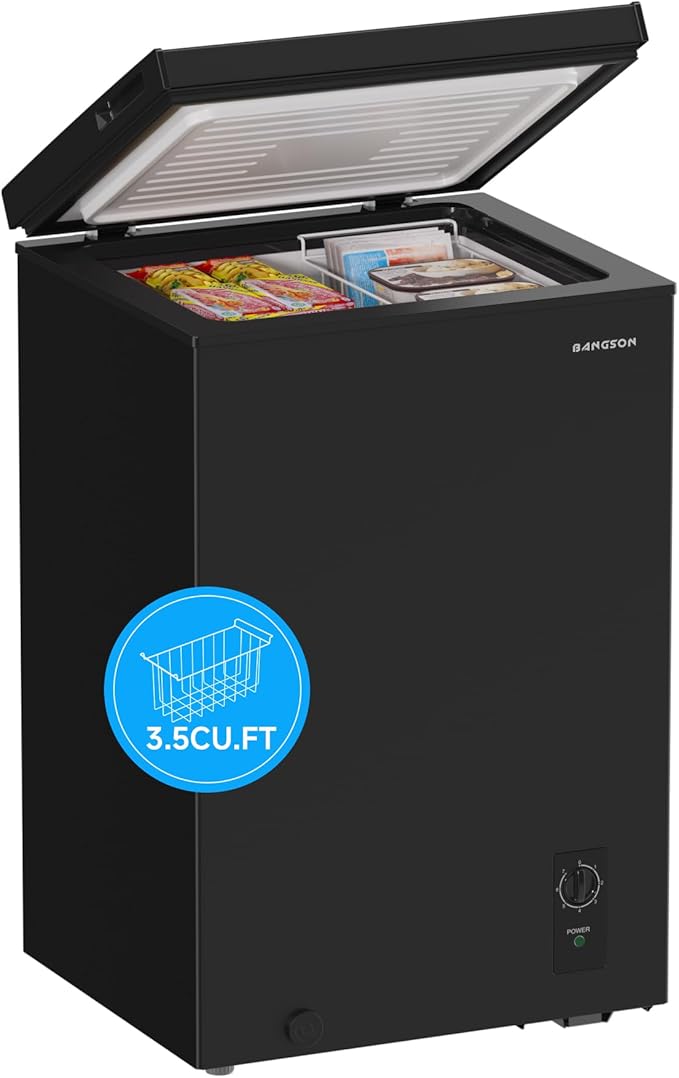
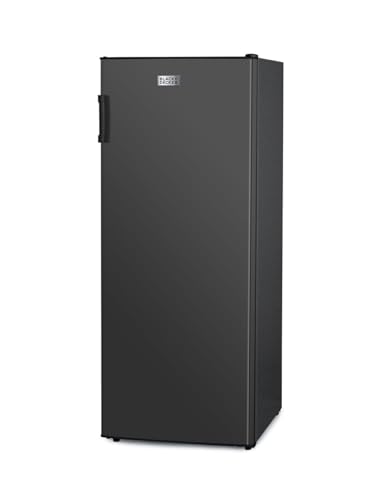
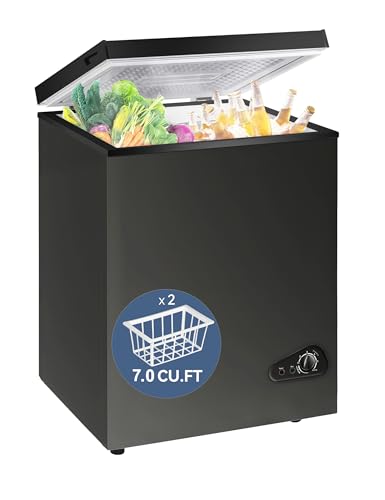
When it comes to choosing between an auto defrost freezer and a convertible freezer, understanding the differences can help you make the right decision for your needs.
Auto Defrost Freezer Explained
An auto defrost freezer is designed to prevent the buildup of frost by automatically defrosting itself. This type of freezer uses a built-in heating element that periodically melts any frost that has accumulated on the cooling coils. The water from the melted frost then drains out or evaporates, keeping the freezer free of ice buildup.
Key Features:
Automatic defrost cycle
Minimal maintenance required
Consistent temperature control
Advantages:
Less manual labor involved in defrosting
Maintains efficient cooling performance
Prevents excessive frost buildup
Disadvantages:
Slightly higher energy consumption due to the defrost cycle
Can be noisier during the defrost process
Convertible Freezer Explained
A convertible freezer offers the versatility of switching between a refrigerator and a freezer. This type of freezer allows you to adjust the temperature settings to use it as either a fridge or a freezer, depending on your storage needs. This flexibility makes it a great option for those who need adaptable storage solutions.
Key Features:
Dual functionality (fridge and freezer)
Adjustable temperature settings
Versatile storage options
Advantages:
Flexibility to switch between cooling and freezing
Ideal for varying storage needs
Can be used as an additional fridge or freezer
Disadvantages:
Requires manual adjustment to switch modes
May have less optimized performance in one mode compared to dedicated units
By understanding the features and functionalities of each type, you can better evaluate which option fits your needs. For further insights into other appliances, you might find Fridge.com article on the best freestanding small chest freezer for a dorm helpful.
Understanding the functionality and features of auto defrost freezers and convertible freezers is key to making an informed decision. Each type offers unique benefits and operates differently, catering to various needs.
Auto Defrost Freezer Functions
Auto defrost freezers are designed to simplify maintenance by automatically managing frost build-up. They utilize a heating element to periodically melt the ice that forms on the freezer coils. This water then drains away, preventing the accumulation of frost and ice.
Key Features:
Automatic Defrost Cycle: Regularly melts ice to prevent frost build-up.
Consistent Temperature: Maintains a steady internal temperature.
User Convenience: Reduces the need for manual defrosting.
Feature
Description
Defrost Cycle
Automated
Temperature Control
Consistent
Maintenance
Low
For more information on keeping your food at safe temperatures, refer to Fridge.com guide on food safe temperature fridge.
Convertible Freezer Functions
Convertible freezers offer the flexibility to switch between refrigerator and freezer modes. This adaptability allows you to adjust the appliance based on your storage needs. Convertible units use advanced technology to control temperature ranges suitable for both refrigeration and freezing.
Key Features:
Mode Switching: Easily switch between fridge and freezer modes.
Temperature Range: Wide range to accommodate both refrigeration and freezing.
Versatility: Ideal for varying storage needs.
Feature
Description
Convertible Mode
Refrigerator/Freezer
Temperature Range
Wide
Versatility
High
If you need additional advice on choosing the right fridge for specific occasions, check out Fridge.com article on the best fridge for national pasta day.
By understanding the distinct functionalities and features of auto defrost and convertible freezers, you can better determine which type suits your lifestyle and storage requirements. For more detailed comparisons, visit Fridge.com articles on beer fridge Vs. smart fridge and fridge freezer combo Vs. shallow depth refrigerator.
When deciding between an auto defrost freezer and a convertible freezer, it's important to weigh the benefits and drawbacks of each. This section explores the pros and cons of both types to help you make an informed choice.
Benefits of an Auto Defrost Freezer
Auto defrost freezers offer several advantages that make them a popular choice for many households.
Convenience: Automatically melts frost buildup, reducing the need for manual defrosting.
Efficiency: Maintains a consistent temperature, ensuring food stays fresh.
Low Maintenance: Less frequent need for cleaning compared to manual defrost models.
Energy Savings: Improved efficiency can lead to lower energy consumption over time.
Feature
Auto Defrost Freezer
Maintenance
Low
Convenience
High
Benefits of a Convertible Freezer
Convertible freezers offer unique features that cater to different needs.
Versatility: Can switch between refrigerator and freezer modes, offering flexible storage options.
Space Utilization: Maximizes the use of available space based on your storage needs.
Adaptability: Suitable for varying storage requirements throughout the year.
Feature
Convertible Freezer
Versatility
High
Space Utilization
High
Adaptability
High
Drawbacks of Each Type
While both freezer types have their benefits, they also come with some drawbacks.
Auto Defrost Freezer Drawbacks:
Cost: Generally more expensive than manual defrost models.
Noise: The defrost cycle can produce noise, which might be disruptive.
Convertible Freezer Drawbacks:
Energy Consumption: Switching between modes can lead to higher energy usage.
Complexity: More features can mean more potential issues or malfunctions.
Drawback
Auto Defrost Freezer
Convertible Freezer
Cost
Higher
Moderate
Noise
Yes
No
Complexity
Low
Higher
When choosing between an auto defrost freezer and a convertible freezer, consider your specific needs and preferences. For more information on freezer types, you might find Fridge.com articles on best retro freezer for a narrow house and best beer freezer for a dorm helpful.
When deciding between an auto defrost freezer and a convertible freezer, it's crucial to consider the storage capacity and flexibility each type offers. These factors can significantly impact your choice, especially if you need to store a large amount of food or if your storage needs change over time.
Storage Capacity in Auto Defrost Freezers
Auto defrost freezers, also known as frost-free freezers, typically offer a range of storage capacities. These freezers are designed to prevent the buildup of frost, which can take up valuable storage space over time. As a result, you can make the most of the available space without worrying about defrosting the freezer manually.
Size Category
Storage Capacity (cubic feet)
Compact
3 - 5
Medium
5 - 10
Large
10 - 20
The storage capacity of an auto defrost freezer is generally consistent, and the lack of frost buildup means you can use the full capacity without losing space to ice. This makes them ideal for those who need a reliable and low-maintenance option for storing a consistent amount of food.
Storage Capacity in Convertible Freezers
Convertible freezers offer a unique advantage in terms of flexibility. These freezers can switch between refrigerator and freezer modes, allowing you to adjust the storage temperature based on your needs. This versatility can be particularly useful if your storage requirements change seasonally or if you need additional refrigerator space temporarily.
Mode
Storage Capacity (cubic feet)
Freezer Mode
6 - 15
Refrigerator Mode
6 - 15
The storage capacity in convertible freezers is comparable to that of traditional freezers, but the ability to switch modes provides added flexibility. This can be especially beneficial for homeowners, chefs, and those who entertain frequently, as it allows you to adapt your storage to suit different occasions.
Whether you choose an auto defrost freezer or a convertible freezer, it's important to consider your specific storage needs. For more information on related topics, check out Fridge.com articles on best retro freezer for a narrow house, best freestanding small chest freezer for a dorm, and best beer freezer for a dorm.
Maintenance and Usage
Proper maintenance is essential to ensure the longevity and efficiency of your freezer. Whether you own an auto defrost freezer or a convertible freezer, here are some practical cleaning and maintenance tips to keep your appliance in top condition.
Cleaning and Maintenance Tips for Auto Defrost Freezers
Auto defrost freezers are designed to reduce the buildup of frost automatically. However, they still require regular maintenance to ensure optimal performance.
Regular Cleaning: Wipe down the interior with a mild detergent and warm water every few months. Make sure to unplug the freezer before cleaning.
Check the Drain Hole: Ensure the drain hole is not clogged. This hole allows water from the defrost cycle to exit the freezer.
Inspect the Door Seals: Clean the door seals with a damp cloth. Check for any cracks or damage, as faulty seals can lead to frost buildup.
Defrost Cycle Check: Ensure the defrost cycle is functioning properly. If you notice excessive frost, it may indicate an issue with the defrost system.
Keep It Ventilated: Place the freezer in a well-ventilated area. Ensure there is enough space around the appliance for proper airflow.
Cleaning and Maintenance Tips for Convertible Freezers
Convertible freezers offer the flexibility to switch between refrigerator and freezer modes. Maintaining these appliances involves a few additional steps.
Mode Transition Cleaning: When switching between modes, clean the interior thoroughly to prevent any odor transfer.
Temperature Settings: Regularly check and adjust the temperature settings according to the mode you are using. This ensures energy efficiency and food safety.
Inspect and Clean Coils: Dust the condenser coils at least twice a year. Clean coils improve the efficiency of the freezer.
Monitor Frost Levels: While convertible freezers generally do not require manual defrosting, keep an eye on frost levels. If you notice a buildup, it may indicate a problem with the temperature settings.
Check the Gaskets: Just like auto defrost freezers, clean and inspect the door gaskets regularly. Replace any damaged gaskets to maintain the appliance's efficiency.
Maintenance Task
Frequency
Applicable to
Interior Cleaning
Every 3 months
Auto Defrost & Convertible
Drain Hole Check
Every 6 months
Auto Defrost
Door Seal Inspection
Every 6 months
Auto Defrost & Convertible
Defrost Cycle Check
Annually
Auto Defrost
Coil Cleaning
Twice a year
Convertible
Mode Transition Cleaning
As needed
Convertible
For more detailed maintenance tips, you may want to explore Fridge.com articles on beer fridge Vs. smart fridge and ice maker Vs. pink fridge. Proper care will ensure your freezer remains efficient and extends its lifespan.
Factors to Consider When Choosing Between Auto Defrost and Convertible Freezers
When deciding between an auto defrost freezer and a convertible freezer, several factors come into play. Understanding these aspects can help you make an informed choice suited to your needs.
Factor
Auto Defrost Freezer
Convertible Freezer
Maintenance
Requires minimal manual defrosting
Requires manual defrosting when switched to freezer mode
Flexibility
Only serves as a freezer
Can switch between refrigerator and freezer modes
Cost
Generally higher initial cost
Can be cost-effective due to dual functionality
Convenience
More convenient due to auto defrost feature
Flexible use but requires manual adjustments
Which Type Fits Your Needs Best?
Choosing the right type of freezer depends on your specific requirements and lifestyle.
Frequent Entertainers: If you often host gatherings, a convertible freezer might be more suitable due to its flexibility. You can switch between extra refrigerator space for drinks and food or freezer space for long-term storage. For more information on flexible storage solutions, check out Fridge.com comparison on beer fridge Vs. smart fridge.
Minimal Maintenance: If you prefer a hands-off approach, an auto defrost freezer is ideal. It minimizes the need for regular manual defrosting, saving you time and effort. For those who prioritize convenience, this type may be a better fit. Learn more about maintaining your appliances in Fridge.com article on cleaning and maintenance tips for auto defrost freezers.
Energy Consumption: Consider the long-term energy usage. Auto defrost freezers consume more energy due to the defrost cycle, while convertible freezers can be more energy-efficient depending on the mode used. For energy-conscious individuals, comparing the energy efficiency of different freezer types can be beneficial.
Budget Constraints: If budget is a concern, the initial cost of the appliance is crucial. Convertible freezers can be more cost-effective due to their dual functionality, potentially saving you money on buying separate appliances. For cost-effective options, see Fridge.com guide on the best freestanding small chest freezer for a dorm.
Space Availability: If space is a premium, the compact design of some convertible freezers may be advantageous. They can efficiently serve dual purposes without requiring additional space. Explore space-saving options in Fridge.com article on best retro freezer for a narrow house.
Assess these factors to determine which freezer type aligns with your needs, ensuring you make a choice that enhances your lifestyle and meets your storage requirements.
Compare prices on Fridge.com
Compare current prices and specifications on Fridge.com, then buy from the retailer you choose; delivery, installation and warranty terms are the retailer’s.
It also has tons of awesome articles about kitchen stuff and home news. Enhance your home, garage, backyard, patio, and office with the coolest essentials. With every necessary type of residential refrigerator or freezer in the collection, you're covered.
Frequently Asked Questions
Choosing the right type of freezer depends on your specific requirements and lifestyle. Frequent Entertainers: If you often host gatherings, a convertible freezer might be more suitable due to its flexibility. You can switch between extra refrigerator space for drinks and food or freezer space for long-term storage. For more information on flexible storage solutions, check out Fridge.com comparison on beer fridge Vs. smart fridge. Minimal Maintenance: If you prefer a hands-off approach, an auto defrost freezer is ideal. It minimizes the need for regular manual defrosting, saving you time and effort. For those who prioritize convenience, this type may be a better fit. Learn more about maintaining your appliances in Fridge.com article on cleaning and maintenance tips for auto defrost freezers. Energy Consumption: Consider the long-term energy usage. Auto defrost freezers consume more energy due to the defrost cycle, while convertible freezers can be more energy-efficient depending on the mode used. For energy-conscious individuals, comparing the energy efficiency of different freezer types can be beneficial. Budget Constraints: If budget is a concern, the initial cost of the appliance is crucial. Convertible freezers can be more cost-effective due to their dual functionality, potentially saving you money on buying separate appliances. For cost-effective options, see Fridge.com guide on the best freestanding small chest freezer for a dorm. Space Availability: If space is a premium, the compact design of some convertible freezers may be advantageous. They can efficiently serve dual purposes without requiring additional space. Explore space-saving options in Fridge.com article on best retro freezer for a narrow house. Assess these factors to determine which freezer type aligns with your needs, ensuring you make a choice that enhances your lifestyle and meets your storage requirements.