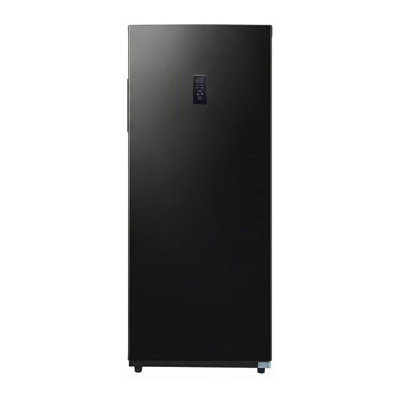
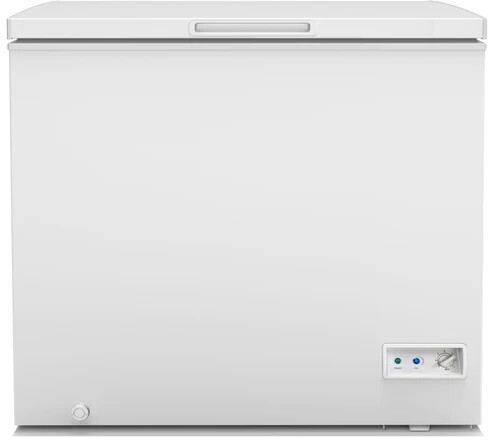
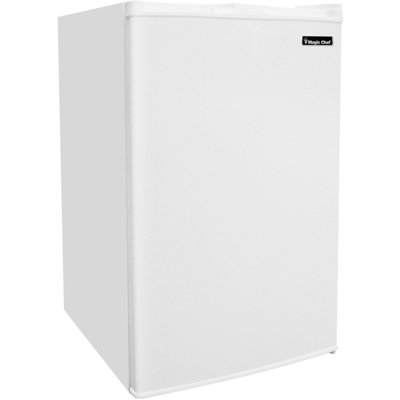
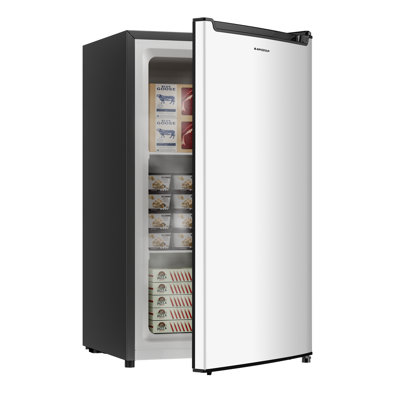
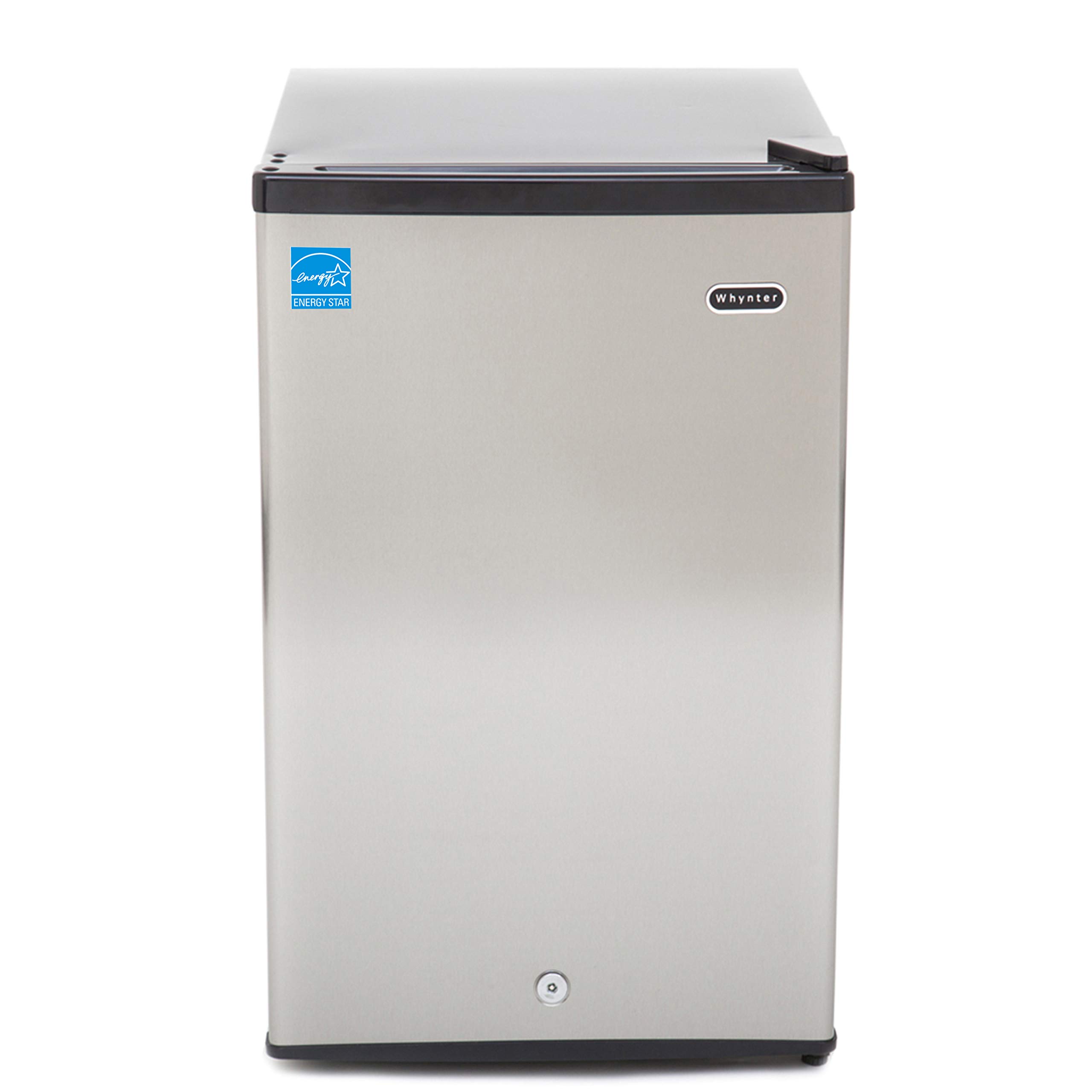
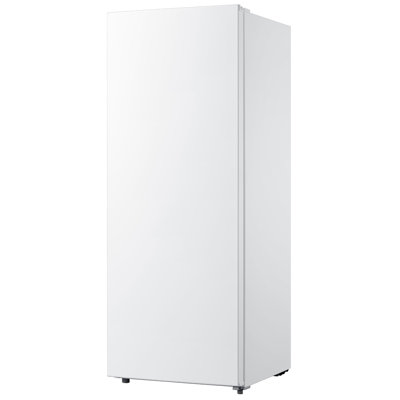
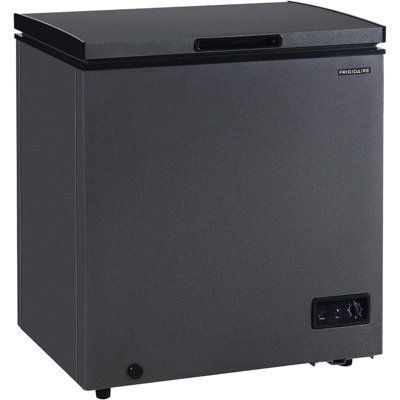
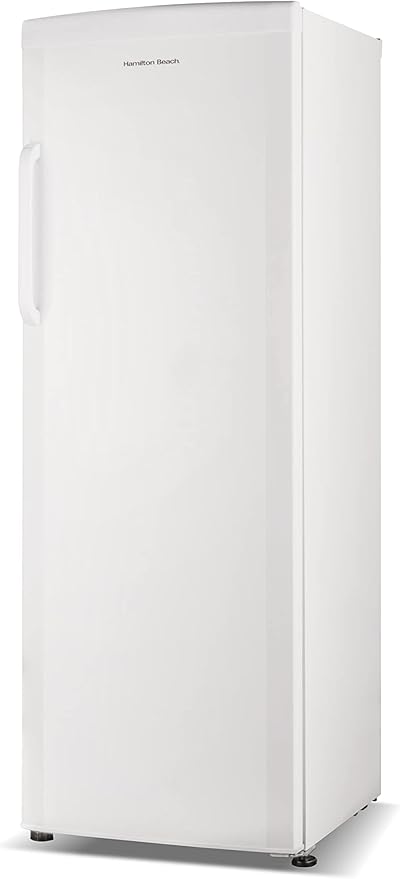
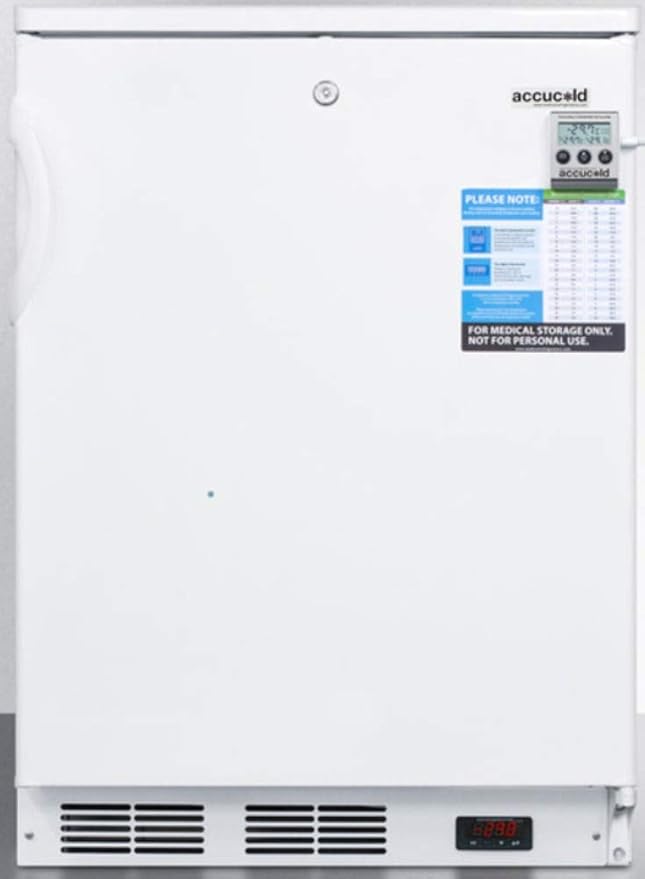
When deciding between an auto defrost freezer and a beverage refrigerator, it's essential to grasp the fundamental differences to choose the appliance that best fits your requirements. Whether you're outfitting a new kitchen in your home or enhancing a space in your office, understanding these appliances' distinct features is key.
Auto defrost freezers and beverage refrigerators cater to different needs, and each has specific functionalities that make them suitable for various environments, such as homes, apartments, offices, or entertainment spaces.
An auto defrost freezer primarily aims to prevent ice buildup without the need for manual defrosting, which can be a time-consuming process. On the other hand, a beverage refrigerator is designed to store drinks at optimal temperatures, ensuring your beverages are ready to serve.
The decision-making process involves considering factors such as the appliance's size, storage capacity, intended use, and maintenance requirements. For instance, while an auto defrost freezer is ideal for long-term storage of perishables, a beverage refrigerator is perfect for those who frequently entertain guests and require easy access to chilled drinks.
Additionally, energy efficiency is a significant consideration for both types of appliances as it impacts running costs and environmental footprint. It's worthwhile to explore features like adjustable temperature controls, shelving configurations, and door styles that contribute to the functionality and convenience of the appliance.
To delve deeper into the specifics of each type and to compare them against other refrigeration options, you can explore articles like auto defrost freezer vs. mini fridge and beverage cellar vs. freezer cooler. These resources can offer more detailed comparisons to help guide your decision based on your unique needs and preferences.
Choosing the right appliance will ensure that whether you're storing bulk groceries or curating a collection of fine beverages, your items remain in prime condition, ready for your next meal prep or social gathering.
Auto Defrost Freezer
How Auto Defrost Freezers Work
Auto defrost freezers, also known as frost-free freezers, are designed to prevent the accumulation of ice and frost within the unit. They operate by periodically warming the interior coils to melt any frost that has formed. This meltwater is then channeled to a drain and evaporated, often with the aid of a heating element. The cycle is regulated by a timer and thermostat, ensuring that the freezer maintains an optimal temperature for food preservation.
Pros of Auto Defrost Freezers
Auto defrost freezers offer several advantages that make them a popular choice for those looking to maintain their frozen goods with minimal hassle.
Convenience: The automatic defrosting cycle means you don't have to manually defrost your freezer, saving you time and effort.
Consistent Temperature: By preventing ice buildup, these freezers maintain a consistent temperature, which is better for preserving the quality and nutritional value of your food.
Maintenance: Less ice buildup translates to lower maintenance requirements, as there's no need for regular defrosting.
Accessibility: Without layers of frost, it's easier to organize and access your frozen items.
Here is a quick overview of these pros:
Benefit
Description
Convenience
Eliminates manual defrosting
Temperature Consistency
Promotes uniform freezing
Maintenance
Reduces regular defrosting chores
Accessibility
Simplifies organization and retrieval of items
Cons of Auto Defrost Freezers
Despite their benefits, auto defrost freezers also present some drawbacks that are important to consider:
Energy Consumption: The heating cycle increases energy use compared to manual defrost models, potentially leading to higher electricity bills.
Dehydration Risk: The cycling air can cause freezer burn or dehydration in improperly packaged foods.
Initial Cost: Generally, these freezers are more expensive than their manual counterparts.
Noise: The defrost mechanism and fans may produce more noise during the defrost cycle.
It's important to weigh these cons against the pros and your particular needs. For a comparison with other freezer types, such as manual defrost freezers and beverage refrigerators, you can explore Fridge.com related articles.
Beverage Refrigerator
Beverage refrigerators are specialized appliances designed to store drinks at optimal temperatures, ensuring they are ready to serve at a moment's notice. Understanding how they function and their advantages and limitations is key when deciding if a beverage refrigerator is the right choice for your home or office.
How Beverage Refrigerators Work
Beverage refrigerators are engineered to create a stable and suitable environment for storing various drinks, from sodas and water to beer and wine. They are equipped with a cooling system, often using a compressor or thermoelectric cooling, that maintains a consistent temperature, which can be adjusted according to the type of beverages stored inside. The internal environment is typically designed to minimize fluctuations in humidity and temperature, which are critical factors for beverage preservation.
Pros of Beverage Refrigerators
Proponents of beverage refrigerators tout several benefits:
Optimized Temperature Control: Beverage refrigerators offer precise temperature settings to keep your drinks at their best taste and consistency.
Space Efficiency: These units are often compact, making them ideal for fitting into tight spaces in apartments, offices, or entertainment areas.
Designated Storage: Separate storage for beverages means more room in your main refrigerator for food items.
Variety of Sizes and Styles: They come in a range of sizes and styles to suit different needs and aesthetics, from undercounter to freestanding models.
Cons of Beverage Refrigerators
However, beverage refrigerators also have some drawbacks:
Limited Use: They are specifically designed for beverages, which means they aren't versatile for other storage needs.
Cost: High-quality beverage refrigerators can be an added expense compared to using a standard refrigerator.
Energy Consumption: Depending on the model, they can consume a significant amount of energy, especially if not energy-efficient.
In conclusion, whether you choose a beverage refrigerator or a different cooling appliance, such as an auto defrost freezer, it is essential to consider your specific needs for storage, space, and convenience. If you are a connoisseur of drinks or love to entertain, a beverage refrigerator might be a valuable addition to your home. For comparisons with other refrigeration options, have a look at articles like all freezer refrigerator vs. dry age fridge or counter depth refrigerator vs. mini freezer to explore what might work best for your lifestyle.
Capacity and Storage
When considering an auto defrost freezer versus a beverage refrigerator, it's essential to take into account the capacity and storage capabilities of each appliance. This will help you determine which option is best suited to your needs, whether you're stocking up on frozen goods or keeping a variety of drinks chilled.
Comparing Storage Space
Auto defrost freezers and beverage refrigerators come in a range of sizes, and their storage capacities can vary significantly. Here's a general comparison to give you an idea of what to expect:
Appliance Type
Average Capacity Range
Auto Defrost Freezer
5 to 20 cubic feet
Beverage Refrigerator
3 to 10 cubic feet
Auto defrost freezers typically offer larger storage space, making them ideal for storing bulk items and larger quantities of frozen food. On the other hand, beverage refrigerators are designed with shelving and compartments that cater specifically to drinks, allowing for efficient organization and easy access.
Ideal Uses for Each Appliance
Your choice between an auto defrost freezer and a beverage refrigerator should align with your intended use. An auto defrost freezer is perfect if you need to store large amounts of frozen foods, such as meats, vegetables, and prepared meals. The auto defrost feature ensures that you won't need to manually defrost the appliance, saving you time and effort.
For those who entertain frequently or simply enjoy having a variety of cold drinks on hand, a beverage refrigerator is the ideal choice. They are specifically designed to accommodate bottles and cans, ensuring your drinks are at the perfect temperature for serving. Additionally, the transparent doors and internal lighting often found in beverage refrigerators make it easy to view and select your drinks.
Before making a decision, consider exploring other types of refrigerators and freezers to find the one that aligns with your specific requirements. You might find that a drawer fridge freezer offers the convenience you need, or perhaps a freestanding drawer freezer is more suited to your space. For those with limited space, comparing a counter depth refrigerator with a mini fridge with freezer might be beneficial.
Each type of appliance has its unique advantages, and by assessing your space, needs, and lifestyle, you can make an informed decision on whether an auto defrost freezer or a beverage refrigerator—or perhaps another option entirely—is the best fit for your home.
Ensuring your appliances run efficiently involves regular maintenance and awareness of their energy consumption. Whether you've chosen an auto defrost freezer or a beverage refrigerator, keeping them in prime condition is essential for longevity and performance.
Cleaning and Maintenance Tips
Regular cleaning is vital to the upkeep of both auto defrost freezers and beverage refrigerators. Here are some tips for each appliance:
Auto Defrost Freezer:
Ensure the freezer is empty and unplugged before cleaning.
Remove any shelving and wash with warm, soapy water.
Wipe the interior with a solution of two tablespoons of baking soda for every quart of warm water.
Dry all surfaces thoroughly before plugging the freezer back in.
Beverage Refrigerator:
Unplug the refrigerator and remove all beverages.
Take out any removable racks or bins and wash separately.
Clean the interior with a mild detergent and wipe down with a damp cloth.
Ensure the door seals are free of debris to maintain an efficient seal.
For information on how to maintain other types of refrigerators or freezers, consider reading about drawer fridge freezer vs. undercounter freezer or freestanding drawer freezer vs. see through refrigerator.
Energy Efficiency Considerations
Energy efficiency is not only beneficial for the environment but also for your electricity bills. Here are some factors to consider for both auto defrost freezers and beverage refrigerators:
Auto Defrost Freezer:
Auto defrost freezers typically require more energy to run due to the heating cycle that defrosts the ice.
Ensure the door seal is tight and intact to prevent cold air from escaping, which can increase energy consumption.
Beverage Refrigerator:
These refrigerators are often opened more frequently, which can lead to higher energy use. Consider the location to minimize warm air exchange.
Opt for a model with a high energy star rating to ensure better efficiency.
To compare the energy efficiency of various refrigerators and freezers, you might find articles like energy efficient refrigerator vs. skincare fridge or energy efficient refrigerator vs. freezerless refrigerator helpful.
Remember, consistent care and attention to energy efficiency can prolong the life of your appliances and save on costs in the long run. Whether you're storing frozen goods or keeping beverages chilled, proper maintenance is key.
Compare prices on Fridge.com
Compare current prices and specifications on Fridge.com, then buy from the retailer you choose; delivery, installation and warranty terms are the retailer’s.
It also has tons of awesome articles about kitchen stuff and home news. Enhance your home, garage, backyard, patio, and office with the coolest essentials. With every necessary type of residential refrigerator or freezer in the collection, you're covered.
From Fridge.com research
Figures below come from data Fridge.com builds and maintains. Each links to the record behind it.
Fridge.com Energy Index, built on U.S. EPA and DOE ENERGY STAR records
Across 5,455 ENERGY STAR certified refrigerators and freezers from 263 brands, median use is 360 kWh per year.