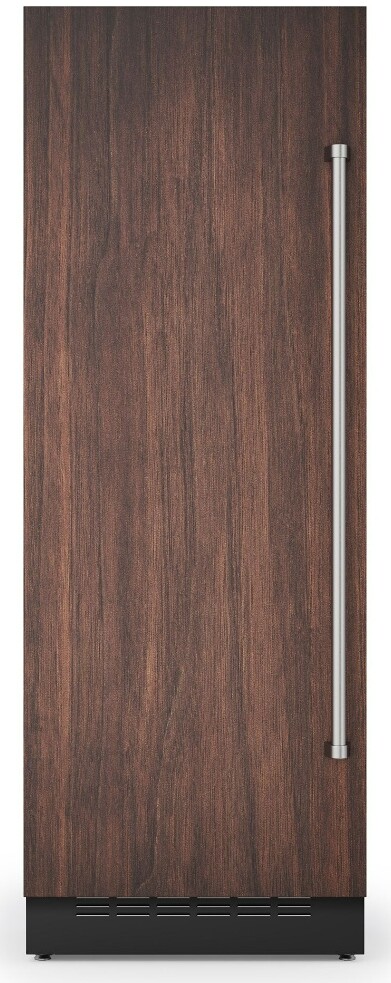
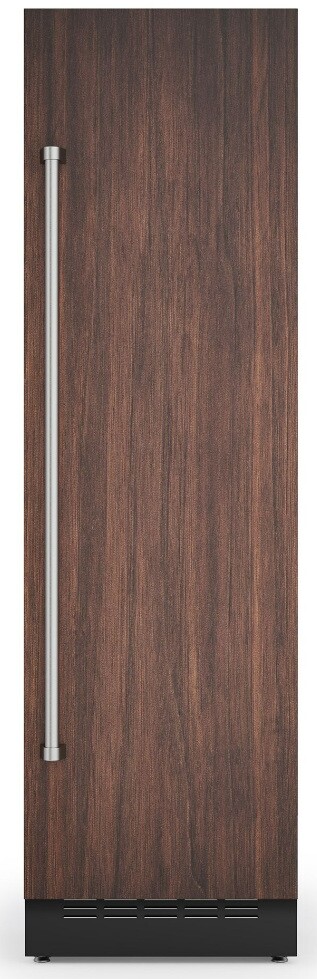
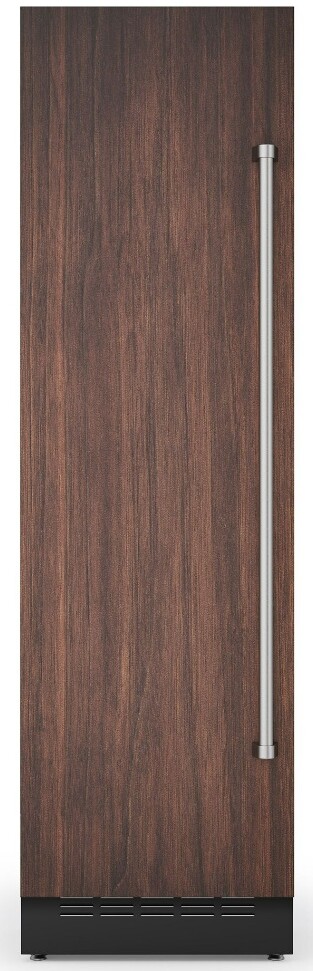
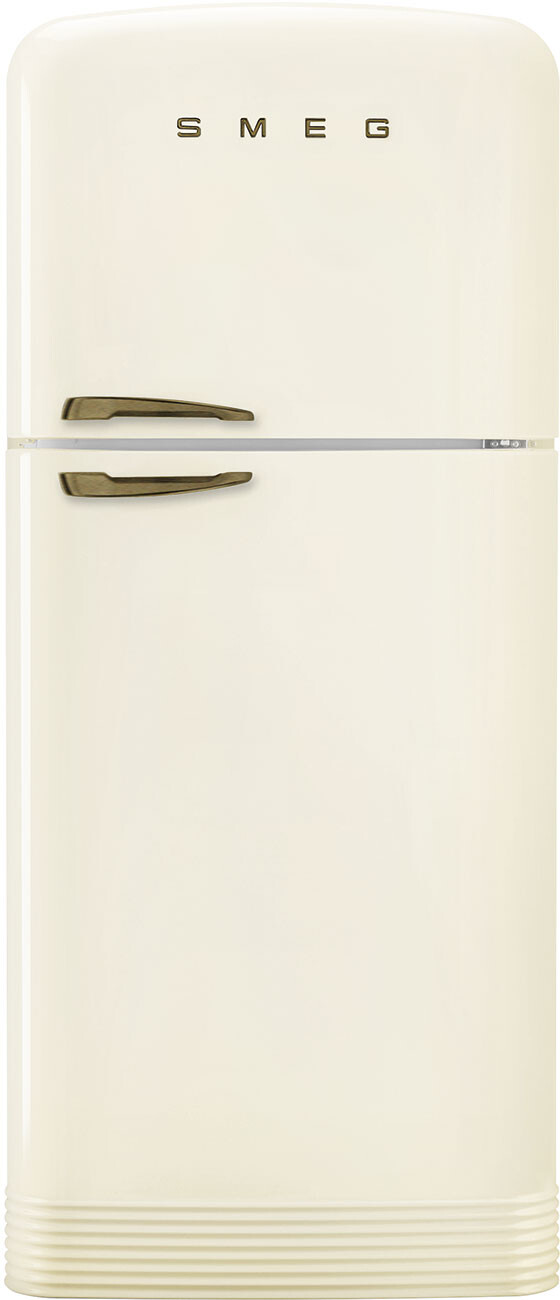
When choosing between a top freezer and a bottom freezer, it's important to understand the basic differences in their design and functionality. Each has its own set of benefits and drawbacks that can impact your daily use.
Top Freezer Overview
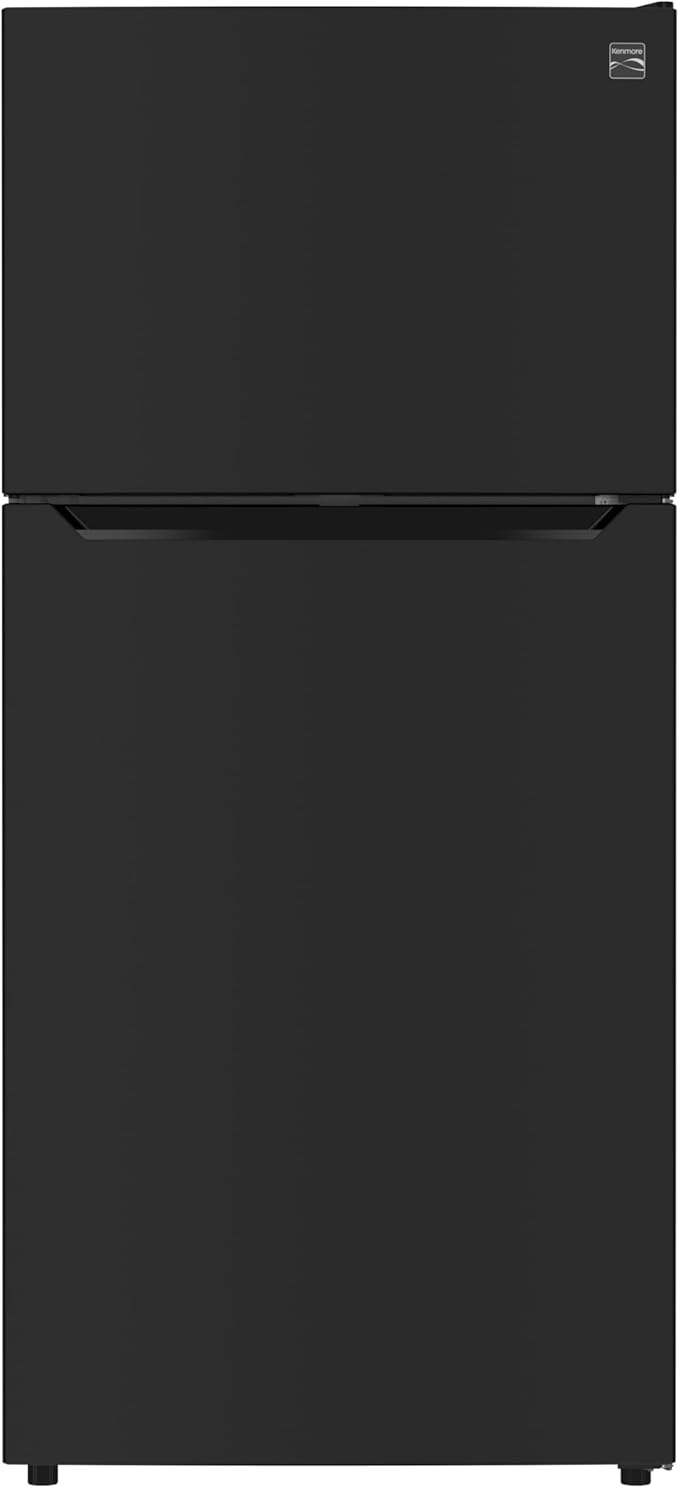
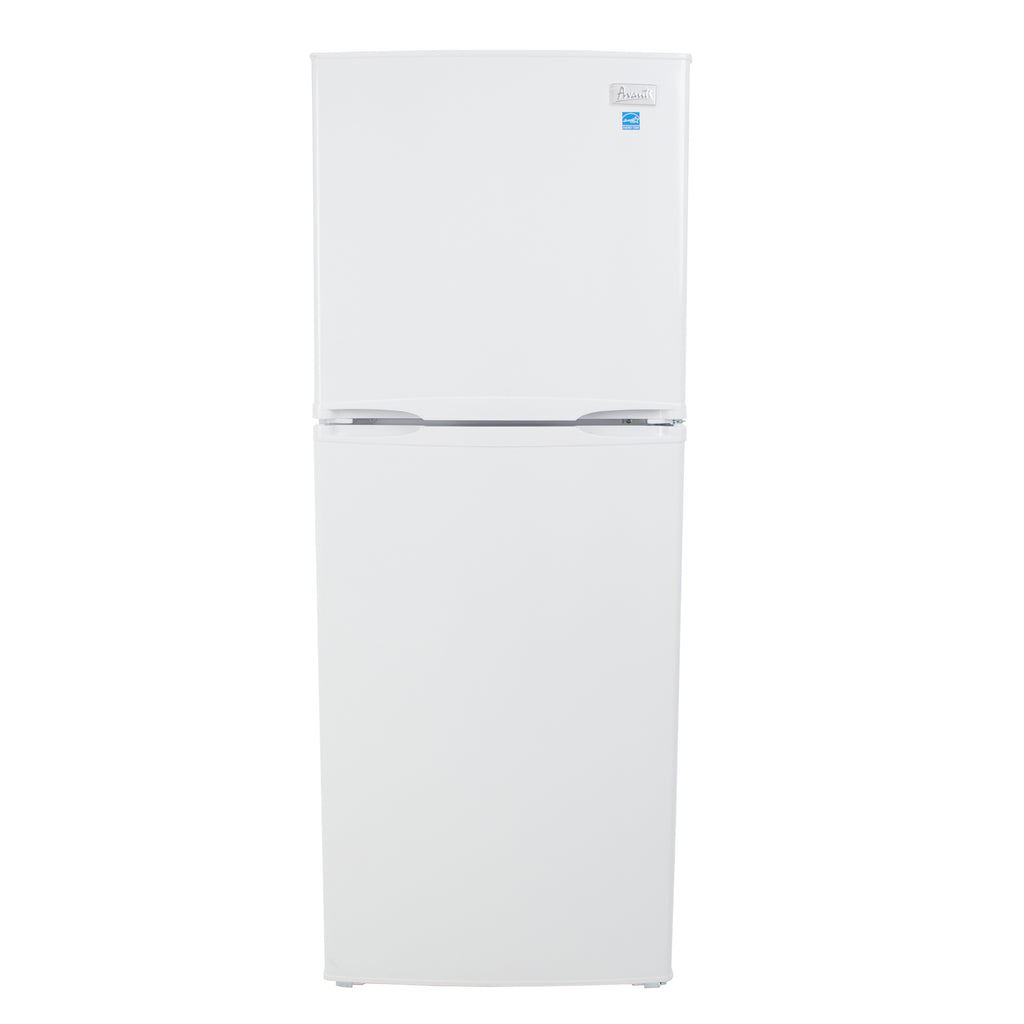
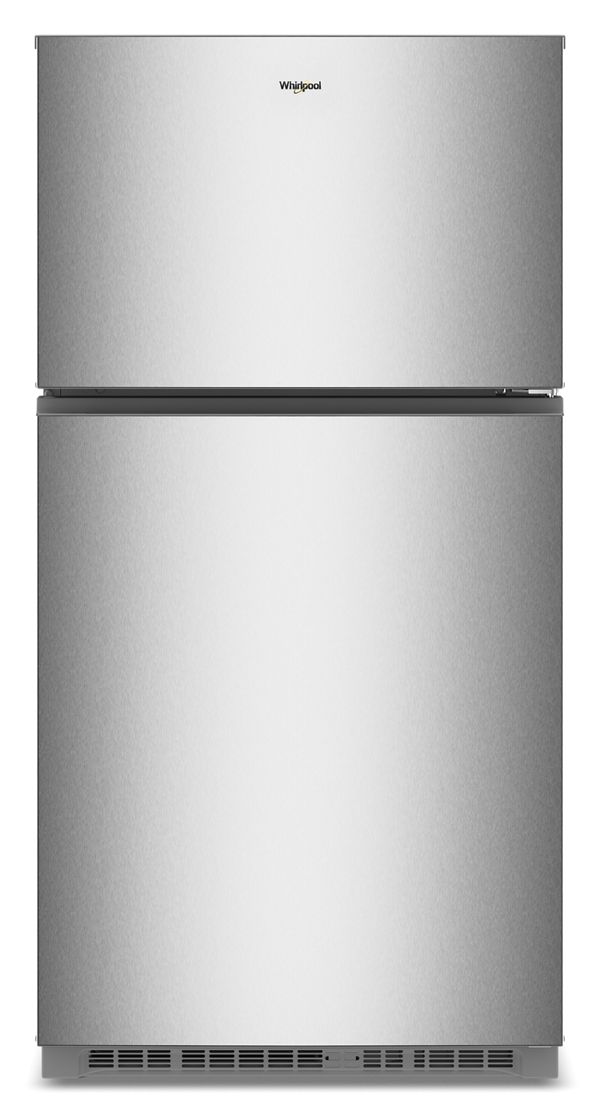
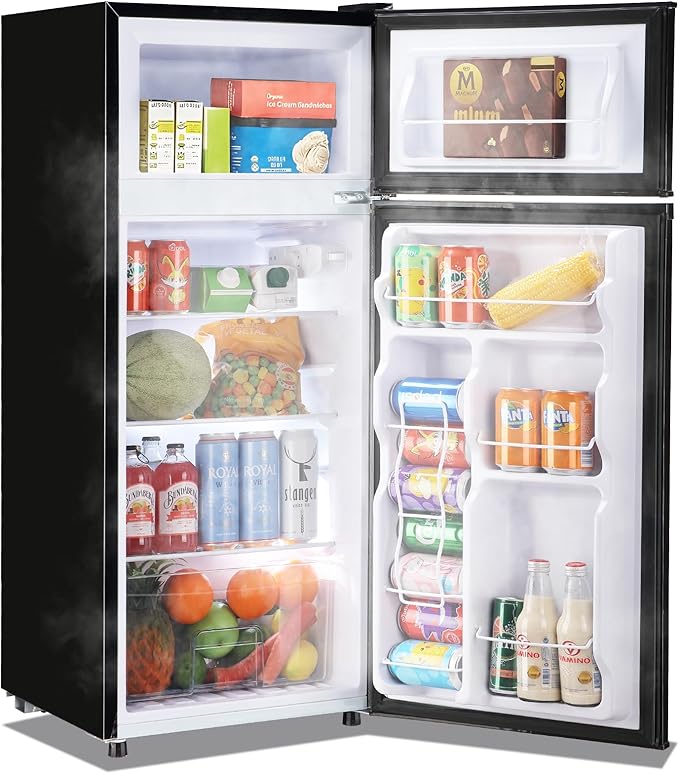
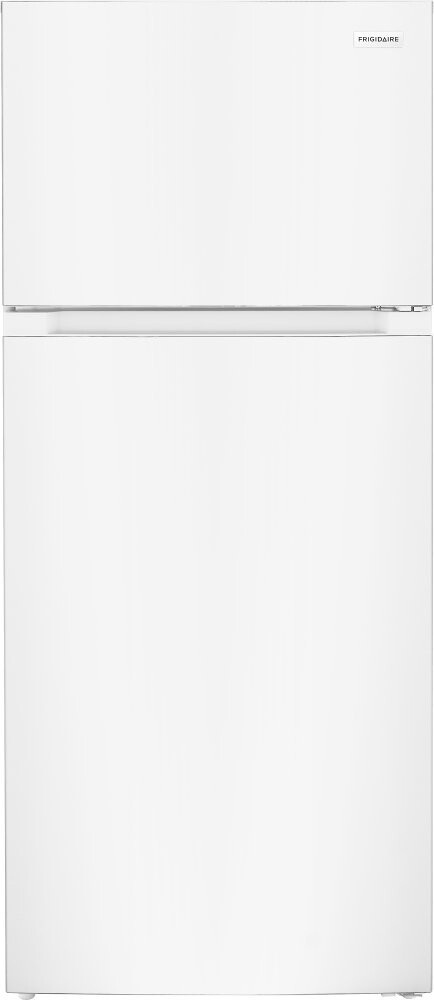
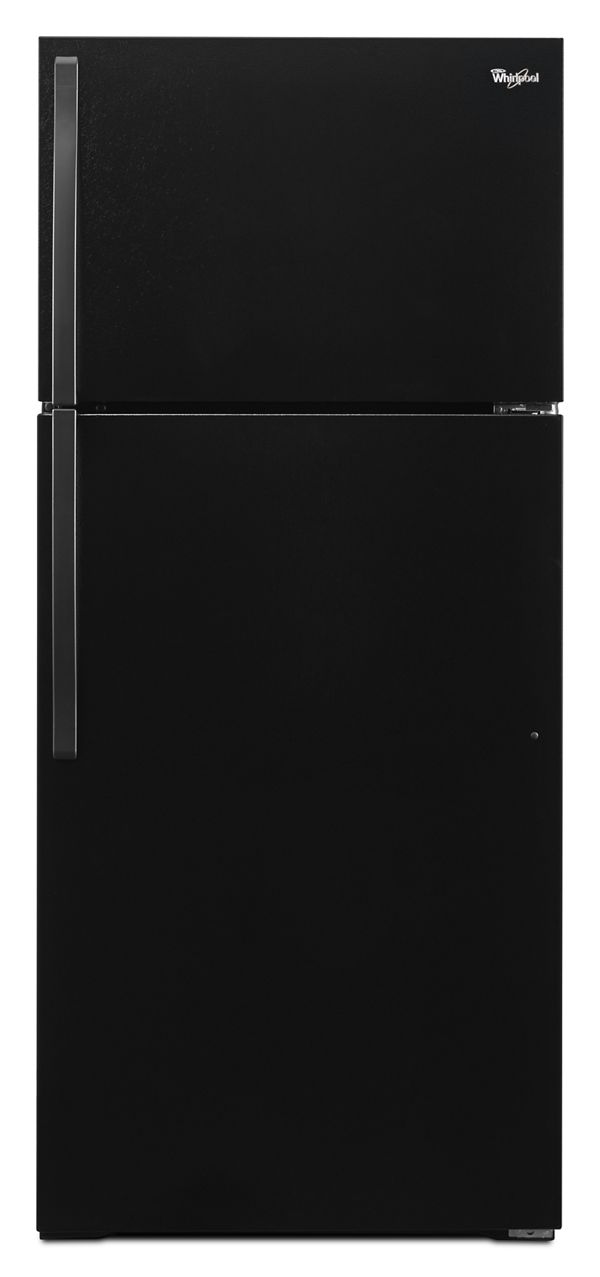
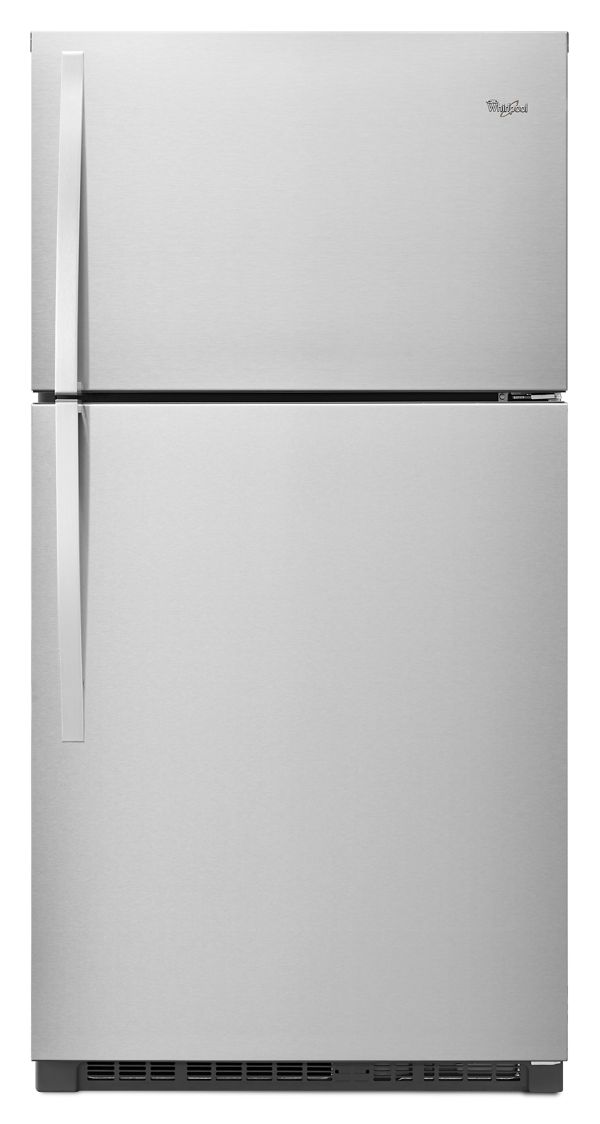
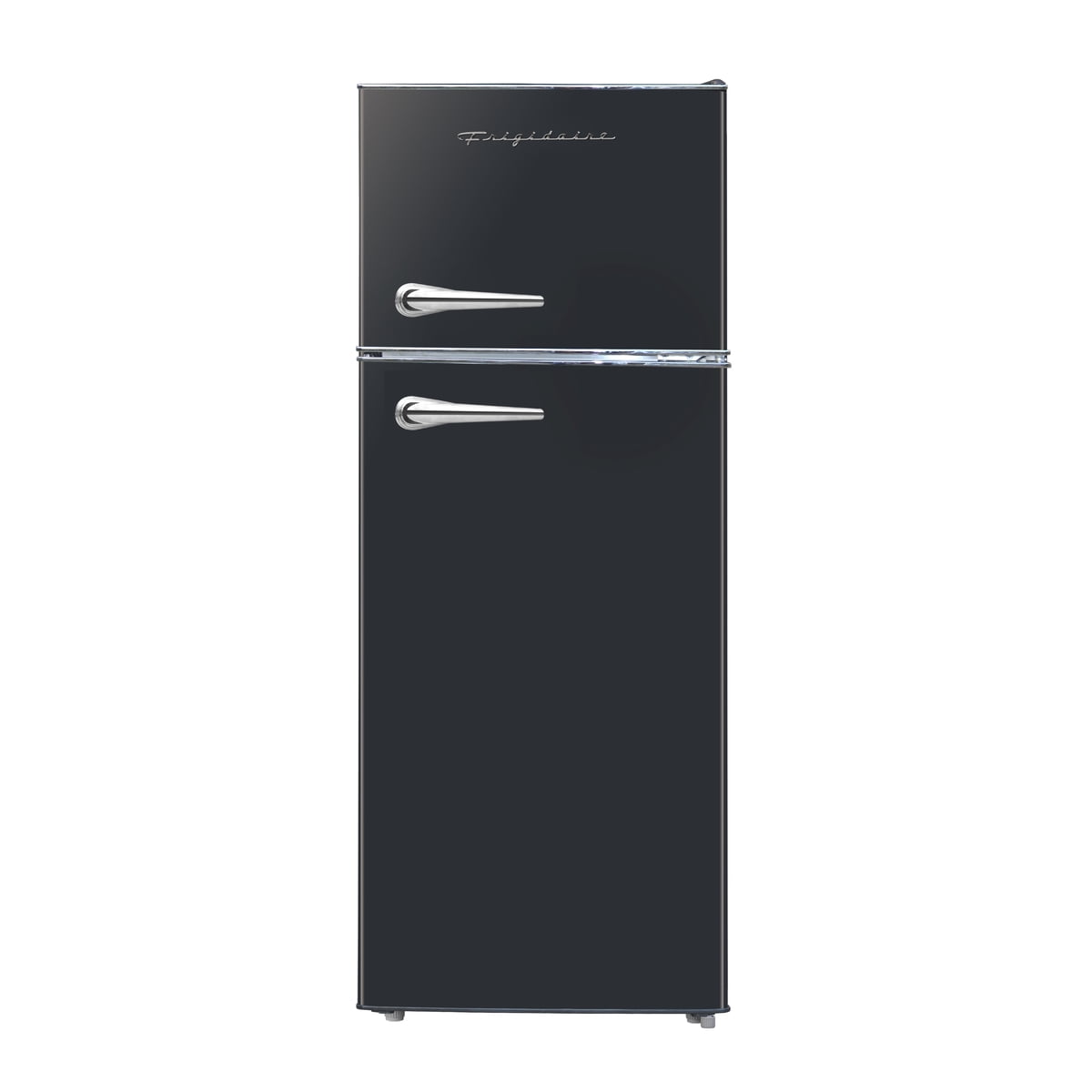
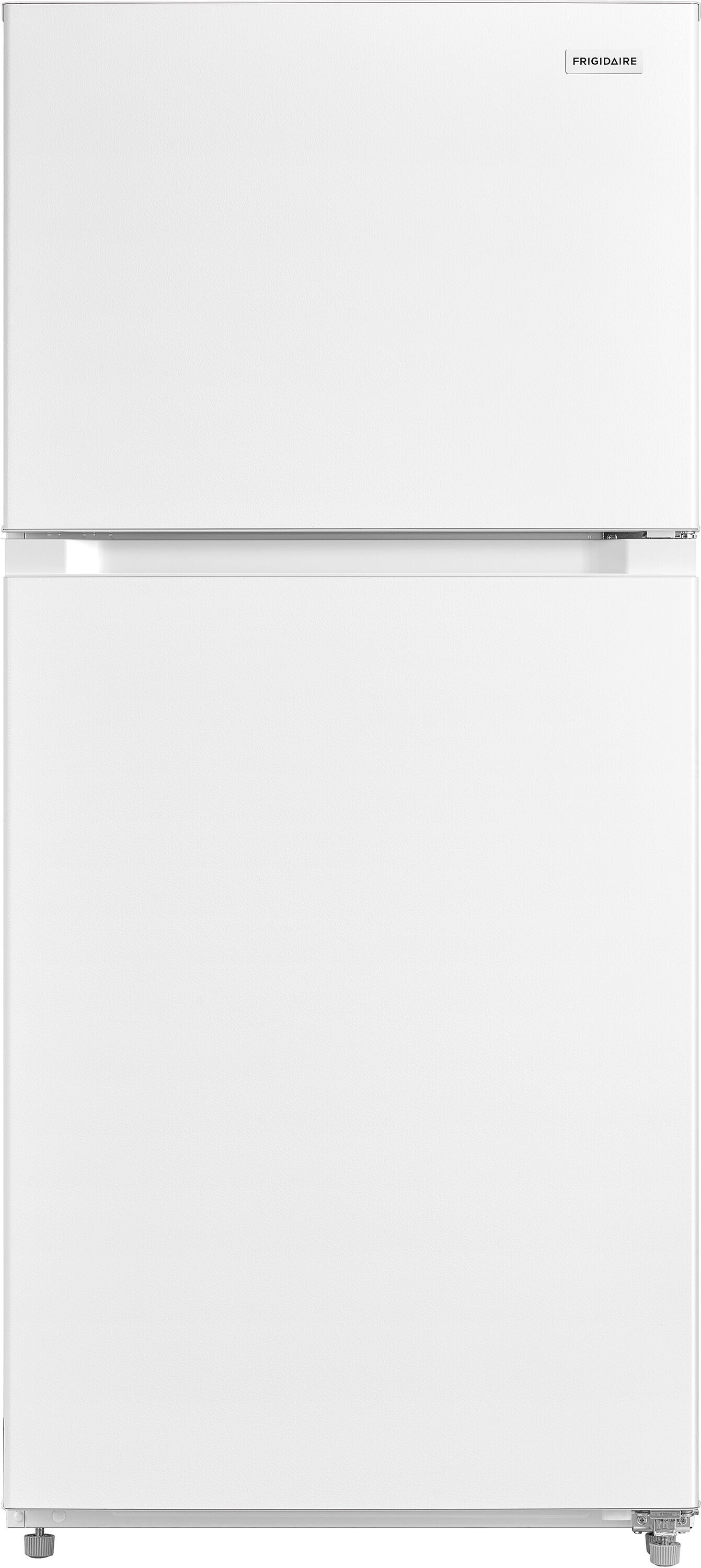
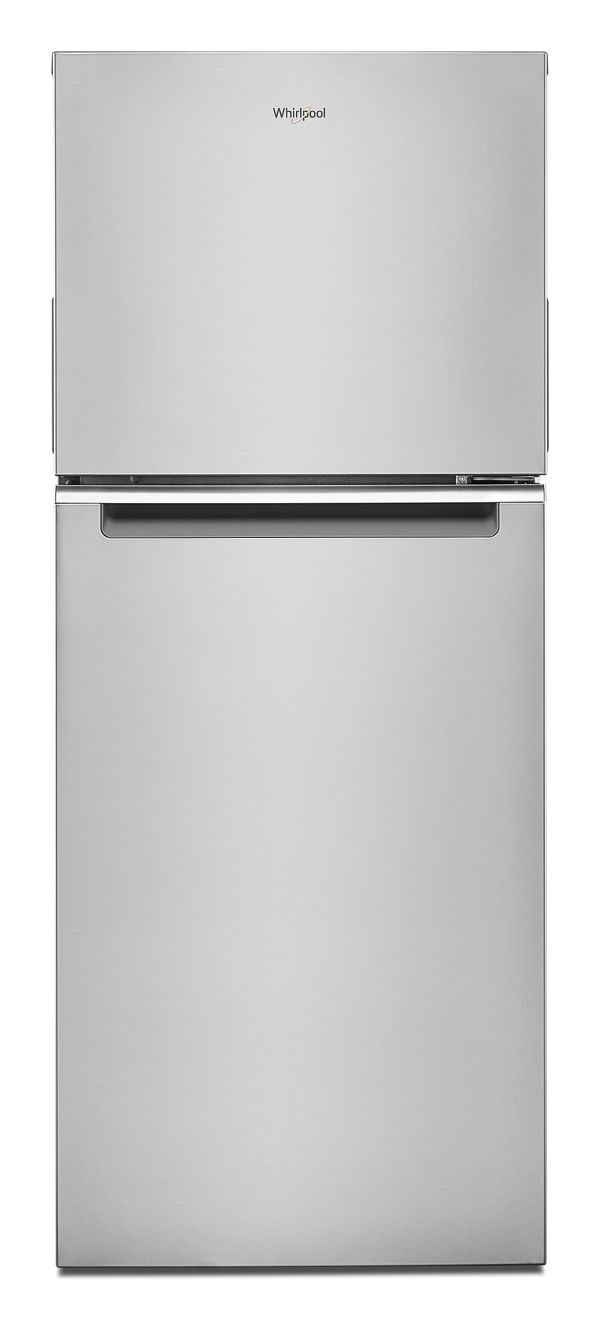
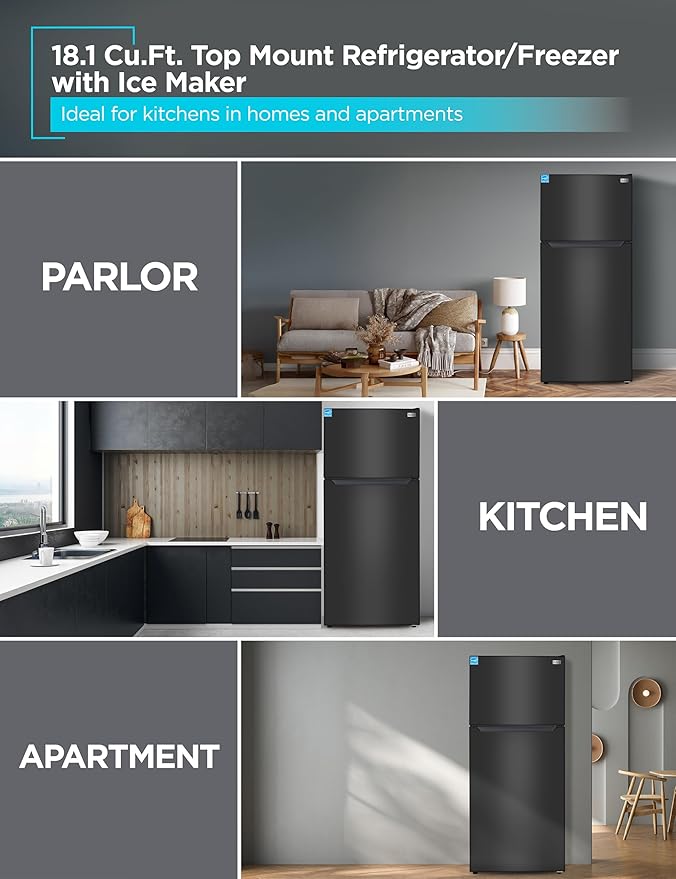
Top freezers are a classic choice, commonly found in many homes. In this design, the freezer compartment is located above the refrigerator section. This setup makes the freezer easily accessible without needing to bend down, which can be convenient for frequent freezer users.
Feature
Description
Location
Above the refrigerator section
Accessibility
Easy access to the freezer compartment
Popularity
Common in older models and smaller kitchens
Top freezers tend to be more affordable and are often found in smaller kitchens or older homes. They provide straightforward access to frozen items, making them a popular choice for those who use their freezer frequently.
Bottom Freezer Overview
Bottom freezers have gained popularity in recent years due to their ergonomic design. In this configuration, the freezer compartment is located below the refrigerator section. This setup allows the refrigerator section to be at eye level, making it easier to access fresh food without bending.
Feature
Description
Location
Below the refrigerator section
Accessibility
Convenient access to fresh food items
Popularity
Increasingly popular in modern kitchens
Bottom freezers offer the advantage of having the refrigerator section at eye level, which can be more convenient for accessing everyday items. This design is especially useful for those who use the refrigerator more frequently than the freezer.
Understanding the placement and design of each type can help you decide which freezer style best suits your needs and lifestyle.
Pros and Cons of Top Freezer
Top freezers are a common choice in many households. They offer a range of benefits but also come with certain drawbacks. Understanding these can help you decide if a top freezer is the right fit for your needs.
Advantages of Top Freezer
Cost-Effective: Top freezers are generally more affordable than other types of refrigerators. They offer a budget-friendly option without compromising functionality.
Energy Efficiency: These freezers tend to be more energy-efficient, which can lead to lower utility bills. They use less energy compared to some other designs, making them a cost-effective choice in the long run.
Accessibility for Frozen Items: With the freezer compartment at eye level, accessing frozen items is convenient. You don't have to bend down or reach awkwardly to retrieve your frozen goods.
Space Utilization: Top freezers often provide more usable space in the refrigerator section, which is beneficial for storing fresh food items.
Advantage
Description
Cost-Effective
Generally more affordable
Accessibility
Easy access to frozen items
Space Utilization
More usable space in the fridge section
Disadvantages of Top Freezer
Less Fridge Space: While they maximize space in the fridge section, top freezers typically offer less overall storage space compared to bottom freezers.
Inconvenient for Fridge Items: Accessing items in the refrigerator section can be less convenient, especially for items stored in the lower shelves or crisper drawers. This can be a hassle if you use the fridge section more frequently.
Older Designs: Many top freezer models come with older design features, which may lack some of the modern amenities found in newer bottom freezer models.
Limited Features: Top freezers might not have as many advanced features, such as temperature-controlled drawers or advanced cooling technology, which are more common in other types of refrigerators.
A bottom freezer refrigerator offers several benefits, especially for those who frequently use the fridge section more than the freezer. Here are some advantages:
Ergonomics: With the freezer located at the bottom, the fridge section is at eye level. This makes it easier to access frequently used items without bending.
Larger Freezer Space: Bottom freezers typically provide more storage space compared to top freezers. This makes it suitable for storing bulkier items.
Better Organization: Many bottom freezers come with drawers and compartments, allowing for better organization of frozen foods.
Energy Efficiency: These models can be more energy-efficient as the refrigerator section, which is used more frequently, is at a convenient height, reducing the need to open the freezer often.
Feature
Top Freezer
Bottom Freezer
Ergonomics
Low
High
Freezer Space
Moderate
High
Organization
Basic
Advanced
Disadvantages of Bottom Freezer
Despite the benefits, there are also some drawbacks to consider:
Accessibility: Items in the freezer section may be harder to reach as they are lower down, requiring more bending.
Price: Bottom freezer models tend to be more expensive than top freezer models.
Weight: Freezer drawers can become heavy and cumbersome to pull out when they are filled with food.
Maintenance: Cleaning and organizing the freezer section can be more challenging due to its lower position.
Feature
Top Freezer
Bottom Freezer
Accessibility
High
Low
Freezer Drawer Weight
Light
Heavy
Maintenance
Easy
Challenging
For more comparisons between different types of refrigerators, you might find Fridge.com articles on bottom freezer refrigerator Vs. freestanding drawer refrigerator and built in wine cooler Vs. refrigerator drawer useful. Additionally, if you're considering various options for other spaces, check out Fridge.com piece on basement refrigerator Vs. outdoor freezer.
When comparing top freezers and bottom freezers, it's essential to consider both energy efficiency and accessibility. These factors can significantly impact your decision in choosing the best freezer style for your needs.
Energy Efficiency Comparison
Energy efficiency is a crucial consideration, especially if you are looking to reduce electricity consumption and lower utility bills. The placement of the freezer can influence its energy efficiency. Here's a comparison of the average energy consumption for top freezers and bottom freezers:
Freezer Type
Average Annual Energy Consumption (kWh)
Top Freezer
400 - 500
Bottom Freezer
450 - 550
Top freezers tend to be slightly more energy-efficient compared to bottom freezers. This is because the compressor, which generates heat, is located below the freezer compartment in top freezers, reducing the amount of work needed to keep the freezer cold. Bottom freezers, on the other hand, may require more energy to maintain the desired temperature due to the placement of the compressor and their larger capacity.
Storage and Accessibility Differences
Storage and accessibility are also important factors to consider when choosing between a top freezer and a bottom freezer. Each type offers unique storage and accessibility benefits.
Top Freezer:
Easier access to frequently used frozen items.
Generally more affordable.
More storage space in the refrigerator section.
Bottom Freezer:
Easier access to fresh food items at eye level.
Typically, more organized freezer space with drawers and shelves.
Better for people who use the freezer less frequently.
Feature
Top Freezer
Bottom Freezer
Accessibility
Convenient for frozen items
Convenient for fresh items
Organization
Simple shelving
Drawers and shelves
Cost
Generally lower
Generally higher
Refrigerator Space
More
Less
When deciding between a top freezer and a bottom freezer, it's important to consider your specific needs and habits. For instance, if you frequently use frozen items and prefer easy access to them, a top freezer may be more suitable. Conversely, if you prioritize easy access to fresh food and prefer an organized freezer, a bottom freezer might be the better choice.
For more insights into different types of refrigerators and freezers, you can explore Fridge.com comparisons like kegerator Vs. small deep freezer and bottom freezer refrigerator Vs. freestanding drawer refrigerator. These articles provide additional information to help you make an informed decision based on your lifestyle and preferences.
Choosing the Right Freezer Style
Selecting the right freezer style—top freezer or bottom freezer—depends on various factors, including your lifestyle, habits, and kitchen layout. Understanding these considerations can help you make an informed decision.
Consider Your Lifestyle and Habits
Your daily routines and preferences play a significant role in determining which freezer style will suit you best.
Frequency of Use: If you find yourself frequently accessing frozen items, a bottom freezer can be more convenient as it places the refrigerator section at eye level and the freezer at a lower, less-used position. Conversely, if you use the freezer compartment more often, a top freezer might be more suitable.
Dietary Habits: Consider the type of food you store. If you rely heavily on frozen foods, a bottom freezer with pull-out drawers can offer better organization and easier access.
Family Size: Larger families may benefit from a bottom freezer, as it typically offers more storage space and better organization for bulk items.
Cooking Style: If you cook daily and need quick access to fresh ingredients, having the refrigerator section at eye level (as in a bottom freezer) can save you time and effort.
Space and Kitchen Layout Considerations
The layout and available space in your kitchen are crucial factors to consider when choosing between a top freezer and a bottom freezer.
Kitchen Size: In smaller kitchens, a top freezer model can be a space-saving option as it often has a smaller footprint. This leaves more room for other kitchen essentials.
Cabinet Configuration: If you have lower cabinets and storage that you frequently access, a bottom freezer might be more practical, as it keeps the main refrigerator section at a convenient height.
Door Swing: Consider the direction in which the freezer door opens. Ensure there's enough clearance for the door to swing open without hitting other appliances or cabinets. A top freezer usually has a single door for both compartments, while bottom freezers may have separate doors or drawers.
Counter Space: Evaluate how much counter space you need adjacent to the refrigerator. A bottom freezer's layout might provide more counter space at a usable height for food preparation.
Consideration
Top Freezer
Bottom Freezer
Frequency of Use
Frequent freezer access
Frequent refrigerator access
Dietary Habits
Less organization for frozen goods
Better organization with drawers
Family Size
Smaller storage needs
Larger storage needs
Kitchen Size
Smaller footprint
Larger footprint
Door Swing
Single door
Separate doors/drawers
Counter Space
Varies
Often more counter space at usable height
For more detailed comparisons on refrigerator types, check out Fridge.com articles on kegerator Vs. small deep freezer and built in wine cooler Vs. refrigerator drawer. Understanding these factors can guide you in choosing the right freezer style that fits your needs and kitchen layout.
Proper maintenance and regular cleaning of your freezer can extend its lifespan and ensure optimal performance. Here are some tips for cleaning and organizing your freezer.
Cleaning and Defrosting
Regular cleaning is essential to prevent the buildup of ice and ensure the freezer operates efficiently. Follow these steps for effective cleaning and defrosting:
Unplug the Freezer: Always unplug the freezer before cleaning to ensure safety.
Empty the Contents: Remove all food items and place them in a cooler to keep them cold during the cleaning process.
Remove Shelves and Drawers: Take out any removable shelves and drawers for separate cleaning.
Defrost: If your freezer is not frost-free, allow the ice to melt naturally. Use towels to soak up the melting ice.
Clean the Interior: Wipe down the interior with a mixture of warm water and mild dish soap. Avoid using harsh chemicals.
Dry Thoroughly: Make sure the interior is completely dry before plugging the freezer back in and returning the food items.
Organizing your freezer properly can enhance its efficiency and make it easier to access your food items. Consider the following tips:
Label and Date: Label and date all food items to keep track of their freshness.
Use Bins and Baskets: Utilize bins and baskets to group similar items together, making them easier to find.
Store Similar Items Together: Keep similar items, such as meats, vegetables, and frozen meals, in designated sections.
Avoid Overloading: Do not overload the freezer, as this can obstruct air circulation and affect performance.
Rotate Stock: Rotate items to ensure older items are used first, reducing waste.
Organization Tip
Benefit
Label and Date
Easy to track freshness
Use Bins and Baskets
Better organization
Store Similar Items Together
Easy access
Avoid Overloading
Improved efficiency
Rotate Stock
Reduced waste
For more tips on organizing and maximizing freezer space, visit Fridge.com article on bottom freezer refrigerator Vs. freestanding drawer refrigerator.
Maintaining and organizing your freezer effectively can make a significant difference in its performance and longevity. Whether you have a top freezer or bottom freezer, these tips will help you keep your appliance in top shape.
Compare prices on Fridge.com
Compare current prices and specifications on Fridge.com, then buy from the retailer you choose; delivery, installation and warranty terms are the retailer’s.
It also has tons of awesome articles about kitchen stuff and home news. Enhance your home, garage, backyard, patio, and office with the coolest essentials. With every necessary type of residential refrigerator or freezer in the collection, you're covered.
Free tool
Food Storage Calculator
Free interactive tool from Fridge.com — get a quick answer while you read.