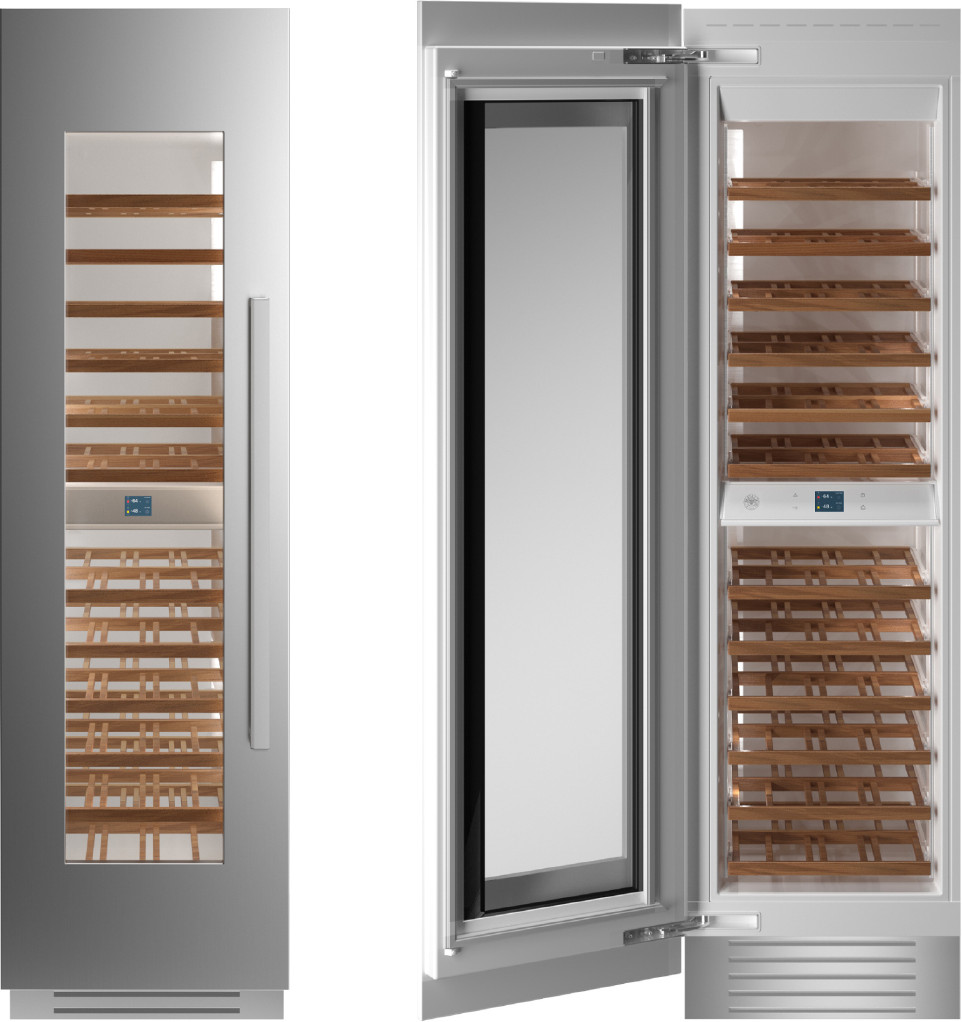
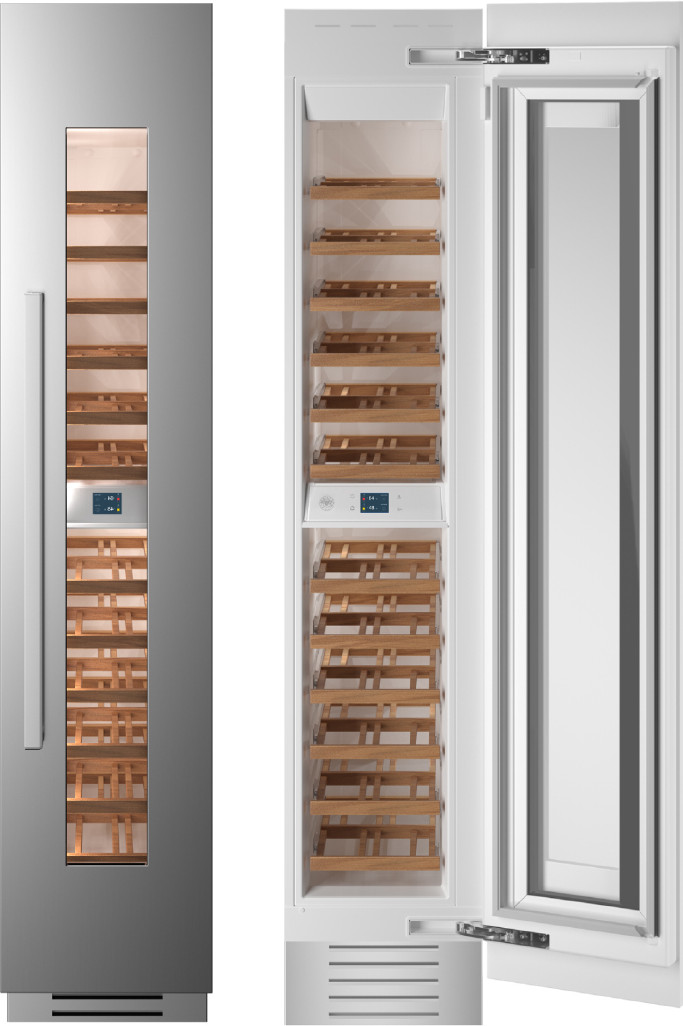
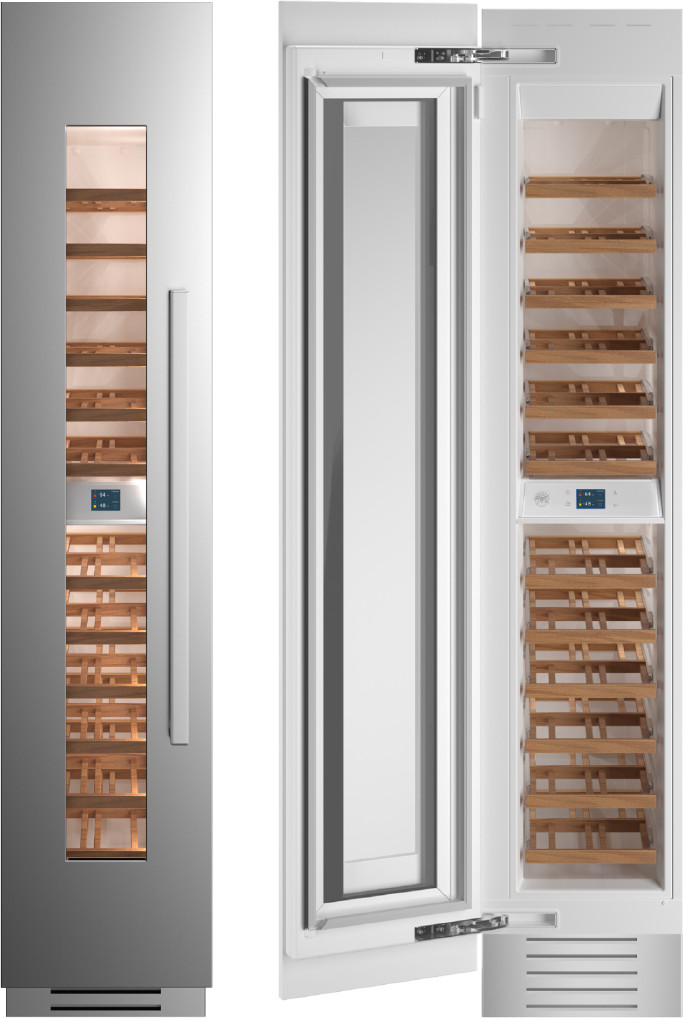
Creating an ADA compliant wine cellar involves adhering to specific guidelines to ensure accessibility for individuals with disabilities. Let's delve into what ADA compliance means and why it is crucial for wine cellars.
What Does ADA Compliant Mean?
ADA compliance refers to meeting the standards set by the Americans with Disabilities Act (ADA). This federal law mandates that public and commercial spaces are accessible to people with disabilities. For wine cellars, this involves making design and structural adjustments to ensure that the space is usable by everyone, regardless of their physical abilities.
Some key aspects of ADA compliance in wine cellars include:
Accessible Routes: Ensuring all pathways and doorways are wide enough to accommodate wheelchairs.
Reachable Storage: Shelving and racks must be within an accessible height range.
User-Friendly Controls: Controls for temperature and humidity should be easy to reach and operate.
Importance of ADA Compliance in Wine Cellars
Adhering to ADA guidelines in your wine cellar is not just about meeting legal requirements; it also makes your space inclusive and user-friendly. Here’s why ADA compliance is important:
Inclusivity: An ADA compliant wine cellar is accessible to all users, including those with mobility challenges. This ensures that everyone can enjoy the space equally.
Enhanced User Experience: By making the cellar easier to navigate and use, you enhance the overall experience for all users.
Legal Compliance: Meeting ADA standards helps you avoid potential legal issues and demonstrates a commitment to accessibility and inclusivity.
Understanding and implementing ADA compliance in your wine cellar ensures that the space is welcoming and functional for everyone, aligning with both legal standards and best practices for accessibility.
When designing an ADA compliant wine cellar, it's essential to focus on creating a space that is both accessible and functional. This involves careful planning of the layout and ensuring that lighting and signage meet ADA guidelines.
Layout and Accessibility Considerations
The layout of your wine cellar should prioritize ease of access and maneuverability. This means providing ample space for wheelchairs and other mobility devices. According to ADA guidelines, a minimum clear width for single wheelchair passage is 32 inches at a point and 36 inches continuously along a path.
Feature
Minimum Requirement
Clear Width for Single Wheelchair Passage
32 inches (at a point), 36 inches (continuous)
Turning Space for Wheelchairs
60 inches diameter or a T-shaped space
Additionally, the placement of shelves and racks should be within reachable heights. The ADA recommends that items should be accessible within a range of 15 inches to 48 inches above the floor. Consider adjustable shelving to accommodate various user needs.
Proper lighting is crucial in an ADA compliant wine cellar. Adequate illumination helps individuals with visual impairments navigate the space safely. The ADA suggests a minimum lighting level of 10 foot-candles in storage areas and 20 foot-candles in task areas.
Area
Recommended Lighting Level
Storage Areas
10 foot-candles
Task Areas
20 foot-candles
Signage is another important aspect of ADA compliance. Signs should be mounted between 48 inches and 60 inches above the finished floor to ensure visibility for all users. Additionally, text should be in a high-contrast color and use a sans-serif font for readability.
For an ADA compliant wine cellar, consider using tactile signs with Braille for key areas. Ensure that emergency exits and routes are clearly marked with illuminated signs to enhance safety.
By focusing on these layout and accessibility considerations and adhering to lighting and signage requirements, you can create a wine cellar that is both functional and inclusive. For more ideas on ADA compliant appliances, check out Fridge.com articles on ADA compliant beverage cooler and ADA compliant compact freezer.
Temperature and humidity control are crucial for maintaining the quality and longevity of your wine collection. In an ADA compliant wine cellar, these factors must be managed effectively while ensuring accessibility for all users.
Maintaining Proper Conditions
To preserve the integrity of your wine, it is essential to maintain an optimal temperature and humidity level. Typically, wine should be stored at a temperature between 45°F and 65°F, with the ideal temperature being around 55°F. Humidity levels should be kept between 50% and 70% to prevent the corks from drying out or becoming moldy.
Condition
Ideal Range
Temperature
45°F - 65°F
Humidity
50% - 70%
Ensuring these conditions are met can be challenging but is necessary for the proper aging of wine. For ADA compliance, it is important to make these controls easily accessible. This might include having touch controls at a reachable height and providing clear, easy-to-read displays for temperature and humidity settings.
Monitoring Systems for ADA Compliance
Monitoring systems play a pivotal role in maintaining the right conditions in an ADA compliant wine cellar. These systems should offer features that are accessible to all users, including those with physical disabilities.
Accessible Controls: Ensure that temperature and humidity controls are positioned at an accessible height, typically between 15 and 48 inches from the floor. This allows users in wheelchairs or with limited mobility to adjust settings easily.
Visual and Auditory Alerts: Monitoring systems should have both visual and auditory alerts to cater to users with different needs. For example, a flashing light and a beeping sound can alert users if the temperature or humidity deviates from the optimal range.
Remote Monitoring: Consider incorporating remote monitoring capabilities that allow users to check and adjust conditions from their smartphones or other devices. This feature increases convenience and accessibility.
Clear Signage: Ensure that all labels and instructions are clearly visible and written in large, easy-to-read fonts. This helps users with visual impairments to navigate the controls effectively.
For more information on designing accessible refrigeration and freezing solutions, you might be interested in Fridge.com articles on ADA compliant smart fridge and ADA compliant freezer cooler.
By focusing on these aspects, you can create an ADA compliant wine cellar that not only maintains the ideal conditions for your wine but also offers a user-friendly experience for all individuals.
Creating an ADA compliant wine cellar involves thoughtful consideration of storage solutions to ensure that all users can easily access and manage their wine collections. This includes choosing the right shelving and racking options as well as organizing the space for optimal reachability.
Shelving and Racking Options
When selecting shelving and racking for an ADA compliant wine cellar, it's important to focus on designs that provide easy access and stability. Adjustable shelves are a great option as they can be customized to accommodate different bottle sizes and shapes. Additionally, pull-out racks or drawers can enhance accessibility by allowing users to easily reach bottles stored at the back.
Shelving/Racking Type
Accessibility Feature
Adjustable Shelves
Customizable height for various bottle sizes
Pull-Out Racks
Easy reach to back-stored bottles
Sliding Drawers
Smooth access to lower shelves
Tilted Shelves
Better visibility and reachability
Ensuring that the shelves and racks are securely installed and can bear the weight of wine bottles is crucial for both safety and accessibility. The height of the shelves should be within reach of individuals using wheelchairs or other mobility aids.
Organization and Reachability
Proper organization is key to maintaining an ADA compliant wine cellar. Grouping wine bottles by type, region, or vintage can make it easier for users to locate specific bottles. Labeling shelves or using color-coded tags can also enhance organization and accessibility.
Organization Method
Benefit
Grouping by Type
Simplifies locating specific wines
Labeling Shelves
Clear identification and easy access
Color-Coded Tags
Visual organization for quick selection
Additionally, consider the reachability of your storage solutions. Position frequently accessed wines on lower shelves or pull-out racks to ensure they are within easy reach. For less frequently accessed bottles, higher shelves can be used, provided they remain accessible with the use of a step stool or other assistive devices.
Incorporating these storage solutions into your wine cellar design not only ensures ADA compliance but also enhances the overall user experience. By focusing on accessibility, you create an inclusive environment where everyone can enjoy and manage their wine collection with ease.
For more tips and ideas on creating an ADA compliant space, explore Fridge.com articles on ada compliant smart fridge and ada compliant freezer cooler.
Safety Features for ADA Compliance
When designing an ADA compliant wine cellar, safety features play a crucial role. Ensuring that doorways, entryways, and emergency preparedness meet ADA standards is essential for accessibility and safety.
Impact on Doorways and Entryways
Doorways and entryways must be designed to accommodate all users, including those with mobility impairments. This involves ensuring the correct width, clearance, and ease of use.
Door Width: The minimum width for doorways should be 32 inches to allow wheelchair access.
Clearance: There should be sufficient space on both sides of the doorway for easy maneuverability.
Handles and Levers: Door handles should be easy to operate with one hand and not require tight grasping, pinching, or twisting of the wrist.
Emergency preparedness is a key component of ADA compliance in wine cellars. This includes ensuring that all users can quickly and safely exit the cellar in case of an emergency.
Emergency Exits: Clearly marked and accessible emergency exits are necessary. These exits should be free of obstructions and easily operable.
Signage: Adequate signage with high contrast and braille should be used to guide users toward exits and safety equipment.
Alarms: Visual and audible alarms should be installed to alert users of emergencies. These alarms should be loud enough to be heard over background noise.
Safety Feature
Requirement
Emergency Exits
Clearly marked, accessible, unobstructed
Signage
High contrast, braille
Alarms
Visual and audible
Ensuring your wine cellar is ADA compliant not only enhances safety but also inclusivity for all users. For further details on ADA compliant refrigeration solutions, visit Fridge.com pages on ada compliant mini fridge and ada compliant beverage cooler.
By addressing these safety features, you can create a wine cellar that is both functional and accessible to everyone, enhancing the overall user experience.
An ADA compliant wine cellar ensures that everyone, regardless of physical ability, can enjoy and use the space effectively. This inclusivity is achieved by adhering to ADA guidelines, which specify the necessary features that make a space accessible to individuals with disabilities. These features include accessible entryways, appropriate shelf heights, and clear paths for maneuvering. By creating a wine cellar that meets these standards, you ensure that all guests and users can participate in and enjoy the wine-tasting experience.
Feature
ADA Requirement
Doorway Width
Minimum 32 inches
Shelf Height
Reachable within 15 to 48 inches
Aisle Width
Minimum 36 inches
Turning Space
Minimum 60 inches diameter circle
Enhanced User Experience
An ADA compliant wine cellar not only promotes inclusivity but also enhances the overall user experience. Features such as easily readable signage, adequate lighting, and accessible storage options contribute to a more enjoyable and efficient environment. These elements ensure that users can navigate the space with ease, locate their desired bottles quickly, and access them without difficulty.
Moreover, implementing temperature and humidity controls that are easily reachable and operable by all users ensures that the wine cellar maintains optimal conditions for wine storage. This attention to detail enhances the functionality and enjoyment of the space.
For those interested in expanding accessibility in other areas of their home or office, consider exploring related topics such as ada compliant smart fridge, ada compliant freezer cooler, and ada compliant office freezer. These resources provide valuable insights into creating inclusive and user-friendly environments throughout your living and working spaces.
Compare prices on Fridge.com
Compare current prices and specifications on Fridge.com, then buy from the retailer you choose; delivery, installation and warranty terms are the retailer’s.
It also has tons of awesome articles about kitchen stuff and home news. Enhance your home, garage, backyard, patio, and office with the coolest essentials. With every necessary type of residential refrigerator or freezer in the collection, you're covered.
Frequently Asked Questions
ADA compliance refers to meeting the standards set by the Americans with Disabilities Act (ADA). This federal law mandates that public and commercial spaces are accessible to people with disabilities. For wine cellars, this involves making design and structural adjustments to ensure that the space is usable by everyone, regardless of their physical abilities. Some key aspects of ADA compliance in wine cellars include:. Accessible Routes: Ensuring all pathways and doorways are wide enough to accommodate wheelchairs. Reachable Storage: Shelving and racks must be within an accessible height range. User-Friendly Controls: Controls for temperature and humidity should be easy to reach and operate.