Coriander mint chutney is best consumed within 5 to 7 days.
Aim to keep your fridge between 35°F and 40°F.
Temperatures above 40°F can speed up spoilage, while freezing temperatures (below 32°F) can alter the texture of fresh chutneys.
In fact, 3 condiments every Indian cook has in their fridge aren’t just sidekicks, they’re the secret weapons that turn everyday meals into memorable feasts.
If you’ve ever peeked into an Indian cook’s refrigerator, you’ve likely seen more than just leftover curry containers. In fact, 3 condiments every Indian cook has in their fridge aren’t just sidekicks, they’re the secret weapons that turn everyday meals into memorable feasts. From tangy pickles to vibrant chutneys, these jars of flavor live front and center in the door shelves, ready to elevate your breakfasts, lunches, dinners, or late-night snacks.
Whether you’re meal-prepping for busy weekdays, hosting friends for chai and samosas, or simply craving a quick flavor boost, knowing which condiments to stock will save you from bland bites and last-minute grocery runs. In this guide you’ll learn why these staples matter, how to use them, and insider tips for keeping them at peak freshness in your fridge or freezer appliance.
Understand condiment importance
Why condiments matter
Condiments in Indian cooking do more than add taste, they balance spice, acidity, and texture in every bite. A simple dal or vegetable sabzi can feel one-dimensional without a tangy pickle or fresh chutney on the side. These fridge essentials wake up your palate, offer contrast to creamy curries, and let you customize heat level or sweetness on the fly.
Versatility and flavor
Each condiment doubles as a marinade base, a quick dip, or a finishing drizzle. You can stir a spoonful of chutney into yogurt to make raita, dress grain bowls with a swirl of pickle oil, or transform plain bread into a sandwich that rivals your favorite café. In short you’ll find that mastering three core fridge condiments unlocks hundreds of meal possibilities.
Shelf life basics
Most Indian condiments rely on oil, vinegar or salt to stay fresh, but once opened they shine brightest when chilled. Proper storage not only extends shelf life from weeks to months, it preserves vibrant color and bright flavors. Later in this article we’ll cover smart fridge organization, so these jars never go unnoticed or get lost behind leftover containers.
Mango pickle, or aam ka achar, is a classic Indian condiment made by curing raw mango pieces in oil, salt, and a blend of spices like fenugreek, mustard seed, and red chili powder. The result is a punchy, tangy, slightly spicy preserve that reflects regional tastes—from buttery Bengali mustard mango to fiery South Indian mango manjal achar.
Culinary uses
With rice and dal: a dollop of pickle oil mixed into steamed rice and lentils adds instant depth.
In sandwiches and wraps: spread thin layer of mango pickle on toasted bread before adding veggies or grilled meats.
As a side for parathas: whether you’re making aloo paratha or paneer paratha, a spoonful of pickle brings dynamic contrast.
In dressings: whisk pickle juice into vinaigrettes for salads or slaws with an Indian twist.
Storage tips
Transfer fresh pickle into a clean, dry glass jar.
Ensure mango pieces are fully submerged in oil to prevent mold.
Store on a fridge door shelf for easy access, or on an internal shelf if your door bins tend to fluctuate in temperature.
Use a clean, dry spoon each time to avoid introducing moisture.
Properly stored, mango pickle lasts up to three months in the fridge. Over time the flavors mellow, so plan to enjoy your tangiest batches first.
Health insights
Raw mangoes are high in vitamin C and antioxidants, while spices like fenugreek and mustard seed add digestive benefits. That said, pickle tends to be high in sodium and oil, so use it as a flavor accent rather than a main dish.
Try coriander mint chutney
Recipe breakdown
Coriander mint chutney, often called green chutney, is a fresh, herb-packed condiment featuring:
Fresh cilantro leaves
Mint leaves
Green chilies or serranos
Ginger and garlic
Lemon juice or amchur (dry mango powder)
Salt and a pinch of sugar or honey
Blitz these ingredients in a blender with a little water or yogurt until smooth. Adjust chili level to suit your spice tolerance.
Serving suggestions
With snacks: serve alongside samosas, pakoras, or dhokla for an immediate flavor boost.
On sandwiches and wraps: spread generously on flatbreads or tortillas before adding fillings.
With grilled meats or paneer: use as a marinade or drizzle on finished kebabs.
In rice and grain bowls: spoon over biryani or pulao for bright herbal notes.
Fridge life
Coriander mint chutney is best consumed within 5 to 7 days. Store in an airtight container, cover the surface with a thin film of oil to slow oxidation, and pop it on a middle shelf where temperatures stay consistent.
Freezing hacks
If you make a big batch, freeze chutney in ice cube trays. Once frozen, transfer the cubes to a labeled freezer bag and pull out a cube whenever you need a quick flavor punch.
Tamarind chutney, also known as imli chutney, balances sweet, sour, and mildly spicy notes. Made from tamarind pulp, jaggery or sugar, cumin, black salt, and chili powder, it’s the signature dipping sauce for many chaat dishes.
Pairing ideas
Street-food classics: drizzle over bhel puri, pani puri, dahi puri, or sev puri.
With fried snacks: samosas, pakoras, and koftas taste amazing with a side of tangy-sweet chutney.
As a glaze: brush on grilled vegetables or paneer for a sticky, flavorful finish.
In salad dressings: whisk into lime-oil vinaigrettes for slaws or bean salads.
Storage best practices
Pour chutney into a sterilized glass jar while still warm.
Seal tightly and cool to room temperature before refrigerating.
Keep it on a door shelf or top rack to avoid temperature fluctuations.
Properly stored, tamarind chutney keeps its bright flavor and color for up to a month.
Sweet and spicy variations
Date-tamarind chutney: add chopped dates for extra natural sweetness and fiber.
Mint-tamarind twist: stir in chopped mint leaves or a handful of coriander for herbal freshness.
Chili-kick version: boost heat with extra chili powder or freshly chopped chilies.
Door shelves are convenient, but temperatures can fluctuate. Reserve them for durable condiments like mango pickle. Store more delicate items like green chutney on middle shelves, where the temperature stays stable.
Label and date jars
Keep a roll of chalkboard labels or masking tape by your fridge. Jot down the date you opened each jar so you can use the oldest condiments first and avoid unexpected spoilage.
Maintain proper temperature
Aim to keep your fridge between 35°F and 40°F. Temperatures above 40°F can speed up spoilage, while freezing temperatures (below 32°F) can alter the texture of fresh chutneys.
Upgrade your fridge
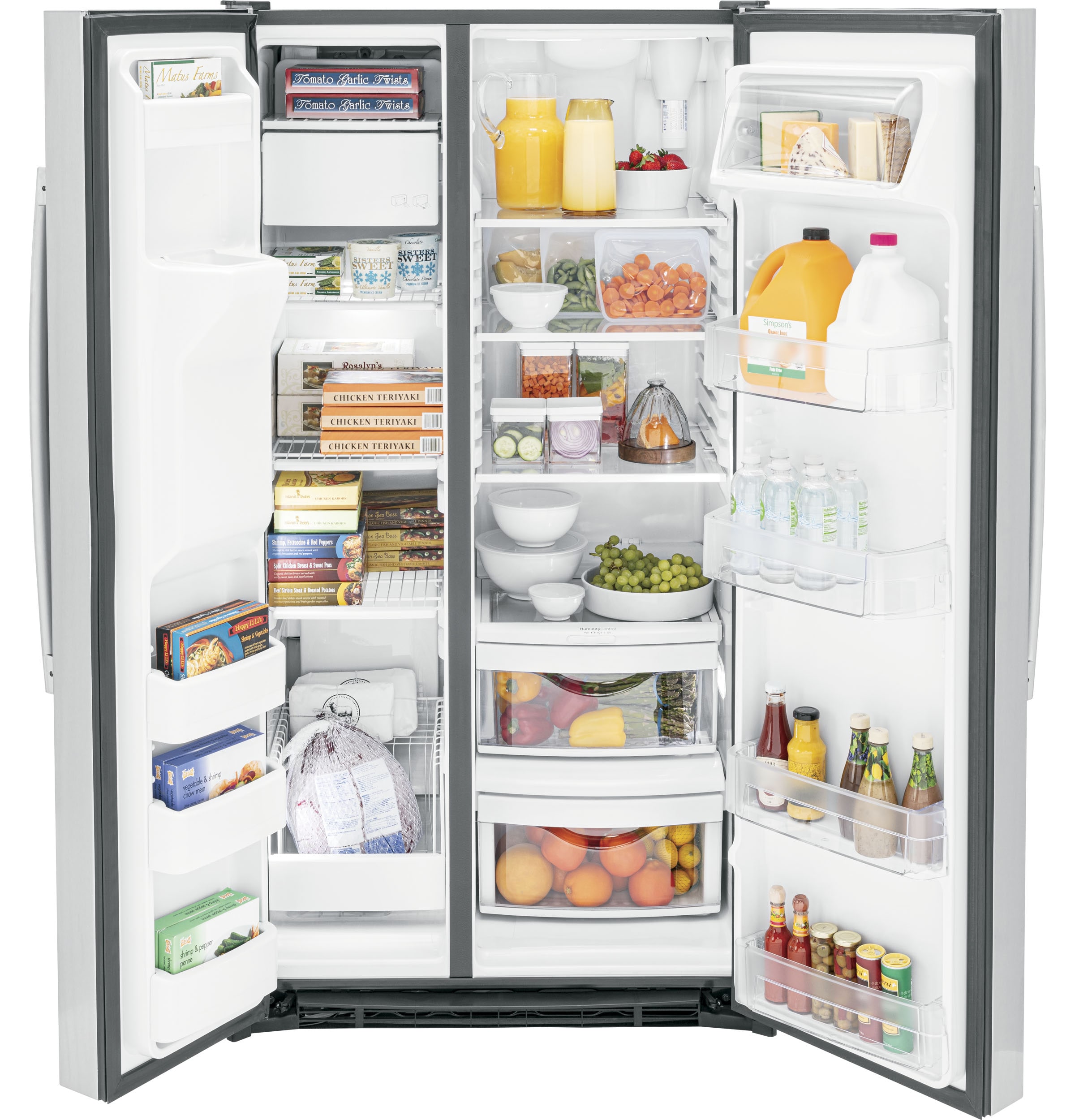
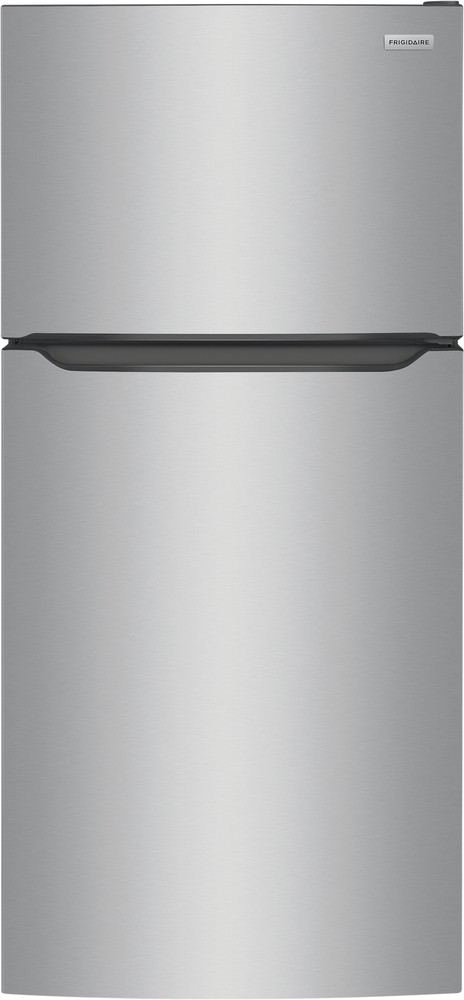
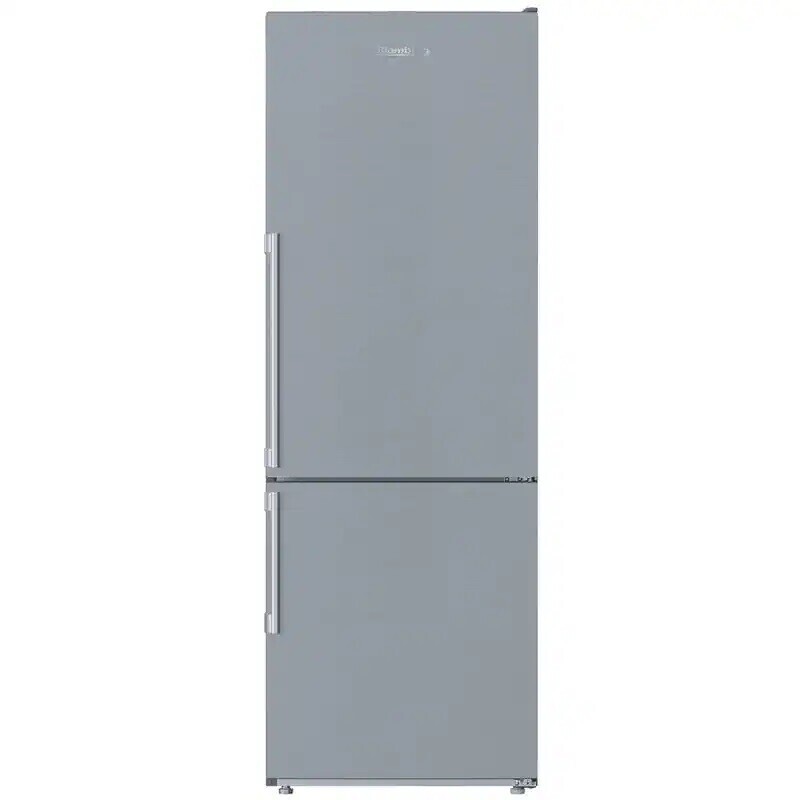
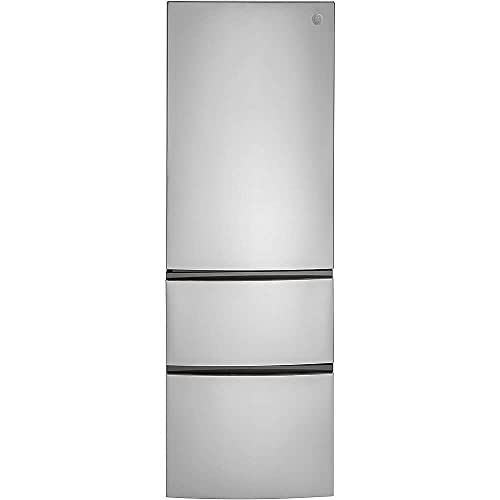
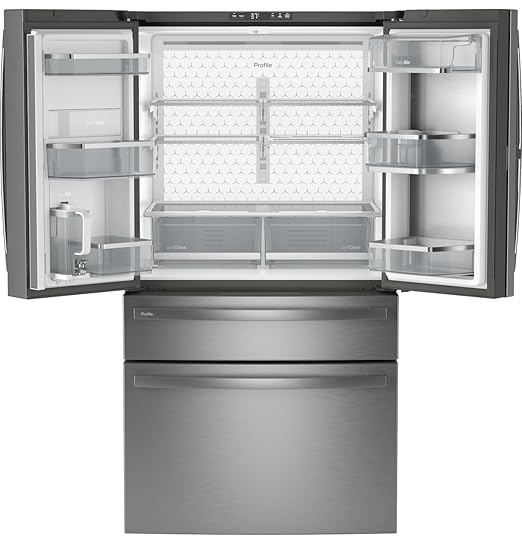
Looking for the perfect refrigerator freezer appliance to store your Indian condiments? At Fridge.com you’ll find models with:
Adjustable door bins for easy condiment access
Humidity-controlled drawers for stable interior temperatures
Spill-proof glass shelves so you can wipe away drips quickly
Dual-zone compartments if you want to freeze extra chutney cubes
Compare current prices and specifications on Fridge.com, then buy from the retailer you choose; delivery, installation and warranty terms are the retailer’s.
When your fridge is organized and stocked with these three staples—mango pickle, coriander mint chutney, and tamarind chutney—you’ll always have a fast way to boost flavor, balance spice, and add flair to any dish.
No more last-minute store runs or bland bites, just vibrant, homemade tastes at your fingertips.
Enjoy experimenting with these fridge condiments, and watch how a simple spoonful can transform ordinary meals into unforgettable experiences.
Free tool
Cooking Temperature Converter
Free interactive tool from Fridge.com — get a quick answer while you read.