You know that moment when you swing open your fridge door and see the familiar jars and tubes ready to kick your cooking up a notch? If you’ve ever asked yourself “What are the 3 condiments every Ghanaian cook has in their fridge,” you’re in the right place. In this ultimate guide, you’ll get the low-down on the three fridge staples you can’t live without: Shito Pepper Sauce, Tomato Paste, and Peanut Butter Spread. We’ll dive into their origin stories, flavor profiles, creative uses, storage tricks, and even how to pick the best versions at the grocery store. By the end, you’ll be armed with everything you need to treat your fridge like a flavor vault.
Shito Pepper Sauce
Shito is the crown jewel of Ghanaian condiments, and if you’ve spent any time in a local kitchen or street-food stall, you know why. This spicy, umami-rich sauce amps up everything from boiled yams to fried fish.
What Is Shito
Shito (pronounced SHEE-toe) is a dark, fragrant pepper sauce made from a blend of dried fish or shrimp, peppers, onions, garlic, and spices cooked down in oil. Unlike hot sauces that rely solely on vinegar, shito’s savoriness comes from the fermented seafood and extended cooking time that deepens those complex flavors.
Uses And Pairings
- With Rice Dishes: Spoon shito into a steaming bowl of jollof rice or waakye for an extra kick
- For Yams And Plantains: Drizzle over boiled or fried yams, plantains, or sweet potatoes
- As A Dip: Serve alongside grilled or fried fish, meat skewers, or spring rolls
- In Stews: Stir a spoonful into your light soup, palm nut soup, or groundnut stew for depth
Storage Tips For Shito
- Keep it chilled: After opening, store shito in the back of your fridge where temperatures are most consistent
- Use a clean spoon: Prevent contamination by scooping out only what you need with a dry utensil
- Watch the oil layer: A thin oil cap on top helps seal in freshness and flavor
Homemade shito can last up to six weeks refrigerated, while store-bought jars often carry use-by dates up to three months after opening. If you notice off-smells or mold, it’s time to toss and make a fresh batch.
Tomato Paste
Tomato paste may look simple, but in Ghanaian cooking it’s an unsung hero, lending body, color, and a gentle sweetness to countless stews and sauces.
Why Tomato Paste Matters
Concentrated tomato paste adds a rich red hue to your dishes and helps build a balanced flavor base without watering down ingredients. You’ll find it in classics like jollof rice, stew, and even some breakfast sauces.
Creative Tomato Paste Uses
- Jollof Base: Combine tomato paste with fresh tomatoes, onions, ginger, and garlic for the perfect jollof foundation
- Quick Shito Boost: Mix a tablespoon of paste into store-bought shito to mellow intense spice and add sweetness
- Vegetable Roast Glaze: Brush diluted paste on eggplant, peppers, or chicken before roasting for a caramelized finish
- Savory Marinade: Whisk paste with oil, vinegar, garlic, and spices for a simple meat or tofu marinade
Shelf Life Guidelines
- Once open: Transfer leftover paste into a small, airtight container to reduce exposed surface area
- Fridge timing: Aim to use open tomato paste within 5–7 days
- Freezer hack: Freeze spoonfuls in an ice cube tray, then pop cubes into a zip-top bag for up to 6 months of ready-to-use portions
Peanut Butter Spread
Peanut butter spread isn’t just for toast—it’s a versatile, protein-packed condiment that Ghanaian cooks leverage in both sweet and savory applications.
Peanut Butter Nutrition
- Protein punch: Roughly 7–8 grams per 2-tablespoon serving
- Healthy fats: Monounsaturated fats support heart health
- Vitamins and minerals: Magnesium, vitamin E, and B vitamins
Cooking Applications
- Groundnut Soup: Stir in smooth or crunchy peanut butter for a creamy West African classic
- Saucy Dips: Blend peanut butter with ginger, garlic, hot pepper, and a splash of water for a spicy dipping sauce
- Quick Snacks: Pair peanut butter with sliced plantain, apple, or sweet potato chips
- Jollof Twist: Add a spoonful to your jollof rice for a subtle nuttiness and creamier texture
Keeping Peanut Butter Fresh
- Watch the oil separation: Stir natural peanut butter before refrigeration, and expect some oil to rise to the top
- Seal it tight: Always press the lid on fully to prevent air and fridge odors from seeping in
- Use within: 1–2 months for best flavor, though commercial brands often last longer
Choosing Quality Condiments
You already know which condiments belong in your fridge—now let’s talk about picking the best versions.
Check The Labels
- Ingredient count: Look for short lists—real fish or shrimp in shito, no added fillers
- Salt and sugar: Compare sodium levels in tomato paste and peanut butter, especially if you’re watching intake
- Preservatives: Fewer additives often mean bolder, more authentic flavor
Homemade Vs Store-Bought
- Store brands: Convenient, consistent, and often shelf-stable until opened
- Small-batch producers: Regional specialty sauces with unique twists—seek them out at markets
- DIY: Making your own shito or ginger-tomato blends can be rewarding and lets you control heat levels
Storing Condiments Properly
Your fridge is working overtime to keep these flavorful staples at peak freshness. A little organization and maintenance go a long way.
Ideal Fridge Zones
- Back shelves: Coldest spot, perfect for shito and peanut butter jars
- Door compartments: Best for tomato paste tubes, since brief door openings won’t spoil them immediately
- Clear labeling: Use masking tape and a marker to note open dates on jars and tubes
Cleaning And Maintenance
- Drip pan care: Wipe up spills and empty your fridge drip pan monthly to prevent odors
- Coil cleaning: Dusty coils force your compressor to work harder, so give them a once-a-year cleaning—learn how to clean refrigerator coils (/how-to-clean-refrigerator-coils)
Pairing Condiments With Dishes
Why stash these condiments in your fridge if you don’t know the best ways to use them? Here are quick pairing ideas.
Rice And Stew Pairings
- Shito & Waakye: A dab of shito on your beans and rice combo
- Tomato Paste Jollof: Base plus fresh tomato for that signature red glow
- Peanut Groundnut Soup: Stir in peanut butter for an authentic nkatenkwan
Snacking And Condiments
- Plantain Chips: Dip in shito-tomato mix or peanut sauce
- Boiled Yams: Top with shito or a blend of tomato paste and peanut butter
- Fresh Veggies: Cucumber and carrot sticks with peanut-ginger dip
Optimizing Your Condiment Stock
Keeping your fridge stocked with these essentials means you’re always ready to cook at a moment’s notice.
Rotate Your Condiment Stock
- FIFO approach: First in, first out—always use the oldest jar or tube first
- Regular checks: Every two weeks, glance at expiring dates and plan meals around near-due condiments
Upgrade Your Fridge
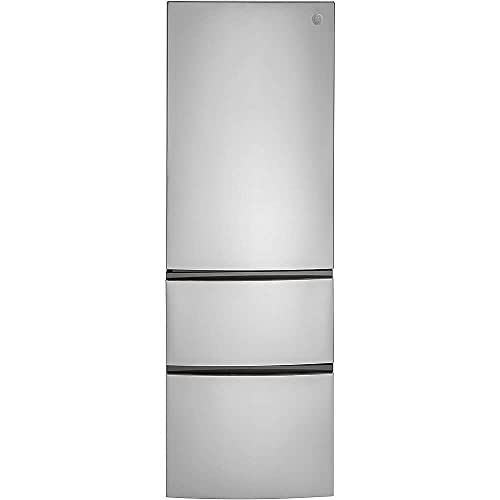
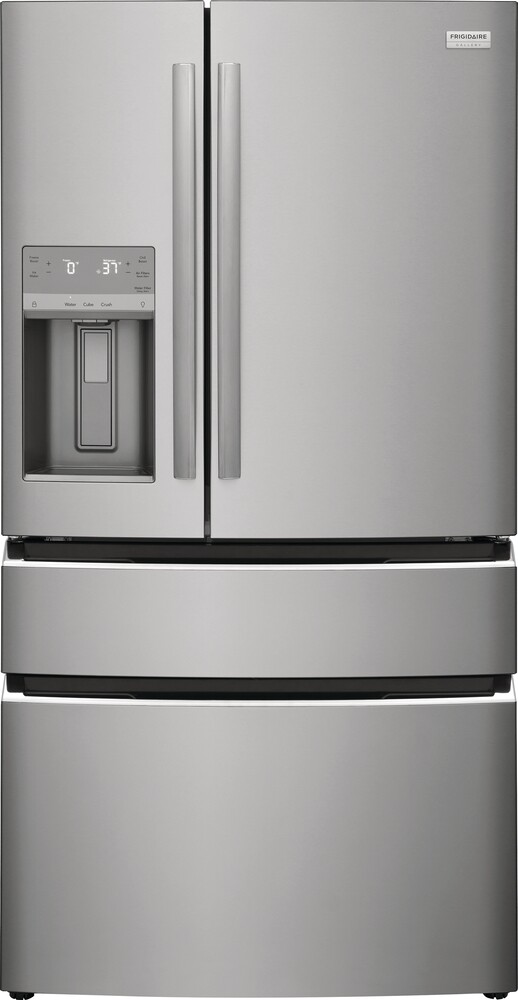
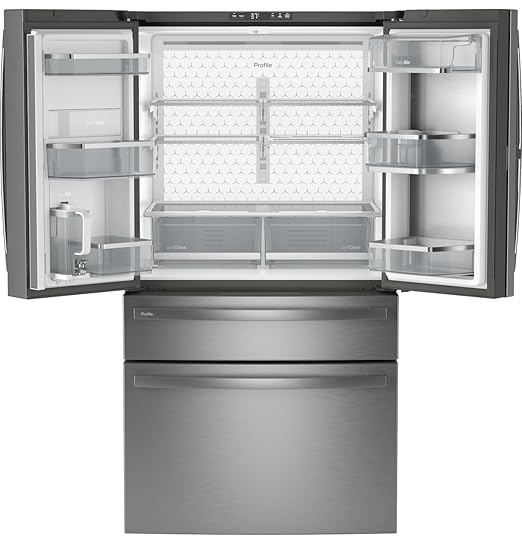
When you’re ready to keep your condiments organized and at prime freshness, buy at Fridge.com where you’ll find models with precise temperature zones, adjustable door bins, and easy-access compartments made for all your flavor heroes.
With these 3 condiments every Ghanaian cook has in their fridge—and a few storage and pairing hacks—you’ve got a flavor toolkit that spans sweet, spicy, and savory. Now go forth, explore new recipes, and let your fridge supply the inspiration. Your next culinary masterpiece is just an open door away.