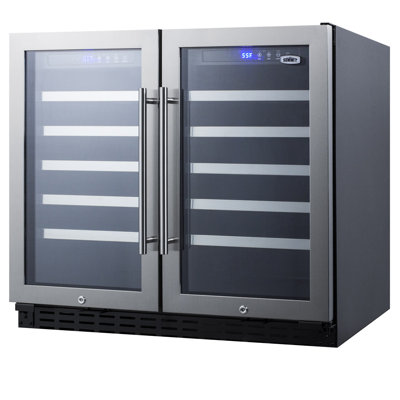
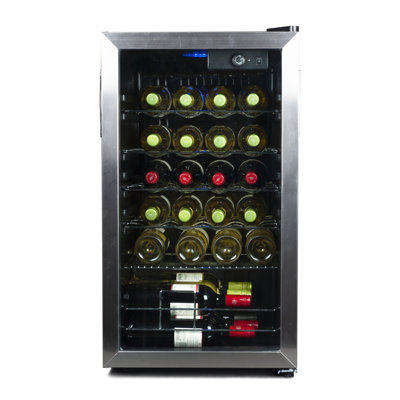
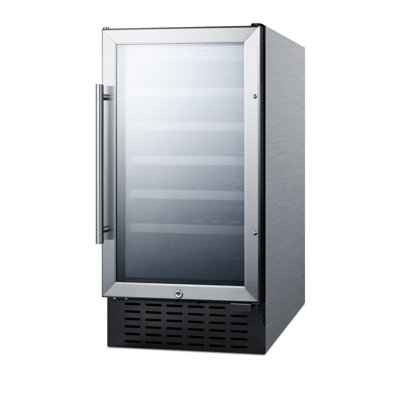
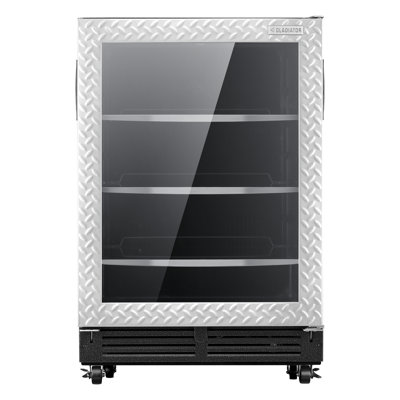
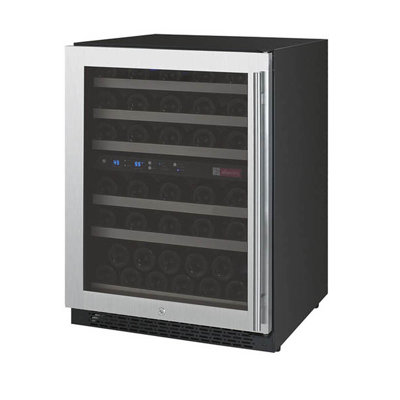
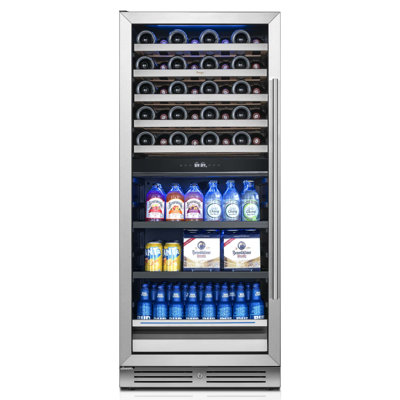
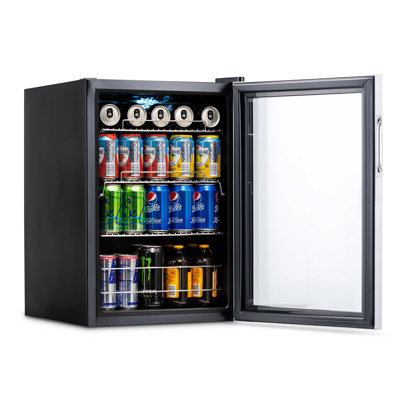
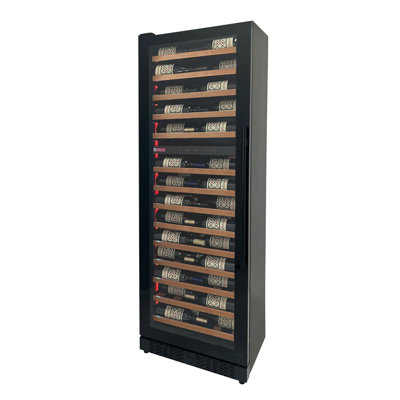
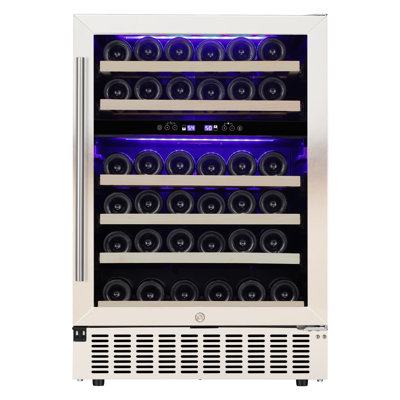
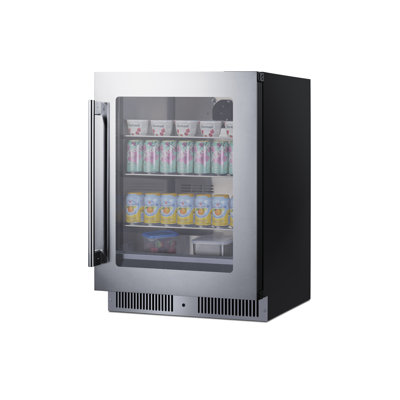
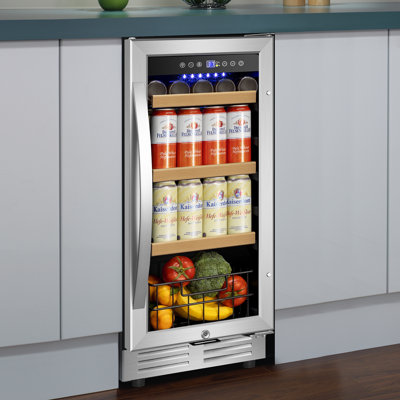
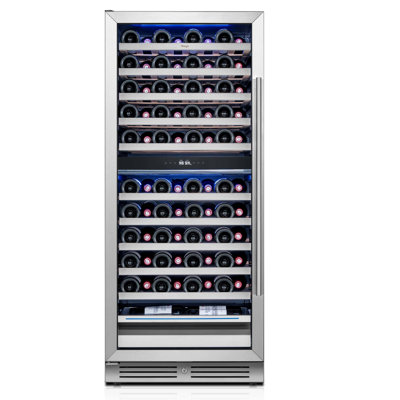
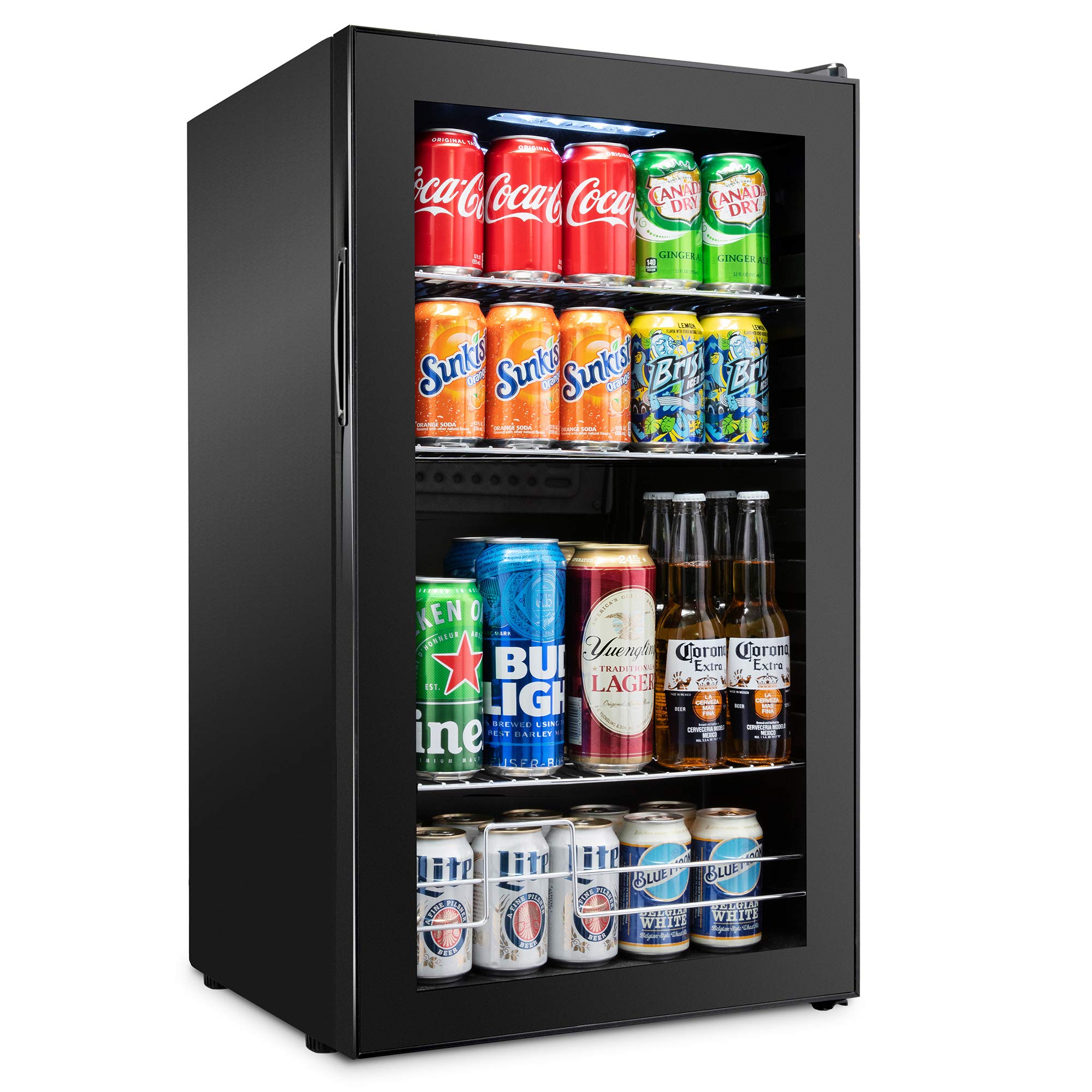
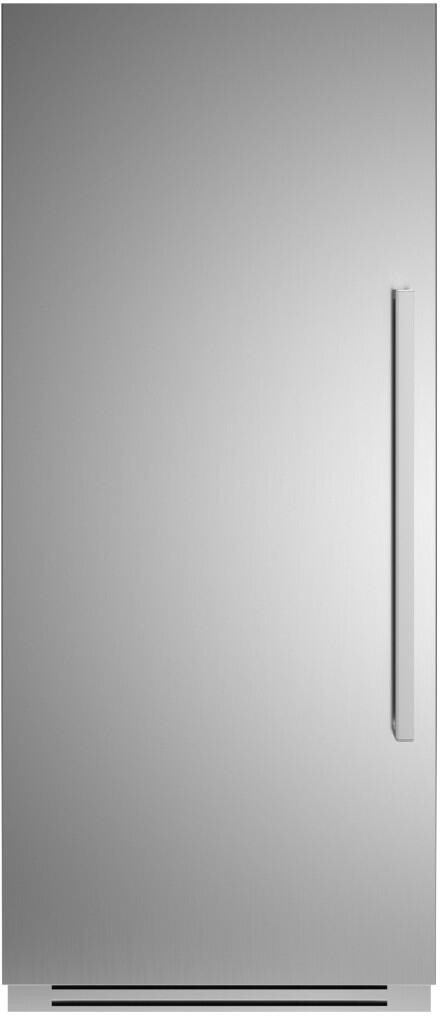
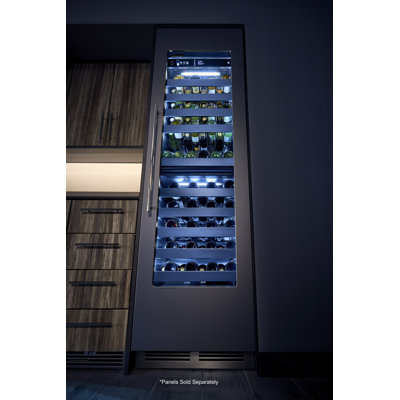
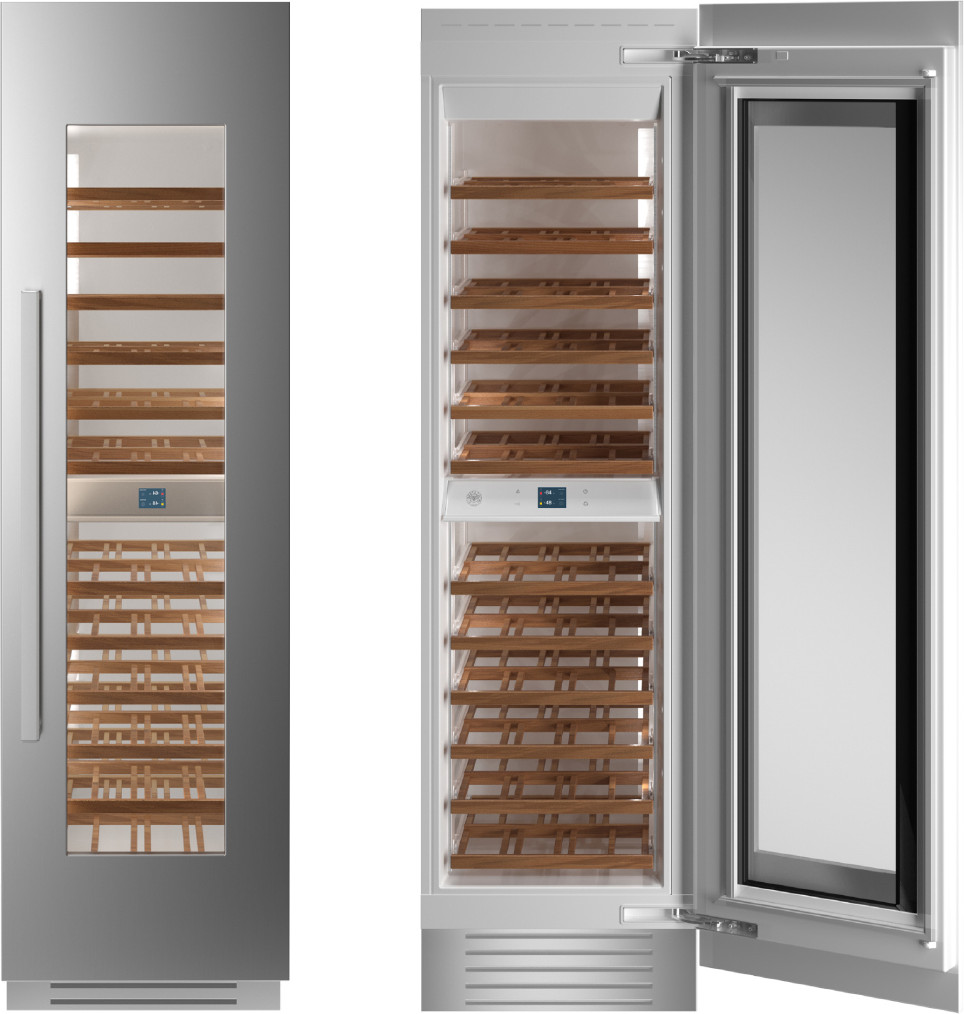
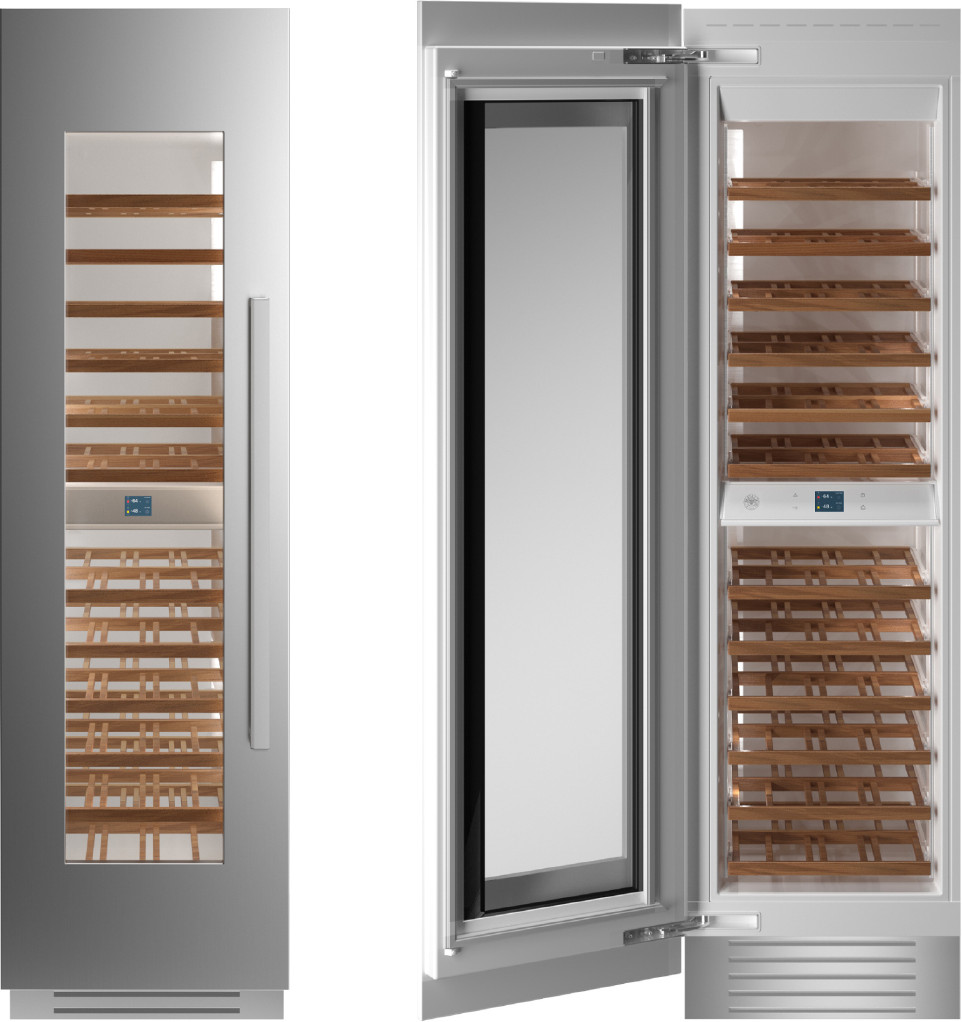
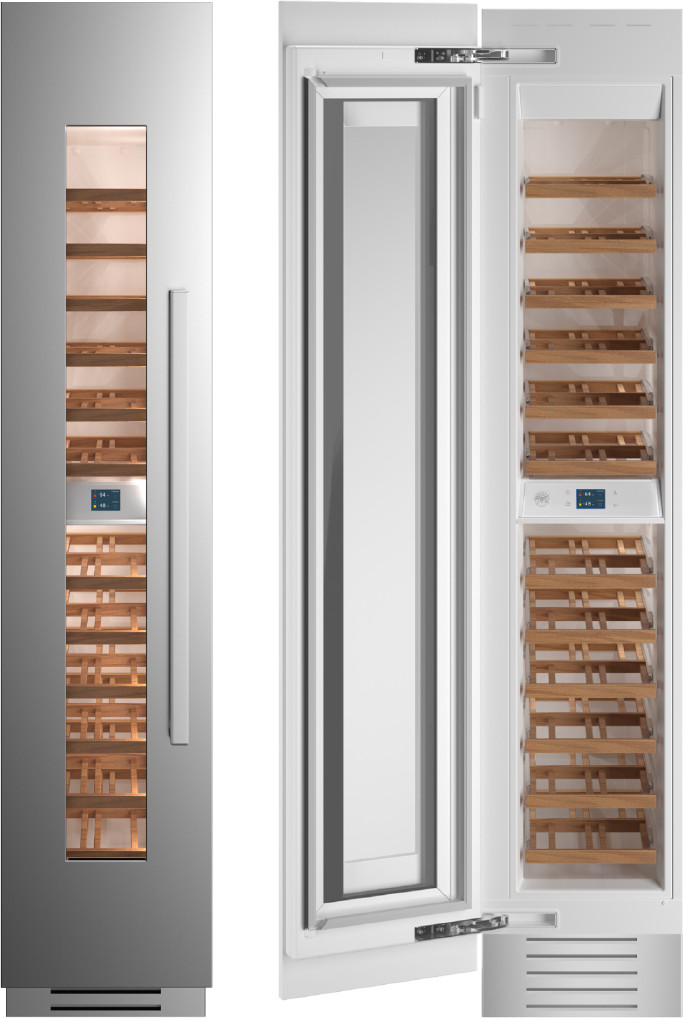
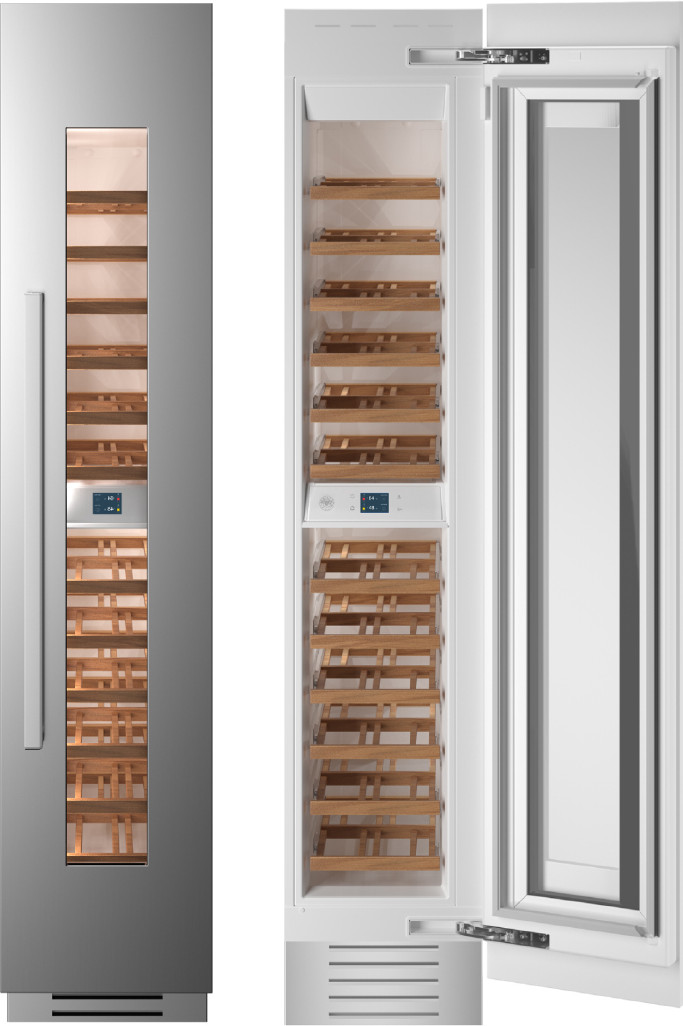
Wine coolers, in contrast, specialize in maintaining a consistent temperature that's ideal for wine, often between 45°F to 65°F, though some models may offer wider ranges.
32°F to 40°F (Fridge) 0°F (Freezer).
Varies (Common: 18 to 26 cu ft).
Most models feature a range of temperature settings for the fridge and freezer compartments, ensuring that your food is stored at the ideal temperature.
When you're faced with the decision of choosing a refrigeration solution for your home, understanding your specific needs and the options available is crucial. Whether you live in a spacious family home, a cozy apartment, or even a mobile home, the right choice in refrigeration can make a significant difference in your daily life.
Understanding Your Refrigeration Needs
Before diving into the specifics of white refrigerators and wine coolers, it's important to assess your refrigeration needs. Consider the size of your household, your shopping habits, the types of food and beverages you store, and how often you entertain guests. Do you require a large capacity for a variety of food items, or is your focus more on the preservation of specialty beverages like wine? Your lifestyle and needs will guide you toward making an informed decision between a white refrigerator and a wine cooler.
The Basics of White Refrigerators and Wine Coolers
White refrigerators are the traditional choice for general-purpose food storage. They come in various sizes and styles to fit different spaces and design preferences. A white refrigerator typically offers a range of temperature settings suitable for preserving a wide array of food items, from fresh produce to frozen goods.
Feature
White Refrigerator
Wine Cooler
Temperature Range
32°F to 40°F (Fridge) 0°F (Freezer)
45°F to 65°F
Capacity
Varies (Common: 18 to 26 cu ft)
Varies (Common: 20 to 100+ bottles)
Humidity Control
Basic to Advanced
Optimized for Wine
On the other hand, wine coolers are designed specifically for wine enthusiasts. They provide a stable environment with temperature consistency that is crucial for the proper aging and preservation of wine. Dual-zone models offer two separate compartments, each with its own temperature settings, allowing you to store both red and white wines at their ideal temperatures.
Each type of appliance has its own set of features that cater to different needs. For more in-depth comparisons on refrigeration choices, such as energy efficient refrigerator vs. undercounter freezer or freestanding beverage center vs. white refrigerator, you can explore other Fridge.com articles that delve into the specific attributes and benefits of various refrigeration solutions.
White Refrigerator Essentials
When considering a white refrigerator for your home, it's important to take into account its general purpose, space and storage, as well as temperature and humidity control. These factors will determine how well the appliance meets your daily needs and fits into your living space.
General Purpose and Versatility
A white refrigerator is often chosen for its classic look that matches any kitchen decor. Beyond aesthetics, this kitchen staple offers versatility that's hard to beat. Designed to store a wide range of perishable goods, from fresh produce to frozen meals, a white refrigerator is suitable for various food storage needs. Whether you're living alone or have a large family, the adaptability of a white refrigerator makes it a practical choice for nearly any household.
Space and Storage Considerations
Before selecting a white refrigerator, you'll need to evaluate your available space and storage requirements. Refrigerators come in different sizes and capacities, offering a range of storage solutions. Here is a table summarizing common refrigerator sizes:
Refrigerator Type
Width
Height
Depth
Average Capacity
Top Freezer
28-32 in
61-66 in
28-34 in
14-24 cu ft
Bottom Freezer
29-32 in
67-70 in
33-36 in
19-24 cu ft
Side-by-Side
32-36 in
65-71 in
29-35 in
22-26 cu ft
French Door
30-36 in
67-70 in
29-34 in
20-28 cu ft
Remember, when measuring your space for a new refrigerator, consider not only the dimensions of the appliance but also the clearance needed for doors to swing open and for proper ventilation. For more comparisons on refrigerator sizes, check out standard refrigerator size vs. tall refrigerator.
Temperature and Humidity Control
Temperature and humidity control are crucial for keeping food fresh. A white refrigerator typically comes with adjustable shelves and bins, allowing you to customize the layout to suit your food storage needs. Most models feature a range of temperature settings for the fridge and freezer compartments, ensuring that your food is stored at the ideal temperature.
Fridge Compartment
Ideal Temperature
Refrigerator
35-38°F (1.7-3.3°C)
Freezer
0°F (-18°C)
Additionally, many refrigerators have humidity-controlled drawers that provide the perfect environment for fresh produce, meats, and cheeses. Proper humidity levels help preserve the freshness and extend the shelf life of your groceries. For insights on energy efficiency and temperature control, explore energy efficient refrigerator vs. undercounter freezer.
With these essentials in mind, you can make an informed decision about whether a white refrigerator is the right choice for your home. Consider your lifestyle, the size of your household, and your food storage habits when weighing the benefits of a white refrigerator against those of a wine cooler or other specialized refrigeration units.
Wine Cooler Fundamentals
Specialty Storage for Wine Enthusiasts
For those passionate about wine, a wine cooler is an essential appliance that goes beyond mere refrigeration — it's about preservation. Unlike a white refrigerator, a wine cooler is designed to store your wine collection at optimal conditions, protecting the flavor and integrity of each bottle. The internal environment of a wine cooler is meticulously calibrated to maintain the right humidity and temperature, ensuring your wines age correctly and are ready to be enjoyed at their best.
Temperature Consistency and Dual Zones
When it comes to wine coolers, maintaining a consistent temperature is paramount. Fluctuations in temperature can be detrimental to wine, causing it to age prematurely. A wine cooler's superior temperature control is what sets it apart from standard refrigerators. Moreover, many wine coolers offer dual-zone cooling systems, which allow you to store red and white wines at their respective ideal temperatures within the same unit.
Here's a quick look at the temperature ranges for different wines:
Wine Type
Ideal Temperature (°F)
Full-bodied Red Wines
60-65
Light Red Wines
55
Full-bodied White Wines
50-55
Light White Wines and Rosé
45-50
Sparkling Wines
40-45
Design and Aesthetic Appeal
Wine coolers not only serve a functional purpose but also add a touch of elegance to your home. They come in various designs, from freestanding units that can be placed anywhere to built-in models that blend seamlessly with your cabinetry. With features like UV-protected glass doors, interior LED lighting, and sleek finishes, wine coolers can showcase your collection while complementing your home's aesthetic.
The decision between a white refrigerator and a wine cooler boils down to your lifestyle and needs. If wine is a centerpiece of your entertaining and culinary experiences, a wine cooler could be a valuable addition to your living space. It's not just about chilling wine; it's about creating the perfect environment for each varietal to mature and be enjoyed as the winemaker intended.
Key Differences Between White Refrigerators and Wine Coolers
When it comes to preserving your food and beverages, the choice between a white refrigerator and a wine cooler is dictated by what you intend to store and how you plan to use your appliance. Here, Fridge.com will examine the primary distinctions to help you decide which refrigeration solution fits your lifestyle.
Intended Use and Functionality
The most significant difference between a white refrigerator and a wine cooler lies in their intended use. A white refrigerator, or a traditional fridge, is designed for general food storage, offering a range of compartments for fresh produce, dairy, meats, and frozen goods. It's the go-to appliance for everyday kitchen needs.
On the other hand, a wine cooler is specifically tailored for wine enthusiasts seeking to preserve the flavor and integrity of their wine collection. Wine coolers provide a stable environment to store wine at the optimal temperature and humidity, which are essential for the proper aging and preservation of wine.
Here's a simple comparison:
Appliance
Intended Use
White Refrigerator
General food and beverage storage
Wine Cooler
Storage and aging of wine bottles
Temperature Ranges and Customization
Temperature control is another area where these two appliances differ markedly. White refrigerators offer a broader temperature range to accommodate different food preservation needs, from chillier freezer sections to moderately cool fridge compartments.
Wine coolers, in contrast, specialize in maintaining a consistent temperature that's ideal for wine, often between 45°F to 65°F, though some models may offer wider ranges. This is a narrower scope compared to refrigerators but is crucial for the wine's quality. Additionally, many wine coolers come with dual-zone temperature controls, allowing you to store different types of wine at their respective ideal temperatures.
Appliance
Temperature Range
White Refrigerator
Typically 0°F to 40°F
Wine Cooler
Generally 45°F to 65°F
Size and Space Requirements
When considering the size and space, white refrigerators are typically larger and designed to fit standard kitchen layouts. They come in various sizes to cater to households of different sizes and are often a permanent fixture in the kitchen.
Wine coolers come in a range of sizes, from small countertop models that hold a few bottles to larger freestanding units that can store hundreds of bottles. Their design is usually more flexible, allowing them to be installed under counters or used as standalone units in spaces like home bars or dining rooms.
Appliance
Typical Size (Width x Height x Depth)
White Refrigerator
28-36” x 61-71” x 28-34”
Wine Cooler
12-24” x 34-84” x 22-24”
Choosing between a white refrigerator and a wine cooler depends on your storage needs, your space, and your lifestyle. If you require versatile storage for a variety of food items, a refrigerator is your best bet. If you're a wine aficionado with a growing collection, a wine cooler will serve you well. For further information on how to choose the right appliance for your home, including considerations for energy efficiency and cost, explore Fridge.com comparison on energy efficient refrigerator vs. undercounter freezer or check out Fridge.com guide on freestanding wine cooler vs. large refrigerator.
When deciding between a white refrigerator and a wine cooler, several factors must be taken into consideration. Your lifestyle, available space, and the balance between efficiency and cost will all play a significant role in determining the most suitable refrigeration solution.
Assessing Your Lifestyle and Needs
Begin by evaluating your daily routine and culinary habits. Do you entertain often, requiring a variety of beverages at the ready? Or is your focus more on food storage for family meals? Understanding your refrigeration needs is the first step in making an informed decision. A white refrigerator offers a general-purpose solution with ample space for food items, while a wine cooler is specifically designed for preserving and aging wine at optimal temperatures.
Space and Design Compatibility
The size and design of your living space will also influence your choice. Measure the area where you intend to place the refrigeration unit, and consider how the appliance's design will blend with your home's aesthetic.
Appliance Type
Width
Height
Depth
White Refrigerator
24-36 inches
60-70 inches
24-32 inches
Wine Cooler
12-24 inches
34-84 inches
22-24 inches
A white refrigerator typically requires more floor space, whereas a wine cooler can be more versatile, fitting into smaller areas such as under counters. When space is at a premium, a wine cooler might be the more appropriate choice for specialized storage. For more on space-saving options, you might read about apartment size refrigerator vs. basement refrigerator.
Efficiency and Cost
Finally, consider the long-term implications of energy efficiency and the cost of each appliance. While a white refrigerator might have a higher upfront cost, it can offer more storage and potentially better energy efficiency, depending on the model. Wine coolers, on the other hand, may have lower initial costs but can vary greatly in terms of energy usage based on size, type, and features.
Appliance Type
Average Cost Range
Estimated Yearly Energy Cost
White Refrigerator
$500-$2,000+
$30-$60
Wine Cooler
$150-$1,000+
$20-$50
In the end, the right choice will depend on balancing your current requirements with future utility costs. For a deeper dive into energy efficiency, explore Fridge.com comparison on energy efficient refrigerator vs. undercounter freezer.
By considering these factors, you can select an appliance that not only meets your refrigeration needs but also fits seamlessly into your home and lifestyle. Whether you opt for the versatility of a white refrigerator or the specialized storage of a wine cooler, ensure that your choice aligns with both your immediate and longer-term needs.
Care and Maintenance
Proper care and maintenance of your refrigeration appliances are essential for extending their lifespan and ensuring they operate efficiently. Whether you have a white refrigerator or a wine cooler, regular upkeep is key. Here are some tips and best practices for maintaining these appliances.
Tips for Maintaining a White Refrigerator
A white refrigerator can be a sleek addition to your kitchen, but keeping it looking its best requires routine maintenance. Here are some tips to help you maintain your refrigerator:
Clean Regularly: Wipe down the exterior with a mild detergent and water mixture to keep the surface clean and bright. For the interior, use a solution of baking soda and water.
Defrost When Necessary: If your refrigerator is not frost-free, ensure that you defrost it regularly to prevent ice buildup.
Check Door Seals: Inspect the door seals for any signs of wear or tear. Clean them with soapy water and replace them if they are not sealing properly.
Vacuum the Coils: Dust and debris can accumulate on the condenser coils, which can affect the refrigerator's efficiency. Vacuum these coils every six months.
Organize Contents: Keeping your refrigerator organized helps maintain proper air circulation and ensures that it does not have to work as hard to keep everything cool.
Maintenance Task
Frequency
Cleaning Exterior
As needed
Cleaning Interior
Monthly
Defrosting
As needed
Checking Seals
Bi-annually
Vacuuming Coils
Bi-annually
For more on optimizing your refrigerator's performance, consider reading about energy efficient refrigerator vs. undercounter freezer.
Best Practices for Wine Cooler Upkeep
Wine coolers require specific attention to ensure that they provide the ideal environment for your wine collection. Follow these best practices:
Maintain Temperature: Keep the cooler at a consistent temperature suitable for the type of wine you're storing.
Control Humidity: Some wine coolers come with a feature to control humidity. Make sure it is set correctly to prevent corks from drying out.
Clean Interior: Use a soft cloth and a gentle cleaner to wipe down the interior and shelving.
Keep It Vibration-Free: Place your wine cooler in an area with minimal vibration to prevent disturbing the sediment in the wine.
Service Regularly: Have your wine cooler serviced by a professional if you notice any irregularities in temperature or function.
Maintenance Task
Frequency
Temperature Check
Daily
Humidity Control
As needed
Interior Cleaning
Monthly
Vibration Check
As needed
Professional Service
Annually
If you're considering other refrigeration options for beverages, explore articles such as freestanding beverage center vs. white refrigerator for more insights.
Taking care of your refrigeration appliances will not only help preserve your food and drinks but will also contribute to the overall energy efficiency and functionality of your home. Regular maintenance ensures that your white refrigerator or wine cooler remains in top condition, providing you with reliable service for years to come.
As you consider the best refrigeration solution for your space, weighing the pros and cons of a white refrigerator versus a wine cooler is essential. Each option caters to different storage needs, lifestyles, and design preferences. Below, you'll find insights to help guide your decision-making process.
Weighing the Pros and Cons for Your Space
When deciding between a white refrigerator and a wine cooler, consider the following factors:
Feature
White Refrigerator
Wine Cooler
General Purpose
Versatile for all types of food and beverages
Specialized for wine storage
Temperature Range
Wide range to accommodate various food types
Narrow range optimized for wine
Size
Typically larger, requires more space
Often smaller, takes up less room
Design
Standard design for practical use
Elegant design, often with glass doors
Cost
Varies, generally more affordable
Can be costly due to specialized features
The white refrigerator is a staple in most homes, providing ample space and flexibility for all your food storage needs. It's the go-to choice if you're looking for a utility appliance that can handle everything from fresh produce to frozen goods. On the other hand, a wine cooler is a luxury for wine enthusiasts who require precise temperature and humidity control to preserve their collection.
Before making a decision, browse through related comparisons, such as freestanding beverage center vs. white refrigerator or large refrigerator vs. wine cooler, to gain a broader understanding of the options available.
Long-Term Considerations
Longevity, energy efficiency, and maintenance are key long-term considerations. Here's what to keep in mind for each option:
Consideration
White Refrigerator
Wine Cooler
Maintenance
Requires regular cleaning, defrosting
Less maintenance, but temperature must be monitored
Longevity
Durable, can last many years
Specialized function may require more careful use
A white refrigerator is typically built to last, with many models offering energy-saving features that reduce long-term costs. Regular maintenance, like cleaning coils and managing frost, ensures it continues to perform optimally. For insights into energy-efficient models, explore energy efficient refrigerator vs. undercounter freezer.
In contrast, a wine cooler is designed with a more specific purpose and may require different upkeep, such as ensuring consistent temperature for optimal wine preservation. As with any appliance, considering the warranty and repair options available is advisable to protect your investment.
Ultimately, the choice between a white refrigerator and a wine cooler comes down to your personal needs and the role the appliance will play in your daily life. Whether you prioritize versatility and storage capacity or specialized storage with an upscale touch, ensure your decision aligns with your lifestyle, space, and long-term goals for your home.
Compare prices on Fridge.com
Compare current prices and specifications on Fridge.com, then buy from the retailer you choose; delivery, installation and warranty terms are the retailer’s.
It also has tons of awesome articles about kitchen stuff and home news. Enhance your home, garage, backyard, patio, and office with the coolest essentials. With every necessary type of residential refrigerator or freezer in the collection, you're covered.
Free tool
Wine Refrigerator Calculator
Free interactive tool from Fridge.com — get a quick answer while you read.