Temperature Control: Wine refrigerators offer precise temperature settings, usually ranging between 45°F and 65°F, allowing you to store different types of wine at their ideal temperatures.
This appliance is ideal for wine enthusiasts who want to ensure their collection is stored under the best possible conditions.
Basements: Ideal for long-term storage, as basements are typically cooler and provide a stable environment.
When comparing a white refrigerator and a wine refrigerator, it's important to understand the key differences and considerations for each type.
When comparing a white refrigerator and a wine refrigerator, it's important to understand the key differences and considerations for each type. Whether you're a homeowner, live in a condo, or have a mobile home, knowing what each refrigerator offers can help you make an informed decision.
Feature
White Refrigerator
Wine Refrigerator
Primary Use
General food storage
Wine and beverage storage
Temperature Range
35°F to 38°F
45°F to 65°F
Humidity Control
Limited
Advanced humidity control to preserve wine quality
Storage Capacity
Large, suitable for a variety of food items
Limited, specialized for bottles
Shelving
Adjustable shelves for various food items
Specialized shelving for wine bottles and beverages
Aesthetic Options
Multiple designs and finishes
Often sleek and modern, designed to showcase wine
Additional Features
Ice maker, water dispenser, crisper drawers
UV protection, vibration reduction, dual zones for red/white wine
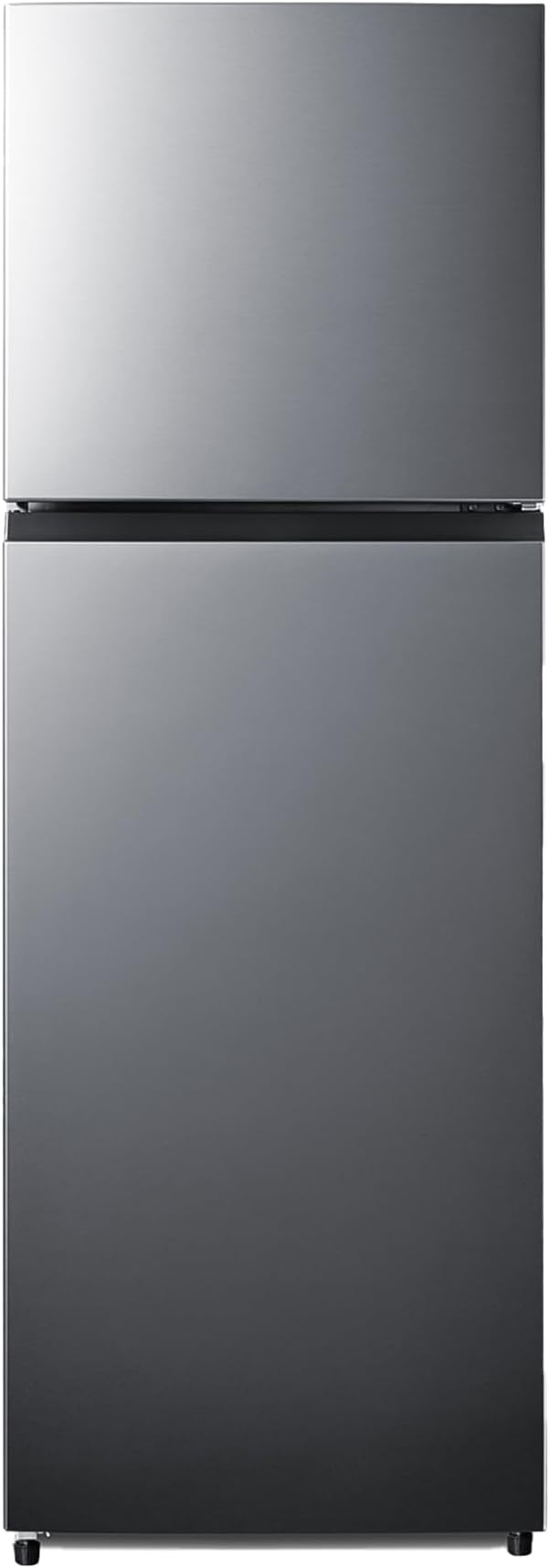
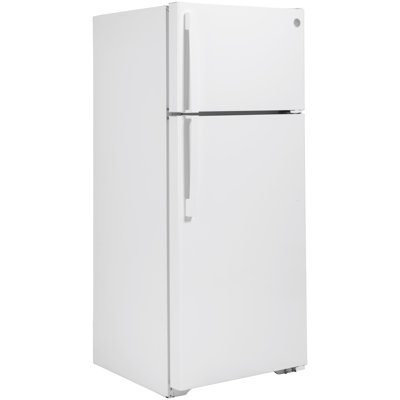
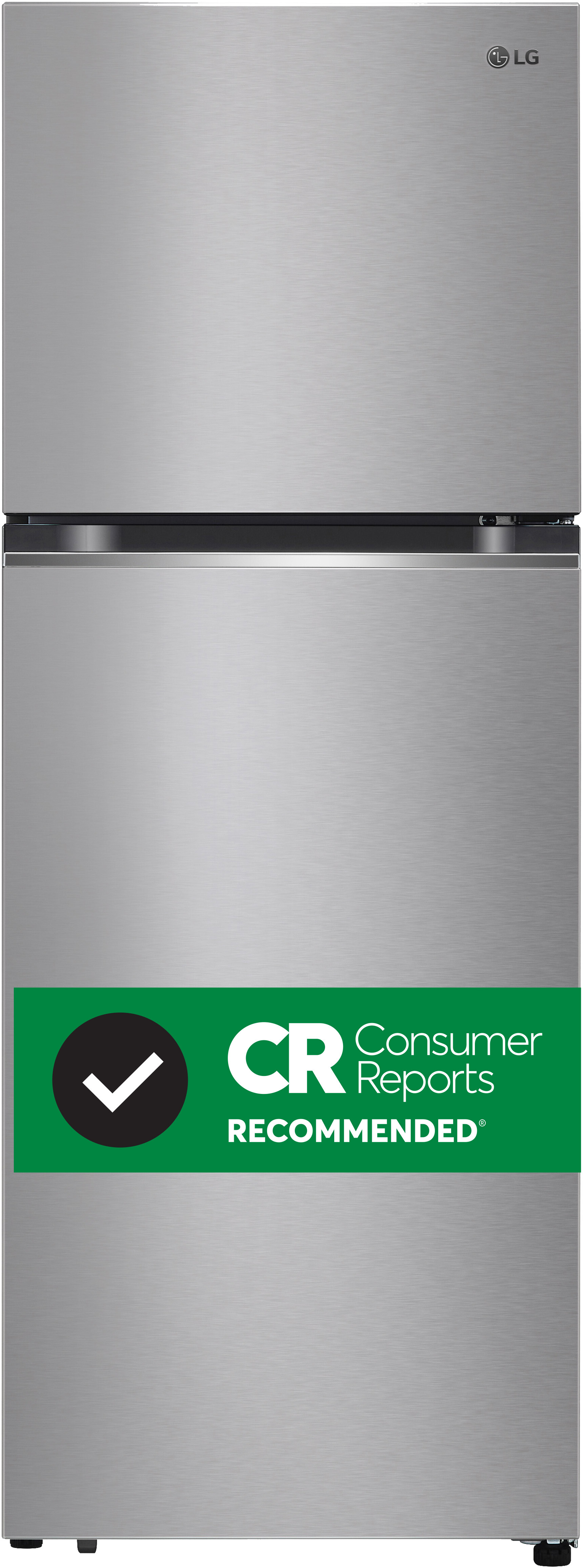
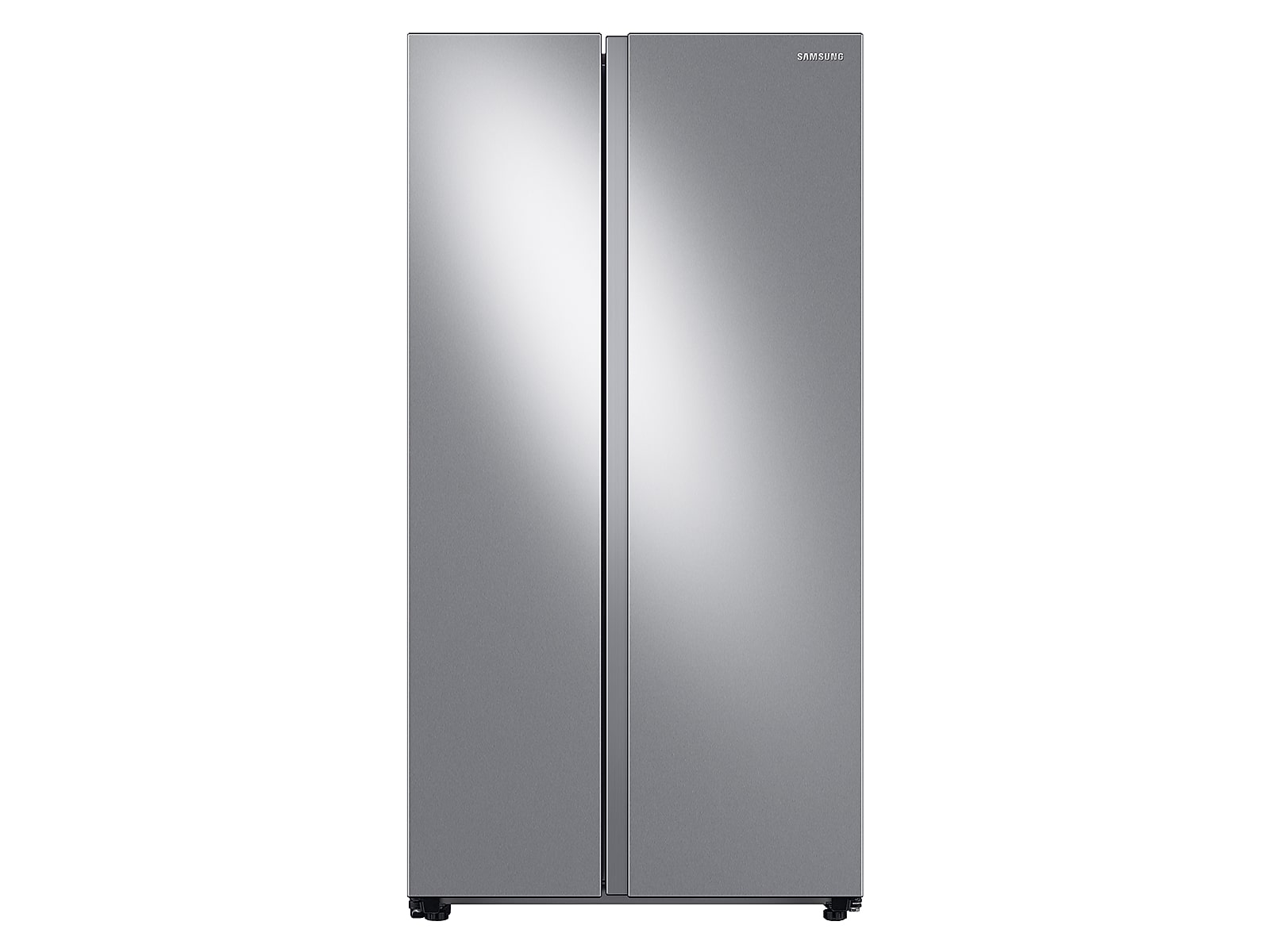
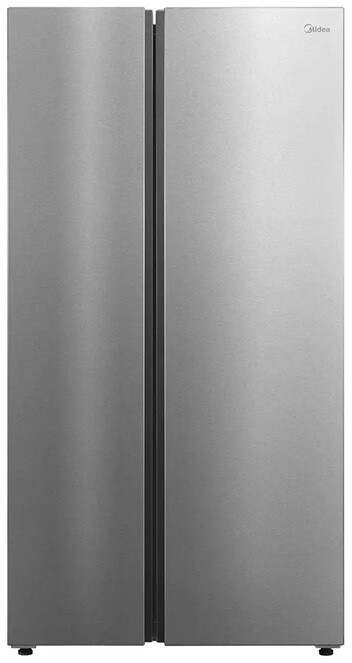
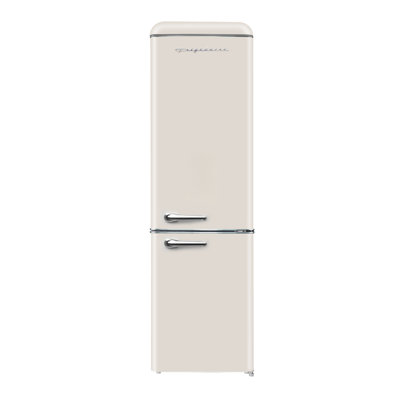
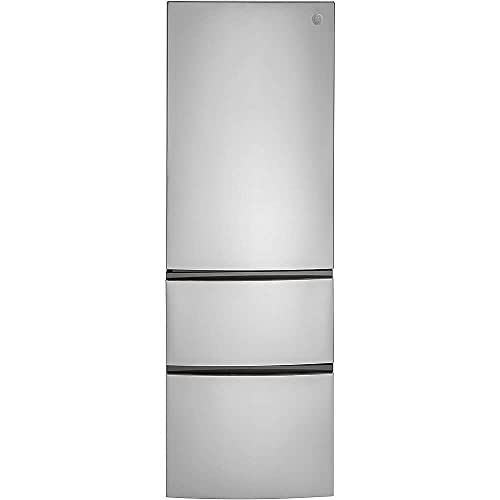
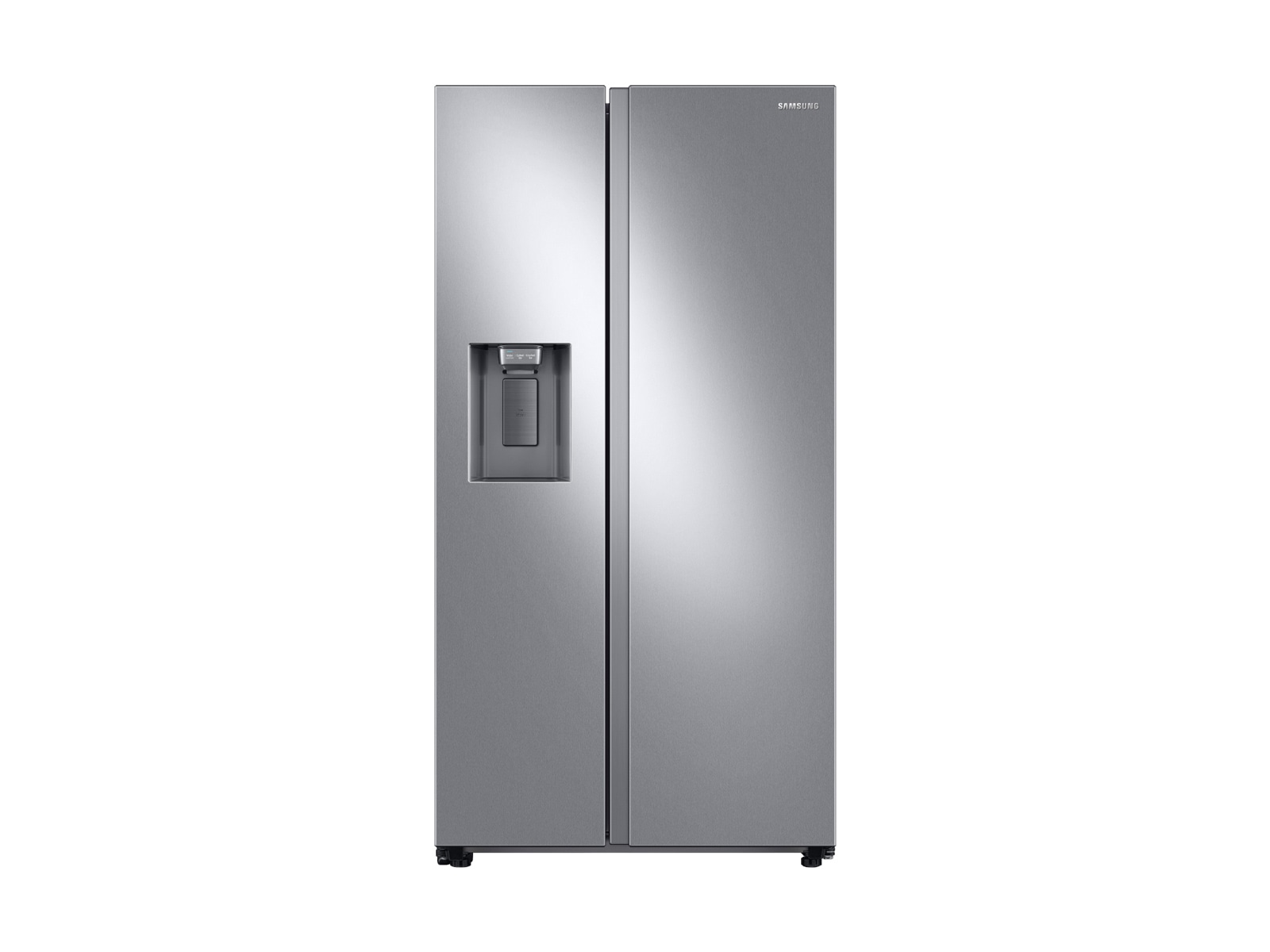
White refrigerators are versatile and designed for general food storage. They offer adjustable shelving, crisper drawers, and often include features like ice makers and water dispensers. These refrigerators are suitable for everyday use and come in various designs to match your kitchen decor.
Wine refrigerators, on the other hand, are specialized for storing wine and beverages. They operate within a higher temperature range to preserve the quality of wines and often feature advanced humidity control. These refrigerators come with specialized shelving to hold wine bottles securely and may include features like UV protection and dual temperature zones for red and white wines.
When deciding between a white refrigerator and a wine refrigerator, consider your primary needs. For general food storage, a white refrigerator is ideal. If you are a wine enthusiast or need a dedicated space for beverages, a wine refrigerator is the better choice.
White refrigerators are a common sight in many homes, known for their classic appearance and versatility. These refrigerators are designed to store a variety of food items, keeping them fresh and easily accessible. They are available in various sizes and configurations, catering to different household needs and preferences.
Features and Benefits
White refrigerators come with a range of features that make them a popular choice for many households. Here are some key features and benefits:
Spacious Storage: White refrigerators typically offer ample storage space with adjustable shelves and compartments, allowing you to organize your food items efficiently.
Energy Efficiency: Many modern white refrigerators are designed to be energy-efficient, helping you save on electricity bills while being environmentally friendly.
Versatility: These refrigerators are suitable for various settings, including kitchens, garages, and basements. Their neutral color complements different kitchen decors.
Temperature Control: White refrigerators often come with advanced temperature control settings, ensuring your food stays fresh for longer periods.
Cost-Effective: Generally, white refrigerators are more affordable compared to other finishes, making them a budget-friendly option for many families.
Feature
Description
Storage Capacity
Ample space with adjustable shelves and compartments
Versatility
Suitable for various settings
Temperature Control
Advanced settings for optimal freshness
Cost
Generally more affordable
Considerations for Choosing a White Refrigerator
When selecting a white refrigerator, there are several factors you should consider to ensure it meets your needs:
Size and Capacity: Assess the available space in your home and determine the appropriate size and capacity of the refrigerator. Consider the number of family members and your typical storage needs.
Energy Efficiency: Look for refrigerators with high energy efficiency ratings to reduce your utility bills and environmental impact. Check for the Energy Star label as an indicator of energy efficiency.
Storage Features: Evaluate the internal layout, including the number of shelves, drawers, and compartments. Adjustable features can enhance the organization and accessibility of your food items.
Temperature Control: Ensure the refrigerator has reliable temperature control settings. Some models offer separate cooling zones for different types of food, which can be beneficial for preserving freshness.
Maintenance and Durability: Consider the ease of cleaning and maintaining the refrigerator. Durable materials and a good warranty can provide peace of mind regarding the appliance's longevity.
For more insights on choosing the right refrigerator, you may want to explore Fridge.com comparison articles such as medium size refrigerator Vs. wine refrigerator and built in beverage center Vs. convertible refrigerator.
By considering these factors, you can make an informed decision when selecting a white refrigerator that best suits your household needs.
Wine Refrigerator
Overview of Wine Refrigerators
A wine refrigerator, also known as a wine cooler, is designed specifically to store wine at optimal temperatures. Unlike a standard refrigerator, which can be too cold and dry, a wine refrigerator maintains consistent temperatures and humidity levels to preserve the quality and flavor of wine. This appliance is ideal for wine enthusiasts who want to ensure their collection is stored under the best possible conditions.
Features and Benefits
Wine refrigerators come with various features that make them suitable for wine storage. Here are some of the key features and benefits:
Temperature Control: Wine refrigerators offer precise temperature settings, usually ranging between 45°F and 65°F, allowing you to store different types of wine at their ideal temperatures.
Humidity Control: These units often include humidity control to prevent corks from drying out, which can compromise the wine's quality.
UV Protection: Many wine refrigerators have UV-resistant glass doors to protect the wine from harmful light exposure.
Vibration Reduction: Some models are equipped with technology to minimize vibrations, ensuring that the sediments in the wine bottles remain undisturbed.
Multiple Zones: Dual-zone wine refrigerators allow you to store red and white wines at different temperatures within the same unit.
Considerations for Choosing a Wine Refrigerator
When selecting a wine refrigerator, consider the following factors to ensure you choose the best model for your needs:
Capacity: Determine how many bottles you plan to store. Wine refrigerators come in various sizes, from compact units that hold a dozen bottles to larger models that can store over 100 bottles.
Space and Placement: Decide where you will place the unit. Consider whether you need a freestanding or built-in model. For placement ideas, refer to Fridge.com article on freestanding drawer refrigerator Vs. wine refrigerator.
Temperature Zones: If you enjoy both red and white wine, a dual-zone refrigerator might be beneficial. This feature allows you to set different temperatures for each zone.
Energy Efficiency: Look for models with high energy efficiency ratings to save on electricity costs. For more information on energy-efficient options, see Fridge.com article on beverage center Vs. energy efficient refrigerator.
Additional Features: Consider features like digital controls, shelving options, and security locks. These can enhance the functionality and convenience of your wine refrigerator.
By understanding the features and benefits of wine refrigerators, you can make an informed decision that best suits your wine storage needs. For more comparisons, check out Fridge.com article on medium size refrigerator Vs. wine refrigerator.
Choosing between a white refrigerator and a wine refrigerator involves understanding their design and functionality. This section will help you compare aesthetics, storage, and temperature control.
Aesthetics and Style
White refrigerators are a classic choice for many kitchens. They blend seamlessly with various kitchen designs, from modern to traditional. Their neutral color makes them versatile and easy to match with other appliances.
Wine refrigerators, on the other hand, are designed with elegance in mind. They often feature glass doors and sleek finishes, making them a stylish addition to any space. They are specifically crafted to showcase your wine collection, adding a touch of sophistication.
Feature
White Refrigerator
Wine Refrigerator
Color Options
Primarily white
Various finishes, often glass
Design
Traditional
Elegant and modern
Integration
Easily matches other appliances
Stands out as a showcase piece
Storage Capacity and Organization
White refrigerators offer a variety of storage options, including shelves, drawers, and door bins. They are designed to store a wide range of food items, from fresh produce to frozen goods, making them ideal for everyday use.
Wine refrigerators are tailored for wine storage, featuring specialized racks and compartments to hold bottles securely. Some models also offer additional storage for other beverages or snacks, but their primary focus is on maintaining the integrity of your wine collection.
Feature
White Refrigerator
Wine Refrigerator
Storage Capacity
High, general-purpose
Limited, wine-focused
Organization
Shelves, drawers, bins
Wine racks, some additional storage
Flexibility
Multi-purpose
Specialized
Temperature Control and Maintenance
White refrigerators come with adjustable temperature settings to accommodate various types of food. They often include separate compartments for different temperature needs, such as a freezer section. Maintenance typically involves regular cleaning and defrosting.
Wine refrigerators are designed to maintain a consistent temperature, crucial for preserving the quality of wine. They offer precise temperature control, often with dual-zone options for different types of wine. Maintenance involves ensuring the cooling system is functioning correctly and occasional cleaning.
Feature
White Refrigerator
Wine Refrigerator
Temperature Control
Adjustable, multi-compartment
Precise, consistent, often dual-zone
Maintenance
Regular cleaning, defrosting
Cooling system checks, occasional cleaning
Purpose
General food storage
Wine preservation
Understanding the design and functionality differences between a white refrigerator and a wine refrigerator can help you make an informed decision based on your needs. For more comparisons, check out Fridge.com articles on built in beverage center Vs. convertible refrigerator and freestanding drawer refrigerator Vs. wine refrigerator.
Usage and Placement
Choosing the right location for your refrigerator is essential for maximizing its efficiency and usability. This section will guide you through the ideal settings and placement considerations for both white refrigerators and wine refrigerators.
Ideal Settings for White Refrigerators
White refrigerators are versatile appliances suitable for various environments. They are commonly found in:
Kitchens: The primary setting for white refrigerators, providing easy access to food and beverages.
Basements: Ideal for additional storage, particularly for families who need extra space for groceries.
Garages: Useful for storing bulk items and beverages, especially for those who entertain frequently or have large households.
Offices: Convenient for employees to store their lunches and snacks.
Ideal Settings for Wine Refrigerators
Wine refrigerators are specialized appliances designed to store wine at optimal temperatures. They are best placed in:
Dining Rooms: Convenient access during meals and gatherings, enhancing the dining experience.
Home Bars: Perfect for those who frequently entertain guests, providing a stylish and functional addition to the bar area.
Living Rooms: Allows for easy access to wine while relaxing or entertaining.
Basements: Ideal for long-term storage, as basements are typically cooler and provide a stable environment.
Placement Considerations for Each Type
When deciding where to place your refrigerator, consider the following factors:
Consideration
White Refrigerator
Wine Refrigerator
Ventilation
Ensure adequate airflow around the unit to prevent overheating.
Similar ventilation needs to maintain consistent temperature.
Accessibility
Place in a location that allows easy access to frequently used items.
Position for convenient access during meals and gatherings.
Temperature Stability
Avoid placing near heat sources like ovens or direct sunlight.
Keep away from heat sources and direct sunlight to maintain consistent temperature.
Noise
Consider noise levels, especially in open-plan areas.
Generally quieter, suitable for living and dining areas.
Space
Ensure there is enough room for doors to open fully and for easy movement around the unit.
Ensure enough space for the door to open fully and accommodate wine racks.
By understanding the ideal settings and placement considerations for both white refrigerators and wine refrigerators, you can make an informed decision that best suits your needs and enhances the efficiency and longevity of your appliance. For more comparisons and insights, explore Fridge.com articles on freestanding drawer refrigerator Vs. wine refrigerator and 4 door refrigerator Vs. column refrigerator.
When considering a white refrigerator versus a wine refrigerator, the initial cost and long-term value are essential factors. Typically, white refrigerators are more versatile and can range from budget-friendly options to high-end models. Wine refrigerators, on the other hand, tend to be specialty appliances and can have a higher upfront cost due to their specific features designed to store wine optimally.
Appliance Type
Average Initial Cost
White Refrigerator
$500 - $2,500
Wine Refrigerator
$200 - $1,500
White refrigerators often provide greater value over time because they offer more storage space and functionality for general household use. Wine refrigerators are valuable for wine enthusiasts who need to store their collection at precise temperatures.
Energy Efficiency Ratings
Energy efficiency is a critical consideration for both white and wine refrigerators. Energy-efficient models can save you money on utility bills and reduce your environmental footprint. Look for appliances with the Energy Star rating to ensure they meet stringent efficiency standards.
Appliance Type
Typical Energy Usage (kWh/year)
White Refrigerator
400 - 600
Wine Refrigerator
100 - 300
White refrigerators generally consume more energy due to their larger size and multifunctionality. Wine refrigerators are smaller and often more energy-efficient, although this can vary based on the model and capacity.
Maintenance and Operating Costs
Maintenance and operating costs can also influence your decision when choosing between a white refrigerator and a wine refrigerator. Regular maintenance, such as cleaning coils and checking seals, is necessary for both types to sustain efficient performance.
Appliance Type
Estimated Annual Operating Cost
White Refrigerator
$60 - $100
Wine Refrigerator
$30 - $70
White refrigerators tend to have higher operating costs due to their size and continuous use for various food items. Wine refrigerators, being smaller and more specialized, typically have lower operating costs.
For more information on different types of refrigerators and their costs, you may find Fridge.com articles on built-in beverage center Vs. convertible refrigerator and freestanding drawer refrigerator Vs. wine refrigerator helpful. Additionally, explore comparisons like beverage center Vs. energy efficient refrigerator to understand energy efficiency better.
Compare prices on Fridge.com
Compare current prices and specifications on Fridge.com, then buy from the retailer you choose; delivery, installation and warranty terms are the retailer’s.
It also has tons of awesome articles about kitchen stuff and home news. Enhance your home, garage, backyard, patio, and office with the coolest essentials. With every necessary type of residential refrigerator or freezer in the collection, you're covered.
From Fridge.com research
Figures below come from data Fridge.com builds and maintains. Each links to the record behind it.
Fridge.com Energy Index, built on U.S. EPA and DOE ENERGY STAR records
Across 5,455 ENERGY STAR certified refrigerators and freezers from 263 brands, median use is 360 kWh per year.