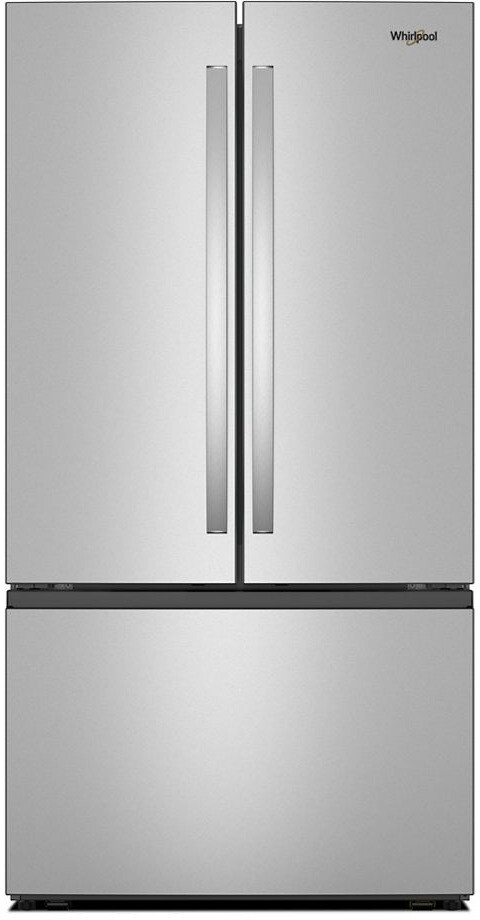
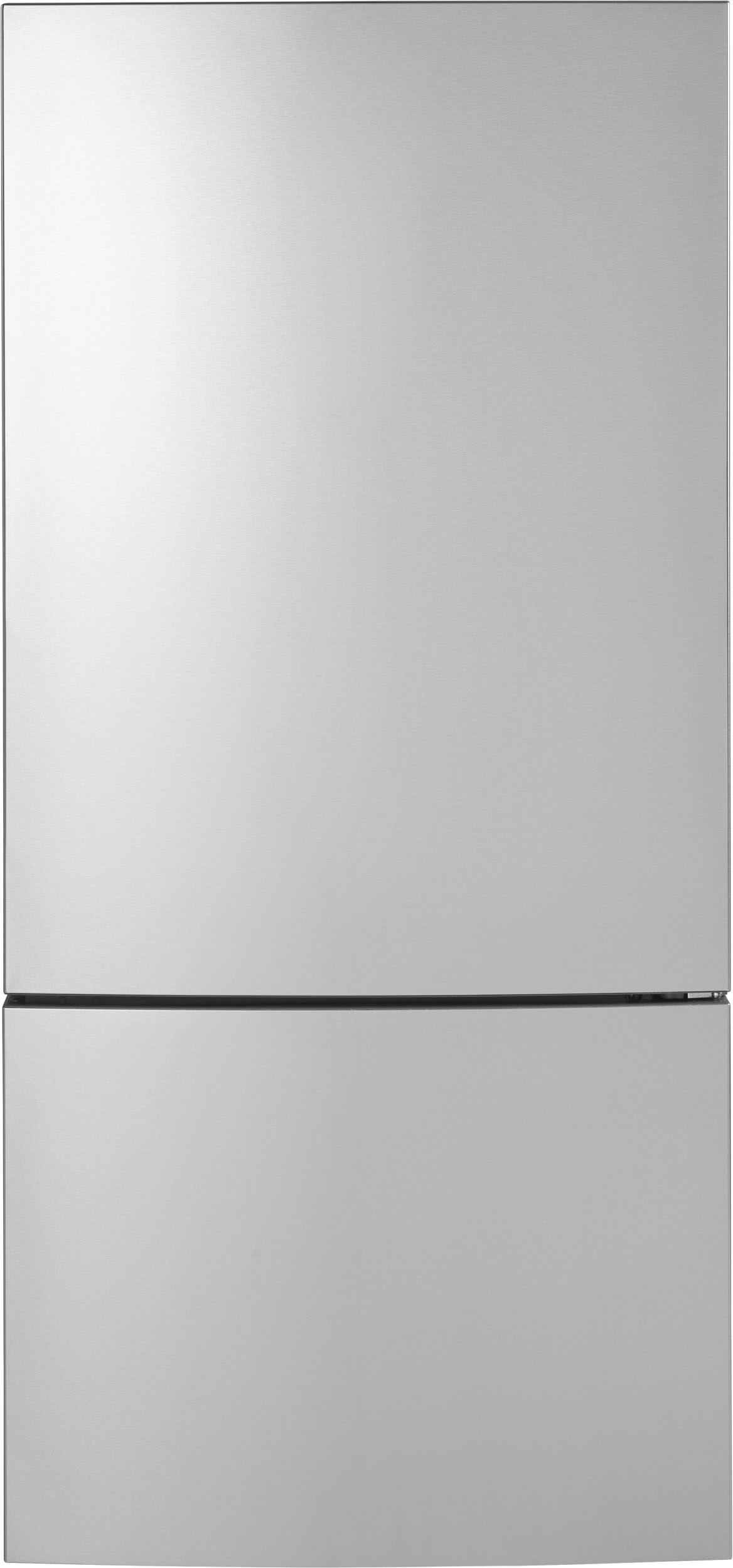
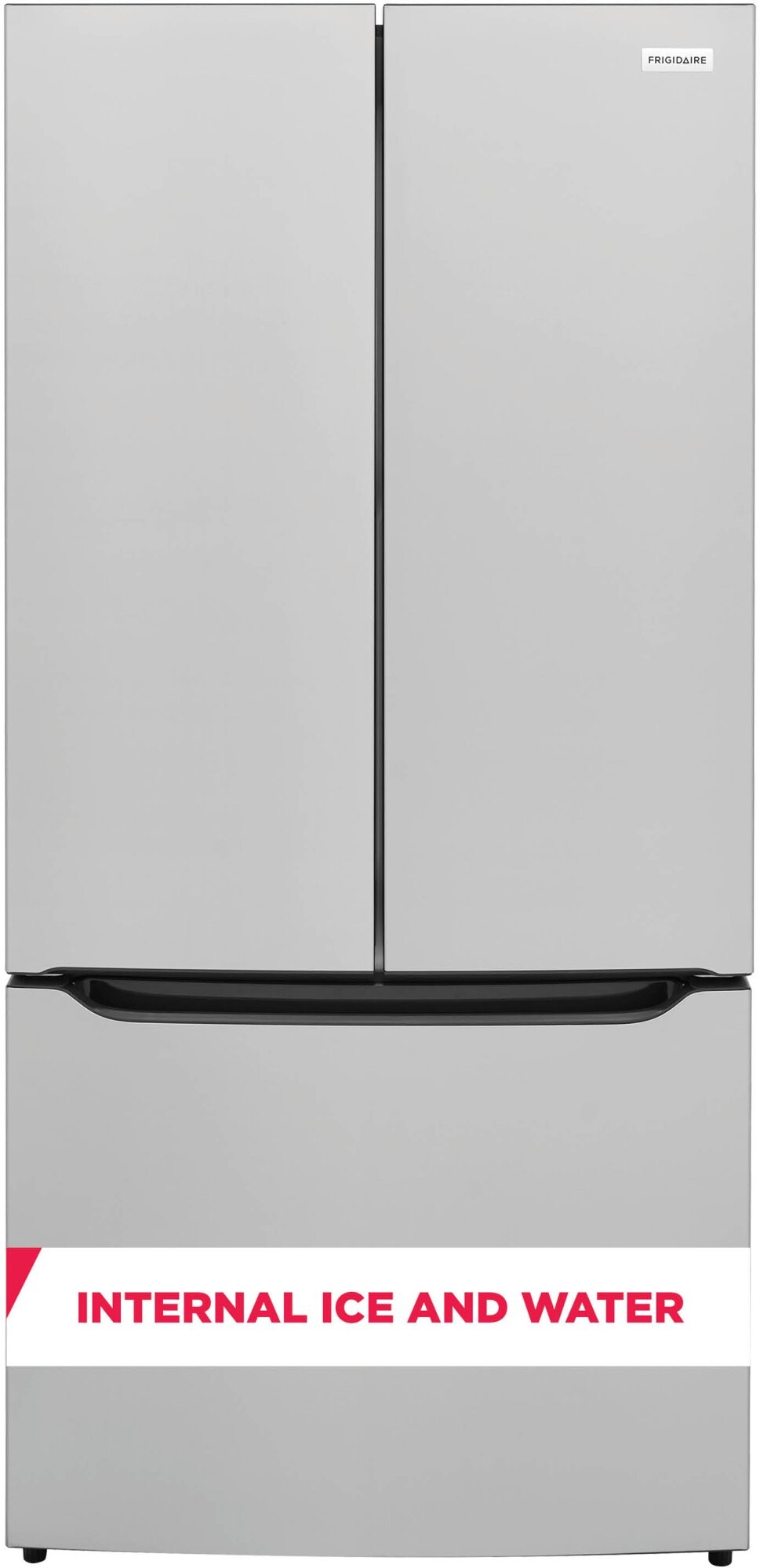
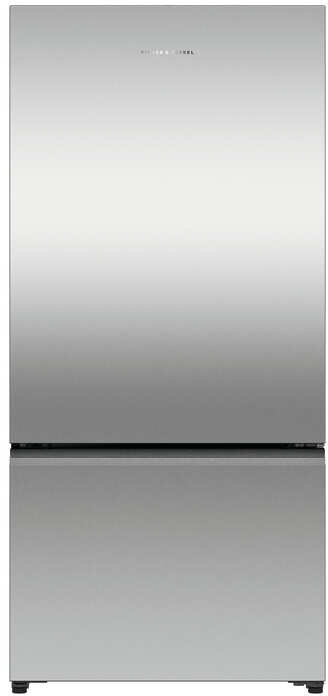
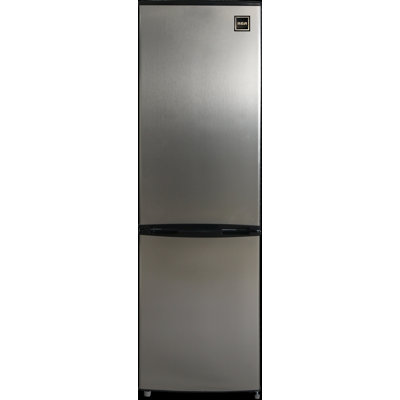
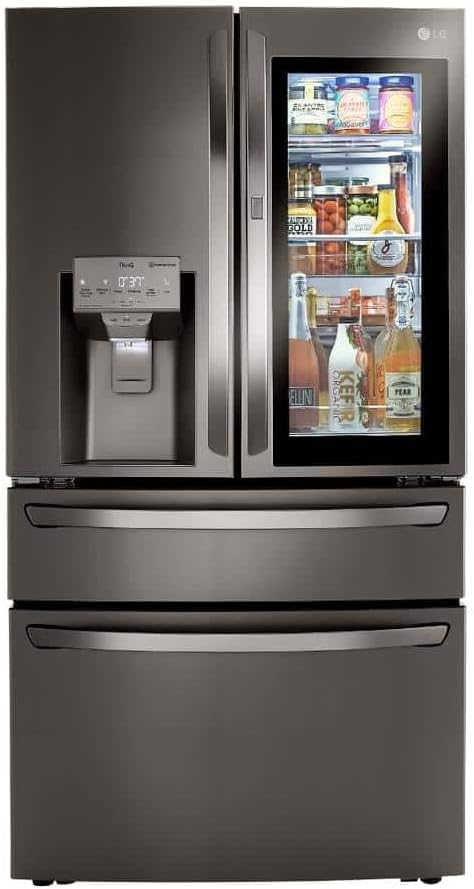
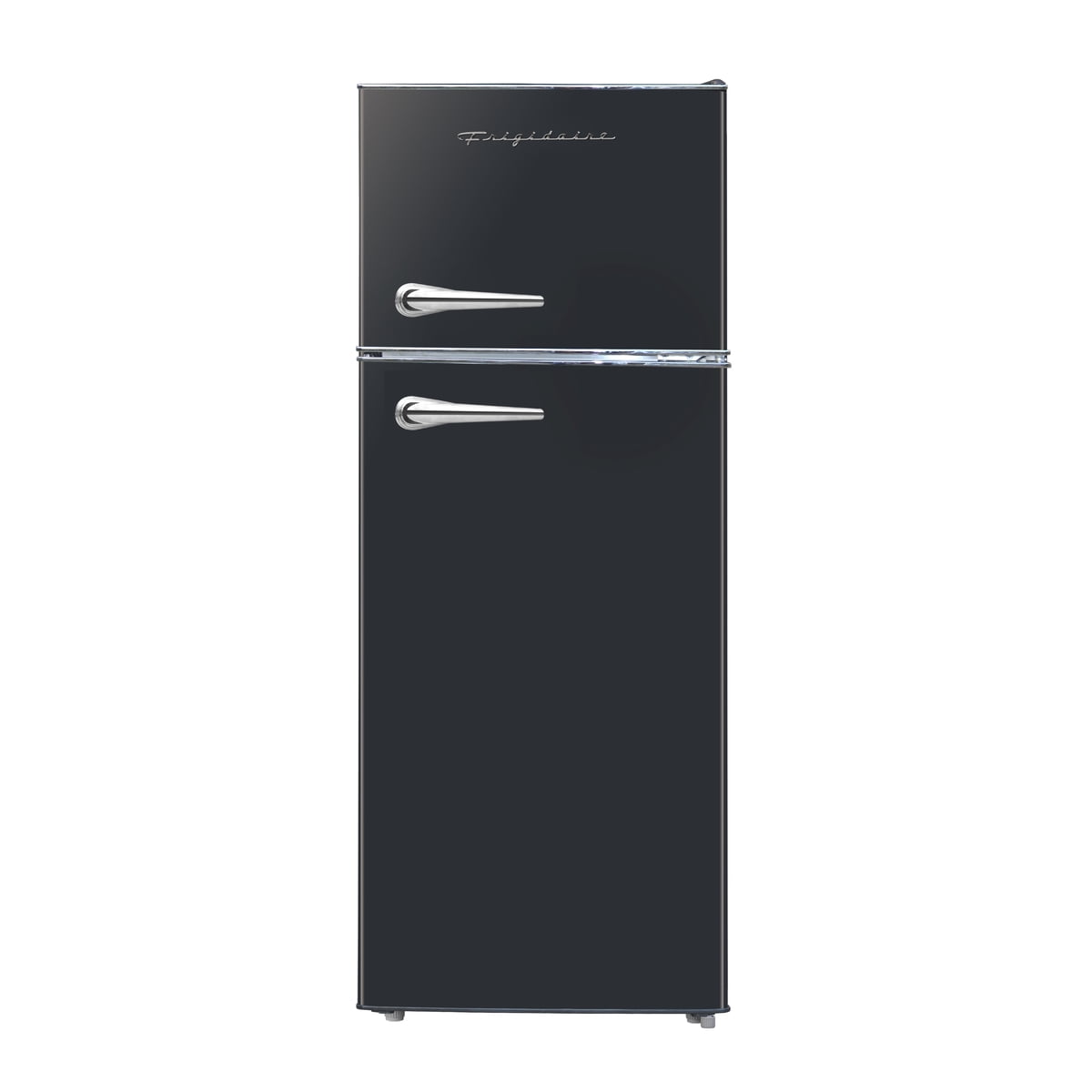
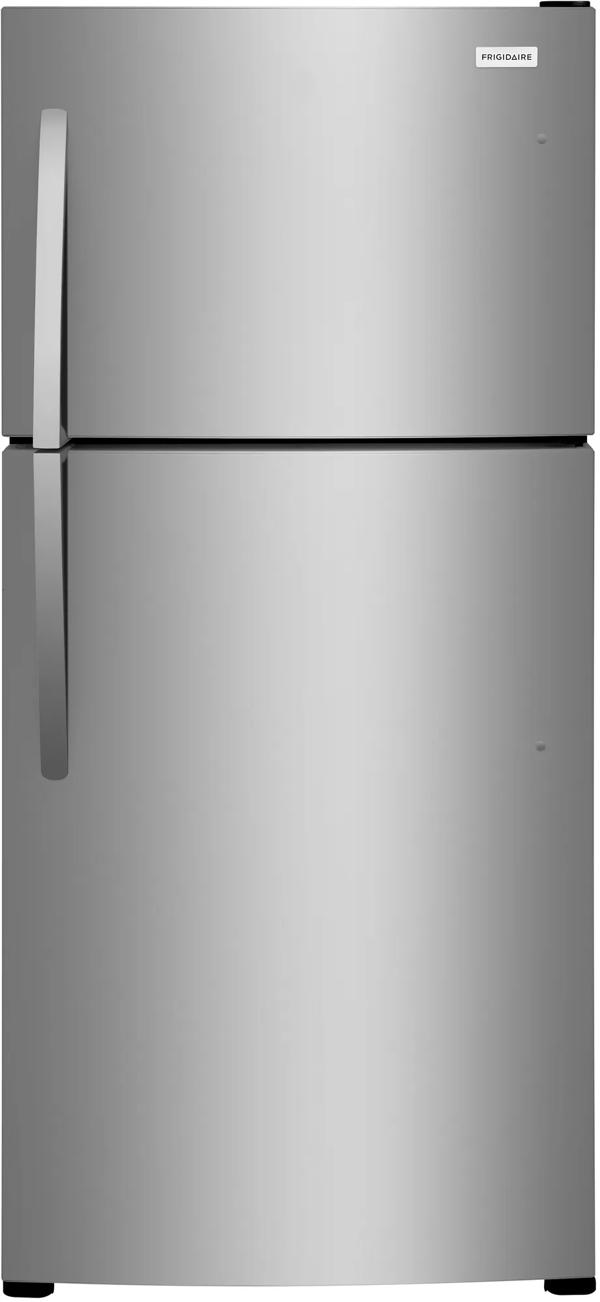
So "how much is a new refrigerator?" has a real answer: a full-size unit realistically costs $600 to $2,600 for the mainstream tiers, and everything above that is configuration, brand, and finish.
The market yardsticks — a $2,560 French door median, $809 for top-freezers, live per-model price spreads, and the official recall record — are all tracked on this site.
Where should you buy a refrigerator?
They matter most at the two ends of the market — value buyers can find last-year models and floor units priced to move, and built-in buyers frequently have no other local channel at all.
Where to buy a refrigerator sounds like a question about stores, but it is really a question about price, delivery, and risk — because the same refrigerator, identified by the same model number, is routinely sold at meaningfully different prices through half a dozen channels at once. Fridge.com exists to measure exactly that: nearly 6,000 refrigeration products tracked across major online retailers, each under a FIN (Fridge.com Identification Number) that links the unit's prices, specifications, and recall history across sellers. This guide walks through every real channel — big-box chains, regional appliance dealers, manufacturer-direct, online marketplaces, warehouse clubs, and the outlet world — with the honest strengths and traps of each, plus the price data that tells you what a fair number actually looks like before any salesperson tells you otherwise.
First: Know What the Market Actually Charges
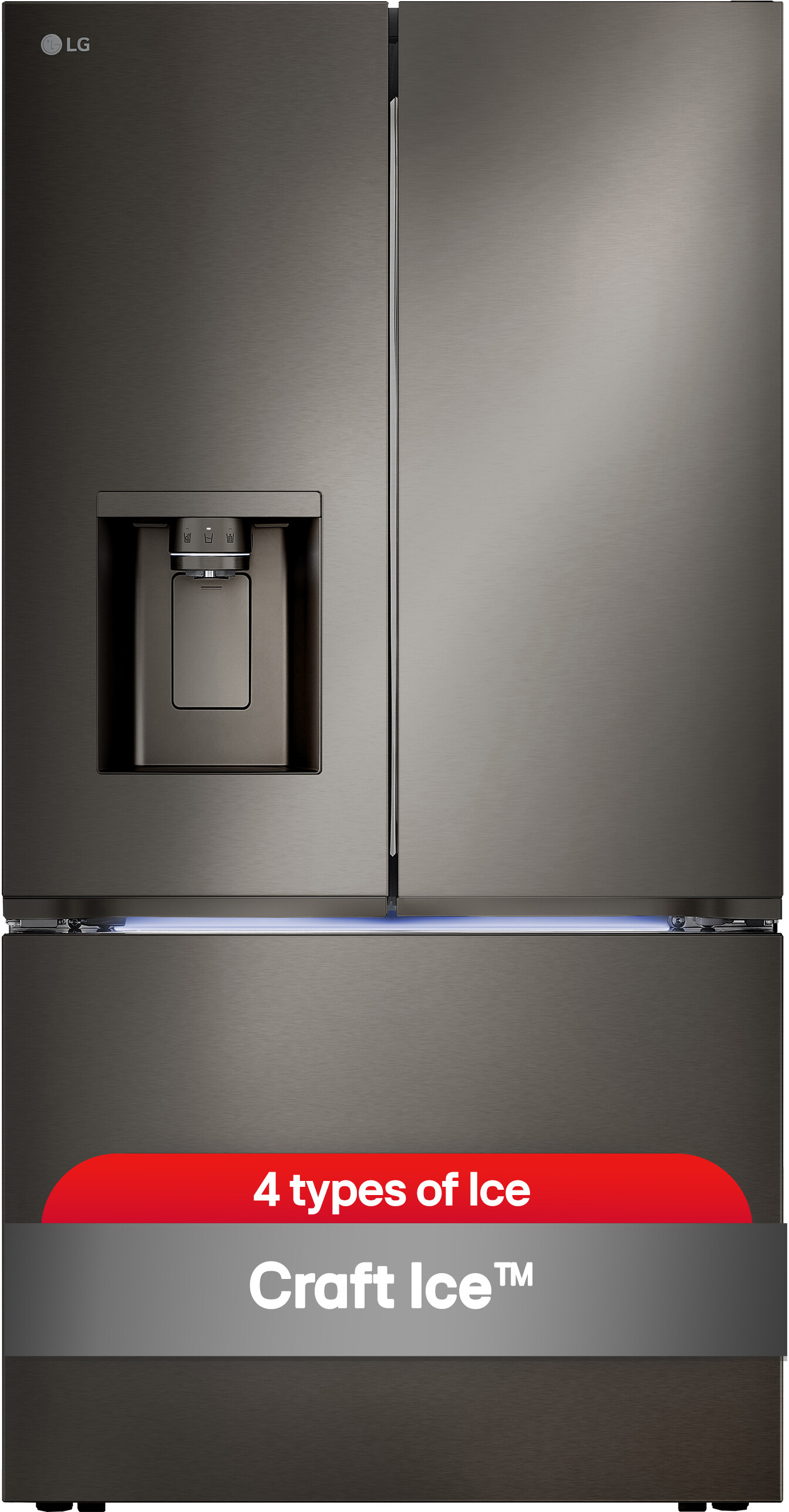
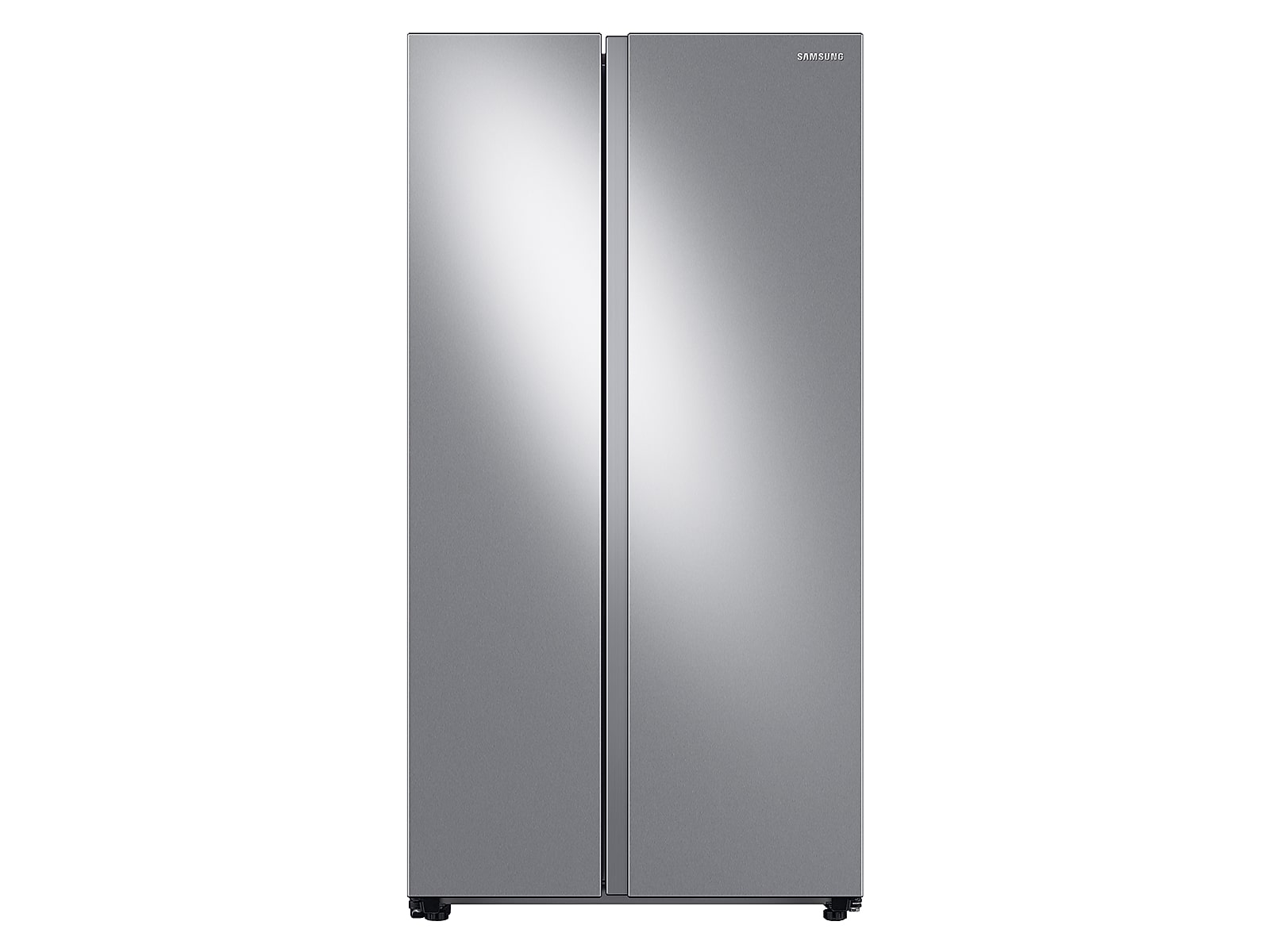
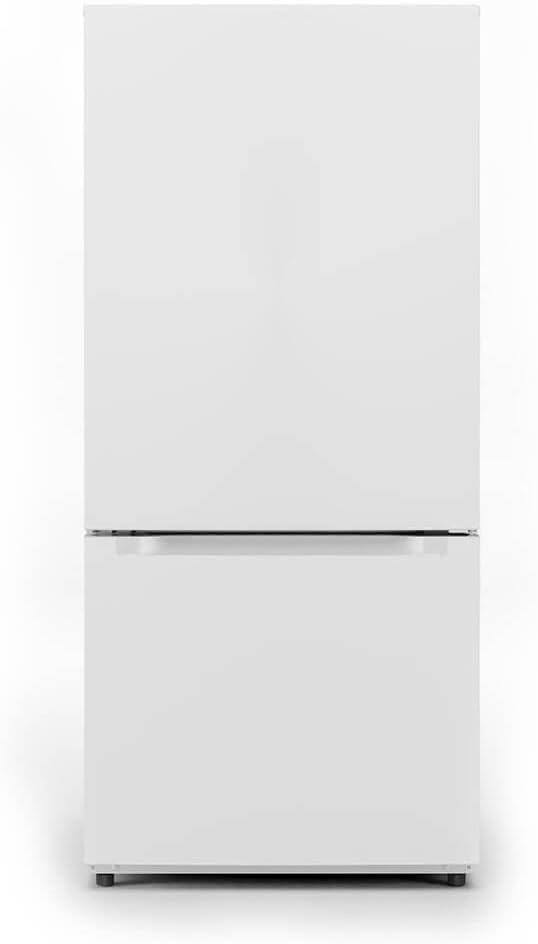
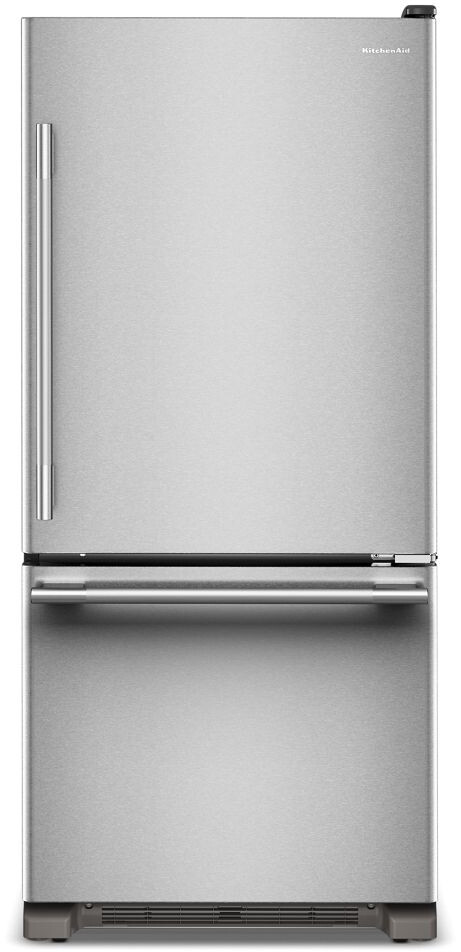
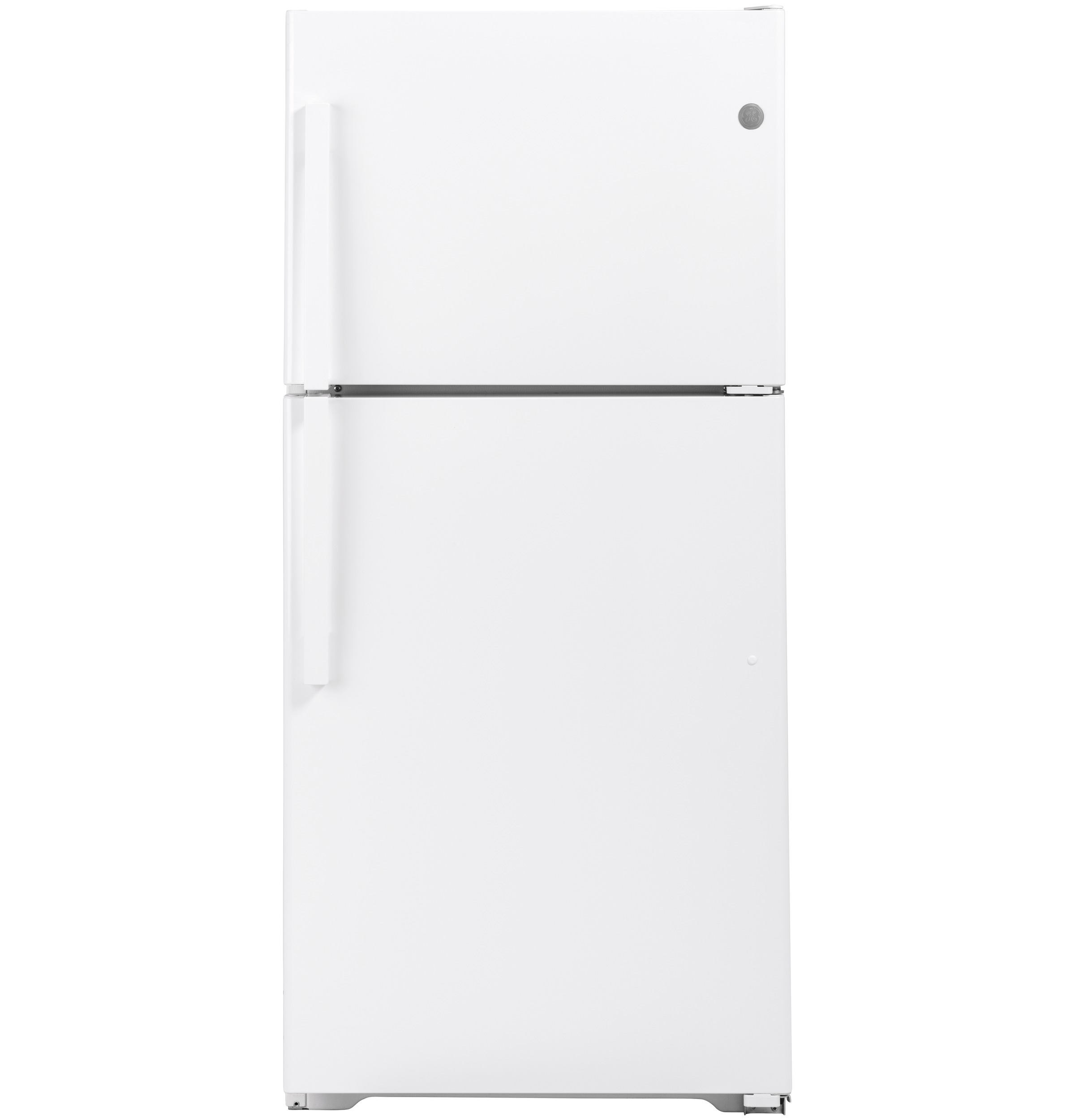
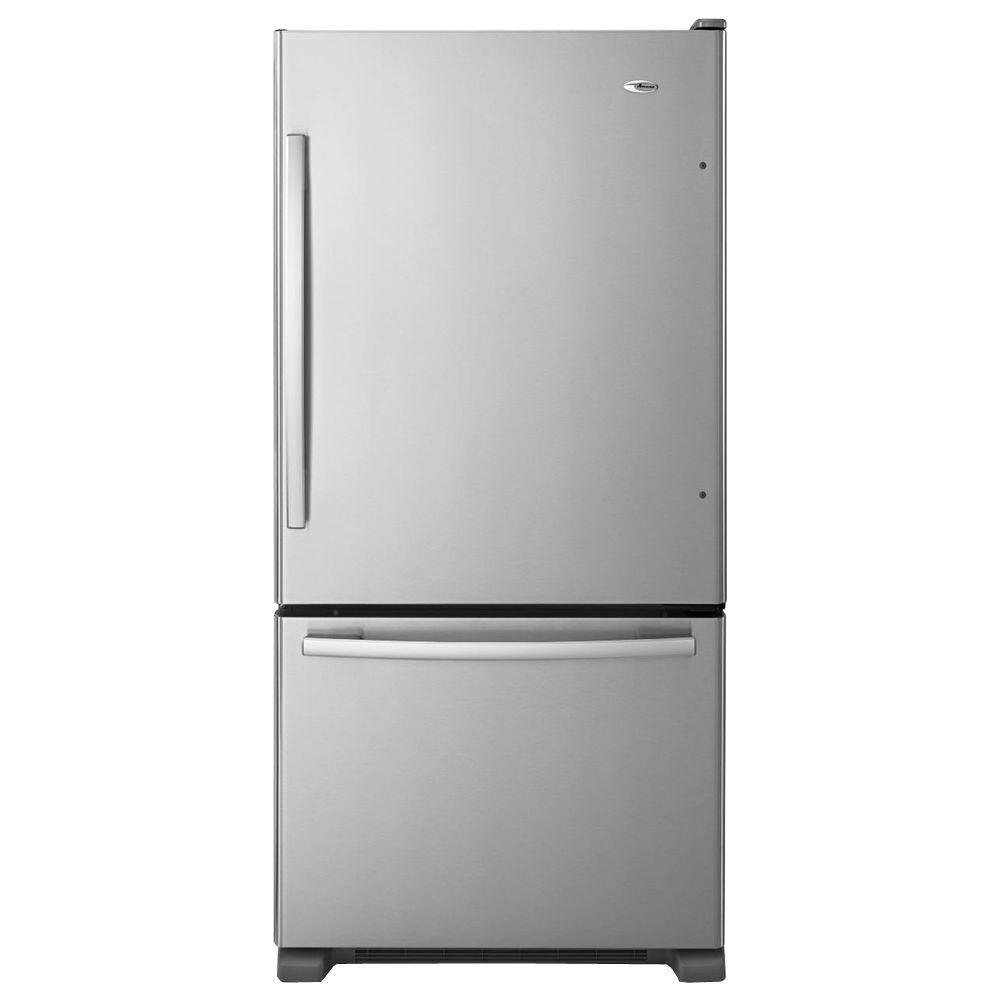
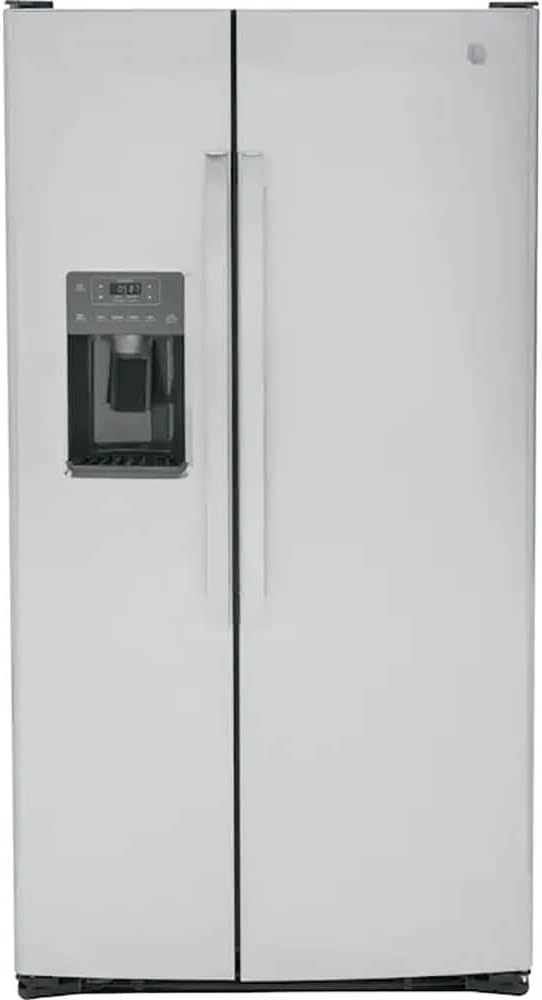
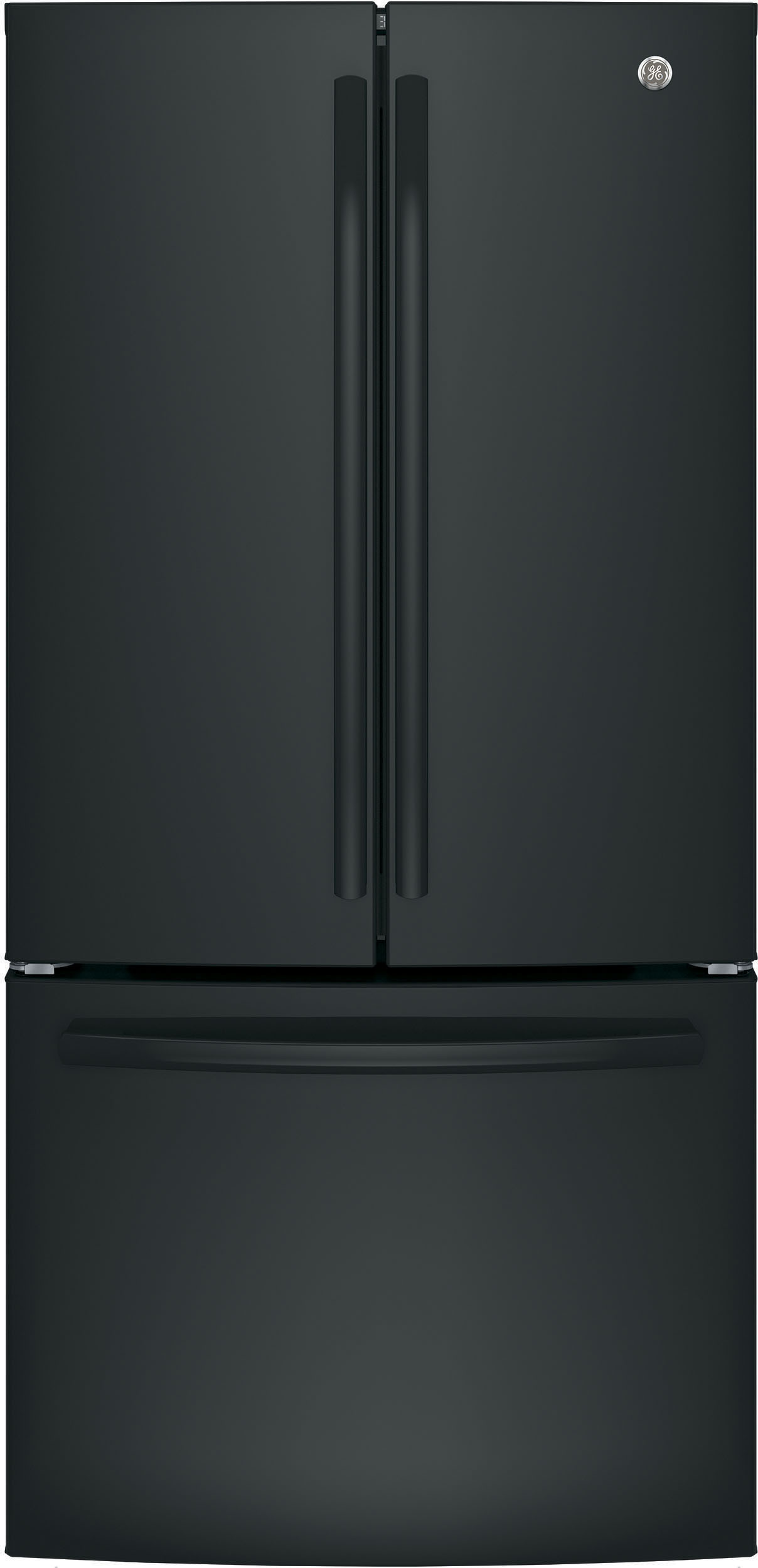
Walking into any channel without a baseline is how overpaying happens. The tracked medians at Fridge.com (measured 08/30/2026) are the honest yardstick: French door models — 527 tracked across 60 brands — run $999 to $17,909 with a median around $2,560; side-by-sides median about $1,755; top-freezers about $809; bottom-freezers about $1,949; compacts about $260. So "how much is a new refrigerator?" has a real answer: a full-size unit realistically costs $600 to $2,600 for the mainstream tiers, and everything above that is configuration, brand, and finish. Anchor on the median for your configuration, then judge every quote against it — the price index keeps the market-wide view current.
Big-Box Chains: The Default, and Fine
The national home-improvement and electronics chains sell more refrigerators than anyone, and the format's strengths are real: constant promotional cycles, financing offers, established delivery networks, and painless returns compared with smaller channels. The traps are equally structural: floor staff turn over quickly, the advertised unit is often the entry trim of a series whose better trims cost more, and delivery is typically subcontracted — so the crew unboxing your unit answers to a logistics company, not the chain. The one non-negotiable habit here: compare the exact model number, not the series name, across chains before buying, because identical units are routinely priced hundreds of dollars apart between them. That per-model spread is precisely what the price comparison on each Fridge.com product page shows on one screen.
Regional and Independent Appliance Dealers: The Underrated Channel
Independent appliance dealers survive against the chains for reasons that benefit buyers: staff who actually know the units, in-house delivery crews who install refrigerators daily, real negotiating room on package orders, and access to premium and built-in lines the big boxes barely stock. They matter most at the two ends of the market — value buyers can find last-year models and floor units priced to move, and built-in buyers frequently have no other local channel at all. The honest caveats: sticker prices can start higher than chain promos (negotiate; that is the format), and return policies are house rules, not national ones — read them before paying.
Most major brands now sell from their own sites. The strengths: the full configurator, every trim and color, first access to new lines, and brand-run promotions that occasionally beat every retailer. The structural weakness: outside promo windows, direct prices tend to sit at list while retailers discount below it — the tracked spreads make that visible per model. Where direct genuinely wins is dealer-network luxury refrigeration, where the manufacturer's site and its authorized showrooms are effectively the only channel, with quoted rather than advertised pricing.
Online Marketplaces: Best for Compacts, Care Above $1,000
Marketplaces excel where shipping is simple: compacts, mini fridges, wine coolers, and ice makers — categories where the tracked market runs deepest and cheapest (883 tracked models in the mini fridge collection, median about $260). For full-size refrigerators the calculus shifts: freight delivery of a 300-pound appliance through a marketplace seller is where damage claims, missing-parts disputes, and returns get genuinely painful. Two rules keep the channel honest: know exactly who the seller of record is before paying, and check the model against the Fridge.com recall record — the largest compact-fridge recalls of the last decade, nearly a million licensed-brand mini fridges among them, sold heavily through online channels.
Warehouse clubs periodically price mainstream French doors and side-by-sides aggressively, with generous return cultures; the constraint is a shallow, rotating selection — if the model that fits your opening is not the model on offer, the discount is irrelevant. The outlet world — scratch-and-dent warehouses, retailer open-box programs, floor models from dealers — is the deepest genuine discount channel in the industry, at prices commonly 20–40% under new for cosmetic damage. Three rules make it safe: inspect (or demand photos of) the exact unit and its serial plate, confirm the full manufacturer warranty applies rather than a house warranty, and run the serial's model family past the recall record — secondhand and clearance channels are exactly where recalled units resurface. The same discipline applies doubly to used units from classifieds, where the recall record
check is non-negotiable.
"Near Me" Is a Measurement Question, Not a Map Question
Searches for a refrigerator "near me" are usually about delivery, and the truth is that nearly every channel above delivers to nearly everywhere — so the practical questions are not geographic. What determines whether buying near or far goes well: Does the quote include delivery, unboxing, leveling, door-swing reversal, and water-line hookup for the ice maker? Is haul-away of the old unit included? What is the damage-claim window, and does it require inspection before the crew leaves? Measure the opening — width, height, depth — and the delivery path (doors, halls, stair turns) before scheduling any channel's truck; a failed delivery costs restocking fees everywhere, and it is the single most preventable disaster in the appliance trade.
Refrigerator pricing is promotional, and the promotions cluster: the November window and the major holiday weekends are when retailers cut deepest and stack package discounts, and new-model transitions push outgoing units into clearance. Rather than memorize a calendar, watch the live data: the deals page at Fridge.com is derived from tracked price drops as they happen, and a model's own price history on its product page tells you whether today's "sale" undercuts its normal street price or merely returns to it — the single most clarifying chart in appliance shopping.
Financing and Price-Match Fine Print
Two levers move the real total as much as the sticker does. Financing: the chains' zero-interest promotional cards are genuinely useful for a four-figure appliance if — and only if — the balance clears inside the promotional window, because deferred-interest terms charge the full accrued interest retroactively when it does not; read which of the two structures the offer uses before signing, since "0% financing" describes both. Price-matching: most large chains match competitors' advertised prices on identical model numbers, and some match for a window after purchase — which converts the per-model price comparison on a Fridge.com product page into an actual negotiating document. Print the lower advertised price, present it, and the highest-service channel will often meet the lowest price; that combination — dealer delivery crew, chain price — is the quiet optimum of the whole market, and it is assembled with ten minutes of evidence.
Anchor on the configuration median, then price the exact model number across at least three channels via its Fridge.com product page.
Confirm total cost — unit, delivery, install, water line, haul-away, and any restocking terms.
Check the recall record for the model family at the recall record, especially for outlet, marketplace, and used units.
Verify fit twice — the opening and the delivery path.
Keep the paperwork — model, serial, seller, and date — and register the unit so any future notice reaches you.
Summary
Where should you buy a refrigerator? From whichever channel sells your exact model, delivered and installed, at the best verified total price — and every word of that sentence is checkable. Big-box chains win on convenience and promos, independent dealers on expertise and premium access, manufacturer-direct on selection, marketplaces on compacts, clubs on rotating bargains, and the outlet world on genuine discounts for those who verify serials and warranties. The market yardsticks — a $2,560 French door median, $809 for top-freezers, live per-model price spreads, and the official recall record — are all tracked on this site. Start at the refrigerator collection, pick the model first, and let the channels compete for the order.
Frequently Asked Questions
Whichever channel sells your exact model, delivered and installed, at the best verified total price. Big-box chains win on promos and returns, independent dealers on expertise and premium access, manufacturer-direct on selection, marketplaces on compacts, warehouse clubs on rotating bargains, and outlets on genuine discounts for buyers who verify serials.
Free tool
Refrigerator Financing Calculator
Free interactive tool from Fridge.com — get a quick answer while you read.