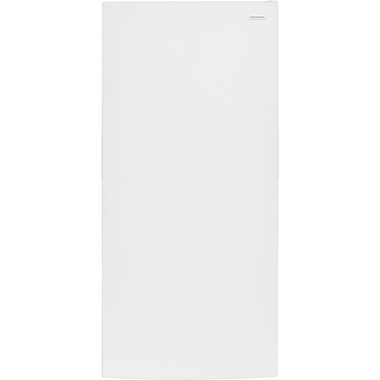
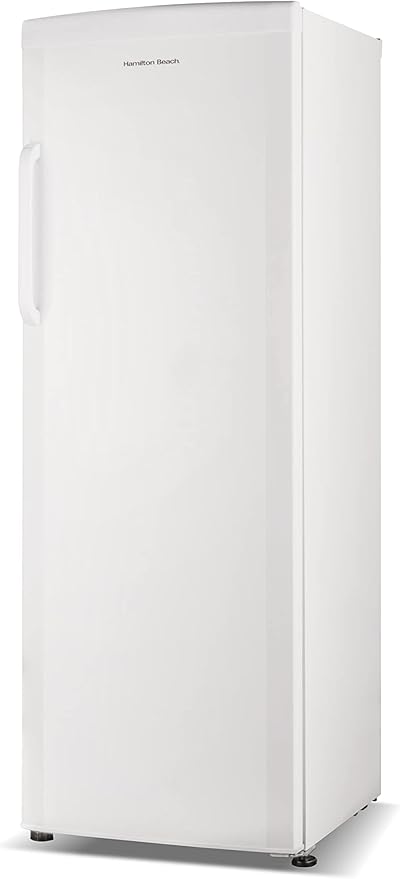
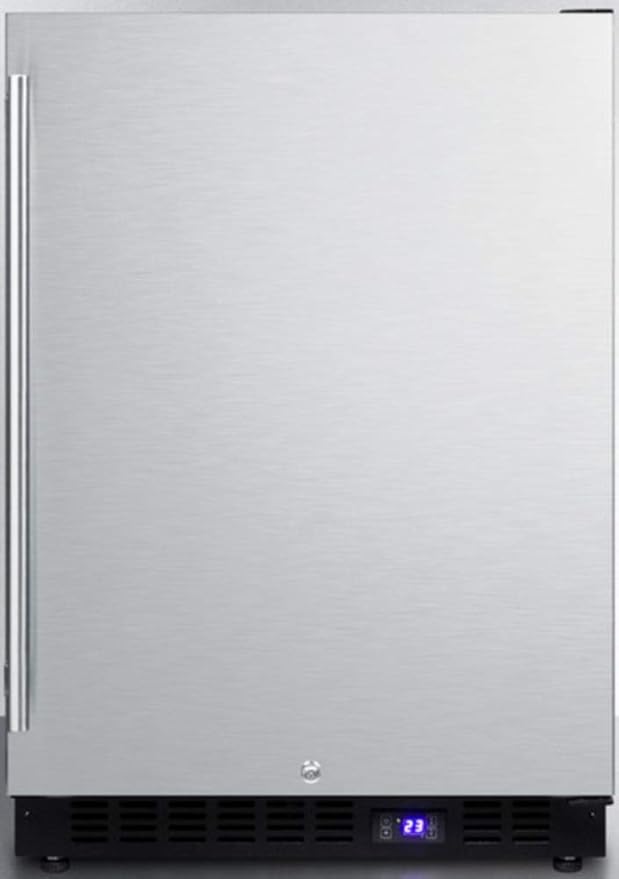
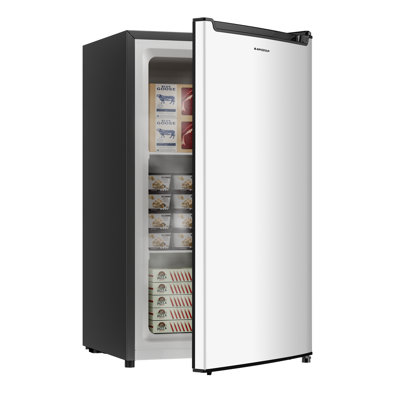
Food-grade stainless steel (304 or 316 grade) is approved for direct food contact, making it ideal for freezer interiors.
These liners deliver unmatched longevity and a sanitary surface you can simply wipe down, making them ideal for chefs, large families, and shared environments.
20–30 cubic feet for commercial kitchens or large families.
When you’re outfitting your upright freezer and you ask yourself, what upright freezer floor liner uses stainless steel, you’re probably on the hunt for a liner that offers exceptional durability, easy cleaning, and a sleek look. In this guide, you’ll learn which models feature true stainless steel floor liners, why they outperform plastic options, and how to choose, install, and maintain the perfect liner for your needs.
Understanding stainless steel liners
What is a freezer floor liner
A freezer floor liner is the material that covers the bottom interior of your upright freezer. It protects the cabinet from spills, ice buildup, and everyday wear. While most residential freezers use molded plastic liners, some premium and commercial models use stainless steel for superior strength and hygiene.
Why stainless steel matters
Stainless steel has long been the material of choice for professional kitchens thanks to its corrosion resistance, nonporous surface, and ease of sanitation. In a freezer setting, a stainless steel liner:
Resists dents, scratches, and stains
Withstands temperature fluctuations without cracking
Eliminates stains and lingering odors that plastic may trap
Offers a professional, polished finish that complements stainless exteriors
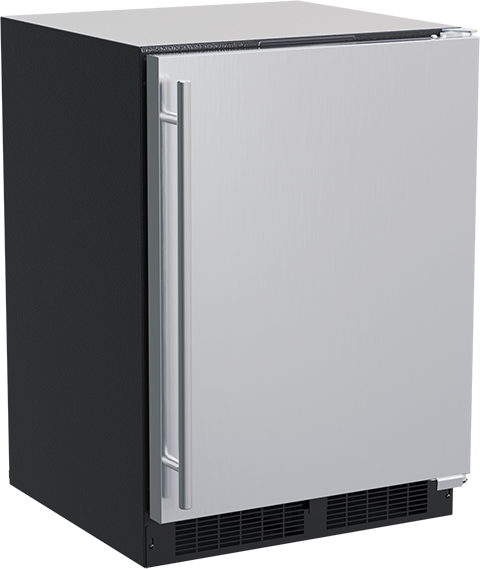
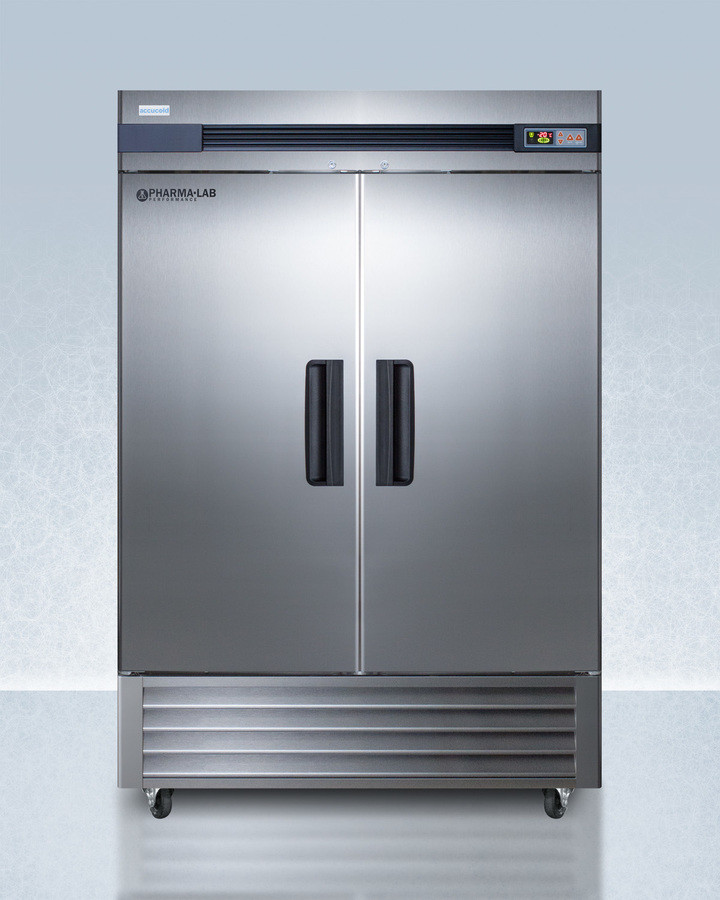
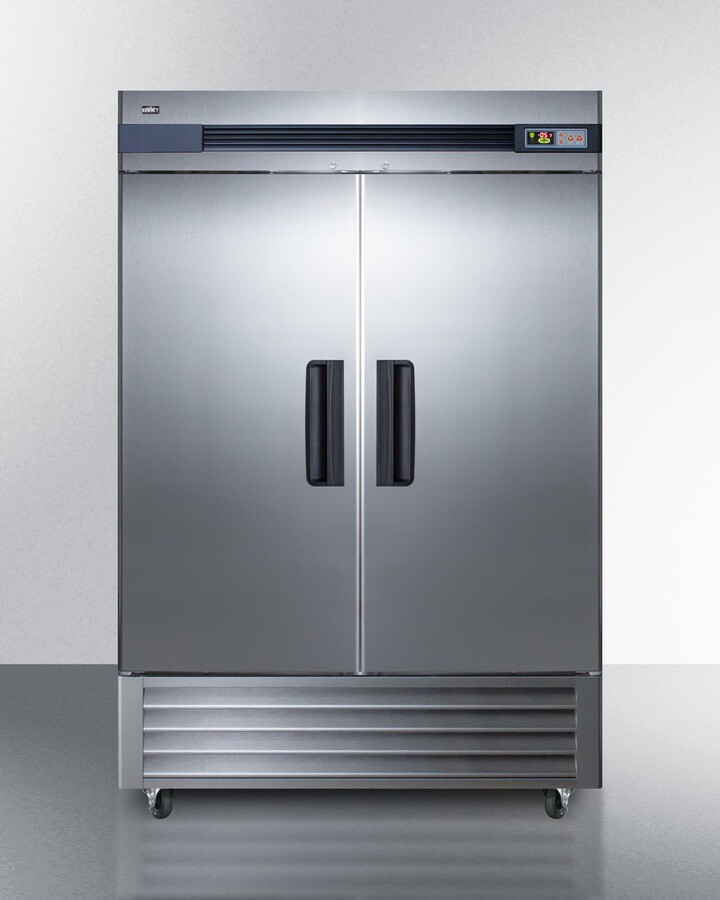
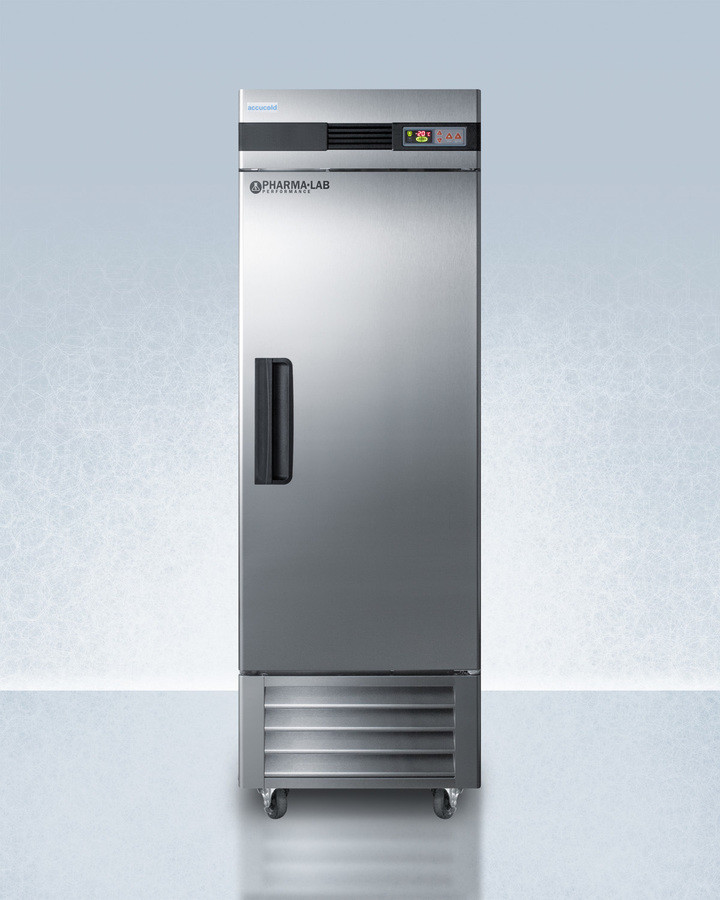
Many top-tier upright freezers—especially commercial brands like True Manufacturing or Turbo Air—feature full stainless steel interiors, including the floor. These liners deliver unmatched longevity and a sanitary surface you can simply wipe down, making them ideal for chefs, large families, and shared environments.
Benefits of stainless steel
Durability and longevity
Stainless steel liners resist impact and everyday abrasion better than plastic. A dropped container or shifting food items won’t leave permanent scratches, and the liner won’t crack under heavy loads. Over years of use, you’ll notice:
Consistent performance without warping
No brittle edges that can chip with age
Structural integrity that supports heavy items like bulk meat or cases of beverages
Hygiene and easy cleaning
Food spills and moisture can lead to stains, mold, or odors in plastic liners over time. Stainless steel’s nonporous surface doesn’t absorb liquids or harbor bacteria. Cleaning takes minutes:
Wipe with a damp cloth and mild detergent
Rinse with clean water
Dry with a soft towel or microfiber cloth
For tougher grime, a paste of baking soda and water restores shine without harsh chemicals. This low-maintenance routine helps you keep your freezer fresh for baby food, meal-prepped dishes, or craft beverages.
Temperature performance
Stainless steel conducts cold efficiently, helping maintain an even temperature across the liner. This can:
Reduce frost buildup by promoting uniform cooling
Improve energy efficiency as your compressor runs less to maintain set points
Protect sensitive items like frozen fruits or homemade ice cubes
Selecting the right liner
Matching liner to freezer capacity
Not every upright freezer comes standard with a stainless steel floor liner. When shopping, look for models explicitly marketed as “stainless steel interior” or “all-stainless steel liner.” Common sizes include:
20–30 cubic feet for commercial kitchens or large families
15–20 cubic feet for home cooks and entertainers
10–15 cubic feet for studio apartments, dorm rooms, or small offices
If you primarily store meal-prepped dinners or paleo-friendly dishes, you may want to explore our best freezer for paleo diet guide for compatible models with stainless interiors.
Considering your storage needs
Think about how you use your freezer day to day. Different liners serve different workflows:
Slide-out baskets vs wire shelving
Flat floors for heavy items like kegs or frozen pizzas
Stainless steel liners come at a premium over plastic. Beyond liner material, compare:
Temperature range and energy rating
Defrost system (manual, frost-free, or auto-defrost)
Door style (self-closing, lockable, glass front)
Warranty coverage for interior components
Many brands offer optional upgrade packages—factor these into your total cost. For a lower upfront price, consider a high-quality plastic liner with a stainless steel floor insert, though full stainless interiors deliver the best long-term value.
If you’re retrofitting a liner or installing a replacement, start by:
Emptying your freezer and unplugging it
Removing shelves and baskets for clear access
Measuring internal dimensions—length, width, and depth
Ordering a liner kit rated for food-grade use
Most retrofit kits include a stainless sheet, preformed edges, and mounting hardware. Verify the grade of steel (304 is common for food service) to ensure corrosion resistance.
DIY vs professional installation
Installing a stainless liner can be a weekend DIY project if you have basic tools and patience. You’ll need:
Utility knife or saw for precise cuts
Food-safe adhesive or mechanical fasteners
Caulking gun for sealing edges with silicone
If you’re not comfortable with cuts and seals, a professional appliance technician can handle the installation without compromising your freezer’s insulation or warranty. Consider this route for commercial kitchens or high-value units.
Maintaining your stainless liner
Cleaning tips
To keep your liner looking and performing at its best:
Wipe spills promptly to prevent residue buildup
Use a gentle cleanser like dish soap or a vinegar solution
Avoid steel wool or abrasive pads that can scratch the surface
Polish occasionally with a stainless steel cleaner to restore shine
Regular cleaning prevents ice and slime accumulation, so you spend less time defrosting and more time enjoying your frozen goods.
Preventing corrosion
Although stainless steel is highly resistant, you should:
Dry the liner completely after cleaning
Inspect seals and joints for cracks where moisture can hide
Avoid leaving acidic foods in direct contact for extended periods
Rinse off salt or strong chemicals immediately
A well-maintained liner can outlast the freezer’s compressor, giving you years of hassle-free freezing.
FAQs about freezer liners
Which upright freezers have stainless liners?
Many commercial-grade upright freezers from manufacturers like True Manufacturing, Turbo Air, and some Sub-Zero models come with full stainless steel interiors, including the floor. Check model specifications or retailer listings to confirm.
Can I retrofit a plumber‐grade liner?
Yes, you can install food-grade stainless steel sheets designed for freezers. Be sure to match thickness and grade, and seal edges properly to maintain insulation performance.
How does stainless compare to plastic liners?
See the quick comparison table below:
Feature
Plastic liner
Stainless steel liner
Durability
Prone to scratches
Resistant to dents and wear
Hygiene
Can absorb stains, odors
Nonporous, easy to sanitize
Cost
Lower upfront cost
Higher initial investment
Temperature response
Slower cold conduction
Uniform cooling surface
Maintenance
May discolor over time
Retains shine, long-lasting
Will a stainless floor liner affect defrosting?
No, stainless liners can actually reduce frost buildup thanks to better thermal conductivity. You may find you defrost less frequently.
Is stainless steel safe for food storage?
Absolutely. Food-grade stainless steel (304 or 316 grade) is approved for direct food contact, making it ideal for freezer interiors.
Do stainless liners require special cleaning products?
Not really. Mild detergent, warm water, and a soft cloth are all you need. For stubborn marks, a baking soda paste or dedicated stainless cleaner works wonders.
What’s the warranty on stainless liners?
Warranty terms vary by manufacturer. Many commercial models offer at least a one-year warranty on interior components, with extended coverage available for purchase.
Whether you’re equipping a busy commercial kitchen, stocking up for family meal prep, or outfitting an RV for weekend adventures, a stainless steel floor liner delivers the durability, hygiene, and sleek look you want. Prefer a chest-style unit? Explore our shop chest freezers for full stainless options as well.
Compare prices on Fridge.com, then buy from the retailer you choose.
Frequently Asked Questions
Many commercial-grade upright freezers from manufacturers like True Manufacturing, Turbo Air, and some Sub-Zero models come with full stainless steel interiors, including the floor. Check model specifications or retailer listings to confirm.