Related collections

Related articles

Buying guides

Tools

Fridge.com · Blog

What Is A Counter Depth Refrigerator?

Share
Image for What Is A Counter Depth Refrigerator | Fridge.com?
Michelle Thomas | Fridge.com
Michelle Thomas· Interior Designer
6 min read
Summarize with

Key Takeaways

  • Set the right temperature: keep the refrigerator between 37°F and 40°F and the freezer at 0°F.
  • Finish and hardware: stainless steel, black, white, or panel-ready fronts, plus handle style, should match your existing appliances and cabinetry.
  • Better traffic flow: a shallower cabinet may reduce intrusion, but doors and handles still need clearance, which matters most in smaller layouts.
  • Choose standard depth when you need the most cubic feet for the money and don't mind the cabinet standing proud of the counters.
Browse Counter Depth Refrigerators

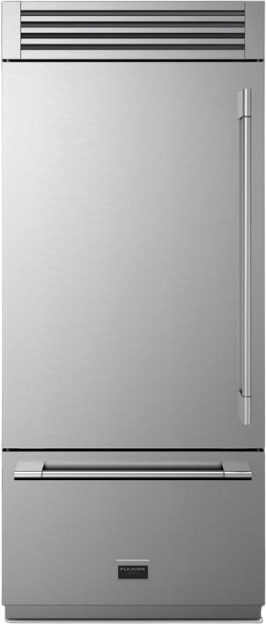
A counter depth refrigerator has a shallower cabinet designed to sit closer to kitchen counters than a standard-depth model. The doors and handles can still project into the room. Compare the exact model's depth measurements, door swing and installation requirements before deciding whether it fits.

What Sets a Counter Depth Refrigerator Apart

Counter depth describes a style of fit, not one universal set of dimensions. It can give a more integrated appearance, but it is not the same as a fully built-in refrigerator. Potential advantages include:

  • Built-in aesthetics: the fridge blends into the cabinetry line rather than protruding into the room, making the kitchen look more spacious and organized.
  • Easier access: shallower shelves mean less reaching and fewer forgotten, spoiled items at the back.
  • Better traffic flow: a shallower cabinet may reduce intrusion, but doors and handles still need clearance, which matters most in smaller layouts.
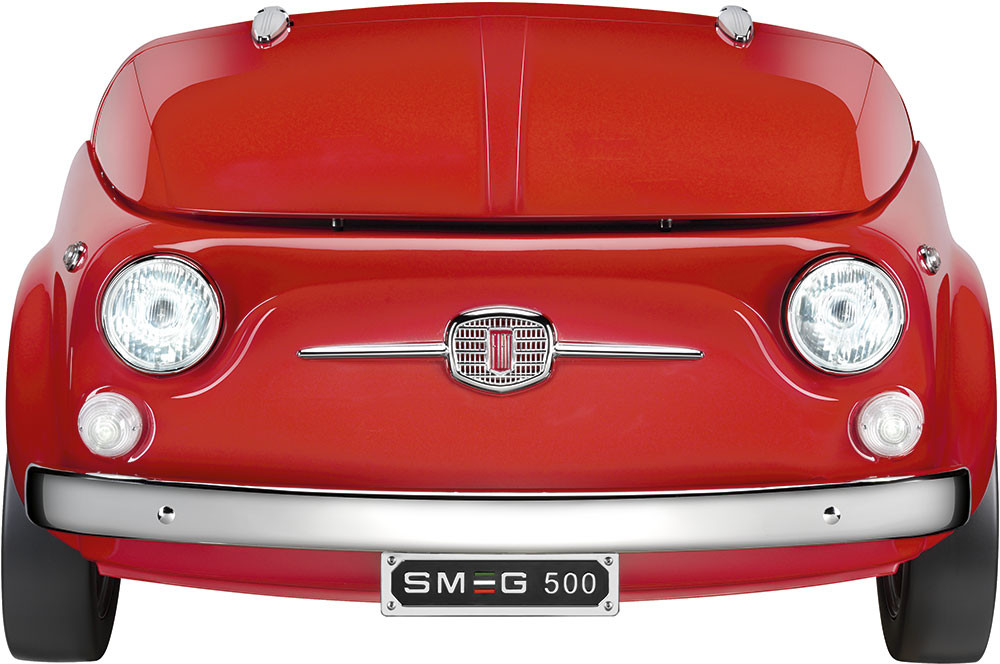
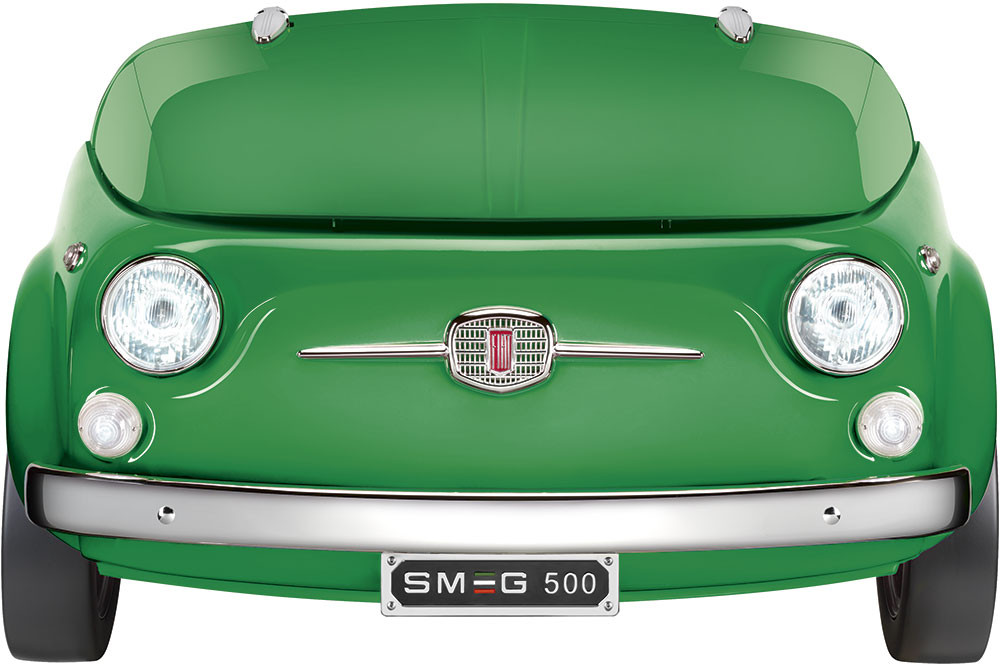
  • Style range: check each model rather than assuming the same footprint applies to the vintage charm of a retro fridge to a modern top freezer, so the look can match nearly any kitchen.

Counter Depth vs. Standard Depth

Compare the actual models on your shortlist. A shallower cabinet may improve the kitchen layout, while a deeper model may provide more storage. Width, height, shelving and insulation also affect capacity; the category name alone does not establish usable space or price.

  • Choose counter depth when a flush, uncluttered look and open walkways matter more than maximum capacity.
  • Choose standard depth when you need the most cubic feet for the money and don't mind the cabinet standing proud of the counters.

Design and Dimensions

Shop this collection

Counter Depth Refrigerators

Browse all

Beyond the flush profile, counter depth models often carry a more upscale design language, with doors and handles set close to the cabinetry line and features like adjustable shelving, in-door ice and water systems, and smart-technology controls. Aesthetically they suit everything from vintage to contemporary kitchens.

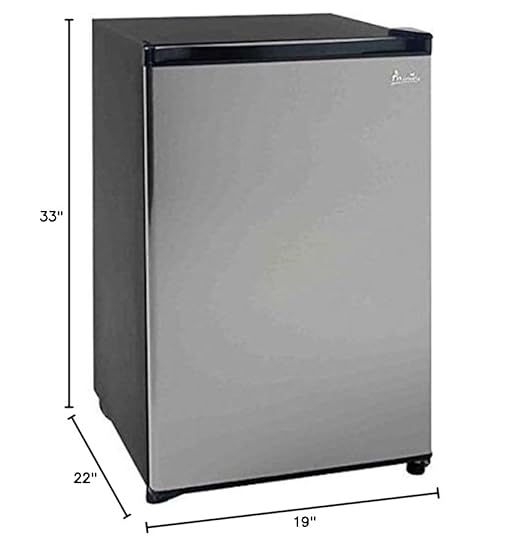
Read each dimension label carefully. Record height to the cabinet and hinges, width, depth without doors, depth with doors, depth with handles, and depth with doors open. Measure the opening and delivery route, then check the installation diagram for required clearances.

Capacity and Storage

Compare the specified refrigerator and freezer capacities separately, then inspect the shelf and drawer layout. A shallower cabinet may reduce capacity, while a taller or wider model may offset that difference. There is no single capacity that applies to every counter depth refrigerator.

Use the available space effectively without blocking vents:

  1. Adjustable shelving: retractable and height-adjustable shelves fit tall and odd-sized items.
  2. Door bins: adjustable bins hold frequently used items and tall bottles.
  3. Drawer dividers: keep crisper drawers organized so produce doesn't get buried and wasted.
  4. Stackable bins: group similar items and use vertical space that would otherwise sit empty.

For more on matching capacity to your household, see Fridge.com guide to maximizing kitchen efficiency with the ideal top freezer refrigerator and tips on storing items like pizza dough in your fridge.

Energy Efficiency and Temperature Performance

Shop this collection

Refrigerators

Browse all

Compare the exact model's EnergyGuide label and current ENERGY STAR listing when applicable. Counter depth alone does not establish energy consumption. Consider estimated annual electricity use alongside purchase price and your utility rate.

What to Look For When Buying

  • Dimensions and fit: check the cabinet depth, door and handle projection, and installation clearances, and that height and width suit the opening.
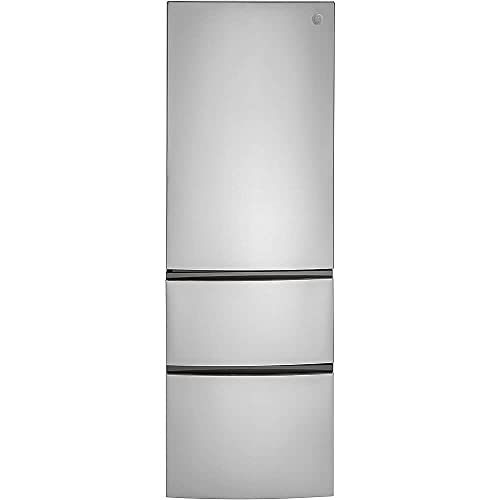
  • Configuration: French door, side-by-side, or bottom freezer each trade off access to fresh food versus freezer room, choose to match how you cook and shop.
  • Storage capacity: check the cubic footage and interior layout, prioritizing adjustable shelves, crisper drawers, and door bins for flexibility.
  • Energy efficiency: compare the exact model's estimated annual electricity use and applicable certification.
  • Finish and hardware: stainless steel, black, white, or panel-ready fronts, plus handle style, should match your existing appliances and cabinetry.

Installation and Placement

Measure the opening, account for the electrical connection and any water supply, and use the exact installation instructions for side, top and rear clearances. Do not substitute a generic clearance table for the model manual. Check door and drawer operation next to walls and cabinets.

Place the fridge within the kitchen work triangle (the path between sink, stove, and refrigerator) and follow these rules:

  • Leave enough room to open the doors fully without hitting cabinets, walls, or an island.
  • Keep it out of high-traffic choke points where an open door would block the walkway.
  • Position it away from direct sunlight and heat sources such as ovens and dishwashers to protect energy efficiency.

For style-matched inspiration, see Fridge.com take on a counter depth refrigerator with bottom freezer.

Cost and Budgeting

Shop this collection

Counter Depth Refrigerators

Browse all

Get a current quote for each exact model. Compare the appliance price, applicable tax, delivery, installation, water-line work, haul-away and any optional warranty. Check what each quote includes rather than assuming a universal price band or installation charge.

Maintenance and Care

Routine care keeps a counter depth refrigerator efficient and extends its life:

  1. Inspect seals and gaskets: keep door seals clean and intact so cold air stays in and the compressor doesn't overwork.
  2. Clean the condenser coils: dust makes the unit work harder, clean only accessible coils as directed by the model manual; some models do not require routine owner coil cleaning.
  3. Set the right temperature: keep the refrigerator between 37°F and 40°F and the freezer at 0°F. Colder than needed just wastes energy.
  4. Defrost when needed: for manual-defrost models, follow the manufacturer's frost threshold and procedure.
  5. Keep it reasonably full: a stocked fridge holds temperature better than an empty one, add a few jugs of water if it runs empty.
  6. Place food deliberately: don't store milk in the door, where the temperature swings most.

For cleaning and safety:

  • Interior: keep perishables cold elsewhere while cleaning, and use cleaners and procedures permitted by the model manual.
  • Exterior: use a soft cloth with mild detergent, and a dedicated stainless cleaner on steel finishes to keep the shine.
  • Water filters: replace on the manufacturer's schedule if the unit has a dispenser or ice maker.
  • Power outages: keep doors closed and evaluate food using safe time and temperature guidance; smell and appearance cannot establish safety. Consult FDA outage guidance.
  • Odor control: store food in airtight containers, check storage history and discard unsafe or spoiled items, and use baking soda to absorb smells.

The same care principles apply across styles, including French door refrigerators with freezer and full-size retro refrigerators.

FAQ

What is a counter depth refrigerator?

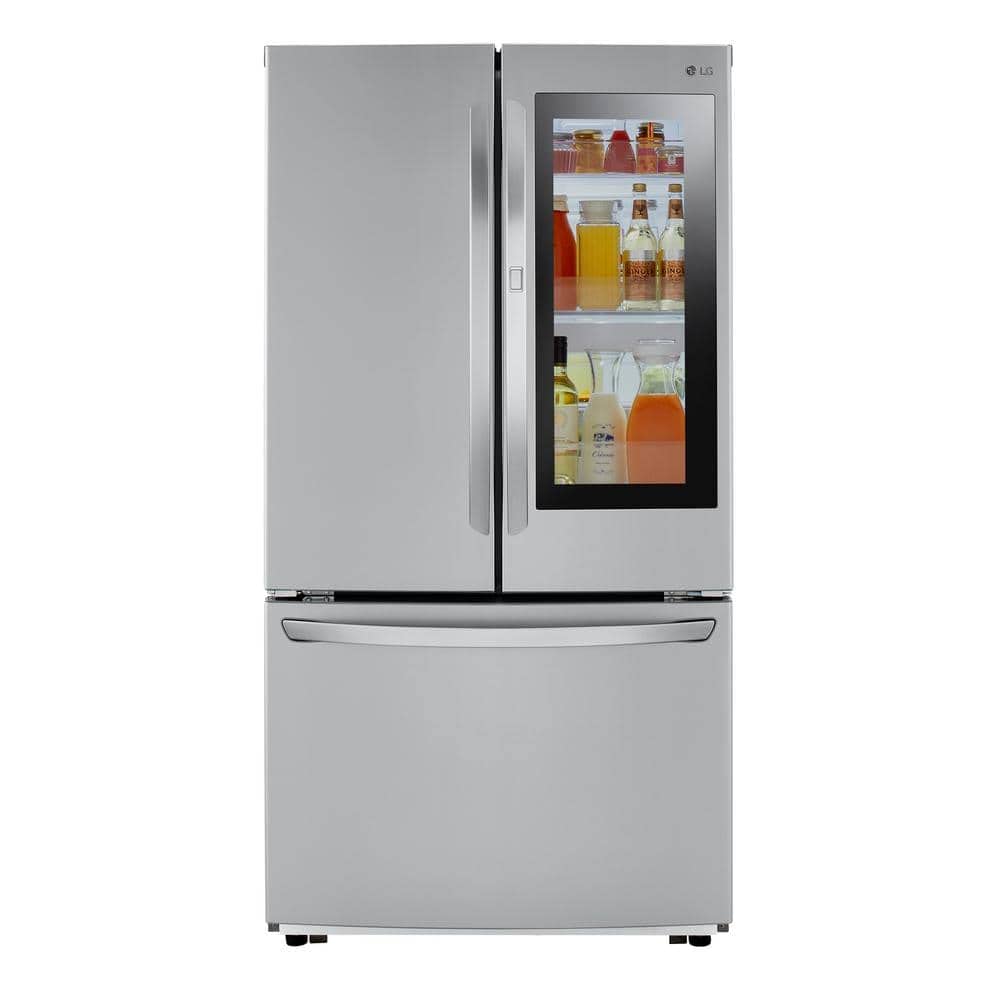
A counter depth refrigerator is built to sit nearly flush with your kitchen counters, giving a more integrated appearance. Doors and handles may still project beyond the counters.

How deep is a counter depth refrigerator?

Depth varies by model and by what is included in the measurement. Compare cabinet-only depth with depth including doors and handles; also check the door-open dimension.
What is the difference between counter depth and standard depth?

Counter depth models use a shallower cabinet to sit closer to counters. Standard-depth models project farther in comparable installations, but exact dimensions and capacities must be compared model by model.

Do counter depth refrigerators have less storage space?

They may, but width and height can offset a shallower cabinet. Compare the exact capacity and interior layout rather than relying on a category average.

Are counter depth refrigerators energy efficient?

Check the exact model's energy label and certification. The counter depth designation alone does not tell you how much electricity it uses.
How much does a counter depth refrigerator cost?

Use a current retailer quote for the exact model, including installation and delivery. Prices vary with model, seller and included services.

What should I consider when buying a counter depth refrigerator?

Confirm the dimensions fit your opening, pick a configuration (French door, side-by-side, or bottom freezer) that matches how you cook, check the storage capacity and interior layout, and compare energy efficiency and finish.

Is a counter depth refrigerator worth it?

If reduced cabinet depth suits your layout, compare the capacity and installed dimensions with your storage needs. If maximum storage per dollar is the priority, a standard-depth model may serve you better.

Compare refrigerator prices on Fridge.com

Compare current prices and specifications on Fridge.com, then buy from the retailer you choose; delivery, installation and warranty terms are the retailer’s.

Sources

From Fridge.com research

Figures below come from data Fridge.com builds and maintains. Each links to the record behind it.

  • Fridge.com Energy Index, built on U.S. EPA and DOE ENERGY STAR records

    Across 5,455 ENERGY STAR certified refrigerators and freezers from 263 brands, median use is 360 kWh per year.

    See the data·How this is measured

Free tool
Kitchen Space Planner

Free interactive tool from Fridge.com — get a quick answer while you read.

Open the tool ↗
Share
More refrigerators

Top refrigerators on Fridge.com

Top rated

The highest-rated refrigerators on Fridge.com

Editor's picks of the season

Premium picks our editors keep coming back to

Continue reading: Counter-Depth Refrigerators