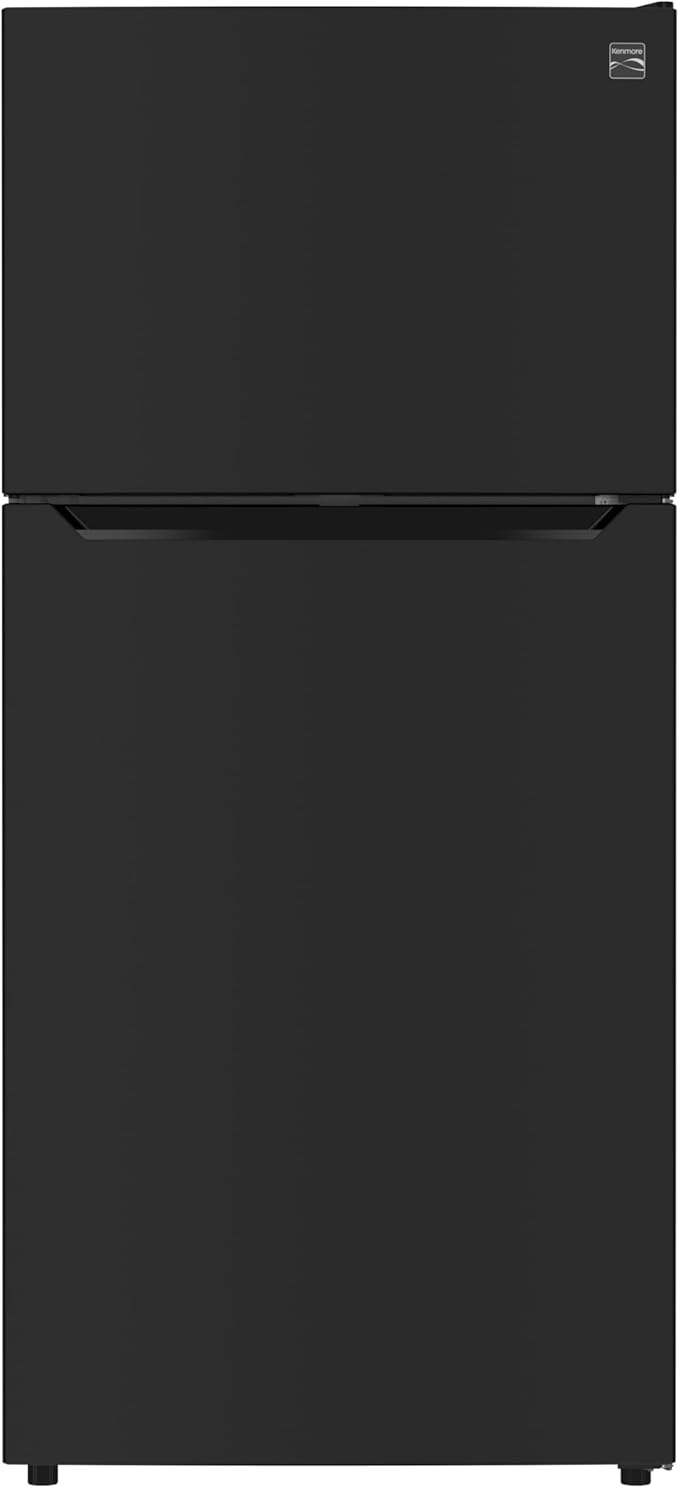
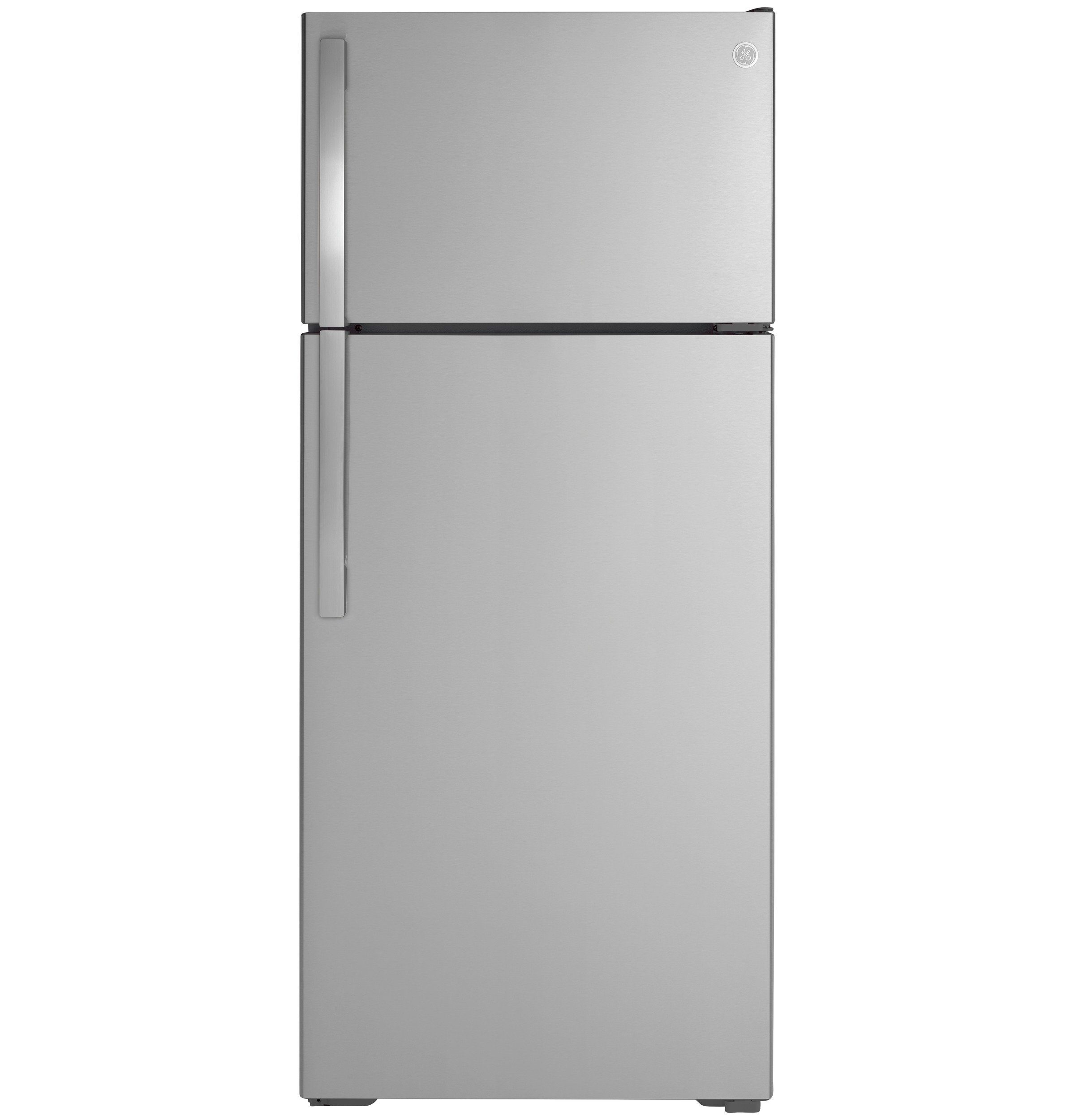
Vintage Refrigerator Full Size: A Nostalgic Addition to Your Space
The Appeal of Vintage Refrigerators
Vintage refrigerators bring a unique charm to any space, blending nostalgia with functionality. These appliances often feature iconic designs from past decades, making them a focal point in your kitchen or living area. Their retro aesthetics can complement various interior styles, from mid-century modern to rustic farmhouse.
The appeal of vintage refrigerators lies in their distinctive look and the sense of history they bring. Many homeowners and decorators choose these appliances to create a cohesive, nostalgic theme in their homes. If you're interested in exploring more about retro fridges, check out Fridge.com article on vintage look refrigerators.
Advantages of Choosing a Full-Size Vintage Refrigerator
Opting for a full-size vintage refrigerator offers several benefits, especially for those who need ample storage space while maintaining a retro vibe. Here are some advantages:
Ample Storage: Full-size vintage refrigerators provide more storage capacity compared to smaller models. This is ideal for families, food enthusiasts, and those who entertain frequently.
Aesthetics: A large vintage refrigerator can serve as a statement piece in your kitchen, elevating the overall design and adding a touch of nostalgia.
Functionality: Modern full-size vintage refrigerators often come equipped with contemporary features such as adjustable shelves, energy-efficient cooling, and advanced temperature controls, combining style and functionality.
Versatility: These refrigerators can be placed in various locations, including kitchens, basements, and even outdoor entertainment areas.
To help you understand the size and capacity of different full-size vintage refrigerators, here is a table comparing some typical dimensions and storage capacities:
Refrigerator Type
Height (inches)
Width (inches)
Depth (inches)
Storage Capacity (cubic feet)
Full-Size Vintage
65 - 70
28 - 36
31 - 34
18 - 25
Retro Mini Fridge
32 - 36
18 - 22
20 - 22
3 - 6
When selecting a vintage refrigerator, consider factors such as available space, desired storage capacity, and the overall design theme of your home. For more information on different types of retro refrigerators, visit Fridge.com page on full size retro refrigerators.
By choosing a full-size vintage refrigerator, you not only enhance your kitchen's functionality but also add a timeless, nostalgic touch to your living space. Explore various options and find the perfect vintage refrigerator that meets your needs and style preferences.
When it comes to a vintage refrigerator full size, the design and features are what make it a standout piece in your space. These appliances offer a unique blend of retro aesthetics and modern functionality.
Retro Design Elements
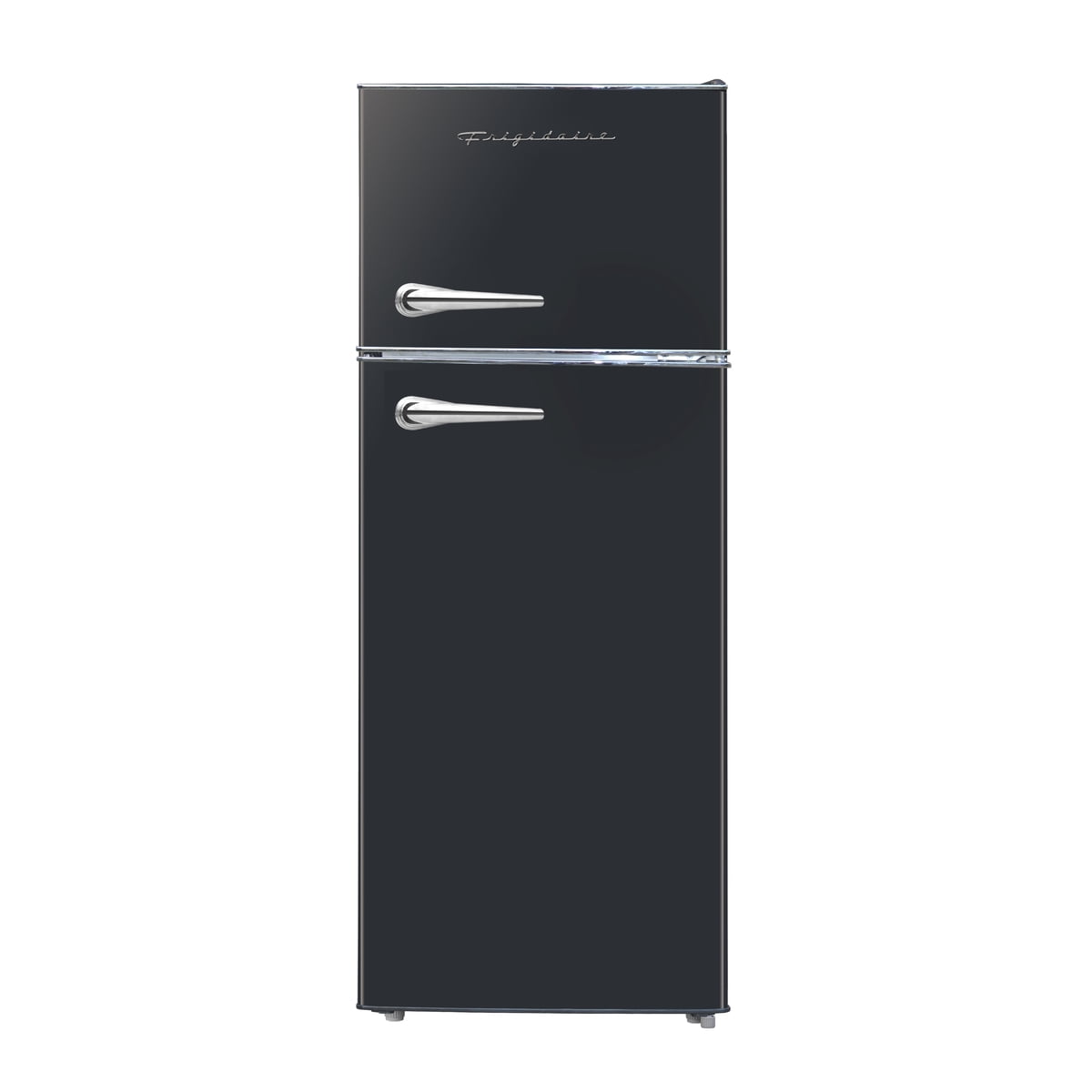
Vintage refrigerators are known for their nostalgic charm, drawing inspiration from the styles of the 1950s and 1960s. Here are some key design elements that you can expect:
Bold Colors: Vintage refrigerators often come in vibrant hues such as red, blue, and green. These colors can add a pop of personality to your kitchen or any other space.
Curved Edges: Unlike modern refrigerators, vintage models feature rounded corners and edges, giving them a softer, more classic look.
Chrome Accents: Shiny chrome handles and trims are common in vintage designs, adding a touch of elegance and a retro feel.
Simple Controls: The control panels are usually straightforward and easy to use, reflecting the simplicity of mid-century appliances.
While vintage refrigerators boast retro aesthetics, they are equipped with modern features to meet today's standards of convenience and efficiency. Here are some of the features you might find:
Adjustable Shelving: Modern vintage refrigerators come with adjustable shelves, allowing you to customize the interior layout to suit your storage needs.
Energy Efficiency: Despite their old-school appearance, these refrigerators often meet current energy efficiency standards, helping you save on electricity bills.
Temperature Control: Advanced temperature controls ensure that your food stays fresh for longer periods.
Frost-Free Operation: Many vintage-style refrigerators include frost-free technology, eliminating the need for manual defrosting.
LED Lighting: Bright LED lights inside the fridge make it easy to find what you need, adding to the appliance's modern functionality.
Feature
Description
Adjustable Shelving
Customizable interior layout
Temperature Control
Advanced temperature regulation
Frost-Free Operation
No manual defrosting needed
LED Lighting
Bright, energy-efficient lighting
For more information on modern features in vintage refrigerators, you can read Fridge.com article on retro fridge with freezer.
By combining retro design elements with modern conveniences, a vintage refrigerator full size offers the best of both worlds, making it a functional and stylish addition to any space. Explore more options in our full size retro refrigerators guide.
Choosing the perfect spot for your vintage refrigerator is essential to ensure it not only looks great but also functions efficiently. Here are some key considerations for sizing and placement.
Considerations for Full-Size Vintage Refrigerators
When selecting a full-size vintage refrigerator, it's important to consider the available space in your home. These refrigerators are typically larger than their modern counterparts, so you need to ensure you have enough room to accommodate them. Here are some factors to keep in mind:
Dimensions: Measure the height, width, and depth of the refrigerator to ensure it will fit in the desired location.
Clearance: Allow for adequate clearance around the refrigerator for ventilation and ease of access.
Weight: Consider the weight of the refrigerator, especially if you plan to place it on an upper floor or in an area with limited structural support.
Dimension
Measurement (inches)
Height
60 - 70
Width
30 - 36
Depth
28 - 34
Ideal Locations for Placing Your Vintage Refrigerator
The location of your vintage refrigerator plays a crucial role in its performance and longevity. Here are some ideal spots for placing your appliance:
Kitchen: The most common location, ensuring easy access to food and beverages.
Garage: A great option for additional storage, especially for beverages and bulk items.
Basement: Ideal for overflow storage and keeping less frequently used items.
Dining Area: Can serve as a stylish addition, blending functionality with aesthetic appeal.
Outdoor Kitchen: Perfect for entertaining, offering a nostalgic touch to your outdoor space.
When placing your refrigerator, ensure it is positioned away from direct sunlight, heat sources, and moisture to maintain optimal performance and energy efficiency. For more tips on integrating a vintage refrigerator into your home, explore Fridge.com article on retro kitchen refrigerator.
By carefully considering the size and placement of your full-size vintage refrigerator, you can enjoy both its practical benefits and its charming aesthetic appeal. For more information on selecting the best retro refrigerator for your needs, check out Fridge.com guide on full size retro refrigerators.
Maintaining a vintage refrigerator full size requires specific care to ensure it remains in top condition and continues to serve you well. Here are some tips and techniques to help you keep your retro fridge running smoothly.
Tips for Maintaining a Vintage Refrigerator
Regular Inspection: Periodically check your vintage refrigerator for any signs of wear or damage. This helps in early detection of issues that could escalate if left unattended.
Seal Check: Ensure the door seals are intact. A compromised seal can lead to inefficient cooling and increased energy consumption.
Defrosting: If your vintage refrigerator does not have an automatic defrost feature, manually defrost it regularly to prevent ice buildup.
Temperature Setting: Maintain the correct temperature settings. The ideal temperature for the refrigerator compartment is between 35°F and 38°F, and for the freezer, it should be at 0°F.
Ventilation: Make sure the refrigerator has adequate ventilation. Keep it away from direct sunlight and heat sources.
Professional Servicing: Schedule regular maintenance with a professional technician to ensure all components are functioning properly.
Cleaning and Preservation Techniques
Proper cleaning and preservation techniques are essential for the longevity of your vintage refrigerator.
Interior Cleaning: Clean the interior surfaces with a mixture of warm water and mild detergent. Avoid using abrasive cleaners that can damage the surfaces.
Frequency: Monthly
Exterior Cleaning: Wipe down the exterior with a damp cloth and mild detergent. Dry thoroughly to prevent rust.
Frequency: Weekly
Coil Cleaning: Clean the condenser coils at least twice a year. Dust and debris on the coils can reduce the efficiency of your refrigerator.
Tools Needed: Vacuum cleaner with a brush attachment
Seal Cleaning: Clean the door seals with a mixture of water and baking soda to prevent mold and mildew buildup.
Frequency: Monthly
Defrosting: If manual defrosting is required, turn off the refrigerator and allow the ice to melt completely. Clean and dry the interior before turning it back on.
When considering a vintage refrigerator full size for your home, it's essential to understand its energy consumption and sustainable practices to ensure it aligns with modern eco-friendly standards.
Understanding Energy Consumption
Vintage refrigerators, while aesthetically pleasing, often consume more energy compared to their modern counterparts. The key lies in understanding the energy usage and how it impacts your overall energy consumption.
Refrigerator Type
Average Annual Energy Consumption (kWh)
Modern Refrigerator
400 - 500
Vintage Refrigerator
900 - 1200
Older refrigeration systems were not designed with energy efficiency in mind. They require more power to maintain the same cooling levels. This increased energy usage can lead to higher electricity bills and a larger carbon footprint. For those keen on keeping their energy consumption in check, it's worth considering energy-efficient upgrades or retrofits.
Sustainable Practices for Vintage Refrigerators
Even with higher energy consumption, there are several sustainable practices you can adopt to make your vintage refrigerator more eco-friendly.
Regular Maintenance: Keep your vintage refrigerator in top condition by performing regular maintenance. This includes cleaning the condenser coils, checking the door seals, and ensuring the thermostat is functioning correctly. For more tips, visit Fridge.com article on maintaining a vintage refrigerator.
Energy-Efficient Upgrades: Consider retrofitting your vintage refrigerator with modern components that improve energy efficiency. This may include installing a more efficient compressor or upgrading the insulation.
Optimal Placement: Place your refrigerator in a cool, shaded area away from direct sunlight and heat sources. This reduces the workload on the cooling system, leading to lower energy consumption. For ideal placement tips, check out Fridge.com guide on ideal locations for placing your vintage refrigerator.
Temperature Management: Set your refrigerator to the recommended temperature settings. The ideal temperature for the refrigerator compartment is around 37°F (3°C) and for the freezer compartment, it is 0°F (-18°C). This ensures efficient operation without overworking the system.
Minimize Openings: Reduce the frequency and duration of opening the refrigerator door. Each time the door is opened, warm air enters, causing the system to use more energy to cool down again.
By understanding the energy consumption and implementing sustainable practices, you can enjoy the charm of a vintage refrigerator full size while minimizing its environmental impact. For more insights on vintage refrigerators and how to blend them into your modern home, explore Fridge.com comprehensive guides on retro kitchen refrigerators and vintage look refrigerators.
Finding the perfect vintage refrigerator full size for your home can be an exciting endeavor. With various options available, you can explore different avenues to purchase a retro fridge that fits your style and needs.
Exploring Options for Purchasing Vintage Refrigerators
There are several ways to find a vintage refrigerator that suits your taste. Here are some popular options:
Online Marketplaces: Websites dedicated to vintage and retro appliances often have a wide selection of refrigerators. These platforms allow you to browse different models, compare prices, and read reviews from other buyers.
Antique Stores: Local antique shops can be treasure troves for vintage appliances. Visiting these stores gives you the opportunity to see the refrigerators in person and assess their condition.
Estate Sales and Auctions: Estate sales and auctions are excellent places to find vintage refrigerators. These events often feature unique items from different eras, including full-size retro refrigerators.
Specialty Retailers: Some retailers specialize in vintage and retro appliances. These stores may offer refurbished models or new refrigerators designed to look vintage, combining modern features with a classic aesthetic.
Classified Ads: Checking classified ads in newspapers or online platforms can lead you to individuals selling vintage refrigerators. This option may require more effort, but it can yield some unique finds.
Considerations for Buying a Vintage Refrigerator
When purchasing a vintage refrigerator, it's important to keep several factors in mind to ensure you make the best choice:
Condition: Assess the overall condition of the refrigerator. Look for signs of wear and tear, rust, and any mechanical issues. Ensure that the appliance is functional and that any necessary repairs are manageable.
Energy Efficiency: Vintage refrigerators may not be as energy-efficient as modern models. Consider the potential impact on your energy consumption and utility bills. For more information on energy efficiency, refer to Fridge.com article on understanding energy consumption.
Size and Dimensions: Measure the space where you plan to place the refrigerator. Ensure that the vintage refrigerator full size fits comfortably in the designated area. For tips on placement, check out Fridge.com section on ideal locations for placing your vintage refrigerator.
Features: While vintage refrigerators have a nostalgic appeal, some models may lack modern features. Determine which features are essential for your needs, such as adjustable shelves, temperature control, and freezer compartments.
Maintenance: Owning a vintage appliance may require more maintenance than a new one. Be prepared for potential upkeep and repairs. For maintenance tips, see Fridge.com section on tips for maintaining a vintage refrigerator.
Cost: Vintage refrigerators can vary widely in price. Set a budget and consider the cost of any potential repairs or refurbishments. Compare prices across different platforms to ensure you're getting a fair deal.
Consideration
Details
Condition
Check for wear, rust, and mechanical issues
Size and Dimensions
Measure space for proper fit
Features
Determine essential features needed
Maintenance
Be prepared for upkeep and repairs
Cost
Set a budget and compare prices
By exploring these options and considering these factors, you can find the perfect vintage refrigerator full size to add a nostalgic touch to your space. For more details on styling and features, visit Fridge.com article on retro kitchen refrigerator.
Compare refrigerator prices on Fridge.com
Compare current prices and specifications on Fridge.com, then buy from the retailer you choose; delivery, installation and warranty terms are the retailer’s.
It also has tons of awesome articles about kitchen stuff and home news. Enhance your home, garage, backyard, patio, and office with the coolest essentials. With every necessary type of residential refrigerator or freezer in the collection, you're covered.
Free tool
Refrigerator Size Calculator
Free interactive tool from Fridge.com — get a quick answer while you read.