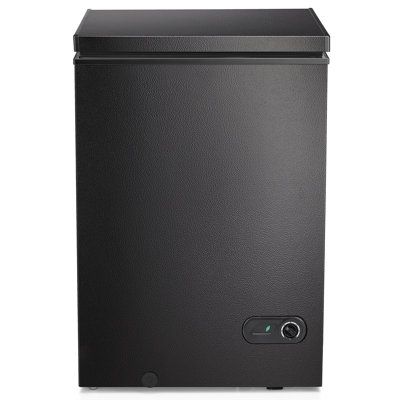
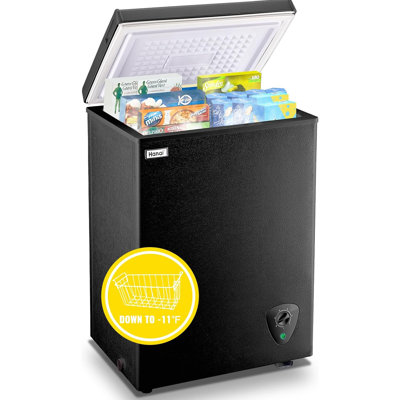
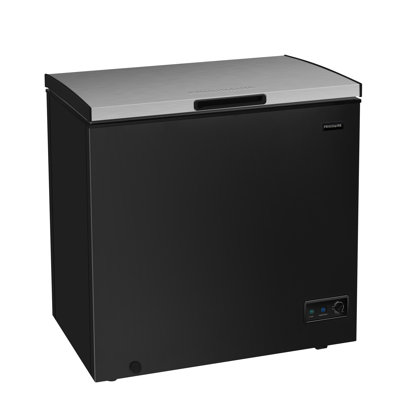
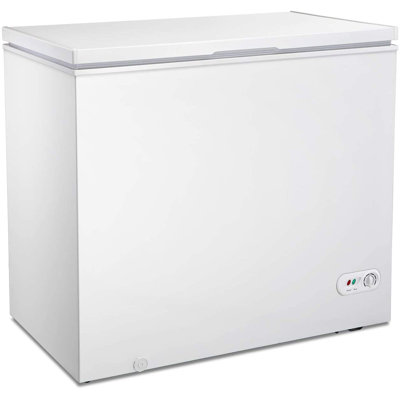
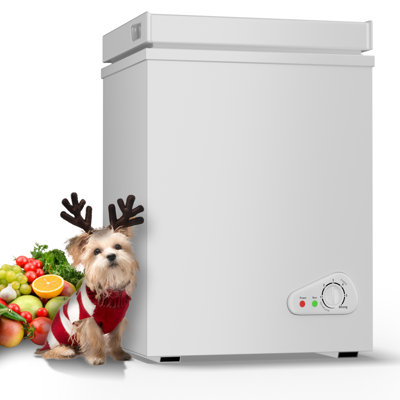
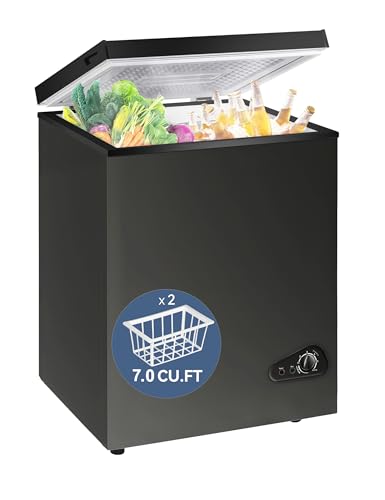
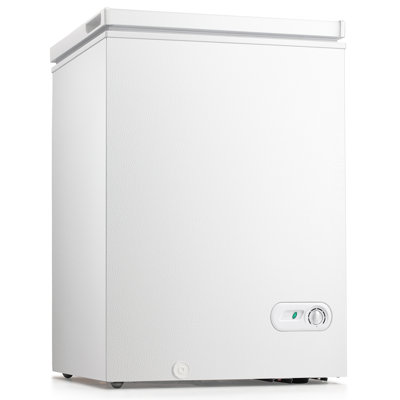
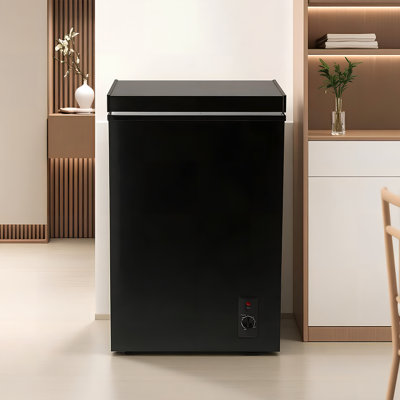
Here’s a look at the history of small chest freezers, from iceboxes to today’s compact, energy-efficient models. If you’ve ever stored bulk veggies, prepped meals for the week, or packed a freezer for an RV trip, you’ve benefited from innovations that began more than a century ago. In this article you’ll explore how chest freezer technology evolved, why small units became essential in homes and businesses, and what to look for when choosing your next compact freezer.
Whether you’re a home cook stocking up on ingredients, a parent storing baby food, a kegerator owner chilling craft beer, or a university student in a dorm, you’ll find insights into how these freezers shaped the way we store, prepare, and enjoy food. Let’s jump in and trace the evolution of small chest freezers together.
Origins of chest freezers
Long before electricity, people relied on icehouses and iceboxes to keep perishables cold. In the early 1800s, wealthy households stored blocks of ice harvested from frozen lakes in insulated cabinets lined with cork or sawdust. Those iceboxes protected meat, butter, and dairy, but they required daily ice deliveries and constant thaw management.
Early cooling methods
Iceblocks in cabinets, insulated with straw or cork
Salt-and-ice mixtures for homemade ice cream and rudimentary cooling
Icehouses built near homes or on rooftops for bulk ice storage
These methods were labor intensive and prone to meltwater issues. Still, they set the stage for mechanical refrigeration.
Invention of mechanical freezers
In 1913, Fred W. Wolf pioneered a mechanical refrigeration system for industrial use. By the 1920s, compressor-driven units appeared in factories, fish markets, and railcars. Domestic refrigerators with built-in freezers debuted in the late 1930s, but early models were bulky and expensive.
Key milestones:
Year
Milestone
1800s
Iceboxes lined with cork or sawdust
1913
First mechanical refrigeration patent filed
1920s
Compressor units used in food transport
1939
First domestically marketed freezer units
These milestones laid the groundwork for smaller, more affordable chest freezers after World War II.
Rise of small freezers
After 1945, manufacturers recognized demand for compact cold-storage in homes, diners, and mobile applications. Chest freezers shrank in size, making it practical to keep extra meat, vegetables, or ice cream on hand without a full-size unit.
Post-war compact designs
In the late 1940s and early 1950s, appliance makers introduced chest freezers under 5 cubic feet. These units fit garages, basements, and service kitchens. They used thick foam insulation and simple thermostat controls. As families embraced frozen meals and bulk buying, small chest freezers became indispensable.
1970s mini chest models
The energy crisis of the 1970s spurred a focus on efficiency. Manufacturers rolled out 2–3 cubic-foot “mini” chest freezers for apartments and dorm rooms. These units consumed less power but still offered enough space for meal-prepped snacks or beer kegs. Their popularity soared in off-grid cabins and RV trips.
Over decades, small chest freezers benefited from breakthroughs in materials, compressors, and electronics. Today’s models blend performance with eco-friendly design.
Improved insulation materials
Early foam insulation was prone to moisture and degradation. Modern chest freezers use high-density polyurethane foam or vacuum insulated panels that reduce thermal leakage. As a result, you get faster cooling, more consistent temperatures, and lower energy bills.
Energy-efficient compressors
Advancements in compressor design, including variable-speed and inverter technology, allow freezers to adjust cooling output based on internal temperature. That means you use less electricity when you’re not opening the lid frequently, and you maintain stable cold storage when you do.
Smart temperature controls
Digital thermostats, remote monitoring, and smartphone alerts have reached compact chest freezers. You can now set precise temperature ranges for long-term storage or rapid freezing, receive notifications if your power goes out, and even track energy usage over time.
Small chest freezers transformed how you manage groceries and prep meals. By freeing up fridge space, they unlocked new possibilities for meal planning and family budgeting.
Meal prep revolution
With dedicated freezer space you can:
Batch-cook and freeze soups, stews, and casseroles
Portion out baby food for easy weekday meals
Store seasonal vegetables at peak freshness
Follow a freezer snack meal prep plan for grab-and-go energy bites
This approach saves time, reduces food waste, and ensures you always have healthy options on hand.
Space-saving kitchens
In small apartments, garages, or studio spaces, a compact chest freezer may sit under a workbench or tuck neatly into a closet. If you’re curious how to integrate freezer storage without clutter, check our guide on how to declutter a freezer and combine it with clever shelving.
Beyond home use, small chest freezers find roles in restaurants, offices, and retail settings. Their versatility and reliability make them a staple across industries.
Cafeterias and restaurants
Back-of-house kitchens rely on chest freezers to store bulk proteins, pastries, and frozen desserts. Their wide opening and durable lid hinges let staff access items quickly during peak service. When you need more freezer capacity, shop for the best deep freezer for balanced macronutrient diet to meet diverse menu needs.
Offices and dorm rooms
A mini chest freezer in a breakroom or dorm kitchenette offers chilled treats or ready-to-eat meals for students and employees. If you’re outfitting a small office space, consider options to buy your office refrigerator today and add a freezer attachment for ultimate convenience.
Modern small chest freezers
Today’s market offers a range of compact chest freezers that blend style, efficiency, and functionality.
Design and capacity options
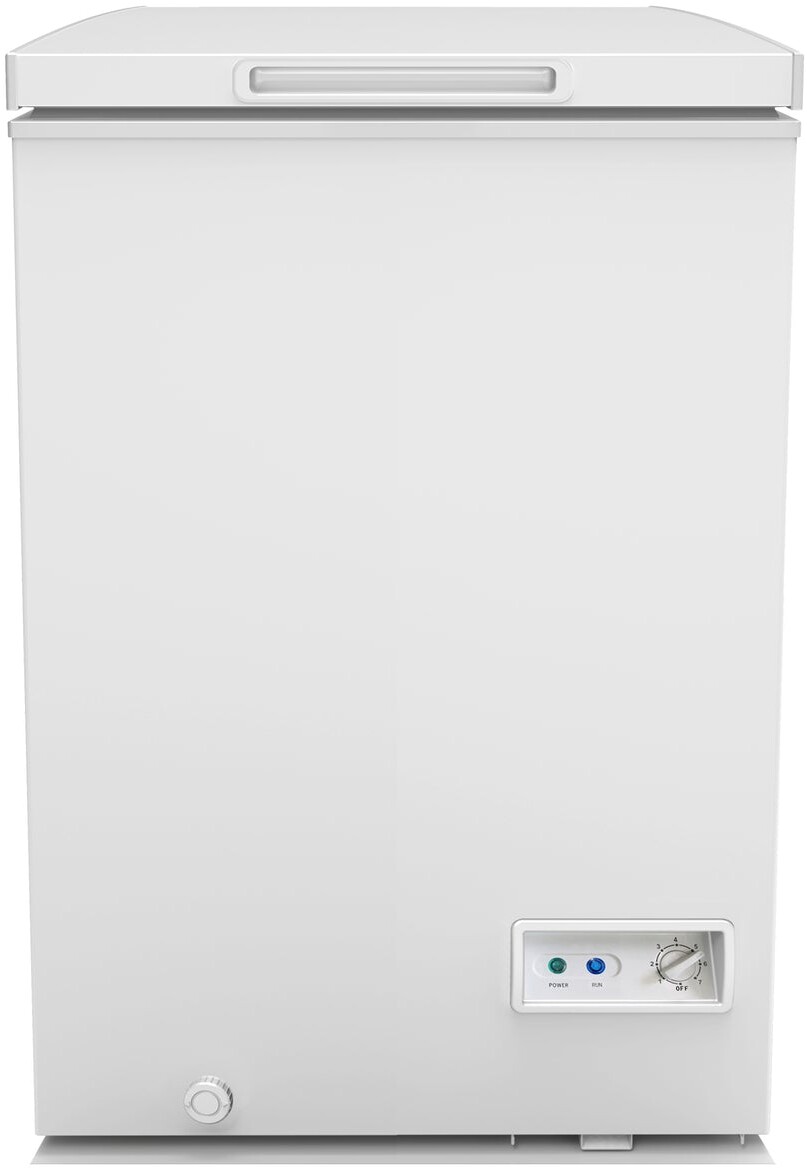
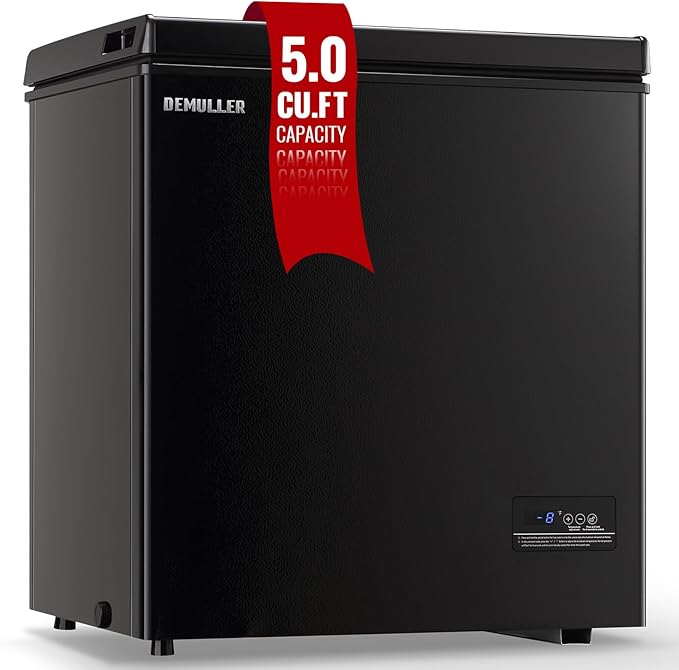
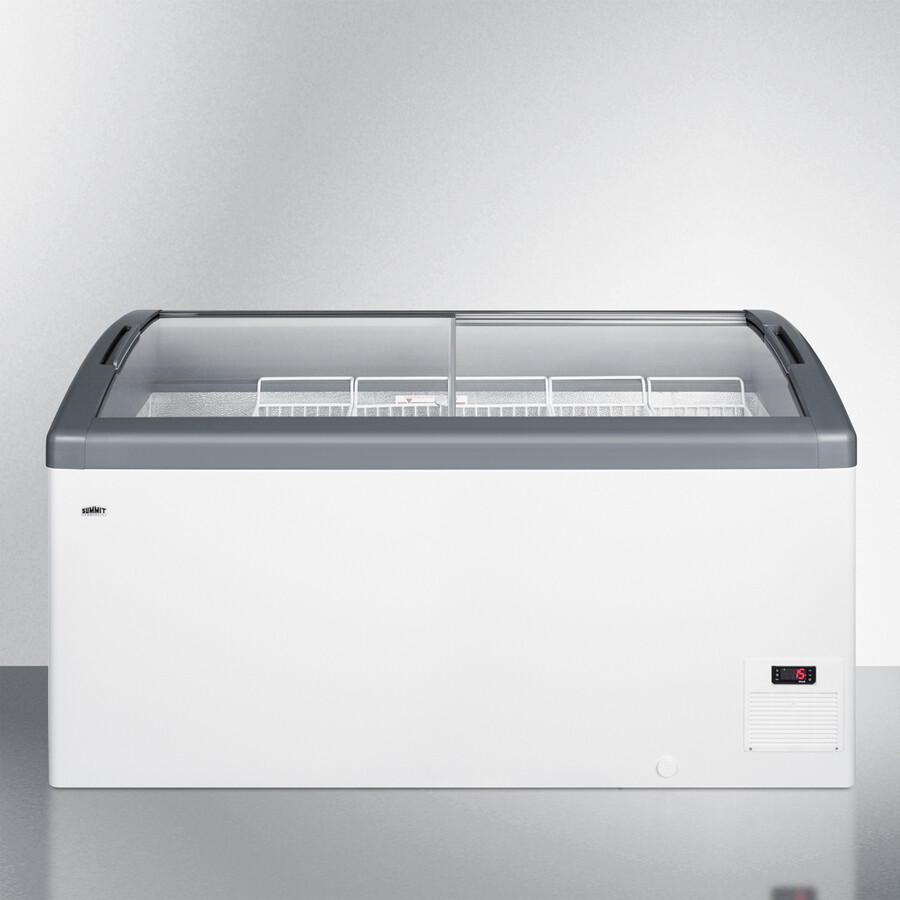
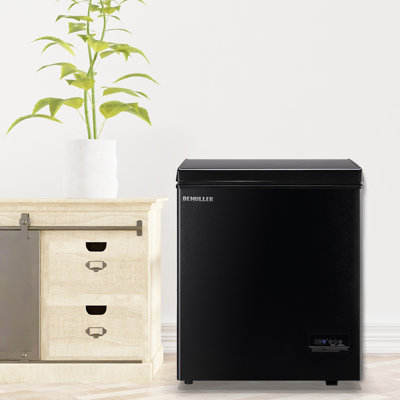
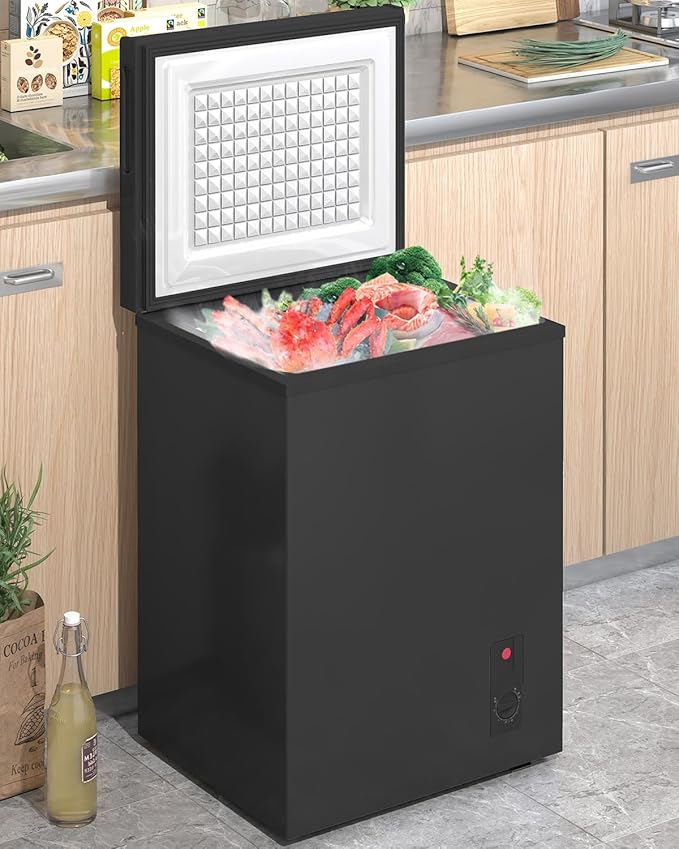
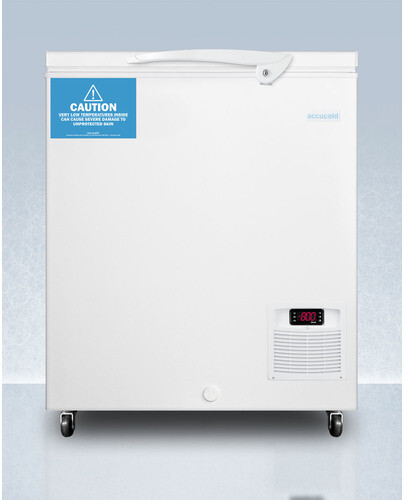
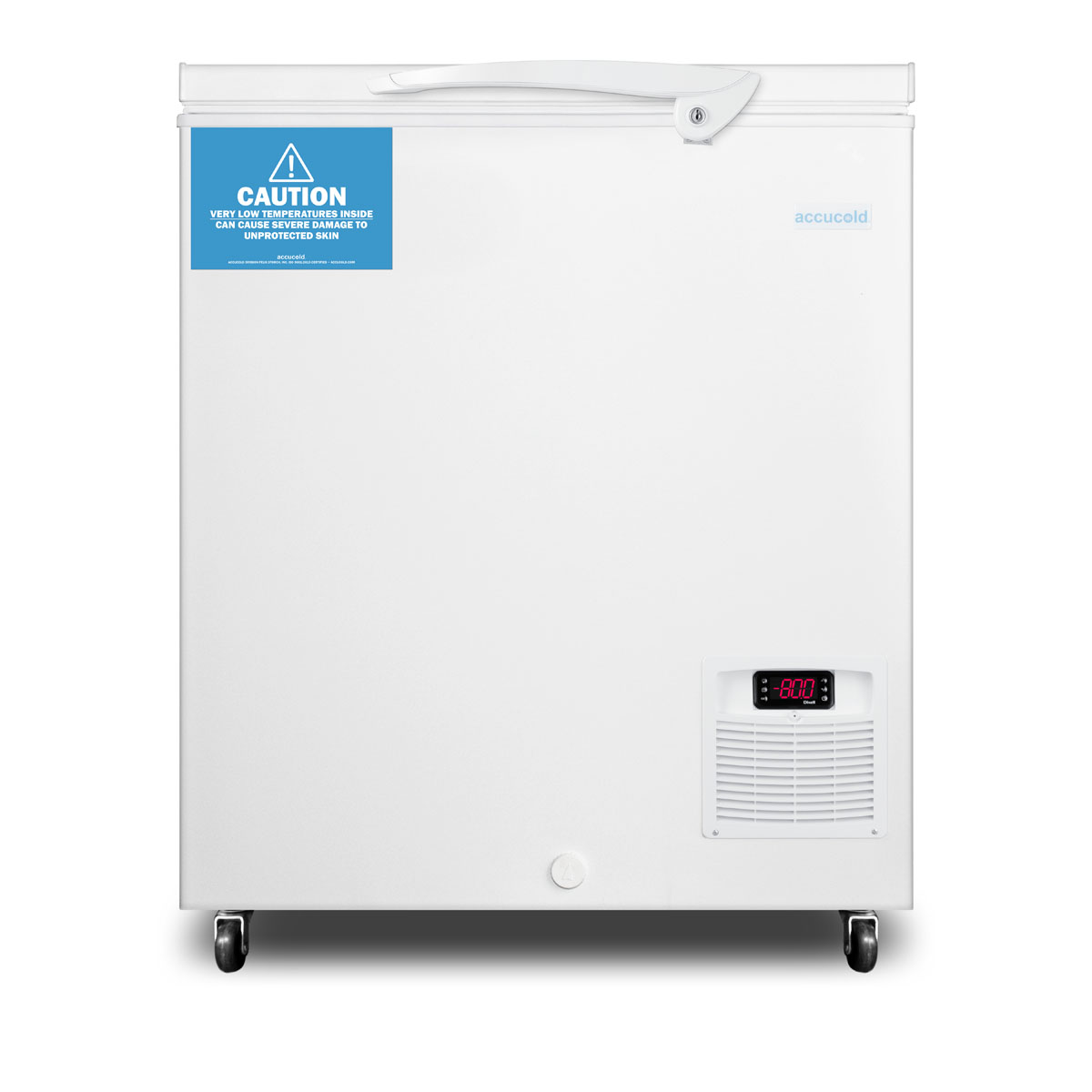
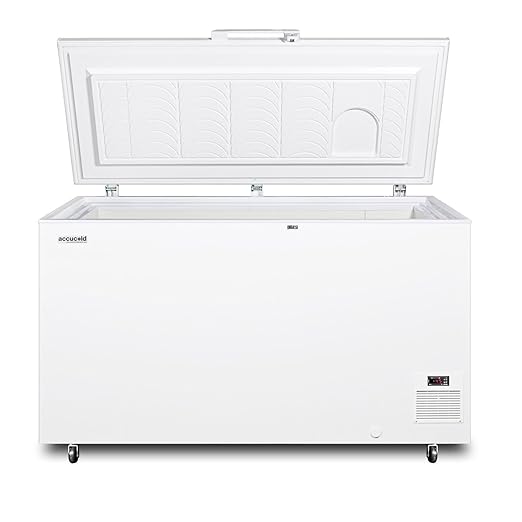
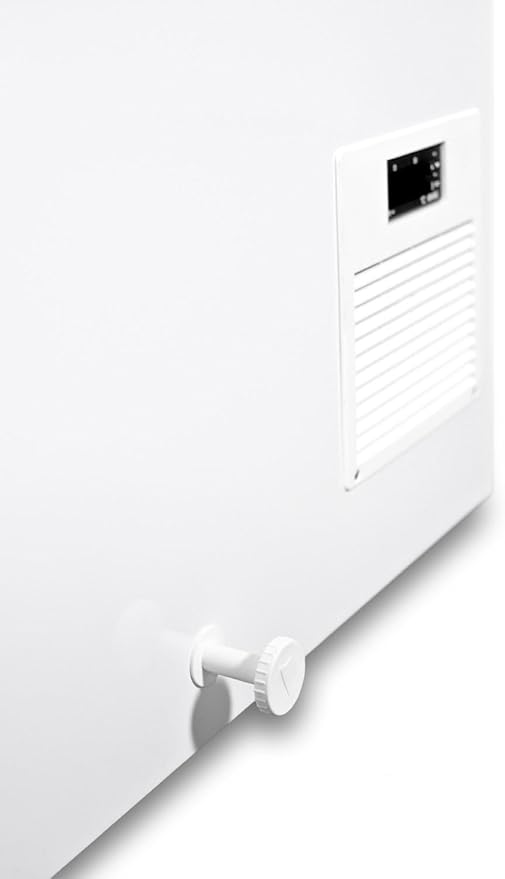
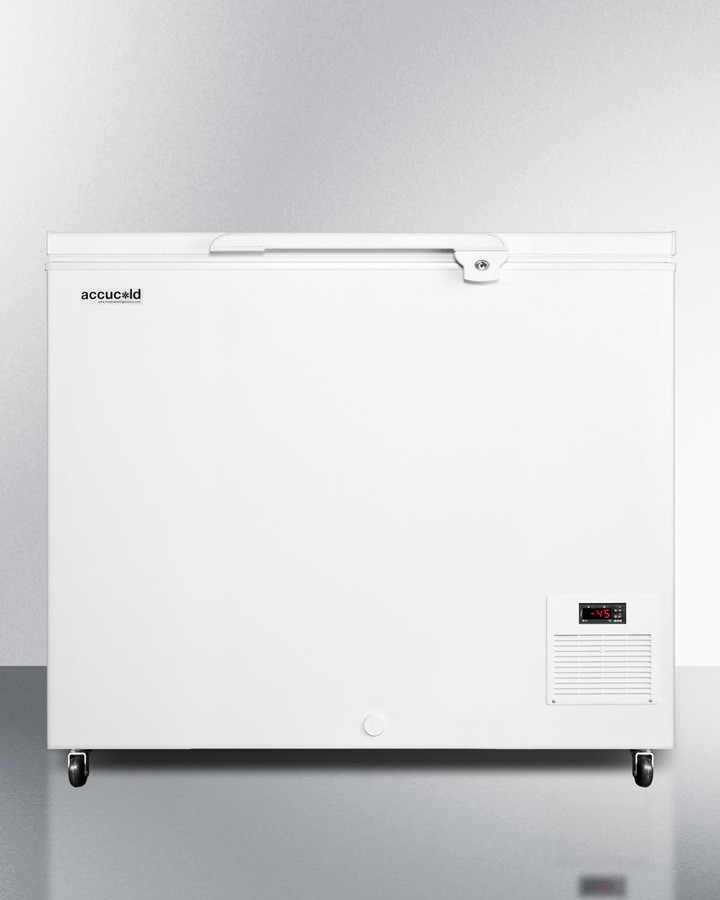
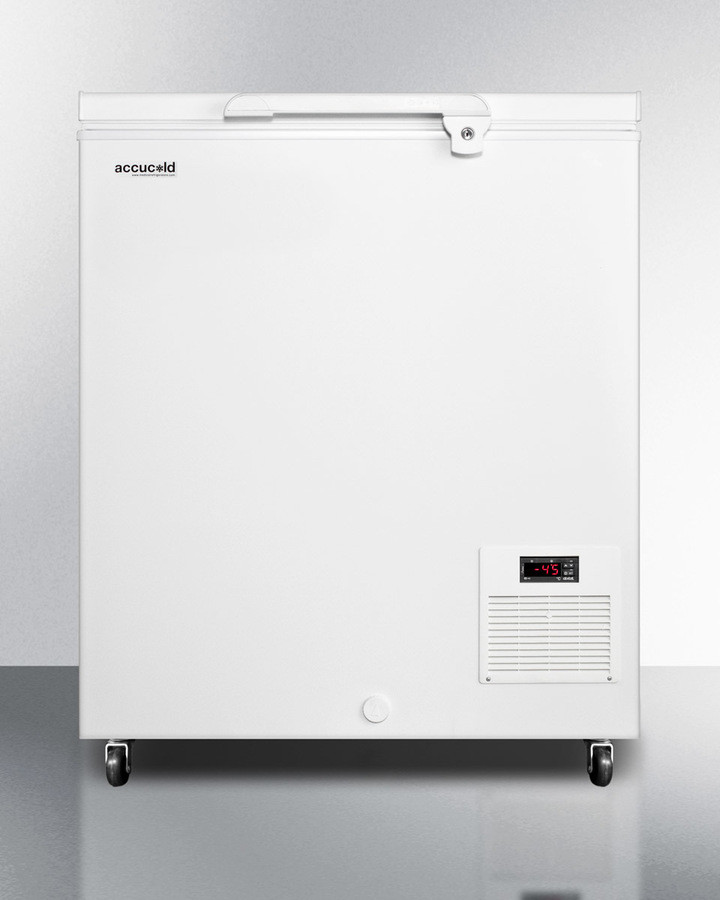
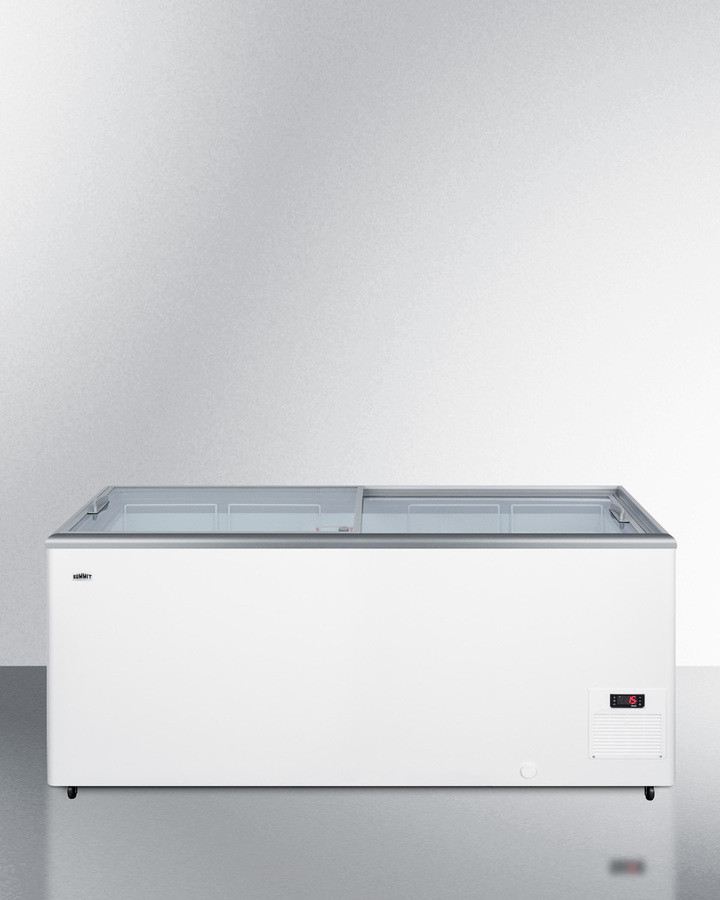
You’ll find units from under 3 cubic feet up to 7 cubic feet, with features like:
Swing-up lids or sliding top panels
Removable baskets for organized storage
Interior LED lighting for visibility
Locking lids for safety
Some models even convert between refrigerator and freezer modes, giving you dual function fridge capabilities similar to a dual function fridge.
Eco-friendly models
Energy Star certification isn’t limited to refrigerators. Look for freezers using hydrocarbon refrigerants that have low global warming potential, plus upgrades like eco-mode operation and auto-defrost off settings to reduce overall power draw.
When you’re ready to add a small chest freezer to your home or business, factor in size, features, and maintenance.
Size and capacity factors
Measure the footprint carefully, including door clearance
Estimate your weekly or monthly freezer volume needs
Remember that a 1 cubic foot capacity holds roughly 30 pounds of food
If you plan to move it often, check tips on how can i slide my freezer without scratching the floor?
Maintenance and care tips
Defrost according to manufacturer guidelines to prevent ice buildup, learn more at how to defrost a freezer
Clean coils periodically for peak efficiency, see how to clean deep freezer coils
Use gallon food storage freezer bags to minimize air exposure and maximize space
Regular upkeep extends the life of your freezer and keeps operating costs down.
Budget and features
Basic models offer reliable freezing at lower price points
Mid-range units add baskets, digital controls, and alarms
Premium freezers include Wi-Fi connectivity, rapid-freeze settings, and heavy-duty lids
Balance your budget with the features you’ll actually use. If you’re on a tight budget, focus on insulation quality and compressor warranty.
Conclusion
From iceboxes padded with straw to today’s smart, eco-friendly compact units, the history of small chest freezers illustrates how innovation meets everyday needs. Whether you’re streamlining meal prep, storing bulk items, or outfitting a commercial kitchen, these freezers deliver reliable cold storage in a compact form.Compare current prices and specifications on Fridge.com, then buy from the retailer you choose; delivery, installation and warranty terms are the retailer’s.
From Fridge.com research
Figures below come from data Fridge.com builds and maintains. Each links to the record behind it.
Fridge.com Energy Index, built on U.S. EPA and DOE ENERGY STAR records
Across 5,455 ENERGY STAR certified refrigerators and freezers from 263 brands, median use is 360 kWh per year.