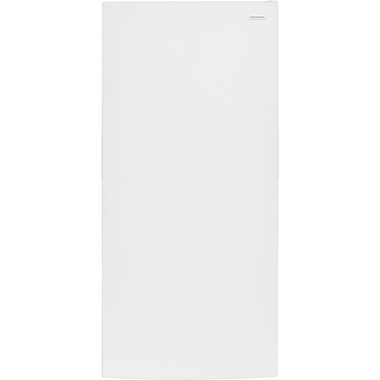
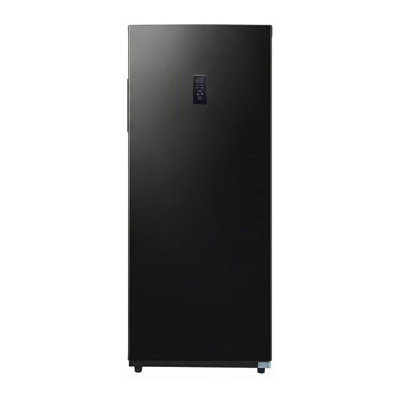
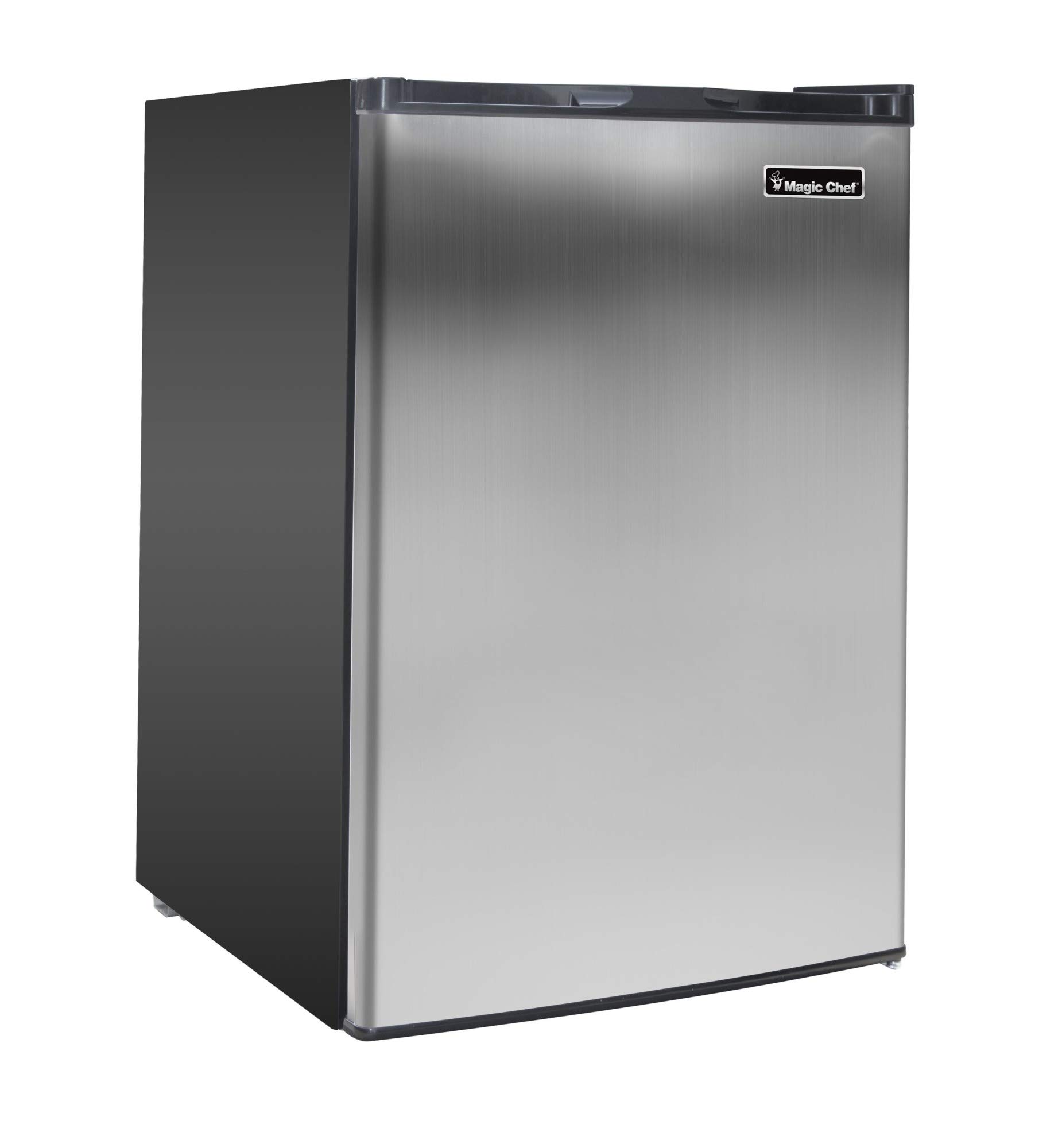
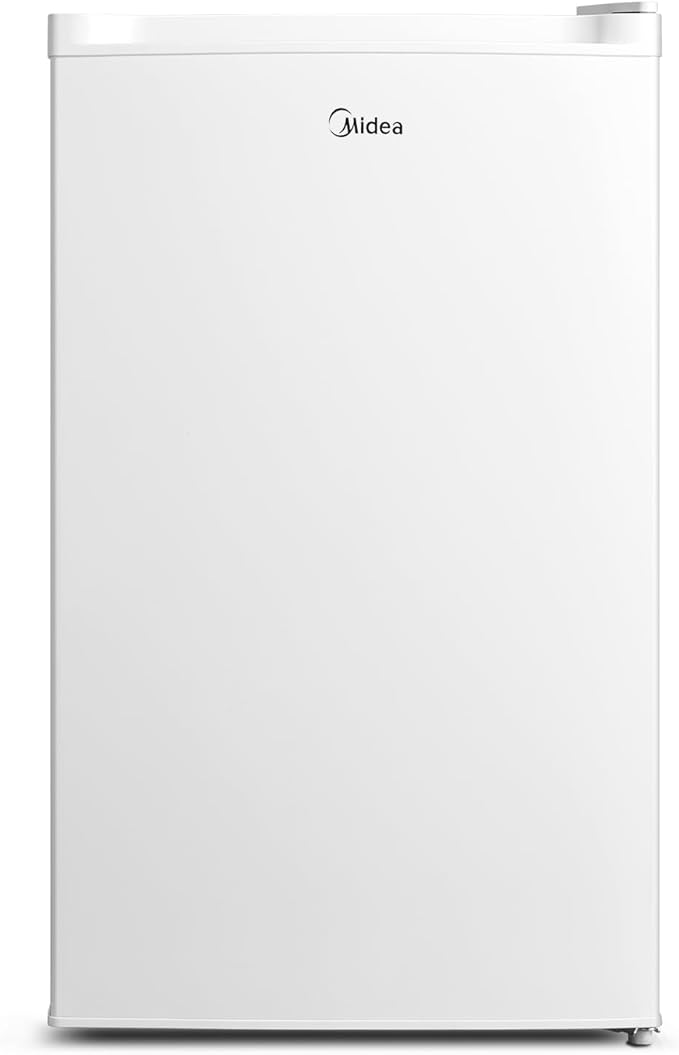
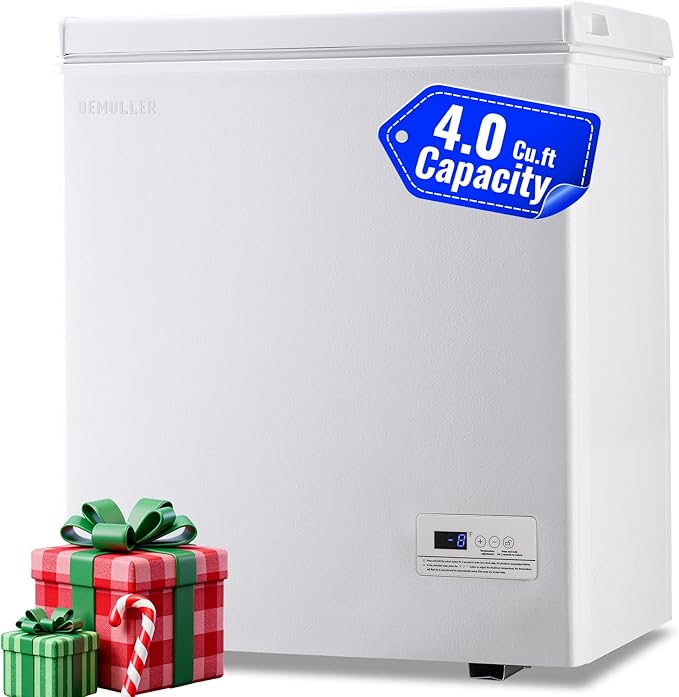
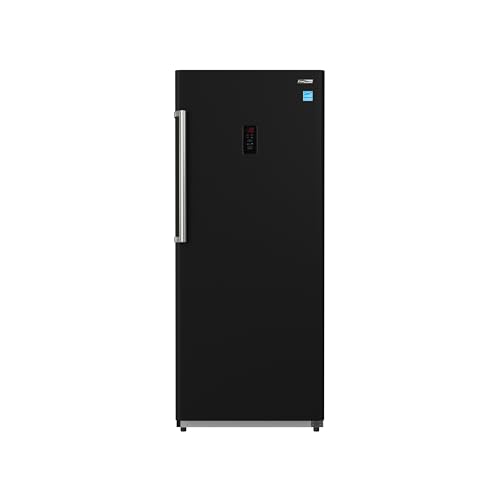
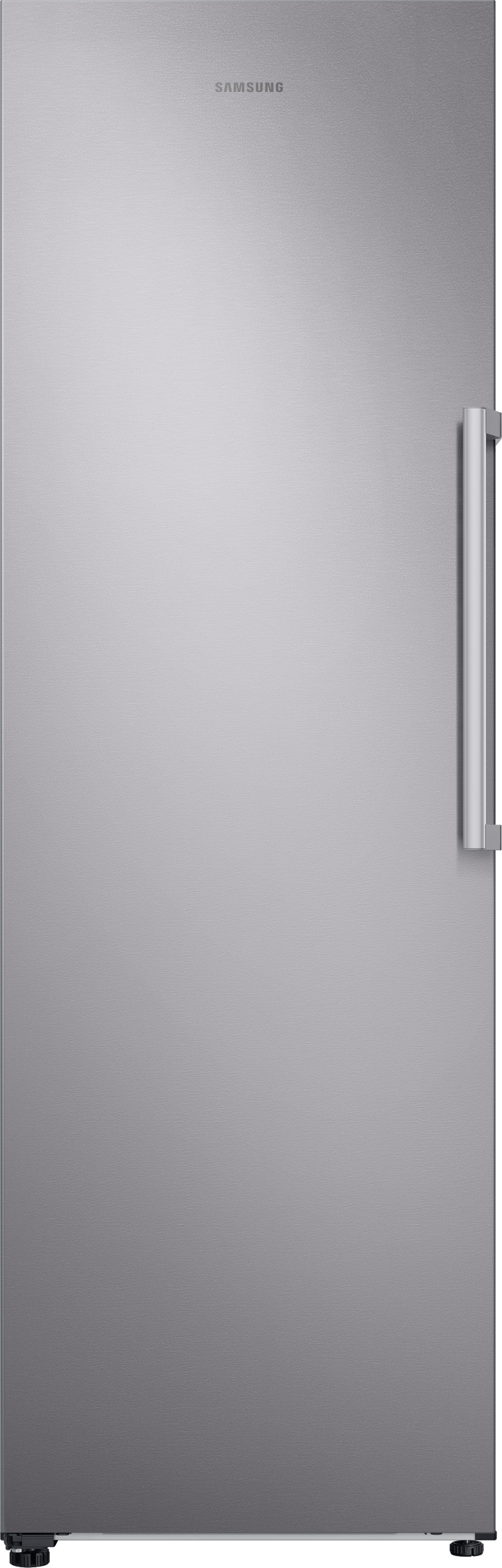
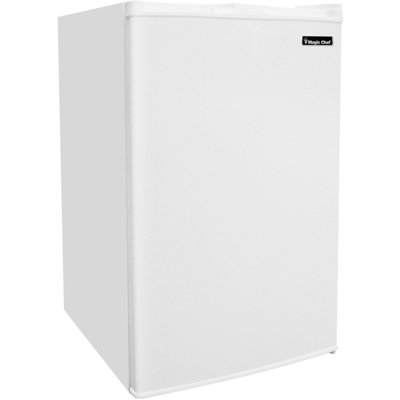
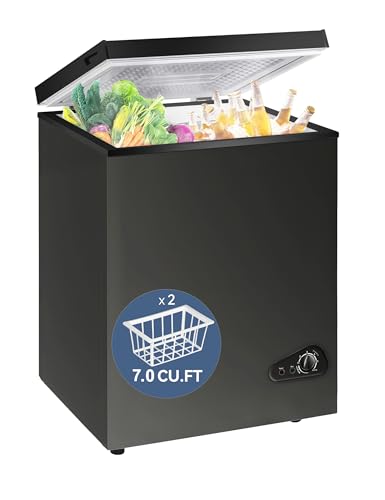
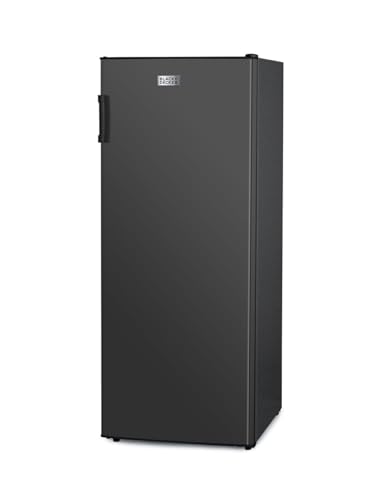
Refrigerators typically include sections for fresh produce, dairy, and beverages, maintaining a temperature range between 35°F and 38°F.
Freezers, on the other hand, maintain temperatures around 0°F to ensure food remains frozen and safe from bacterial growth.
On average, a typical stainless steel refrigerator operates between 32 and 47 decibels (dB).
The noise levels for these freezers typically range from 35 to 45 decibels (dB), making them slightly quieter or on par with their refrigerator counterparts.
Stainless Steel Refrigerator Vs. Undercounter Freezer
Overview of Refrigerators and Freezers
When it comes to choosing between a stainless steel refrigerator and an undercounter freezer, understanding the fundamental differences between these appliances is essential. Refrigerators and freezers serve distinct purposes in food storage, with refrigerators designed to keep food fresh and cool, while freezers preserve food at much lower temperatures for longer periods.
Refrigerators typically include sections for fresh produce, dairy, and beverages, maintaining a temperature range between 35°F and 38°F. Freezers, on the other hand, maintain temperatures around 0°F to ensure food remains frozen and safe from bacterial growth.
Key Differences Between Stainless Steel Refrigerators and Undercounter Freezers
Feature
Stainless Steel Refrigerator
Undercounter Freezer
Primary Use
Keeping fresh food and beverages cool
Storing frozen foods
Temperature Range
35°F - 38°F
0°F or below
Size
Larger, often freestanding
Compact, fits under countertops
Placement
Kitchen, garage, pantry
Kitchen, bar area, small spaces
Design
Standalone or built-in, sleek stainless steel finish
Built-in design, often hidden under counters
Capacity
Larger storage for diverse items
Smaller, focused on frozen goods
Stainless steel refrigerators are often the centerpiece of a kitchen, providing ample space for fresh food storage while adding a modern aesthetic. They are ideal for families and those who entertain frequently, offering various compartments and features to organize different types of food.
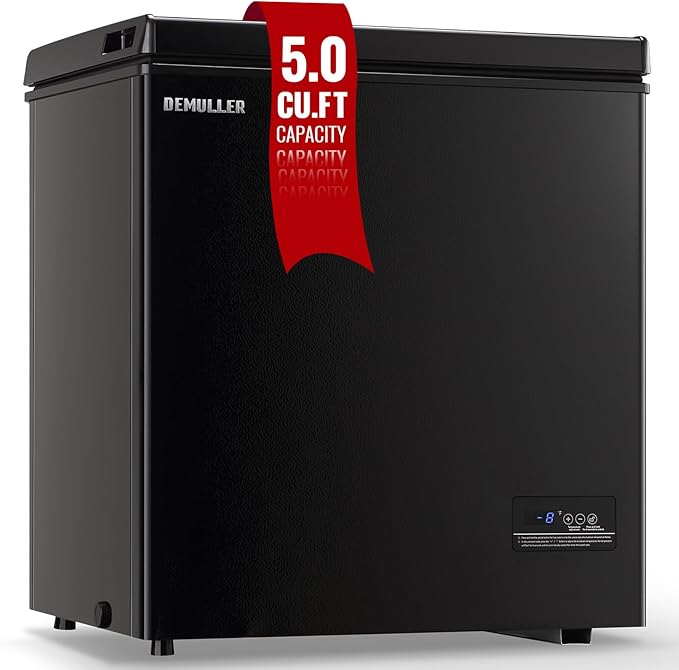
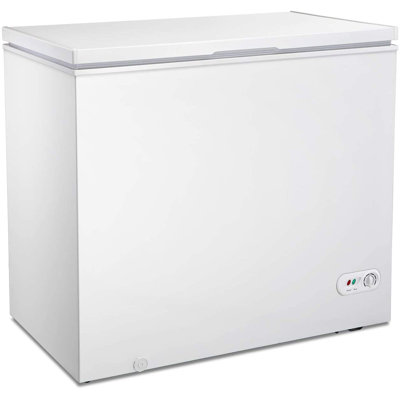
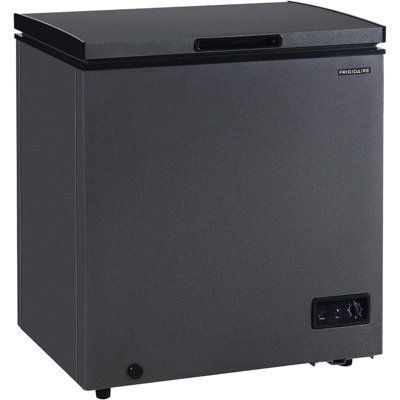
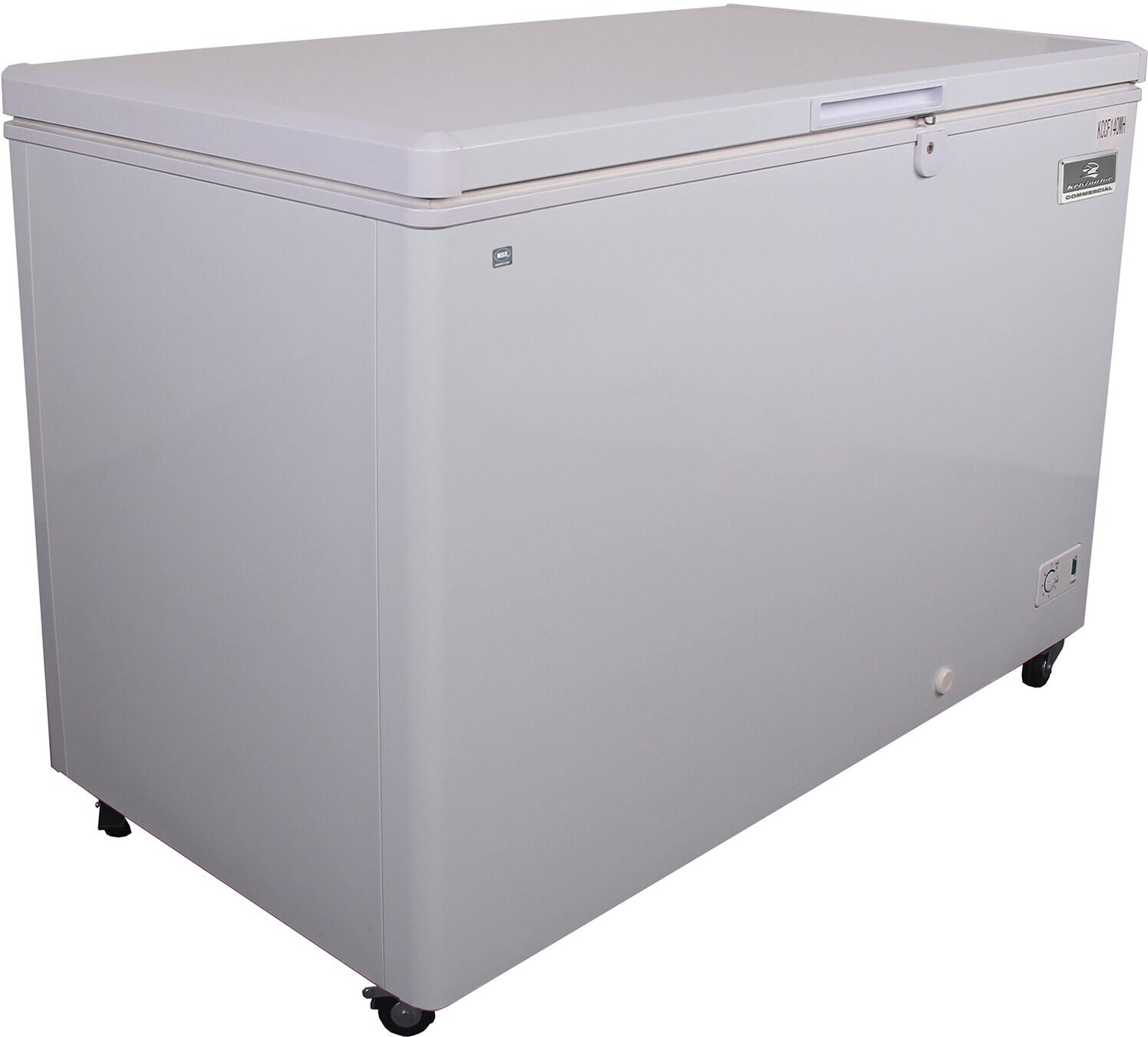
Undercounter freezers, in contrast, are compact and designed to fit seamlessly under countertops. They are perfect for smaller living spaces, such as apartments or tiny homes, where maximizing space is crucial. These freezers are also great for additional frozen storage in homes that already have a main freezer.
Choosing between a stainless steel refrigerator and an undercounter freezer ultimately depends on your storage needs, available space, and design preferences. By understanding these key differences, you can make a more informed decision that best fits your lifestyle.
Size and Placement
When comparing a stainless steel refrigerator and an undercounter freezer, size and placement are key factors to consider. Each appliance offers unique advantages depending on your space and lifestyle needs.
Considerations for Space and Placement
Before selecting between a stainless steel refrigerator and an undercounter freezer, it's important to evaluate your available space and intended placement.
Stainless Steel Refrigerator: Typically larger and designed to be a central fixture in the kitchen.
Undercounter Freezer: Compact and can be installed under countertops, making it ideal for smaller spaces or supplementary storage.
Benefits of a Stainless Steel Refrigerator
A stainless steel refrigerator offers numerous benefits, making it a popular choice for many households:
Ample Storage: Provides a large storage capacity for both fresh and frozen foods.
Central Location: Usually placed in the kitchen, offering easy access to food and beverages.
Versatile Design: Available in various sizes and configurations, such as freestanding or built-in.
Visual Appeal: Adds a sleek, modern look to your kitchen.
Feature
Stainless Steel Refrigerator
Typical Height
66-70 inches
Typical Width
30-36 inches
Typical Depth
28-34 inches
Average Storage Capacity
18-28 cubic feet
Benefits of an Undercounter Freezer
Undercounter freezers provide distinct advantages, particularly in settings where space is limited or additional freezer storage is needed:
Space-Saving: Fits neatly under countertops, ideal for small kitchens, offices, or even tiny homes.
Convenient Placement: Can be installed in various locations, such as kitchens, basements, or garages.
Supplementary Storage: Offers extra freezer space without taking up much room.
Discreet Design: Blends seamlessly with existing cabinetry for a streamlined look.
Feature
Undercounter Freezer
Typical Height
32-34 inches
Typical Width
24-30 inches
Typical Depth
24-28 inches
Average Storage Capacity
3-6 cubic feet
Considering these factors will help you determine whether a stainless steel refrigerator or an undercounter freezer best fits your needs. Choose based on your space, storage requirements, and aesthetic preferences to make the most of your kitchen or living area.
Storage Capacity and Organization
When comparing a stainless steel refrigerator to an undercounter freezer, storage capacity and organization are key factors to consider. Both appliances offer unique benefits and features tailored to different needs.
Capacity Differences
Stainless steel refrigerators typically provide a larger storage capacity compared to undercounter freezers. This makes them suitable for households requiring ample space for a variety of food items. On the other hand, undercounter freezers are compact and designed to fit into smaller spaces, making them ideal for secondary storage or small living areas.
Appliance Type
Average Capacity (Cubic Feet)
Stainless Steel Refrigerator
18 - 28
Undercounter Freezer
3 - 6
Organization Features in Refrigerators and Freezers
Stainless steel refrigerators and undercounter freezers come with various organization features to help you keep your food items sorted and accessible.
Stainless Steel Refrigerators:
Shelves and Drawers: Adjustable shelves and multiple drawers help you organize different types of food. Crisper drawers are often included for fruits and vegetables.
Door Bins: Door bins provide extra storage for smaller items, beverages, and condiments.
Freezer Section: The freezer section may include shelves, bins, and sometimes an ice maker for added convenience.
Undercounter Freezers:
Drawers and Baskets: These freezers often come with drawers and wire baskets to help you organize frozen foods efficiently.
Compact Shelving: While limited in space, the shelving in undercounter freezers is designed to maximize storage within a small footprint.
For more tips on organizing your fridge and freezer, check out Fridge.com article on beverage fridge Vs. column refrigerator.
By understanding the differences in storage capacity and organization features, you can choose the best appliance for your needs, whether it's a spacious stainless steel refrigerator or a compact undercounter freezer. For further comparisons, you might find Fridge.com article on convertible freezer refrigerator Vs. counter depth refrigerator helpful.
Temperature control and energy efficiency are critical factors when comparing a stainless steel refrigerator and an undercounter freezer.
Temperature Regulation in Stainless Steel Refrigerators
Stainless steel refrigerators offer precise temperature regulation to ensure food remains fresh for longer periods. These refrigerators typically come equipped with advanced temperature controls, allowing you to set and maintain specific temperatures for different compartments.
Feature
Stainless Steel Refrigerator
Temperature Range
32°F - 40°F (0°C - 4°C)
Adjustable Controls
Yes
Multi-Zone Cooling
Yes
Multi-zone cooling systems in stainless steel refrigerators provide separate temperature settings for the fridge and freezer compartments, ensuring optimal storage conditions for various types of food. Additionally, modern stainless steel refrigerators often include digital displays and smart technology, enabling you to monitor and adjust temperatures easily.
Temperature Control in Undercounter Freezers
Undercounter freezers are designed to maintain consistently low temperatures, ideal for long-term storage of frozen goods. These freezers generally operate at lower temperatures than refrigerators, ensuring that food remains frozen and safe for consumption.
Feature
Undercounter Freezer
Temperature Range
-10°F - 0°F (-23°C - -18°C)
Adjustable Controls
Yes
Quick Freeze Function
Yes
Many undercounter freezers feature quick freeze functions, allowing you to rapidly lower the temperature to freeze items faster. This is particularly useful for preserving the quality and texture of fresh foods. Like stainless steel refrigerators, undercounter freezers also offer adjustable temperature controls to meet specific storage needs.
Energy Efficiency of Each Appliance
Energy efficiency is an important consideration when choosing between a stainless steel refrigerator and an undercounter freezer. Both appliances are designed to minimize energy consumption, but their efficiency can vary based on their size, design, and features.
Appliance
Average Annual Energy Consumption (kWh)
Energy Star Rating
Stainless Steel Refrigerator
400 - 600
Yes
Undercounter Freezer
200 - 400
Yes
Stainless steel refrigerators often consume more energy annually due to their larger size and additional features, such as ice makers and water dispensers. However, many modern refrigerators are Energy Star certified, indicating they meet strict energy efficiency guidelines set by the Environmental Protection Agency (EPA).
Undercounter freezers, being smaller in size, generally consume less energy. These freezers are also commonly Energy Star certified, ensuring they operate efficiently while keeping your frozen goods safe.
When deciding between a stainless steel refrigerator and an undercounter freezer, consider your specific needs for temperature control and energy efficiency. For more detailed comparisons, you can explore Fridge.com articles on beverage fridge Vs. large refrigerator and freestanding refrigerator Vs. undercounter freezer.
Design and Aesthetics
Aesthetics of Stainless Steel Refrigerators
Stainless steel refrigerators are a popular choice for modern kitchens due to their sleek and contemporary design. The smooth, metallic finish adds a touch of elegance and sophistication to any space. These refrigerators are known for their clean lines and polished appearance, making them a focal point in the kitchen.
Stainless steel not only looks appealing but also offers practical benefits. The material is resistant to rust and corrosion, ensuring that your refrigerator maintains its pristine look over time. Additionally, stainless steel surfaces are easy to clean, making maintenance a breeze.
For those who appreciate a cohesive kitchen design, stainless steel refrigerators often match well with other stainless steel appliances, creating a unified and stylish look. If you are considering different types of refrigerators, you might find Fridge.com article on beverage fridge Vs. column refrigerator helpful.
Feature
Stainless Steel Refrigerator
Finish
Smooth, metallic
Aesthetic Appeal
Modern, elegant
Maintenance
Easy to clean, rust-resistant
Aesthetics of Undercounter Freezers
Undercounter freezers are designed to fit seamlessly into smaller spaces, making them ideal for kitchens with limited room or for use in additional areas such as basements, garages, or offices. These freezers are typically installed beneath countertops, providing a streamlined and integrated look.
The compact design of undercounter freezers allows them to blend in with surrounding cabinetry, creating a cohesive and unobtrusive appearance. Many models come with customizable panel options, allowing you to match the freezer's exterior with your existing decor.
Despite their smaller size, undercounter freezers do not compromise on style. They come in various finishes, including stainless steel, which offers the same modern and polished look as larger refrigerators. If you're interested in comparing undercounter freezers with other appliances, Fridge.com article on countertop freezer Vs. small chest freezer provides additional insights.
Feature
Undercounter Freezer
Finish
Various, including stainless steel
Aesthetic Appeal
Compact, integrated
Placement
Beneath countertops
Understanding the design and aesthetics of both stainless steel refrigerators and undercounter freezers can help you make an informed decision based on your space and style preferences. For more comparisons, you can explore Fridge.com article on freestanding refrigerator Vs. undercounter freezer.
Cost and Maintenance
Initial Cost Comparison
When comparing the initial costs of a stainless steel refrigerator and an undercounter freezer, it's important to consider the financial investment required for each appliance.
Appliance Type
Average Initial Cost ($)
Stainless Steel Refrigerator
1,500 - 3,000
Undercounter Freezer
500 - 1,500
A stainless steel refrigerator typically demands a higher initial investment due to its larger size, advanced features, and premium materials. On the other hand, an undercounter freezer tends to be more affordable, making it a cost-effective option for those looking to maximize their budget.
Maintenance Considerations for Each Appliance
Maintaining your appliances is crucial for their longevity and efficiency. Both stainless steel refrigerators and undercounter freezers have specific maintenance requirements.
Stainless Steel Refrigerator:
Cleaning: Regularly clean the exterior with a stainless steel cleaner to maintain its shine and prevent smudges. The interior should be wiped down with a mild detergent.
Defrosting: Most modern refrigerators come with auto-defrost features, minimizing the need for manual defrosting.
Filter Replacement: Depending on the model, you may need to replace water filters periodically.
Coil Cleaning: Clean the condenser coils every six months to ensure efficient cooling.
For more detailed maintenance tips, you can refer to Fridge.com article on freestanding refrigerator Vs. undercounter freezer.
Undercounter Freezer:
Cleaning: Regularly clean the interior and exterior with a mild detergent. Pay special attention to the gasket to ensure it seals properly.
Defrosting: Unlike refrigerators, many undercounter freezers require manual defrosting. This should be done periodically to prevent ice buildup.
Temperature Check: Regularly check and adjust the temperature settings to ensure optimal performance.
By understanding the cost and maintenance requirements of both appliances, you can make an informed decision that best suits your needs and lifestyle. For more comparisons between different appliances, visit Fridge.com articles on convertible freezer Vs. retro mini fridge and built in refrigerator Vs. kegerator.
When selecting between a stainless steel refrigerator and an undercounter freezer, understanding the noise levels and overall operation of each appliance can be crucial. This section will delve into the operating noise levels of both types of appliances.
Operating Noise Levels of Stainless Steel Refrigerators
Stainless steel refrigerators are known for their robust construction and modern appearance, but how do they fare in terms of noise? Generally, these refrigerators operate at noise levels that can vary based on their design and the technology they employ. On average, a typical stainless steel refrigerator operates between 32 and 47 decibels (dB).
Refrigerator Model
Noise Level (dB)
Standard Stainless Steel Refrigerator
32 - 47
These noise levels are comparable to a quiet library or a soft conversation. The noise mainly comes from the compressor and the fan, which work to regulate temperature and keep your food fresh. For those living in open-plan homes or small apartments, a quieter model might be more desirable. For more information on other refrigerator types, check out Fridge.com article on reach in refrigerator Vs. wine refrigerator.
Operating Noise Levels of Undercounter Freezers
Undercounter freezers, designed to fit seamlessly under your kitchen counter, are also engineered to operate quietly. The noise levels for these freezers typically range from 35 to 45 decibels (dB), making them slightly quieter or on par with their refrigerator counterparts.
Freezer Model
Noise Level (dB)
Standard Undercounter Freezer
35 - 45
The sound produced by undercounter freezers is usually a soft hum, resulting from the compressor and cooling fan. Since these appliances are often installed in kitchens or other high-traffic areas, their low operating noise is an essential feature. For more on how undercounter freezers compare to other types, visit Fridge.com article on freestanding refrigerator Vs. undercounter freezer.
By understanding the noise levels of stainless steel refrigerators and undercounter freezers, you can make a more informed decision based on your household's needs. Whether you prioritize a quieter kitchen environment or the sleek design of a stainless steel refrigerator, there are options available to suit your lifestyle.
Compare prices on Fridge.com
Compare current prices and specifications on Fridge.com, then buy from the retailer you choose; delivery, installation and warranty terms are the retailer’s.
It also has tons of awesome articles about kitchen stuff and home news. Enhance your home, garage, backyard, patio, and office with the coolest essentials. With every necessary type of residential refrigerator or freezer in the collection, you're covered.
From Fridge.com research
Figures below come from data Fridge.com builds and maintains. Each links to the record behind it.
Fridge.com Energy Index, built on U.S. EPA and DOE ENERGY STAR records
Across 5,455 ENERGY STAR certified refrigerators and freezers from 263 brands, median use is 360 kWh per year.