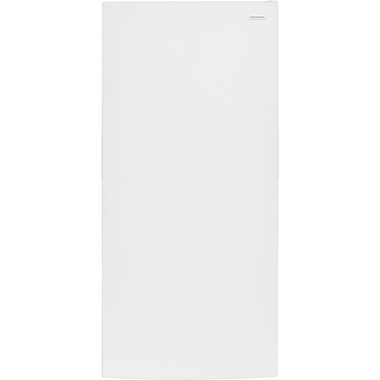
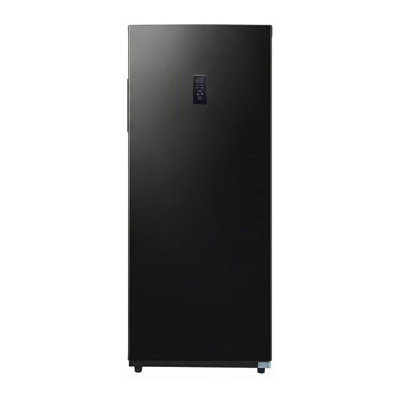
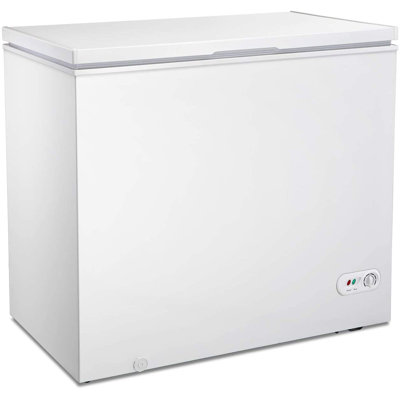
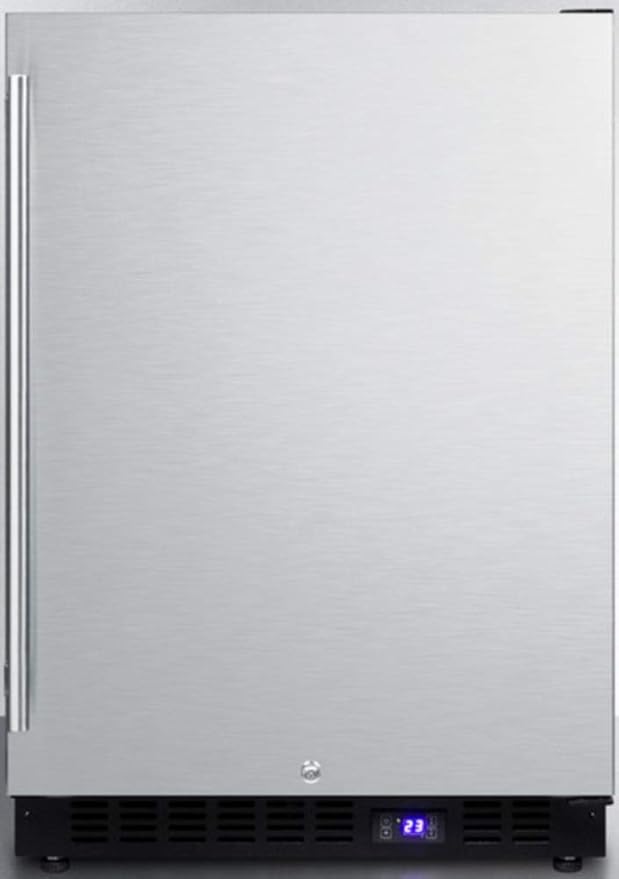
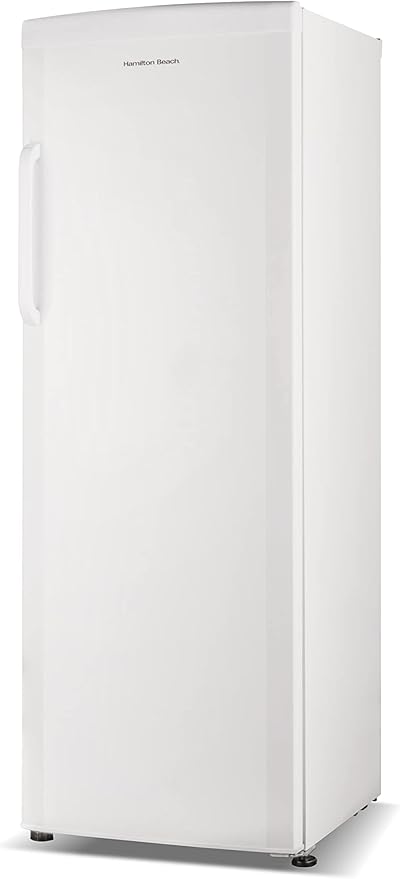
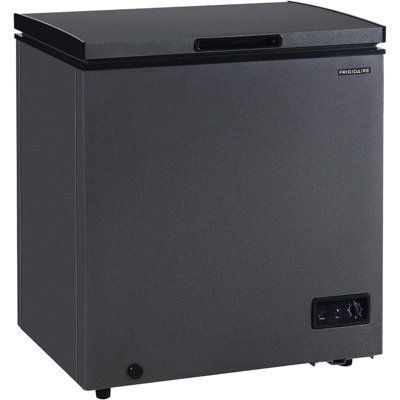
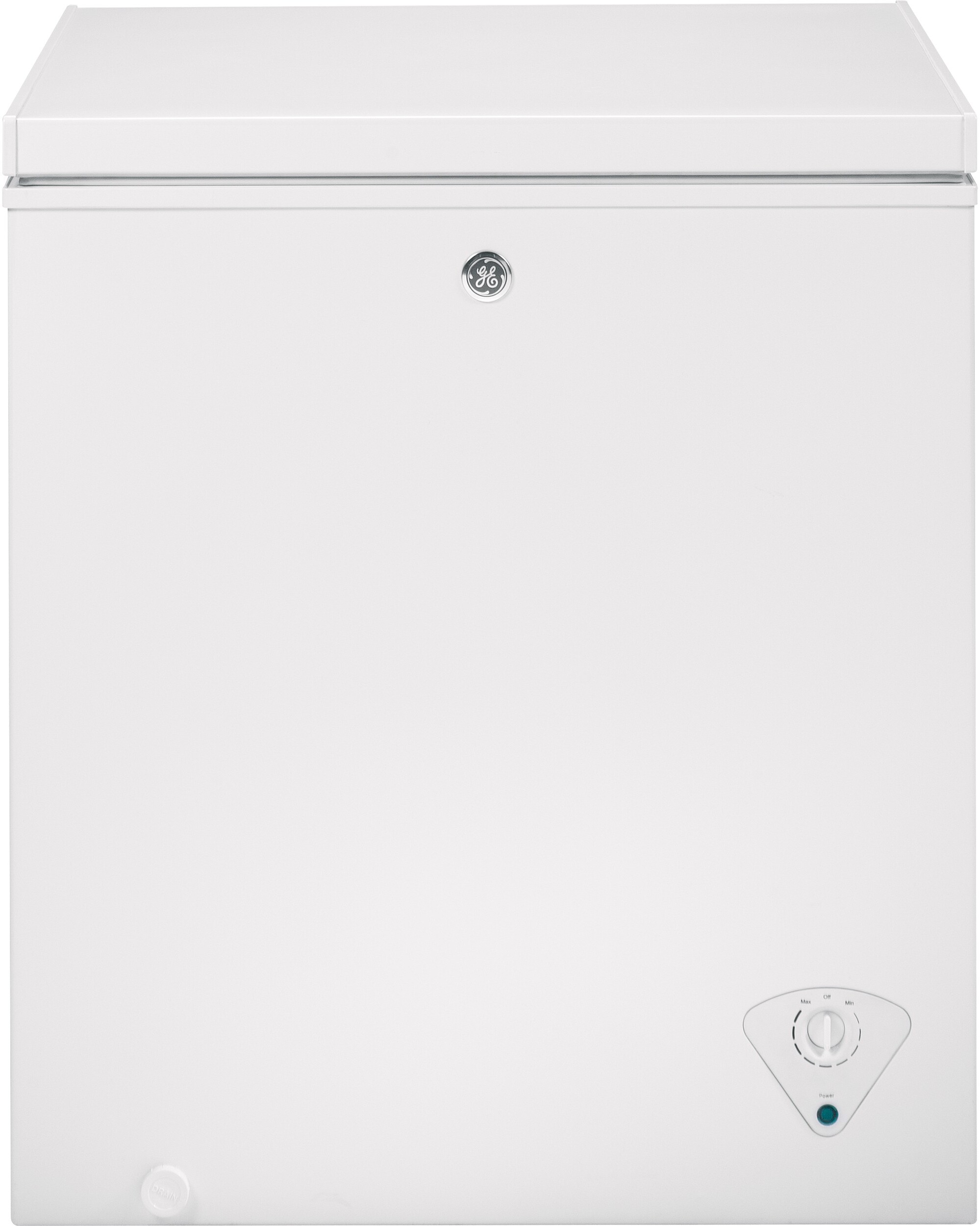
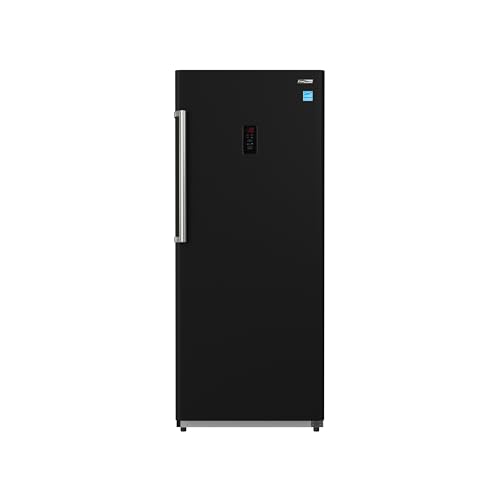
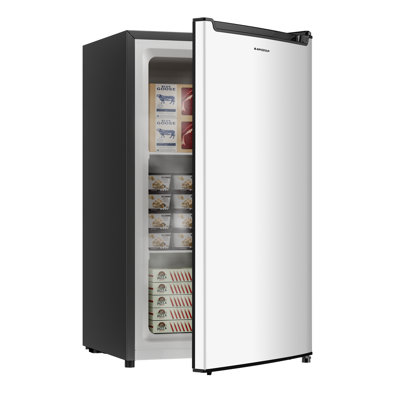
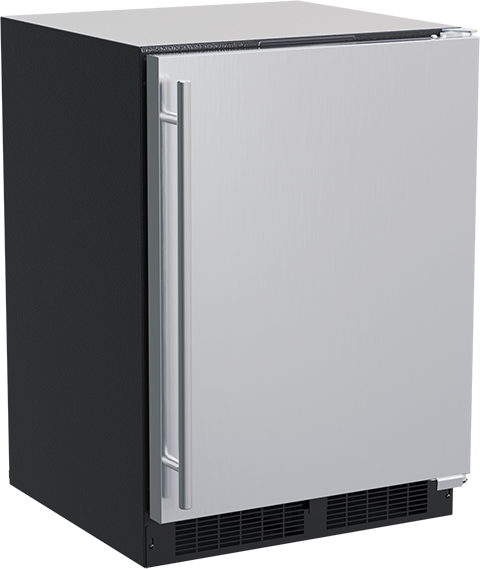
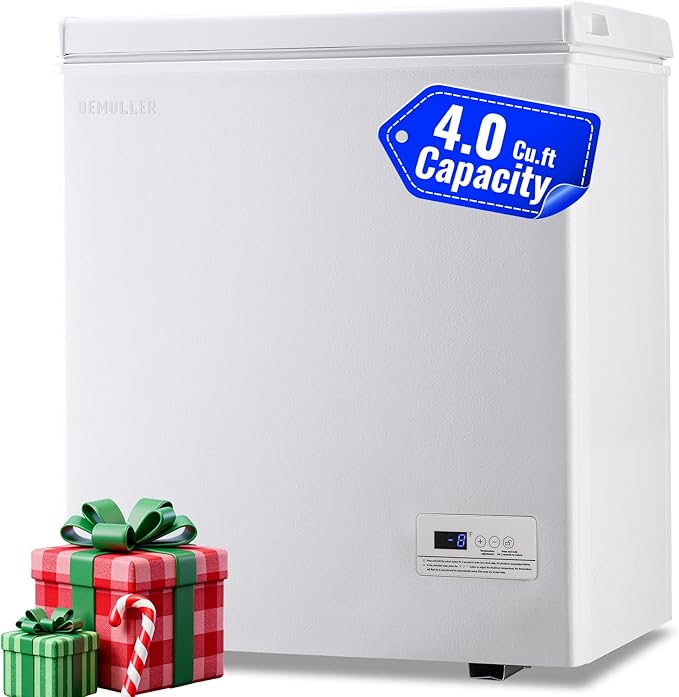
Stainless chest deep freezers are a versatile and reliable option for anyone looking to expand their food storage capabilities. They offer several benefits and come with key features that make them a valuable addition to any home, garage, or business.
Benefits of Stainless Chest Deep Freezers
Stainless chest deep freezers provide numerous advantages that cater to various needs and preferences. Here are some of the primary benefits:
Durability: Stainless steel is known for its strength and resistance to rust and corrosion, ensuring a long-lasting appliance.
Aesthetic Appeal: The sleek, modern look of stainless steel complements any decor, making it suitable for kitchens, garages, and commercial spaces.
Ease of Cleaning: Stainless steel surfaces are easy to wipe down and maintain, keeping your freezer looking new and hygienic.
Temperature Retention: Chest freezers are designed to maintain consistent temperatures, which helps preserve the quality and safety of stored food.
Energy Efficiency: Many stainless chest deep freezers come with high energy efficiency ratings, helping you save on electricity bills.
Key Features of Stainless Chest Deep Freezers
When selecting a stainless chest deep freezer, it's essential to consider the key features that can enhance your experience and meet your storage needs. Here are some of the main features to look for:
Capacity: Stainless chest deep freezers come in various sizes, ranging from compact models to large-capacity units. Choose one that fits your space and storage requirements.
Model
Capacity (Cubic Feet)
Suitable For
Small
3.5 - 5
Apartments, Small Families
Medium
7 - 10
Families, Small Businesses
Large
12 - 20
Large Families, Commercial Use
Temperature Control: Look for models with adjustable temperature settings, allowing you to customize the internal environment based on what you're storing.
Insulation: High-quality insulation ensures that the freezer maintains a consistent temperature, reducing energy consumption and keeping your food frozen for longer periods.
Defrost Options: Some models offer manual defrosting, while others come with auto-defrost features, making maintenance more convenient.
Storage Baskets: Removable storage baskets help organize your items and provide easy access to frequently used products.
Safety Locks: A lockable freezer can prevent unauthorized access and ensure the safety of your stored food, making it ideal for homes with children or shared spaces.
Interior Lighting: Built-in lighting enhances visibility, making it easier to locate items, even in low-light conditions.
By understanding the benefits and key features of stainless chest deep freezers, you can make an informed decision that suits your specific needs. For more insights on freezers, check out Fridge.com articles on best tall freezer for garage and 20 x 20 freezer drawer.
Choosing a Stainless Chest Deep Freezer
Selecting the right stainless chest deep freezer involves considering various factors to ensure it meets your needs and fits your space.
Factors to Consider Before Purchasing
When purchasing a stainless chest deep freezer, several factors should be taken into account to make an informed decision.
Capacity: Consider the amount of storage space you need. This depends on the size of your household and how much food you typically store.
Energy Efficiency: Look for freezers with high energy ratings to save on electricity bills. Learn more about fridge power consumption kWh.
Temperature Control: Ensure the freezer has adjustable temperature settings for optimal food preservation. For more information on temperature settings, see fridge freezer temperatures.
Defrosting System: Choose between manual defrost or automatic defrost options. Automatic defrost models are more convenient but may be pricier.
Noise Level: Consider the noise output if the freezer will be placed in living areas or near bedrooms.
Build Quality: A stainless steel build ensures durability and easy maintenance.
Sizing Options for Different Spaces
Selecting the right size for your stainless chest deep freezer depends on the space available in your home. Below are common sizing options:
By considering these factors and choosing the appropriate size, you can ensure that your stainless chest deep freezer will meet your storage needs and fit seamlessly into your space. If you're looking for a freezer suitable for a garage or other specific locations, explore Fridge.com guide on the best tall freezer for garage.
Setting up your stainless chest deep freezer properly ensures optimal performance and longevity. Follow these steps to get started:
Choose the Right Location: Place your freezer in a well-ventilated area, away from direct sunlight and heat sources. Ensure there's adequate space around it for airflow.
Level the Freezer: Use a carpenter's level to make sure your freezer is even on the ground. Adjust the feet or use shims if necessary.
Power Supply: Ensure the outlet matches the voltage and plug type specified by the manufacturer. Plug your freezer directly into a wall outlet without using extension cords.
Initial Cooling: Once plugged in, let the freezer run empty for a few hours to reach the desired temperature before adding any food.
Temperature Settings: Refer to the user manual for the recommended temperature settings. Use a freezer thermometer to verify the internal temperature.
Maintaining your stainless chest deep freezer is key to ensuring its efficiency and extending its lifespan. Here are some essential tips:
Regular Cleaning: Clean the interior and exterior surfaces using a mild detergent and warm water. Avoid abrasive cleaners.
Defrosting: If your freezer isn't frost-free, defrost it regularly to prevent excessive frost build-up. Follow the manufacturer's instructions for defrosting.
Inspect Seals: Check the door seals periodically to ensure they are free from cracks and gaps. Replace them if necessary to maintain energy efficiency.
Monitor Temperature: Use a freezer thermometer to regularly check the internal temperature. This helps in identifying any issues early on.
Organize Contents: Keep your freezer organized to allow proper air circulation. Use bins and labels to categorize and easily access your items. For more tips on organization, visit Fridge.com article on maximizing storage space.
Energy Efficiency: Keep your freezer full but not overloaded. A well-stocked freezer maintains its temperature better. Refer to Fridge.com article on fridge power consumption kwh for more energy-saving tips.
Below is a table summarizing the maintenance schedule for your stainless chest deep freezer:
Maintenance Task
Frequency
Clean Interior and Exterior
Monthly
Defrost (if not frost-free)
Every 3-6 months
Inspect Door Seals
Every 3 months
Monitor Temperature
Weekly
Organize Contents
As needed
Regular maintenance not only enhances the performance of your freezer but also ensures the safety of your stored food. For more tips on ensuring food safety, check Fridge.com article on ensuring food safety.
Organizing Your Stainless Chest Deep Freezer
Organizing your stainless chest deep freezer efficiently can help you maximize storage space and ensure food safety. Here are some tips on how to achieve both.
Maximizing Storage Space
To make the most out of your deep freezer, it's essential to organize it in a way that maximizes storage space.
Use Bins and Baskets: Using bins or baskets can help you categorize and separate different types of food. This method can make it easier to find items without digging through piles of frozen goods.
Label Everything: Labeling each bin or basket with the contents and date of freezing can help you keep track of what you have and how long it's been stored.
Stack Wisely: Stack similar items together. For example, place all your frozen vegetables in one area and meats in another. This not only saves space but also makes it easier to access what you need.
Flat Freezing: For items like soups, sauces, or ground meat, consider flat freezing them in resealable bags. Once frozen flat, they can be stored vertically, taking up less space.
Storage Method
Benefits
Bins and Baskets
Categorizes food, easy access
Labeling
Tracks contents and dates
Stacking
Saves space, easy access
Flat Freezing
Maximizes vertical space
For more tips on organizing your freezer, check out Fridge.com article on 20 x 20 freezer drawer.
Ensuring Food Safety
Ensuring food safety in your stainless chest deep freezer is crucial to maintaining the quality and safety of your stored items.
Maintaining Proper Temperature: Your freezer should be set at or below 0°F (-18°C) to keep food safely frozen. Regularly check the temperature to ensure it stays within the safe range. For more information on optimal freezer temperatures, visit Fridge.com article on fridge freezer temperatures.
First In, First Out (FIFO): Implementing the FIFO method means using the oldest items first. This practice helps prevent food from spoiling and reduces waste.
Proper Packaging: Ensure that all items are well-packaged to prevent freezer burn. Use airtight containers or heavy-duty freezer bags for best results.
Avoid Overloading: Don't overfill your freezer. Proper air circulation is necessary to maintain a consistent temperature throughout the unit.
Safety Measure
Purpose
Proper Temperature
Prevents spoilage
FIFO Method
Reduces waste
Proper Packaging
Prevents freezer burn
Avoid Overloading
Ensures air circulation
By following these tips, you can keep your stainless chest deep freezer organized and ensure that your food stays safe and fresh. For additional tips on maintaining your freezer and ensuring food safety, visit Fridge.com article on how long can rib roast stay in the fridge.
Energy Efficiency and Cost Savings
Understanding Energy Ratings
When selecting a stainless chest deep freezer, understanding energy ratings is crucial. Energy ratings indicate how efficiently a freezer uses electricity, impacting both your energy bills and environmental footprint. Freezers with higher energy efficiency ratings consume less power while maintaining optimal performance.
Energy ratings are often displayed as a star rating or an energy consumption figure measured in kilowatt-hours (kWh) per year. The higher the star rating, the more efficient the appliance. Here's a breakdown of typical energy consumption based on star ratings:
Star Rating
Energy Consumption (kWh/year)
1 Star
500 - 600
2 Stars
400 - 500
3 Stars
300 - 400
4 Stars
200 - 300
5 Stars
100 - 200
Choosing a freezer with a higher energy rating not only saves money but also helps reduce your carbon footprint. For more details on energy consumption, take a look at Fridge.com article on fridge power consumption kWh.
Tips for Saving Energy with Your Freezer
To maximize energy efficiency and cost savings with your stainless chest deep freezer, consider the following tips:
Optimal Temperature Settings: Keep your freezer at the recommended temperature of 0°F (-18°C). This setting ensures food safety while minimizing energy use. For more information on optimal temperatures, visit freezer temp for fridge.
Regular Maintenance: Clean the condenser coils and ensure proper airflow around the freezer. This helps the appliance run more efficiently.
Proper Placement: Position your freezer in a cool, well-ventilated area away from direct sunlight and heat sources. For a garage setup, see Fridge.com guide on the best tall freezer for garage.
Organized Storage: Keep your freezer organized to minimize the time the door stays open. This reduces the workload on the compressor, conserving energy. For tips on organizing, check Fridge.com section on maximizing storage space.
Energy-Saving Features: Utilize energy-saving features such as eco modes or vacation settings if available. These features help reduce energy consumption when the freezer is not in frequent use.
Regular Defrosting: Prevent frost build-up by regularly defrosting your freezer. Excessive frost can hinder efficiency. For more on this, see Fridge.com article on dealing with frost build-up.
Implementing these tips can lead to significant energy savings and extend the lifespan of your appliance. By understanding energy ratings and adopting energy-efficient practices, you can enjoy the benefits of your stainless chest deep freezer while keeping costs down.
Understanding how to troubleshoot common issues with your stainless chest deep freezer can help maintain its efficiency and prolong its lifespan. Here, Fridge.com will discuss how to address temperature fluctuations and deal with frost build-up.
How to Address Temperature Fluctuations
Temperature fluctuations in your stainless chest deep freezer can lead to improper freezing and potential spoilage of stored items. Addressing these fluctuations promptly is crucial to maintaining optimal performance.
Check the Thermostat Settings: Ensure that the thermostat is set to the recommended temperature. The optimal freezer temperature is typically 0°F (-18°C). For more details, refer to Fridge.com article on fridge freezer temperatures.
Inspect Door Seals: Damaged or loose door seals can allow warm air to enter the freezer, causing temperature inconsistencies. Check the seals for any cracks or gaps and replace them if necessary.
Monitor Airflow: Ensure that the vents inside the freezer are not blocked by food items. Proper airflow is essential for maintaining consistent temperatures.
Defrost Regularly: Excessive frost can impact the freezer’s ability to maintain a stable temperature. Refer to the next section on dealing with frost build-up for more information.
Check the Location: Place the freezer in a well-ventilated area, away from direct sunlight and heat sources. Extreme external temperatures can affect the freezer’s performance.
Potential Issue
Solution
Incorrect Thermostat Setting
Adjust to 0°F (-18°C)
Damaged Door Seals
Replace seals
Blocked Air Vents
Rearrange items for proper airflow
Excessive Frost
Defrost freezer
Poor Location
Relocate to a cooler area
For more tips, you can also explore freezer temp for fridge.
Dealing with Frost Build-Up
Frost build-up in your stainless chest deep freezer can reduce its efficiency and storage capacity. Managing frost accumulation is vital for maintaining your freezer's functionality.
Regular Defrosting: If your freezer is not frost-free, it’s important to defrost it regularly. Turn off the freezer, remove all contents, and let the ice melt. Use a cloth to wipe away excess water.
Avoid Frequent Door Openings: Limit the number of times you open the freezer door. Each time the door is opened, warm air enters, which can cause frost build-up.
Check the Door Seals: As mentioned earlier, damaged seals can contribute to frost formation. Replace any faulty seals to ensure a proper seal.
Proper Storage Practices: Avoid overfilling the freezer. Allowing adequate space between items ensures good air circulation, reducing frost build-up.
Use Frost-Free Features: If your freezer has a frost-free feature, make sure it is functioning correctly. This feature automatically defrosts the freezer, preventing frost accumulation.
Cause of Frost Build-Up
Solution
Frequent Door Openings
Limit openings
Damaged Door Seals
Replace seals
Overfilling
Allow space for air circulation
Lack of Defrosting
Regularly defrost manually
Malfunctioning Frost-Free Feature
Check and repair feature
For more detailed maintenance tips, refer to Fridge.com article on tips for proper maintenance.
By addressing these common issues, you can ensure your stainless chest deep freezer operates efficiently and maintains the quality of your stored items. For more information on freezer options and maintenance, explore other Fridge.com resources on best tall freezer for garage and 3.6 cubic foot chest freezer.
Compare freezer prices on Fridge.com
Compare current prices and specifications on Fridge.com, then buy from the retailer you choose; delivery, installation and warranty terms are the retailer’s.
It also has tons of awesome articles about kitchen stuff and home news. Enhance your home, garage, backyard, patio, and office with the coolest essentials. With every necessary type of residential refrigerator or freezer in the collection, you're covered.
Free tool
Freezer BTU Calculator
Free interactive tool from Fridge.com — get a quick answer while you read.