Side-by-side and French door refrigerators are the two most popular premium full-size configurations. Both use dual doors for narrow swing clearance. Both offer 20 to 28 cubic feet of total storage. But the internal layout — vertical split versus horizontal split — creates meaningful differences in shelf width, freezer access, energy efficiency, and daily usability. This is the definitive comparison for the most common kitchen fridge decision.
Layout Fundamentals
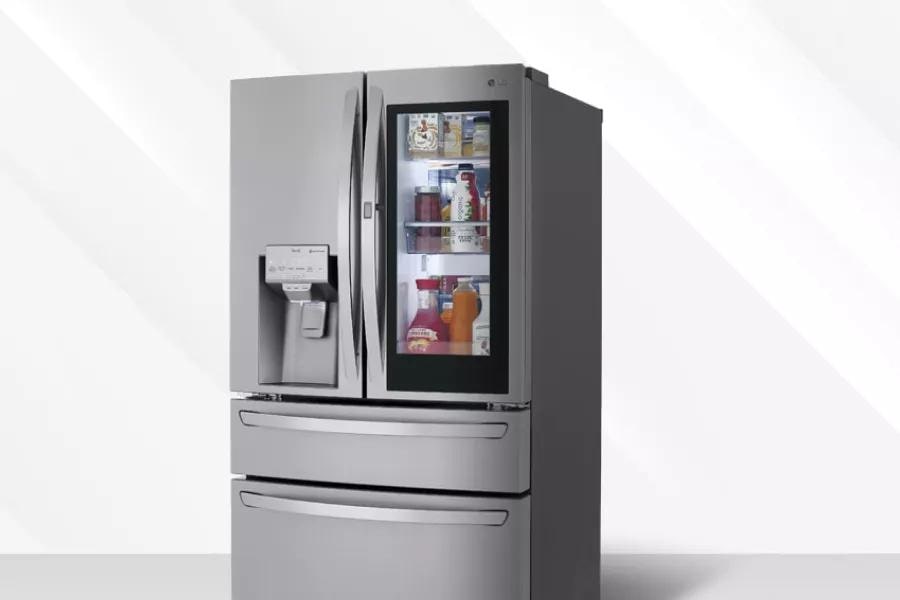
The side-by-side splits the interior vertically — fridge on the right, freezer on the left, both running the full height of the unit. You open either the fridge door or the freezer door to access tall, narrow compartments.
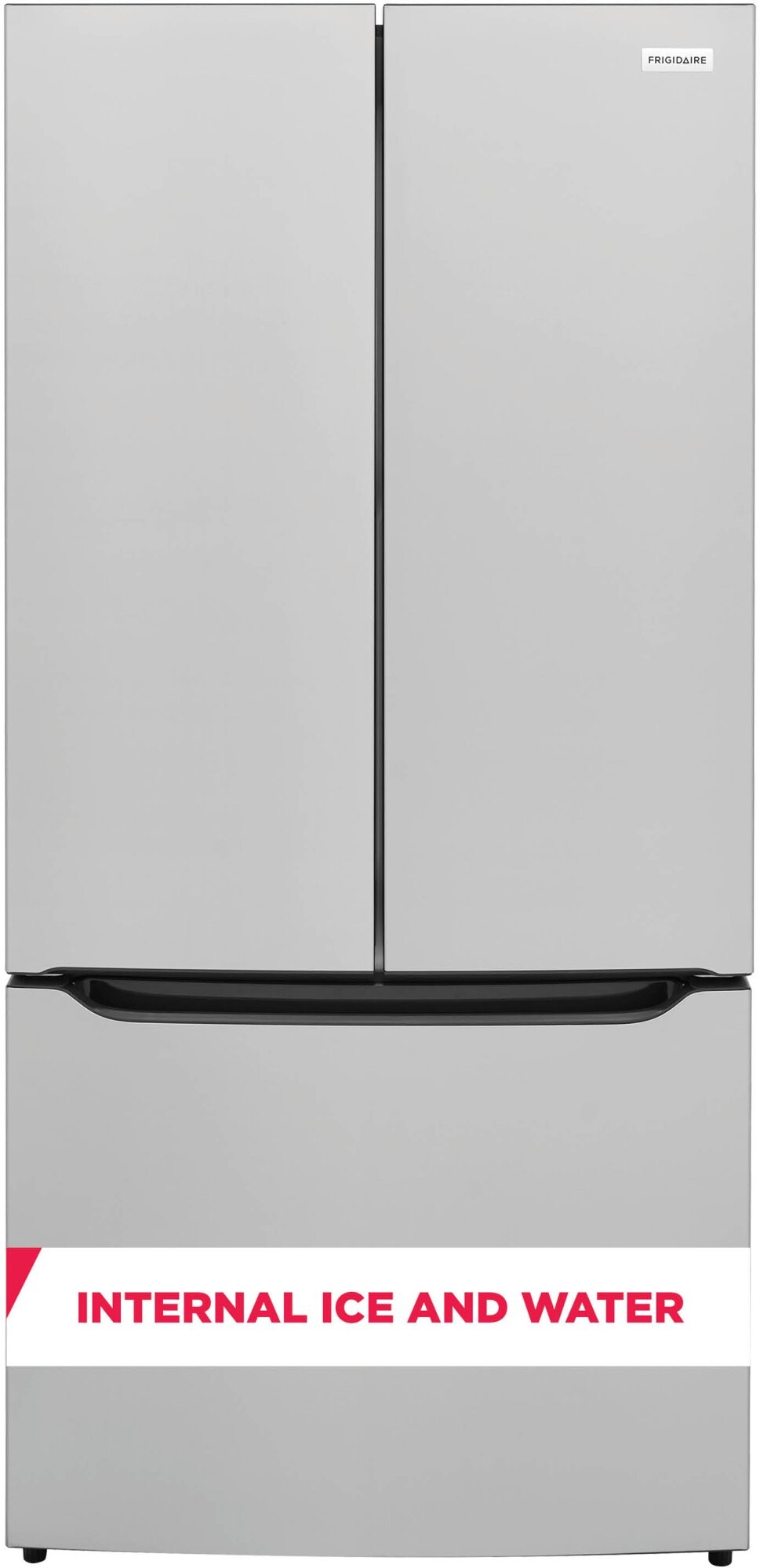
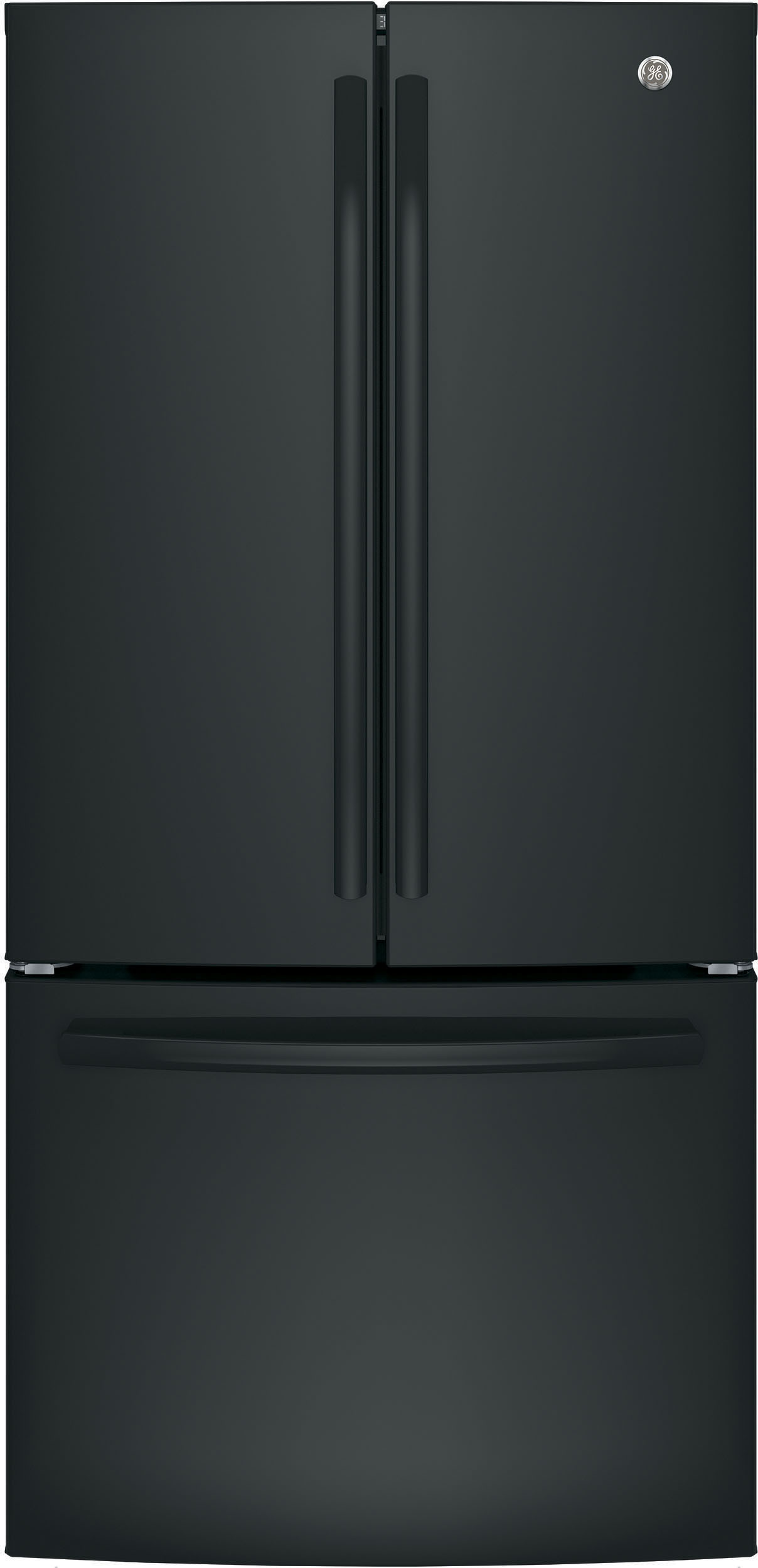
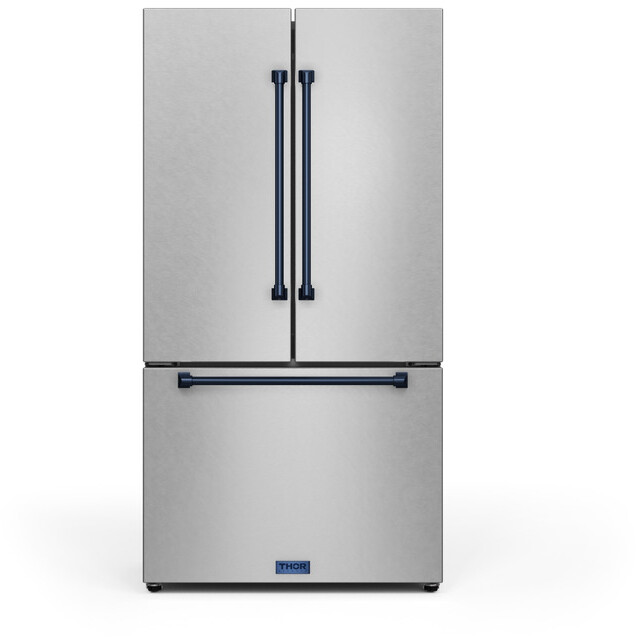
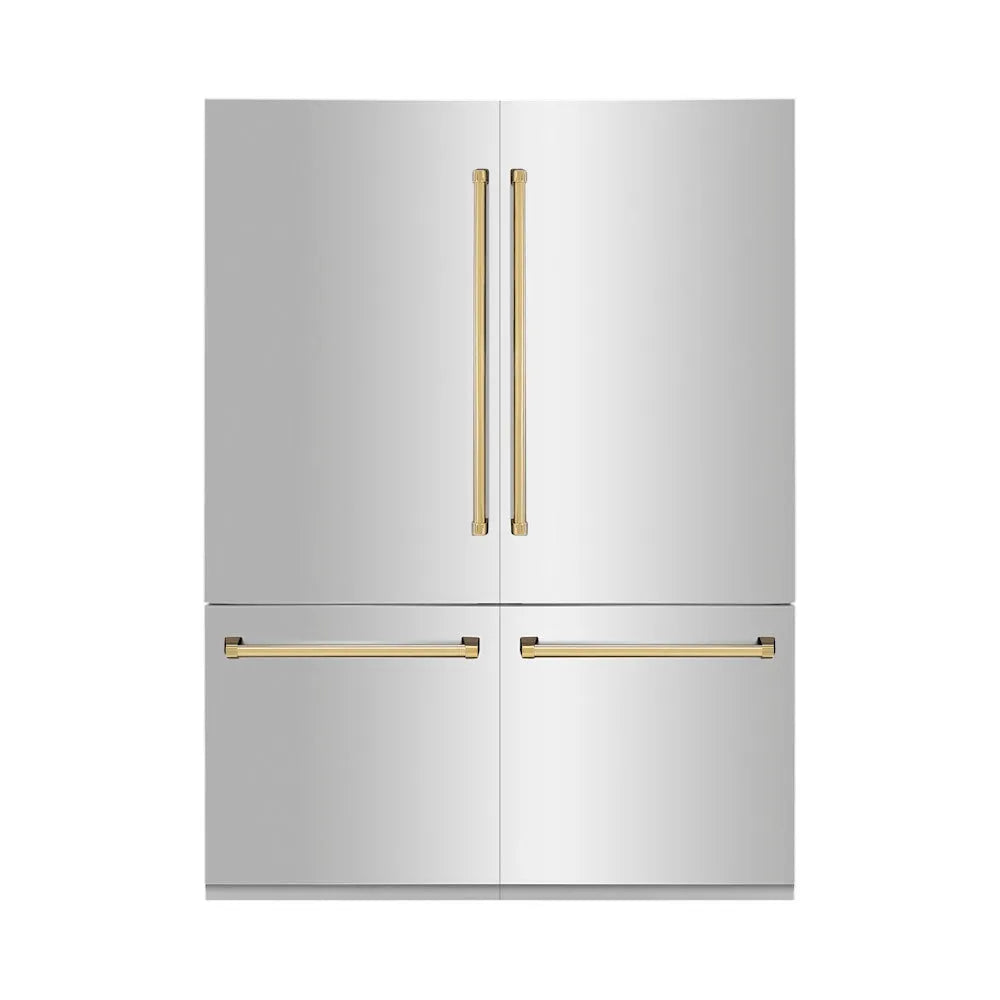
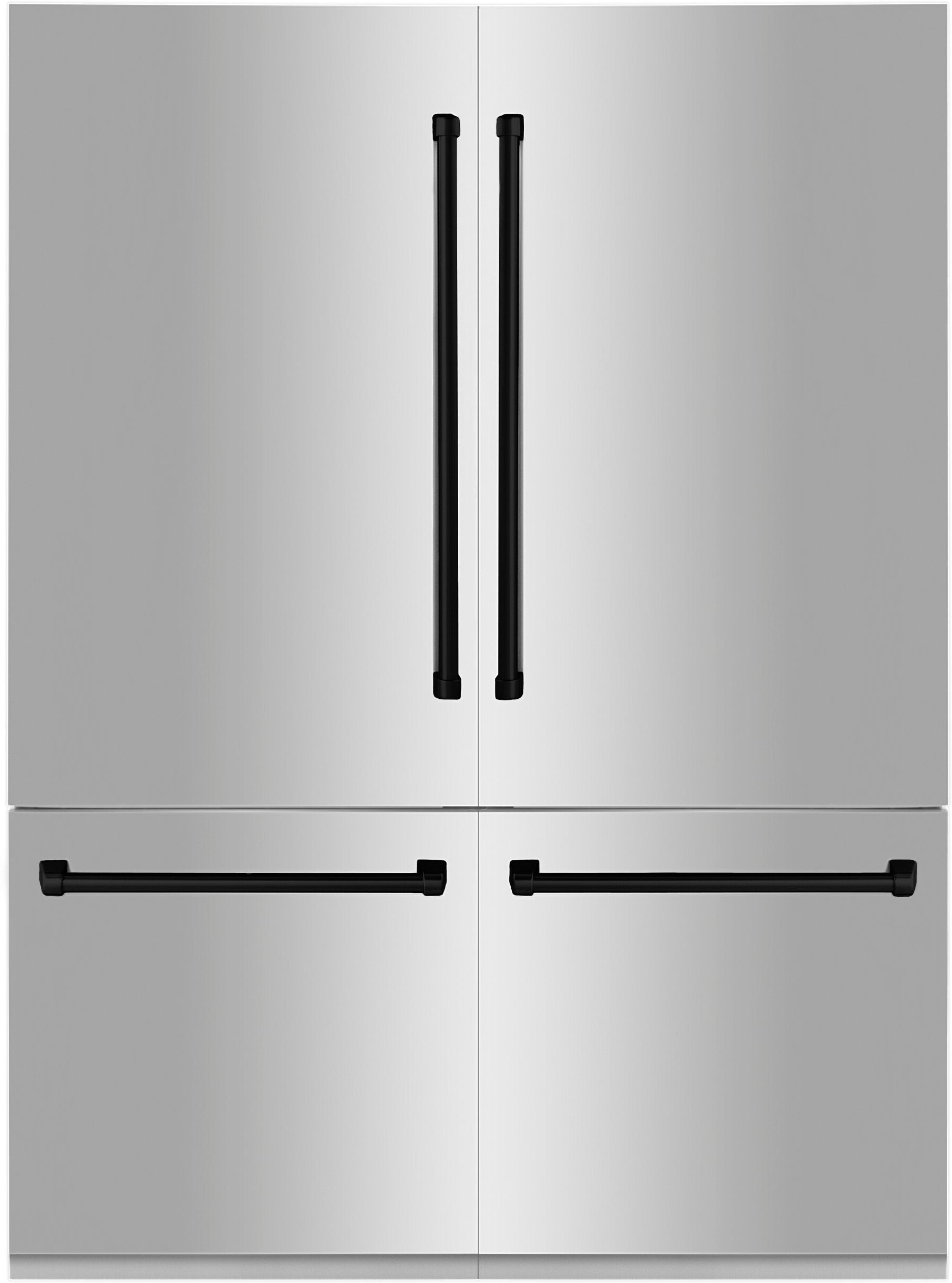
This is the single biggest practical difference. French door wide shelves (28-33 inches) hold party platters, sheet pans, large casserole dishes, and wide containers flat. Side-by-side narrow shelves (14-17 inches) cannot accommodate these items. If you cook for gatherings, prep sheet pan meals, or store wide containers regularly, French door is the decisive winner.
Side-by-side shelves excel at tall, narrow items — bottles, tall containers, and vertically oriented packages. The full-height format maximizes vertical space utilization. Both sides offer door bins at every height, and side-by-side doors in particular provide generous storage for bottles and condiments.
The Freezer Access Debate
This is the second biggest difference. Side-by-side freezers sit at eye level with shelves and door bins — you see and reach everything without bending. Finding a specific frozen item is quick — scan the visible shelves, grab what you need. For households that access the freezer 3+ times daily, this matters.
French door bottom freezers require bending to a pull-out drawer. Items stack in layers — the deepest items require lifting others to reach. Freezer organization is more challenging than the side-by-side's shelved format. For households that access the freezer once or twice daily, the bending is an acceptable trade-off for the superior fridge ergonomics above.
Door Swing
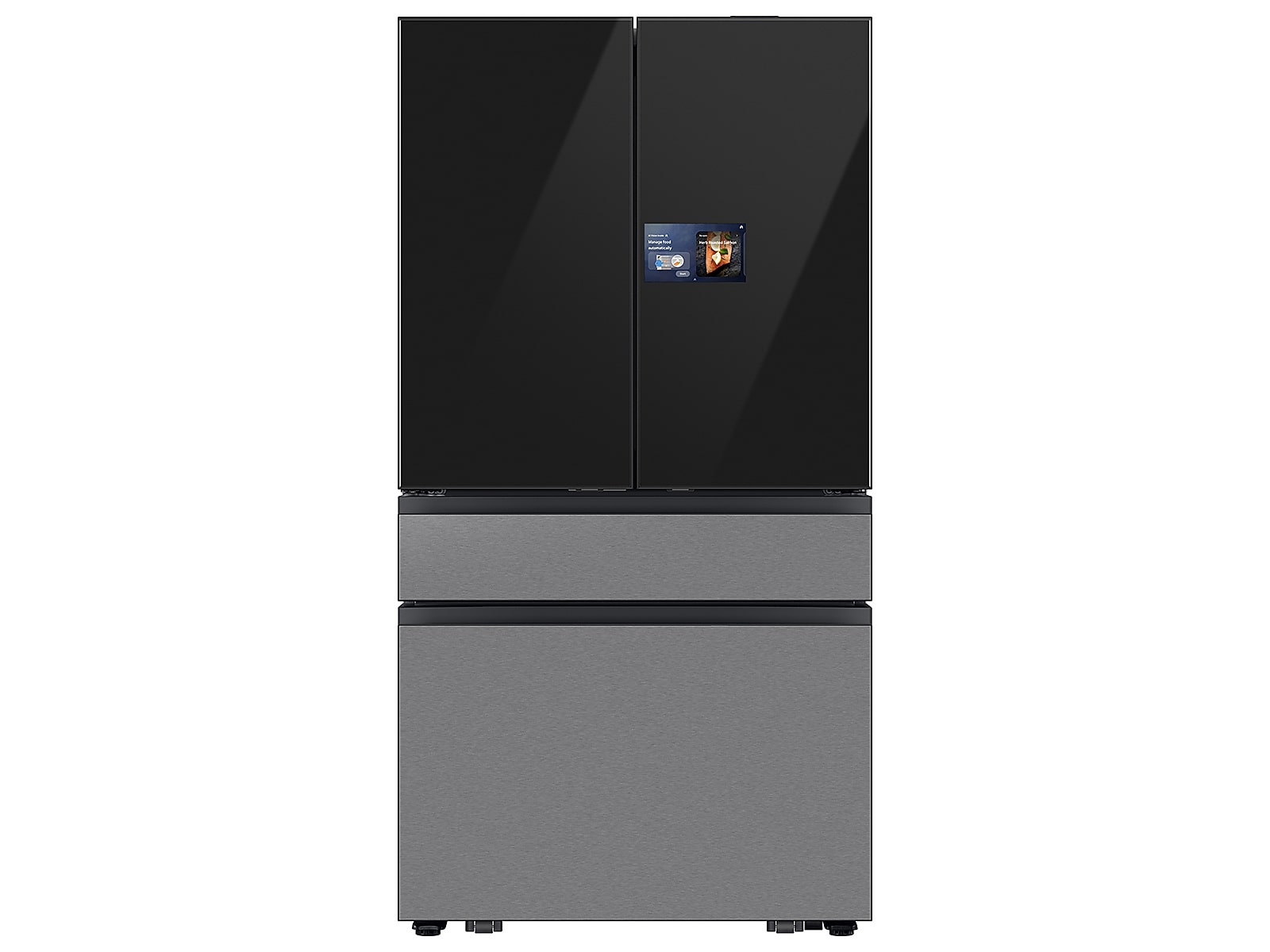
Both configurations offer full feature sets at mid-range and above — adjustable shelving, humidity crispers, ice makers, water dispensers, digital controls, LED lighting, and smart connectivity on premium models. French door models are the flagship configuration for most brands — Samsung Family Hub, LG InstaView, and KitchenAid premium features launch in French door first.
Side-by-side models have a slight edge on through-the-door ice/water dispensers — the vertical freezer section positions the mechanism ideally. French door dispensers work well but may be positioned differently depending on the brand.
Pricing
Choose side-by-side if you access the freezer frequently and want eye-level frozen access without bending, if you prefer more freezer capacity (7-10 cu ft vs. 5-9), if you want the most affordable dual-door configuration, if you value generous door storage for bottles and condiments, or if you store mostly narrow items rather than wide platters.
Choose French door if you cook with wide ingredients (platters, sheet pans, casseroles), if you access the fridge 3 to 5 times more than the freezer, if you want the widest possible fridge shelves and the most fresh food storage, or if you want the most feature-rich flagship models from every brand.
Frequently Asked Questions
What is a French door refrigerator?
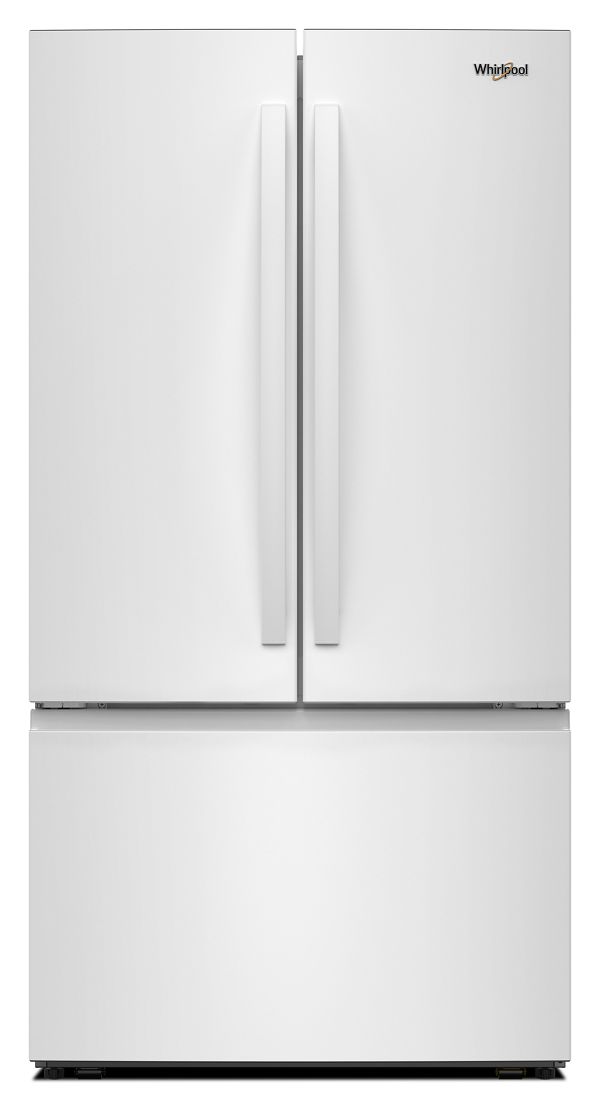
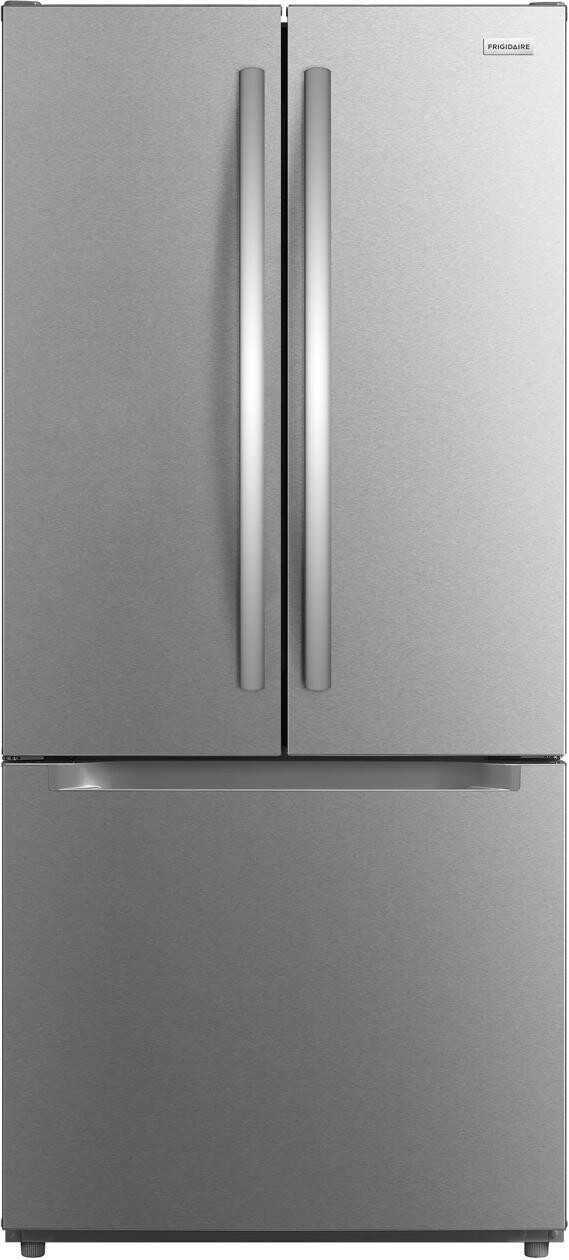
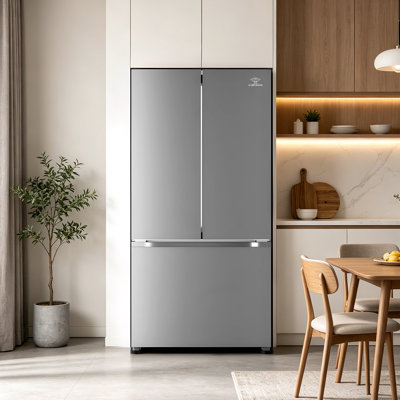
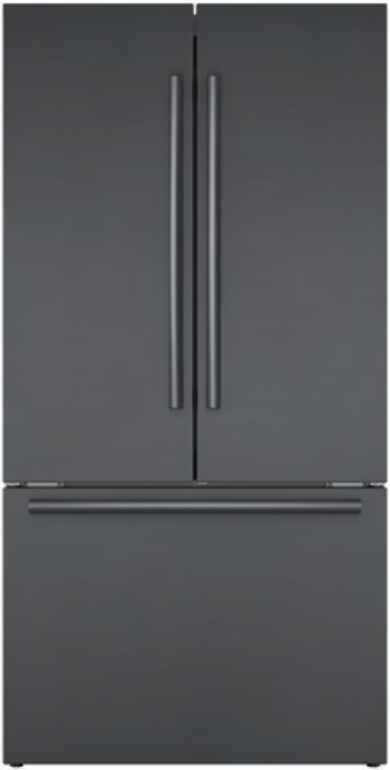
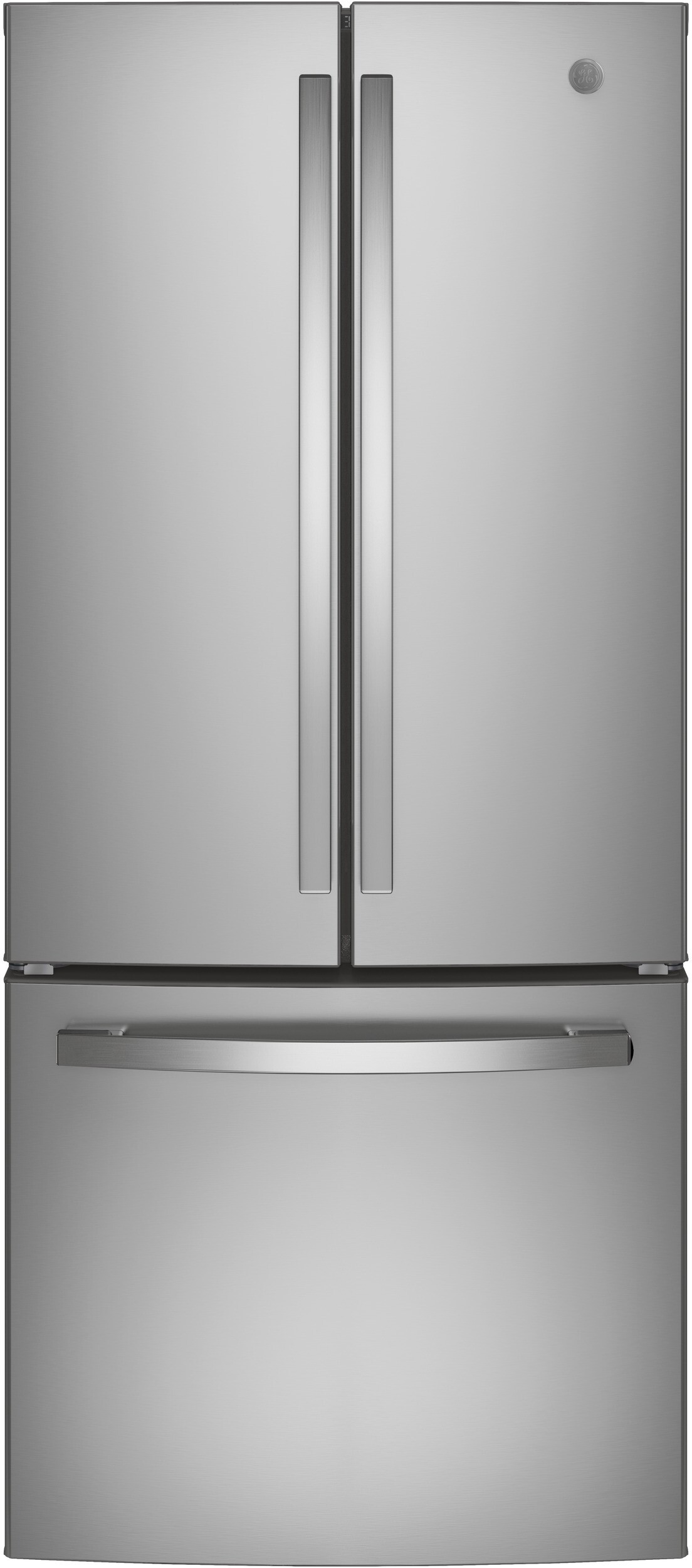
A French door refrigerator has two side-by-side doors on top that open to a full-width fridge section, with a pull-out freezer drawer below. The fresh food compartment sits at eye level with shelves 28 to 33 inches wide.
What is a side-by-side refrigerator?
A side-by-side refrigerator has two vertical compartments running the full height of the unit — the fridge on one side and the freezer on the other. Both compartments use shelves and door bins from top to bottom.
What are the main differences between French door and side-by-side refrigerators?
The main differences are shelf width (French door shelves span 28-33 inches versus 14-17 inches in a side-by-side), freezer access (eye-level shelves in a side-by-side versus a bottom pull-out drawer in a French door), storage split, and price. A typical French door offers around 27 cubic feet of total capacity versus around 21 cubic feet for a typical side-by-side.
Which holds more fresh food, French door or side-by-side?
French door. Its fridge section offers 14 to 20 cubic feet versus 12 to 16 cubic feet in a side-by-side, and its full-width shelves hold platters, sheet pans, and wide containers flat.
Which has more freezer space?
Side-by-side, with 7 to 10 cubic feet of freezer capacity versus 5 to 9 cubic feet in a French door — and the side-by-side freezer sits at eye level with shelves and door bins, so no bending is required.
Which costs less, a side-by-side or a French door refrigerator?
Side-by-side. Comparable French door models cost $400 to $1,500 more, with side-by-side units starting around $800 versus $1,200 for entry French door models.
Do both configurations fit a kitchen with an island?
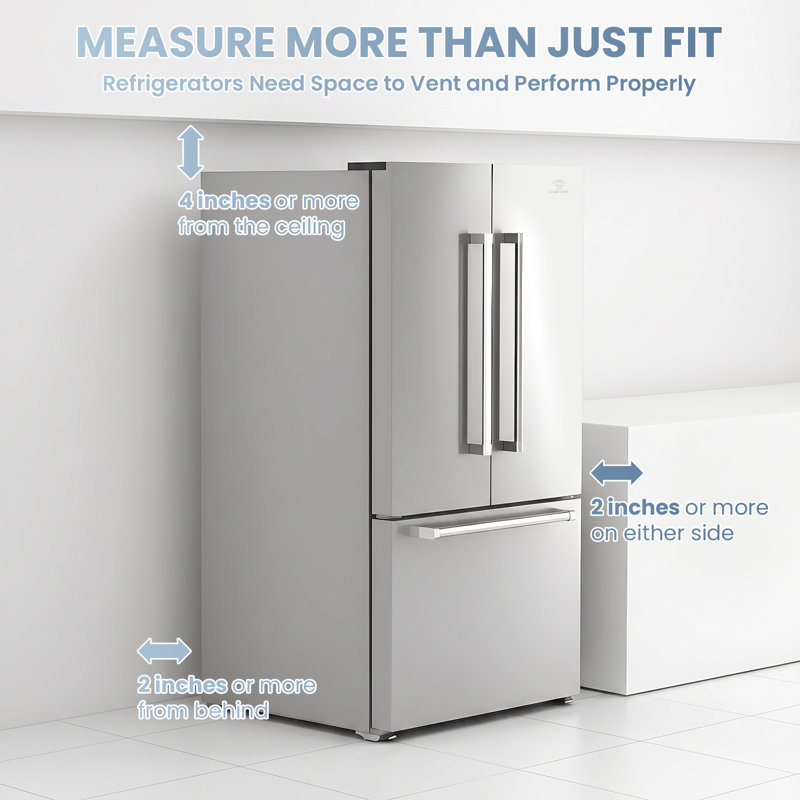
Yes. Both use dual narrow doors that each swing approximately 15 to 18 inches, so neither has a door-clearance advantage in tight kitchens.
Which refrigerator style is better for my needs?
It depends on how you store food. If you stock up on frozen goods and want eye-level freezer access at a lower price, choose side-by-side. If you buy mostly fresh groceries, cook with wide platters and sheet pans, and want flagship features, choose French door.
Compare prices on Fridge.com