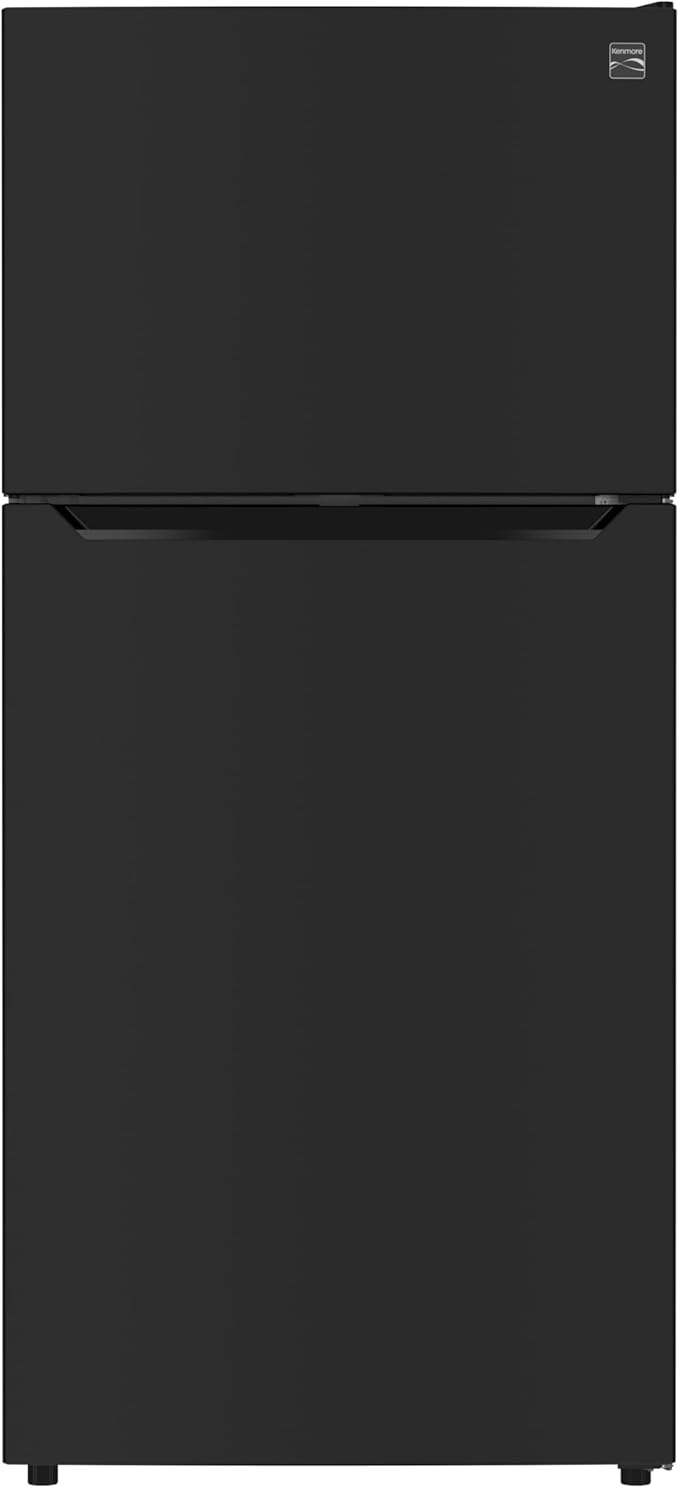
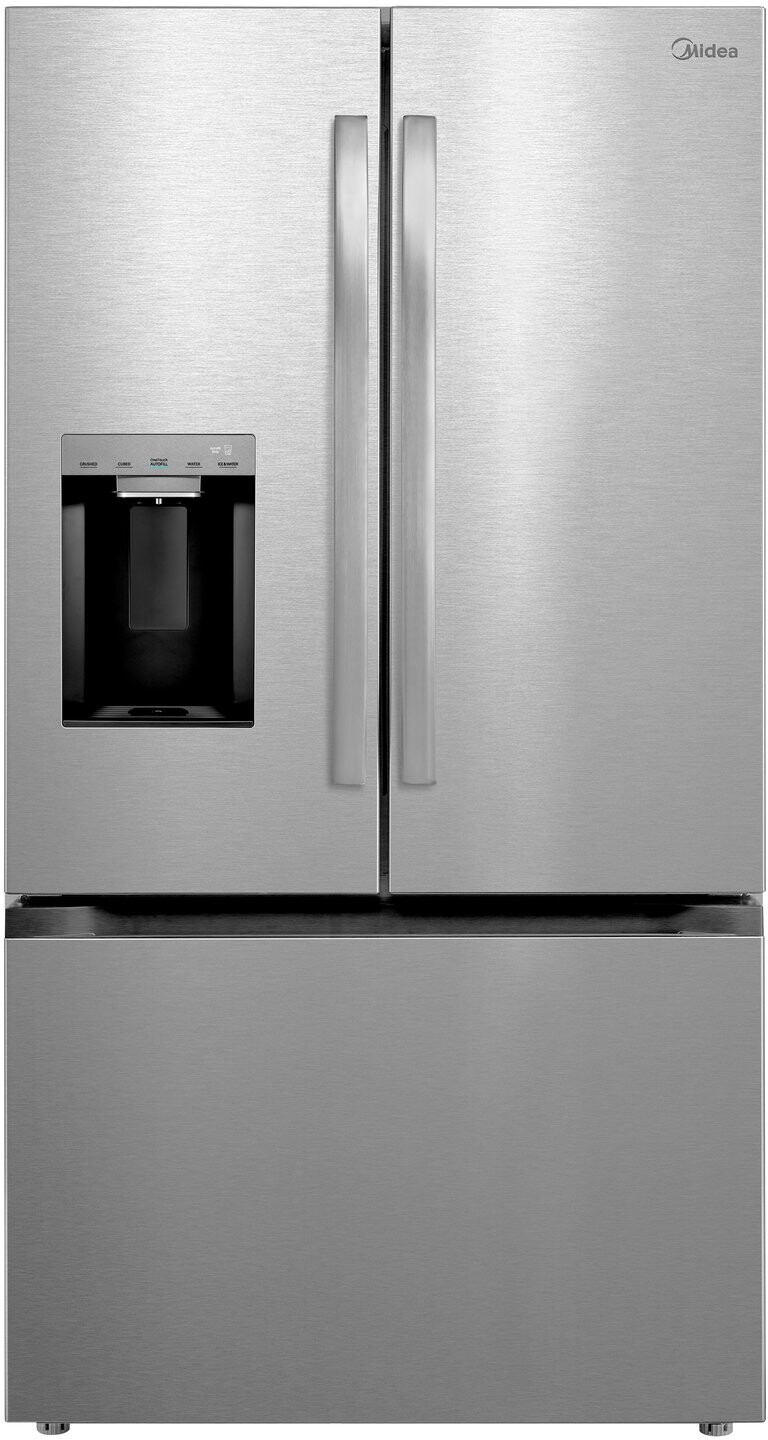
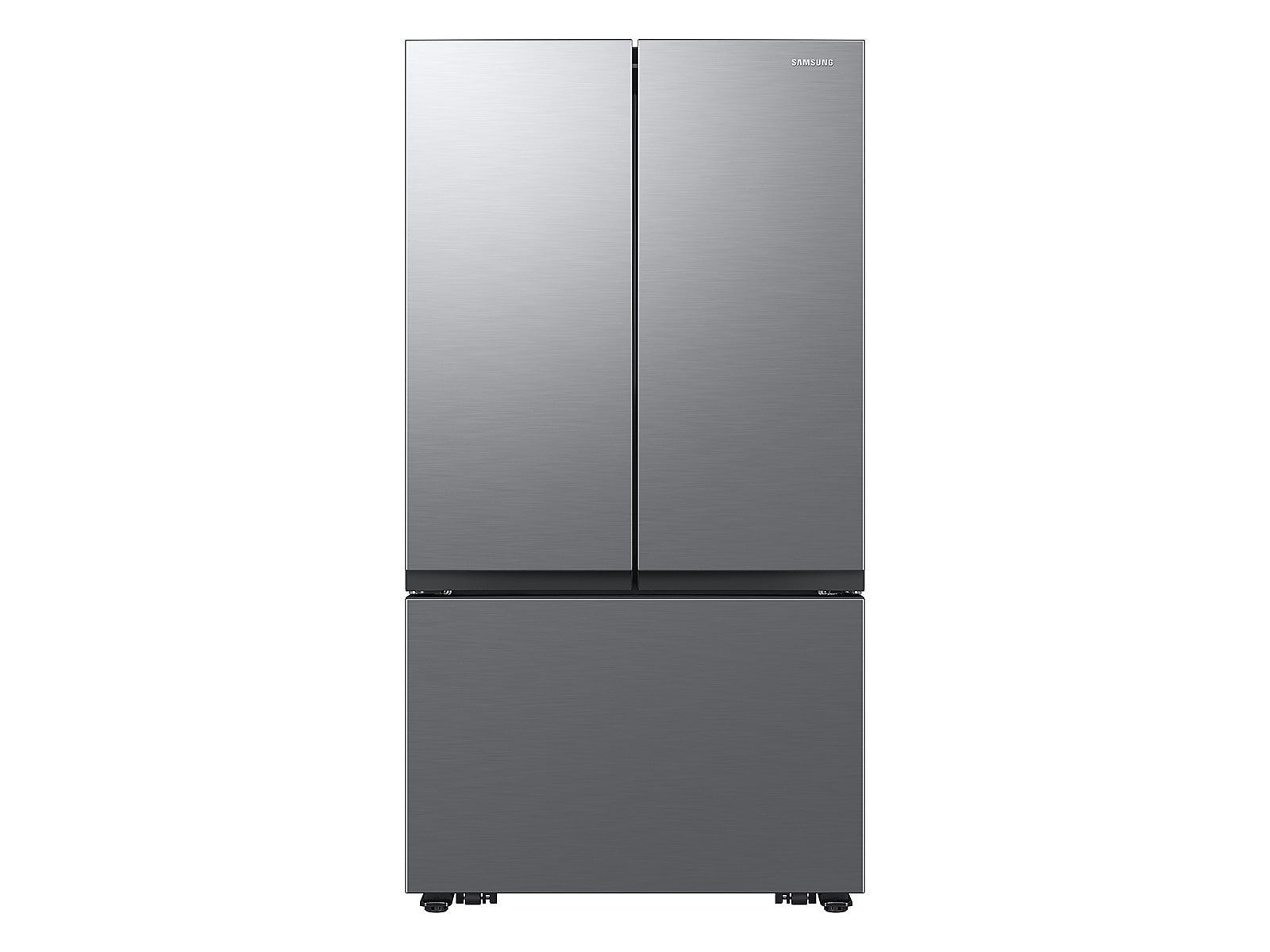
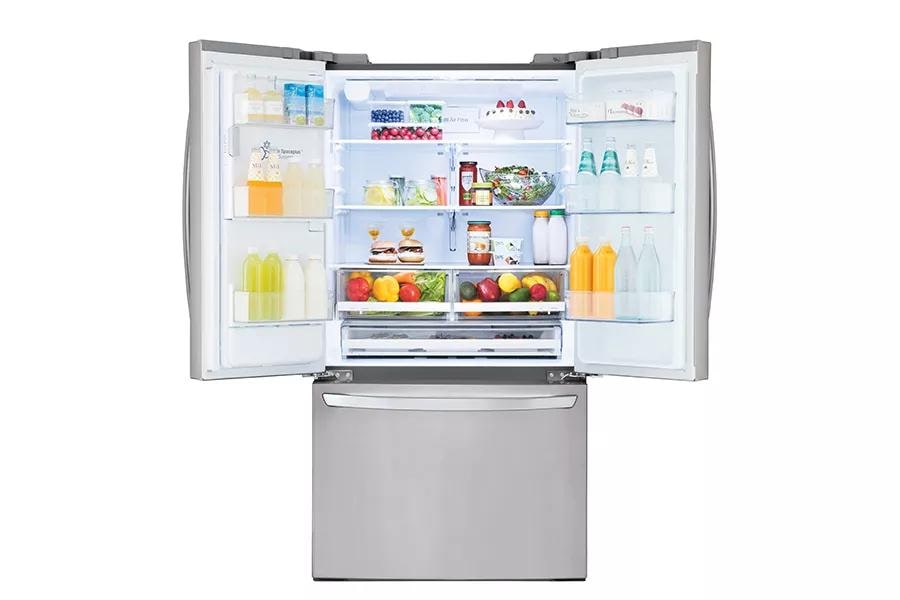
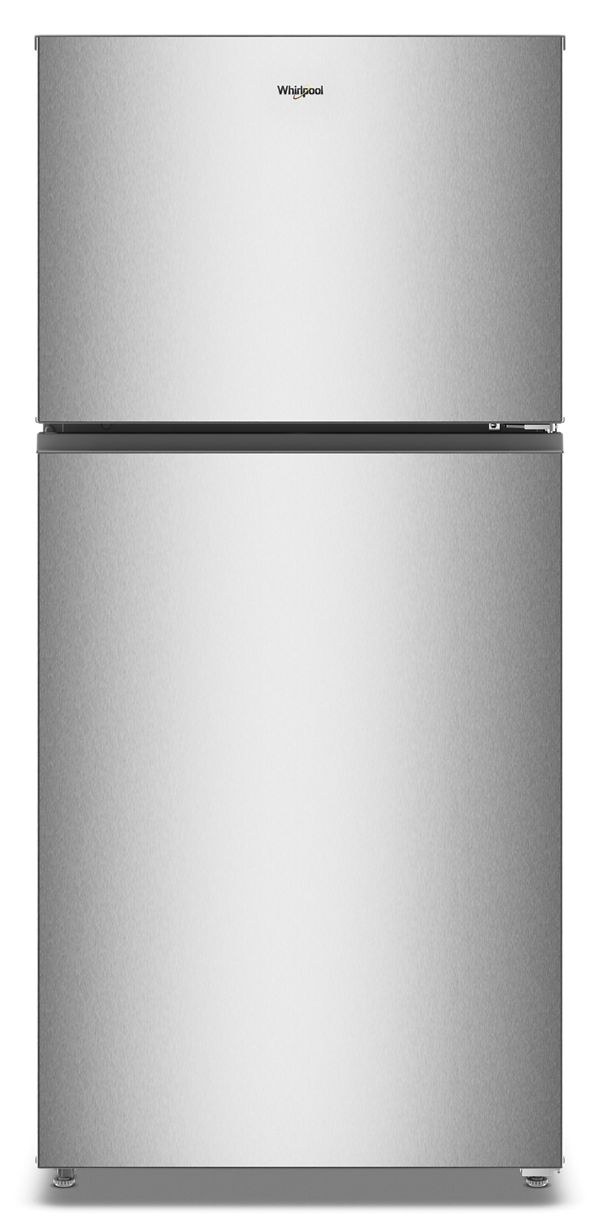
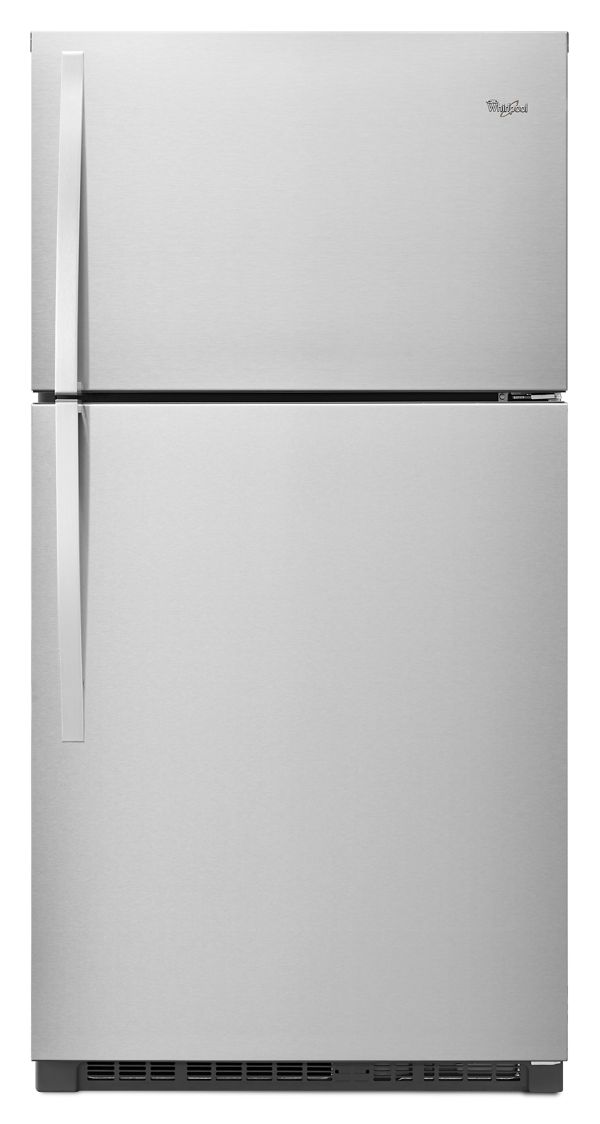
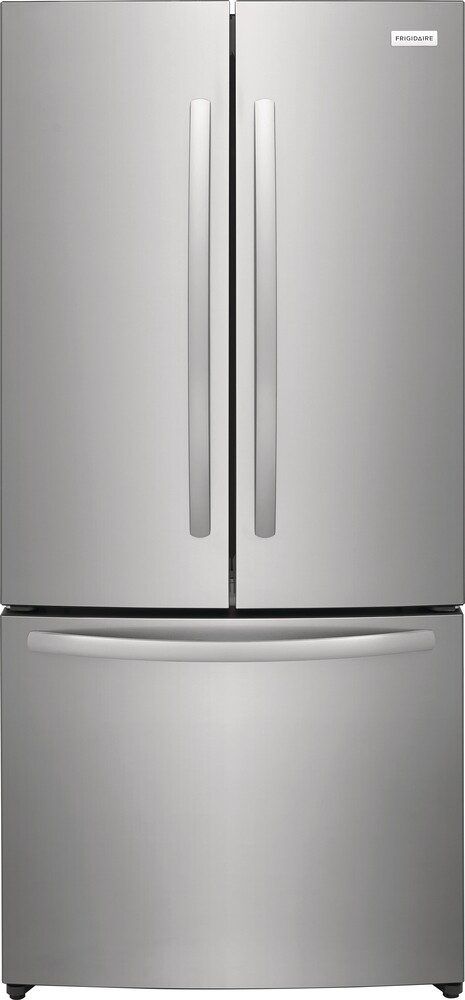
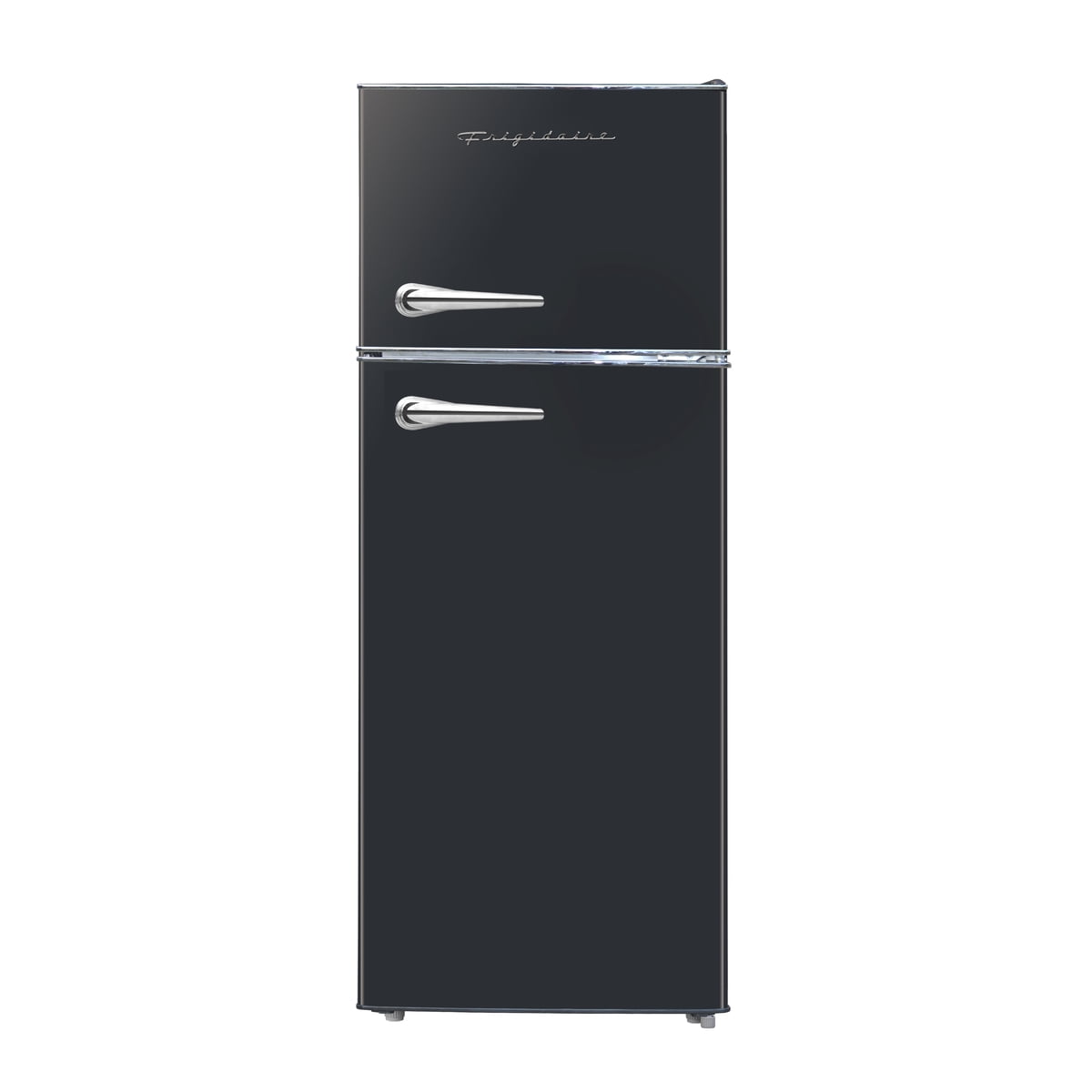
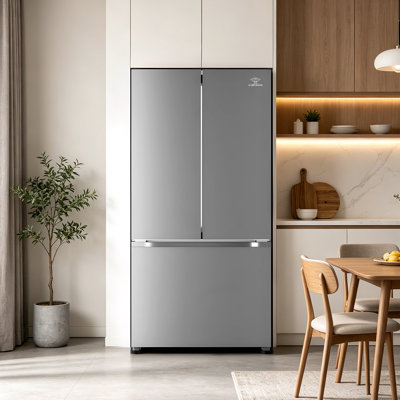
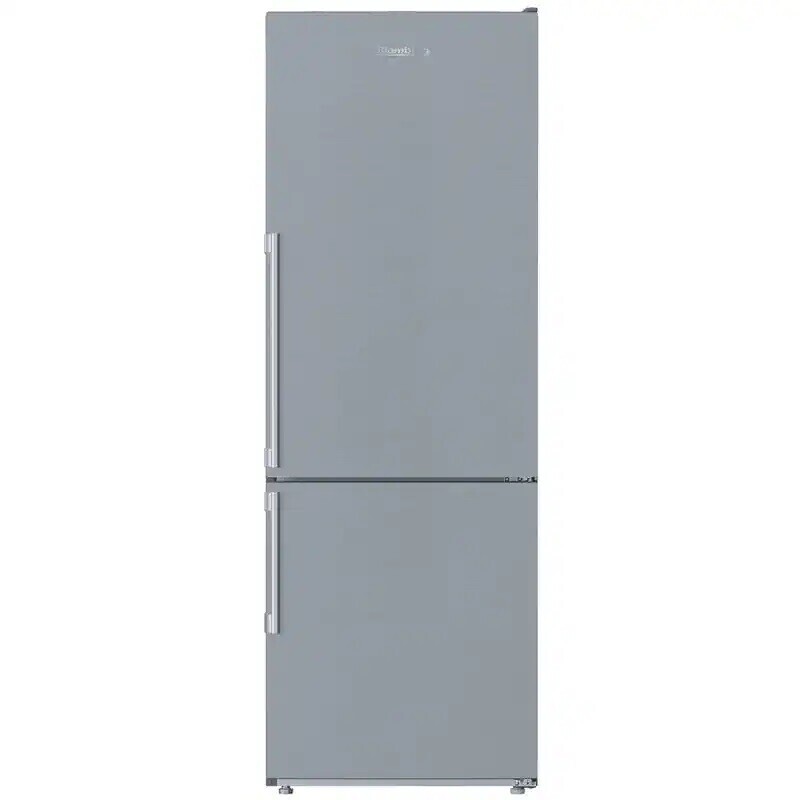
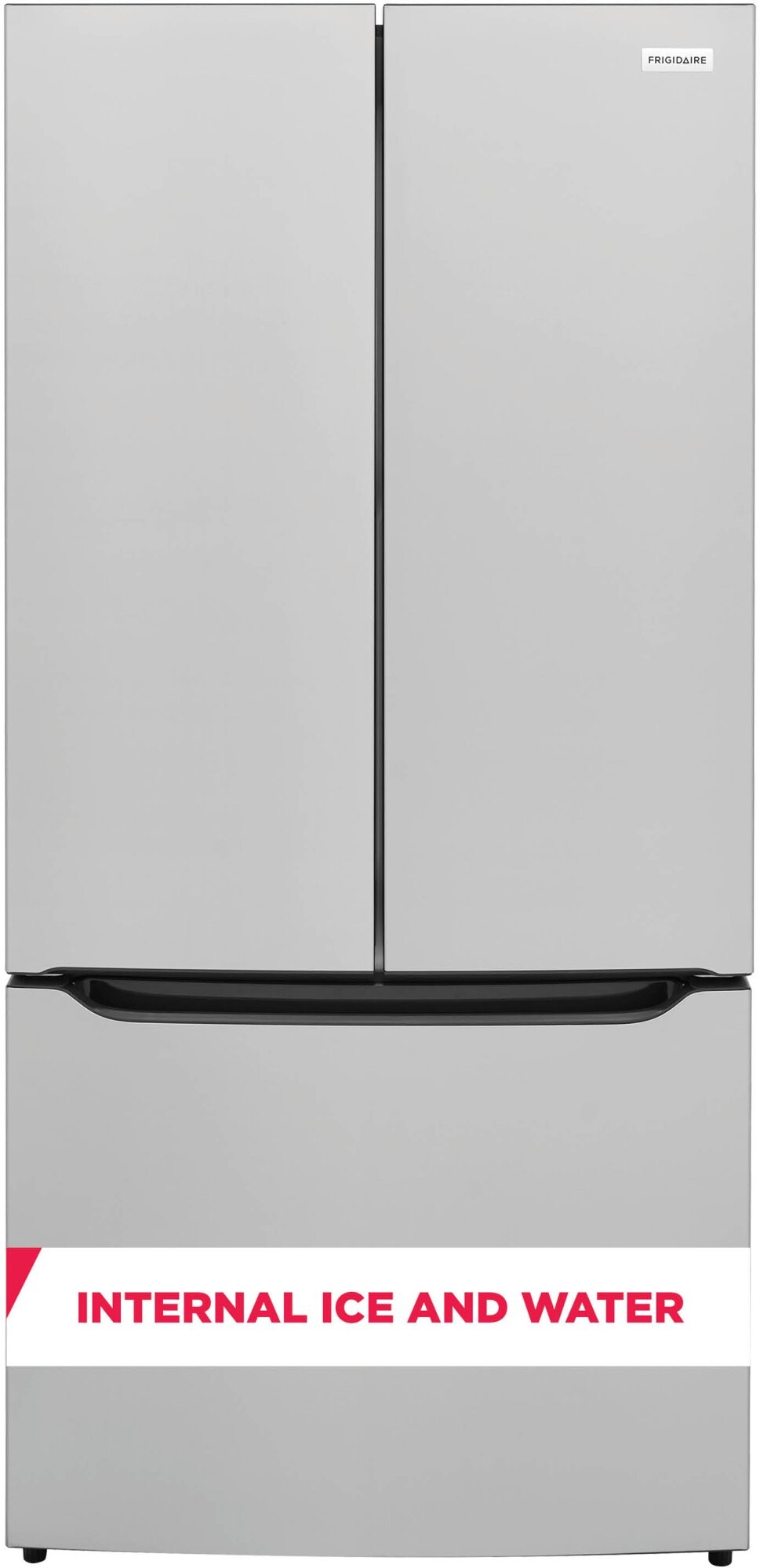
A wine refrigerator and a standard-size kitchen refrigerator serve fundamentally different purposes. A standard refrigerator stores food and beverages at 35-38°F across 18 to 30 cubic feet of space. A wine refrigerator stores wine at 45-65°F in a specialized cabinet with horizontal shelving, vibration dampening, and UV protection. Some shoppers wonder whether their kitchen fridge can double as wine storage — or whether a wine fridge can replace a standard refrigerator. The answer to both is no, and this guide explains why.
Temperature Requirements
Standard kitchen refrigerators maintain 35-38°F in the fresh food compartment and 0°F in the freezer. These temperatures keep perishable food safe by slowing bacterial growth. The FDA recommends keeping refrigerators at or below 40°F to prevent foodborne illness. Every standard refrigerator is designed around this single critical requirement.
Wine requires warmer storage temperatures. White wines store best at 45-50°F, rosé at 50-55°F, and red wines at 55-65°F. A standard refrigerator at 37°F is 8-28 degrees too cold for wine. At these temperatures, red wine loses aroma complexity and flavor depth. White wine becomes overly acidic and thin. Short-term chilling in a kitchen fridge for an hour before serving is fine, but storing wine at 37°F for weeks or months damages the wine's character.
Wine refrigerators maintain 45-65°F — a range no standard kitchen refrigerator offers. Dual-zone wine fridges maintain two separate temperatures simultaneously, allowing reds and whites to coexist at their ideal conditions. This temperature precision is the primary reason wine fridges exist as a separate appliance category.
Size and Capacity
Appliance
Width
Height
Depth
Capacity
Standard Refrigerator (top freezer)
28-32 in
61-66 in
28-34 in
14-21 cu ft
Standard Refrigerator (French door)
30-36 in
68-70 in
29-36 in
20-30 cu ft
Standard Refrigerator (side-by-side)
33-36 in
65-71 in
29-35 in
22-28 cu ft
Wine Refrigerator (under-counter)
15-24 in
32-34 in
22-25 in
20-60 bottles
Wine Refrigerator (floor-standing)
24-28 in
50-72 in
24-27 in
40-300 bottles
Standard refrigerators are measured in cubic feet because they store a variety of food shapes and sizes. Wine refrigerators are measured in bottle count because the entire interior is optimized for one specific item — standard 750ml Bordeaux bottles laid on their sides. A 24-inch wide, 34-inch tall under-counter wine fridge holds 40-60 bottles in the same cabinet space that a standard refrigerator uses for a fraction of its food storage capacity.
Standard refrigerators use flat adjustable glass or wire shelves, crisper drawers for produce, door bins for condiments and beverages, and deli drawers for meats and cheeses. The interior is a multi-purpose storage environment designed for the widest possible variety of food items. Temperature zones within the fridge (crisper vs. upper shelf vs. door) allow different foods to store at slightly different conditions.
Wine refrigerators use horizontal wooden or wire racks with scalloped slots that cradle individual bottles. Each shelf slides out on smooth ball-bearing glides for easy bottle access. The entire interior serves one purpose — holding wine bottles horizontally at the correct temperature. There are no drawers, no door bins, no ice makers. Every cubic inch is dedicated to bottle storage.
Standard kitchen refrigerators generate moderate vibration from the compressor, ice maker, and defrost cycle. These appliances are not designed to minimize vibration because food is not vibration-sensitive. The compressor kicks on and off throughout the day, creating intermittent vibration that transfers through the shelving to the contents.
Wine refrigerators are engineered to minimize vibration. Rubber-mounted compressors, vibration-dampened shelving (often beechwood on rubber grommets), and smooth-running fans reduce the vibration that reaches each bottle. Vibration disturbs sediment in aging wine and can accelerate chemical reactions that degrade wine quality over time. For serious collectors aging wine for years, vibration control matters.
Humidity
Standard refrigerators maintain low humidity in the main compartment (30-40% RH) because low humidity helps preserve most foods and prevents mold growth. Crisper drawers with adjustable humidity slides provide 80-95% RH for produce. The overall environment is too dry for wine corks.
Wine requires 50-70% relative humidity to keep natural corks moist and sealed. A dry cork shrinks, allowing air into the bottle and oxidizing the wine. Wine refrigerators maintain moderate humidity because their warmer operating temperature (45-65°F vs. 37°F) extracts less moisture from the air, and the sealed cabinet with minimal door opening maintains humidity naturally. This difference is critical for bottles stored more than a few months.
Standard refrigerators have solid doors that block all light — UV protection is inherent. When the door opens, interior LED lights illuminate the contents but exposure is brief. UV is not a concern for standard food storage.
Wine refrigerators typically feature glass doors for display purposes. These doors use UV-tinted or UV-coated double-pane tempered glass that blocks 95% or more of harmful UV radiation. UV light degrades tannins and pigments in wine, causing premature aging and off-flavors. The glass door balances display aesthetics with wine protection.
Energy Consumption
Appliance
Annual kWh
Annual Cost (avg)
Standard Refrigerator (top freezer, 18 cu ft)
350-450 kWh
$45-$58
Standard Refrigerator (French door, 25 cu ft)
500-700 kWh
$65-$90
Wine Refrigerator (50-bottle under-counter)
100-200 kWh
$13-$26
Wine Refrigerator (150-bottle floor-standing)
200-400 kWh
$26-$52
Wine refrigerators use less energy than standard refrigerators because they cool a smaller volume to a warmer temperature. The compressor works less hard to maintain 55°F than 37°F, and wine fridges have no freezer compartment consuming additional energy. ENERGY STAR certified wine refrigerators offer the best efficiency.
Standard refrigerators produce 32-47 dB depending on the model and whether the ice maker or defrost cycle is active. Modern inverter compressor models are quieter than older fixed-speed compressors. The noise is familiar background sound in most kitchens.
Wine refrigerators produce 35-45 dB with compressor cooling or 25-35 dB with thermoelectric cooling. Since wine fridges are often placed in living rooms, dining rooms, or bedrooms — quieter spaces than kitchens — noise level matters more. Thermoelectric models are the quietest option for noise-sensitive locations.
Pricing
Appliance
Budget
Mid-Range
Premium
Standard Refrigerator
$500-$1,000
$1,000-$2,500
$2,500-$10,000
Wine Refrigerator
$150-$400
$400-$1,200
$1,200-$5,000
Wine refrigerators cost less than standard refrigerators across most price tiers because they are smaller, simpler appliances without freezers, ice makers, water dispensers, or smart features. A quality 50-bottle dual-zone wine fridge costs $400-$700 — less than most mid-range kitchen refrigerators.
For short-term chilling (1-2 hours before serving), yes. Place a bottle of white wine in the kitchen fridge an hour before dinner. For storage beyond a few days, no. The 37°F temperature is too cold, the humidity is too low, the vibration is too high, and food odors can permeate natural corks and affect wine flavor. A kitchen refrigerator is a food storage appliance, not a wine storage appliance.
Standard kitchen refrigerators install in the kitchen as the primary food storage appliance. They require a dedicated space in the kitchen layout — typically 30-36 inches wide, with clearance for door swing and ventilation. Counter-depth models sit flush with 24-inch counters for a built-in look. Standard-depth models protrude 4-6 inches beyond the counter face. Most kitchen refrigerators need a water line connection for ice makers and water dispensers, adding a plumbing requirement to the installation.
Wine refrigerators offer much more flexible placement because they are secondary appliances. Undercounter wine fridges install in standard 15 or 24-inch cabinet openings using front-venting systems — popular in kitchens, home bars, butler's pantries, and dining rooms. Freestanding wine fridges need 2-4 inches of ventilation clearance and can go in any room with an outlet. Full-height wine fridges fit in basements, wine rooms, or alongside the kitchen fridge. The wine refrigerator does not compete for the kitchen fridge's space — it occupies secondary locations throughout the home where wine access is most convenient.
Noise Comparison
Standard kitchen refrigerators produce 32-47 dB during normal operation, with additional noise events from ice maker cycling, automatic defrost, and water dispensing. Modern inverter compressor models maintain quieter, more consistent operation than older fixed-speed compressors. In a kitchen with normal background sounds — cooking, conversation, dishwasher — the refrigerator noise blends into the ambient environment.
Wine refrigerators produce 35-45 dB with compressor cooling or 25-35 dB with thermoelectric cooling. Since wine fridges are often placed in quieter rooms — dining rooms, living rooms, home offices — their noise level matters more than a kitchen fridge's. Thermoelectric wine fridges are the quietest option at 25-35 dB, suitable for bedrooms and libraries, but are limited to small collections (under 30 bottles) and rooms below 77°F.
Standard kitchen refrigerators require regular maintenance: clean interior surfaces every 3-6 months, replace water filters every 6 months (models with dispensers), vacuum condenser coils annually, check door gaskets for airtight seal, and defrost the freezer if the model is not frost-free. Smart refrigerators may send maintenance reminders through companion apps. Professional servicing for compressor or sealed-system issues costs $200-$600, though many common repairs (thermostat, fan motor, gasket) are affordable DIY fixes.
Wine refrigerators need similar basic care plus wine-specific attention: clean interior surfaces every 3-6 months, vacuum condenser coils annually, replace carbon air filters every 6-12 months (equipped models), oil wooden shelves periodically with food-safe mineral oil to prevent drying and cracking, and verify the door gasket maintains a tight seal — a compromised seal causes humidity loss that dries corks and temperature fluctuations that stress wine. Both appliances last 10-15 years with proper maintenance and benefit from surge protectors to guard electronics against power spikes.
Lifespan and Cost of Ownership
Standard kitchen refrigerators last 10-18 years. French door and side-by-side models with complex ice makers, dispensers, and smart electronics tend to fall on the shorter end (10-14 years) because there are more components that can fail. Simple top-freezer models last longer (14-18 years) due to fewer failure points. Wine refrigerators using compressor cooling last 10-20 years — comparable to or better than kitchen refrigerators — because they are simpler appliances without freezers, ice makers, or water dispensers. Over a 12-year lifespan, a $1,500 kitchen fridge costs about $125/year in depreciation plus $65-$90/year in energy. A $600 wine fridge costs about $50/year in depreciation plus $15-$30/year in energy. Both are reasonable investments in proper food and wine storage.
The most frequent mistake is storing wine in a standard kitchen refrigerator long-term. Kitchen fridges maintain 35-38°F — far too cold for wine, especially reds. The low humidity (30-40%) dries out corks within weeks, and the constant vibration from a large compressor cycling on and off disturbs wine sediment. Chilling a bottle of white wine in the kitchen fridge for a few hours before dinner is perfectly fine, but using it as permanent wine storage degrades wine quality noticeably within a month.
The reverse mistake — trying to store food in a wine refrigerator — creates food safety risks. Wine fridges operate at 45-65°F, well above the FDA's recommended maximum of 40°F for perishable food storage. Dairy, meat, produce, and leftovers stored at wine-fridge temperatures enter the bacterial danger zone and can cause foodborne illness. A wine refrigerator is exclusively for wine and should never substitute for a kitchen refrigerator for food storage.
Compare prices on Fridge.com
Browse wine refrigerators and standard kitchen refrigerators. Compare dimensions, capacity, energy ratings, and prices. Every home needs a standard refrigerator — and if you drink wine regularly, a dedicated wine fridge protects your collection and improves your drinking experience.
Frequently Asked Questions
Only for short-term chilling (1-2 hours before serving). Kitchen refrigerators at 35-38°F are too cold for wine storage, with low humidity that dries corks and vibration that disturbs sediment. For storage beyond a few days, use a dedicated wine refrigerator. Shop wine fridges at Fridge.com.
From Fridge.com research
Figures below come from data Fridge.com builds and maintains. Each links to the record behind it.
Fridge.com Energy Index, built on U.S. EPA and DOE ENERGY STAR records
Across 5,455 ENERGY STAR certified refrigerators and freezers from 263 brands, median use is 360 kWh per year.