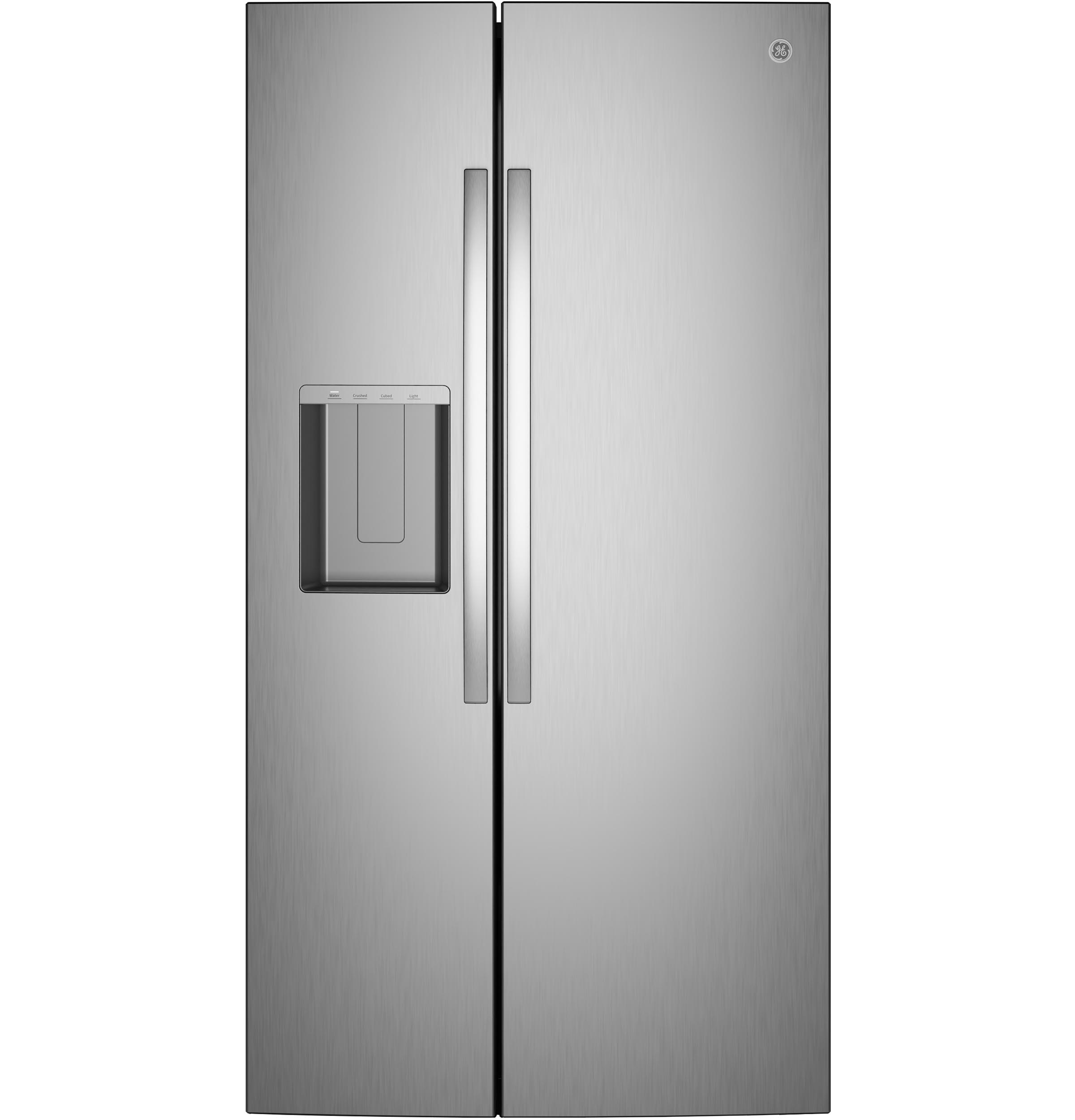
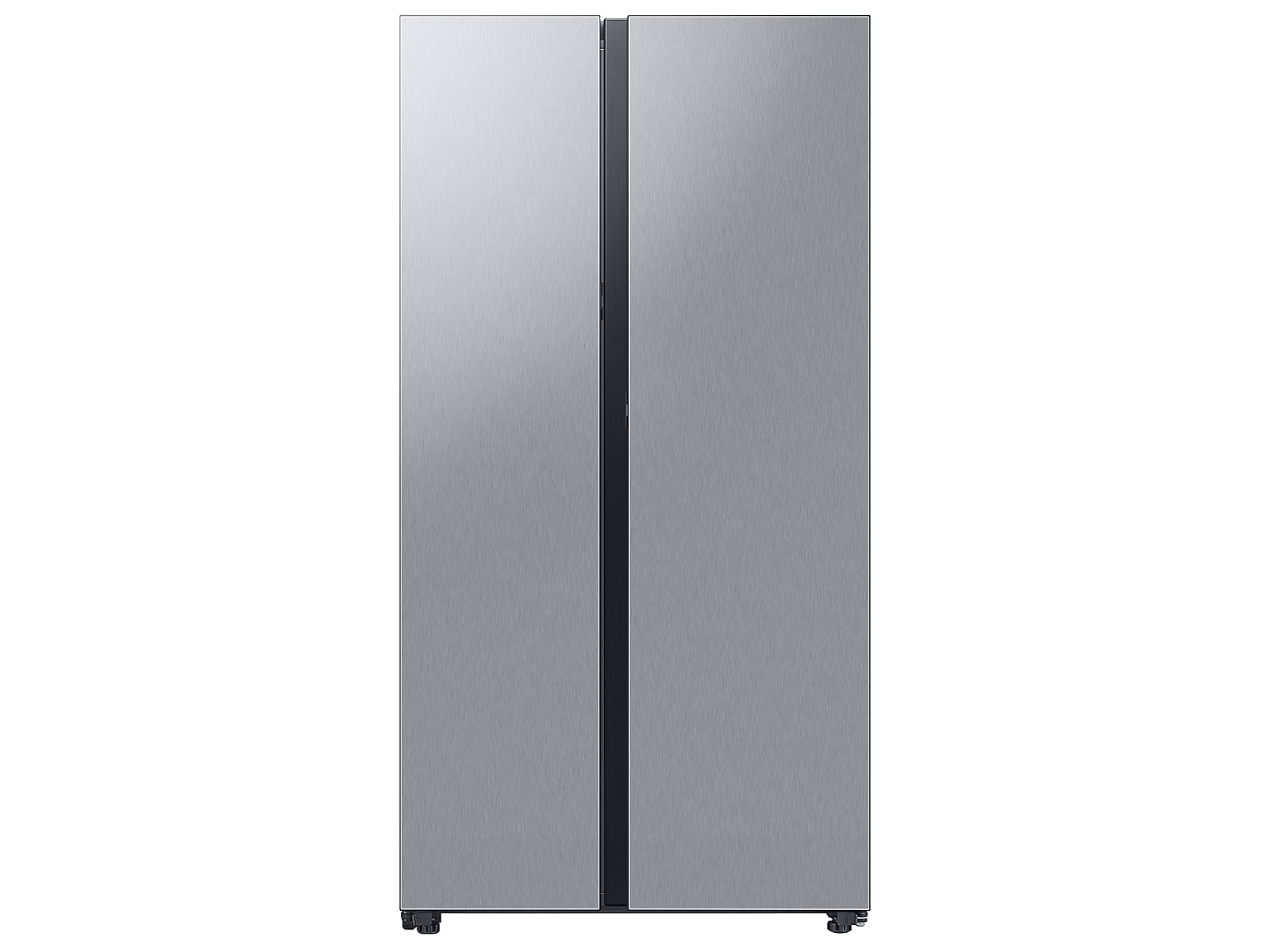
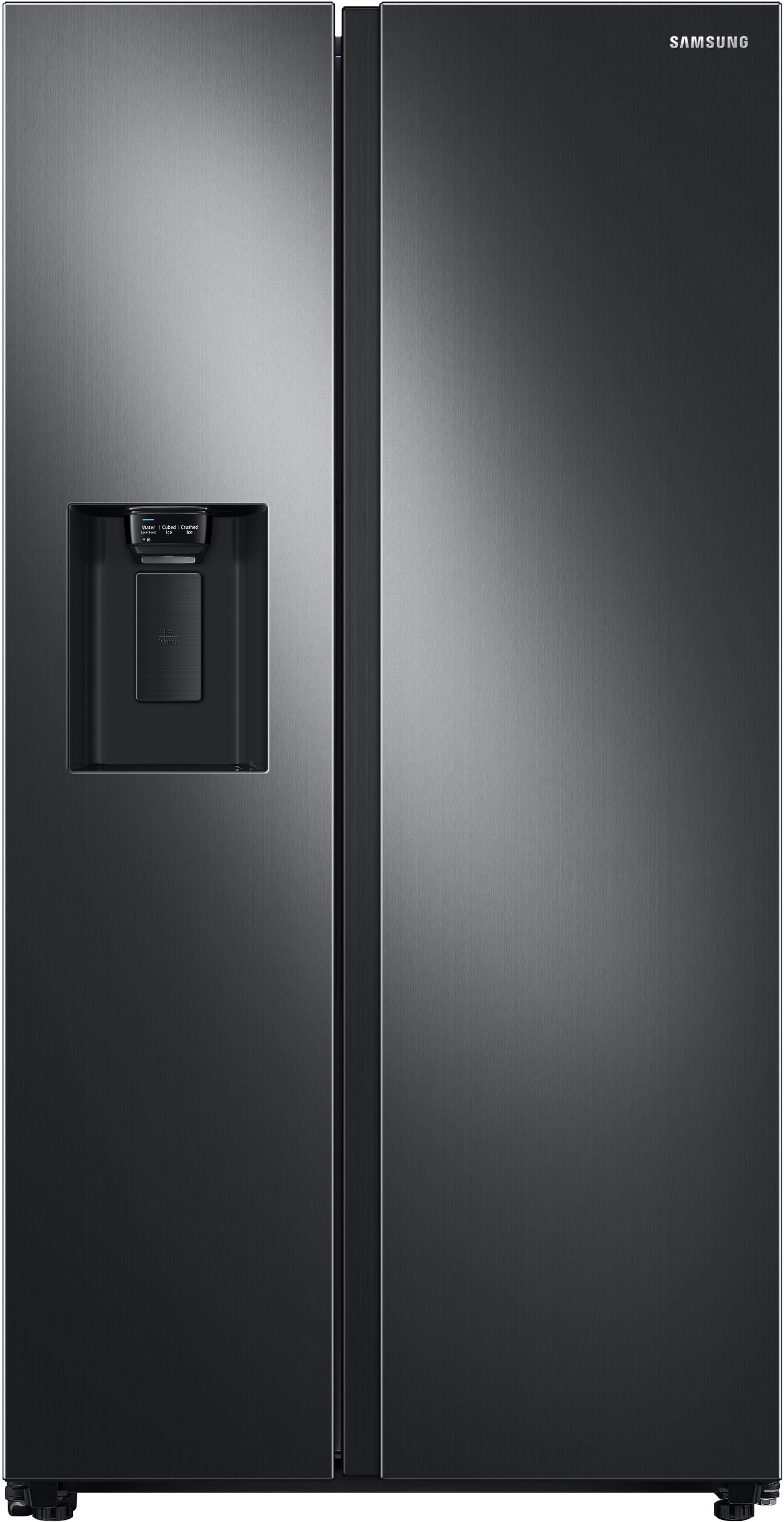
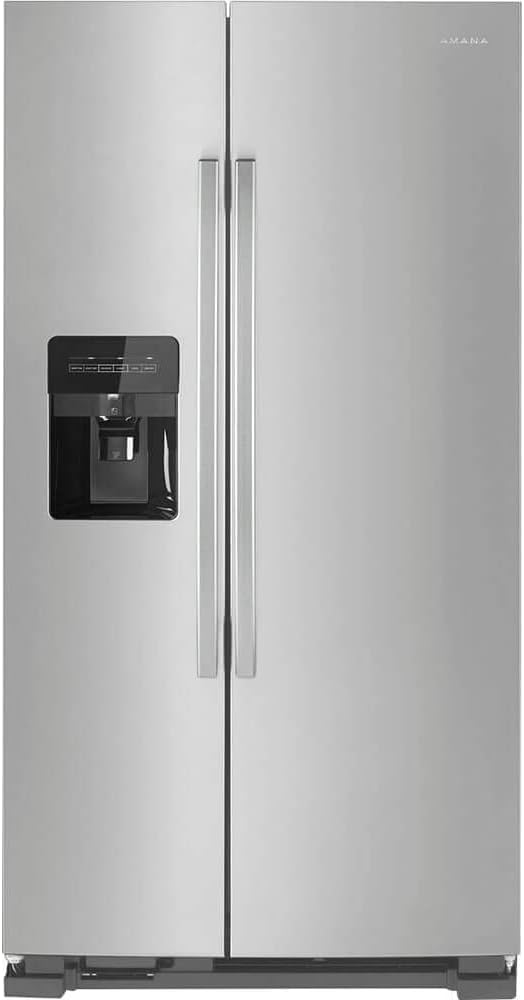
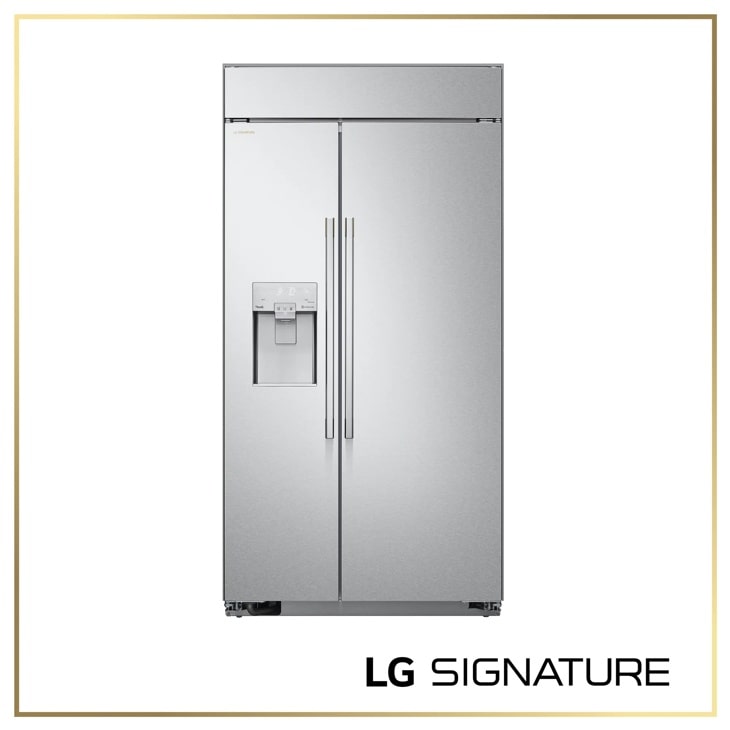
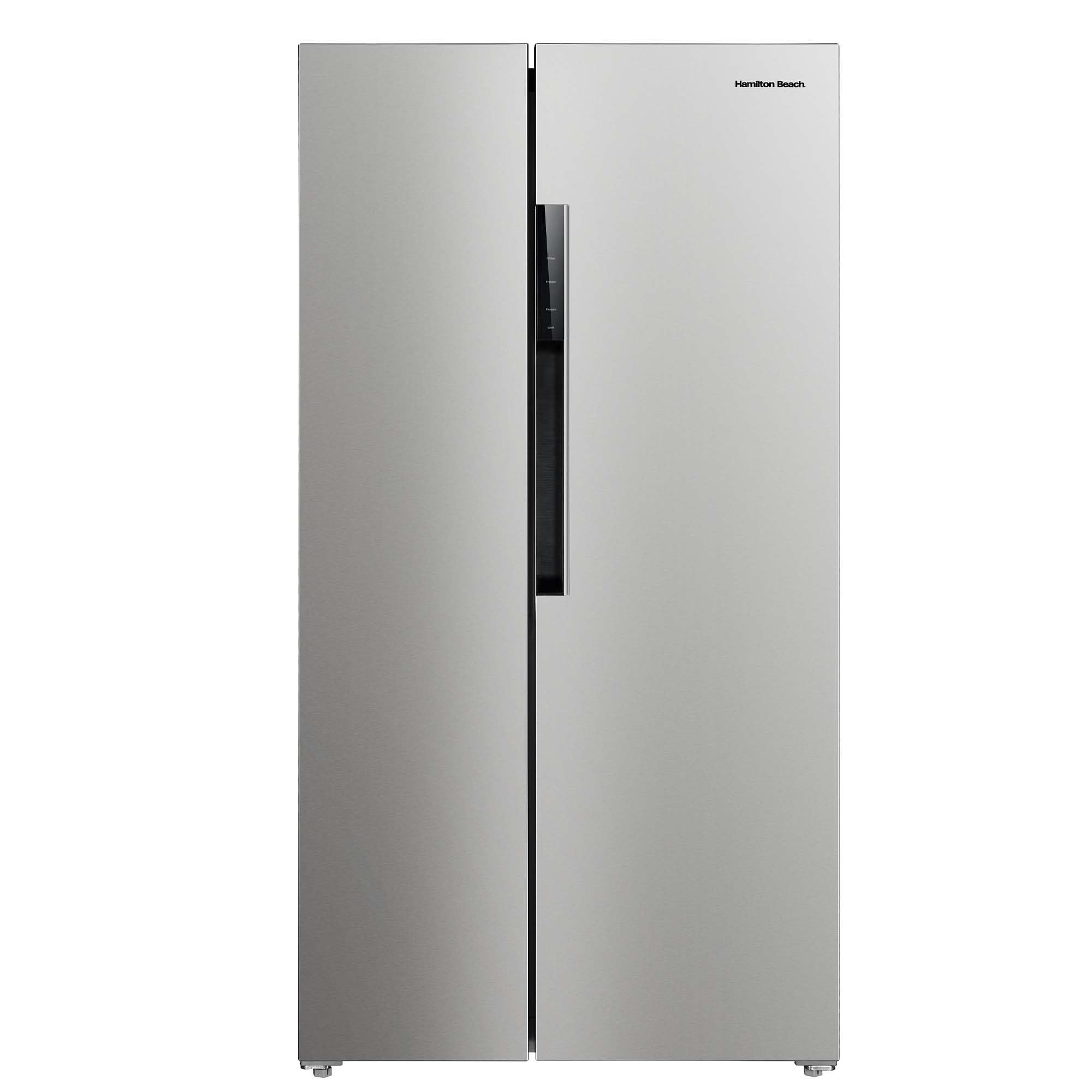
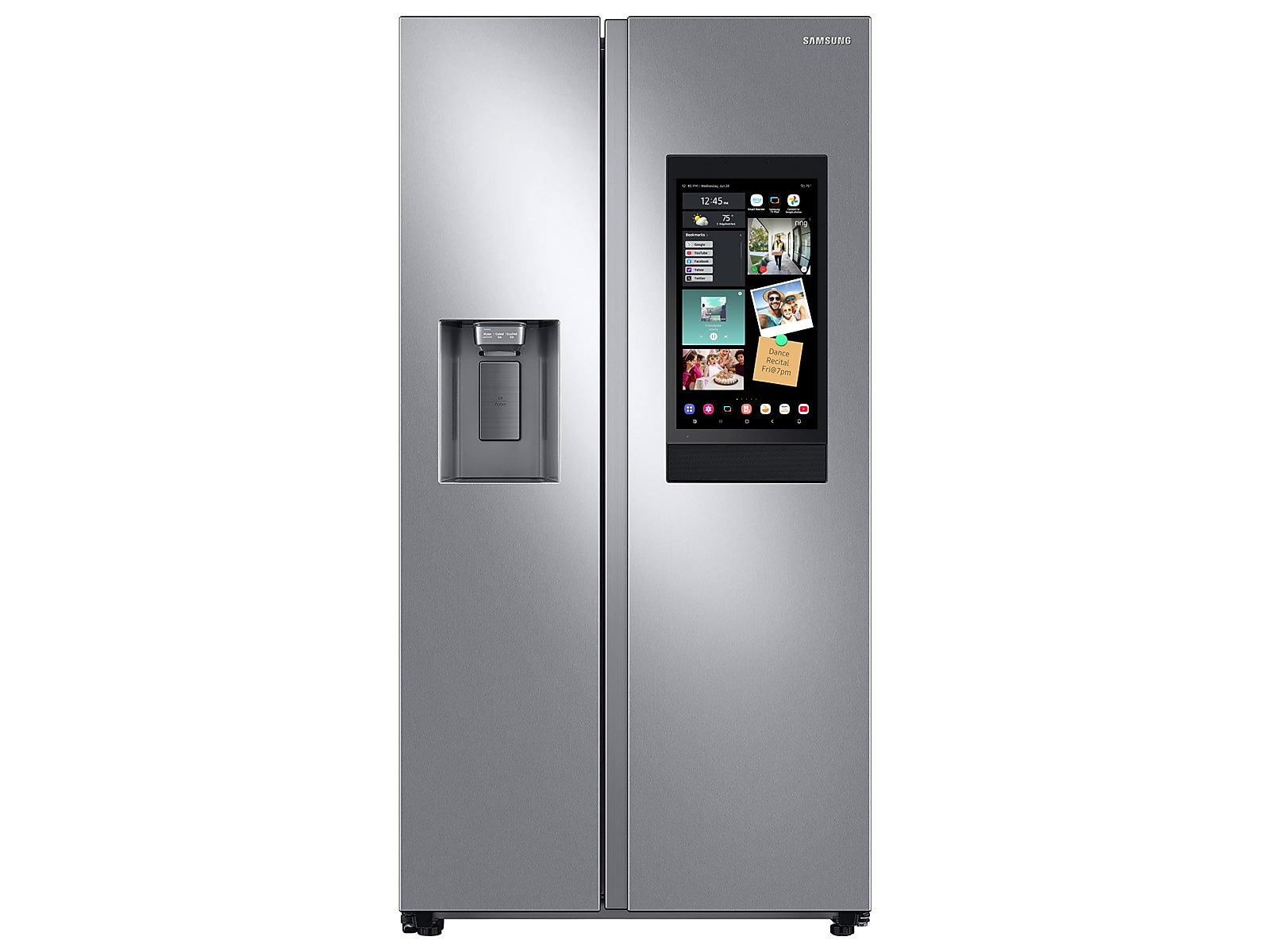
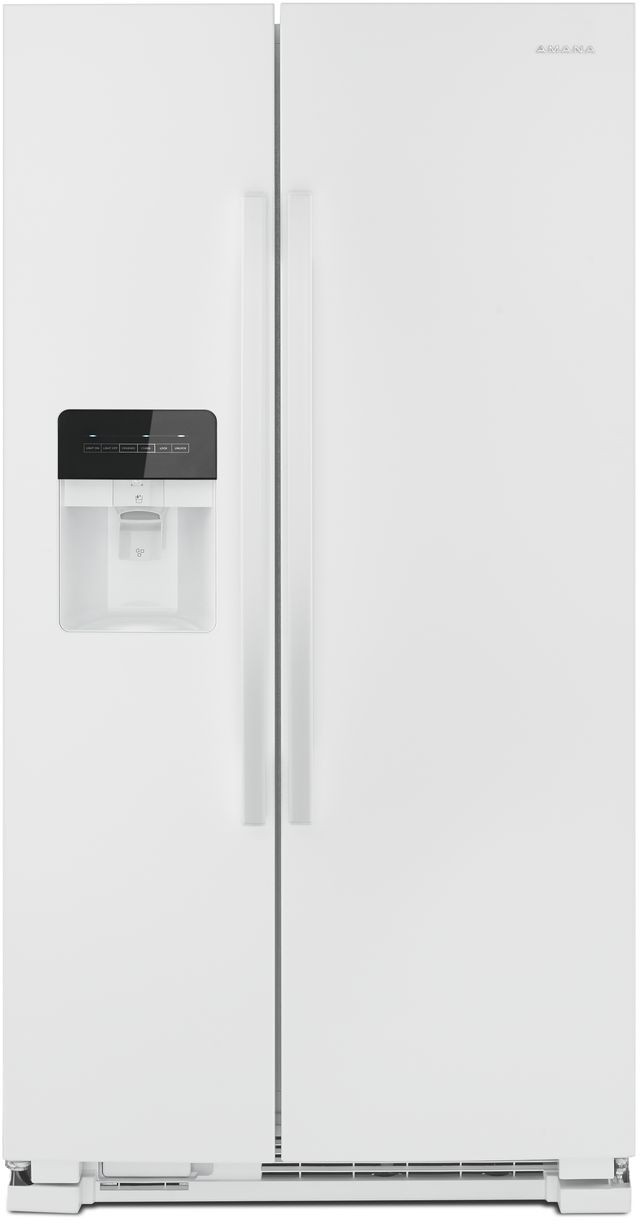
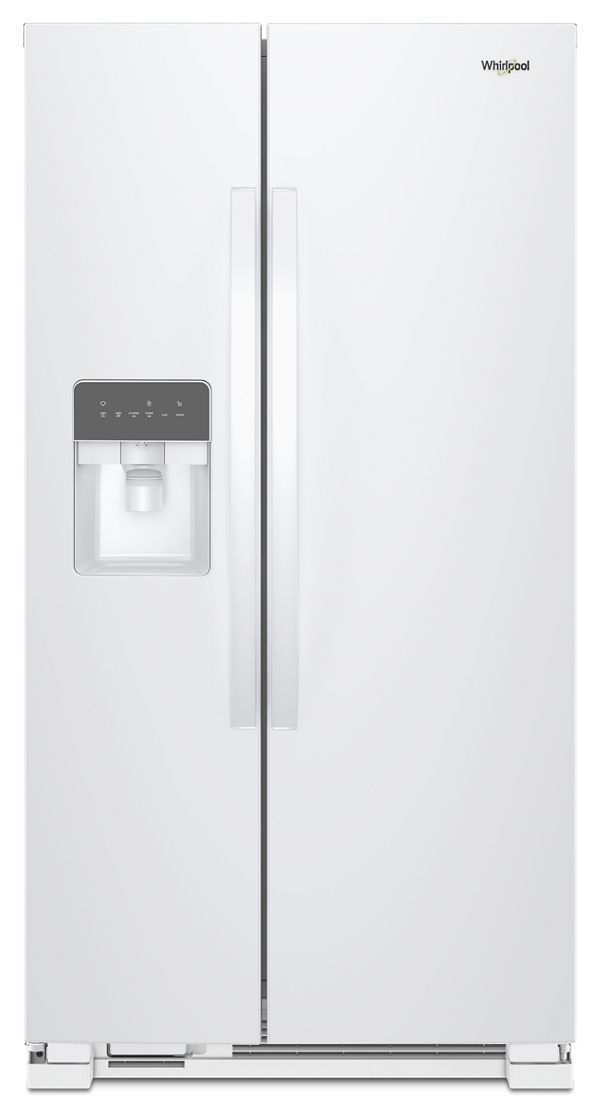
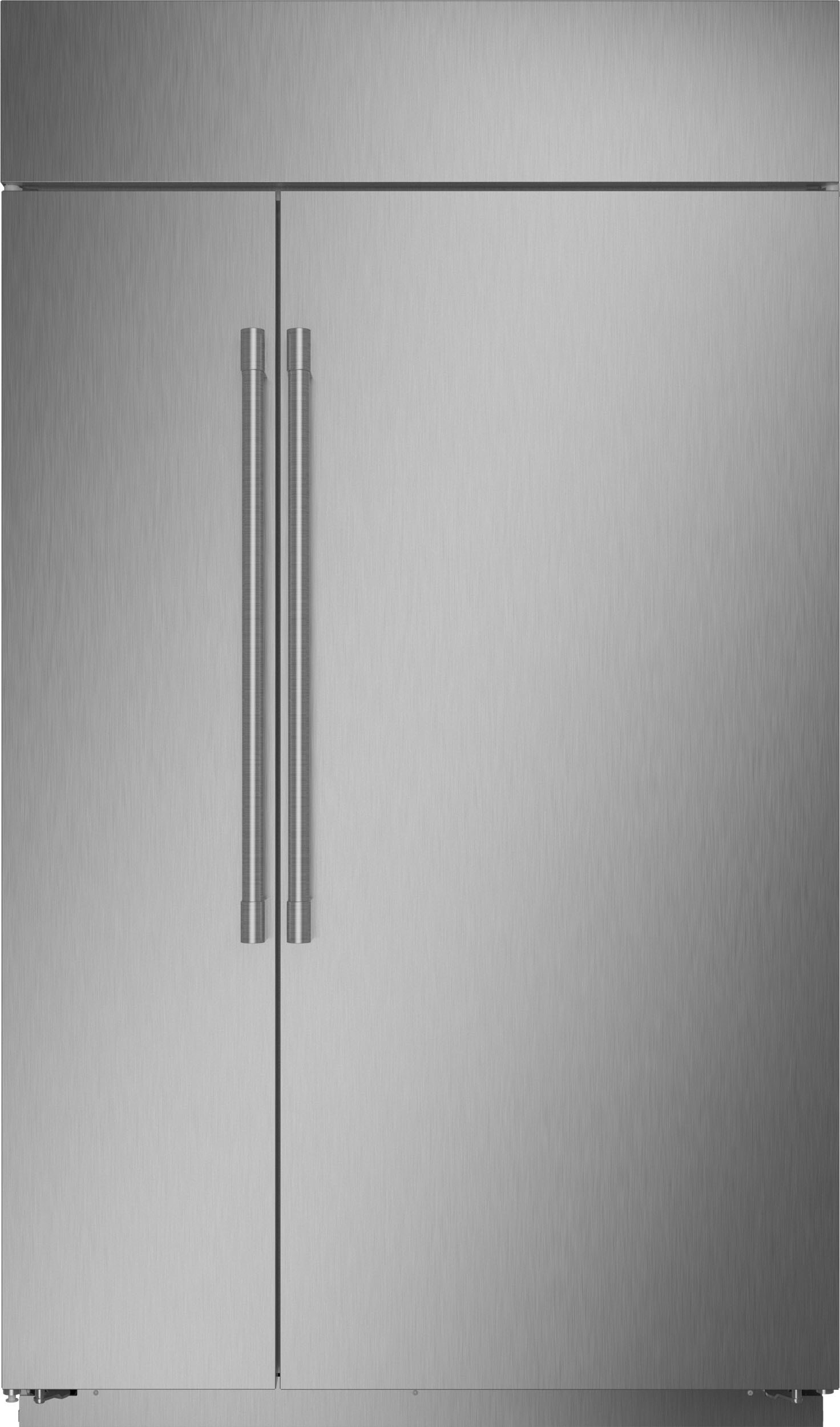
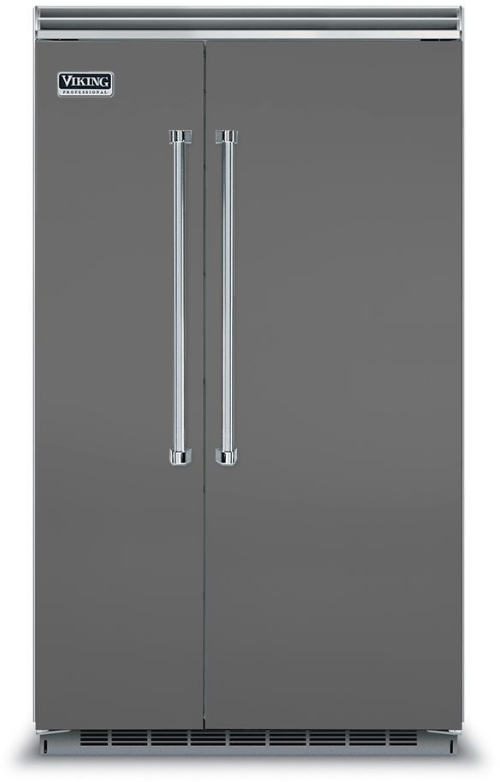
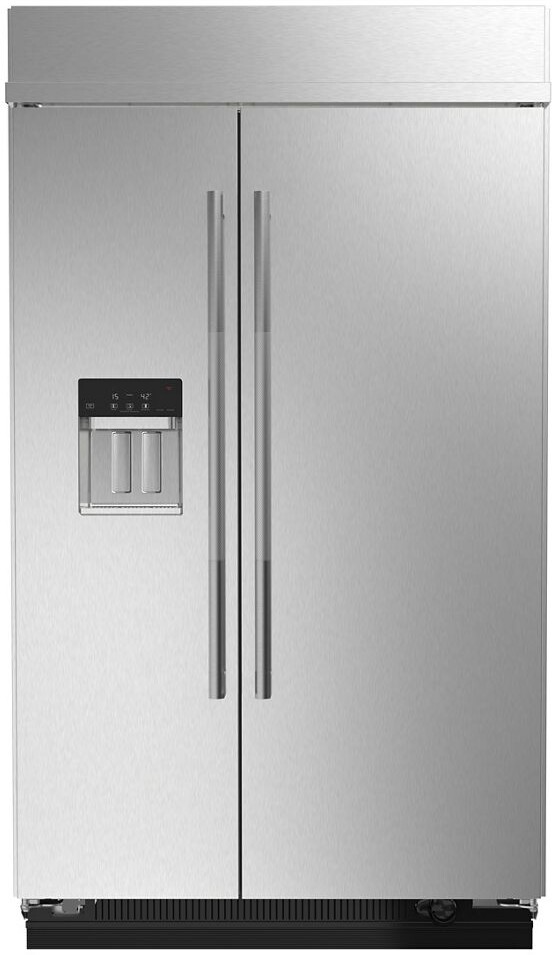
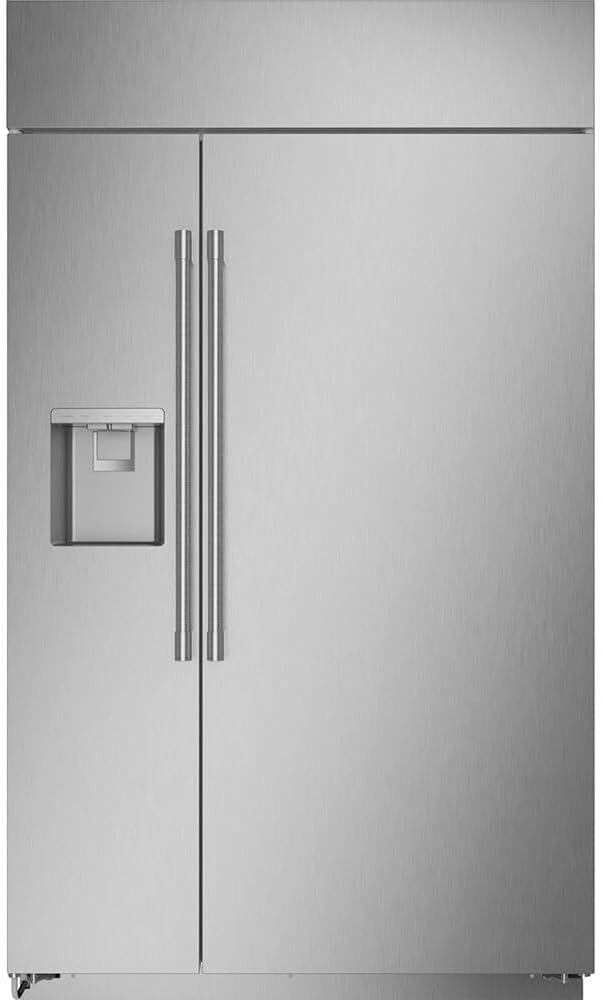
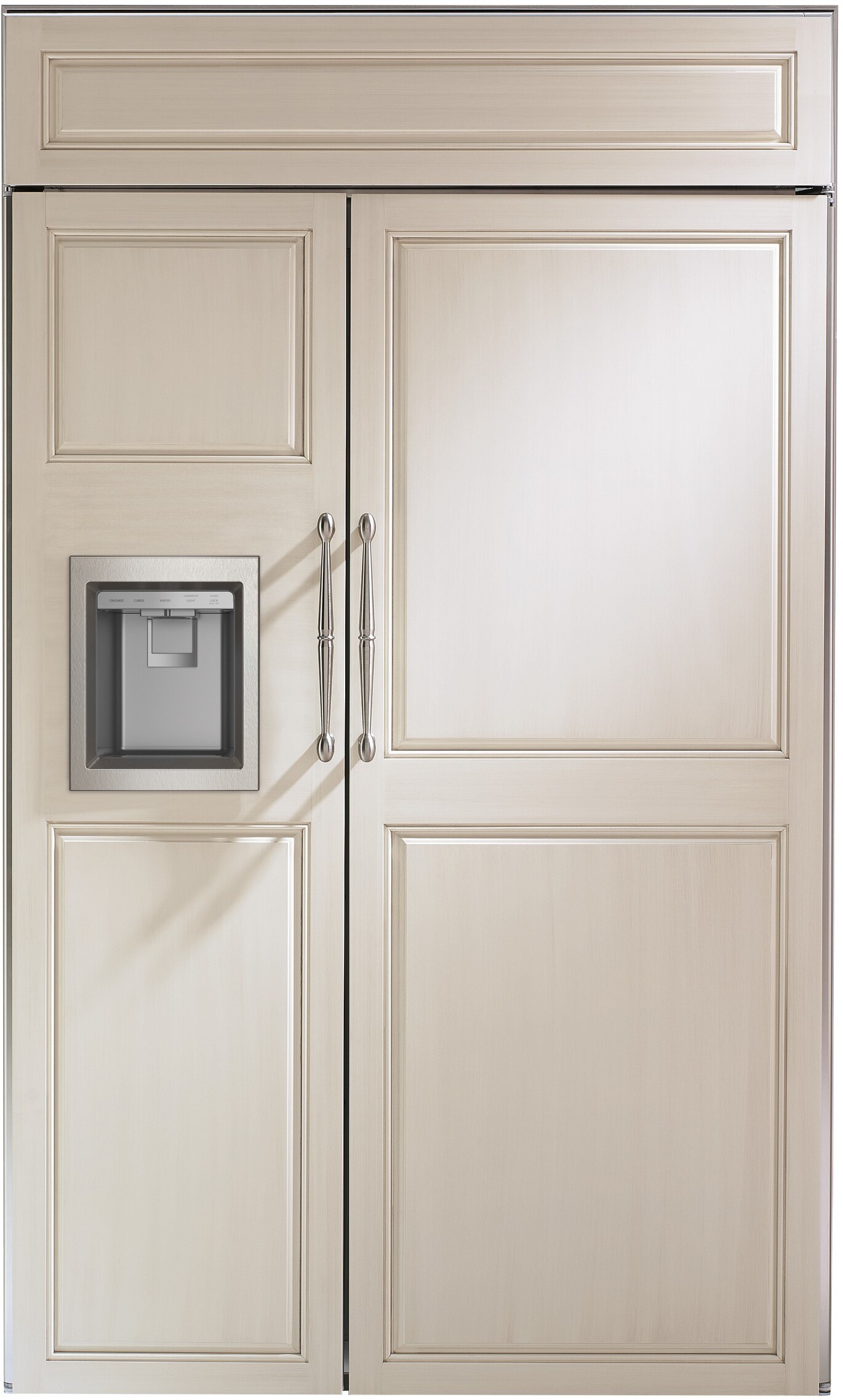
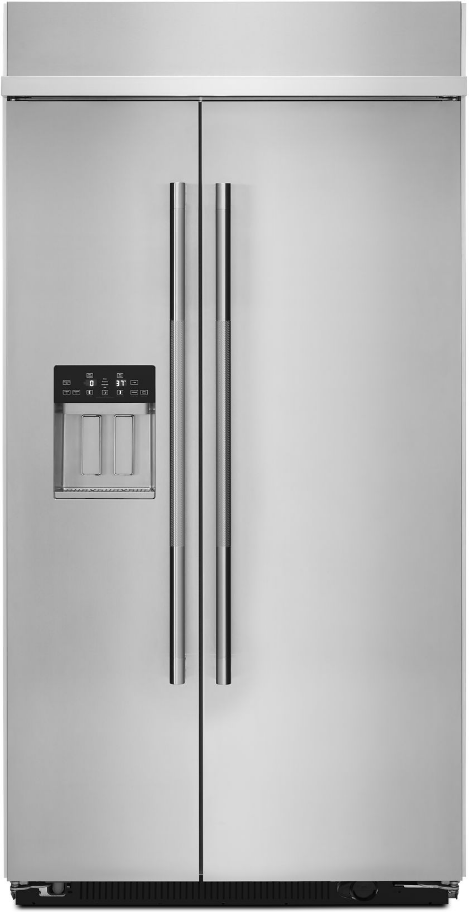
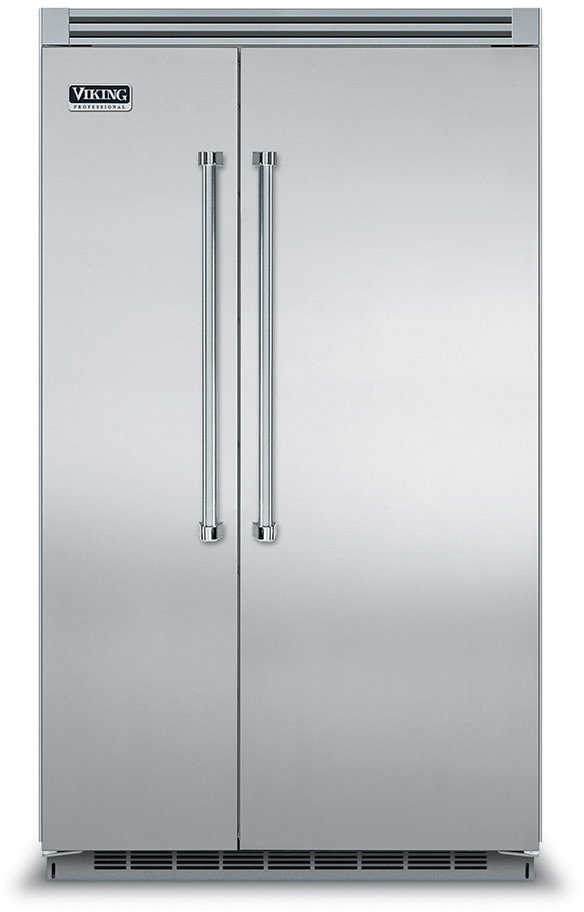
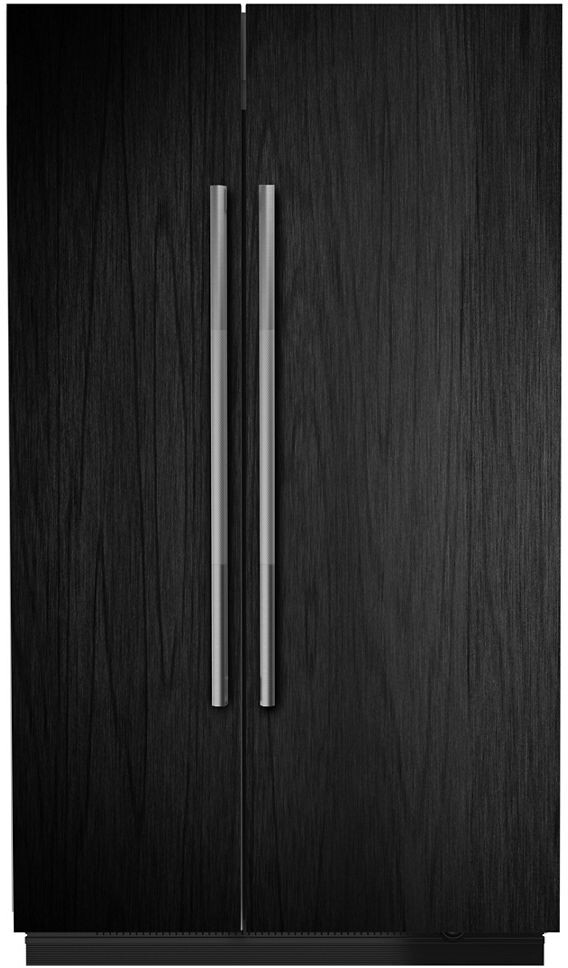
Side-by-side refrigerators start around $1,000 for basic models and typically cost $1,500 to $2,500 for mid-range units with ice dispensers and adjustable shelving.
The price premium over a top-freezer of comparable quality is typically $500 to $1,500, reflecting the more complex design, larger capacity, and additional features like dispensers.
The most common repairs — thermostat replacements, fan motor swaps, and door gasket changes — are straightforward and inexpensive, typically costing $100 to $300.
Ice maker failures alone account for a significant percentage of side-by-side service calls, with repairs running $150 to $400 depending on the issue.
Side-by-side refrigerators and standard top-freezer refrigerators are two of the most popular configurations on the market, but they serve different priorities. A side-by-side places the fridge and freezer next to each other in two narrow, full-height compartments behind vertical doors. A standard top-freezer stacks a smaller freezer compartment above a larger fridge section, both accessed through horizontal swing-open doors. They differ in how they use space, how much they cost, how they organize food, and how well they fit different kitchen layouts. This comparison breaks down every important factor so you can choose the configuration that works best for your household.
Layout and Design
A side-by-side refrigerator splits the unit vertically down the middle. The left side is typically the freezer and the right side is the fresh food compartment, though some models reverse this arrangement. Both compartments run the full height of the appliance, giving you eye-level access to both frozen and fresh items. The narrow doors swing outward in opposite directions, requiring less clearance space in front of the fridge compared to a single wide door.
A standard top-freezer refrigerator uses a horizontal split. The smaller freezer sits on top, typically taking up about one-third of the total interior volume, with the larger fresh food section below. This is the most traditional refrigerator layout and has been the default configuration for decades. The wide, single door on each section opens to reveal the full width of the interior, making it easy to store wide platters, baking sheets, and large containers that would not fit in the narrower compartments of a side-by-side.
Storage Capacity and Usable Space
Side-by-side refrigerators typically offer 22 to 28 cubic feet of total storage space. However, the narrow width of each compartment — usually 15 to 17 inches — limits what you can store. Wide items like pizza boxes, large platters, sheet pans, and party trays often do not fit. The vertical layout means you get many shelf levels, which is great for organizing smaller items, but the depth-to-width ratio creates dead zones at the back of each shelf where items get pushed behind other things and forgotten.
Standard top-freezer refrigerators range from 14 to 22 cubic feet total, which is less than most side-by-sides in raw numbers. But the usable space often feels larger because of the full-width shelves. A 33-inch-wide top-freezer model gives you shelves that are 30 or more inches across, easily accommodating wide items that a side-by-side cannot hold. The freezer section is also full-width, making it practical for storing large frozen items, stacking frozen pizzas flat, and organizing with baskets. Per dollar spent, top-freezer models deliver more accessible storage than any other configuration.
Side-by-side models have a significant advantage in tight kitchens. Because each door is only half the width of the appliance, they swing open within a much smaller arc. A 36-inch-wide side-by-side has doors that are roughly 18 inches each, requiring only about 19 to 20 inches of clearance in front. This makes side-by-sides excellent for galley kitchens, kitchens with islands opposite the fridge, and any layout where a full-width door would block a walkway or hit an adjacent cabinet.
Top-freezer models have full-width doors that require more clearance. A 33-inch-wide top-freezer needs about 34 to 35 inches of clearance for the fridge door to open fully. In narrow kitchens, this can create bottlenecks, especially if the fridge faces an island or a wall. However, the top-freezer door only needs to open about 90 degrees to access most items, so partial opening is workable in tighter spaces. If door clearance is your primary concern, the side-by-side wins clearly.
Side-by-side refrigerators place both fresh food and frozen items at multiple height levels. Frequently used fridge items can be stored at eye level for easy access, and commonly needed freezer items are also within comfortable reach. You rarely need to bend down to the floor or stretch to the top shelf for everyday items. This makes side-by-sides a good ergonomic choice for people with back problems or mobility limitations who want to minimize bending and reaching.
Top-freezer models require more physical movement. The freezer on top means you need to reach up and sometimes stand on tiptoe for items stored at the back of the freezer, especially in taller models. The fresh food section below puts the crisper drawers and bottom shelves near floor level, requiring bending or squatting to access produce and other items stored low. For most able-bodied adults this is a minor inconvenience, but for elderly users or anyone with limited mobility, the constant bending can become a daily frustration.
Energy Efficiency
Top-freezer refrigerators are the most energy-efficient configuration available. A typical 18-cubic-foot top-freezer model uses 300 to 400 kilowatt-hours per year, making it the least expensive configuration to operate. The compact design, simple layout, and efficient sealing contribute to low energy consumption. Energy Star-rated top-freezer models are widely available and consistently rank among the most efficient appliances in any category.
Side-by-side refrigerators use more energy — typically 500 to 700 kilowatt-hours per year for a 25-cubic-foot model. The larger total volume, through-the-door ice and water dispensers (which require additional insulation and heating elements to prevent condensation), and the full-height door seals all contribute to higher consumption. The annual operating cost difference is roughly $25 to $50 depending on local electricity rates and model specifications. Over a 15-year lifespan, that adds up to $375 to $750 in additional electricity costs for the side-by-side.
Most side-by-side refrigerators include a through-the-door ice and water dispenser as a standard feature. This provides filtered water and ice without opening the doors, which is convenient and helps maintain interior temperature. Dispensers are one of the top features buyers cite when choosing a side-by-side, and they add genuine daily convenience for households that drink a lot of water or use ice frequently.
Most top-freezer refrigerators do not include through-the-door dispensers. Some mid-range and premium models offer them, but the simpler design of top-freezer units typically means ice trays in the freezer and no built-in water filtration. If having a dispenser is important to you, a side-by-side offers this as a standard feature while finding a top-freezer with a dispenser requires more searching and often a higher price point.
Top-freezer refrigerators are the most affordable configuration on the market. Quality models from major brands start at $500 to $700 for 18-cubic-foot units, and premium models with additional features top out around $1,200. This makes the top-freezer the clear value champion — you get reliable, efficient refrigeration at the lowest possible price point.
Side-by-side refrigerators start around $1,000 for basic models and typically cost $1,500 to $2,500 for mid-range units with ice dispensers and adjustable shelving. Premium side-by-sides with advanced features can reach $3,000 or more. The price premium over a top-freezer of comparable quality is typically $500 to $1,500, reflecting the more complex design, larger capacity, and additional features like dispensers.
Freezer Organization
Side-by-side models offer a tall, narrow freezer with multiple shelves and door bins. This vertical layout makes it easy to organize frozen items by category — vegetables on one shelf, meats on another, ice cream on the door. You can see everything at a glance without digging through stacked items. However, the narrow width means large items like turkeys or bulk packages may not fit, and the door bins are too narrow for some frozen food packages.
Top-freezer models have a wide, shallow freezer that is essentially a single open compartment with one or two wire shelves and sometimes a small basket. Organization requires more effort because items tend to get stacked and buried. Finding something at the bottom often means removing everything on top. However, the full width accommodates large items easily — a frozen turkey, a sheet cake, or a stack of large frozen pizzas all fit without difficulty. If you buy large frozen items regularly, the top-freezer format handles them better.
A side-by-side refrigerator is the best choice for households that want easy access to both fresh and frozen items at eye level, need a built-in ice and water dispenser, and have a kitchen where door clearance is limited. It is also ideal for people who store many small items and prefer organized vertical shelving over deep stacking. If your kitchen has an island or narrow walkway opposite the fridge, the half-width doors of a side-by-side prevent blockages that full-width doors would cause.
Who Should Choose a Standard Top-Freezer
A top-freezer refrigerator is the right choice for budget-conscious buyers, energy-conscious households, and anyone who regularly stores wide items like platters, sheet pans, or large frozen packages. It delivers the most refrigeration per dollar spent and the lowest operating costs of any configuration. If you do not need a through-the-door dispenser and have adequate door clearance in your kitchen, a top-freezer offers unbeatable value and reliability with decades of proven engineering behind it.
The most frequent mistake with side-by-sides is not measuring shelf width before buying. Many buyers are disappointed to discover that their favorite casserole dish, party platter, or frozen pizza does not fit in the narrow compartments. Always check the internal width specifications and compare them to items you commonly store. With top-freezers, the most common mistake is placing the fridge in a location where the wide door blocks traffic or cannot open fully. Measure your available clearance carefully, including any adjacent cabinets, islands, or walls that could interfere with a fully opened door.
Reliability and Lifespan
Top-freezer refrigerators have the longest track record of reliability in the industry. Their simple mechanical design with fewer components means less can go wrong. The average lifespan of a well-maintained top-freezer is 15 to 20 years, and repair costs are among the lowest of any configuration. The most common repairs — thermostat replacements, fan motor swaps, and door gasket changes — are straightforward and inexpensive, typically costing $100 to $300.
Side-by-side refrigerators have more components that can fail, including the ice maker, water dispenser, dispenser control board, and additional door seals. The average lifespan is 12 to 17 years, and repairs tend to cost more due to the complexity of the dispenser system and electronic controls. Ice maker failures alone account for a significant percentage of side-by-side service calls, with repairs running $150 to $400 depending on the issue. If long-term reliability and low maintenance costs are priorities, the simpler top-freezer design has a proven advantage.
Top-freezer models are generally quieter because they have simpler cooling systems without ice maker and dispenser mechanisms. Most operate at 32 to 40 decibels. Side-by-side models run slightly louder at 36 to 45 decibels, with additional noise from the ice maker cycling, water dispensing, and the defrost cycle running across two separate compartments. In open-concept kitchens where the fridge is near living areas, this difference can be noticeable during quiet evening hours.
Compare prices on Fridge.com
Fridge.com carries both side-by-side and top-freezer configurations from every major brand. Browse our side-by-side refrigerators for models with ice dispensers and organized vertical storage. Explore our top-freezer refrigerators for maximum value and efficiency. Check out our full refrigerator collection to compare all configurations side by side. Free shipping and price-match guarantee on every order.
Frequently Asked Questions
Standard top freezer at $450-$1,800 versus side-by-side at $800-$3,500. The top freezer delivers the lowest cost per cubic foot of any full-size fridge. Compare at Fridge.com.
From Fridge.com research
Figures below come from data Fridge.com builds and maintains. Each links to the record behind it.
Fridge.com Energy Index, built on U.S. EPA and DOE ENERGY STAR records
Across 123 ENERGY STAR certified side-by-side models, median use is 640 kWh per year — 10% better than the federal standard.