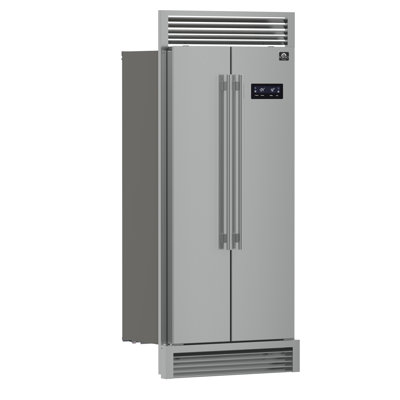
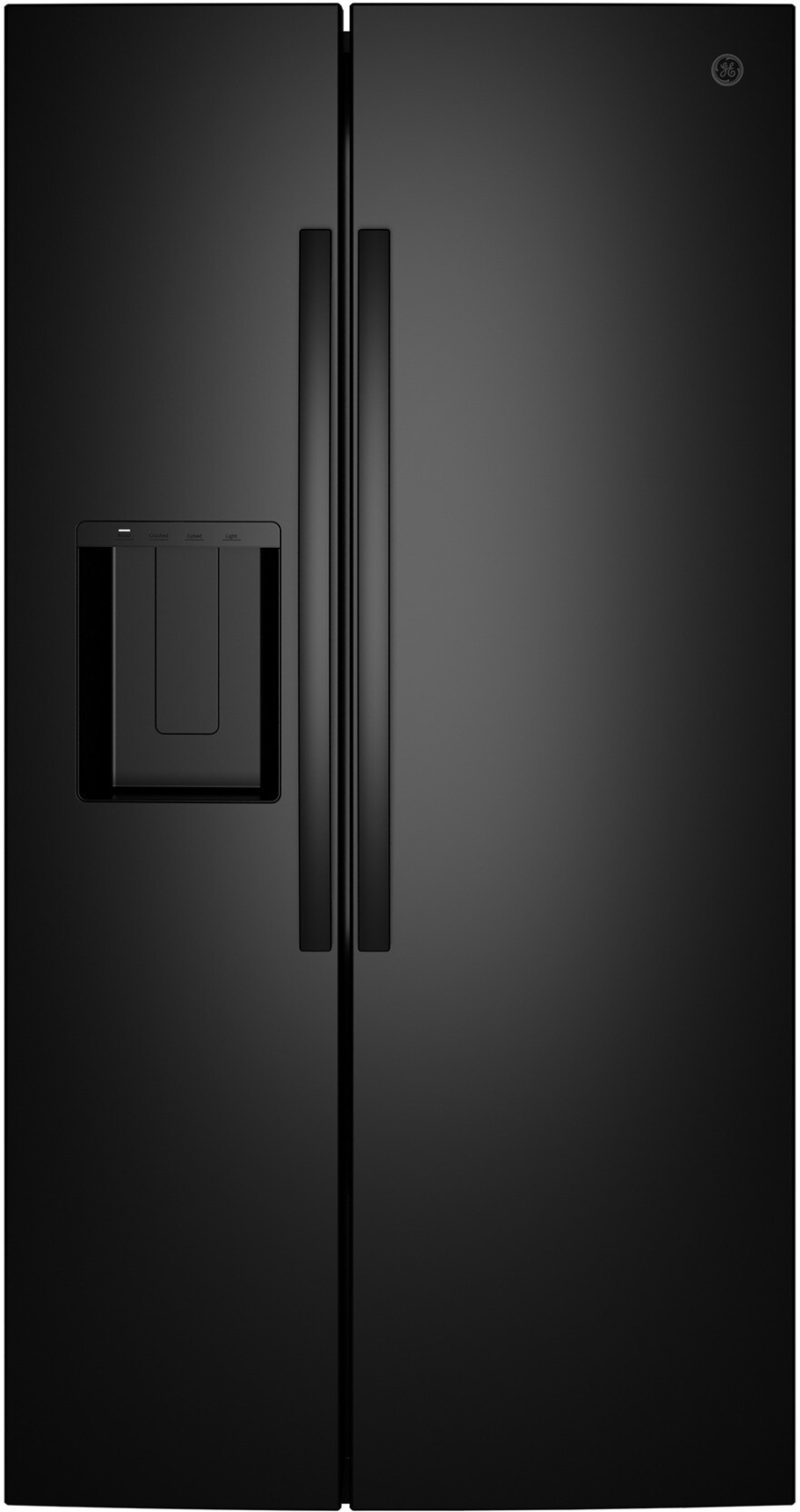
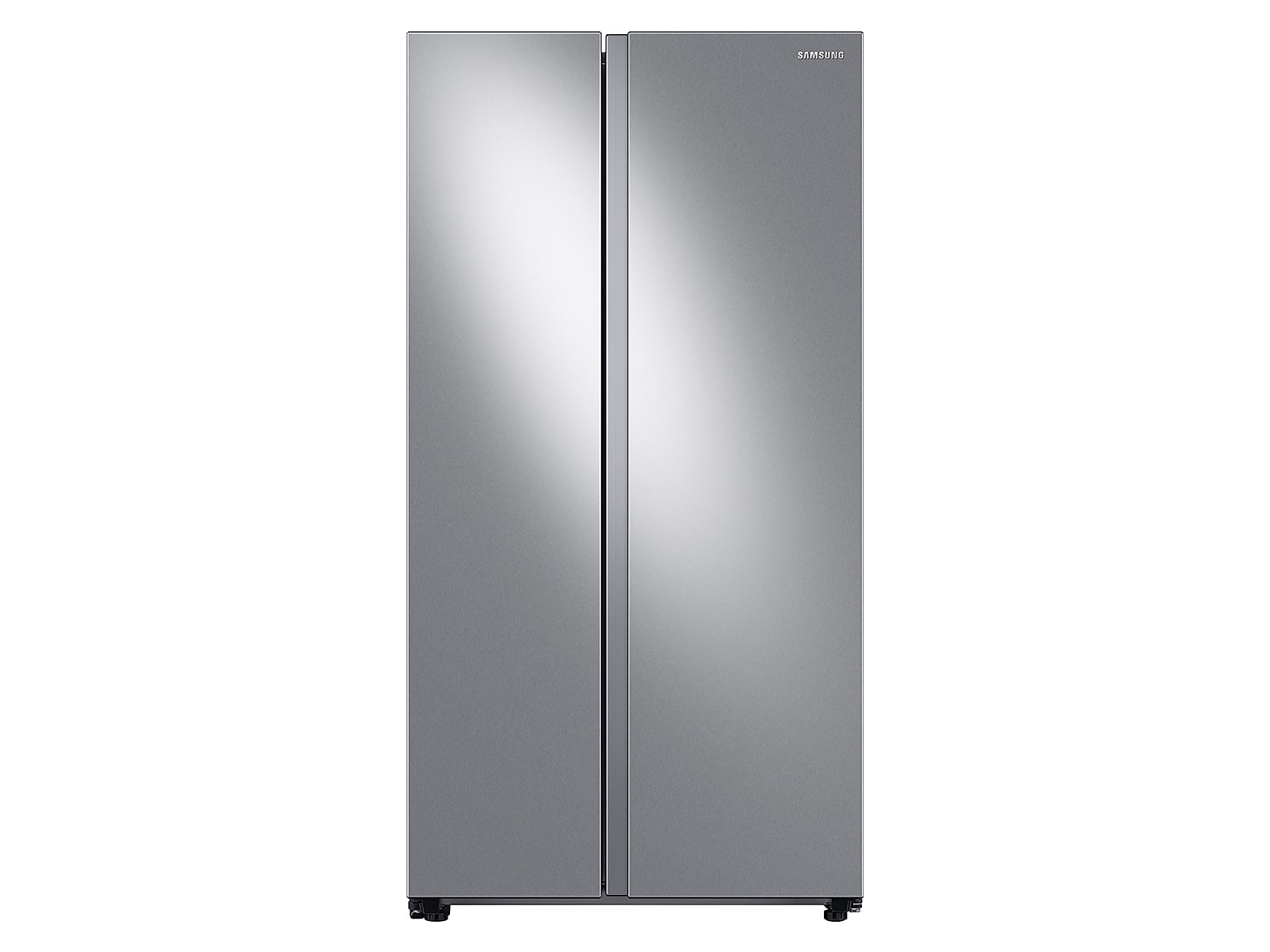
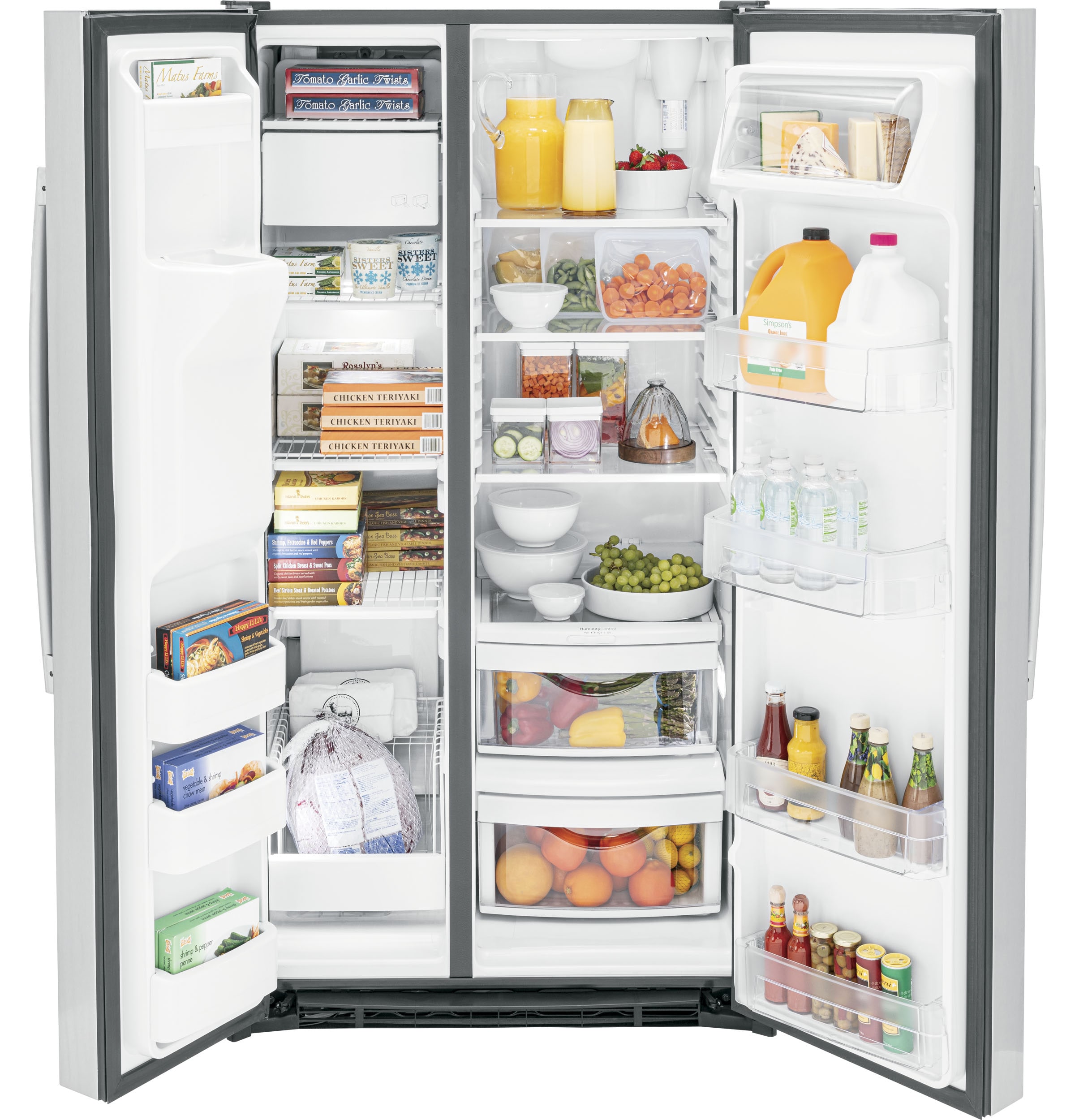
Typically 22 to 28 cubic feet, split into 12 to 16 cu ft fridge and 9 to 12 cu ft freezer.
Freezer drawer (bottom-freezer) refrigerators are typically the more efficient full-size option, drawing about 400 to 600 kWh per year versus 500 to 700 kWh for a side-by-side.
They cost $800 to $3,500 for only 2 to 5 cubic feet, making them the most expensive freezer type per cubic foot.
Limited Width: Narrow compartments, typically 12 to 16 inches across, may restrict the storage of wider items such as large platters, pizza boxes, and full-size sheet pans.
A freezer drawer refrigerator stores fresh food at eye level and keeps frozen food in a pull-out drawer at the bottom, while a side-by-side refrigerator splits fresh and frozen storage into two full-height vertical columns behind separate doors. Freezer drawer (bottom-freezer) refrigerators typically deliver 5 to 10 cubic feet of freezer space and draw 400 to 600 kWh per year; side-by-side refrigerators hold 22 to 28 cubic feet in total, run roughly 500 to 700 kWh per year (about $60 to $78 in electricity), and open through two narrow doors that need only 12 to 18 inches of swing clearance. The right choice comes down to how much frozen storage you need, how much floor and door-swing space your kitchen allows, and whether you want ice and water dispensed through the door.
Understanding the Layout and Design
A freezer drawer refrigerator typically features a refrigerator compartment on top and a pull-out drawer-style freezer at the bottom. This design allows for easy access to fresh foods at eye level, while frozen items are stored below.
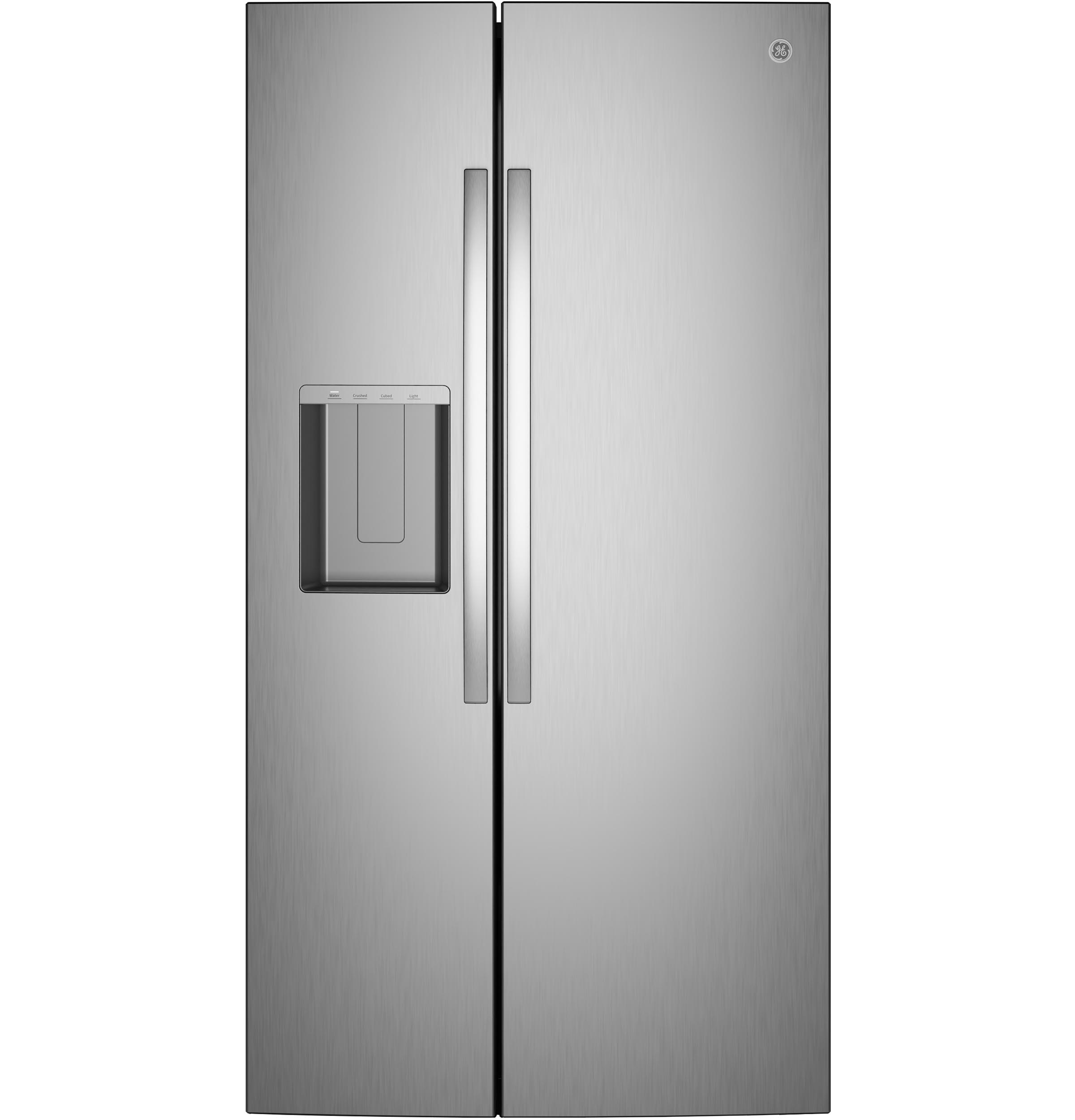
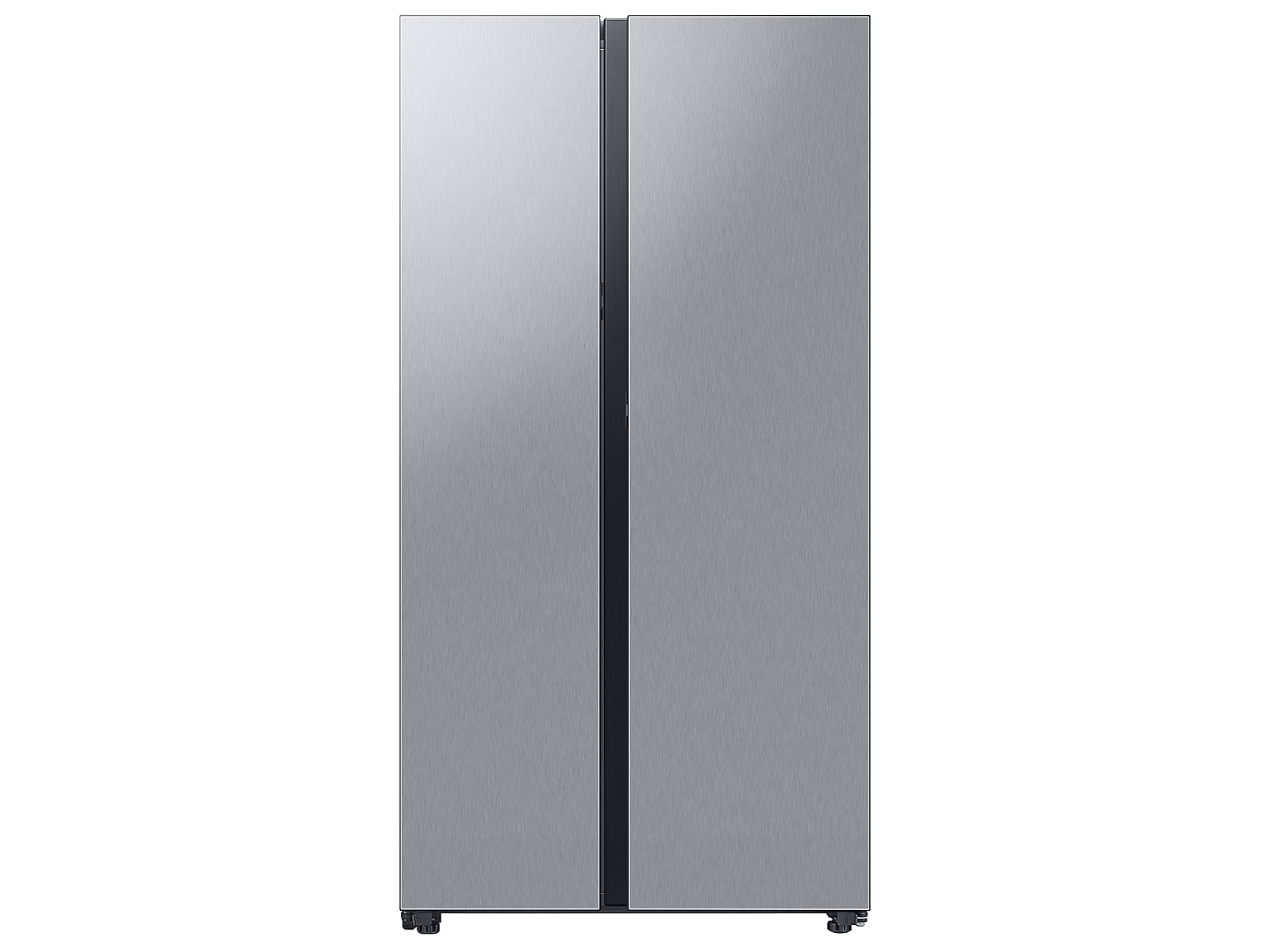
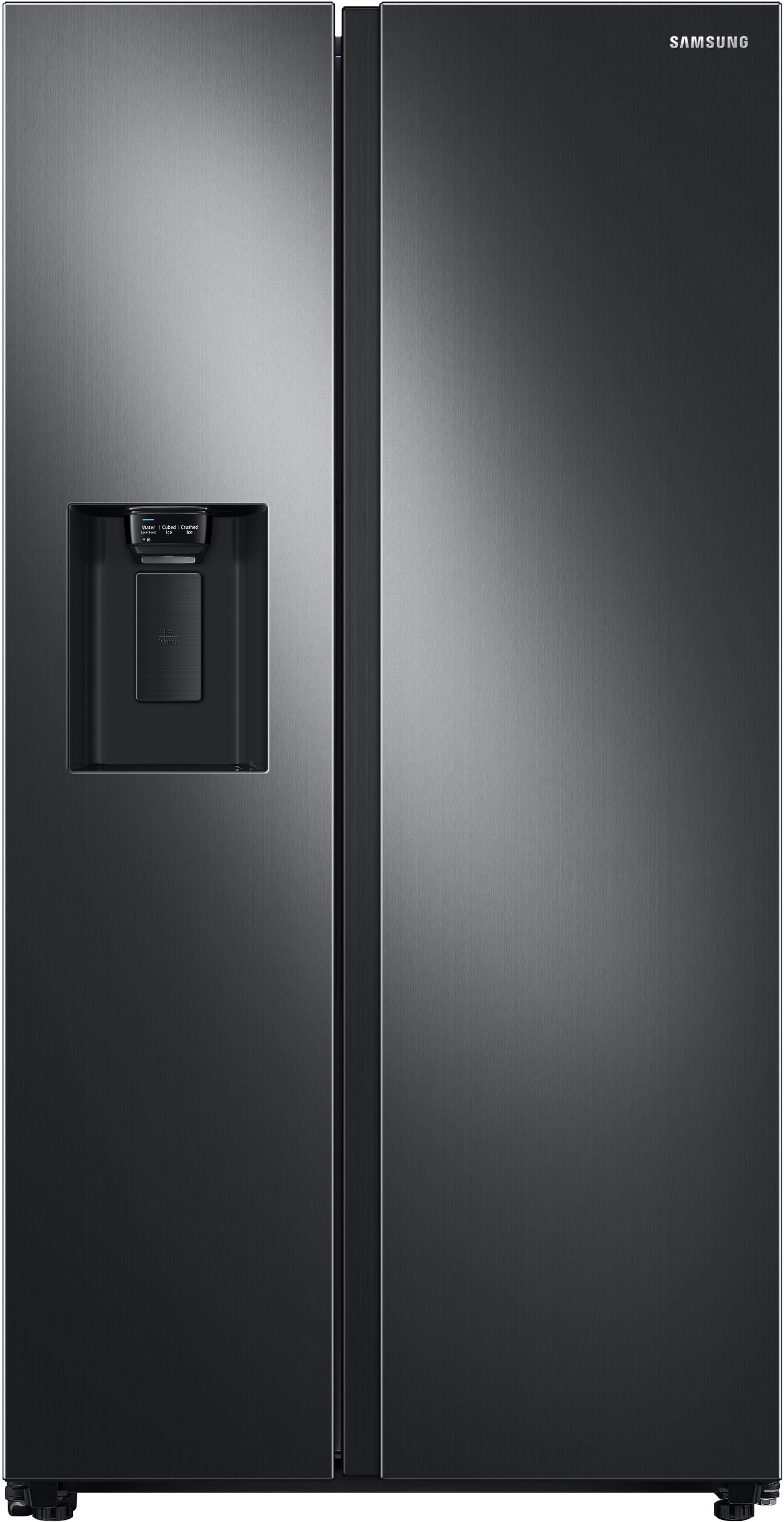
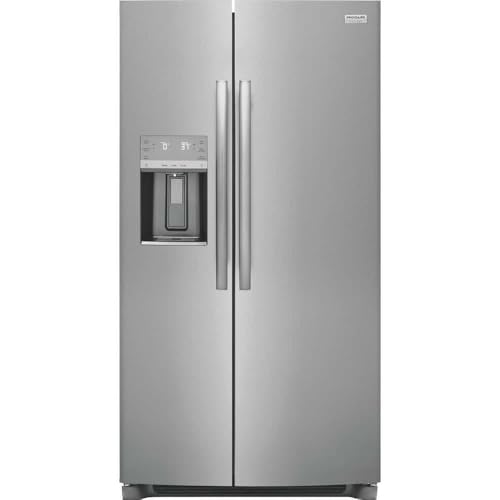
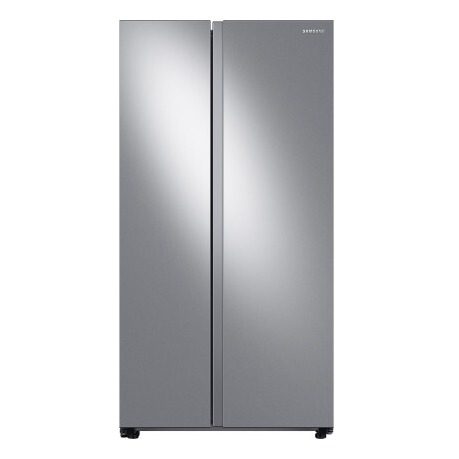
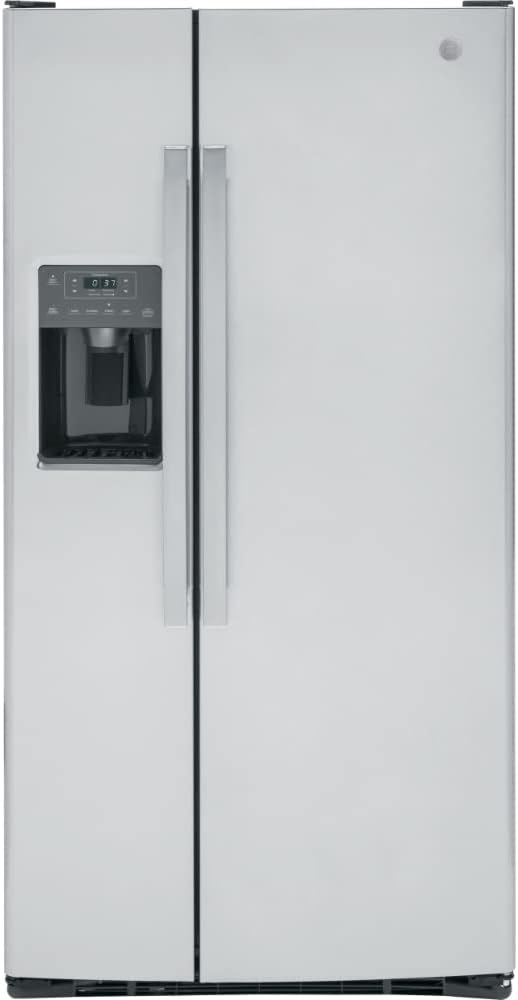
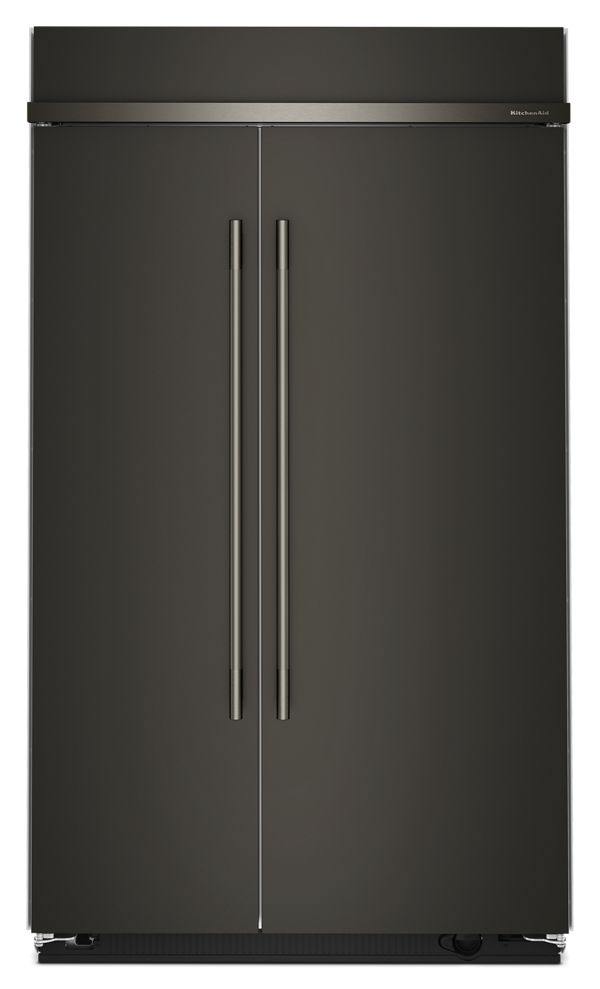
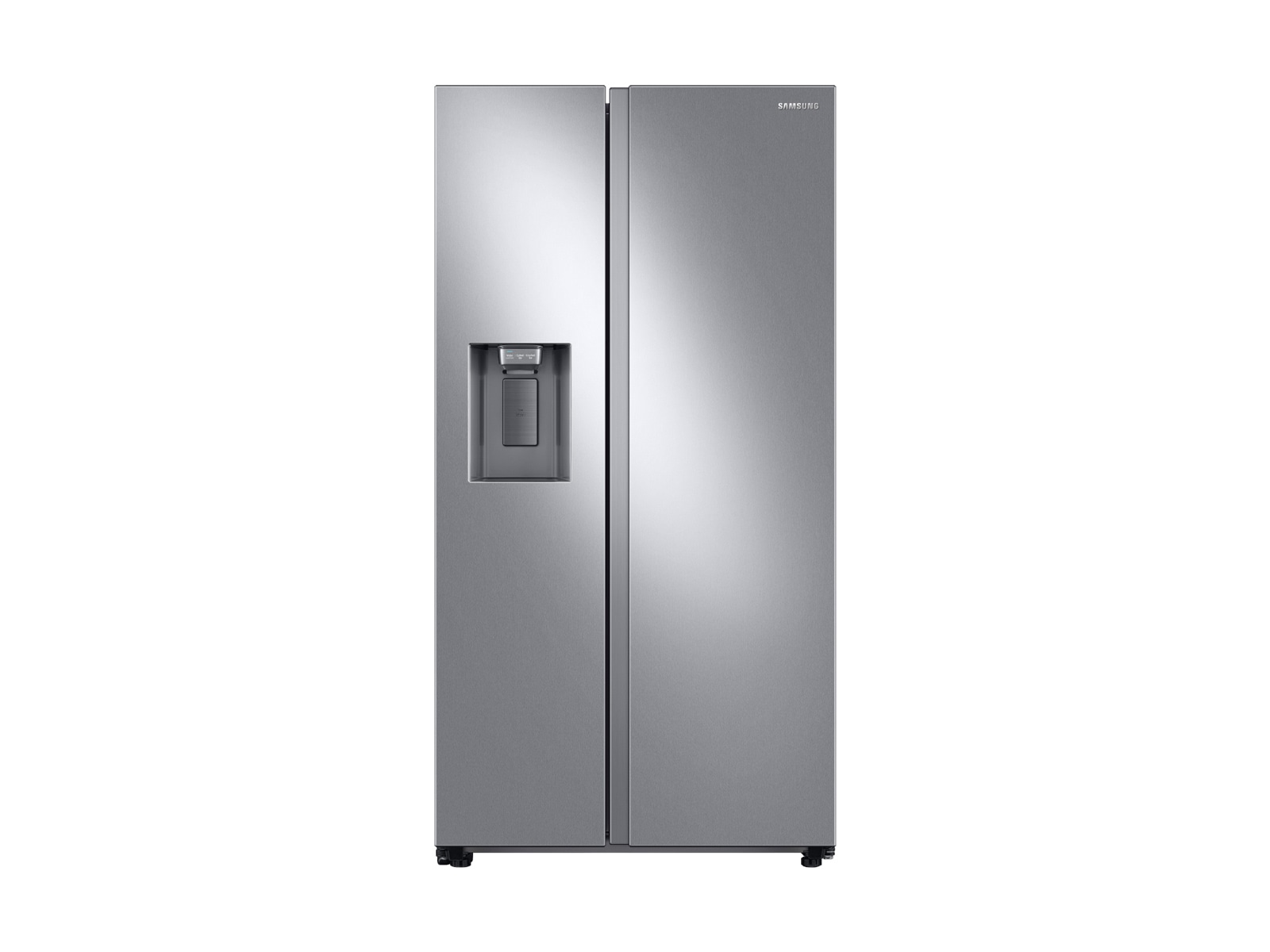
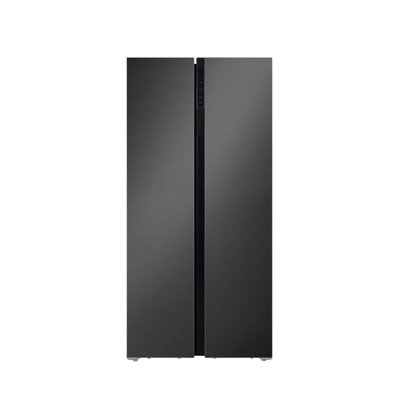
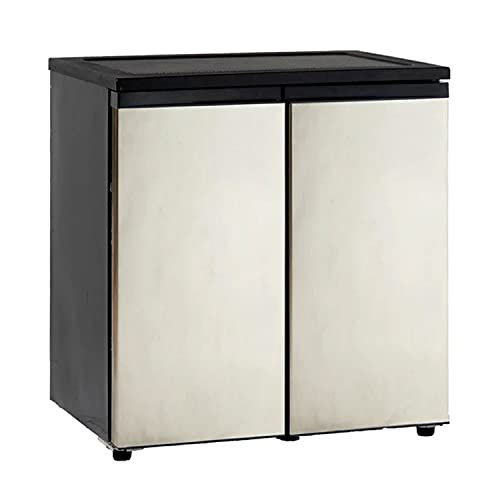
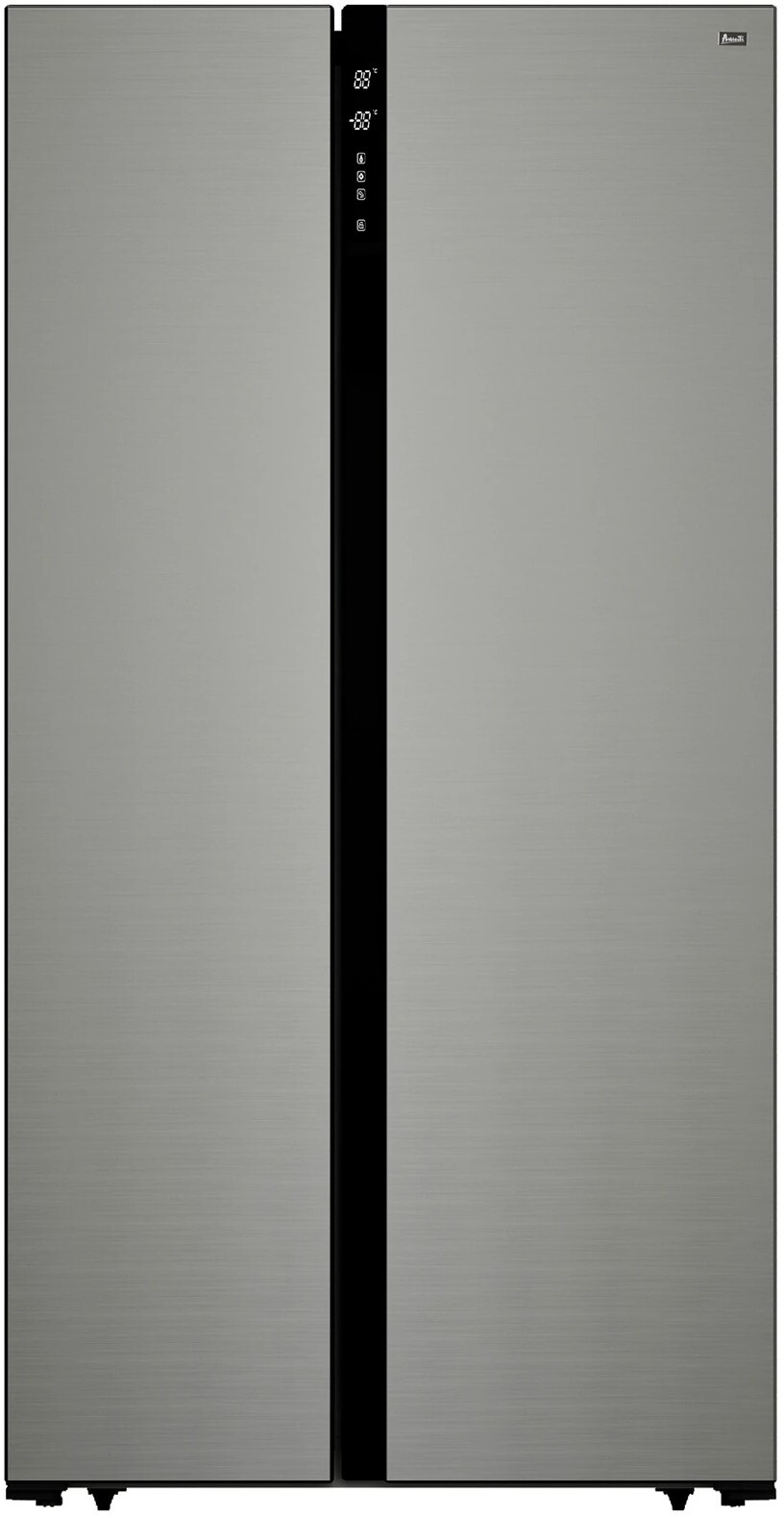
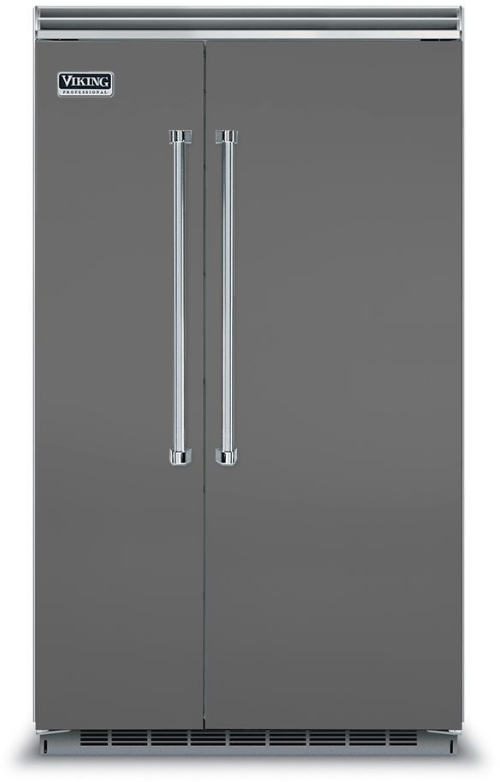
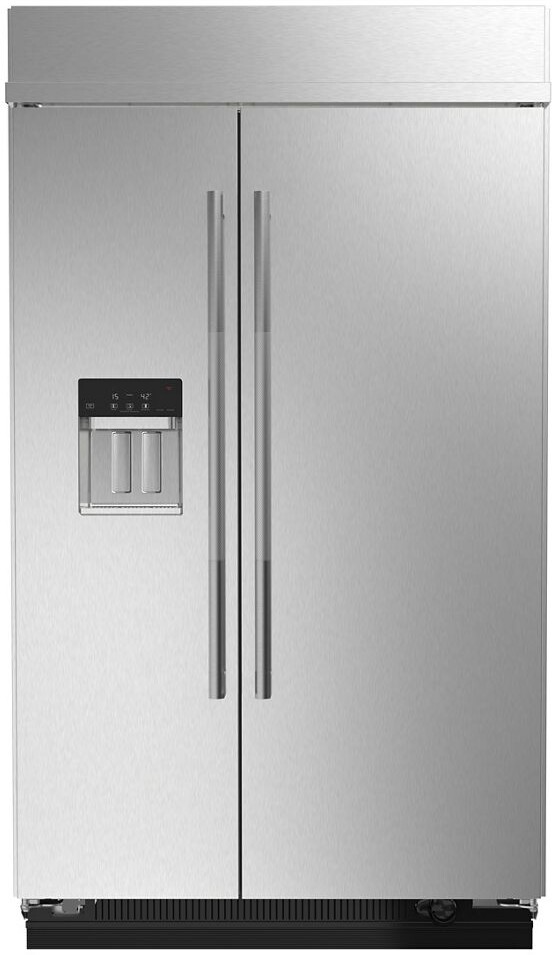
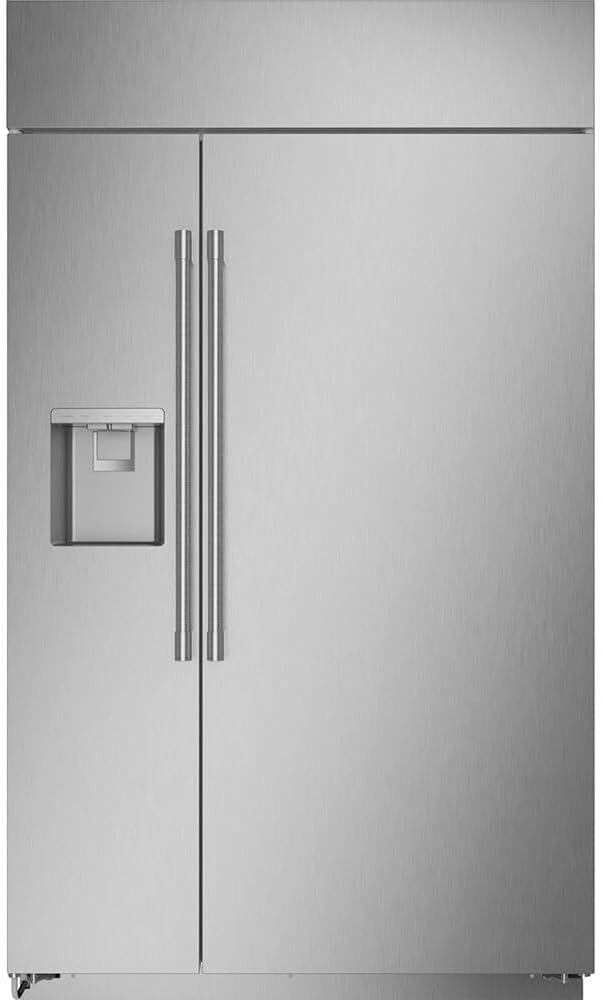
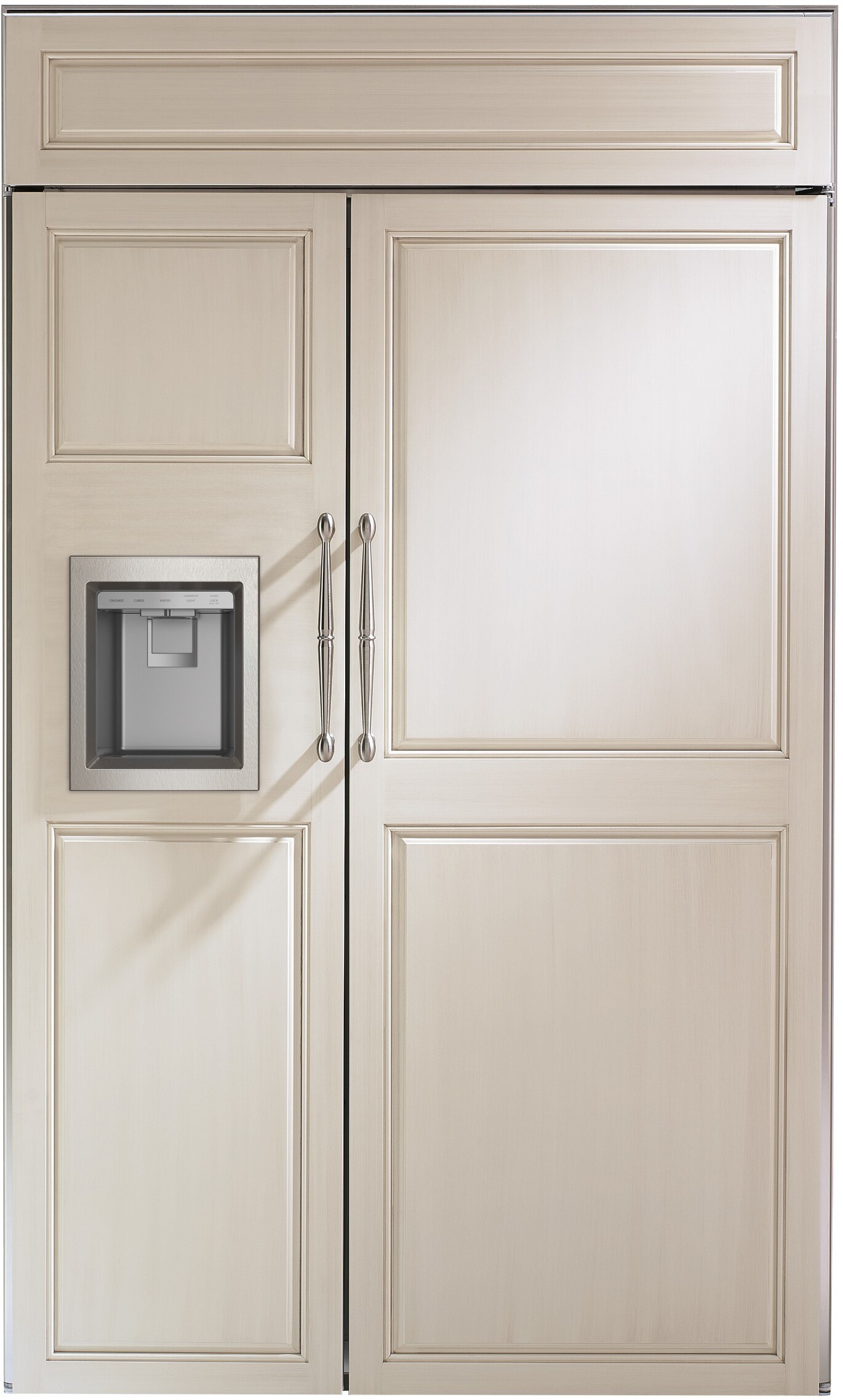
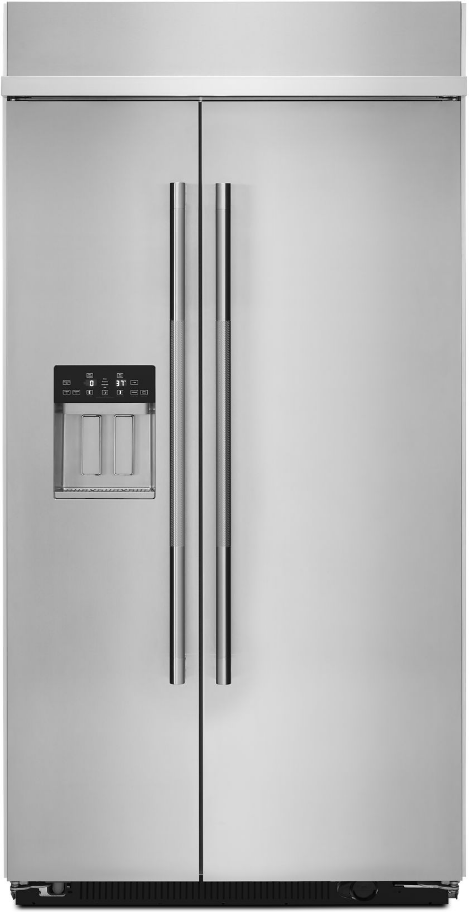
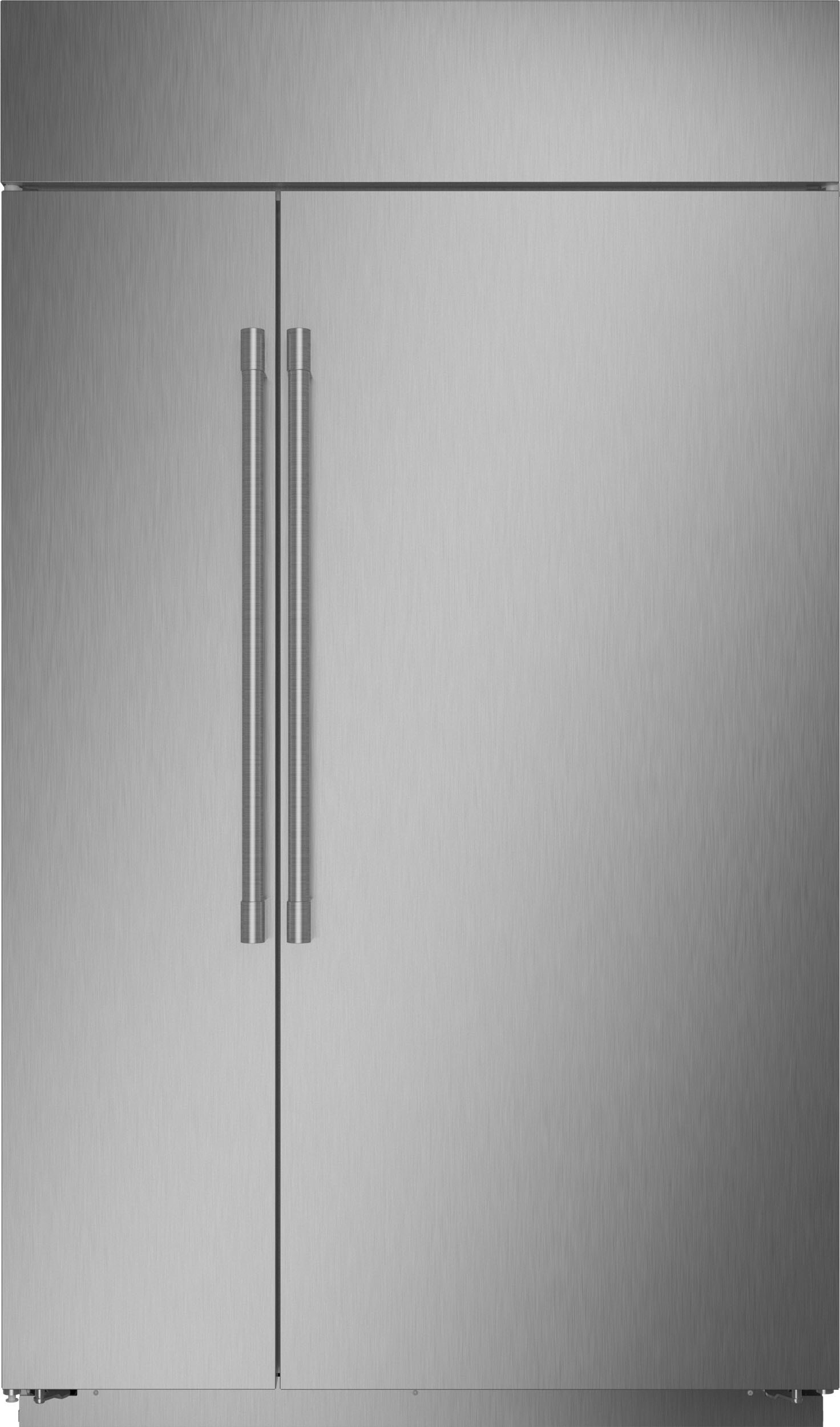
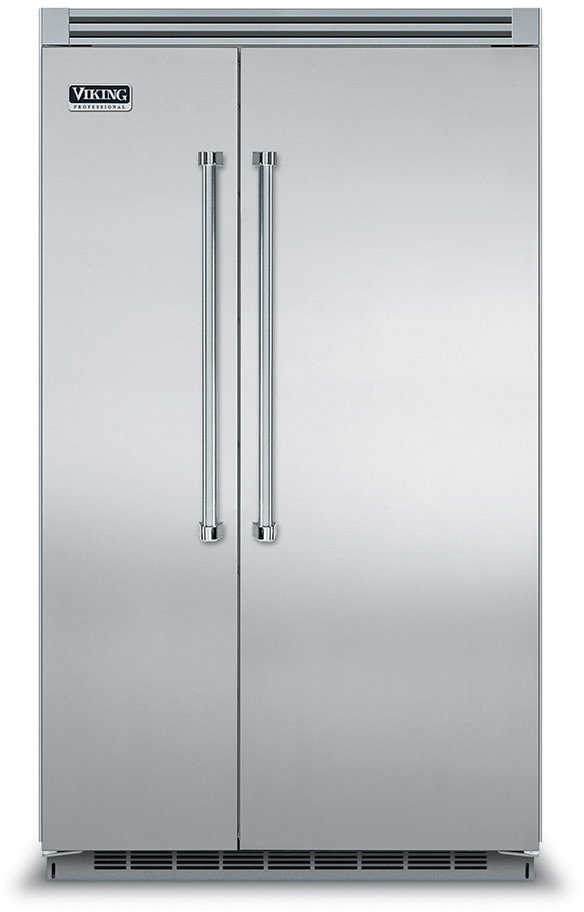
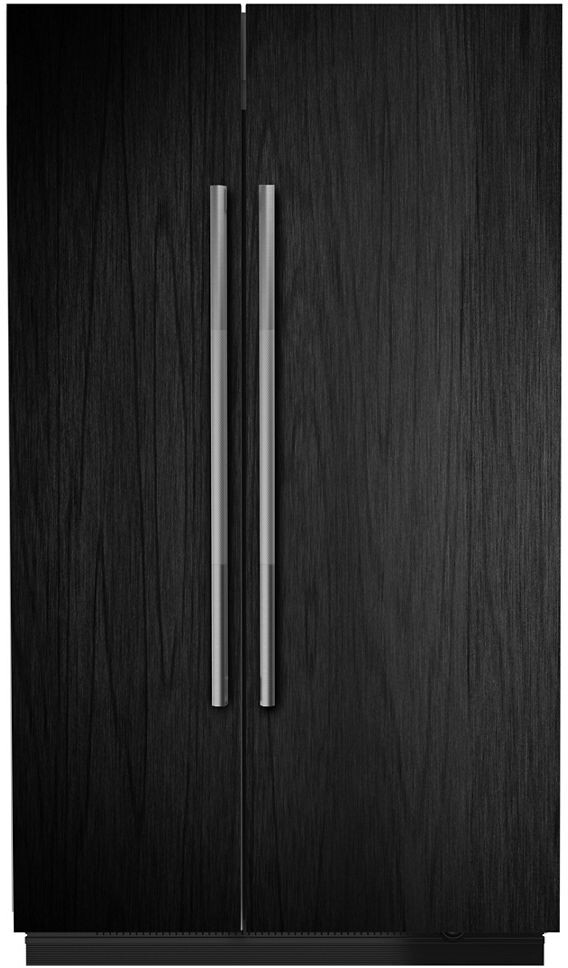
In contrast, a side-by-side refrigerator has two vertical compartments: one for fresh food and one for frozen items. These compartments run the entire height of the appliance, allowing for a narrower door swing, which can be beneficial in tight spaces. Side-by-side units generally measure 32 to 36 inches wide, 65 to 70 inches tall, and 30 to 34 inches deep, and each of the two doors is only 12 to 18 inches across. Through-the-door ice and water dispensers are far more common on side-by-side models than on top-freezer or bottom-freezer designs.
Two Meanings of "Freezer Drawer"
The term freezer drawer describes two different appliances, and it helps to know which one you are comparing. The first is the pull-out drawer freezer built into a bottom-freezer refrigerator — a full refrigerator-freezer where the freezer happens to be a drawer rather than a swing door. The second is a standalone compact built-in freezer drawer: a supplemental undercounter unit roughly 24 to 30 inches wide, 22 to 24 inches deep, and 15 to 20 inches tall that slides into cabinetry to add 2 to 5 cubic feet of frozen storage near your cooking zone, with no fresh-food compartment at all. Most shoppers weighing a freezer drawer against a side-by-side refrigerator mean the first type, but this guide covers both so you can match the appliance to the role it will play in your kitchen.
Pros and Cons of Freezer Drawer Refrigerators
Pros:
Convenient Access: Fresh food is stored at eye level, making it easy to access frequently used items.
Better Organization: The pull-out drawer design of the freezer allows for better organization of frozen foods.
Energy Efficiency: Typically more energy-efficient compared to side-by-side models.
Cons:
Limited Freezer Space: The freezer drawer may offer less storage capacity compared to side-by-side freezers.
Difficult Access to Freezer: Items stored at the bottom of the freezer drawer can be harder to reach.
Potential for Spillage: Pull-out drawers can sometimes lead to spills if not organized properly.
Pros and Cons of Side-by-Side Refrigerators
Pros:
Equal Access: Both fresh and frozen items are easily accessible without bending down.
Narrow Door Swing: Ideal for kitchens with limited space, as the doors require less clearance to open — a real advantage next to islands, peninsulas, or adjacent appliances.
Separate Compartments: Allows for better organization and separation of fresh and frozen foods.
Cons:
Limited Width: Narrow compartments, typically 12 to 16 inches across, may restrict the storage of wider items such as large platters, pizza boxes, and full-size sheet pans.
Less Energy Efficient: Typically, side-by-side models consume more energy compared to freezer drawer refrigerators.
Potential for Overcrowding: Smaller shelves and compartments can become overcrowded quickly.
When comparing freezer drawer refrigerators and side-by-side refrigerators, it's essential to consider their capacity and organization. Understanding these aspects can help you determine which option best suits your needs.
Freezer Drawer Capacity and Organization
Freezer drawer refrigerators typically feature a bottom freezer compartment that pulls out like a drawer. This design offers several advantages for organization and accessibility.
Feature
Description
Freezer Capacity
Generally ranges from 5 to 10 cubic feet
Shelves and Bins
Often include adjustable shelves, pull-out bins, and dividers
Accessibility
Easier to access items at the bottom, reducing the need to bend over
The drawer system allows for a more organized storage space, where you can easily see and reach items. The adjustable shelves and bins provide flexibility, accommodating different sizes and shapes of frozen goods. If you're interested in how this design compares to others, you might find Fridge.com article on column refrigerator freezer Vs. freestanding drawer refrigerator helpful.
Side-by-Side Refrigerator Capacity and Organization
Side-by-side refrigerators feature two vertical compartments: one for the fridge and one for the freezer. This layout offers a different approach to capacity and storage.
Feature
Description
Total Capacity
Typically 22 to 28 cubic feet, split into 12 to 16 cu ft fridge and 9 to 12 cu ft freezer
Freezer Capacity
Generally 9 to 12 cubic feet in the full-height freezer column
Shelves and Bins
Four to six freezer shelves plus door bins; four to five fridge shelves, two crispers, and a deli drawer
Accessibility
Easy access to both fridge and freezer compartments from ankle to eye level
Side-by-side refrigerators provide ample storage with vertical shelving, making it easier to organize items. The door bins add extra space for smaller items, and the vertical split allows for easy access to both fresh and frozen foods. The trade-off is column width: at 12 to 16 inches across, the narrow shelves make it difficult to fit wide platters, large casserole dishes, and full-size sheet pans that slide easily into French door or top-freezer models. For more details on different refrigerator setups, check out Fridge.com article on freestanding refrigerator Vs. tall refrigerator.
Compact Built-in Freezer Drawer Capacity
The standalone compact freezer drawer is a different animal from the bottom-freezer refrigerator. It provides supplemental frozen storage only — typically 2 to 5 cubic feet, enough to hold roughly 40 to 175 pounds of frozen food depending on the model. A three-cubic-foot drawer holds about 100 pounds: a few weeks of frozen proteins, some frozen vegetables, ice cream, and ice packs. It is not designed to be a household's sole frozen storage, but a conveniently located secondary source that keeps frequently used items within arm's reach of the cooking area. Items sit in a shallow layer that is fully visible from above when the drawer opens, so nothing gets buried the way it does in a chest freezer.
Freezer drawer refrigerators offer a unique design that can impact their energy efficiency. These refrigerators typically have a bottom-mounted freezer drawer, which can help in reducing the amount of cold air lost when the freezer is opened. This design can contribute to lower energy consumption.
One of the key factors in the energy efficiency of freezer drawer refrigerators is the placement of the compressor. With the compressor located at the bottom, these refrigerators can maintain a more consistent internal temperature. This consistency can lead to less energy being used for cooling.
Feature
Freezer Drawer Refrigerators
Average Energy Consumption (kWh/year)
400 - 600
Temperature Stability
High
For more information on different types of refrigerators and their energy efficiency, check out Fridge.com comparison of the freestanding refrigerator Vs. tall refrigerator.
Energy Efficiency of Side-by-Side Refrigerators
Side-by-side refrigerators have a distinct design where the fridge and freezer compartments are placed next to each other. This layout can influence their energy efficiency, as opening the freezer door does not affect the fridge compartment and vice versa.
However, side-by-side refrigerators can sometimes consume more energy due to their larger surface area and the frequent opening of both compartments. The dual full-height columns, through-the-door ice and water dispensers, and larger compressor all raise energy demand, and running roughly 500 to 700 kWh per year works out to about $60 to $78 in electricity annually. Energy Star certified side-by-side models offer the best efficiency within this class.
Feature
Side-by-Side Refrigerators
Average Energy Consumption (kWh/year)
500 - 700
Temperature Stability
Moderate
The standalone compact freezer drawer is the most frugal of the three, drawing only 100 to 250 kWh per year — roughly $12 to $30 in electricity — thanks to its small volume, heavy insulation, and infrequent access. Cold air settles into the drawer cavity when it opens and stays there rather than spilling out through a front-opening door.
Side-by-side refrigerators maintain two distinct temperature zones through their full-height columns. The freezer side holds at 0°F while the refrigerator side maintains 35°F to 38°F. Both sections benefit from dedicated shelving, door bins, and air-circulation systems that distribute cold air evenly from top to bottom. The full-height freezer column can experience slight variation between its upper and lower zones — the bottom tends to run marginally colder than the top — but this stays well within safe frozen-food storage ranges during normal operation.
Freezer drawers hold 0°F in a compact, well-insulated compartment where temperature consistency is excellent because of the small interior volume and the top-opening design that retains cold air when opened. The drawer's shallow depth means every item sits close to the evaporator and cools uniformly, without the gradients that develop in taller freezer columns. For temperature-sensitive items like ice cream, which forms ice crystals when temperatures fluctuate, the steady environment of a freezer drawer can give marginally better results than the larger, more variable column of a side-by-side freezer.
Side-by-side refrigerators operate between 34 and 44 decibels. The larger compressor, dual fans, ice maker, and water dispenser all contribute to the noise profile, and ice production creates intermittent sounds through the day and night as water fills, freezes, and harvests. In open-concept kitchens these can be noticeable during quiet moments, though they blend into normal household activity by day. Premium models with inverter compressors cut the cycling noise significantly.
Compact freezer drawers run at 28 to 36 decibels — a quiet hum from a small compressor that is barely perceptible in most kitchens. With no ice maker, water dispenser, or complex fan system, the only sound source is the compact compressor and its small circulation fan, making the drawer a good fit for kitchen islands and entertainment areas where quiet operation matters.
Side-by-side refrigerators range from roughly $1,000 to $3,500. Entry-level models from reputable brands start around $1,000 with basic features and standard finishes. Mid-range models with improved shelving, quieter operation, and stainless finishes run $1,500 to $2,500. Premium units with smart features, through-the-door ice and water with advanced filtration, and custom panels reach $2,500 to $3,500.
Compact freezer drawers command premium prices relative to their small capacity because of their built-in design and specialty positioning. Basic models start around $800 to $1,200, mid-range models with digital controls and soft-close mechanisms run $1,200 to $2,000, and panel-ready units from luxury appliance brands range from $2,000 to $3,500. On a per-cubic-foot basis they are significantly more expensive than any other freezer type — the price you pay for seamless custom-kitchen integration.
Side-by-side refrigerators install like any full-size freestanding refrigerator. They need a kitchen opening 33 to 36 inches wide, a standard electrical outlet, and optionally a water line for the ice maker and water dispenser. Door-swing clearance is minimal because each narrow door extends only 12 to 18 inches when open. Most installations take 30 to 60 minutes and require no professional help beyond the delivery crew positioning the unit and connecting utilities. Counter-depth models sit nearly flush with standard 25-inch cabinetry for a more built-in look.
Compact freezer drawers require more involved, built-in installation. The unit slides into a prepared undercounter cabinet opening — typically 24 inches wide and at least 17 inches tall — connects to a standard outlet, and vents through a front grille so it can sit flush within cabinetry. Panel-ready models need custom cabinet panels fabricated and mounted. Professional installation is recommended and usually costs $150 to $300 beyond the appliance price, producing a seamless look where the freezer drawer reads as part of the cabinetry rather than a standalone appliance.
Maintenance and Cleaning
Proper maintenance and cleaning of your refrigerator can extend its lifespan and ensure optimal performance. Here's how to clean and maintain both freezer drawer refrigerators and side-by-side refrigerators effectively.
Cleaning and Maintaining Freezer Drawer Refrigerators
Freezer drawer refrigerators come with drawers that slide out, making it easier to access and clean the freezer compartment.
Empty the Freezer: Remove all items from the freezer drawer. Place perishable items in a cooler with ice packs to keep them cold while you clean.
Remove Drawers: If possible, take out the drawers and place them in the sink.
Clean the Drawers: Use warm water and mild soap to wash the drawers. Rinse thoroughly and let them air dry.
Clean the Interior: Wipe down the interior walls of the freezer with a mixture of water and baking soda. This helps to remove any odors and stains.
Dry Completely: Ensure all parts are completely dry before reassembling.
Check the Gasket: Inspect the door gasket for any signs of wear or damage. A faulty gasket can lead to cold air leakage.
Cleaning and Maintaining Side-by-Side Refrigerators
Side-by-side refrigerators have a vertical split with the freezer on one side and the fridge on the other, requiring a slightly different cleaning approach.
Empty Both Sides: Remove all items from both the refrigerator and freezer sections. Store perishables in a cooler.
Remove Shelves and Bins: Take out removable shelves and bins from both compartments.
Clean Shelves and Bins: Wash them with warm soapy water. Rinse well and let them air dry.
Wipe Interior Surfaces: Clean the interior walls with a mixture of water and vinegar. This solution helps to disinfect and remove odors.
Clean Door Seals: Use a damp cloth to wipe down the door seals. Check for any signs of wear or damage.
Clean the Exterior: Wipe the exterior surfaces with a damp cloth and mild detergent. Pay special attention to the handles and areas around the door seals.
Beyond routine cleaning, side-by-side refrigerators need standard full-size upkeep: clean the condenser coils twice per year, replace the water filter every six months, inspect and clean the door gaskets, and service the ice maker as needed. Their typical lifespan is 12 to 15 years, and the more complex system — dual columns, through-the-door dispensers, and ice maker mechanisms — introduces more potential failure points and moderate-to-high repair costs.
Compact freezer drawers require minimal maintenance: clean the condenser coils annually, inspect the drawer gasket for a proper seal, and wipe the interior periodically. Most models manage ice buildup with automatic or manual defrost, and the drawer rails may need occasional lubrication to stay smooth. Their typical lifespan is 10 to 15 years, helped by the compact, purpose-built design with fewer components and lower use than a primary refrigerator.
Regular maintenance and cleaning of your refrigerator not only keep it looking good but also ensure it functions efficiently. For more comparisons and tips, check out Fridge.com articles on column refrigerator freezer Vs. freestanding drawer refrigerator and double drawer freezer Vs. energy efficient refrigerator.
When choosing between a freezer drawer refrigerator and a side-by-side refrigerator, the design and aesthetic appeal can be significant factors. Each type offers a distinct look and functionality that can complement various kitchen designs and personal preferences.
Aesthetic Appeal of Freezer Drawer Refrigerators
Freezer drawer refrigerators are known for their modern, sleek appearance. The bottom-mounted freezer drawer provides easy access to frozen items without bending too much, and the clean, minimalist lines blend into contemporary kitchens. These models often come in stainless steel or custom panel finishes, and the bottom-freezer design gives an uncluttered look that makes them a popular choice for a stylish, functional appliance.
Aesthetic Appeal of Side-by-Side Refrigerators
Side-by-side refrigerators are characterized by their vertical split, with the refrigerator on one side and the freezer on the other, giving a balanced, symmetrical look that suits more traditional kitchens. The tall, narrow doors create a streamlined appearance and come in finishes including stainless steel, black, and white, so you can match your décor easily while keeping both fresh and frozen items accessible at eye level.
To better understand the design and aesthetics of these two types of refrigerators, refer to the table below:
Feature
Freezer Drawer Refrigerator
Side-by-Side Refrigerator
Design
Modern, sleek
Traditional, symmetrical
Layout
Bottom-mounted freezer drawer
Vertical split with side-by-side doors
Finish Options
Stainless steel, custom panels
Stainless steel, black, white
Accessibility
Easy access to frozen items
Easy access to both fresh and frozen items
When considering the design and aesthetics of freezer drawer refrigerators and side-by-side refrigerators, it's essential to think about how each option will fit into your kitchen's overall look and feel. For more comparisons, check out Fridge.com articles on built in wine cooler Vs. chest refrigerator and convertible freezer refrigerator Vs. pink fridge.
The most critical mistake is treating these appliances as interchangeable. A side-by-side refrigerator is a complete primary kitchen appliance that handles all fresh and frozen storage. A standalone freezer drawer is a supplemental appliance that adds convenient secondary frozen storage. Buying a compact freezer drawer expecting it to replace a full-size refrigerator-freezer leaves you without fresh-food storage, and buying a side-by-side when you actually need a built-in freezer for your island wastes budget and space.
A second error with side-by-side refrigerators is ignoring the narrow column-width limitation. If you regularly store wide items — large casserole dishes, party platters, or sheet pans — the 12 to 16-inch column width will frustrate you. Test it in the showroom by bringing a large plate or container and checking whether it fits before purchasing.
Finally, freezer-drawer buyers frequently underestimate the price per cubic foot, expecting mini-fridge pricing. Compact freezer drawers cost several hundred to over a thousand dollars per cubic foot of storage, a premium justified by built-in integration and convenience rather than raw storage value.
Who Should Choose Which
A side-by-side refrigerator is the right choice for households needing a primary full-size refrigerator-freezer with organized full-height access to both sections, narrow door clearance for kitchens with islands or tight layouts, and through-the-door ice and water convenience. It suits families of two to five people with standard kitchen spaces and moderate to high grocery storage needs.
A compact freezer drawer is the right choice for custom kitchen designs that need supplemental frozen storage built seamlessly into cabinetry, islands, bar areas, or butler's pantries. It suits households that already have a primary refrigerator-freezer and want additional frozen access close to the cooking zone. Explore freezer drawers at Fridge.com to find the right built-in solution for your kitchen.
Which uses less energy, a freezer drawer refrigerator or a side-by-side?
Freezer drawer (bottom-freezer) refrigerators are typically the more efficient full-size option, drawing about 400 to 600 kWh per year versus 500 to 700 kWh for a side-by-side. A standalone compact freezer drawer uses the least of all, only 100 to 250 kWh per year, but it stores far less food.
Which is better for a small kitchen?
A side-by-side refrigerator is often better for tight kitchens because each door is only 12 to 18 inches wide and needs little swing clearance next to islands or walls. A bottom-freezer-drawer refrigerator has a single wide door that requires more room to open fully.
Can a compact freezer drawer replace a refrigerator?
No. A standalone freezer drawer holds only 2 to 5 cubic feet, all of it frozen storage, with no fresh-food compartment. It is designed as supplemental storage alongside a primary refrigerator, not as a replacement for one.
Which holds more frozen food?
A side-by-side refrigerator's full-height freezer column holds the most, generally 9 to 12 cubic feet. A bottom-freezer-drawer refrigerator offers 5 to 10 cubic feet, and a compact built-in freezer drawer holds just 2 to 5 cubic feet (about 40 to 175 pounds).
Are compact freezer drawers worth the price?
They cost $800 to $3,500 for only 2 to 5 cubic feet, making them the most expensive freezer type per cubic foot. The value lies in seamless built-in integration and having frozen food within arm's reach of your cooking zone, not in raw storage capacity.
Do side-by-side refrigerators have ice and water dispensers?
Yes. Through-the-door ice and water dispensers are much more common on side-by-side models than on top-freezer or bottom-freezer designs, which is one of the configuration's main draws.
How long do these appliances last?
A side-by-side refrigerator typically lasts 12 to 15 years, while a compact freezer drawer lasts 10 to 15 years. Cleaning the condenser coils twice a year and replacing the water filter every six months helps a side-by-side reach the top of that range.
Which is quieter?
The compact freezer drawer is quieter, running at 28 to 36 decibels with no ice maker or water dispenser. A side-by-side refrigerator operates at 34 to 44 decibels and produces intermittent ice-making sounds throughout the day.
Will wide platters fit in a side-by-side refrigerator?
Often not. The narrow 12 to 16-inch columns of a side-by-side limit wide items like party platters, large casserole dishes, and full-size sheet pans. Measure your bulkiest dishes and test the fit before buying.
Compare prices on Fridge.com
Compare current prices and specifications on Fridge.com, then buy from the retailer you choose; delivery, installation and warranty terms are the retailer’s.
It also has tons of awesome articles about kitchen stuff and home news. Enhance your home, garage, backyard, patio, and office with the coolest essentials. With every necessary type of residential refrigerator or freezer in the collection, you're covered.
Frequently Asked Questions
Freezer drawer (bottom-freezer) refrigerators are typically the more efficient full-size option, drawing about 400 to 600 kWh per year versus 500 to 700 kWh for a side-by-side. A standalone compact freezer drawer uses the least of all, only 100 to 250 kWh per year, but it stores far less food.