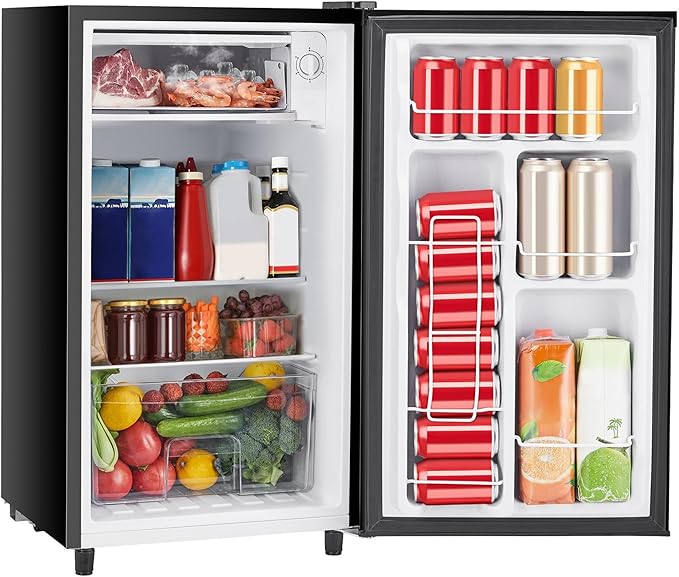
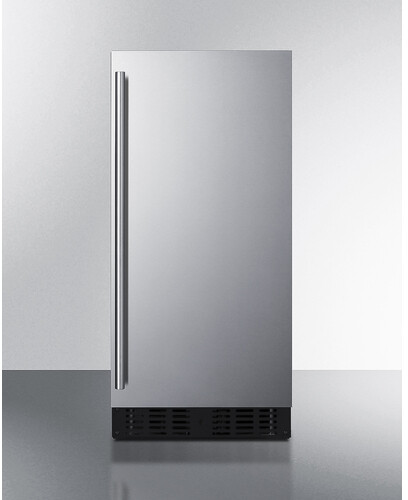
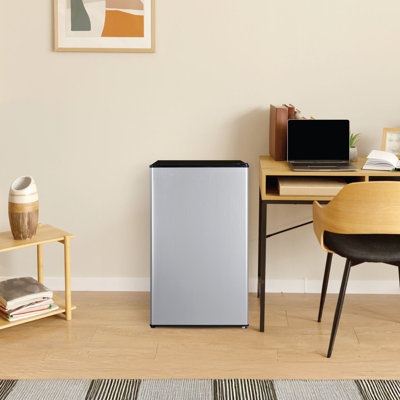
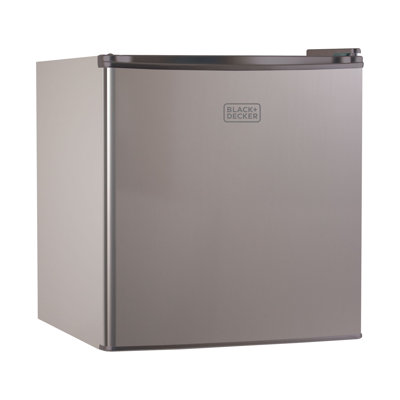
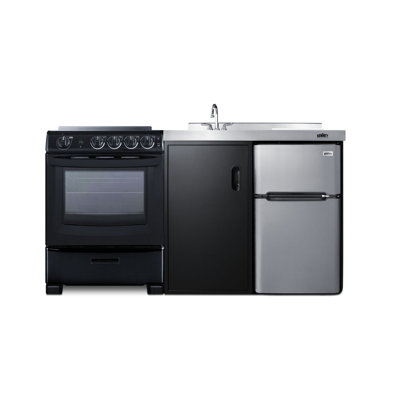
When deciding between a retro mini fridge and a small freezer, it's essential to understand the unique features and benefits each appliance offers. This comparison will help you determine which is better suited for your needs.
Overview of Retro Mini Fridges
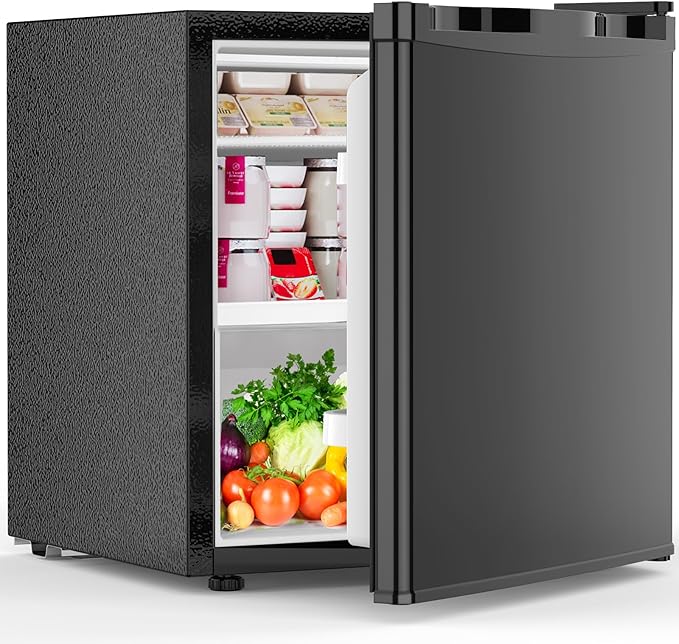
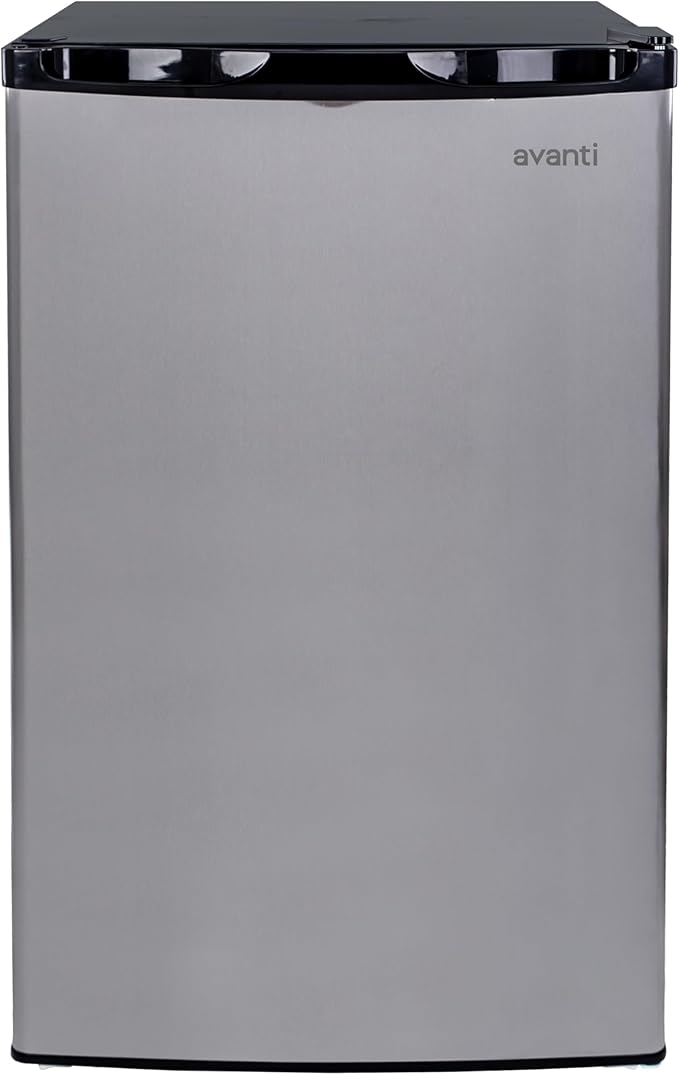
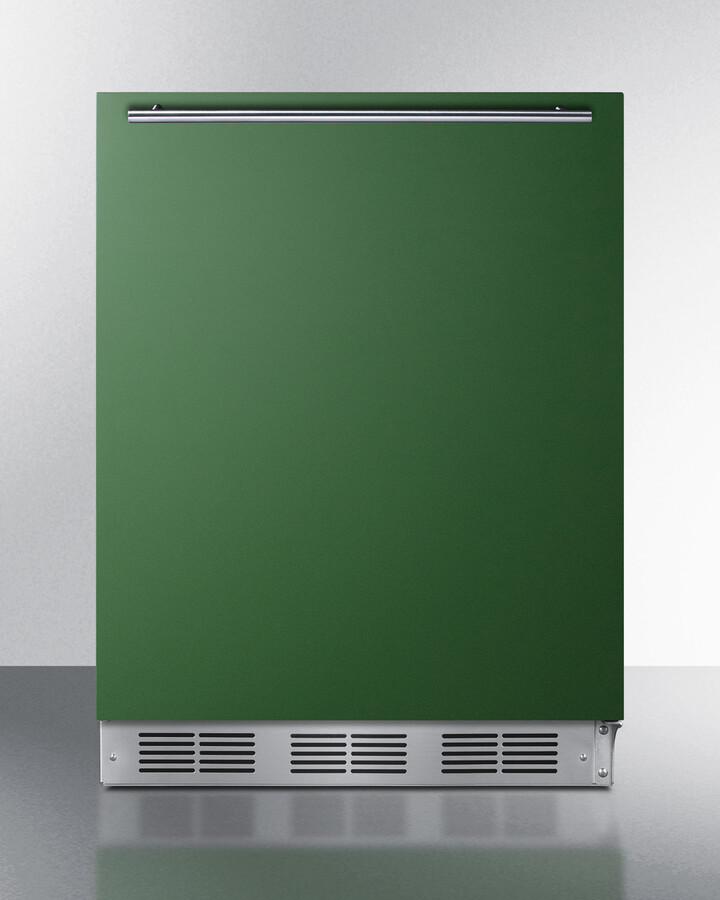
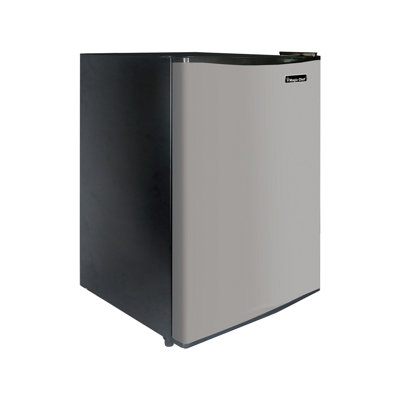
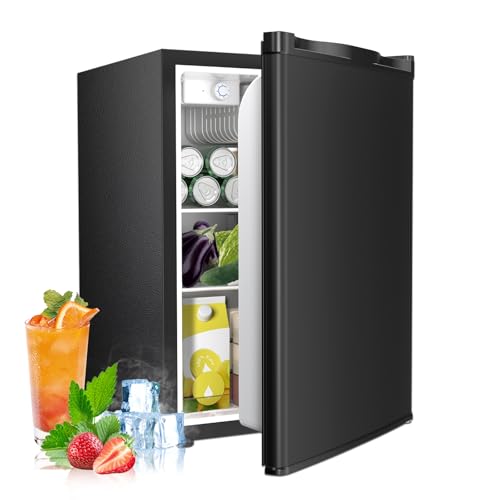
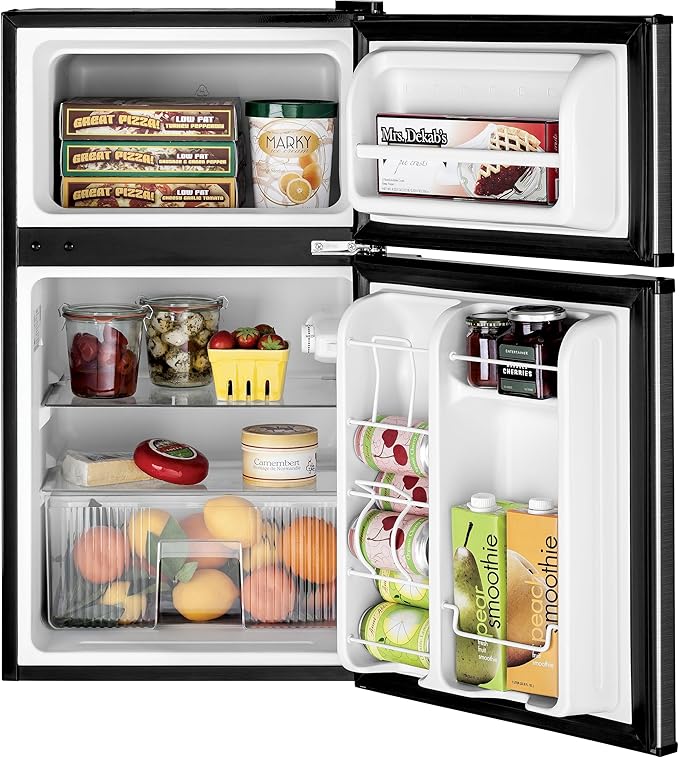
Retro mini fridges are compact refrigerators designed with a nostalgic aesthetic reminiscent of past decades. They are perfect for those who appreciate vintage style while needing modern refrigeration.
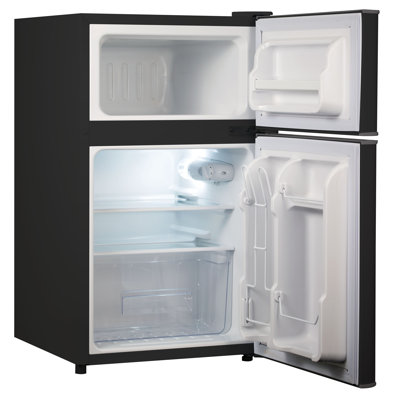
Retro mini fridges typically come equipped with:
A small freezer compartment
Adjustable shelves
Temperature control settings
Compact size, ideal for small spaces like dorm rooms, offices, or personal bars
Feature
Description
Style
Vintage, nostalgic design
Freezer Compartment
Small, suitable for ice or small frozen items
Shelves
Adjustable
Temperature Control
Yes
Size
Compact
Overview of Small Freezers
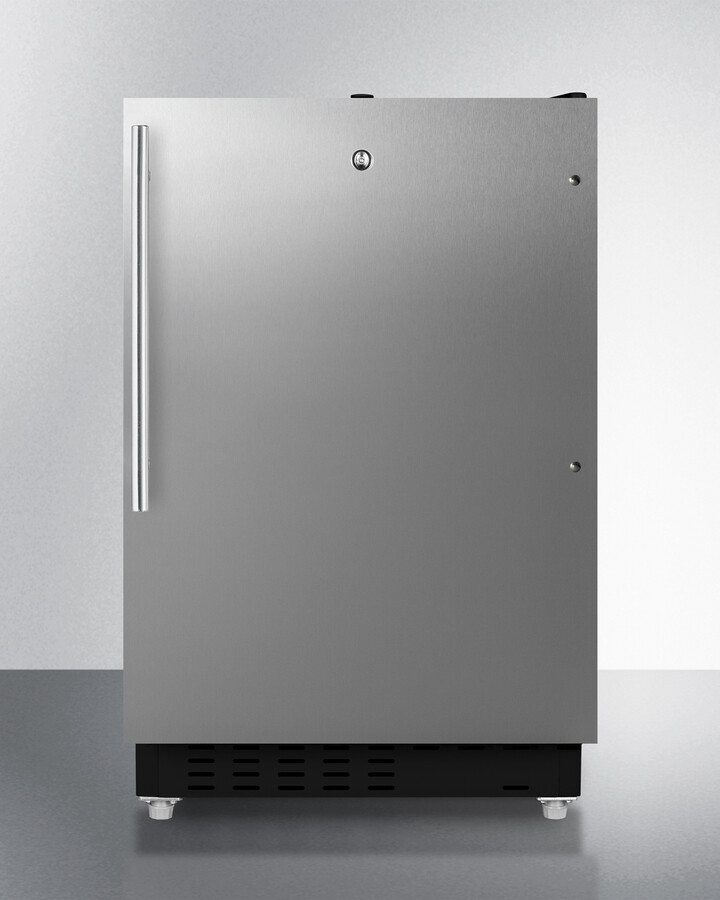
Small freezers, on the other hand, are designed to provide additional freezing space. They are ideal for those who need more storage for frozen foods without taking up too much space.
Small freezers typically offer:
Larger freezing capacity compared to mini fridge freezers
Understanding the size and capacity of a retro mini fridge versus a small freezer is essential when deciding which appliance suits your needs. Let's dive into the specifics of each.
Retro Mini Fridge Size and Capacity
Retro mini fridges are compact and stylish, making them a popular choice for various settings, including apartments, offices, and dorm rooms. They are designed to offer a blend of functionality and aesthetic appeal.
Typically, a retro mini fridge has a capacity ranging from 1.7 to 4.5 cubic feet. The dimensions can vary, but they generally fall within the following range:
Retro Mini Fridge
Size (inches)
Capacity (cubic feet)
Small
18 x 19 x 24
1.7 - 2.5
Medium
20 x 21 x 30
2.6 - 3.5
Large
22 x 23 x 34
3.6 - 4.5
These fridges can comfortably store beverages, snacks, and small food items. Their compact size makes them ideal for tight spaces. For more insights, you might be interested in Fridge.com comparison of mini fridge Vs. refrigerator drawer.
Small Freezer Size and Capacity
Small freezers, on the other hand, are designed to provide additional freezing space, which can be a valuable asset for those who require extra storage for frozen goods. These freezers are often used in kitchens, garages, and basements.
The capacity of small freezers typically ranges from 3 to 9 cubic feet. Their dimensions also vary but generally fit within these ranges:
Small Freezer
Size (inches)
Capacity (cubic feet)
Compact
20 x 22 x 26
3 - 4.5
Medium
24 x 26 x 34
4.6 - 6.5
Large
28 x 30 x 38
6.6 - 9
Small freezers are ideal for storing bulkier items, such as meats, vegetables, and pre-prepared meals. They offer more specialized freezing capabilities compared to retro mini fridges. For more details, check out Fridge.com article on small freezer Vs. small upright freezer.
Both retro mini fridges and small freezers have their unique benefits when it comes to size and capacity. Your choice will depend on your specific storage needs and the available space in your home.
Retro mini fridges are designed to combine style with practical functionality. They often come with a compact design, making them ideal for small spaces like apartments, dorm rooms, or offices. Here are some key features you can expect from a retro mini fridge:
Compact Size: Typically ranging from 1.7 to 4.5 cubic feet.
Adjustable Shelves: Allow you to customize the interior space to fit various items.
Separate Freezer Compartment: Some models include a small freezer section for ice trays or frozen snacks.
Temperature Control: Adjustable thermostat to maintain the desired cooling level.
Energy Efficiency: Many retro mini fridges are designed to be energy-efficient, helping you save on electricity bills.
Aesthetic Design: Vintage-inspired looks with vibrant colors and chrome accents.
Small freezers are designed to offer additional freezing space without taking up too much room. They are perfect for storing extra food items, making them ideal for homes, garages, or basements. Key features of small freezers include:
Storage Capacity: Generally ranges from 3 to 5 cubic feet.
Temperature Control: Adjustable thermostat to set the desired freezing level.
Defrosting Options: Manual or automatic defrosting options are available.
Energy Efficiency: Designed to consume less power while maintaining optimal temperature.
Storage Baskets: Removable baskets or shelves to organize frozen items.
Compact Design: Fits easily in small spaces like apartments or utility rooms.
For more details on different types of freezers, see Fridge.com article on drawer freezer Vs. garage freezer.
Feature
Description
Capacity
3 - 5 cubic feet
Temperature Control
Yes
Defrosting
Manual/Automatic
Storage Baskets
Yes
Design
Compact
By understanding the features and functionality of retro mini fridges and small freezers, you can make an informed decision based on your specific needs. For further comparisons, refer to Fridge.com articles on convertible freezer Vs. medium size refrigerator and drawer freezer Vs. garage refrigerator.
When comparing the energy efficiency of retro mini fridges and small freezers, it's important to consider their energy consumption. This can impact both your electricity bill and the environmental footprint of your household.
Retro Mini Fridge Energy Consumption
Retro mini fridges are designed to be compact and stylish. Their energy consumption can vary depending on the model and features. On average, a typical retro mini fridge might consume between 100 to 200 kWh per year. This makes them relatively energy-efficient, especially for small spaces like dorm rooms or offices.
Retro Mini Fridge Model
Average Annual Energy Consumption (kWh)
Basic Model
100
Mid-Range Model
150
High-End Model
200
For more comparisons, check out Fridge.com article on mini fridge Vs. refrigerator drawer.
Small Freezer Energy Consumption
Small freezers, whether upright or chest types, generally have higher energy consumption compared to mini fridges. This is due to their need to maintain lower temperatures consistently. A typical small freezer may consume between 200 to 400 kWh per year, depending on its size and efficiency.
Small Freezer Model
Average Annual Energy Consumption (kWh)
Compact Upright Freezer
200
Small Chest Freezer
300
High-Capacity Upright Freezer
400
For detailed insights, explore Fridge.com article on drawer freezer Vs. garage freezer.
When choosing between a retro mini fridge and a small freezer, consider your specific needs and how each appliance's energy consumption fits into your lifestyle. Both options have their benefits, but understanding their energy use can help you make an informed decision. For more information on related topics, check out Fridge.com articles on convertible freezer Vs. medium size refrigerator and black refrigerator Vs. deep freezer.
Placement and Usage
Selecting the ideal location for your retro mini fridge or small freezer is crucial for optimizing functionality and convenience. Here’s a guide to help you determine the best spots for each appliance.
Ideal Locations for Retro Mini Fridges
Retro mini fridges are versatile and can be placed in various settings to enhance convenience and style. Here are some ideal locations for your retro mini fridge:
Kitchen: A retro mini fridge can serve as an additional cooling unit in your kitchen, ideal for storing beverages and snacks.
Office: Perfect for keeping your lunch and drinks cool without leaving your workspace.
Bedroom: A handy addition for late-night snacks and drinks, offering both style and convenience.
Dorm Room: Compact and stylish, a retro mini fridge fits well in small living spaces, providing essential cooling without taking up much room.
Garage: Great for extra storage of drinks and quick snacks, especially during work sessions or gatherings.
Entertainment Area: Ideal for game rooms or home theaters, keeping refreshments within easy reach.
For more guidance on mini fridges in different spaces, check out Fridge.com article on mini fridge Vs. refrigerator drawer.
Ideal Locations for Small Freezers
Small freezers are excellent for additional frozen storage and can be placed in various settings to maximize their utility. Here are some ideal locations for your small freezer:
Kitchen: A small freezer can complement your main fridge, providing extra space for frozen foods and bulk purchases.
Basement: Perfect for long-term storage of frozen goods without cluttering your main living areas.
Garage: Ideal for extra storage of meats, prepped meals, and seasonal items, especially if you have limited kitchen space.
Utility Room: Convenient for storing frozen items in close proximity to your laundry and cleaning supplies.
Pantry: A small freezer can be an excellent addition to your pantry, keeping frozen goods organized and easily accessible.
RV or Mobile Home: A must-have for extended trips, providing essential frozen storage in compact living spaces.
For more insights on using freezers in different locations, explore Fridge.com article on drawer freezer Vs. garage freezer.
By strategically placing your retro mini fridge or small freezer, you can enhance both functionality and convenience in your living space. Whether it’s for additional storage or stylish convenience, choosing the right location is key.
When comparing the initial costs of a retro mini fridge and a small freezer, it's important to consider their price ranges. Retro mini fridges often come with a stylish design and modern features, which can influence their price. On the other hand, small freezers are typically more utilitarian, focusing on storage capacity and freezing capability.
Appliance
Price Range ($)
Retro Mini Fridge
100 - 300
Small Freezer
150 - 400
While these price ranges can vary based on the brand and additional features, retro mini fridges tend to be slightly less expensive initially compared to small freezers.
Operating Cost Comparison
The operating costs of both appliances depend on their energy consumption. It's essential to consider the energy efficiency of each appliance to estimate their long-term costs. Retro mini fridges and small freezers have different energy requirements due to their functionalities.
Appliance
Average Energy Consumption (kWh/year)
Estimated Annual Cost ($)
Retro Mini Fridge
200 - 300
24 - 36
Small Freezer
300 - 500
36 - 60
These estimates are based on average electricity costs and usage. Retro mini fridges generally consume less energy compared to small freezers, resulting in lower annual operating costs.
For more detailed comparisons and additional factors to consider, explore Fridge.com articles on convertible freezer Vs. medium size refrigerator, mini fridge Vs. refrigerator drawer, and auto defrost freezer Vs. retro fridge.
Compare prices on Fridge.com
Compare current prices and specifications on Fridge.com, then buy from the retailer you choose; delivery, installation and warranty terms are the retailer’s.
It also has tons of awesome articles about kitchen stuff and home news. Enhance your home, garage, backyard, patio, and office with the coolest essentials. With every necessary type of residential refrigerator or freezer in the collection, you're covered.
Free tool
Food Storage Calculator
Free interactive tool from Fridge.com — get a quick answer while you read.