Introduction to Mini Fridges and Refrigerator Drawers
When it comes to cooling solutions for your home or office, you have several options. Two popular choices are mini fridges and refrigerator drawers. Each has its own unique features and benefits, making them suitable for different scenarios. Understanding these can help you make an informed decision based on your specific needs.
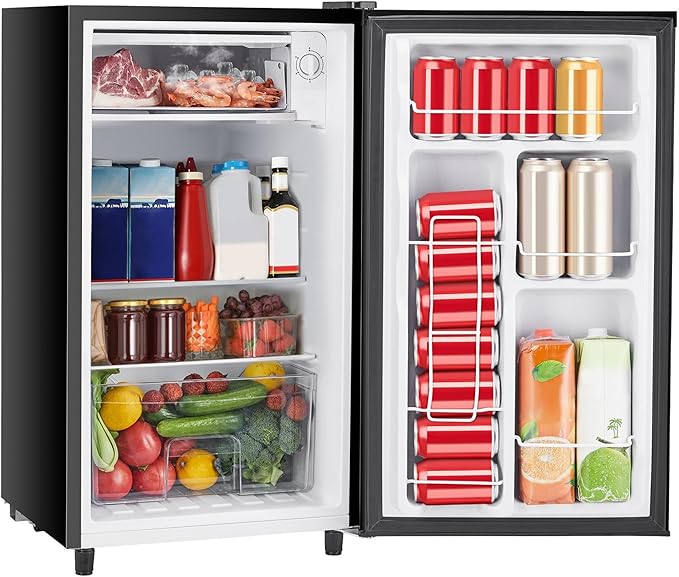
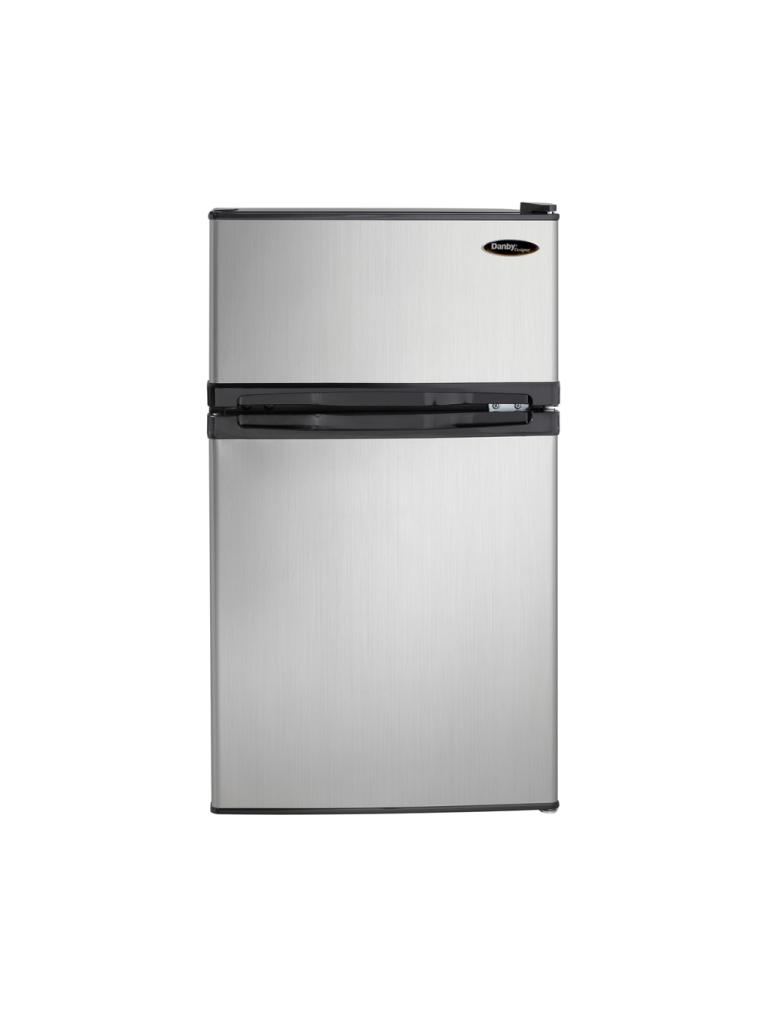
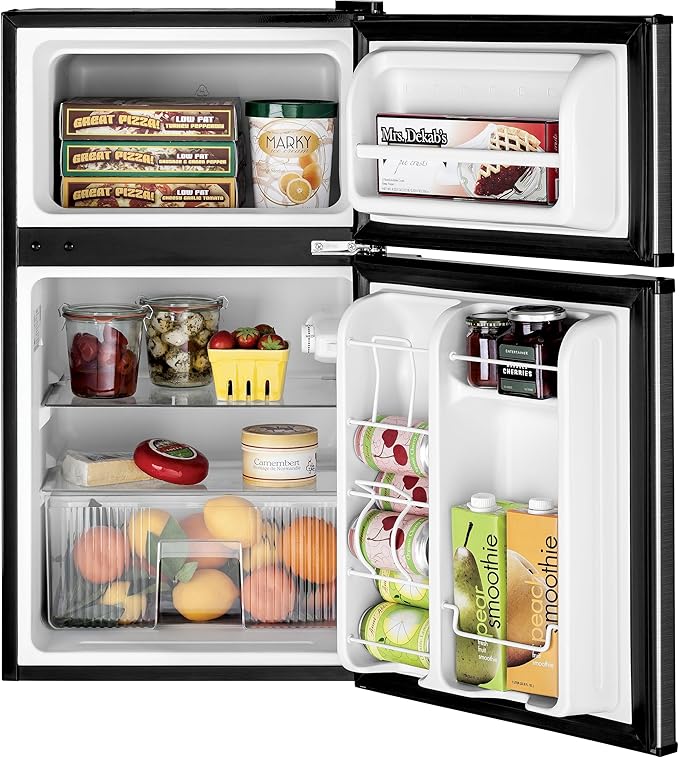
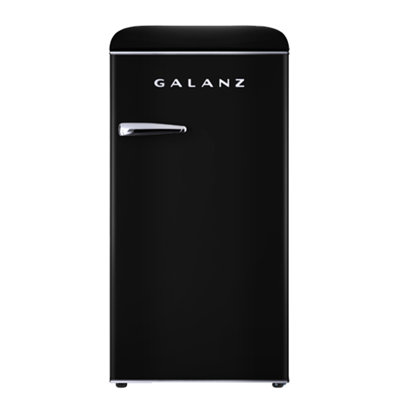
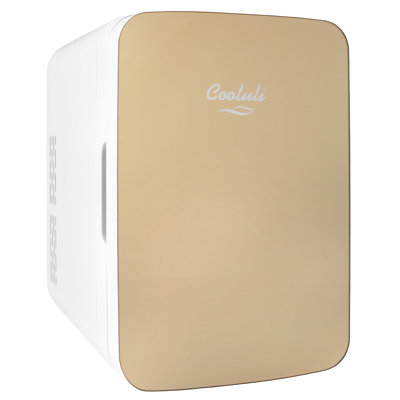
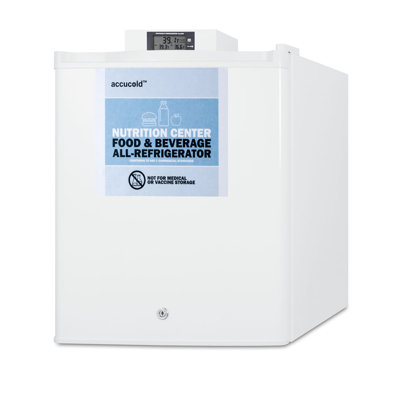
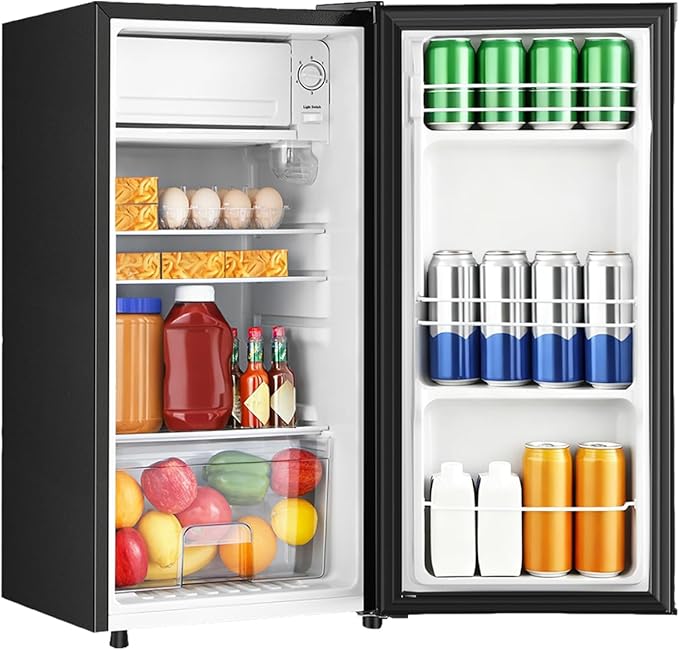
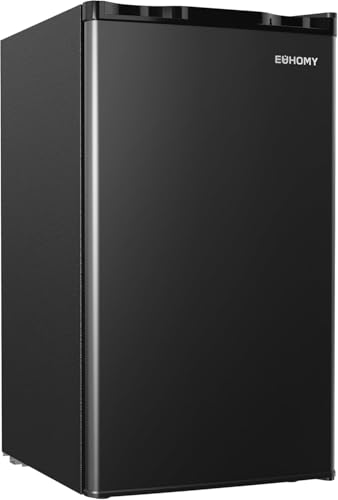
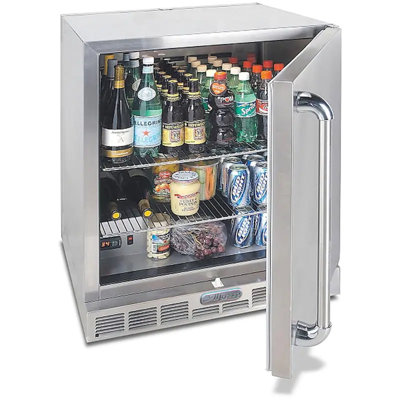
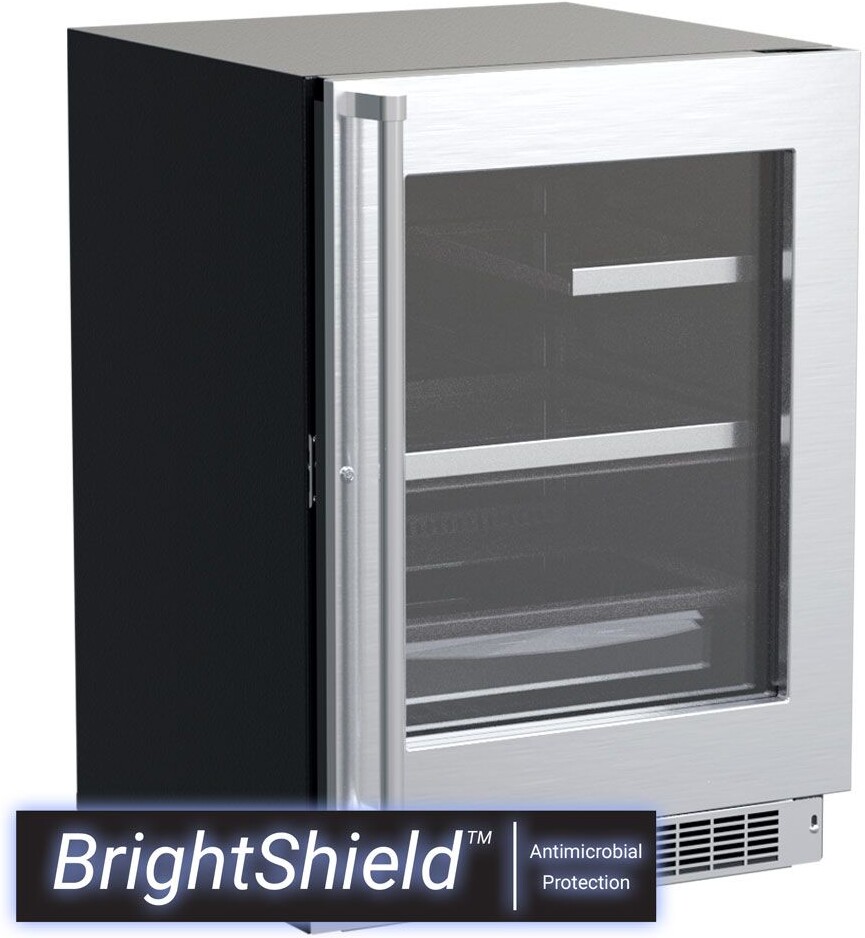
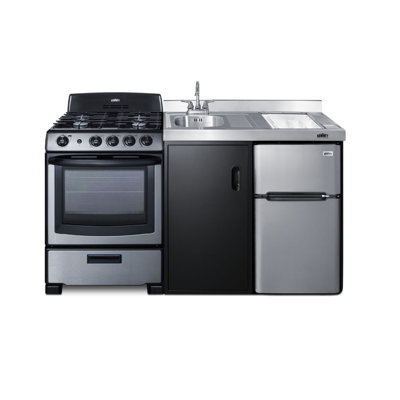
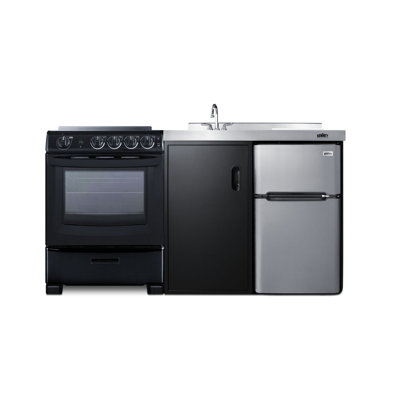
Mini fridges are compact, standalone units that provide convenient cooling for small spaces. They are ideal for dorm rooms, offices, and even outdoor settings. These appliances come in various sizes and styles, offering flexibility in placement and usage.
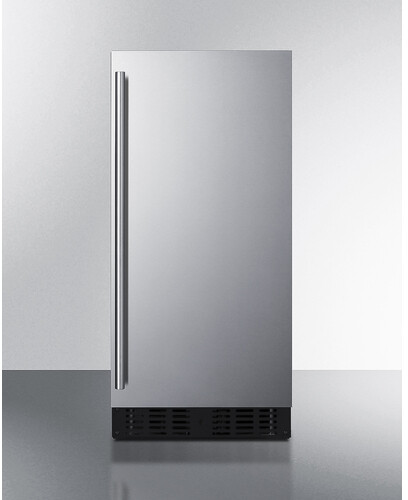
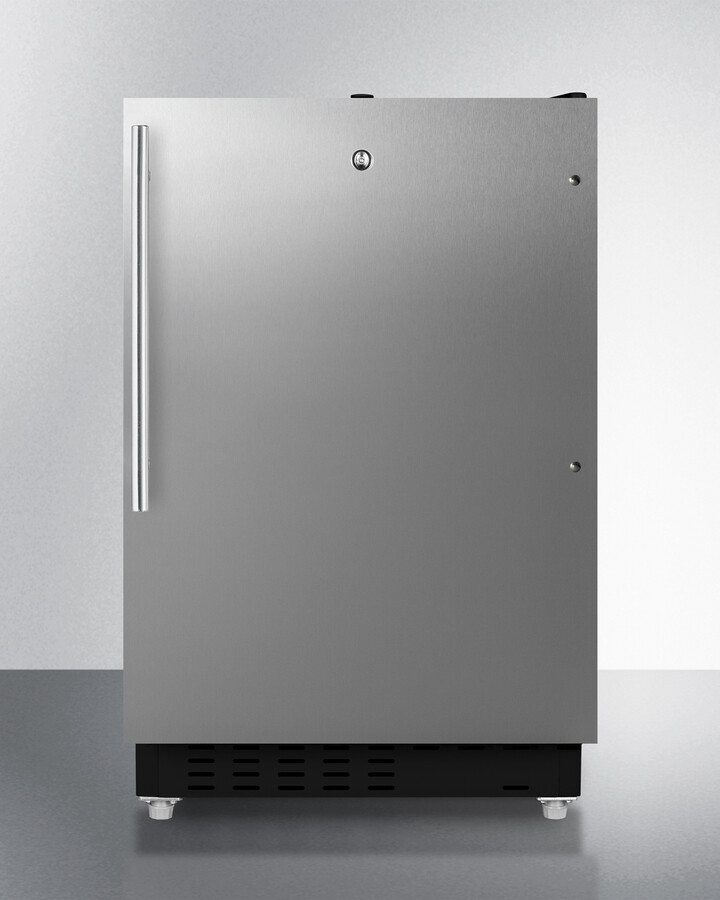
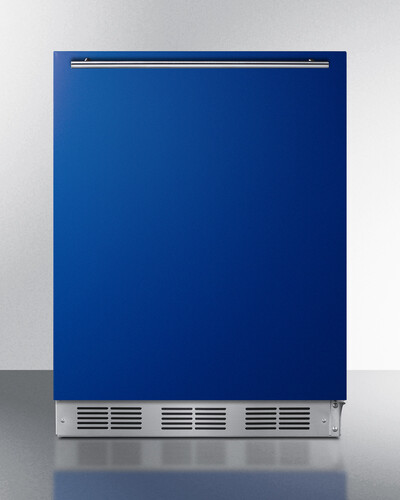
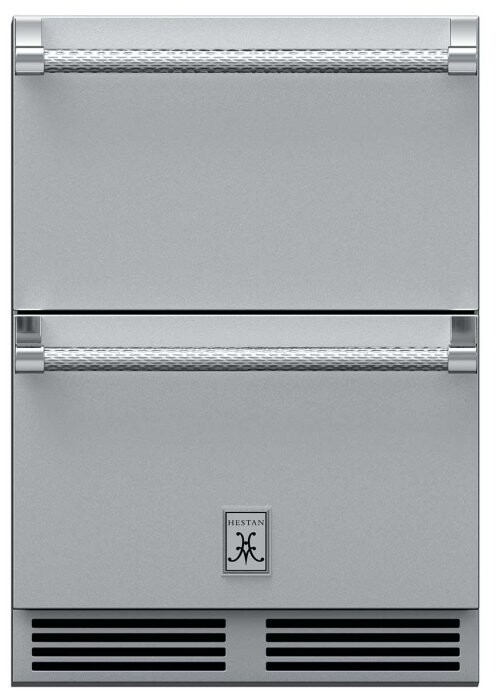
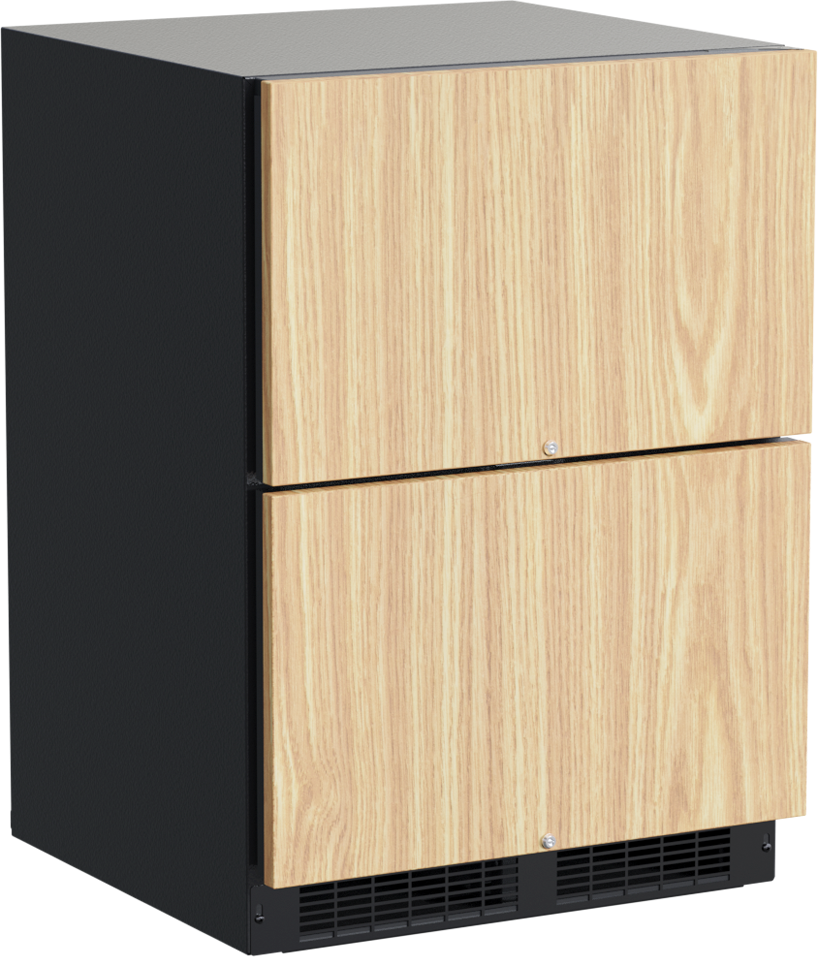
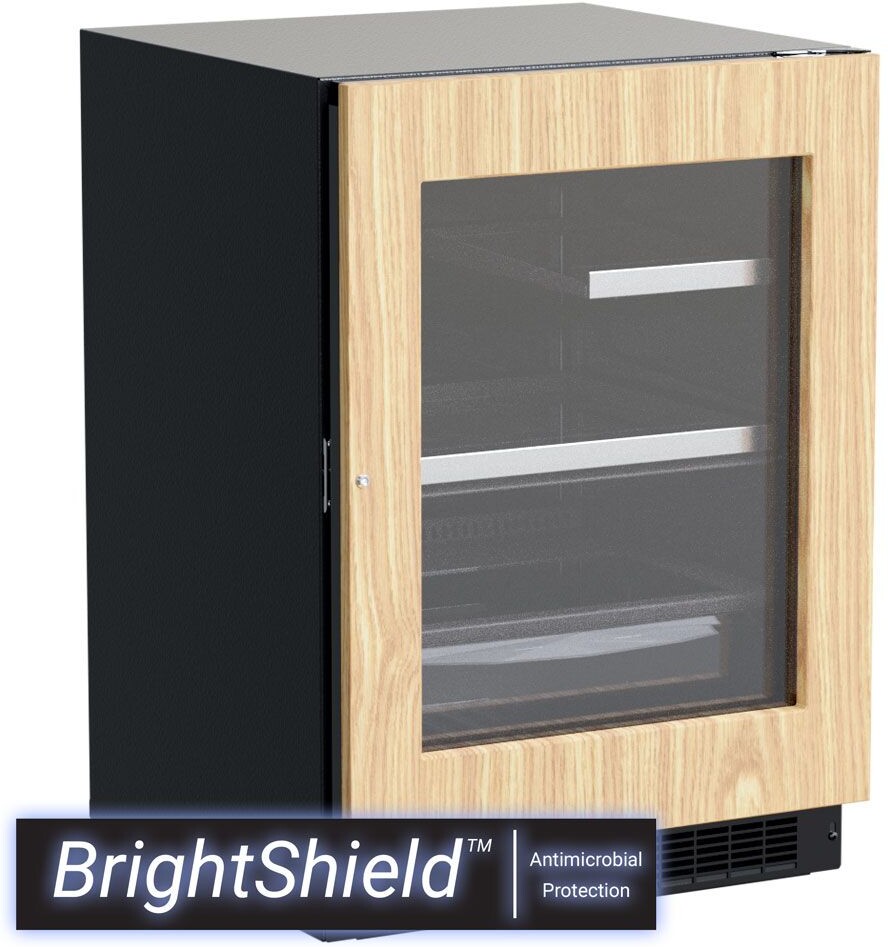
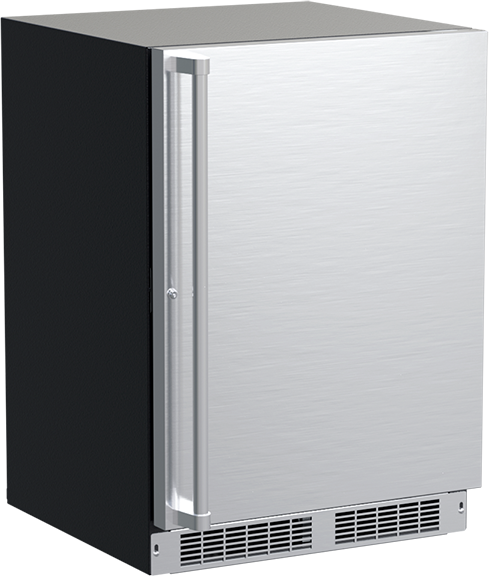
Refrigerator drawers, on the other hand, are built-in units that integrate seamlessly into your cabinetry. These drawers provide easy access to your stored items without taking up much space. They are often used in kitchens, bars, and outdoor areas.
Usage Scenarios for Mini Fridges and Refrigerator Drawers
Choosing between a mini fridge and a refrigerator drawer depends on your specific requirements and the environment where you plan to use the appliance. Below are some typical usage scenarios for both options:
Scenario
Mini Fridge
Refrigerator Drawer
Dorm Room
✓
✗
Office
✓
✓
Outdoor Kitchen
✓
✓
Under-Counter
✗
✓
Bedroom
✓
✗
Bar Area
✓
✓
Game Room
✓
✗
Mini fridges are perfect for small spaces where you need a compact cooling solution. They are portable, making them easy to move around as needed. For instance, they are an excellent choice for dorm rooms and offices where space is limited.
Refrigerator drawers are ideal for integrated spaces. They blend seamlessly into your kitchen or bar area, providing a sleek and modern look. These drawers are also great for outdoor kitchens where you need easy access to chilled beverages and snacks.
Mini fridges are compact refrigeration units designed for small spaces. They are perfect for locations where a full-sized refrigerator might be impractical. The following table highlights some key features of mini fridges:
Feature
Description
Size
Ranges from 1.7 to 4.5 cubic feet
Portability
Lightweight and easy to move
Temperature Control
Adjustable thermostat for different cooling needs
Compartments
Often includes a small freezer section and adjustable shelves
Pros and Cons of Mini Fridges
When considering a mini fridge, it's important to weigh its advantages and drawbacks. Here's a balanced look at the pros and cons:
Pros
Space-Saving: Ideal for dorms, offices, or small apartments.
Convenience: Easy to access and move around.
Affordability: Generally cheaper than full-sized refrigerators.
Energy Efficiency: Consumes less power, leading to lower utility bills.
Versatility: Suitable for various settings like bedrooms, garages, or outdoor patios.
Cons
Limited Capacity: Smaller storage space compared to standard refrigerators.
Temperature Fluctuations: May struggle to maintain a consistent temperature.
Lack of Features: Fewer advanced features like ice makers or water dispensers.
Noise: Can be noisier than larger refrigerators.
Durability: Often have a shorter lifespan than full-sized models.
For a more detailed comparison between different refrigeration units, you might find Fridge.com articles on convertible freezer Vs. medium size refrigerator and drawer freezer Vs. garage refrigerator helpful.
Mini fridges are a versatile and practical solution for various cooling needs. When deciding between a mini fridge and a refrigerator drawer, consider your specific requirements, available space, and budget. For more insights, check out Fridge.com section on personal needs and preferences.
Refrigerator drawers offer a unique and versatile option for individuals seeking convenient and accessible refrigeration solutions. Below, Fridge.com delves into the features and advantages, as well as the disadvantages, of refrigerator drawers.
Features of Refrigerator Drawers
Refrigerator drawers are designed to provide easy access and efficient storage. These units are often installed beneath countertops, making them an excellent choice for kitchens with limited space. Key features include:
Pull-Out Drawer Design: Allows for easy access and organization of food items.
Variable Temperature Control: Offers precise temperature settings for different types of foods.
Energy Efficiency: Typically designed to be energy-efficient, reducing electricity consumption.
While refrigerator drawers offer many benefits, they also have some drawbacks. The table below outlines the main pros and cons:
Pros
Cons
Easy Access
Limited Capacity
Space-Saving Design
Higher Cost
Flexible Temperature Control
Less Suitable for Large Items
Understanding these advantages and disadvantages can help you decide if a refrigerator drawer is the best option for your needs. For more comparisons, check out Fridge.com article on drawer freezer Vs. garage freezer.
For detailed comparisons and further insights, you might find Fridge.com articles on convertible freezer Vs. medium size refrigerator and drawer freezer Vs. garage refrigerator useful.
When deciding between a mini fridge and a refrigerator drawer, several factors come into play. Understanding these aspects can help you make an informed decision based on your needs and preferences.
Size and Capacity
The size and capacity of a mini fridge versus a refrigerator drawer can vary significantly. Mini fridges are typically compact, making them ideal for small spaces like dorm rooms, offices, or bedrooms. They usually range from 1.7 to 4.5 cubic feet in capacity.
Appliance Type
Size Range (cubic feet)
Mini Fridge
1.7 - 4.5
Refrigerator Drawer
2.0 - 5.0
Refrigerator drawers, on the other hand, offer a more integrated look and can be installed under countertops. They generally provide more organized storage and are available in capacities ranging from 2.0 to 5.0 cubic feet. For larger families or those who entertain frequently, a refrigerator drawer might be more suitable.
Energy Efficiency
Energy efficiency is another important factor to consider. Mini fridges are generally less energy-efficient compared to full-sized refrigerators or refrigerator drawers. This is due to their smaller size and less advanced cooling systems. However, newer models have improved energy ratings, making them more efficient than older versions.
Refrigerator drawers often come with advanced cooling technologies and better insulation, which can make them more energy-efficient. It's essential to look at the Energy Star ratings or the energy consumption details provided by the manufacturer to make an eco-friendly choice.
Appliance Type
Average Energy Consumption (kWh/year)
Mini Fridge
100 - 250
Refrigerator Drawer
80 - 200
Installation Options
Installation options differ between mini fridges and refrigerator drawers. Mini fridges are versatile and can be placed almost anywhere with a power outlet. They are portable and require no special installation, making them convenient for temporary setups or frequent relocations.
Refrigerator drawers require a more permanent installation. They are typically built into cabinetry and require professional installation to ensure proper ventilation and function. This makes them a great option for custom kitchens or spaces where a seamless look is desired.
Mini fridges offer a compact and versatile cooling solution suitable for various settings and purposes. They are ideal for:
Dorm Rooms: Perfect for college students needing a small refrigerator to store snacks and beverages.
Office Spaces: Convenient for keeping lunch and refreshments within reach without taking up much space.
Bedrooms: Handy for storing personal items, such as skincare products or midnight snacks.
Garages or Workshops: Useful for keeping drinks cool while working on projects.
Outdoor Areas: Great for poolside or patio use to store cold drinks and snacks.
Mini fridges are also beneficial for those living in tiny homes or mobile homes, where space is limited. They provide the necessary cooling capabilities without occupying much room. For more insights on compact cooling solutions, visit Fridge.com article on mini fridge with freezer Vs. wine cellar.
Best Uses for Refrigerator Drawers
Refrigerator drawers offer a unique and convenient way to store and access your food and beverages. They are best utilized in:
Kitchens: Integrated seamlessly into cabinetry, providing additional storage space for frequently used items, such as fruits, vegetables, and beverages.
Islands or Peninsulas: Installed in kitchen islands for easy access to refrigerated items while cooking or entertaining.
Outdoor Kitchens: Perfect for outdoor kitchens, offering a sleek and functional way to store food and drinks for backyard gatherings.
Home Bars: Ideal for home bars, keeping beverages and mixers chilled and easily accessible.
Butler's Pantries: Useful in butler's pantries to store overflow from the main refrigerator or specialty items.
Refrigerator drawers are also a popular choice for those looking to create a customized kitchen layout. They provide flexibility in design and functionality, making them a versatile addition to any home. For detailed comparisons on different refrigeration options, check out Fridge.com article on built in refrigerator Vs. convertible freezer.
By understanding the practical applications of mini fridges and refrigerator drawers, you can make an informed decision on which option best suits your specific needs and lifestyle. Whether you need a compact cooling solution for a small space or a convenient, integrated storage option for your kitchen, there is a refrigeration solution to meet your requirements.
When deciding between a mini fridge and a refrigerator drawer, it's essential to consider your specific needs and preferences. Mini fridges are ideal for small spaces, such as dorm rooms, offices, or bedrooms. They are versatile and can be easily moved around, making them suitable for different environments. Mini fridges often come with a small freezer compartment, providing additional functionality.
Refrigerator drawers, on the other hand, are built into cabinetry and offer a sleek, integrated look. These drawers are perfect for kitchens, especially those with limited space, as they can be installed under countertops. They provide easy access to stored items and can be used for specific purposes, such as storing beverages, snacks, or even fresh produce.
Feature
Mini Fridge
Refrigerator Drawer
Mobility
High
Low
Integration
Low
High
Versatility
High
Medium
Freezer Compartment
Yes
No
Assess your storage needs and consider the layout of your space. If you need a portable solution, a mini fridge may be the best option. If you prefer a seamless, built-in look, a refrigerator drawer might be more suitable. For additional comparisons, check out Fridge.com article on compact refrigerator Vs. drawer fridge freezer.
Budget Considerations
Budget is another critical factor when choosing between a mini fridge and a refrigerator drawer. Mini fridges are generally more affordable than refrigerator drawers, making them an attractive option for budget-conscious buyers. They offer a range of features and sizes to fit different price points.
Refrigerator drawers, due to their built-in design and advanced features, tend to be more expensive. The cost of installation should also be considered, as it can add to the overall expense. However, the investment in a refrigerator drawer can be justified by its convenience and the added value it brings to a well-designed kitchen.
Factor
Mini Fridge
Refrigerator Drawer
Initial Cost
Low to Medium
High
Installation Cost
None
High
Long-Term Value
Medium
High
Evaluate your budget and consider both the initial and long-term costs. If you're looking for a cost-effective solution, a mini fridge might be the way to go. If you have the budget for a more premium, integrated appliance, a refrigerator drawer could be worth the investment. For more insights on budget-friendly options, check out Fridge.com article on mini fridge with freezer Vs. wine cellar.
Compare prices on Fridge.com
Compare current prices and specifications on Fridge.com, then buy from the retailer you choose; delivery, installation and warranty terms are the retailer’s.
It also has tons of awesome articles about kitchen stuff and home news. Enhance your home, garage, backyard, patio, and office with the coolest essentials. With every necessary type of residential refrigerator or freezer in the collection, you're covered.
From Fridge.com research
Figures below come from data Fridge.com builds and maintains. Each links to the record behind it.
Fridge.com Energy Index, built on U.S. EPA and DOE ENERGY STAR records
Across 1,728 ENERGY STAR certified compact refrigerator models, median use is 246 kWh per year — 11% better than the federal standard.