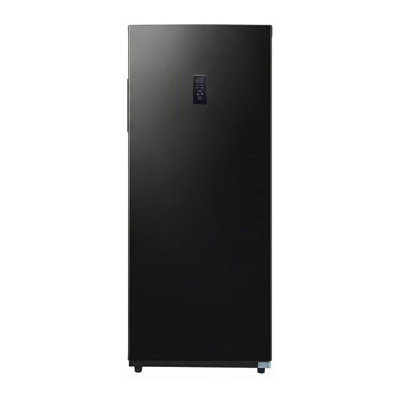
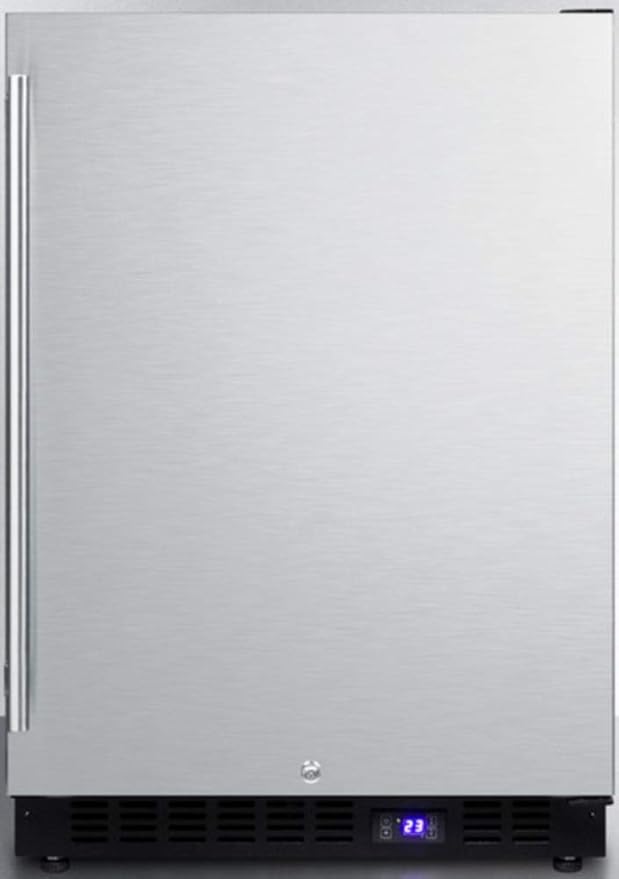
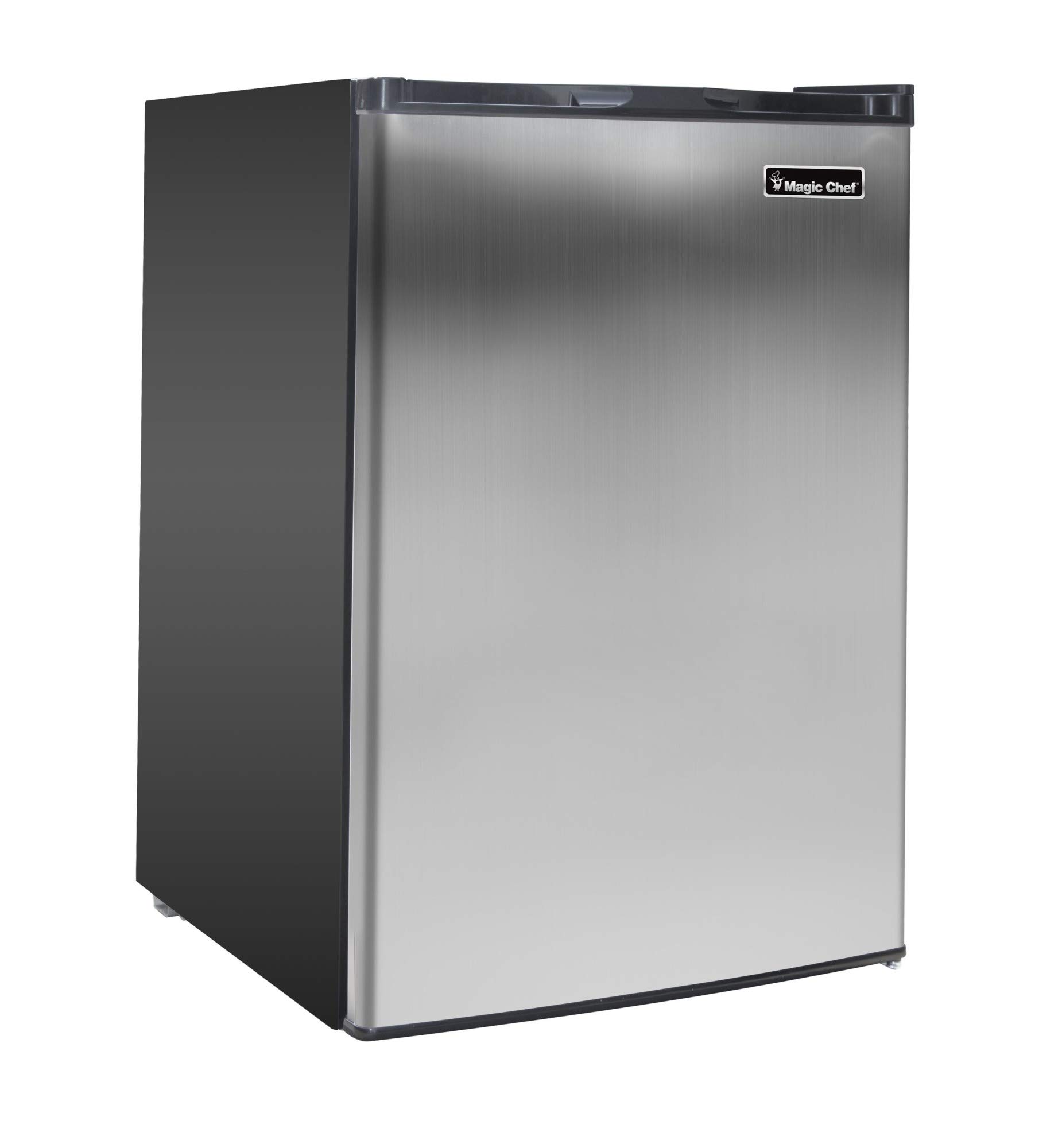
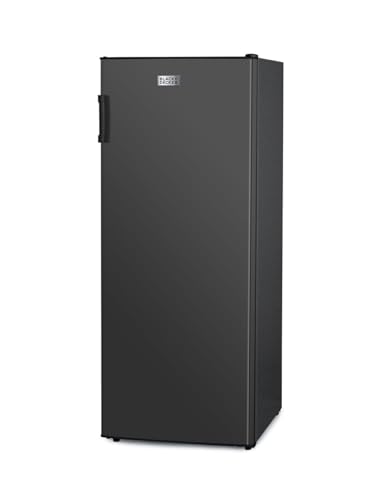
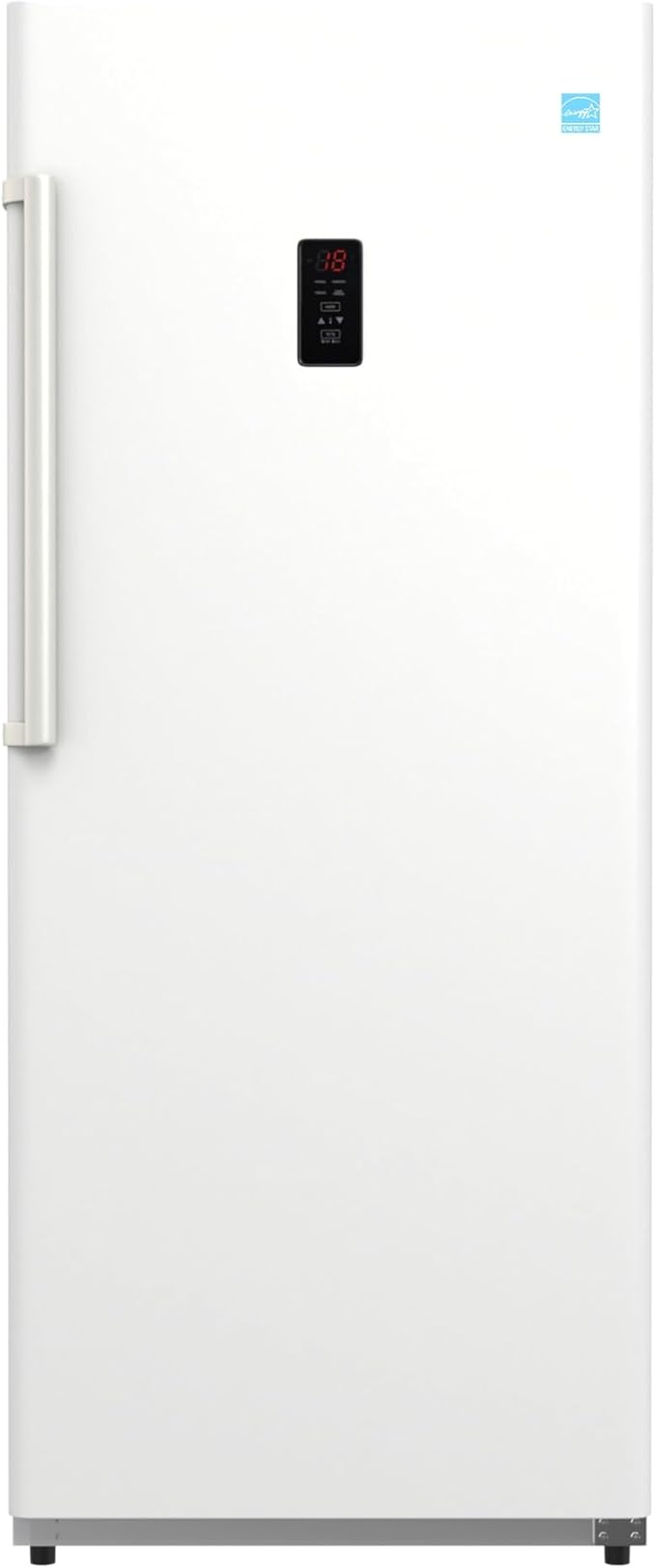
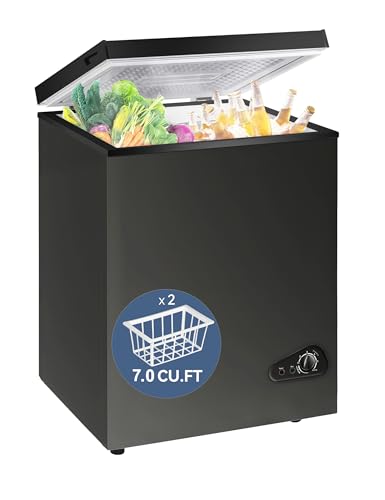
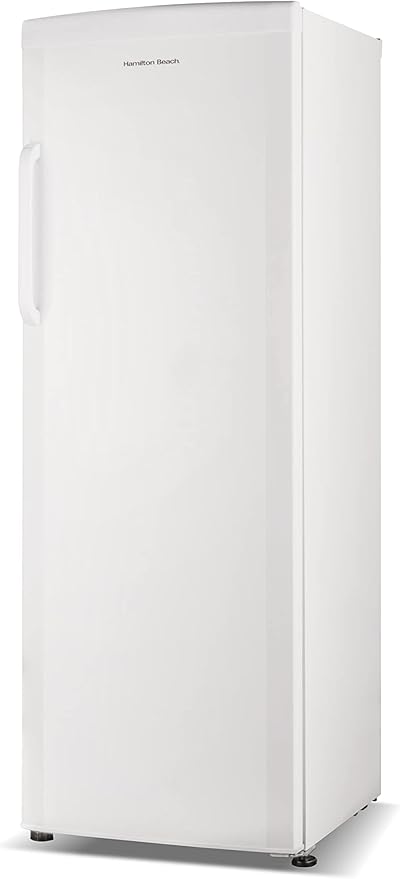
When choosing between different freezer options, it's important to understand the unique features and benefits of each type. This section will provide an overview of drawer freezers and garage freezers to help you make an informed decision.
Drawer Freezer Overview
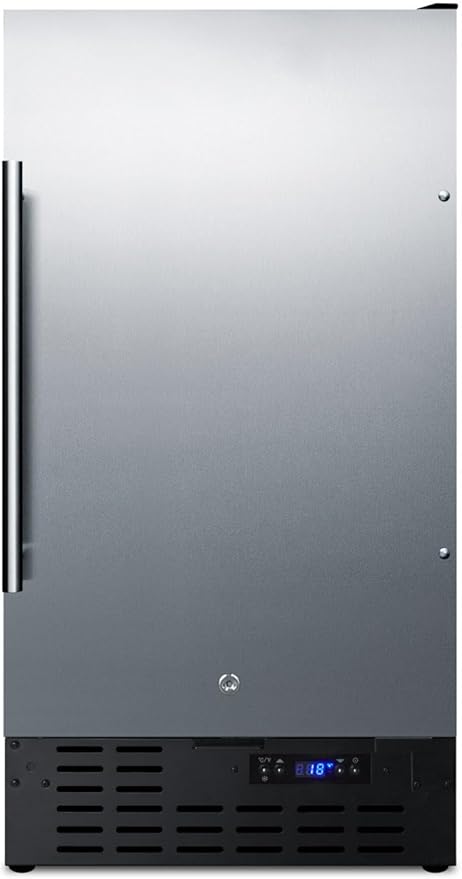
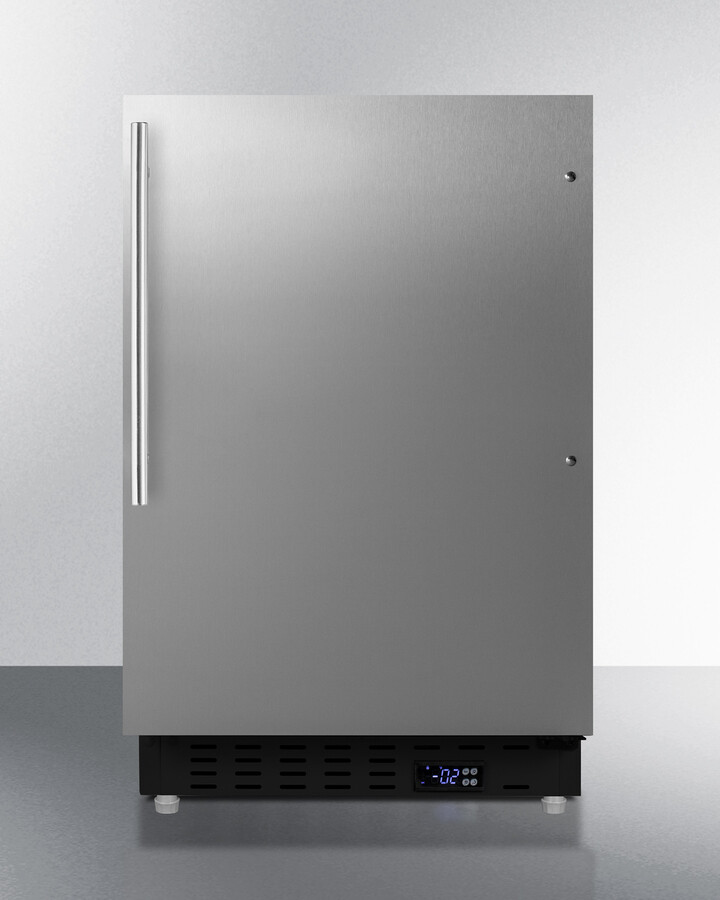
Drawer freezers, also known as undercounter freezers or built-in freezers, are designed to be installed beneath countertops or within cabinetry. These freezers offer a sleek and seamless appearance, making them a popular choice for modern kitchens. Drawer freezers are typically accessed by pulling out drawers, which can be more convenient for organizing and retrieving items.
Key Features of Drawer Freezers:
Compact Design: Fits seamlessly into kitchen cabinetry.
Easy Access: Pull-out drawers for convenient access.
Organized Storage: Multiple drawers for better organization.
Aesthetic Appeal: Blends well with kitchen decor.
Garage Freezer Overview
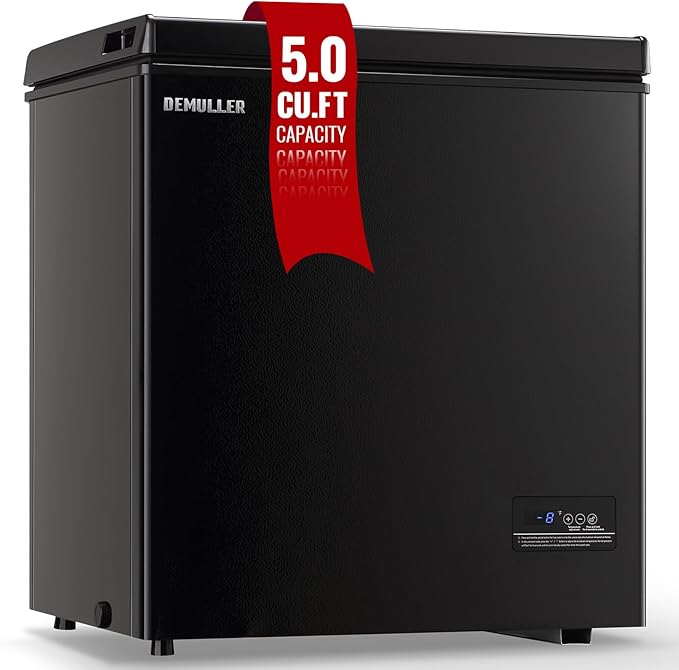
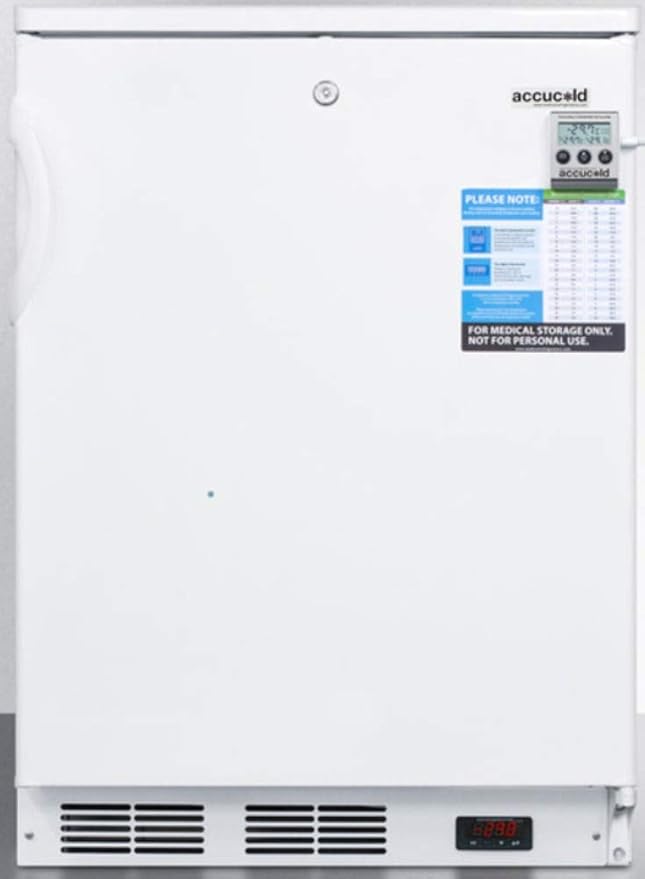
Garage freezers, also known as chest freezers or upright freezers, are designed to be placed in non-climate-controlled environments such as garages, basements, or utility rooms. These freezers are ideal for storing bulk items and are often more spacious compared to drawer freezers. Garage freezers come in two main types: chest freezers (which open from the top) and upright freezers (which open from the front).
Key Features of Garage Freezers:
Large Capacity: Suitable for bulk storage.
Versatile Placement: Can be placed in garages or basements.
Durable Build: Designed to withstand varying temperatures.
Flexible Organization: Adjustable shelves and bins for storage.
Drawer freezers, often installed under countertops, offer a range of benefits and drawbacks. They are designed to provide easy access to frozen goods without taking up much space, making them a popular choice for kitchens and small living areas.
Pros:
Accessibility: Drawer freezers allow you to access frozen items easily without bending down.
Space-Saving: Their compact design fits well in kitchens, apartments, and other limited spaces.
Organization: Multiple drawers help in organized storage, making it easier to find items.
Aesthetics: They blend seamlessly with kitchen cabinetry, providing a sleek look.
Cons:
Capacity: Drawer freezers generally have less storage space compared to traditional upright or chest freezers.
Cost: They can be more expensive due to their design and integration features.
Installation: Requires professional installation, which can add to the overall cost.
Feature
Drawer Freezer
Accessibility
High
Capacity
Low
Cost
High
Installation
Professional
Pros and Cons of Garage Freezers
Garage freezers, designed to operate in varying temperatures, provide a practical solution for additional freezing capacity. These freezers are typically placed in garages, basements, or other utility areas, offering a convenient way to store bulk items.
Pros:
Capacity: Garage freezers usually offer large storage space, ideal for families or bulk storage.
Durability: Built to withstand temperature fluctuations, making them suitable for non-climate-controlled areas.
Flexibility: Easy to move and can be placed in various locations like garages, basements, or utility rooms.
Cost-Effective: Generally more affordable compared to built-in options like drawer freezers.
Cons:
Accessibility: Requires bending or reaching, which may not be convenient for everyone.
Space: Takes up significant floor space, which might be a limitation in smaller areas.
Aesthetics: Typically utilitarian in design, may not blend well with home décor.
Feature
Garage Freezer
Accessibility
Low
Capacity
High
Cost
Low
Installation
DIY
For further comparison, you can explore Fridge.com articles on convertible freezer Vs. medium size refrigerator and drawer freezer Vs. garage refrigerator.
Choosing the right location for your freezer is essential for ensuring optimal performance and convenience. Different types of freezers have unique placement requirements to consider.
Ideal Locations for Drawer Freezers
Drawer freezers are designed with ease of access and space efficiency in mind. They are versatile and can be installed in various settings within your home or workspace.
Kitchen: The most common location for drawer freezers is the kitchen. They can be integrated seamlessly into cabinetry, providing easy access to frozen foods while cooking.
Pantry: Placing a drawer freezer in the pantry allows for organized storage of bulk items and frozen goods, keeping them out of the main kitchen area.
Basement: For those with limited kitchen space, installing a drawer freezer in the basement can help manage overflow and store backup supplies.
Garage: While less common, drawer freezers can be placed in the garage, provided the temperature is controlled and within the appliance's operating range.
Ideal Locations for Garage Freezers
Garage freezers are built to withstand fluctuating temperatures, making them suitable for less controlled environments. These freezers are commonly larger and can handle bulk storage.
Garage: As the name suggests, garage freezers are ideal for placement in the garage. They are designed to operate efficiently in varying temperatures, making them perfect for storing large quantities of food.
Basement: Another suitable location for garage freezers is the basement. They can serve as a secondary storage unit, keeping extra supplies and bulk purchases easily accessible.
Utility Room: If you have a utility room, placing a garage freezer there can help keep it out of the main living areas while still providing convenient access.
Location Options
Drawer Freezer
Garage Freezer
Kitchen
Yes
No
Pantry
Yes
No
Basement
Yes
Yes
Garage
Yes (controlled temperature)
Yes
Utility Room
No
Yes
When deciding between a drawer freezer Vs. garage refrigerator, consider the specific needs of your household and the available space. Placement plays a crucial role in the efficiency and longevity of your appliance. For more comparisons on various freezer and refrigerator types, visit other Fridge.com articles like convertible freezer Vs. medium size refrigerator and compact refrigerator Vs. drawer fridge freezer.
When deciding between a drawer freezer and a garage freezer, storage capacity and organization play significant roles. Understanding the storage features of each can help you make an informed decision.
Drawer Freezer Storage Features
Drawer freezers are designed for easy access and efficient organization. They typically come with multiple compartments and drawers, allowing you to separate different types of food items.
Feature
Description
Compartments
Multiple drawers or bins for organized storage.
Accessibility
Easy to reach items without bending or stretching.
Space Utilization
Optimized layout for maximum storage in a compact space.
Visibility
Clear compartments or labels for quick identification of contents.
Drawer freezers are ideal for smaller spaces and for those who prefer a more organized approach to food storage. The easy accessibility makes it convenient to find and retrieve items quickly.
Garage Freezer Storage Features
Garage freezers, often larger than drawer freezers, offer substantial storage capacity and are designed to handle bulkier items. They are typically upright or chest freezers that provide versatile storage options.
Feature
Description
Capacity
Ample space for large quantities of food.
Shelving
Adjustable shelves to accommodate various item sizes.
Bins and Baskets
Removable bins or baskets for flexible organization.
Bulk Storage
Suitable for storing large and bulky items.
Garage freezers are perfect for those who need to store large amounts of food, such as families or avid entertainers. The adjustable shelving and bins allow for flexible storage solutions, making it easier to organize and access items.
Choosing between a drawer freezer and a garage freezer depends on your specific needs and preferences. If you prioritize organization and easy access, a drawer freezer might be the better option. Conversely, if you require substantial storage space for bulk items, a garage freezer could be more suitable. For more information on freezer options, you can refer to Fridge.com articles on convertible freezer Vs. medium size refrigerator and drawer freezer Vs. garage refrigerator.
Temperature Control and Maintenance
Maintaining the proper temperature and ensuring regular maintenance are essential for both drawer freezers and garage freezers. These factors play a significant role in preserving the quality of your food and the efficiency of the freezer.
Temperature Regulation in Drawer Freezers
Drawer freezers are designed to provide precise temperature control, making them a convenient option for homeowners and chefs. These freezers often come with digital thermostats that allow you to set and monitor the internal temperature accurately. This feature ensures that your food remains frozen at the optimal temperature, reducing the risk of spoilage.
Feature
Drawer Freezer
Temperature Range
-10°F to 0°F
Digital Thermostat
Yes
Temperature Stability
High
Regular maintenance of drawer freezers includes cleaning the drawers and checking the seals to ensure they are airtight. This helps in maintaining consistent temperatures and energy efficiency. For more tips on maintaining and using freezers effectively, check out auto defrost freezer Vs. retro fridge.
Temperature Regulation in Garage Freezers
Garage freezers are built to withstand a wider range of ambient temperatures, making them suitable for placement in unconditioned spaces like garages and basements. These freezers often feature more robust insulation and advanced cooling systems to maintain a stable internal temperature, even in fluctuating external conditions.
Feature
Garage Freezer
Temperature Range
-20°F to 10°F
Digital Thermostat
Optional
Temperature Stability
Moderate to High
Maintenance of garage freezers involves regular defrosting, cleaning, and checking the compressor and cooling coils. Ensuring that the freezer is level and the door seals are intact can also help in maintaining optimal temperature control. For more information on different types of freezers, visit column refrigerator freezer Vs. dorm fridge.
Understanding the temperature regulation and maintenance needs of both drawer freezers and garage freezers can help you make an informed decision based on your specific requirements. For a comparison of other freezer options, check out drawer freezer Vs. freezer drawer.
When choosing between a drawer freezer and a garage freezer, several factors need to be considered. Here are key aspects to help make an informed decision.
Energy Efficiency
Energy efficiency is a critical factor. Different freezers consume varying amounts of energy, impacting your electricity bill and environmental footprint. Typically, drawer freezers are designed for indoor use and tend to be more energy-efficient due to better insulation and temperature control. Garage freezers, on the other hand, may consume more power as they often operate in fluctuating temperatures.
Cost is another important consideration. The initial purchase price and long-term operating costs can vary significantly between drawer freezers and garage freezers. Drawer freezers often come with advanced features and higher energy efficiency, which might make them more expensive upfront but cheaper to operate over time. Garage freezers may have a lower initial cost but could lead to higher electricity bills.
Freezer Type
Average Initial Cost ($)
Estimated Annual Operating Cost ($)
Drawer Freezer
800 - 1,200
60 - 70
Garage Freezer
500 - 900
80 - 100
For additional cost comparisons, visit Fridge.com article on convertible freezer Vs. medium size refrigerator.
Lifestyle and Usage Considerations
Your lifestyle and usage patterns are also crucial in determining the best freezer for your needs. Drawer freezers are ideal for those who prefer easy access and organization. They fit seamlessly into a kitchen or pantry, making them suitable for frequent access. Garage freezers are perfect for bulk storage and can handle larger items, making them suitable for people who buy in bulk or need extra storage space.
Consider how often you will access the freezer and the types of items you plan to store. If you entertain frequently or have a large family, a garage freezer may provide the extra capacity you need. Conversely, if you have limited space and prefer a more integrated look, a drawer freezer might be the better option.
For more insights on choosing the right freezer based on lifestyle, check out Fridge.com articles on drawer freezer Vs. garage refrigerator and compact refrigerator Vs. drawer fridge freezer.
By considering these factors—energy efficiency, cost comparison, and lifestyle needs—you can make a more informed decision between a drawer freezer and a garage freezer.
Compare prices on Fridge.com
Compare current prices and specifications on Fridge.com, then buy from the retailer you choose; delivery, installation and warranty terms are the retailer’s.
It also has tons of awesome articles about kitchen stuff and home news. Enhance your home, garage, backyard, patio, and office with the coolest essentials. With every necessary type of residential refrigerator or freezer in the collection, you're covered.
Free tool
Food Storage Calculator
Free interactive tool from Fridge.com — get a quick answer while you read.