A clearance of at least 3 inches on all sides is recommended.
They are ideal for storing bulk items and provide ample space for larger food packages.
Storage: Multiple shelves and compartments for organized storage.
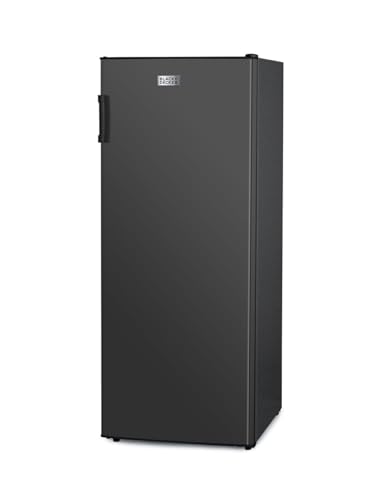
On the other hand, small upright freezers tend to be taller but take up less floor space, making them ideal for kitchens, garages, or basements where vertical space is more abundant.
When deciding between a small freezer and a small upright freezer, it's essential to understand the unique characteristics of each type. This will help you make an informed choice based on your specific needs and preferences.
Understanding Small Freezers
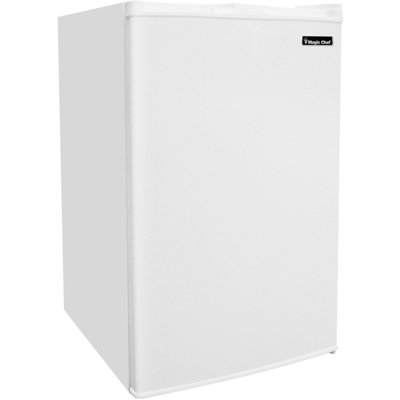
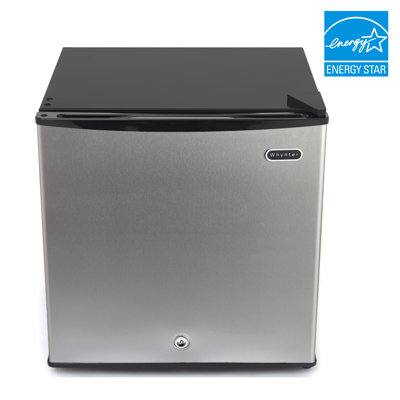
Small freezers, often referred to as chest freezers, are compact and typically have a horizontal design. They are ideal for storing bulk items and provide ample space for larger food packages. Here's a brief overview of their features:
Design: Horizontal layout with a hinged lid on top.
Storage: Deep interior, suitable for bulk storage.
Accessibility: Items stored at the bottom may be harder to reach.
Footprint: Requires more floor space.
Efficiency: Often more energy-efficient due to better insulation.
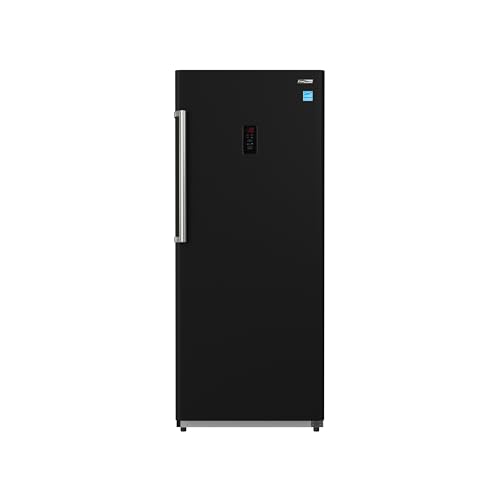
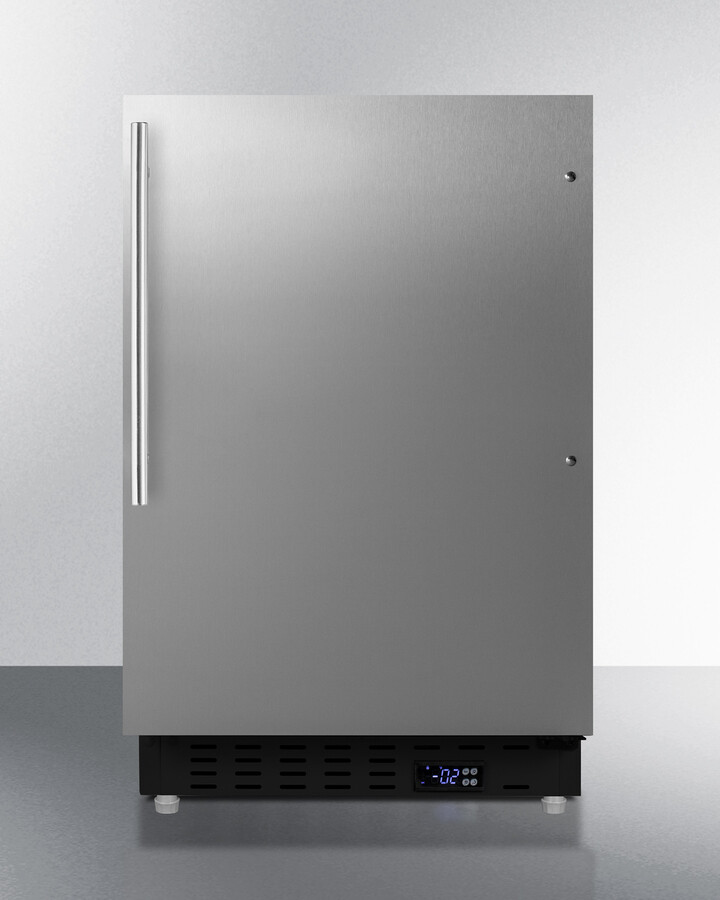
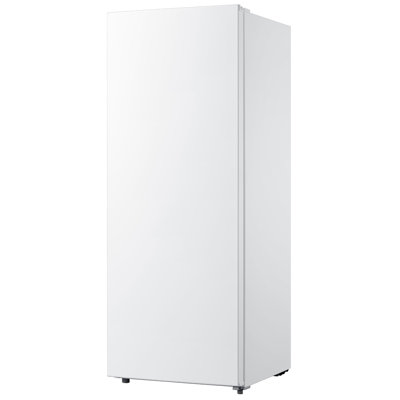
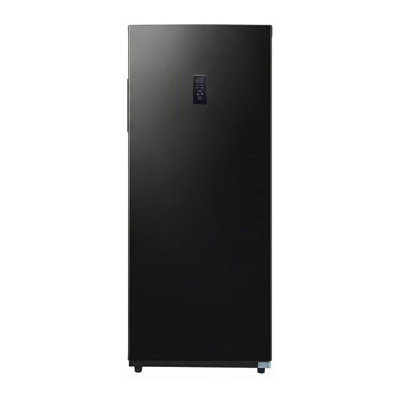
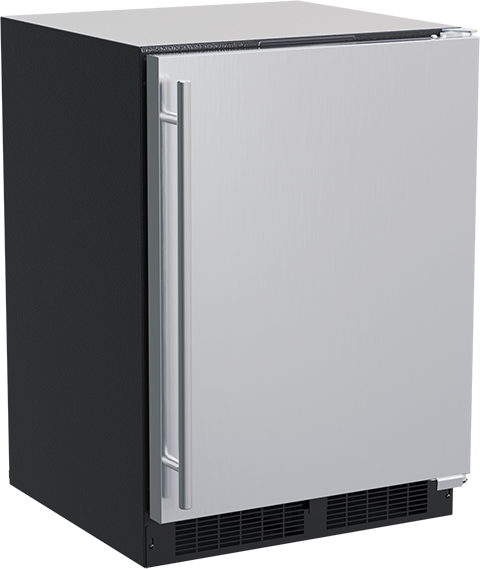
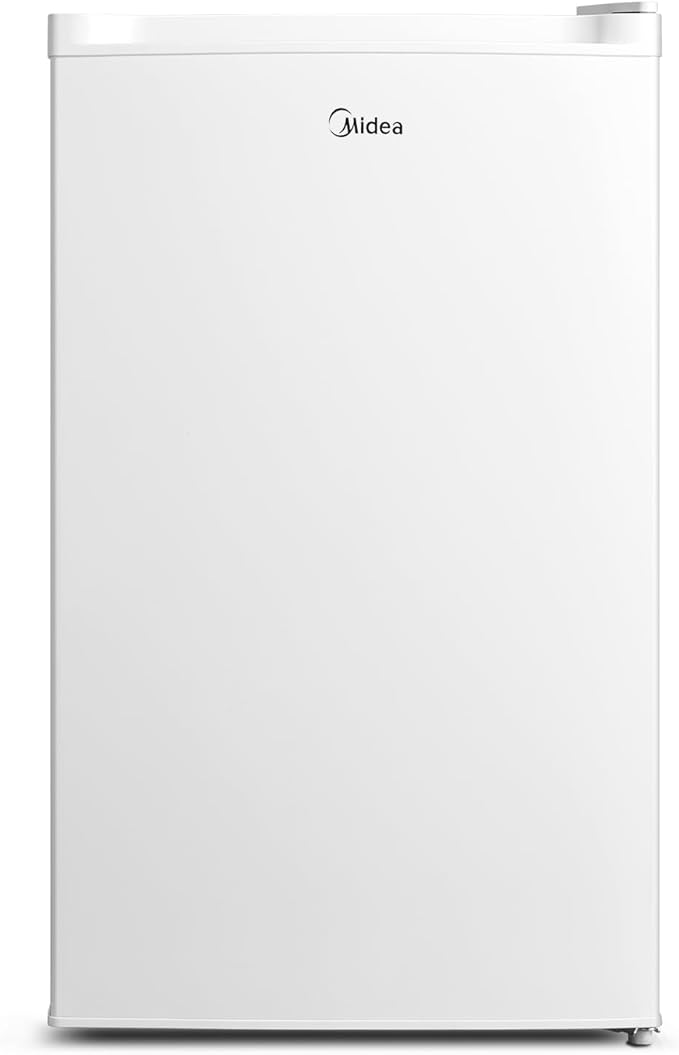
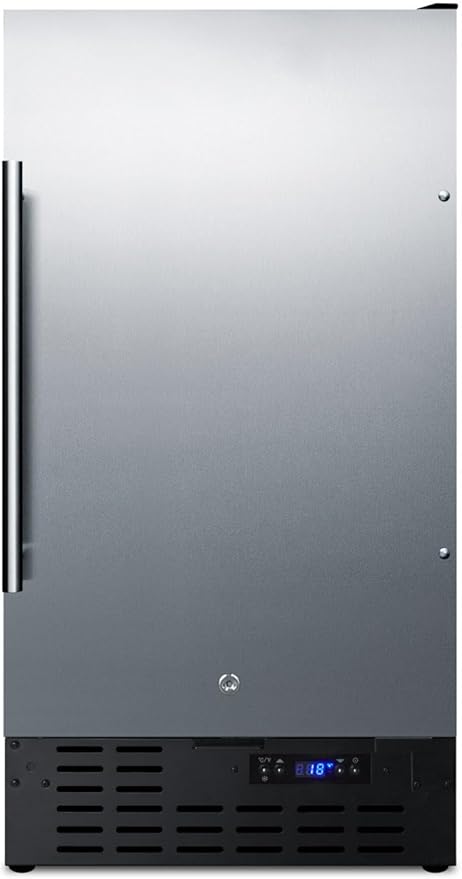
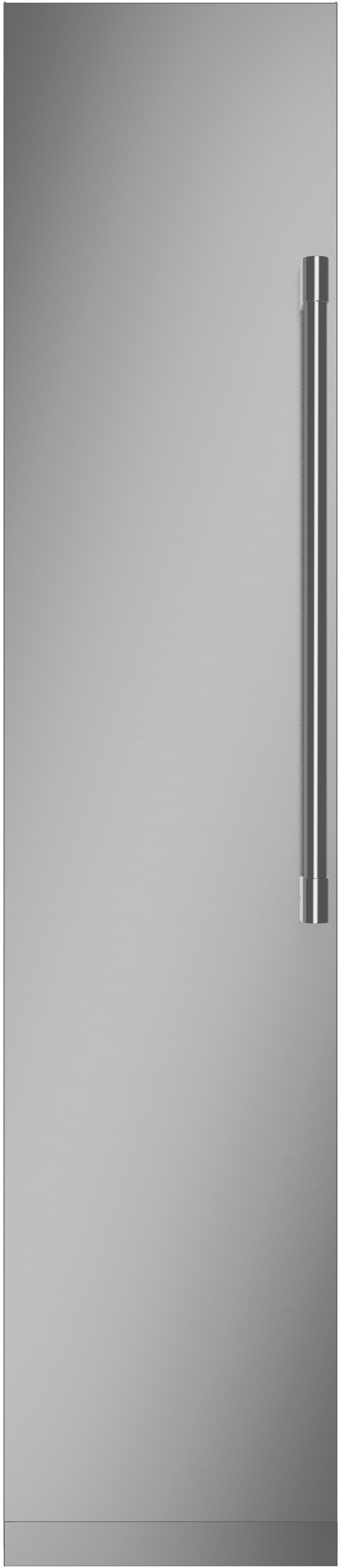
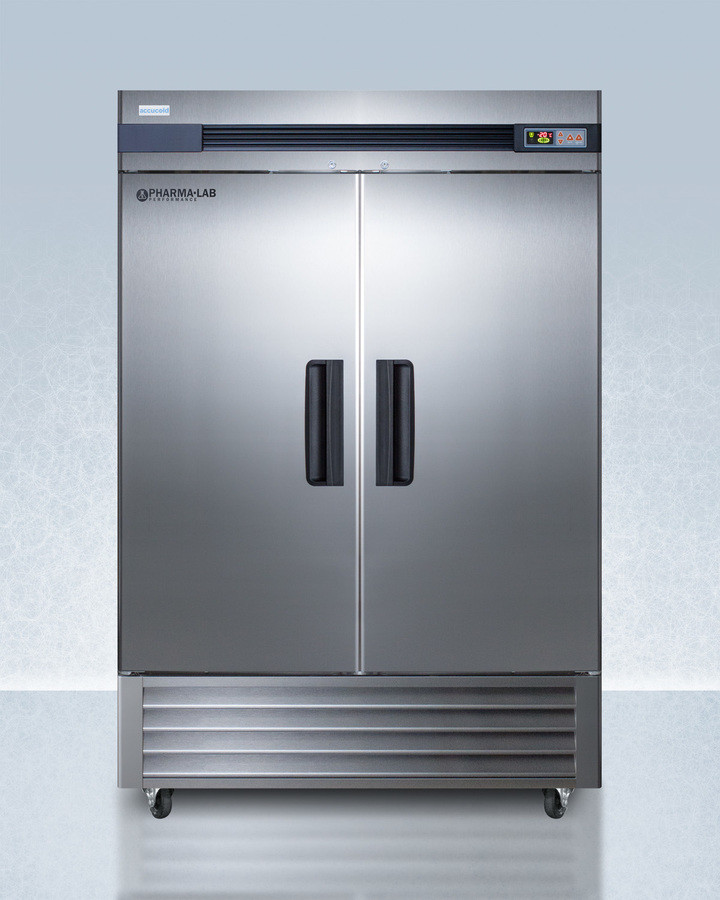
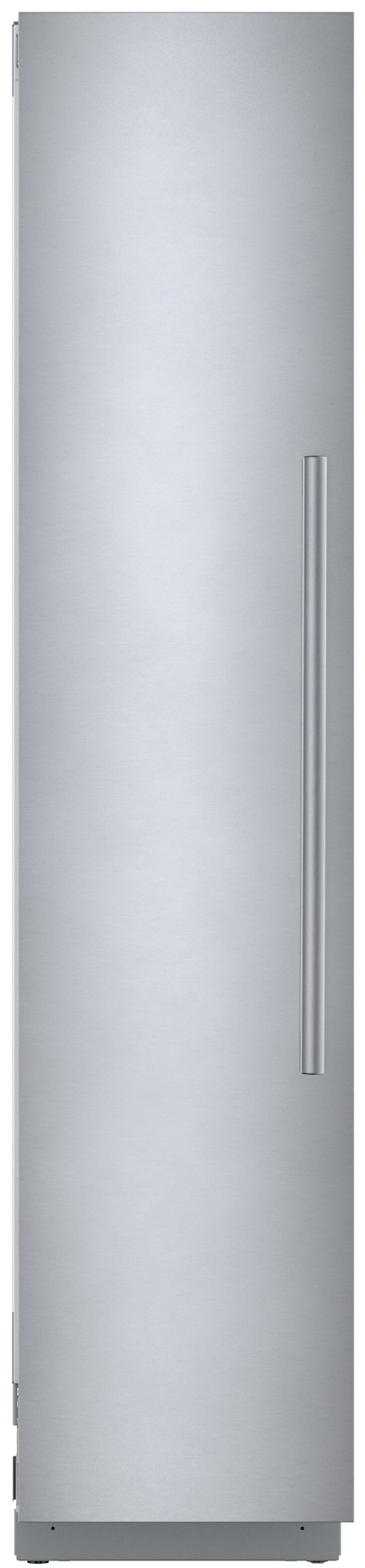
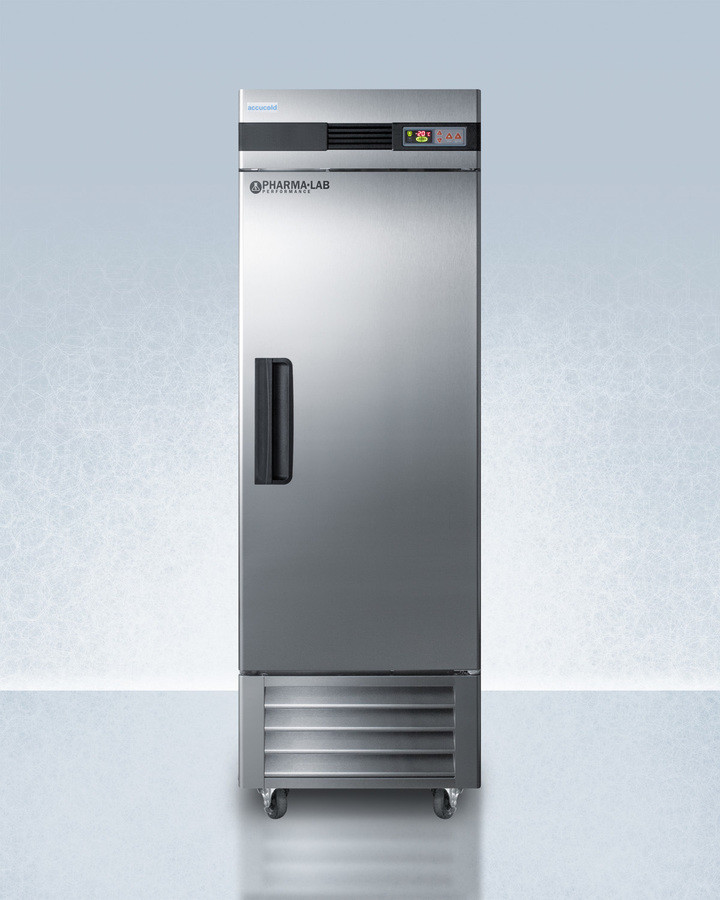
Small upright freezers stand vertically, similar to a refrigerator. They are designed for easy access and organization of frozen foods. Here's what sets them apart:
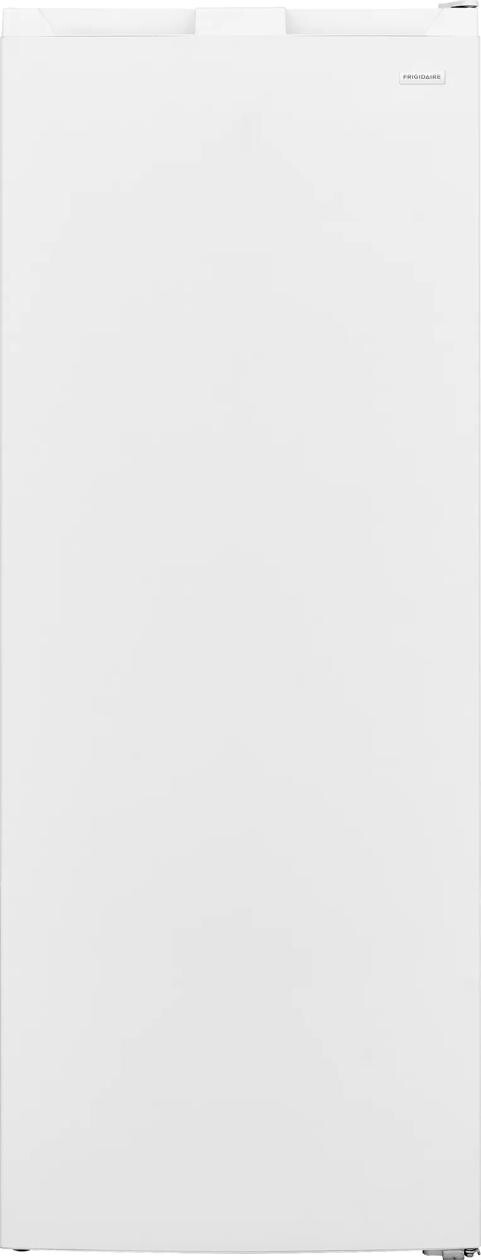
Design: Vertical layout with a front-opening door.
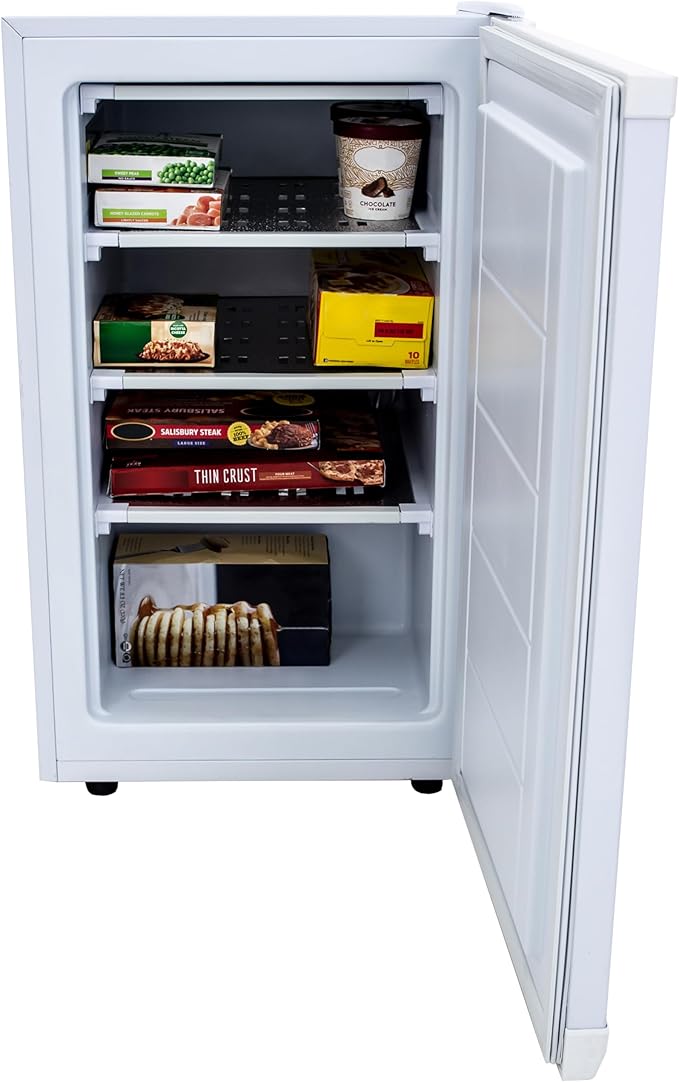
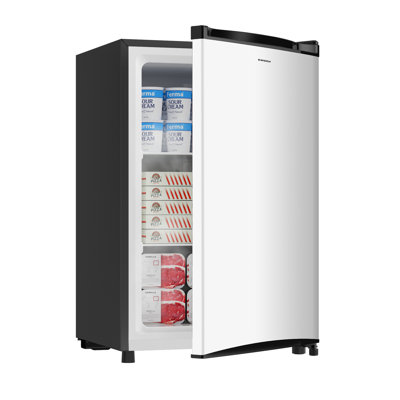
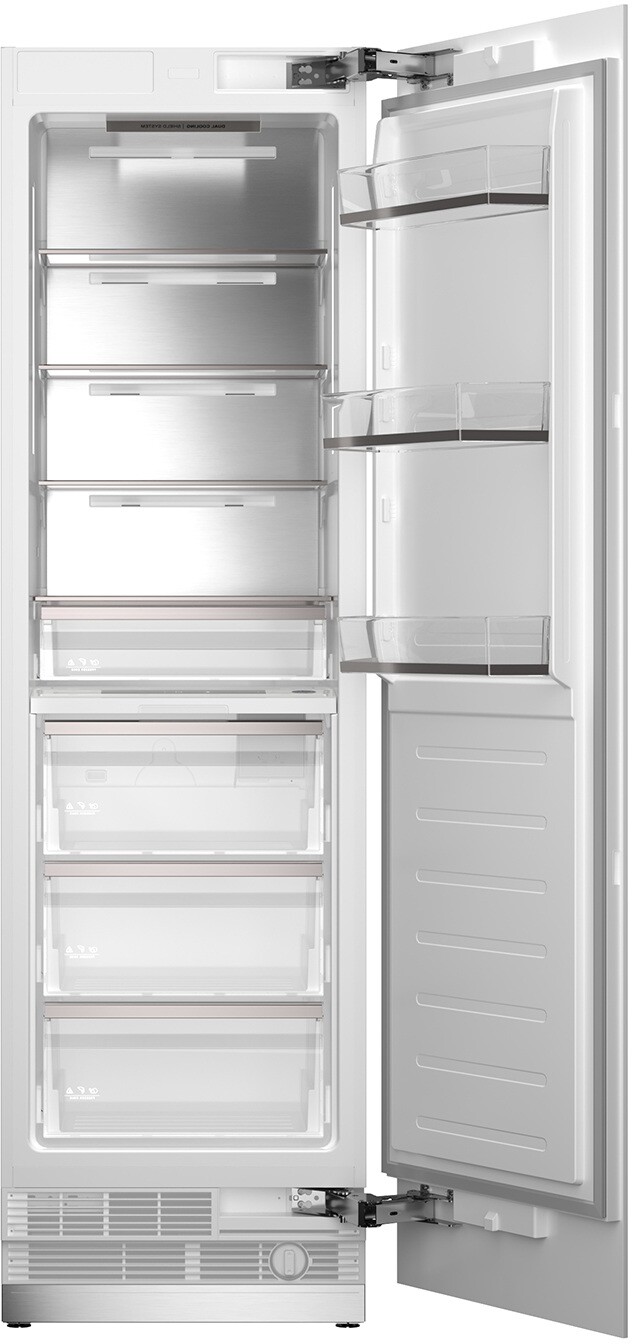
Storage: Multiple shelves and compartments for organized storage.
Accessibility: Easier to reach items at different levels.
Footprint: Requires less floor space but more vertical space.
Efficiency: May consume slightly more energy due to frequent opening and closing of the door.
When choosing between a small freezer and a small upright freezer, understanding their size and storage capacity is crucial. Each type has its own advantages and can cater to different needs depending on your space and usage requirements.
Comparing Size Options
Small freezers and small upright freezers come in various dimensions, allowing you to choose based on the space available in your home, office, or other locations. Here is a comparison of typical sizes for each type:
Type
Width (inches)
Height (inches)
Depth (inches)
Small Freezer
20 - 25
30 - 35
20 - 25
Small Upright Freezer
20 - 24
34 - 40
20 - 25
Small freezers are generally more compact in height and width, making them suitable for smaller spaces like apartments, condos, or even mobile homes. On the other hand, small upright freezers tend to be taller but take up less floor space, making them ideal for kitchens, garages, or basements where vertical space is more abundant.
Assessing Storage Capacity
Storage capacity is another key factor to consider when comparing small freezers and small upright freezers. The capacity is measured in cubic feet and can vary significantly between the two types.
Type
Storage Capacity (cubic feet)
Small Freezer
3 - 5
Small Upright Freezer
3 - 5
Both types offer similar storage capacities, but the way they organize and utilize this space can differ. Small freezers often provide a single, large compartment that can be useful for storing bulkier items. However, it may be more challenging to keep organized compared to a small upright freezer.
Small upright freezers typically come with shelves and door compartments that allow for better organization and easier access to items. This can be particularly beneficial if you need to store a variety of smaller items and want to avoid digging through a pile of frozen goods.
Choosing the right freezer depends on your specific needs, available space, and how you plan to organize and access your frozen items. Consider these factors carefully to make an informed decision that best suits your lifestyle and storage requirements.
When comparing small freezers and small upright freezers, organization and accessibility are key factors to consider. Each type offers distinct advantages in terms of interior layout and ease of access to stored items.
Interior Layout of Small Freezers
Small freezers, often referred to as chest freezers, typically have a horizontal design. This layout provides ample storage space but can make organizing and accessing items more challenging. Small freezers usually feature a single large compartment with minimal dividers or drawers, which can result in items being stacked on top of each other.
To help with organization, many small freezers come with removable baskets or dividers. These accessories can be used to group similar items together, making it easier to find what you need without digging through the entire freezer.
Small upright freezers, on the other hand, offer a vertical design that closely resembles a traditional refrigerator. This layout provides multiple shelves and compartments, making it easier to organize and access items. The shelves are typically adjustable, allowing you to customize the interior space to fit your needs.
In addition to shelves, small upright freezers often include door bins and drawers, which can be used to store smaller items and keep them within easy reach. The vertical design also means that you don’t have to bend over to access items at the bottom, making it more convenient for everyday use.
Feature
Small Upright Freezer
Design
Vertical
Shelves
Multiple, adjustable
Door Bins/Drawers
Included
For those interested in exploring more about freezers, visit Fridge.com comparison of drawer freezers Vs. garage freezers.
Understanding the organization and accessibility features of small freezers and small upright freezers can help you choose the best option for your needs. Whether you prioritize ease of access or maximum storage capacity, each type has its own unique benefits. For more detailed comparisons, check out Fridge.com articles on convertible freezers Vs. medium size refrigerators and mini fridges Vs. refrigerator drawers.
When considering a small freezer Vs. a small upright freezer, energy efficiency is a key factor to evaluate. Understanding the energy consumption of each type will help you make an informed decision.
Energy Consumption of Small Freezers
Small freezers, also known as chest freezers, are designed to provide efficient energy usage. Their horizontal design allows cold air to stay trapped inside when the lid is opened, minimizing energy loss. This feature can lead to lower energy bills over time.
Model
Energy Consumption (kWh/year)
Small Chest Freezer A
200
Small Chest Freezer B
220
Small Chest Freezer C
240
Small freezers generally consume less energy compared to their upright counterparts. The static cooling system in chest freezers is often more energy-efficient, as it requires less power to maintain a consistent temperature. For more details on efficient freezer options, explore Fridge.com article on compact freezer Vs. counter depth refrigerator
.
Energy Consumption of Small Upright Freezers
Small upright freezers are designed with vertical shelves, making them easier to organize but potentially less energy-efficient than chest freezers. When the door is opened, cold air can escape more easily, causing the freezer to work harder to maintain its internal temperature.
Model
Energy Consumption (kWh/year)
Small Upright Freezer A
250
Small Upright Freezer B
270
Small Upright Freezer C
290
Despite their higher energy consumption, small upright freezers offer the convenience of better organization and easier access to stored items. To make an energy-efficient choice, look for models with energy-saving features like improved insulation and automatic defrost. For more insights on freezer options, check out Fridge.com article on drawer freezer Vs. garage refrigerator.
In comparing the energy consumption of small freezers and small upright freezers, it's clear that chest freezers generally have the edge in terms of energy efficiency. However, the choice ultimately depends on your specific needs and preferences.
Installation and Placement
When deciding between a small freezer and a small upright freezer, it's important to consider the installation and placement requirements for each type. Proper installation ensures optimal performance and longevity of the appliance.
Considerations for Installing Small Freezers
Small freezers, often known as chest freezers, are typically wider and shorter compared to upright models. This design can affect where you place them and how you install them.
Space Requirements
Small freezers require a significant amount of floor space due to their horizontal design. Measure the area where you plan to install the freezer to ensure it fits comfortably.
Dimension
Measurement (inches)
Width
28 - 40
Depth
20 - 30
Height
30 - 35
Ventilation
Proper ventilation is crucial for the efficient operation of a small freezer. Ensure there is enough space around the freezer to allow for adequate air circulation. A clearance of at least 3 inches on all sides is recommended.
Power Source
Ensure the freezer is placed near a power outlet. Avoid using extension cords, as they can pose safety risks. Confirm that the outlet matches the voltage requirements of the freezer.
Floor Surface
Place the freezer on a level, sturdy surface. Uneven floors can cause the freezer to operate inefficiently and potentially damage the unit.
For additional information on comparing small freezers to other appliances, check out Fridge.com article on retro mini fridge Vs. small freezer.
Considerations for Installing Small Upright Freezers
Small upright freezers, as their name suggests, have a vertical design that can make them more suitable for limited floor space but taller areas. Here are some key considerations for installing small upright freezers.
Space Requirements
Upright freezers take up less floor space but require adequate vertical clearance. Measure the height of the space where you plan to install the freezer to ensure it fits.
Dimension
Measurement (inches)
Width
20 - 30
Depth
20 - 28
Height
50 - 70
Ventilation
Like small freezers, upright freezers also need sufficient ventilation. Ensure there is at least 3 inches of clearance on all sides to allow for proper airflow.
Power Source
Install the freezer near a power outlet. Avoid using extension cords and ensure the outlet meets the freezer's voltage specifications.
Floor Surface
Ensure the floor is level and can support the weight of the upright freezer. An uneven surface can cause operational issues and reduce the freezer's lifespan.
For more details on comparing small upright freezers with other types of freezers, you can read Fridge.com article on shallow depth refrigerator Vs. small upright freezer.
By carefully considering these installation and placement factors, you can ensure that your small freezer or small upright freezer operates efficiently and meets your storage needs.
When considering a small freezer, the initial cost can vary based on features, size, and brand. Generally, small freezers are more affordable compared to their upright counterparts. They offer a budget-friendly solution for those looking to expand their frozen storage without breaking the bank.
Feature
Small Freezer Cost Range ($)
Basic Model
100 - 200
Mid-Range Model
200 - 400
High-End Model
400 - 600
Initial Cost of Small Upright Freezers
Small upright freezers tend to be slightly more expensive due to their design and additional features. The vertical layout often comes with benefits such as easier access and better organization, which can justify the higher price point.
Feature
Small Upright Freezer Cost Range ($)
Basic Model
150 - 300
Mid-Range Model
300 - 500
High-End Model
500 - 700
Maintenance Requirements
Maintaining your freezer, whether it is a small freezer or a small upright freezer, involves regular cleaning and occasional defrosting. Both types of freezers have different maintenance needs that can impact their long-term performance and efficiency.
Small Freezer Maintenance
Small freezers often require manual defrosting. This involves turning off the freezer, removing all items, and allowing the accumulated ice to melt. Regular defrosting helps maintain efficiency and prevents ice buildup.
Maintenance Tips:
Defrost every 6 months or when ice buildup is noticeable.
Clean the interior with a mixture of baking soda and water to eliminate odors.
Check and clean the gasket to ensure a proper seal.
Small Upright Freezer Maintenance
Many small upright freezers come with automatic defrost or frost-free features, reducing the need for manual defrosting. However, regular cleaning is still essential to maintain hygiene and efficiency.
Maintenance Tips:
Clean the interior regularly to prevent odor and mold buildup.
Ensure the vents are not blocked for optimal airflow.
Inspect and clean the door seal to maintain an airtight closure.
By understanding the initial costs and maintenance requirements of both small freezers and small upright freezers, you can make an informed decision that best suits your needs. For more insights on comparing different types of freezers and refrigerators, check Fridge.com articles on convertible freezer Vs. medium size refrigerator, drawer freezer Vs. garage freezer, and mini fridge Vs. refrigerator drawer.
Compare prices on Fridge.com
Compare current prices and specifications on Fridge.com, then buy from the retailer you choose; delivery, installation and warranty terms are the retailer’s.
It also has tons of awesome articles about kitchen stuff and home news. Enhance your home, garage, backyard, patio, and office with the coolest essentials. With every necessary type of residential refrigerator or freezer in the collection, you're covered.
Free tool
Freezer BTU Calculator
Free interactive tool from Fridge.com — get a quick answer while you read.