When it comes to keeping your food and beverages chilled, the type of refrigerator you choose can make a significant difference in your daily routine. Whether you live in a cozy studio apartment or a spacious home, understanding your refrigeration needs will guide you toward the right appliance that fits your lifestyle.
Understanding Your Refrigeration Needs
Before diving into the specifics of each refrigerator type, it's crucial to assess your storage needs, available space, and personal preferences. Are you looking for a compact solution for your office or dorm room? Or do you require a fridge that can accommodate large platters for your family gatherings? Perhaps you're interested in a visually appealing appliance that complements your modern kitchen design.
Consider the types of items you typically store, the volume of groceries you purchase, and how frequently you entertain guests. By evaluating your refrigeration habits and space constraints, you'll be better equipped to decide between a mini fridge and a see through refrigerator.
Mini Fridge and See Through Refrigerator Basics
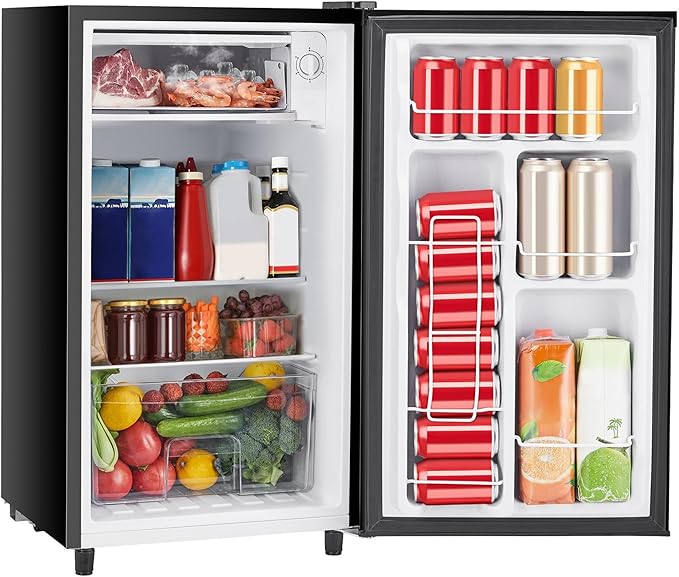
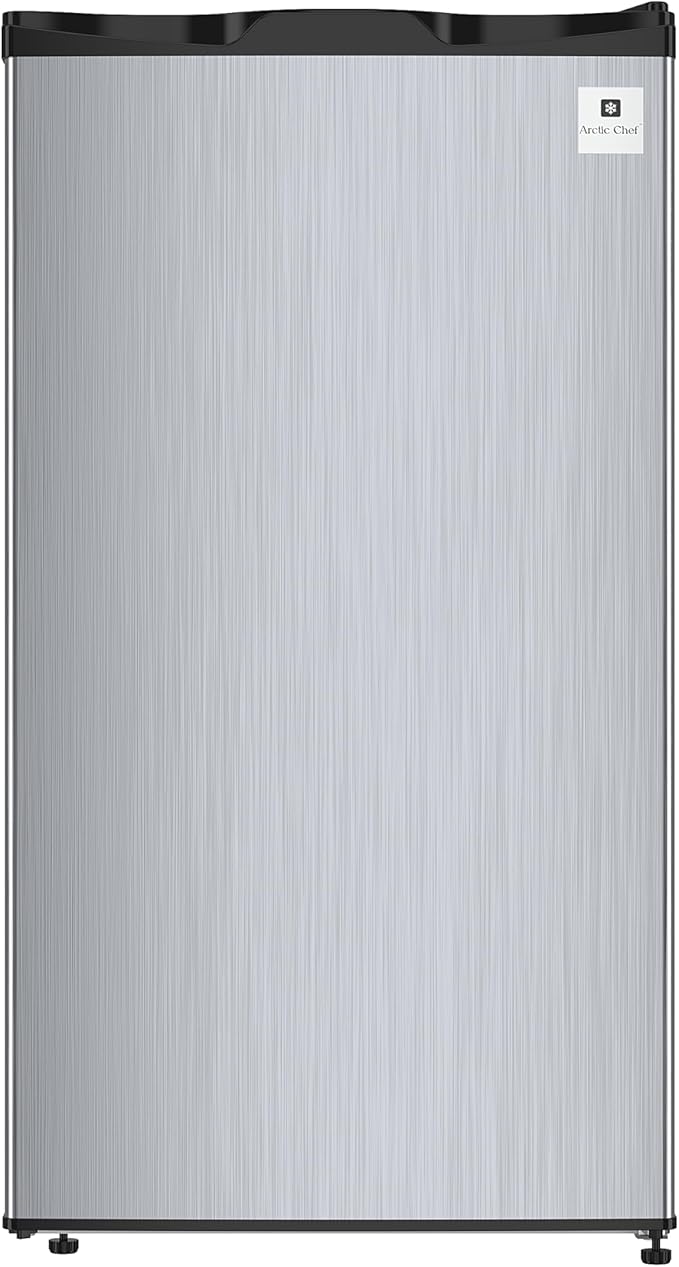
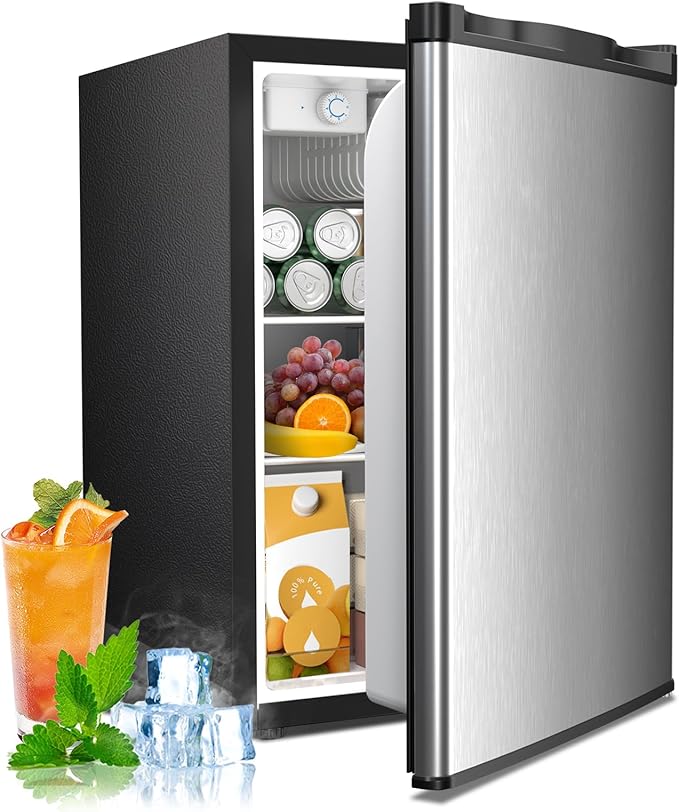
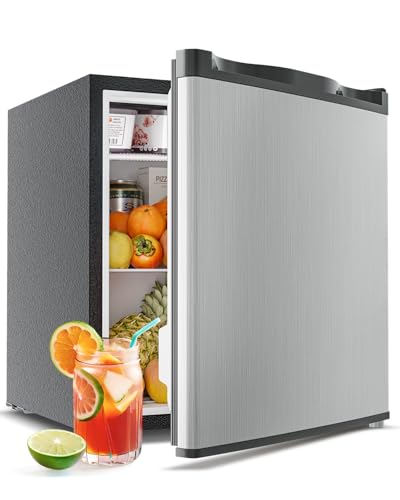
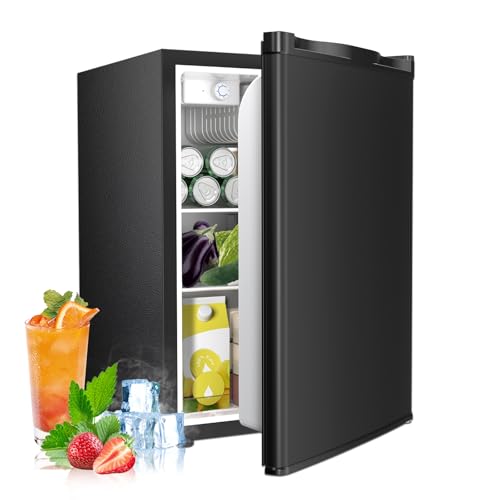
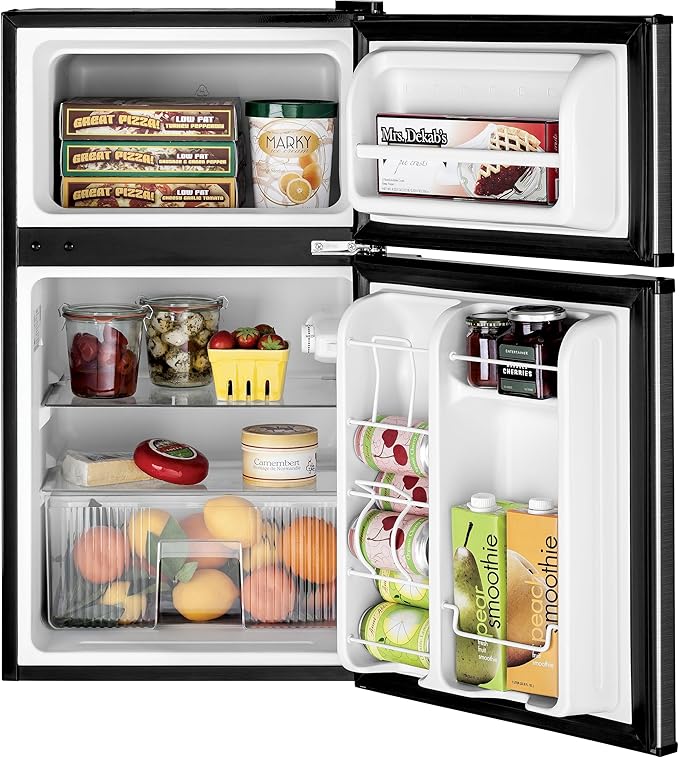
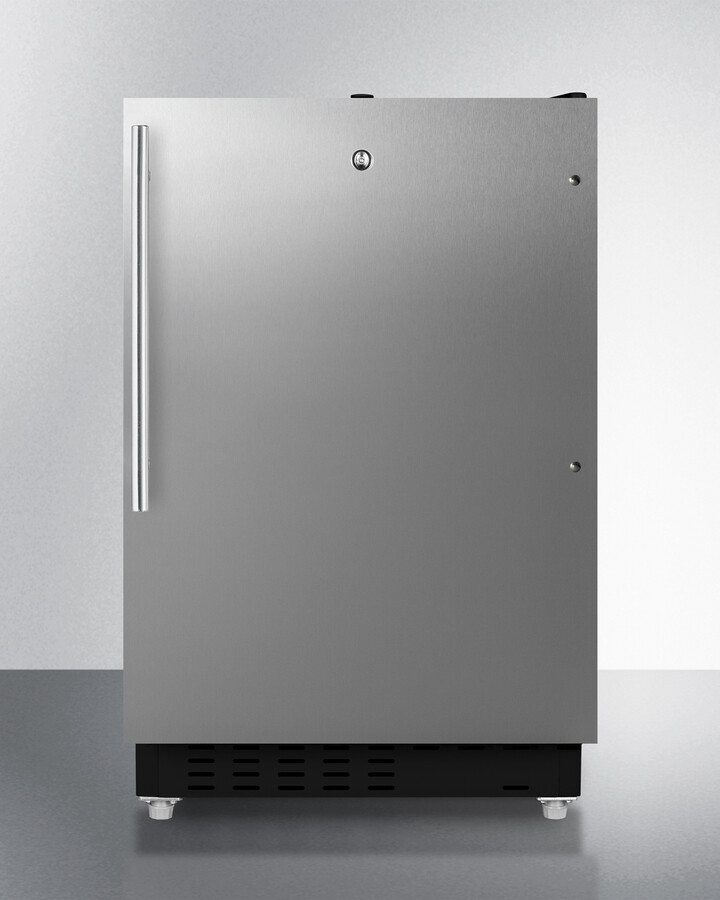
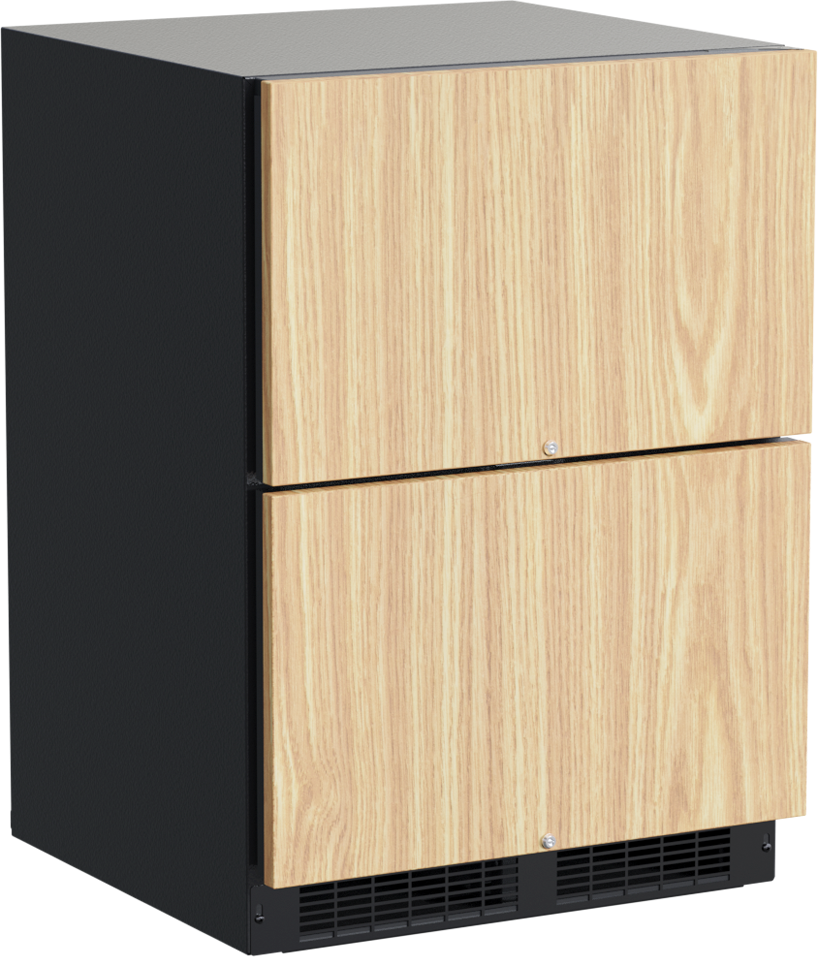
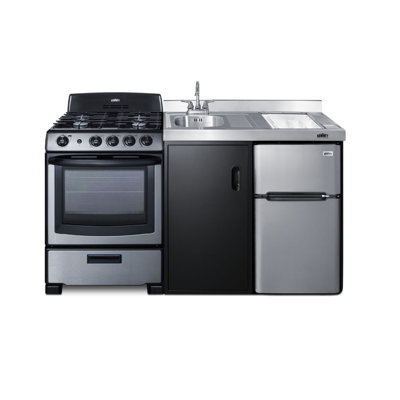
A mini fridge is a compact refrigeration unit that's perfect for confined spaces or as a secondary cooling option. It's an ideal choice for those who need to store a limited amount of food and beverages without taking up too much room. Whether it's for a dorm fridge or a garage freezer, a mini fridge offers convenience and functionality in a small package.
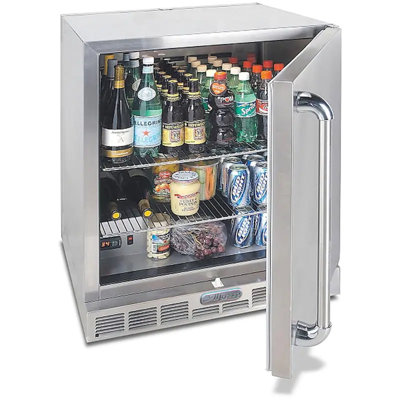
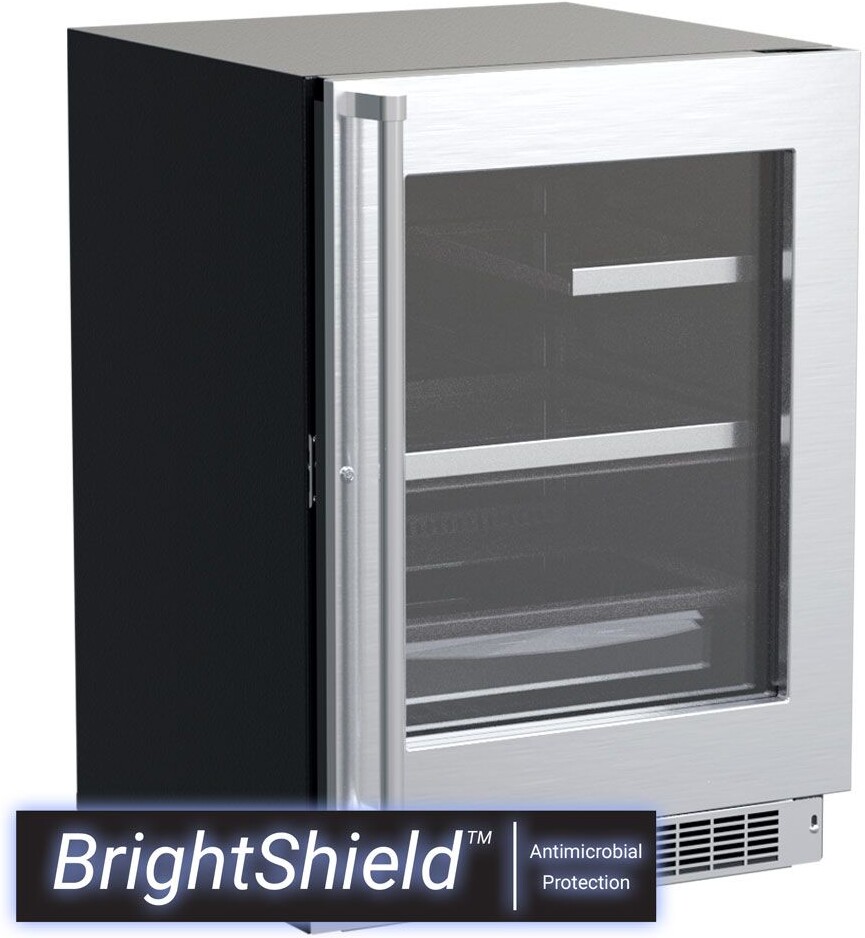
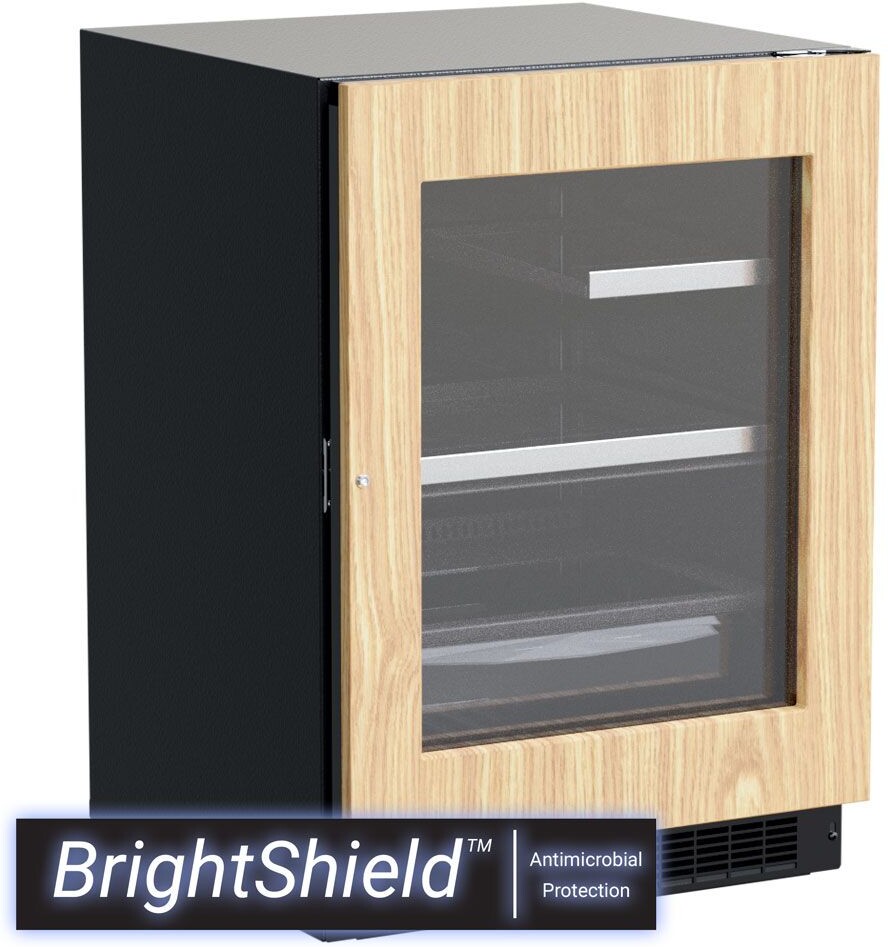
On the other hand, a see through refrigerator features glass doors that allow you to view the contents without opening the door, reducing cold air loss and enhancing energy efficiency. This type of fridge often serves as a statement piece in a kitchen or entertainment area, making it a popular choice for those who value aesthetics along with functionality. Both types of refrigerators have their own set of benefits and considerations.
When considering refrigeration solutions, a mini fridge can be a compact and convenient choice for specific needs. Here's what you need to know about mini fridges.
What is a Mini Fridge?
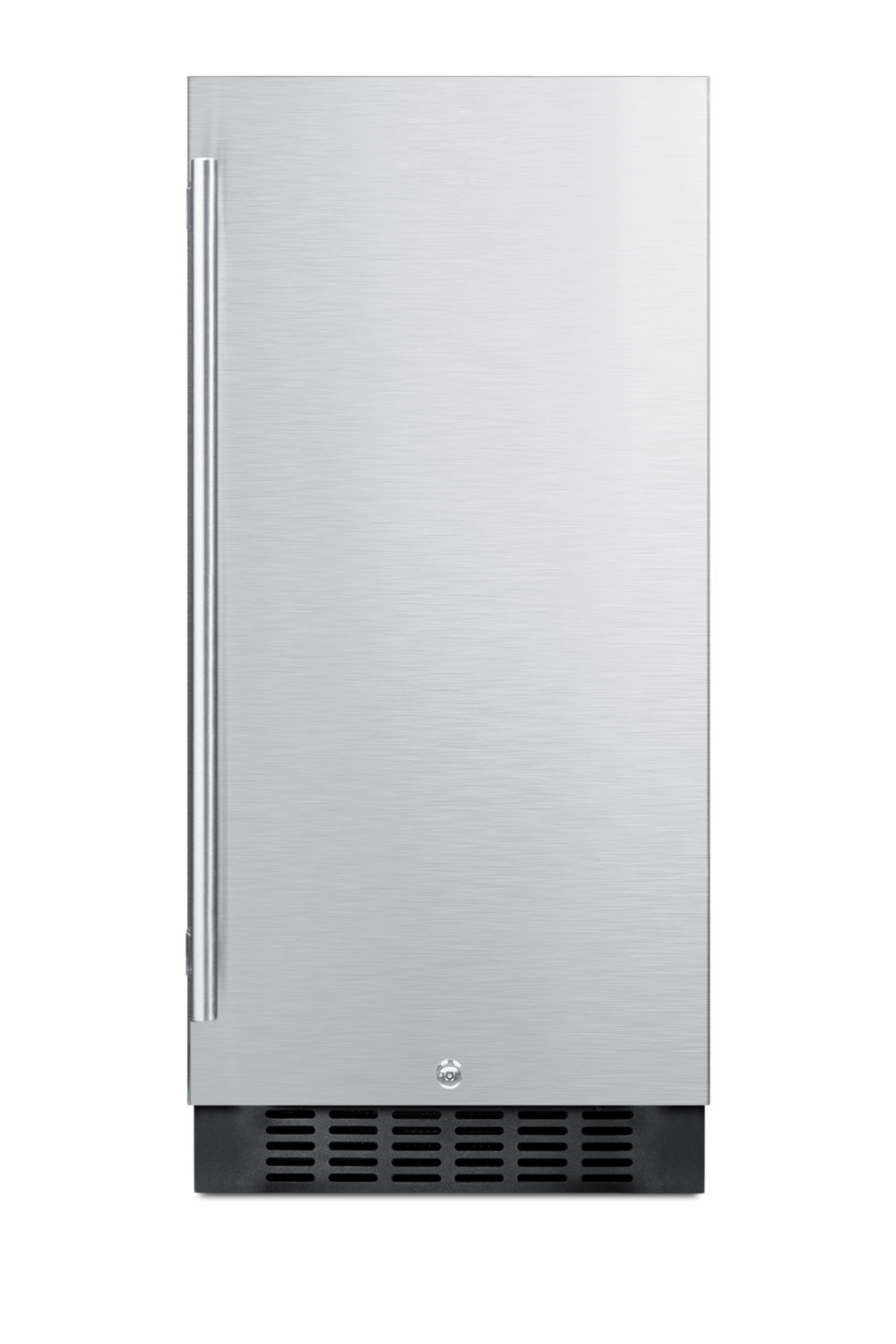
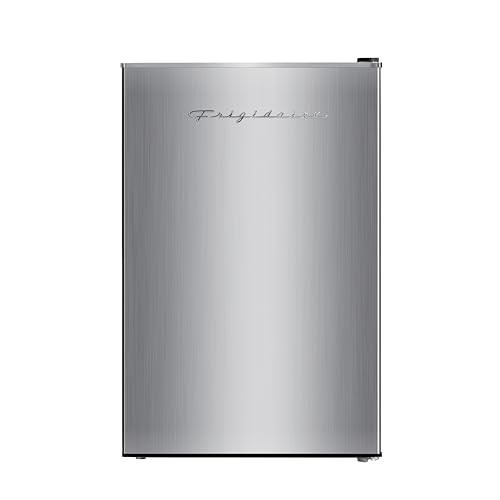
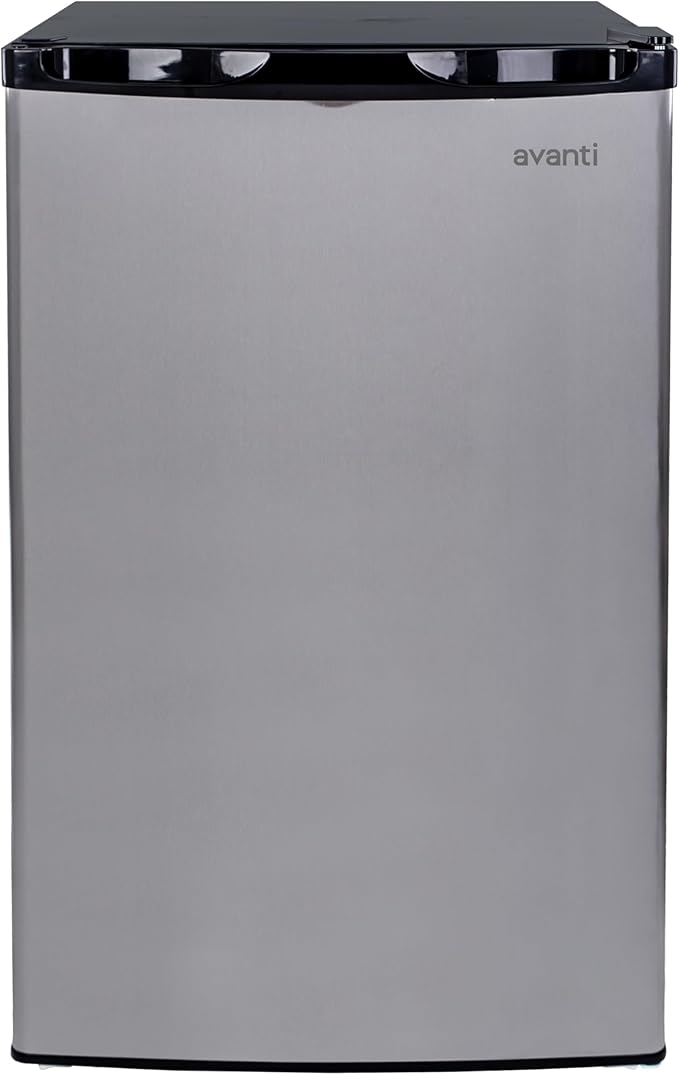
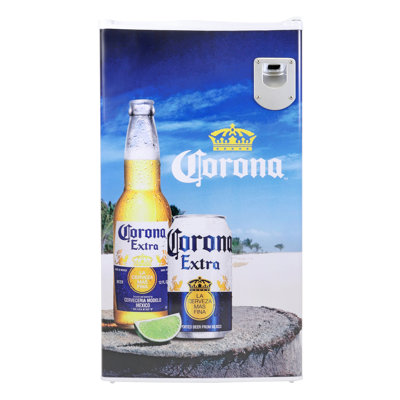
A mini fridge is a small, usually portable refrigeration unit designed for keeping a limited amount of food and beverages cool. These fridges typically range in size from 1.7 to 4.5 cubic feet and can sit on countertops or be tucked away under desks or in small spaces.
Advantages of a Mini Fridge
Mini fridges offer several benefits, making them a practical choice for many situations:
Space Saving: Ideal for places where space is at a premium.
Portability: Easy to move, which is great for temporary living spaces or work environments.
Convenience: Keeps snacks and drinks within reach in office settings or dorm rooms.
Energy Efficient: Generally uses less electricity compared to full-sized refrigerators.
Limitations of a Mini Fridge
However, there are also limitations to consider with mini fridges:
Storage Capacity: Limited space to store items, which may not be suitable for long-term use or large quantities.
Temperature Consistency: Some models may struggle to maintain consistent temperatures.
Freezer Space: Often, mini fridges either lack a freezer compartment or have a very small one.
Ideal Scenarios for Mini Fridge Use
Mini fridges shine in certain scenarios:
Offices: Keeping lunch and beverages cool without the need for a full-sized fridge.
Dorm Rooms: Space-saving solution for students who need to store snacks and small food items.
Entertainment Areas: Convenient access to cold drinks during family gatherings or social events.
Guest Rooms: Allows guests to have their own space for food and drinks.
Secondary Storage: Useful for overflow storage, such as holiday extras or specialty beverages.
When considering a refrigerator upgrade or simply admiring the latest trends in home appliances, you might encounter the see through refrigerator—a modern twist on the traditional fridge that offers a glimpse of what's inside without opening the door.
What is a See Through Refrigerator?
A see through refrigerator features a transparent door or panel, allowing you to view the contents without the need to open it. This innovative design can be part of a high-tech kitchen setup, blending functionality and style.
Benefits of a See Through Refrigerator
The see through refrigerator offers several advantages that cater to both convenience and energy efficiency. With a clear door, you can quickly take inventory of your groceries, making meal planning and shopping lists easier. This visibility can help reduce food waste by reminding you of what items you have and need to use.
Moreover, the ability to see inside without opening the door means less cold air escapes, which can contribute to energy savings.
Benefit
Description
Visibility
Easily see contents without opening.
Convenience
Simplifies meal planning.
Food Waste Reduction
Helps track perishables.
Drawbacks of a See Through Refrigerator
Despite their appeal, see through refrigerators have a few drawbacks. They often come with a higher price tag compared to traditional models. Cleaning can be more demanding as fingerprints and smudges on the glass need regular attention to maintain the aesthetic appeal.
Additionally, organization becomes more critical; a cluttered fridge can detract from the sleek look that the transparent door is meant to enhance.
Drawback
Description
Cost
Generally more expensive.
Maintenance
Requires frequent cleaning.
Organization
Clutter is more visible.
Best Uses for See Through Refrigerators
The best uses for see through refrigerators are in environments where style and functionality blend seamlessly. They are ideal for those who love to entertain and want to showcase their culinary interests. In commercial settings like bars or upscale restaurants, they offer a chic way to display beverages and ingredients.
In residential spaces, they can be a focal point in a modern kitchen, complementing a high-end design aesthetic. For ideas on how to integrate a see through refrigerator into your home or to compare it with other styles, you might be interested in reading about retro fridge vs. silver side by side refrigerator or glass door mini fridge vs. slate refrigerator.
Choosing between a mini fridge and a see through refrigerator involves assessing your space, aesthetic preferences, and functional needs. Whether you prioritize energy efficiency, design, or specific features, ensure that your decision aligns with your long-term requirements and lifestyle. For more insights on different types of refrigerators and their best uses, explore comparisons like compact freezer vs. see through refrigerator or beverage refrigerator vs. compact freezer.
Comparing Mini Fridge and See Through Refrigerator
When deciding between a mini fridge and a see through refrigerator, several factors come into play. Understanding the differences in space requirements, energy efficiency, cost, and aesthetic appeal can help you make an informed decision that aligns with your needs and preferences.
Space Considerations
The amount of available space you have can greatly influence whether a mini fridge or a see through refrigerator is more suitable for you. Mini fridges are compact and can easily fit in tight spaces such as under counters, in dorm rooms, or offices. See through refrigerators, on the other hand, are generally full-sized and require a more significant amount of space.
Refrigerator Type
Dimensions (W x D x H)
Suitable Locations
Mini Fridge
20" x 17" x 19"
Dorms, Offices, Small Apartments
See Through Refrigerator
36" x 28" x 70"
Kitchens, Large Spaces
Energy Efficiency
Energy efficiency is an important consideration for both cost savings and environmental impact. Generally, mini fridges consume less power due to their smaller size, while see through refrigerators have larger compressors and more advanced features that can lead to higher energy usage.
Refrigerator Type
Average Energy Use (kWh/year)
Mini Fridge
233 kWh
See Through Refrigerator
600 kWh
Cost Analysis
Your budget plays a critical role in your choice of refrigerator. Mini fridges are typically more affordable than see through refrigerators, which come with a heftier price tag due to their size and additional features.
Refrigerator Type
Average Cost
Mini Fridge
$150 - $300
See Through Refrigerator
$2,000 - $3,500
Aesthetic Appeal
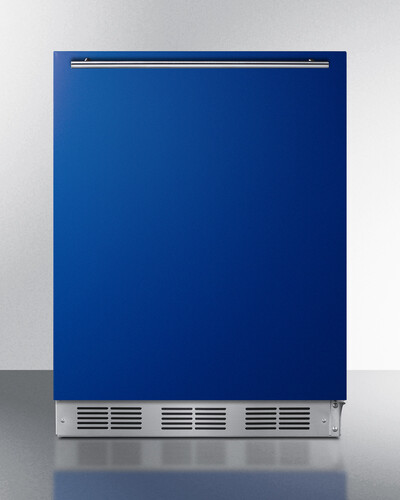
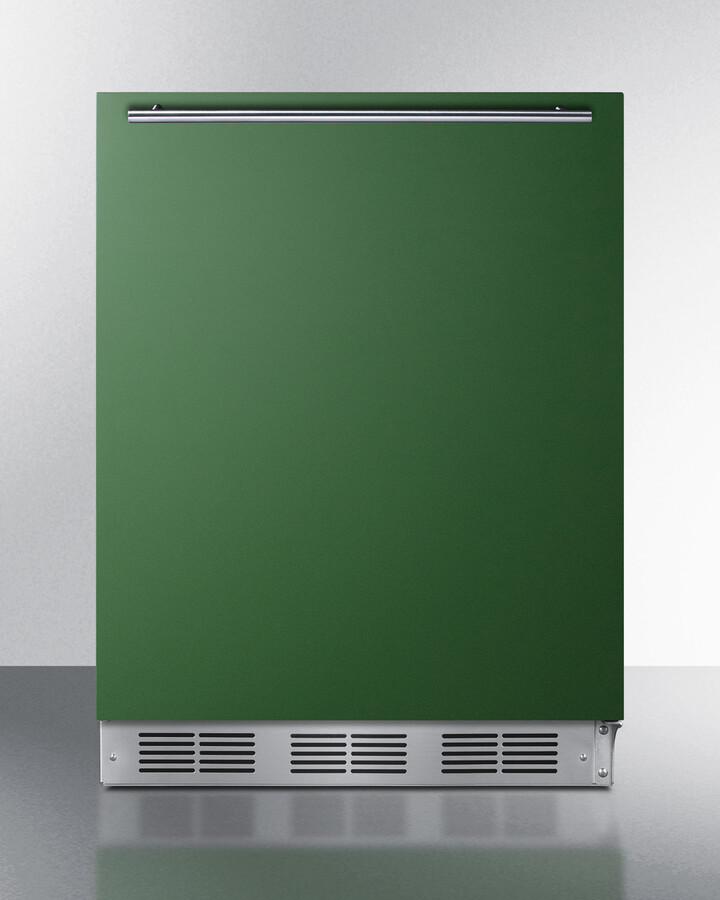
The visual impact of your refrigerator should not be overlooked. A see through refrigerator can serve as a focal point in your kitchen, offering a modern look and the convenience of seeing your food items without opening the door. Mini fridges offer a more understated presence and often come in various colors and styles, including retro fridge vs. silver side by side refrigerator options.
When weighing the pros and cons of a mini fridge vs. see through refrigerator, consider how each aligns with your space, energy considerations, budgetary constraints, and design preferences. Do you value space-saving and cost-effectiveness or are you drawn to the modern features and visual appeal of a see through refrigerator? Your unique situation will guide your decision, ensuring that your refrigeration solution is both practical and enjoyable for your home.
Features to Consider
When determining whether a mini fridge or a see through refrigerator will best suit your needs, there are several key features to consider. These include the storage capacity and organization options, temperature control and maintenance requirements, and the durability and longevity of the unit.
Storage Capacity and Organization
The storage capacity of your refrigerator is crucial, especially if you are accommodating the food and beverage needs of a family or for entertaining purposes. Mini fridges generally offer less storage space, making them suitable for personal use or in spaces with limited room.
Refrigerator Type
Average Capacity (cubic feet)
Mini Fridge
1.7 - 4.5
See Through Refrigerator
20 - 28
Regarding organization, look for features like adjustable shelving, in-door storage, and crisper drawers to maximize space and keep your items neatly arranged. See through refrigerators often provide more sophisticated organization systems, accommodating a greater variety of foods and beverages.
Temperature Control and Maintenance
Temperature control is vital for preserving the freshness of your food and ensuring safety. Mini fridges might have simpler temperature controls with basic settings, while see through refrigerators may offer more advanced, precise temperature regulation.
Maintenance should also be considered; easy-to-clean surfaces and user-friendly interfaces can save you time and effort. For tips on maintaining and cleaning your refrigerator, explore options such as auto defrost freezer vs. bottle refrigerator.
Durability and Longevity
The durability of your refrigerator is an investment in your home and lifestyle. Mini fridges are typically designed for less frequent use and may have a shorter lifespan compared to full-sized models. In contrast, see through refrigerators are often built for durability, with high-quality materials that can withstand regular use.
Consider the manufacturer's warranty and customer reviews regarding the longevity of the appliance. For a comparison of durability and longevity between different types of refrigerators, you might find insights in Fridge.com article on built in refrigerator vs. meat refrigerator.
When you weigh these features—storage capacity, temperature control, and durability—you're better positioned to make an informed decision that aligns with your lifestyle and preferences. Whether you opt for the compact convenience of a mini fridge or the advanced features of a see through refrigerator, ensure you balance functionality and design with long-term value.
When it's time to select a refrigerator, whether it's a compact mini fridge or a stylish see through refrigerator, several factors come into play. It's about assessing your space, balancing functionality with design, and considering the long-term value of your investment.
Assessing Your Space and Needs
Before making a purchase, evaluate the available space in your home or office. Measure the area where you plan to place the refrigerator to ensure it fits without obstructing pathways. Additionally, consider your storage needs. If you intend to store large quantities of food or beverages, a see through refrigerator might be the better choice due to its larger capacity. In contrast, if you have limited space or need a cooling unit for a specific area like a dorm room or garage, a mini fridge might be more suitable.
Refrigerator Type
Approximate Dimensions (WxDxH)
Capacity
Mini Fridge
18" x 18" x 34"
3.3 cu ft
See Through Refrigerator
36" x 28" x 70"
20-28 cu ft
Consider how the refrigerator will be used and by whom. If you frequently entertain or have a large family, a see through refrigerator with easy visibility of contents might save time and energy. For those with a need for a secondary cooling unit or a convenient way to store daily essentials, a mini fridge could be the perfect addition. Also, think about your shopping habits and whether you buy in bulk or prefer fresh, daily purchases.
Balancing Functionality and Design
The aesthetics of your refrigerator should complement your home's design. A see through refrigerator can serve as a modern and sleek focal point in a kitchen, while a mini fridge might be discreetly tucked away under a counter or in a corner. Consider the design elements such as finish, color, and handle style, which should align with the rest of your decor for a cohesive look.
Functionality is equally important. Features like adjustable shelves, temperature control, and energy efficiency can greatly influence your satisfaction with the refrigerator. You may want to compare features like smart technology integration in see through refrigerators or the convenience of a mini fridge that can be easily relocated.
Considering the Long-Term Value
Finally, think about the long-term implications of your decision. This includes not only the upfront cost but also the ongoing expenses such as energy consumption and maintenance. A mini fridge typically consumes less energy than a larger see through refrigerator, which could translate to savings on your utility bills.
Refrigerator Type
Average Energy Usage per Year
Estimated Annual Cost
Mini Fridge
200-300 kWh
$24-$36
See Through Refrigerator
500-800 kWh
$60-$96
Also, consider the durability and expected lifespan of the refrigerator. While a see through refrigerator may have a higher initial cost, it could offer greater longevity and more advanced features. In contrast, a mini fridge might be an economical choice with a lower price point and sufficient functionality for your immediate needs.
Deciding between a mini fridge and a see through refrigerator involves weighing various aspects such as space constraints, design preferences, and long-term value. Reflect on these factors, and explore articles like retro fridge vs. silver side by side refrigerator or glass door mini fridge vs. slate refrigerator for additional comparisons to inform your decision. By carefully considering your unique situation, you can choose a refrigerator that meets your needs and complements your lifestyle.
Compare prices on Fridge.com
Compare current prices and specifications on Fridge.com, then buy from the retailer you choose; delivery, installation and warranty terms are the retailer’s.
It also has tons of awesome articles about kitchen stuff and home news. Enhance your home, garage, backyard, patio, and office with the coolest essentials. With every necessary type of residential refrigerator or freezer in the collection, you're covered.
Frequently Asked Questions
A mini fridge is a small, usually portable refrigeration unit designed for keeping a limited amount of food and beverages cool. These fridges typically range in size from 1.7 to 4.5 cubic feet and can sit on countertops or be tucked away under desks or in small spaces.