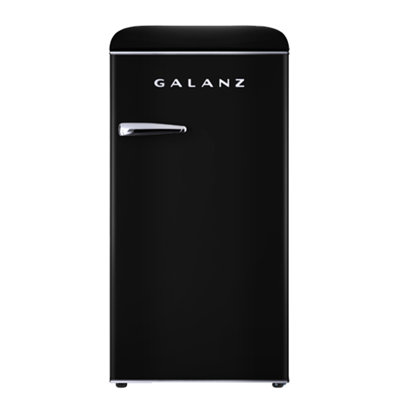
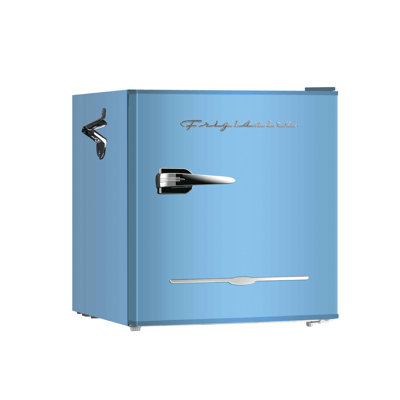
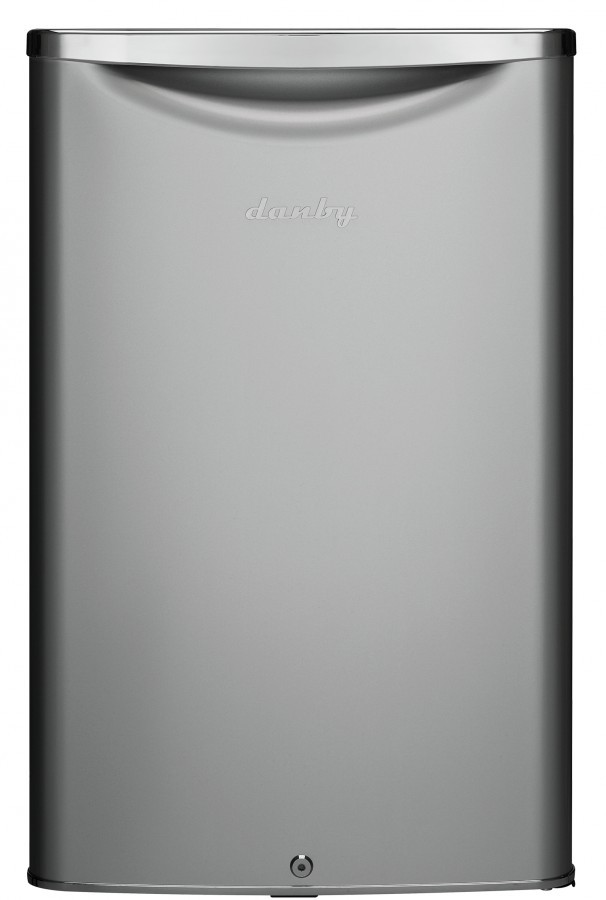
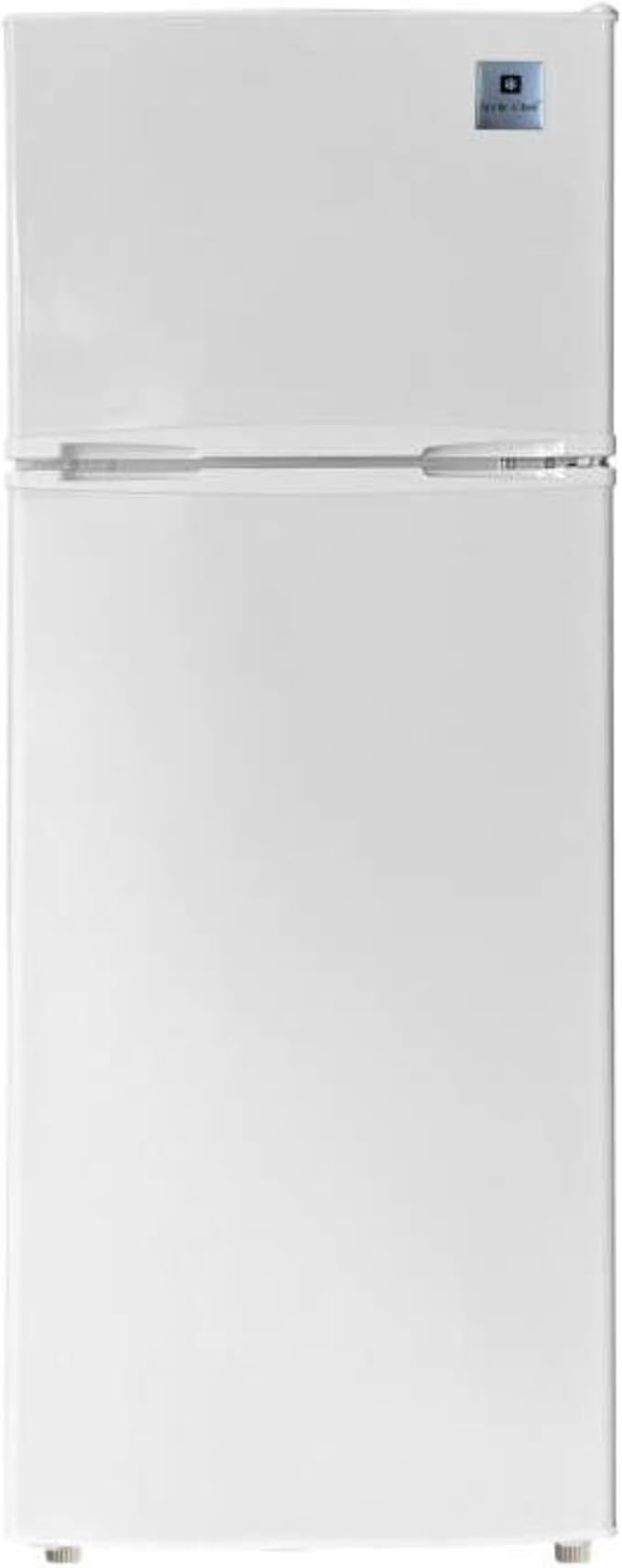
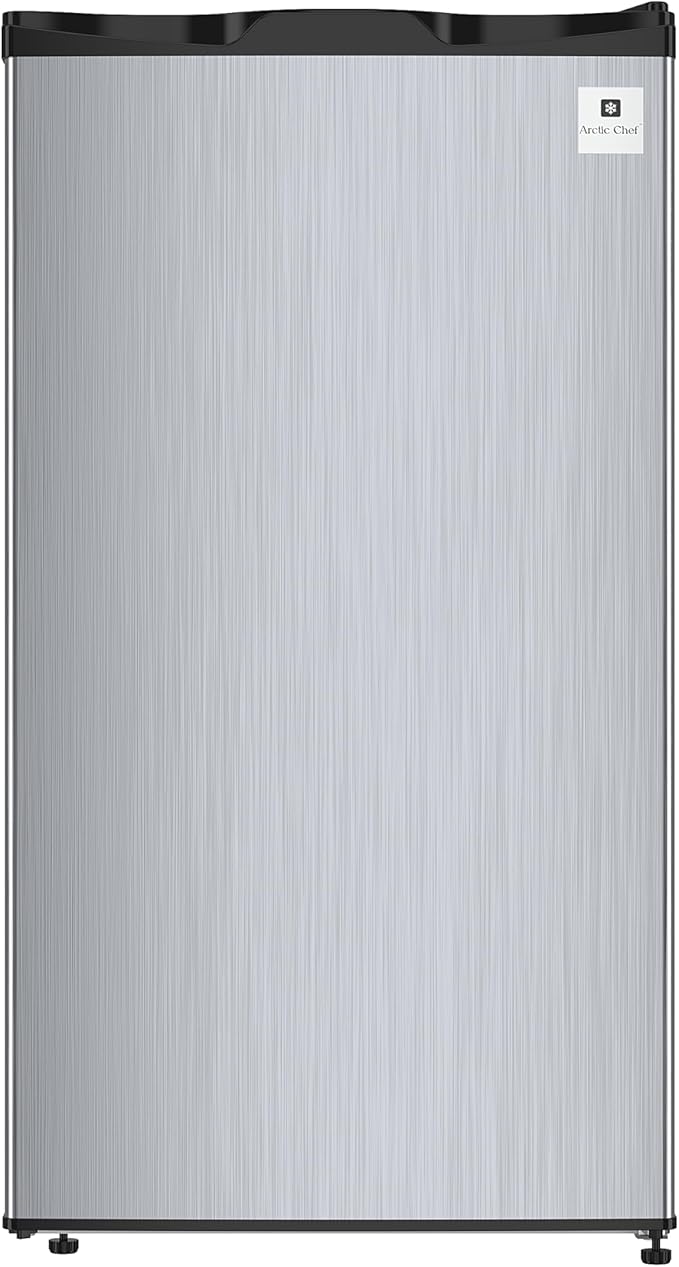
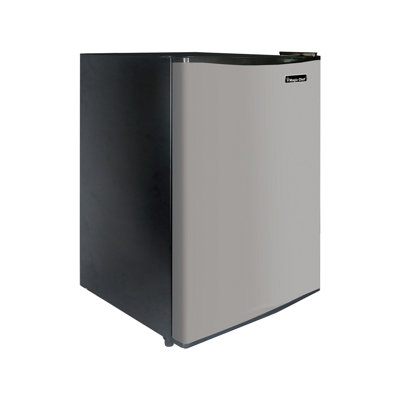
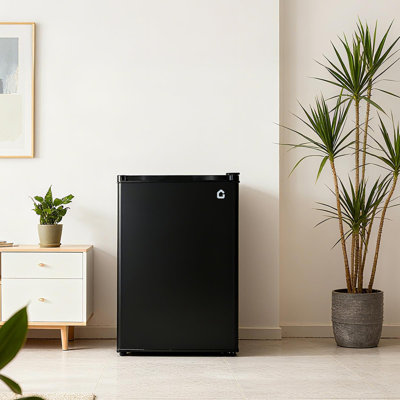
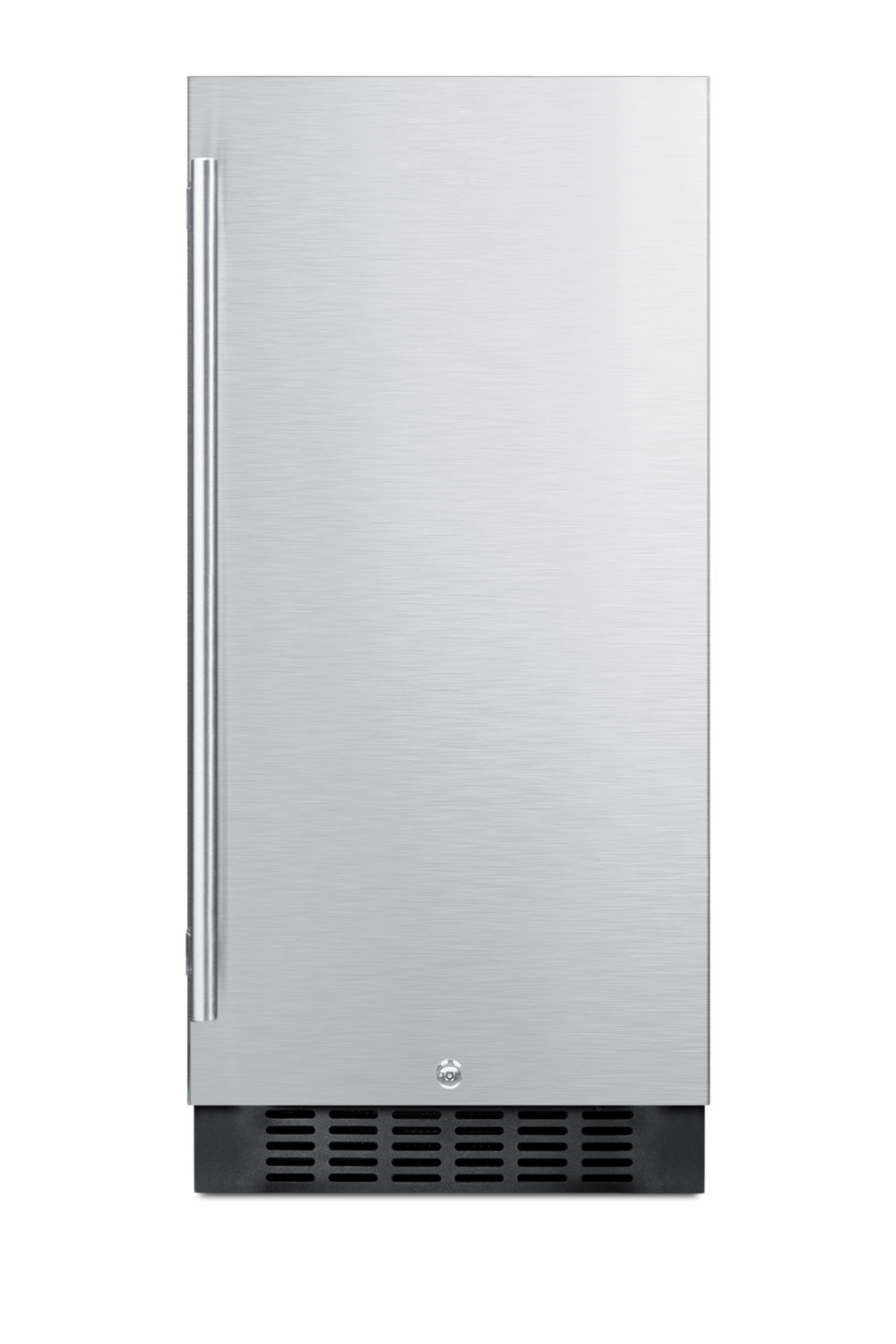
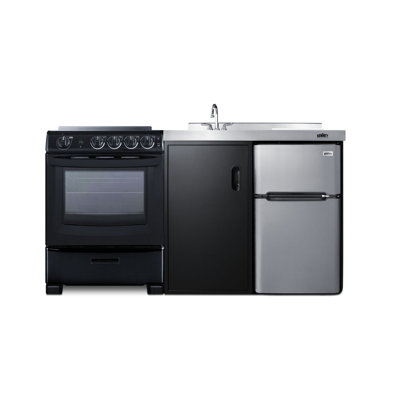
When it comes to choosing a compact refrigeration solution, you have two main options: mini fridges and shallow depth refrigerators. Both options cater to different needs and preferences, making it important to understand their key differences and benefits. Whether you're outfitting a small apartment, a dorm room, or a home office, selecting the right type of refrigerator can greatly impact your overall convenience and satisfaction.
Overview of Mini Fridges and Shallow Depth Refrigerators
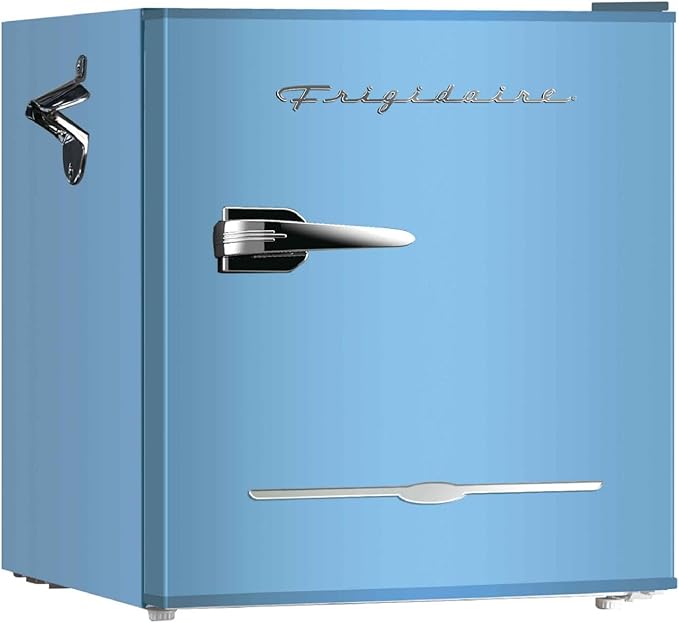
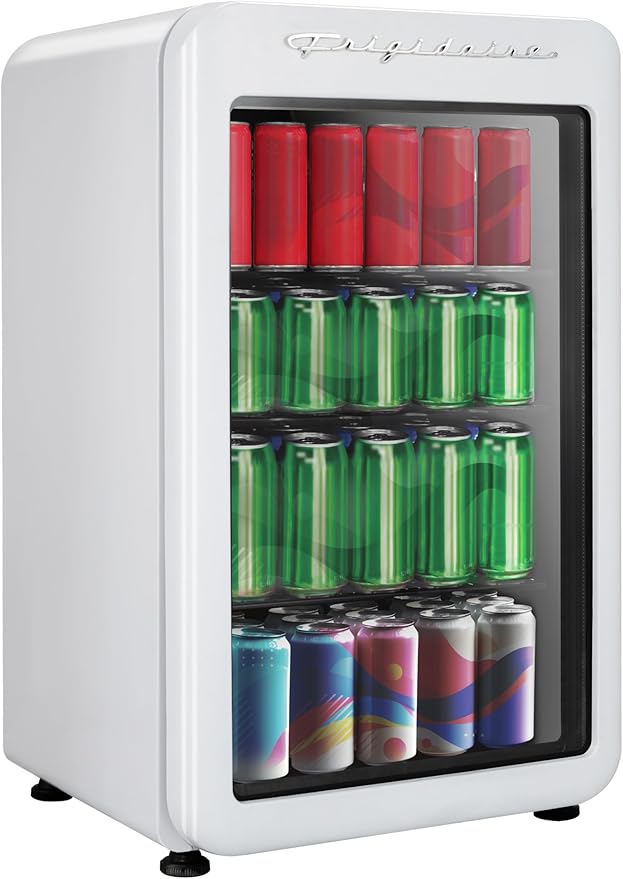
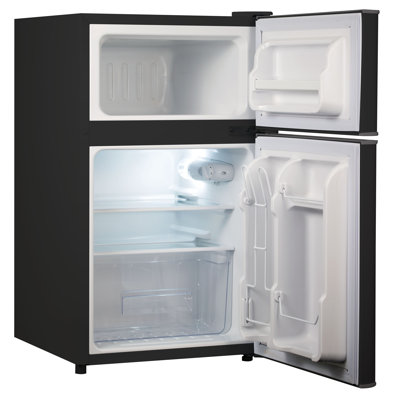
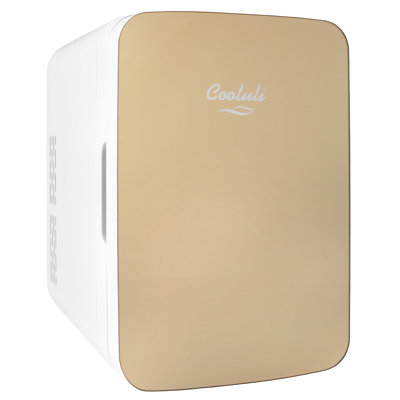
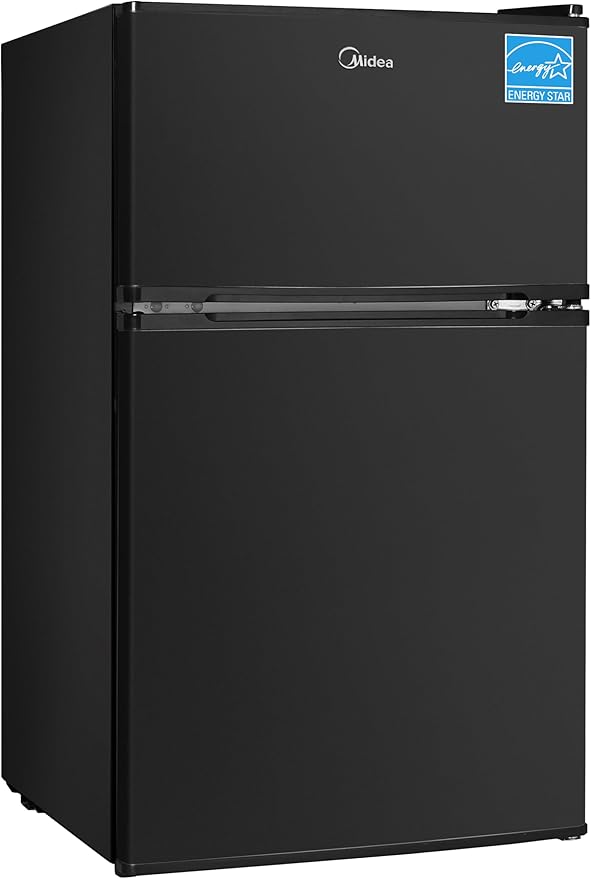
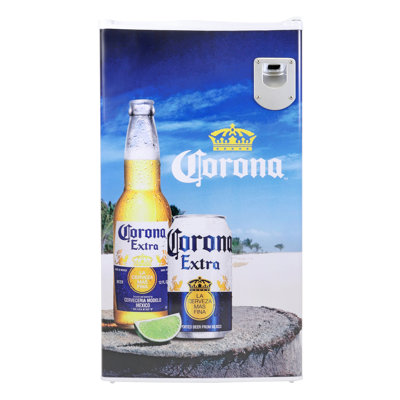
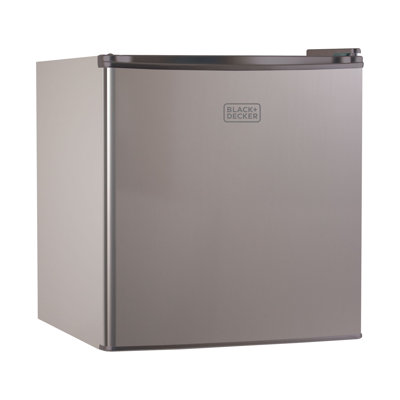
Mini fridges are small, portable units designed to fit in tight spaces. They typically offer limited storage capacity but are ideal for individual use, small households, or specific purposes like keeping beverages cold. Mini fridges come in various sizes and styles, making them a versatile choice for different environments. For more detailed comparisons, check out Fridge.com article on drawer freezer Vs. mini fridge.
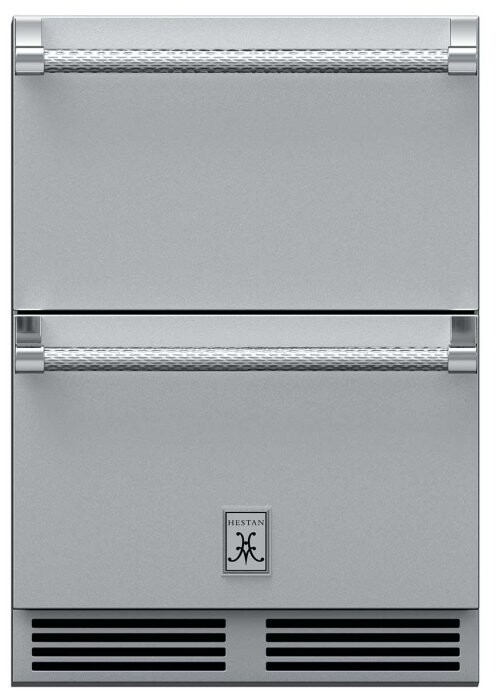
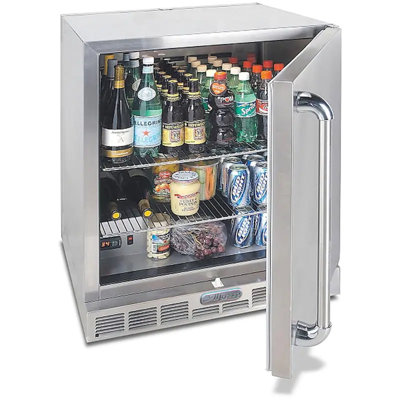
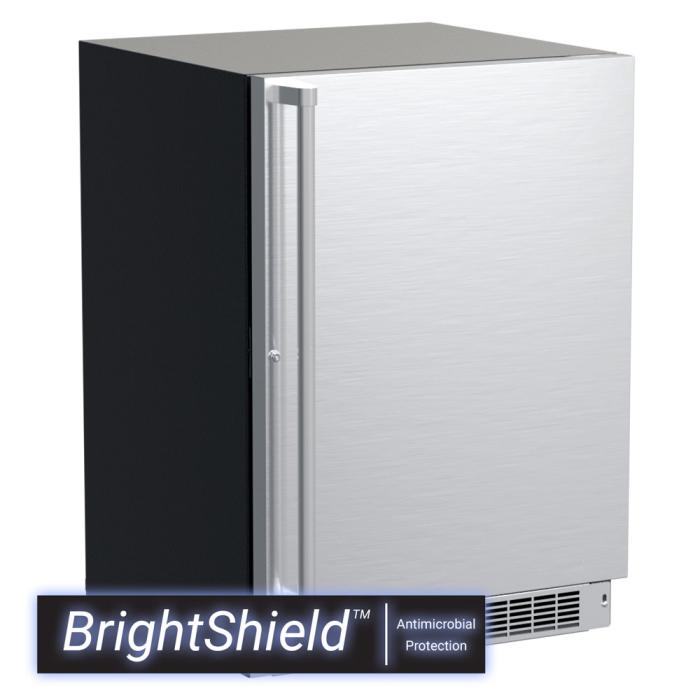
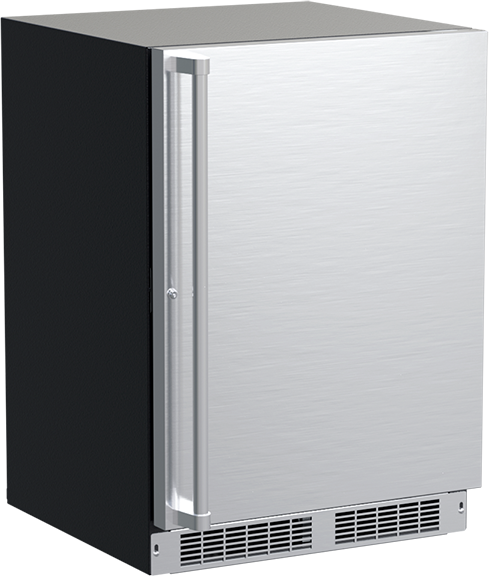
Shallow depth refrigerators, on the other hand, are larger than mini fridges but have a reduced depth compared to standard refrigerators. This design allows them to fit seamlessly into kitchen cabinetry or other constrained spaces without protruding too far. Shallow depth refrigerators offer more storage capacity than mini fridges, making them suitable for larger households or those who require more refrigeration space. For additional insights, visit Fridge.com article on beer fridge Vs. shallow depth refrigerator.
Feature
Mini Fridge
Shallow Depth Refrigerator
Size
Compact
Larger
Capacity
Limited
Moderate
Portability
High
Low
Ideal Use
Dorms, Offices, Bedrooms
Kitchens, Small Apartments
Understanding these differences can help you make an informed decision based on your specific needs and space constraints. For more comparisons on similar appliances, explore Fridge.com article on countertop refrigerator Vs. shallow depth refrigerator.
When choosing between a mini fridge and a shallow depth refrigerator, understanding the size and capacity of each option is crucial. This comparison will help you determine which appliance suits your needs best.
Comparison of Size and Storage Capacity
Mini fridges are compact and designed for small spaces. They typically range from 1.7 to 4.5 cubic feet in capacity. These units are ideal for storing a few essential items, such as beverages, snacks, or small food containers.
Appliance Type
Size (Height x Width x Depth)
Storage Capacity (cubic feet)
Mini Fridge
20" x 18" x 20"
1.7 - 4.5
Shallow Depth Refrigerator
67" x 30" x 24"
10 - 20
Shallow depth refrigerators, also known as counter-depth refrigerators, offer a larger storage capacity compared to mini fridges. They typically range from 10 to 20 cubic feet, making them suitable for storing more substantial amounts of food and beverages. These units are designed to align with the depth of standard kitchen counters, providing a streamlined look without protruding into the kitchen space.
Considerations for Space Constraints
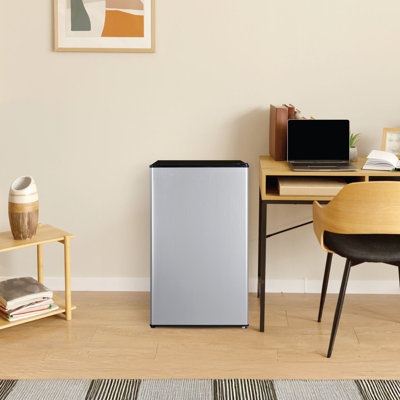
When deciding between a mini fridge and a shallow depth refrigerator, consider the available space in your home. Mini fridges are perfect for tight spaces such as dorm rooms, offices, or small apartments. Their compact size allows them to fit under desks, in corners, or on countertops.
Shallow depth refrigerators, while larger, are designed to save space by not extending beyond the kitchen counters. This makes them a great option for kitchens with limited floor space or for those who prefer a built-in look. However, they do require more room than mini fridges and may not be suitable for very small areas.
If you're dealing with significant space limitations, a mini fridge might be the best choice. On the other hand, if you need more storage capacity and have a bit more room to work with, a shallow depth refrigerator could be the better option.
For more information on other compact refrigeration options, check out Fridge.com articles on countertop refrigerator Vs. shallow depth refrigerator and dorm fridge Vs. standard fridge size.
Energy Efficiency
When choosing between a mini fridge and a shallow depth refrigerator, energy efficiency is a key factor to consider. Understanding the energy usage and efficiency of each type can help you make an informed decision.
Energy Usage of Mini Fridges
Mini fridges are typically designed for small spaces and use less energy compared to standard refrigerators. However, their energy consumption can vary based on size, model, and usage patterns. Here’s a look at the average energy usage of mini fridges:
Mini Fridge Size
Average Energy Usage (kWh/year)
1.7 - 2.5 cu. ft.
200 - 300
3.0 - 4.5 cu. ft.
250 - 350
5.0 - 6.0 cu. ft.
300 - 400
Mini fridges are often used in dorm rooms, offices, or as secondary fridges in homes. To optimize energy efficiency, it's recommended to keep the fridge in a cool, well-ventilated area and avoid overloading it. For more information on energy-efficient appliances, explore Fridge.com article on energy efficient refrigerator Vs. stainless look refrigerator.
Energy Efficiency of Shallow Depth Refrigerators
Shallow depth refrigerators, also known as counter-depth fridges, are designed to align with kitchen counters, offering a sleek and modern look. These refrigerators generally have better energy efficiency compared to mini fridges due to their advanced cooling technologies and larger size.
Shallow Depth Refrigerator Size
Average Energy Usage (kWh/year)
18 - 20 cu. ft.
350 - 450
21 - 23 cu. ft.
400 - 500
24 - 26 cu. ft.
450 - 550
Shallow depth refrigerators often come with energy-saving features such as improved insulation, efficient compressors, and smart temperature controls. These features help reduce energy consumption while maintaining optimal cooling performance. For a deeper dive into different refrigerator options, check out Fridge.com article on countertop refrigerator Vs. shallow depth refrigerator.
Choosing between a mini fridge and a shallow depth refrigerator depends on your specific needs and space requirements. Whether you're looking for a compact solution or a stylish, energy-efficient appliance, understanding the energy usage of each type will help you make the best choice for your home.
When comparing the cooling performance of mini fridges and shallow depth refrigerators, it's essential to understand their respective cooling mechanisms and how effectively they maintain temperature.
Cooling Mechanisms in Mini Fridges
Mini fridges often use two primary cooling mechanisms: thermoelectric cooling and compressor-based cooling.
Thermoelectric Cooling
Thermoelectric cooling employs the Peltier effect to create a temperature difference. This method is generally quieter and more energy-efficient but may struggle to maintain consistent temperatures in very warm environments.
Compressor-Based Cooling
Compressor-based mini fridges function similarly to full-sized refrigerators. They use a refrigerant and compressor to remove heat from the interior. This method is more effective at maintaining low temperatures and is suitable for storing perishable items.
Cooling Mechanism
Temperature Range
Noise Level
Energy Efficiency
Thermoelectric
40°F - 60°F
Low
High
Compressor-Based
32°F - 50°F
Medium
Moderate
Cooling Performance of Shallow Depth Refrigerators
Shallow depth refrigerators typically use compressor-based cooling systems. These systems are more robust and can handle larger volumes of food compared to mini fridges.
Compressor-Based Cooling
The compressor in shallow depth refrigerators cycles refrigerant through coils, absorbing heat from the interior and releasing it outside. This process ensures consistent cooling performance, even in varying external temperatures.
Cooling Mechanism
Temperature Range
Noise Level
Energy Efficiency
Compressor-Based
32°F - 40°F
Medium
Moderate
For more information on different refrigeration options, you can read Fridge.com comparison on countertop refrigerator Vs. shallow depth refrigerator.
Understanding these cooling mechanisms helps you choose the best option for your needs. Whether you opt for a mini fridge or a shallow depth refrigerator depends on factors like space, usage, and specific cooling requirements. If you're interested in learning more about other refrigeration options, check out Fridge.com articles on beer fridge Vs. shallow depth refrigerator or deep freezer Vs. ice cream refrigerator.
When choosing between a mini fridge and a shallow depth refrigerator, it's important to understand the features and functions each offers. These can significantly impact how well they meet your specific needs.
Common Features in Mini Fridges
Mini fridges are compact and versatile, making them ideal for small spaces like dorm rooms, offices, and bedrooms. Here are some common features you might find in a mini fridge:
Adjustable Shelves: Many mini fridges come with adjustable shelves, allowing you to customize the storage space to fit various items.
Compact Freezer Compartment: Some models include a small freezer compartment for ice trays or frozen snacks.
Temperature Control: Basic temperature control settings are typically available, enabling you to adjust the cooling level.
Energy Efficiency: Mini fridges are generally energy-efficient, making them a cost-effective option for continuous use.
Quiet Operation: Designed for small living spaces, mini fridges tend to operate quietly, making them suitable for bedrooms or home offices.
Features and Functions of Shallow Depth Refrigerators
Shallow depth refrigerators, also known as counter-depth refrigerators, offer a more streamlined look and often come with advanced features. Here are some key features:
Full-Size Storage: Despite their shallow depth, these refrigerators provide ample storage space, making them suitable for families and larger households.
Advanced Temperature Control: Many models feature precise temperature controls and separate cooling zones for optimal food preservation.
Built-In Ice Maker and Water Dispenser: Higher-end models often include built-in ice makers and water dispensers, adding convenience.
Smart Technology: Some shallow depth refrigerators come with smart technology, allowing you to control settings and monitor the appliance via a smartphone app.
Energy Star Rating: These refrigerators are often designed to be energy-efficient, helping to lower electricity bills.
Aesthetic Design: Shallow depth refrigerators are designed to blend seamlessly with your kitchen cabinetry, offering a sleek, modern look.
Feature
Mini Fridge
Shallow Depth Refrigerator
Adjustable Shelves
Yes
Yes
Freezer Compartment
Yes (compact)
Yes (full-size)
Temperature Control
Basic
Advanced
Quiet Operation
Yes
Varies
Built-In Ice Maker/Water Dispenser
No
Yes
Smart Technology
No
Yes
Aesthetic Design
Compact and portable
Seamless integration with cabinetry
Understanding these features can help you decide which type of refrigerator best suits your needs. For more insights, explore Fridge.com comparison articles such as beer fridge Vs. shallow depth refrigerator and countertop refrigerator Vs. shallow depth refrigerator.
Design and Aesthetics
When comparing a mini fridge to a shallow depth refrigerator, design and aesthetics play a significant role in your decision-making process. Both options offer unique visual appeal and functional benefits.
Aesthetic Considerations for Mini Fridges
Mini fridges come in a variety of styles and colors, making them versatile for numerous settings. Whether you are placing one in an office, dorm room, or man cave, a mini fridge can blend seamlessly into your decor. Here are some aesthetic considerations for mini fridges:
Compact Design: Mini fridges are designed to be space-efficient, fitting into small areas without overwhelming the room.
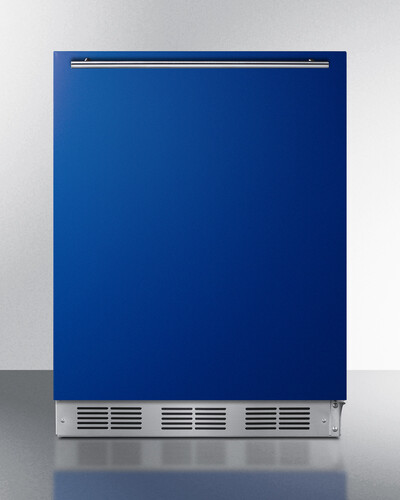
Color Options: They are available in various colors, from classic black and white to vibrant reds and blues, catering to different tastes.
Retro and Modern Styles: You can find mini fridges in retro styles with rounded edges and chrome accents, as well as sleek, modern designs featuring stainless steel or matte finishes.
Feature
Mini Fridge
Size
Compact, fits in small spaces
Colors
Black, white, red, blue, etc.
Styles
Retro, modern
Design Options for Shallow Depth Refrigerators
Shallow depth refrigerators, also known as counter-depth refrigerators, are designed to provide a built-in look by aligning with the edge of your countertops. This design creates a streamlined appearance in your kitchen or living space. Here are some design options for shallow depth refrigerators:
Seamless Integration: These refrigerators are designed to fit flush with your cabinetry, offering a cohesive look.
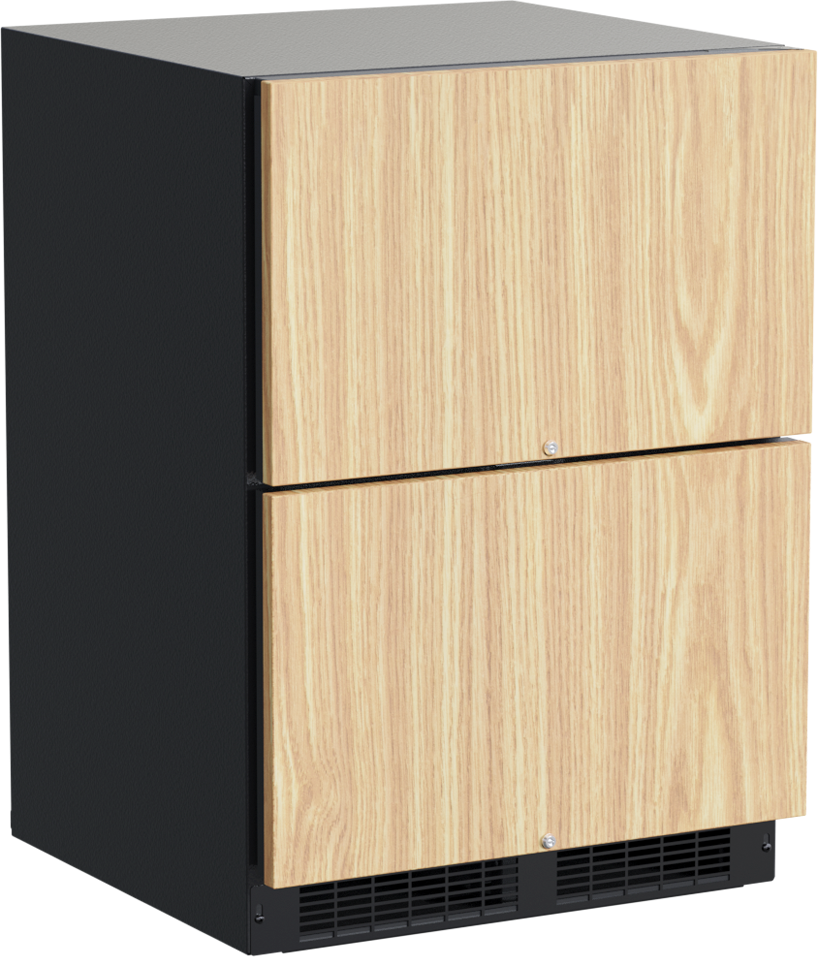
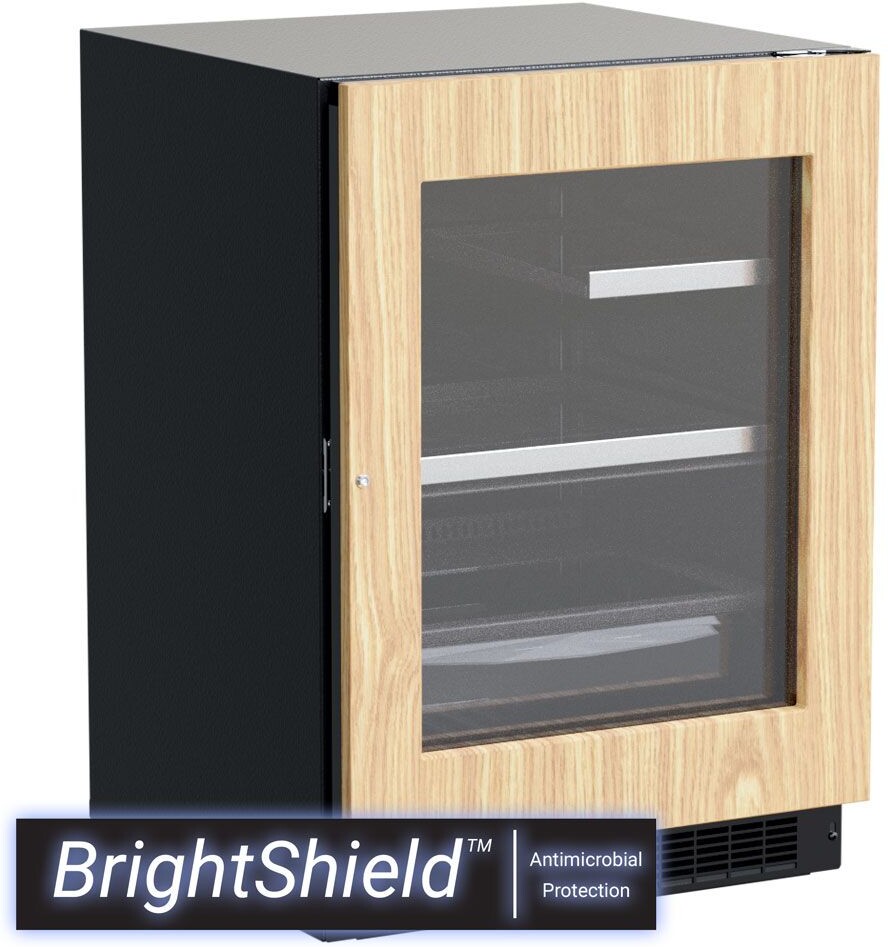
Variety of Finishes: Shallow depth refrigerators are available in stainless steel, black stainless steel, and custom panel-ready options to match your kitchen decor.
Interior Layout: They often feature adjustable shelves and compartments, allowing for better organization and accessibility.
Feature
Shallow Depth Refrigerator
Size
Aligns with countertops
Finishes
Stainless steel, black stainless, custom panel-ready
Interior
Adjustable shelves, organized compartments
Both mini fridges and shallow depth refrigerators offer distinct design benefits that cater to different needs and preferences. Whether you prioritize the compact versatility of a mini fridge or the seamless integration of a shallow depth refrigerator, you can find a style that complements your space. For more information on other refrigerator options, consider exploring Fridge.com articles on panel ready refrigerator Vs. refrigerator drawer and beer fridge Vs. shallow depth refrigerator.
Mini fridges are generally more affordable compared to shallow depth refrigerators. Their compact size and simpler technology contribute to a lower price point, making them an attractive option for those on a budget. Mini fridges are ideal for small spaces like dorm rooms, offices, and bedrooms.
Mini Fridge Type
Average Cost ($)
Compact Mini Fridge
50 - 100
Standard Mini Fridge
100 - 200
High-End Mini Fridge
200 - 400
The cost can vary based on additional features such as freezer compartments, temperature control, and energy efficiency. For more details on various mini fridge options, you can check out Fridge.com article on drawer freezer Vs. mini fridge.
Price Range of Shallow Depth Refrigerators
Shallow depth refrigerators, also known as counter-depth refrigerators, tend to be more expensive due to their larger size and advanced features. These refrigerators are designed to blend seamlessly with kitchen cabinetry, offering a sleek and modern look.
Shallow Depth Refrigerator Type
Average Cost ($)
Basic Model
1,000 - 1,500
Mid-Range Model
1,500 - 2,500
High-End Model
2,500 - 5,000
The price of shallow depth refrigerators can increase with features such as smart technology, dual cooling systems, and customizable storage options. For a comprehensive comparison with other types of refrigerators, visit Fridge.com article on beer fridge Vs. shallow depth refrigerator.
Understanding the cost differences between mini fridges and shallow depth refrigerators can help you make an informed decision based on your budget and needs. Whether you prioritize affordability or advanced features, there is a refrigeration solution that suits your lifestyle.
Compare prices on Fridge.com
Compare current prices and specifications on Fridge.com, then buy from the retailer you choose; delivery, installation and warranty terms are the retailer’s.
It also has tons of awesome articles about kitchen stuff and home news. Enhance your home, garage, backyard, patio, and office with the coolest essentials. With every necessary type of residential refrigerator or freezer in the collection, you're covered.
From Fridge.com research
Figures below come from data Fridge.com builds and maintains. Each links to the record behind it.
Fridge.com Energy Index, built on U.S. EPA and DOE ENERGY STAR records
Across 1,728 ENERGY STAR certified compact refrigerator models, median use is 246 kWh per year — 11% better than the federal standard.