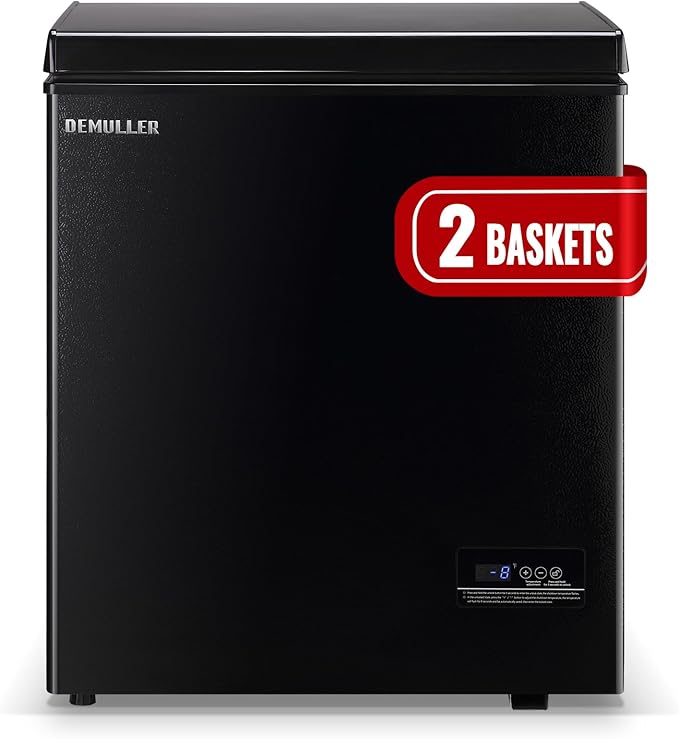
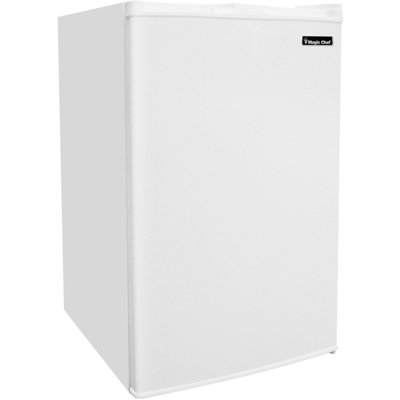
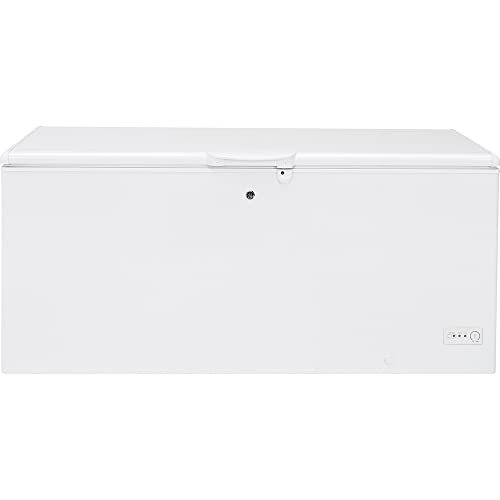
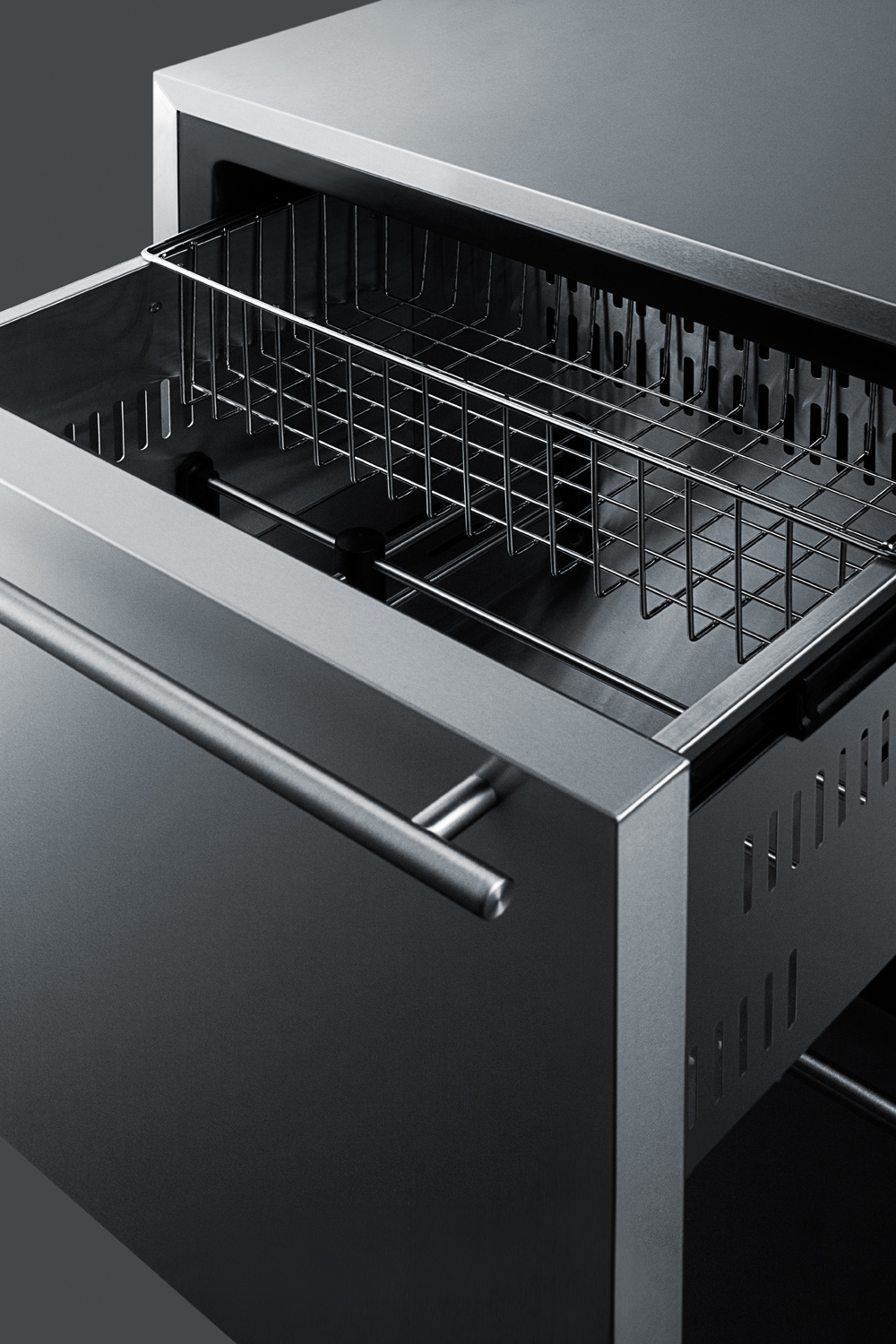
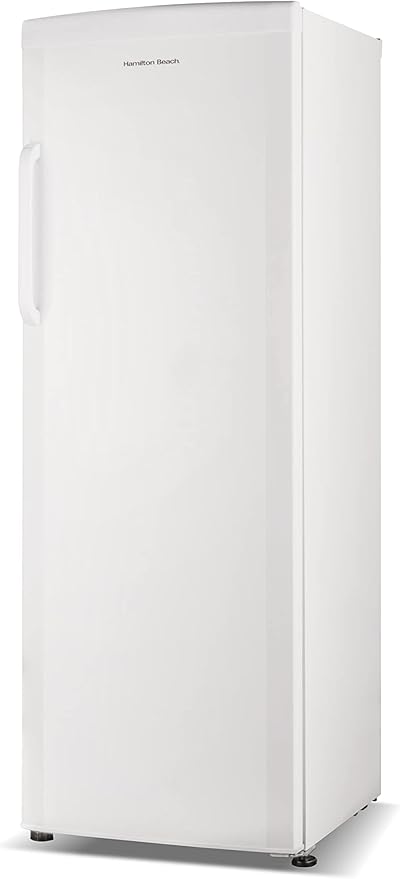
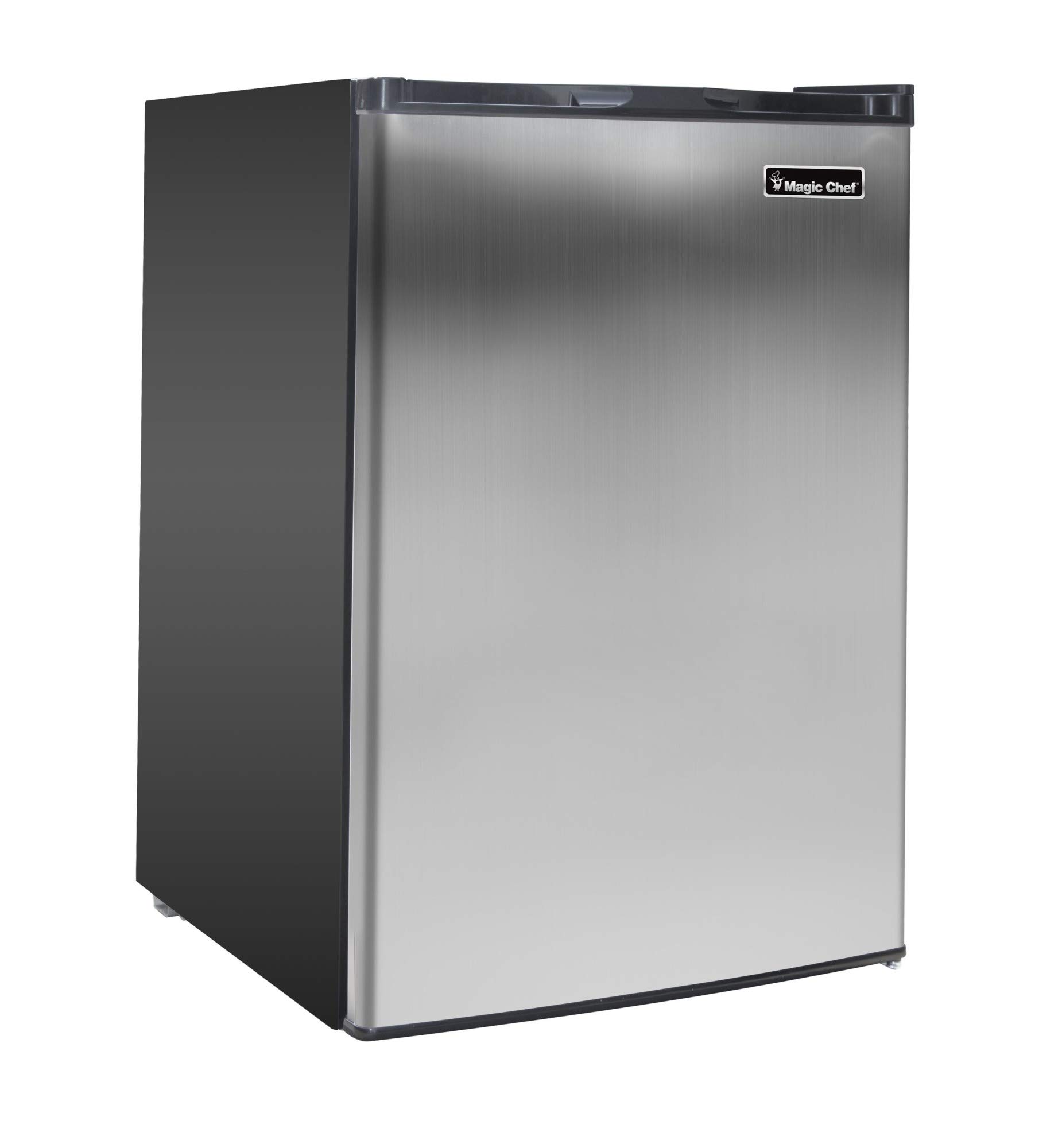
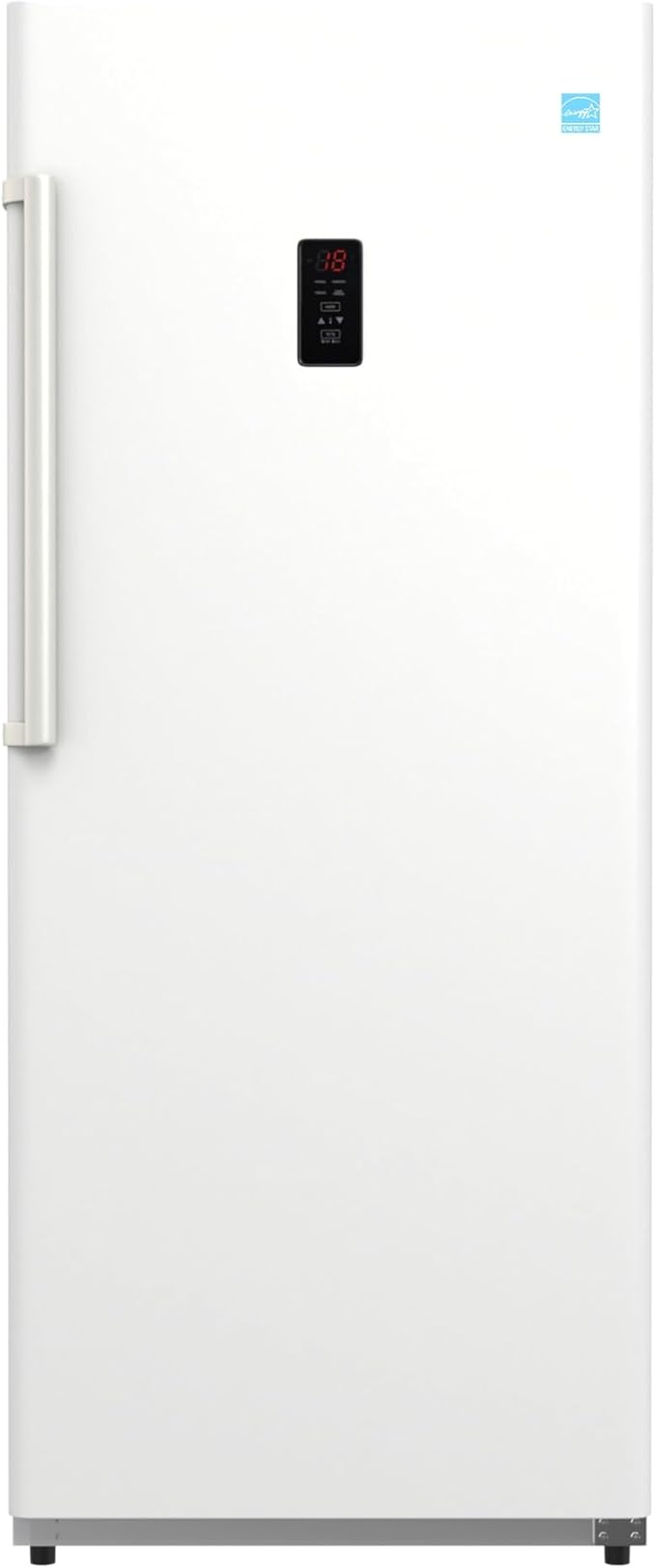
A small deep freeze is a compact freezer designed to store frozen foods in a space-efficient manner. Unlike full-sized freezers, these appliances are ideal for smaller living spaces such as apartments, condos, mobile homes, and tiny homes. They come in various types, including chest, upright, and portable models, to suit different needs and preferences. If you're interested in learning more about the different types, check out Fridge.com article on small deep freezer.
Benefits of Having a Small Deep Freeze
Owning a small deep freeze offers numerous advantages, particularly for those with limited space. Here are some key benefits:
Space-Saving: These freezers are designed to fit into tight spaces, making them perfect for smaller homes, garages, and even basements.
Energy Efficiency: Small deep freezes typically consume less electricity compared to larger models, helping you save on energy bills.
Convenience: Having a small deep freeze allows you to store bulk foods, garden harvests, and emergency supplies, ensuring you always have frozen goods on hand.
Organized Storage: These freezers often come with features like storage baskets, shelves, and bins, making it easier to organize and access your frozen foods. For more tips on organizing, visit Fridge.com guide on deep freezer organization.
Benefit
Description
Space-Saving
Fits into small spaces, ideal for apartments and tiny homes
Convenience
Allows storage of bulk foods and emergency supplies
Versatility
Available in various types to suit different needs
Organized Storage
Comes with features like storage baskets and shelves for easy organization
By understanding what a small deep freeze is and recognizing its benefits, you can make an informed decision on whether this appliance is right for your household. Whether you need it for extra storage or to keep emergency supplies, a small deep freeze can be a practical addition to your home.
When looking to purchase a small deep freeze, there are several key factors to consider that will help you make an informed decision. These include size and capacity, energy efficiency, and installation and placement.
Size and Capacity
The size and capacity of your small deep freeze are crucial factors to consider. The right size will depend on your storage needs and the available space in your home. Small deep freezers come in various sizes and capacities, typically measured in cubic feet. Here is a table to help you understand the common sizes and their typical capacities:
Size (cubic feet)
Capacity (lbs)
3 - 5
70 - 100
5 - 7
100 - 150
7 - 9
150 - 200
Consider how much frozen food you need to store and choose a size that fits your requirements. For more information on different sizes, you can visit Fridge.com article on deep freezer sizes.
Energy Efficiency
Energy efficiency is an important consideration when purchasing a small deep freeze. An energy-efficient model will help you save on electricity bills and reduce your environmental footprint. Look for models with an Energy Star rating, which indicates that the unit meets energy efficiency guidelines set by the government.
Energy-efficient deep freezers often have better insulation and advanced compressors that consume less electricity. It's also helpful to compare the annual energy consumption of different models, typically listed in kilowatt-hours (kWh) per year.
Model Type
Annual Energy Consumption (kWh)
Standard
300 - 400
For more details on energy-efficient models, refer to Fridge.com article on compact deep freezer.
Installation and Placement
The installation and placement of your small deep freeze are also critical factors to consider. The location where you plan to place the deep freezer should have enough space for ventilation and easy access. Here are some placement tips:
Ventilation: Ensure there is adequate space around the unit for proper airflow. Typically, a clearance of 2-3 inches on all sides is recommended.
Level Surface: Place the deep freezer on a level surface to ensure optimal performance and prevent vibrations.
Accessibility: Choose a convenient location that allows you to easily access and organize your frozen goods.
When installing, consider the type of deep freezer you are purchasing. For example, a chest freezer might require more floor space, while an upright freezer can fit into tighter spots.
By considering these factors, you can ensure that you select the best small deep freeze for your needs. For further guidance on placement and installation, check out Fridge.com article on deep freezer standing.
Types of Small Deep Freezers
When choosing a small deep freeze, it's important to consider the different types available. Each type has its own benefits and can suit various needs and spaces. Here are the three main types: chest freezers, upright freezers, and portable freezers.
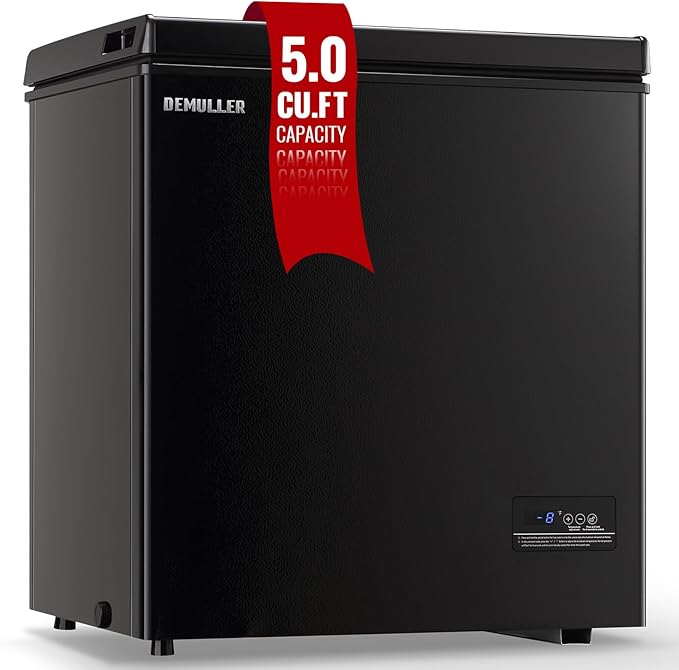
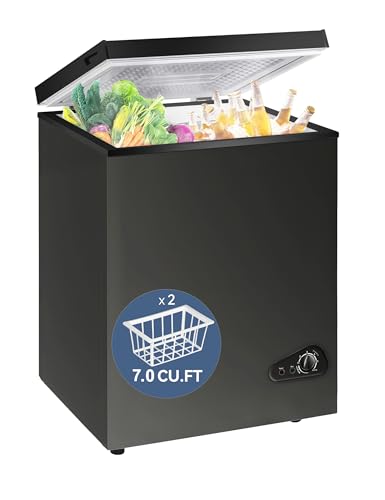
Chest Freezers
Chest freezers are a popular choice for those who need ample storage space in a compact design. These freezers have a hinged lid that opens from the top, making them ideal for storing bulk items and larger quantities of food. They are known for being energy-efficient and maintaining a consistent temperature, which helps keep your food fresh for longer periods.
Feature
Chest Freezer
Opening Mechanism
Hinged lid (top)
Storage Capacity
High
Space Requirement
Larger footprint
Temperature Uniformity
Excellent
Chest freezers often come with storage baskets to help you organize your food items. For tips on organizing your chest freezer, check out Fridge.com article on deep freezer organization.
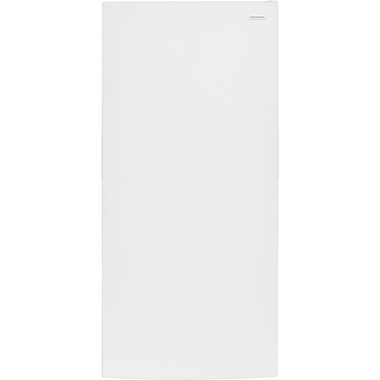
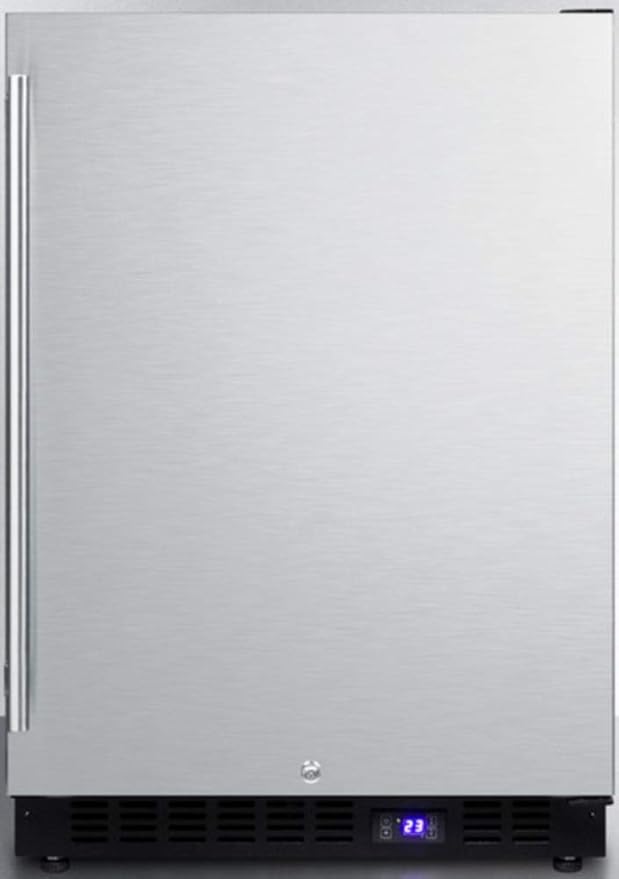
Upright Freezers
Upright freezers, also known as stand-up freezers, offer a vertical storage solution and resemble a typical refrigerator. These freezers have shelves and compartments that make it easier to organize and access your food items. Upright freezers are a great option if you have limited floor space but need efficient storage.
Feature
Upright Freezer
Opening Mechanism
Door (front)
Storage Capacity
Moderate
Space Requirement
Smaller footprint
Temperature Uniformity
Good
The upright design makes it easy to see and reach all items, reducing the likelihood of forgotten or wasted food. For more on upright freezers, visit Fridge.com page on deep freezer upright.
Portable Freezers
Portable freezers are a versatile option for those who need a small freezer that can be moved easily. These freezers are compact and lightweight, making them perfect for use in RVs, boats, or small apartments. Despite their size, portable freezers can still offer efficient freezing capabilities.
Feature
Portable Freezer
Opening Mechanism
Varies (lid or door)
Storage Capacity
Low
Space Requirement
Small footprint
Temperature Uniformity
Varies
Portable freezers are ideal for temporary storage or for those who frequently change locations. For more insights on portable freezers, check out Fridge.com article on compact deep freezer.
Choosing the right type of small deep freeze depends on your specific needs and the space available. Whether you opt for a chest freezer, an upright freezer, or a portable freezer, understanding the pros and cons of each type will help you make an informed decision.
When choosing a small deep freeze, it's important to consider certain features that can enhance usability and efficiency. Here are key features to keep an eye on:
Temperature Control
Temperature control is crucial in a small deep freeze, as it ensures your food stays at the optimal freezing point. Look for models with adjustable thermostats that allow you to set the desired temperature. This feature is particularly useful for different types of food storage needs. Accurate temperature control helps in maintaining the quality and longevity of stored items.
For more detailed information on maintaining ideal temperatures, visit Fridge.com article on deep freezer temperature.
Storage Baskets and Shelves
Proper organization within a small deep freeze can make a significant difference in its usability. Storage baskets and shelves help in categorizing and easily accessing items. These organizational tools prevent food from getting buried and forgotten, making it easier to keep track of what you have.
Using dividers and baskets can also maximize the storage capacity of your deep freeze. For additional tips on organizing your freezer, check out Fridge.com guide on deep freezer organization.
Defrosting Mechanism
Defrosting your small deep freeze is essential for its maintenance and efficiency. There are generally two types of defrosting mechanisms: manual and automatic. Manual defrosting requires you to periodically remove ice build-up, while automatic defrosting does this task for you, making it more convenient.
Understanding how to properly defrost your freezer can prolong its lifespan and improve performance. For a step-by-step guide on defrosting, read Fridge.com article on how to defrost a deep freezer.
Feature
Benefit
Temperature Control
Maintains optimal freezing conditions for different food types
Storage Baskets
Enhances organization, making items easier to find
Defrosting Mechanism
Simplifies maintenance and improves efficiency
By considering these features, you can ensure that your small deep freeze meets your needs and provides efficient storage solutions. For more insights into selecting the right deep freezer, visit Fridge.com comprehensive guides on chest freezers and upright freezers.
Organizing your small deep freeze effectively can help you maximize space and ensure that your food stays fresh and easy to find. Here are some practical tips to keep your freezer in top shape.
Properly Storing Food
Proper storage is crucial in a small deep freezer. Start by categorizing your food items. Group similar items together so you can quickly locate what you need. For example, keep all meats in one section, vegetables in another, and frozen meals in a separate area.
Use airtight containers: These prevent freezer burn and keep food fresh longer.
Vacuum seal bags: These remove air and save space.
Freezer-safe bags: Ideal for storing smaller items.
Food Type
Storage Method
Meats
Airtight containers
Vegetables
Vacuum seal bags
Frozen meals
Freezer-safe bags
Labeling and Rotation
Labeling is essential for keeping track of what you have stored. Use labels to mark the date you placed the item in the freezer and what it contains. This will help you with food rotation, ensuring older items are used first.
Label with date and contents: Helps in identifying and rotating items.
Use freezer tape or waterproof markers: Ensures labels stay intact.
Item
Date Added
Use By
Chicken breasts
01/05/2023
01/05/2024
Peas
02/10/2023
02/10/2024
Lasagna
03/15/2023
03/15/2024
Utilizing Storage Bins
Storage bins can be a game-changer for organizing a small deep freeze. They help to compartmentalize the space, making it easier to find and access items.
Stackable bins: Save space and keep items separated.
Clear bins: Allow you to see contents without opening.
Labeled bins: Make finding items quick and easy.
Bin Type
Benefits
Stackable bins
Maximizes space
Clear bins
Easy visibility
Labeled bins
Quick identification
By following these organization tips, you can make the most out of your small deep freeze. Properly storing food, labeling and rotating items, and utilizing storage bins will help you maintain an efficient and effective freezer space. For more tips on organizing your freezer, visit Fridge.com article on deep freezer organization.
Maintenance and Cleaning
Proper maintenance and cleaning of your small deep freeze are essential to ensure its longevity and efficiency. Regular defrosting and cleaning can prevent ice buildup, improve energy efficiency, and maintain a hygienic environment for your stored food.
Defrosting Regularly
Defrosting your small deep freeze is a crucial part of its maintenance. Ice buildup can reduce the efficiency of your freezer, making it work harder to maintain the desired temperature. Here are some steps to follow for defrosting:
Unplug the Deep Freeze: Always start by unplugging your appliance to ensure safety.
Remove All Contents: Take out all food items and store them in a temporary cooler or another freezer.
Place Towels or Pans: Place towels or pans at the base of the freezer to catch melting ice.
Allow Ice to Melt: Leave the freezer door open and allow the ice to melt naturally. Use a plastic scraper to gently remove any stubborn ice.
Wipe Down the Interior: Once all the ice has melted, wipe down the interior with a clean cloth.
For more detailed instructions, visit Fridge.com guide on how to defrost a deep freezer.
Step
Description
1
Unplug the deep freeze
2
Remove all contents
3
Place towels or pans
4
Allow ice to melt
5
Wipe down the interior
Cleaning Tips for Small Deep Freezers
Regular cleaning goes hand in hand with defrosting to keep your small deep freeze in optimal condition. Here are some tips to ensure thorough cleaning:
Use Mild Detergents: Clean the interior using a mixture of mild detergent and warm water. Avoid using harsh chemicals that can damage the surface.
Clean the Gaskets: Pay special attention to the gaskets (the rubber seals around the door). Clean them with a mild soap solution to ensure a tight seal.
Dry Thoroughly: After cleaning, dry the interior thoroughly to prevent mold and mildew growth.
Organize and Rotate Food: Regularly organize and rotate your food items to ensure even cooling and prevent forgotten items from spoiling. For tips on organizing, check out Fridge.com article on deep freezer organization.
By following these maintenance and cleaning guidelines, you can extend the lifespan of your small deep freeze and keep it running efficiently. Proper care ensures a reliable appliance that keeps your food safely stored and easily accessible. For more related topics, explore articles on small deep freezer and deep freezer temperature.
Small deep freezers are versatile appliances that offer various benefits beyond everyday storage. Here are some additional uses you can explore.
Freezing Bulk Foods
A small deep freeze is perfect for storing bulk foods. Whether you purchase meat, vegetables, or pre-cooked meals in large quantities, freezing them ensures they stay fresh for longer periods. This is especially useful for families and individuals who prefer to cook in bulk or take advantage of sales and discounts on groceries.
Food Type
Storage Duration
Meat (beef, pork)
6 - 12 months
Vegetables
8 - 12 months
Cooked Meals
2 - 3 months
Storing Garden Harvests
If you have a garden, a small deep freezer can be a lifesaver during harvest season. You can freeze fruits, vegetables, and herbs to enjoy them throughout the year. Properly storing and freezing your garden produce helps maintain its nutritional value and flavor.
For tips on organizing your small deep freezer, check out Fridge.com article on deep freezer organization.
Produce Type
Storage Duration
Berries
8 - 12 months
Leafy Greens
10 - 12 months
Herbs
6 - 12 months
Emergency Food Storage
A small deep freezer is an excellent tool for emergency food storage. Stocking up on essentials like bread, dairy products, and frozen meals ensures you are prepared for unexpected situations, such as power outages or supply shortages.
To learn more about maintaining the optimal deep freezer temperature, check Fridge.com detailed guide.
Food Type
Storage Duration
Bread
3 months
Dairy Products
3 - 6 months
Frozen Meals
2 - 3 months
By efficiently utilizing your small deep freeze, you can make the most of your storage space and keep your food fresh and ready to use when you need it.
Compare prices on Fridge.com
Compare current prices and specifications on Fridge.com, then buy from the retailer you choose; delivery, installation and warranty terms are the retailer’s.
It also has tons of awesome articles about kitchen stuff and home news. Enhance your home, garage, backyard, patio, and office with the coolest essentials. With every necessary type of residential refrigerator or freezer in the collection, you're covered.
Frequently Asked Questions
A small deep freeze is a compact freezer designed to store frozen foods in a space-efficient manner. Unlike full-sized freezers, these appliances are ideal for smaller living spaces such as apartments, condos, mobile homes, and tiny homes. They come in various types, including chest, upright, and portable models, to suit different needs and preferences. If you're interested in learning more about the different types, check out Fridge.com article on small deep freezer.