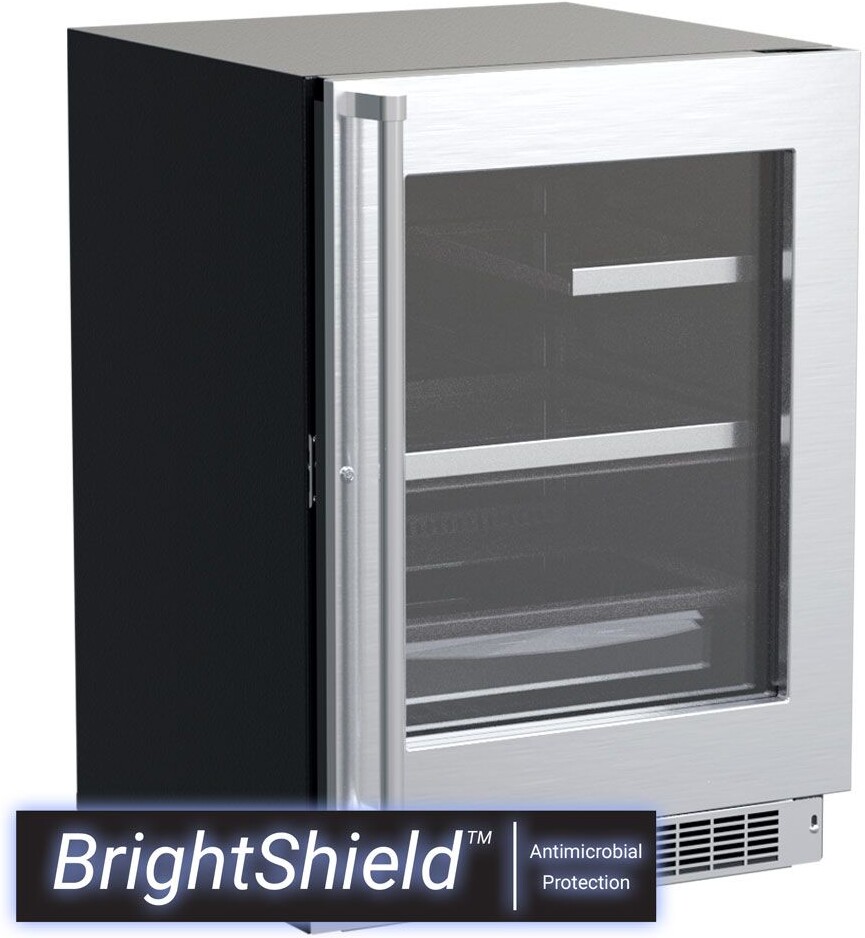
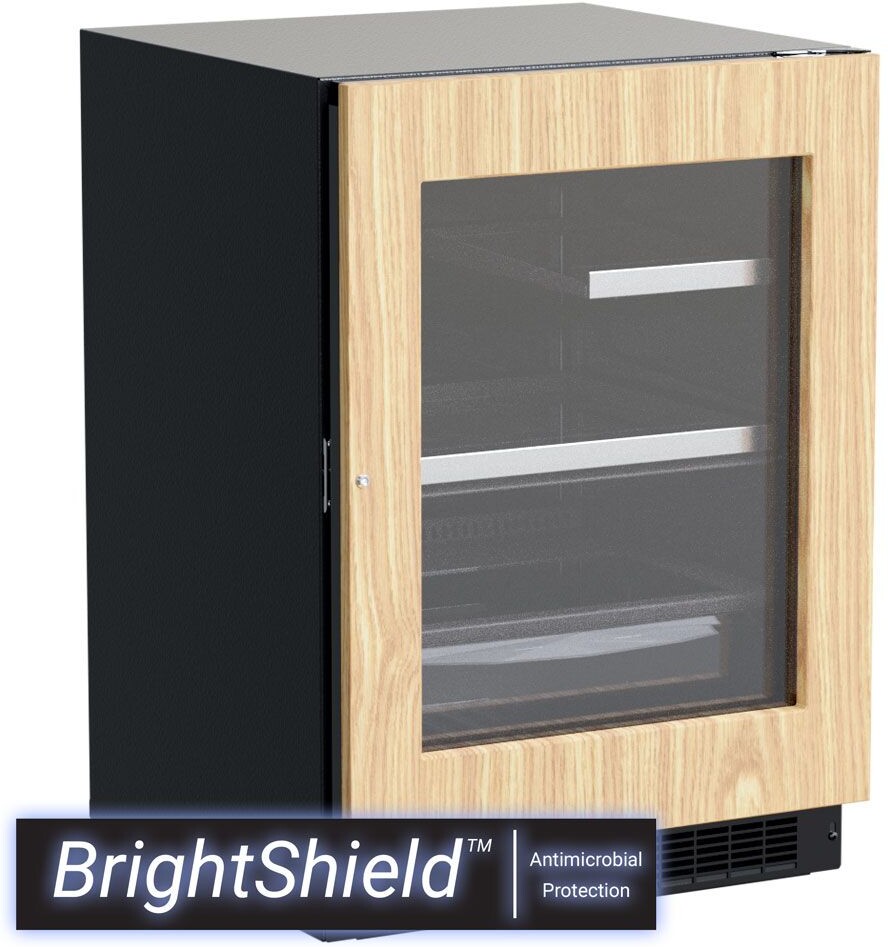
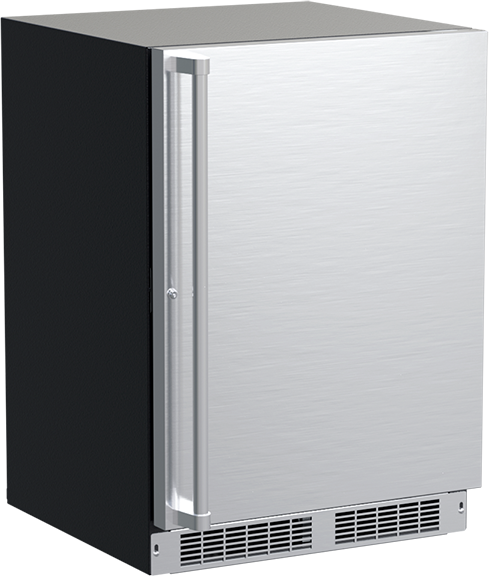
It's important to note that these are average ranges, and prices can vary based on size, features, and brand.
They often have multiple compartments that can be individually controlled for different fermentation stages or to store various types of foods at their ideal temperatures.
Customization: The customizable storage options give you the flexibility to store large containers or multiple small ones, depending on your needs.
They are an ideal solution for keeping snacks, beverages, and small grocery items cold, as well as providing ice or storing frozen treats.
Proper refrigeration is essential for preserving the freshness, flavor, and nutritional value of your food. Whether you're a culinary enthusiast or simply looking to store your groceries effectively, understanding your refrigeration options can make a significant difference. Refrigerators and freezers are designed to keep your food at safe temperatures, slowing the growth of bacteria and extending shelf life. This not only helps minimize food waste but also ensures that your meals are delicious and safe to eat.
Overview of Kimchi Refrigerators and Mini Fridge Freezers
When considering specialized refrigeration, you may encounter options like the kimchi refrigerator and the mini fridge freezer. Each serves a unique purpose and offers distinct benefits.
Kimchi Refrigerators are designed specifically for fermenting and storing kimchi, a staple in Korean cuisine. These refrigerators provide precise temperature controls that cater to the unique requirements of kimchi fermentation, which can differ significantly from standard refrigeration needs.
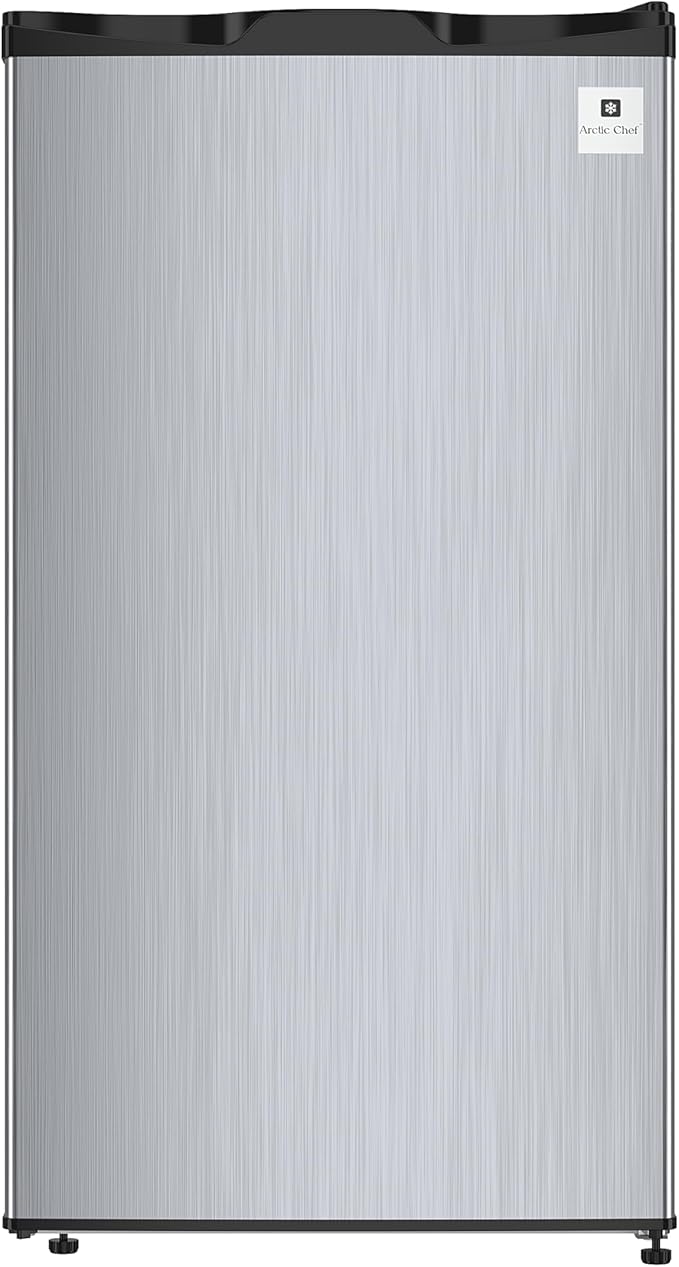
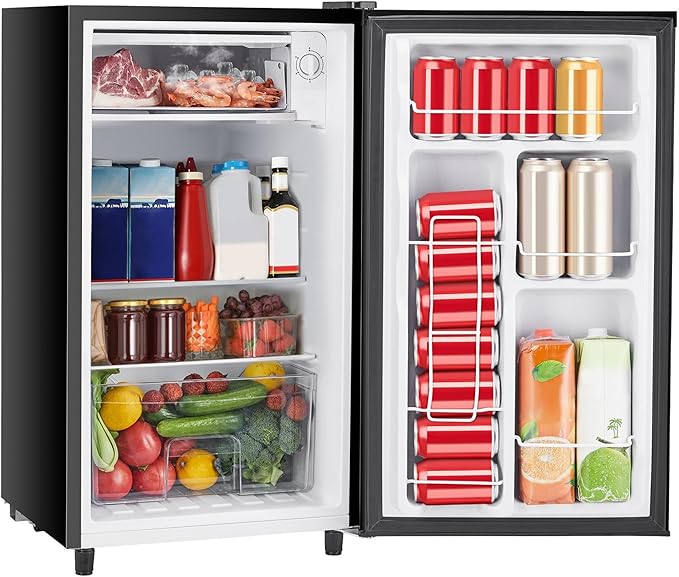
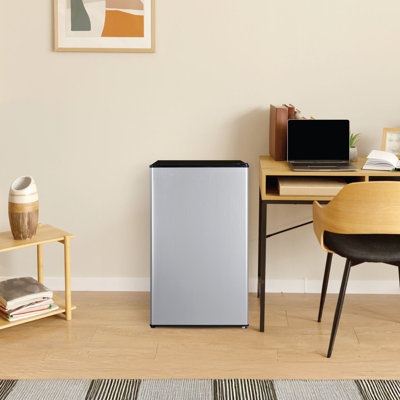
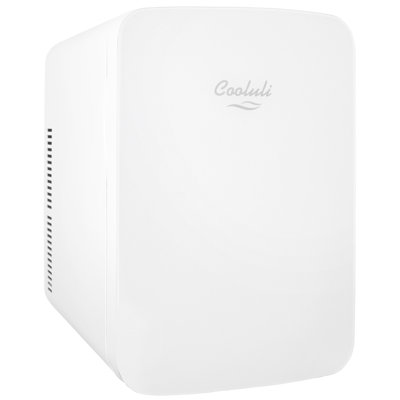
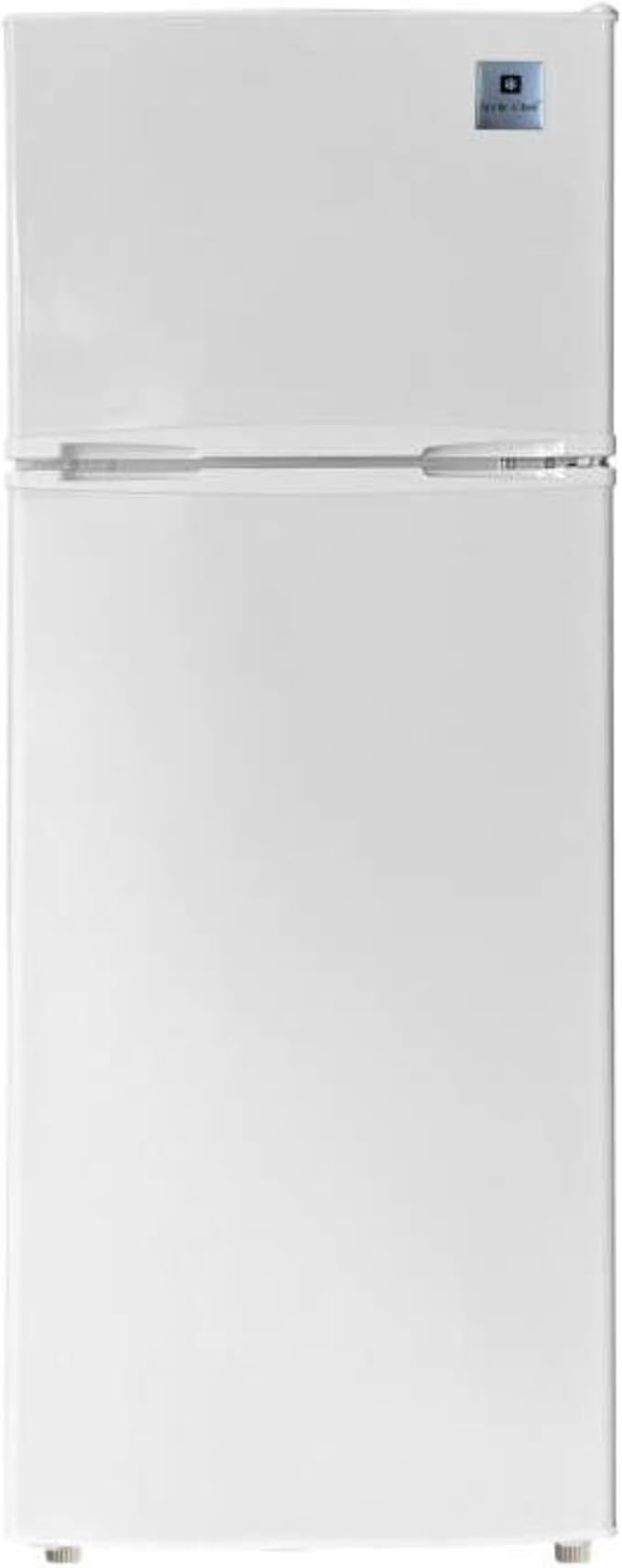
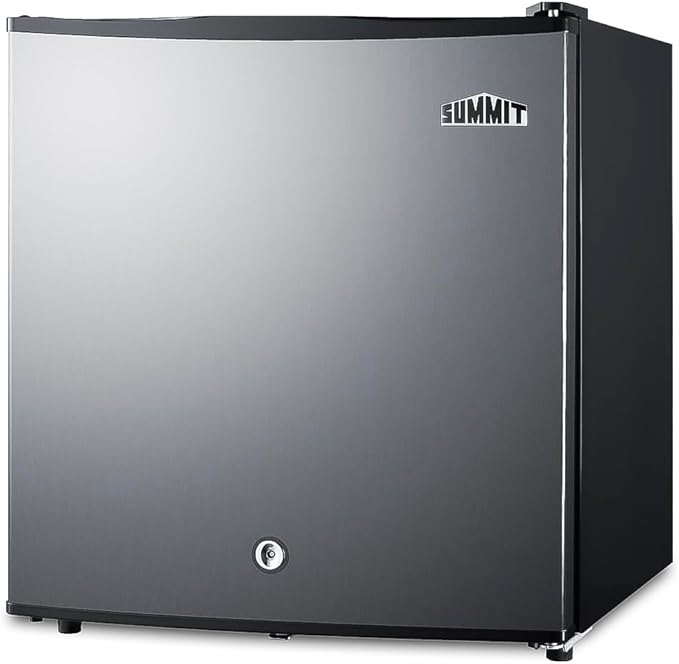
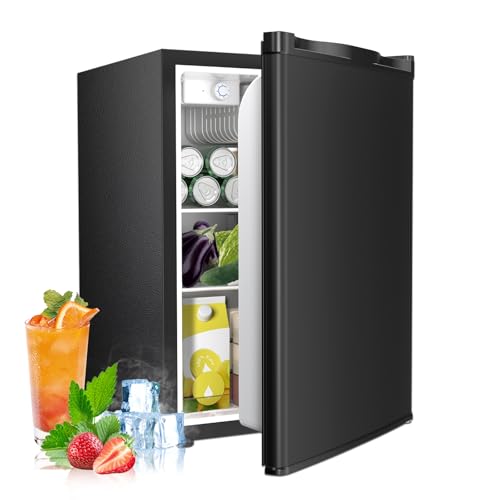
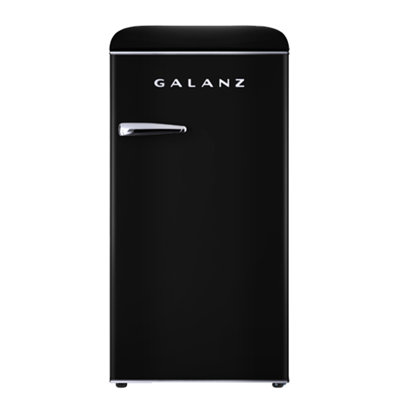
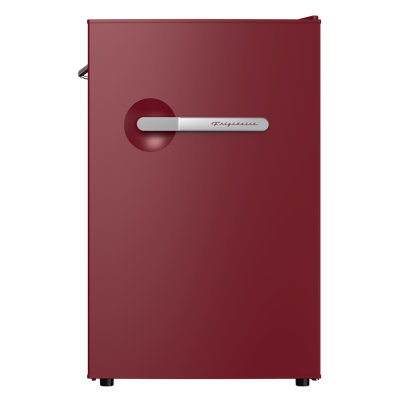
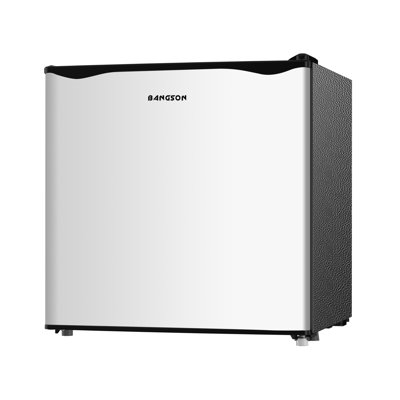
Mini Fridge Freezers, on the other hand, are compact units that offer the convenience of both refrigeration and freezing in a smaller footprint. They are suitable for a variety of environments, from dorm rooms to home offices, providing space-saving solutions for keeping a limited selection of items cold or frozen.
Both refrigeration options have their place depending on your needs: whether you're looking to perfectly preserve specialty dishes like kimchi or need a versatile unit for cooling beverages and storing frozen snacks.
Kimchi refrigerators are specialized refrigeration units designed to meet the specific needs of storing and fermenting kimchi, a traditional Korean dish. These refrigerators come equipped with a variety of features that set them apart from your typical mini fridge freezer.
A key feature of kimchi refrigerators is their precise temperature control, which allows you to create the optimal conditions for fermenting kimchi and other pickled vegetables. They often have multiple compartments that can be individually controlled for different fermentation stages or to store various types of foods at their ideal temperatures.
Additionally, kimchi refrigerators are built with specialized insulation and sealing systems to contain the strong aromas associated with fermented foods, preventing them from affecting other items in your living space. The shelving and storage design in these refrigerators are typically customizable, enabling you to arrange your kimchi containers in an organized manner.
Benefits of Using a Kimchi Refrigerator
Using a kimchi refrigerator offers several benefits that go beyond standard refrigeration:
Optimal Fermentation Conditions: The precise temperature control allows for perfect fermentation conditions, enhancing the flavor and longevity of your kimchi.
Flavor Preservation: The airtight sealing and specialized insulation help maintain the authentic taste of kimchi by preventing odor transfer.
Versatility: While designed for kimchi, these refrigerators can also accommodate other foods that require specific temperature settings, such as certain seafood or meats.
Customization: The customizable storage options give you the flexibility to store large containers or multiple small ones, depending on your needs.
Space Efficiency: Most kimchi refrigerators are compact in design, allowing them to fit into various living spaces without taking up too much room.
If you're considering a refrigeration unit specifically for your kimchi and other fermented foods, a kimchi refrigerator could be a valuable addition to your kitchen or storage area. For comparison to other refrigeration options that might suit different needs, such as storing beverages or frozen goods, explore Fridge.com articles on beverage center vs. silver refrigerator and mini fridge with freezer vs. outdoor fridge. Choosing the right refrigerator can help you maintain the quality and flavor of your food while also fitting seamlessly into your living space.
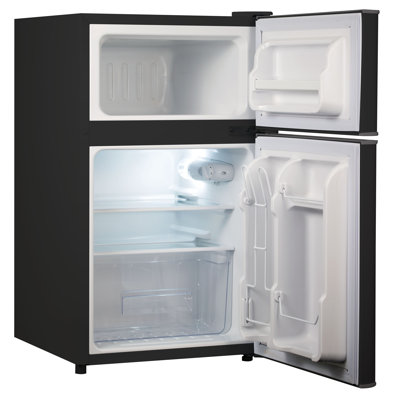
Mini fridge freezers are compact refrigeration units that offer both cooling and freezing capabilities in a space-saving design. These appliances typically feature a main refrigeration compartment as well as a smaller freezer section, which may be a separate compartment or integrated into the same space. The functionality of mini fridge freezers includes:
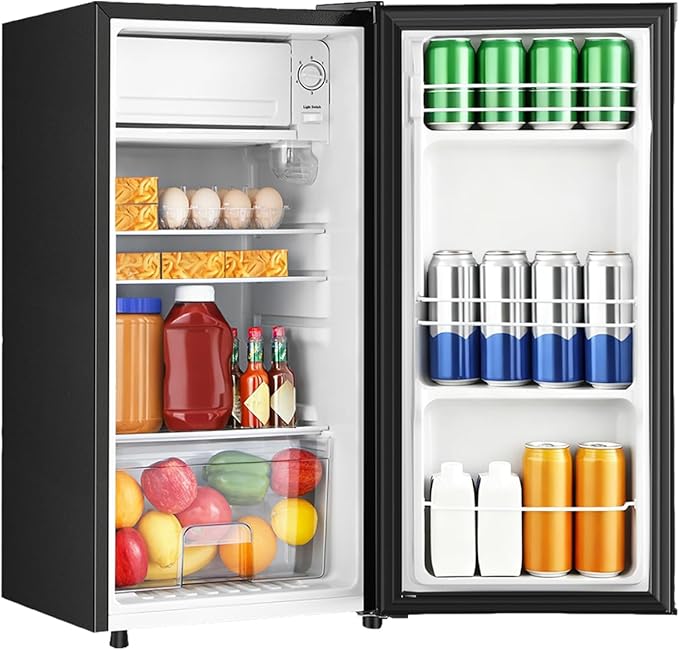
Adjustable shelving for flexible storage options.
Reversible door hinges to accommodate different space layouts.
Manual or automatic defrost settings to maintain optimal performance.
Temperature control to adjust the cooling level based on your needs.
Mini fridge freezers are designed for convenience, fitting into a variety of spaces such as dorm rooms, offices, or additional storage in your kitchen. They are an ideal solution for keeping snacks, beverages, and small grocery items cold, as well as providing ice or storing frozen treats.
Benefits of Using a Mini Fridge Freezer
The benefits of using a mini fridge freezer are numerous, particularly for those with limited space or specific refrigeration needs. Here are some advantages:
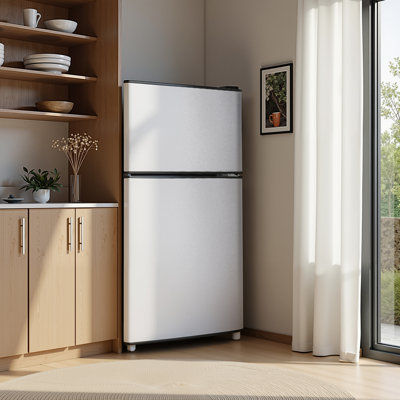
Space Efficiency: Their compact size makes them perfect for areas where a full-size refrigerator wouldn't fit, such as under countertops or in tight corners.
Energy Savings: Mini fridge freezers generally consume less electricity compared to larger units, which can result in lower energy bills.
Portability: These units can be easily moved, making them suitable for temporary setups or mobile living spaces.
Convenience: Provides easy access to cold drinks and snacks without the need to go to the main kitchen area, making them great for entertainment spaces or as a secondary fridge.
Cost-Effective: Mini fridge freezers are typically less expensive than full-size models, both in upfront cost and long-term maintenance.
For those considering a mini fridge freezer as an alternative to larger refrigerators, such as a kimchi refrigerator vs. mini fridge freezer, the decision will depend on the specific needs for storage capacity, energy efficiency, temperature control, and design preferences. It's also beneficial to look at other comparisons, such as energy efficient refrigerator vs. mini freezer or counter depth refrigerator vs. mini fridge with freezer, to make an informed choice that aligns with your lifestyle and space requirements.
When you're comparing a kimchi refrigerator to a mini fridge freezer, understanding their capacity and storage options is vital to making an informed decision. Both appliances offer unique benefits, but they also vary significantly in terms of how much they can hold and how they organize your items.
Comparing Storage Capacity
The storage capacity of your refrigerator or freezer is typically measured in cubic feet. Kimchi refrigerators are designed with specific storage needs in mind, often featuring specialized compartments for different types of kimchi and other fermented foods. Mini fridge freezers, while compact, offer a combination of refrigeration and freezing in one unit, making them versatile for a variety of food items.
Appliance Type
Average Capacity (cubic feet)
Kimchi Refrigerator
5.8 - 7.6
Mini Fridge Freezer
3.1 - 4.5
While the table above gives an average estimate, you'll find that the capacity can vary based on the design and model. It's important to assess your storage needs by considering the types of food you'll be storing and the space you have available. For more comparisons, you might be interested in reading about counter depth refrigerator vs. mini fridge with freezer.
Organizational Features
The way you organize your food can impact its freshness and your convenience. Kimchi refrigerators are often equipped with specialized compartments that can be adjusted based on the size of the kimchi containers. This allows for optimal fermentation conditions and easier access to your favorite varieties.
Mini fridge freezers typically come with adjustable shelves and door bins, allowing you to customize the space to fit drinks, snacks, and small food items. Some models also include a crisper drawer to keep fruits and vegetables fresh.
Here are some organizational features you might find:
Mini Fridge Freezer: Adjustable shelving, door storage, separate freezer compartment.
If you enjoy various types of fermented foods and require specific conditions for their storage, a kimchi refrigerator may be the way to go. However, if you need a compact solution that can handle a variety of items, a mini fridge freezer might serve you better. Consider what you typically store and how you like to organize your items when choosing between these two options. And for further storage comparisons, see Fridge.com article on fridge freezer vs. small freezer.
Energy efficiency is a critical factor when deciding between a kimchi refrigerator and a mini fridge freezer. Understanding how each appliance consumes energy can guide you in making an eco-friendly and cost-effective choice.
Understanding Energy Consumption
Energy consumption in refrigeration appliances is measured in kilowatt-hours (kWh). The lower the kWh, the less electricity the unit uses, leading to lower utility bills and a smaller carbon footprint. Both kimchi refrigerators and mini fridge freezers come with energy ratings that indicate how much electricity they use. Opting for an appliance with a high energy rating can save you money in the long run and is better for the environment.
Comparing Energy Efficiency
When comparing the energy efficiency of kimchi refrigerators to mini fridge freezers, it's necessary to consider the intended use and technology behind each appliance.
Kimchi refrigerators are specifically designed to store fermented foods at optimal temperatures, which can differ from the cooling technology used in mini fridges with freezers. They often include specialized features that can impact their energy consumption, such as precise temperature control and multi-compartment fermentation.
On the other hand, mini fridge freezers are generally designed for a broader range of refrigeration needs and might not offer the same level of temperature specificity. However, due to their smaller size and less sophisticated technology, they can be more energy-efficient for basic refrigeration and freezing needs.
To help you understand the energy consumption differences, here's a comparison table based on average energy usage:
Appliance Type
Average Energy Consumption (kWh/year)
Kimchi Refrigerator
500 - 600
Mini Fridge Freezer
200 - 400
These figures can vary depending on the model and usage patterns. It's recommended to look for the ENERGY STAR label, which signifies that the appliance meets energy efficiency guidelines set by the U.S. Environmental Protection Agency.
For further insights into energy savings, you may want to explore articles on energy efficient refrigerator vs. mini freezer and fridge freezer vs. small freezer to compare other refrigeration options and their energy consumption.
Choosing between a kimchi refrigerator and a mini fridge freezer involves consideration of both energy efficiency and the specific refrigeration needs you have. By selecting the appliance that aligns with your lifestyle and energy-saving goals, you can ensure that your choice is both environmentally friendly and economical.
Temperature Control and Settings
Importance of Temperature Control
Effective temperature control is crucial in preserving the quality and safety of your food items. Whether it's fermenting kimchi to perfection or ensuring your frozen goods remain ice-cold, precise temperature management can make all the difference. Proper temperature settings help extend the shelf life of your food, maintain nutrient content, and prevent the growth of harmful bacteria.
Comparing Temperature Settings
The temperature settings between a kimchi refrigerator and a mini fridge freezer differ significantly, primarily due to their intended purposes.
Kimchi Refrigerators
Kimchi refrigerators are designed to provide optimal conditions for fermenting and storing kimchi, which requires specific temperature ranges to maintain its unique taste and texture. These appliances typically offer a variety of temperature settings tailored to the fermentation process, which can vary slightly depending on the stage and type of kimchi.
Fermentation Stage
Temperature Range (°F)
Initial Fermentation
40 - 60
Long-Term Storage
32 - 39
Mini Fridge Freezers
On the other hand, mini fridge freezers cater to a broader range of refrigeration needs, balancing between chilling beverages and preserving frozen foods. The freezer compartment typically maintains temperatures at or below 0°F, suitable for long-term storage of frozen items, while the refrigeration section operates at the standard range of 32°F to 40°F.
Section
Temperature Range (°F)
Freezer
0 and below
Refrigerator
32 - 40
When considering energy efficient refrigerator vs. mini freezer, the temperature control mechanism plays a vital role in energy consumption. It's important to note that while kimchi refrigerators are specialized for a specific function, mini fridge freezers offer versatility but may lack the precise temperature control needed for delicate fermentation processes.
Deciding between a kimchi refrigerator and a mini fridge freezer, you should consider the specific temperature requirements of the items you plan to store. For more insights into refrigeration and temperature control, explore comparisons like counter depth refrigerator vs. mini fridge with freezer or fridge freezer vs. small freezer to understand how different models and types manage temperature regulation.
The design and aesthetics of a refrigerator or freezer can significantly influence your satisfaction and the appliance's integration into your living space. When comparing a kimchi refrigerator to a mini fridge freezer, you'll find that each offers distinctive style features that cater to different preferences and functionalities.
Style and Design Features
Kimchi refrigerators are purpose-built with a specific design that often complements modern kitchen aesthetics. They tend to have sleek lines and may come in a variety of finishes to match your kitchen decor. The exterior is typically characterized by a minimalist approach, with intuitive controls that are often seamlessly integrated into the design.
Mini fridge freezers, on the other hand, are designed for versatility and compactness, making them ideal for a variety of spaces outside the typical kitchen environment. They often have a more utilitarian look, but newer models are available with a range of finishes and customizable options to fit personal style preferences.
When it comes to design, consider the following aspects for each type:
Kimchi Refrigerator
Customary sleek, modern design
Various finishes available
Integrated control panels
Mini Fridge Freezer
Compact and space-saving design
Range of finishes and styles, from classic to contemporary
Some models offer reversible doors for flexible placement
Integration into Living Spaces
How well your refrigeration appliance blends into your living space depends on its design and your personal aesthetic. Kimchi refrigerators, with their specialized design, may be best suited for kitchens or dining areas where food preservation is a priority. Their look is often aligned with that of other high-end kitchen appliances, making them a seamless addition to a well-curated kitchen.
Mini fridge freezers are incredibly versatile, often used in a variety of settings like dorm rooms, home offices, garages, or entertainment areas. Due to their size, they can be easily placed under counters or in corners, discreetly integrating into the room's design.
Refrigerator Type
Best Suited for
Kimchi Refrigerator
Kitchens, Dining Areas
Mini Fridge Freezer
Dorms, Offices, Garages, Entertainment Areas
For further inspiration on integrating refrigerators into different living spaces, explore Fridge.com comparisons such as built in refrigerator vs. side by side refrigerator and retro fridge vs. top freezer refrigerator.
Choosing between a kimchi refrigerator and a mini fridge freezer involves considering your space, design preference, and the appliance's purpose. Whether you prioritize a cohesive kitchen look or need a flexible refrigeration solution for smaller spaces or specific needs, there are options to suit your lifestyle and taste.
Price and Affordability
When considering a new appliance for your home, the cost is often a pivotal factor in your decision-making process. This section compares the initial purchase price and long-term investment aspects of kimchi refrigerators and mini fridge freezers.
Comparing Costs
Kimchi refrigerators are specialized appliances designed to maintain optimal conditions for storing kimchi and other fermented foods. Given their specialized function, they tend to be priced higher than standard refrigeration units. On the other hand, mini fridge freezers are more generic and cater to a broader range of uses, usually reflected in a lower price point.
Here's a simplified cost comparison:
Appliance Type
Average Cost Range
Kimchi Refrigerator
$$$$ - $$$$$
Mini Fridge Freezer
$$ - $$$
It's important to note that these are average ranges, and prices can vary based on size, features, and brand. When considering cost, also think about the appliance's intended use, as you may find value in the specialized function of a kimchi refrigerator over a mini fridge freezer.
Long-Term Investment Considerations
Beyond the sticker price, the long-term investment value of an appliance is measured by its durability, energy efficiency, and maintenance costs. Kimchi refrigerators are typically built for a specific purpose and may offer more durable construction and precise temperature control, which could translate into better long-term value for enthusiasts of fermented foods.
Mini fridge freezers, while less expensive upfront, may have higher energy consumption rates and could be less durable, potentially leading to more frequent replacements or repairs. To make a more informed decision, compare energy ratings and read up on the longevity of each appliance type. Explore Fridge.com articles on energy efficient refrigerator vs. mini freezer and fridge freezer vs. small freezer for insights into energy consumption and efficiency.
Ultimately, the decision between a kimchi refrigerator and a mini fridge freezer depends on your specific needs, preferences, and how much value you place on the specialized features of a kimchi refrigerator compared to the versatility and cost-effectiveness of a mini fridge freezer. Factor in the potential energy savings and the suitability of each appliance for your living space and lifestyle to determine which option represents the best long-term investment for you.
Compare prices on Fridge.com
Compare current prices and specifications on Fridge.com, then buy from the retailer you choose; delivery, installation and warranty terms are the retailer’s.
It also has tons of awesome articles about kitchen stuff and home news. Enhance your home, garage, backyard, patio, and office with the coolest essentials. With every necessary type of residentialrefrigeratoror freezer in the collection, you're covered.
From Fridge.com research
Figures below come from data Fridge.com builds and maintains. Each links to the record behind it.
Fridge.com Energy Index, built on U.S. EPA and DOE ENERGY STAR records
Across 1,728 ENERGY STAR certified compact refrigerator models, median use is 246 kWh per year — 11% better than the federal standard.