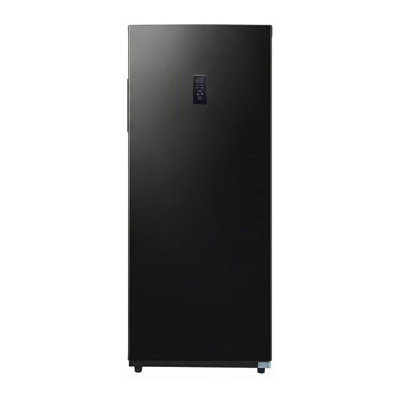
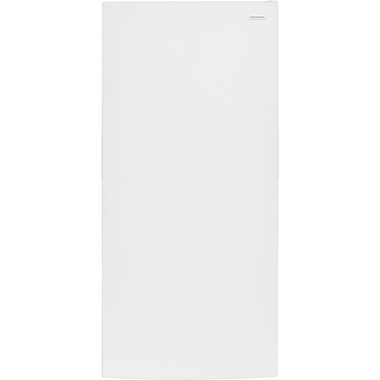
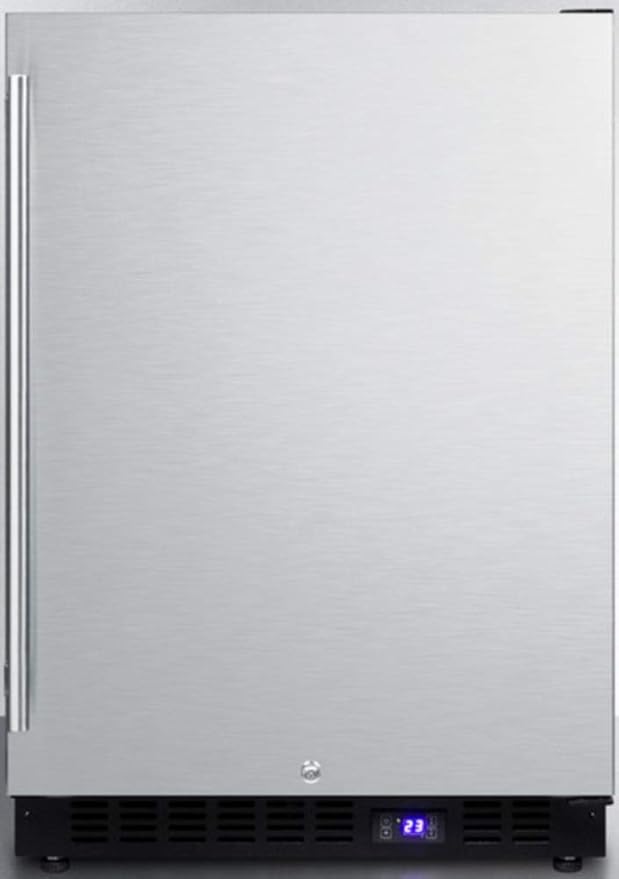
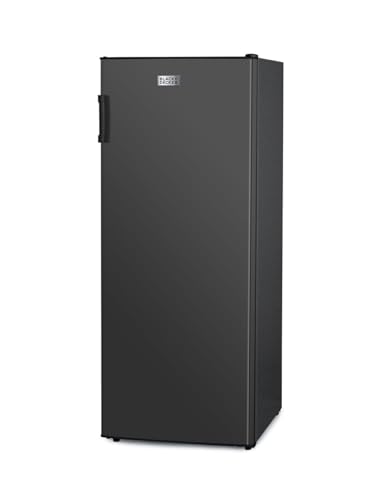
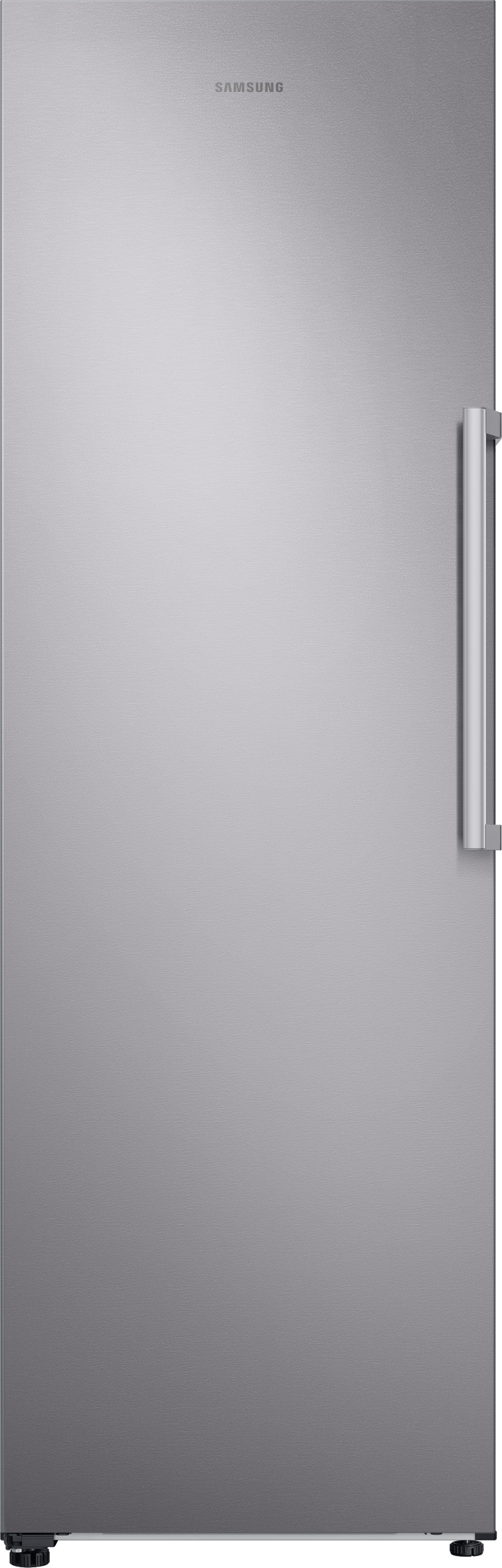
A one-door 23-cubic-foot commercial reach-in uses 600 to 1,000 kWh per year ($78 to $130); a two-door 49-cubic-foot unit uses 900 to 1,500 kWh ($117 to $195).
Buy an ice cream freezer chest for bulk frozen storage or the dipping-cabinet experience — multiple flavors displayed and scoopable at any time.
Residential versions bring that durability and capacity to home garages, basements, and large pantries, and the commercial construction typically lasts 15 to 20 years under heavy daily use.
Residential models average 12 to 20 cubic feet, while commercial-style units range from 20 to 72 cubic feet across one to three solid stainless doors.
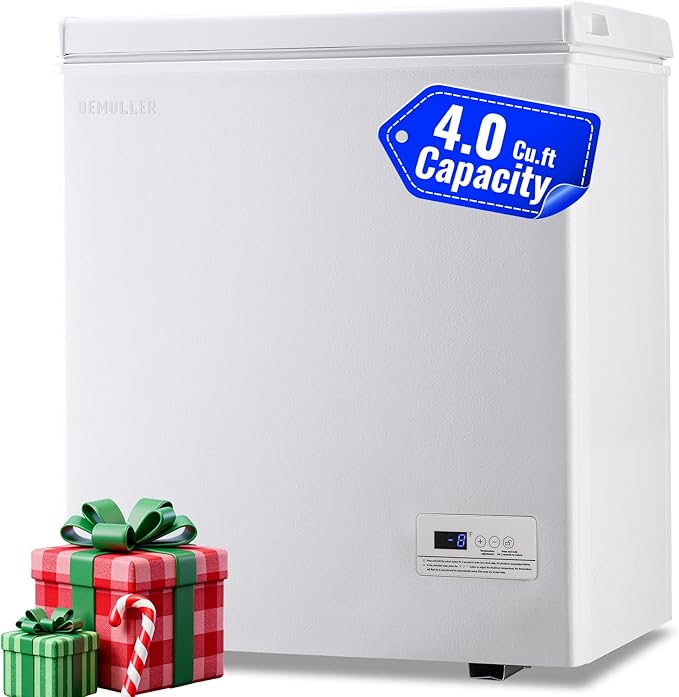
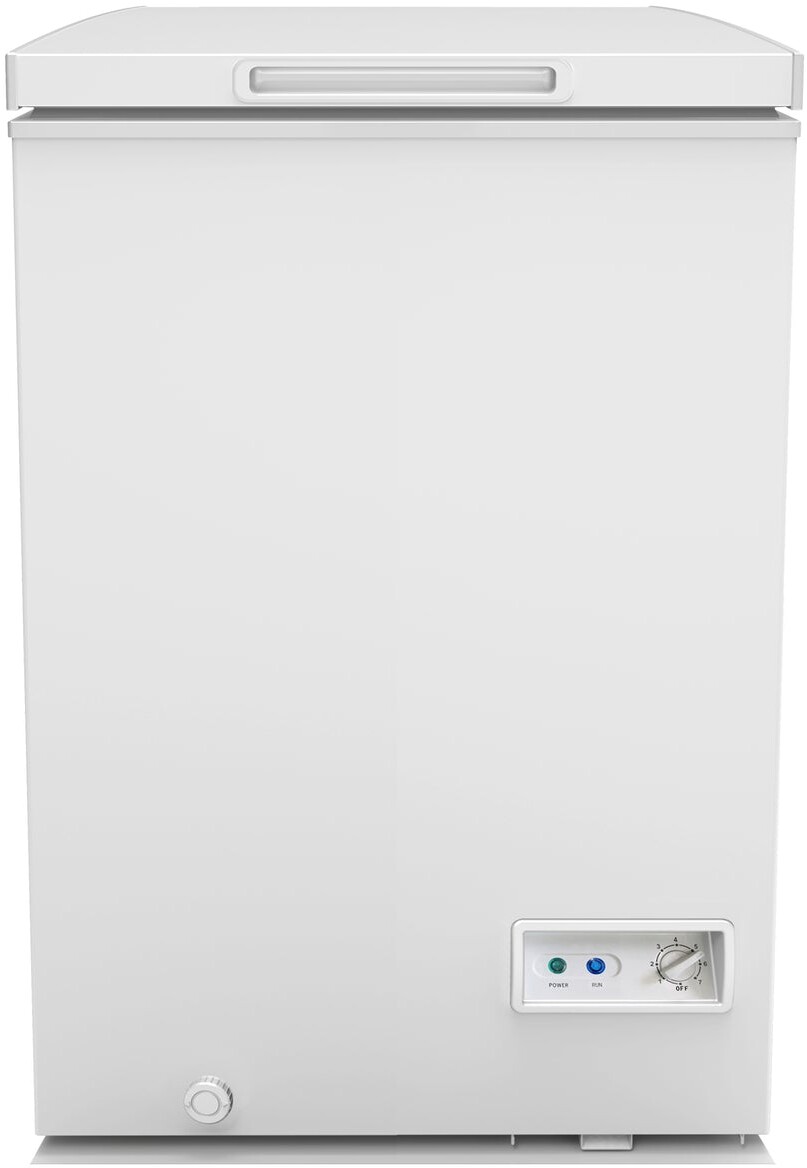
An ice cream freezer chest holds frozen desserts at -10°F to 0°F for long-term storage — or 5°F to 10°F when used as a dipping-style serving cabinet — while a reach-in refrigerator keeps fresh food at 33°F to 40°F. The chest is a horizontal, top-opening deep freezer built for bulk frozen storage; the reach-in is a vertical, front-access unit with shelving built for organized day-to-day cooling. Both trace their designs back to commercial food service equipment, and both cross over into home garages, basements, and kitchens.
Key Differences Between Ice Cream Freezer Chests and Reach-In Refrigerators
Feature
Ice Cream Freezer Chest
Reach-In Refrigerator
Temperature Range
-10°F to 0°F
32°F to 40°F
Primary Use
Long-term freezing
Short-term cooling
Storage Orientation
Horizontal
Vertical
Accessibility
Typically requires digging
Easy, front access
The chest's horizontal, top-opening design traps cold air inside when the lid opens, which is why it maintains sub-zero temperatures more efficiently; the trade-off is digging for items at the bottom. The reach-in's vertical, front-access layout makes every shelf visible and reachable, at the cost of more air exchange each time a door opens. For more detailed comparisons, check out Fridge.com articles on chest refrigerator Vs. garage freezer and outdoor fridge Vs. small freezer chest.
Commercial Heritage: Restaurant Workhorse Vs. Dipping Cabinet
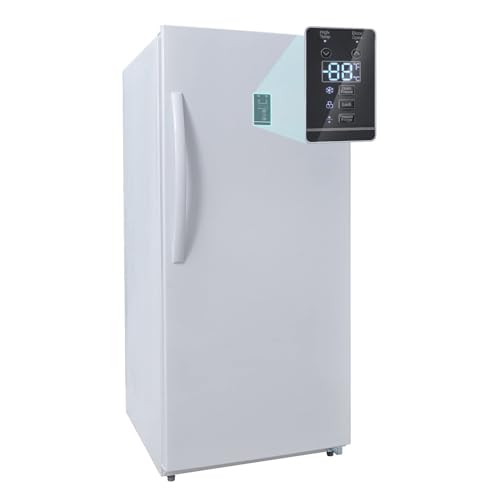
The reach-in refrigerator is the workhorse of every restaurant kitchen — full stainless steel construction, a commercial compressor, heavy-gauge shelving rated for 300 to 500 pounds per section, and rapid temperature recovery after dozens of daily door openings. Residential versions bring that durability and capacity to home garages, basements, and large pantries, and the commercial construction typically lasts 15 to 20 years under heavy daily use.
The ice cream freezer chest is the workhorse of every ice cream shop — an open-top or sliding-glass-top display with individual flavor wells, a commercial compressor running 60 to 80 percent of the time, and scooping-height access for servers. Commercial dipping cabinets hold 4 to 12 three-gallon tubs at a 5°F to 10°F serving temperature, and residential versions bring that dipping-cabinet experience to home kitchens and entertaining spaces.
Capacity and Storage
Ice Cream Freezer Chest Capacity
Ice cream freezer chests are designed to handle large quantities of frozen goods, making them ideal for storing bulk items.
Feature
Ice Cream Freezer Chest
Average Capacity (Cubic Feet)
10 - 25
Display-Style Capacity
4 - 12 three-gallon tubs
Ideal For
Bulk storage, long-term freezing
Storage Flexibility
Limited compartments, more open space
The large open space inside an ice cream freezer chest can accommodate sizable items without the restriction of shelves or compartments, so large tubs of ice cream and bulk purchases fit easily. The lack of shelving can make organization a challenge.
Reach-In Refrigerator Storage Space
Reach-in refrigerators provide a more organized layout with multiple shelves and compartments. Residential models average 12 to 20 cubic feet, while commercial-style units range from 20 to 72 cubic feet across one to three solid stainless doors.
Feature
Reach-In Refrigerator
Average Capacity (Cubic Feet)
12 - 20 (residential); 20 - 72 (commercial-style)
Ideal For
Day-to-day use, organized storage
Storage Flexibility
Multiple shelves and compartments
The shelves and compartments make it easy to organize items and quickly locate what you need — the reach-in stores all fresh food categories: meats, produce, dairy, and beverages. For additional insights, check out our apartment size refrigerator Vs. drawer fridge freezer comparison.
An ice cream freezer chest maintains extremely low temperatures, ensuring ice cream stays frozen and retains its texture and flavor. For long-term storage, run the chest at -10°F to 0°F; dipping-style display cabinets hold a warmer 5°F to 10°F so the ice cream stays scoopable for serving.
Feature
Ice Cream Freezer Chest
Storage Temperature
-10°F to 0°F
Serving (Dipping) Temperature
5°F to 10°F
Thermostat Type
Adjustable
Temperature Stability
High
Cooling Method
Manual Defrost
The high temperature stability of a chest is essential for preventing freezer burn. The manual defrost method maintains the interior temperature more consistently than automatic defrost systems.
Reach-In Refrigerator Efficiency
Reach-in refrigerators maintain temperatures above freezing — 33°F to 40°F — suitable for a wide variety of perishable food.
Feature
Reach-In Refrigerator
Temperature Range
33°F to 40°F
Thermostat Type
Adjustable
Temperature Stability
Moderate
Cooling Method
Auto Defrost
Auto-defrost prevents ice build-up and keeps the unit operating efficiently, though frequent door openings cause more air exchange than a chest's lid. For more options on fridges and freezers, see Fridge.com comparison of portable refrigerator Vs. see through refrigerator.
Organization and Accessibility
Ice Cream Freezer Chest Organization Features
Ice cream freezer chests offer deep storage capacity, but organizing items can be a challenge due to the depth and lack of shelving. Most chests come with a few wire baskets for smaller items; larger items end up stacked.
Feature
Description
Storage Baskets
Wire baskets for organizing smaller items
Deep Storage
More vertical space, less horizontal organization
Limited Shelving
Few or no shelves available
Access
Requires bending to retrieve items at the bottom
Reach-In Refrigerator Accessibility Options
Reach-in refrigerators typically come with multiple shelves, drawers, and door compartments, allowing you to organize items by size, type, and frequency of use. The vertical design makes it easy to see and access items without moving other items around.
Feature
Description
Shelves
Multiple shelves for organized storage
Drawers
Separate drawers for different types of items
Door Compartments
Additional storage in the door for easy access
Access
Easy to reach items at all levels
Design and Placement
Ice Cream Freezer Chest Design Considerations
Ice cream freezer chests use a horizontal layout with a top-opening lid that keeps cold air trapped inside when opened, enhancing energy efficiency.
Footprint: Chests require a larger floor area due to their horizontal design, making them suitable for basements, garages, or spacious kitchens.
Height: Generally low in height, making top access easy, though bottom items require reaching in.
Mobility: Some models come with wheels, facilitating movement within your home or commercial space.
Reach-in refrigerators run at 45 to 60 dB — commercial compressors and high-volume fans are louder than residential units, so garages, basements, or dedicated pantries are the best placements.
Ice cream freezer chests run at 42 to 55 dB, and the continuous compressor operation produces sustained noise. Place one in a kitchen where cooking ambient noise masks the sound, or in an entertainment space where conversation covers it.
Cost and Maintenance
Ice Cream Freezer Chest Cost Analysis
Ice cream freezer chests are generally more affordable upfront. A standard residential chest ranges from $200 to $800; commercial-style dipping cabinets run $1,000 to $6,000.
Feature
Cost Range ($)
Small (5-7 cu ft)
200 - 400
Medium (8-14 cu ft)
400 - 600
Large (15+ cu ft)
600 - 800
Commercial dipping cabinet (8-tub)
1,000 - 6,000
Maintenance costs are relatively low: occasional defrosting and cleaning, plus monitoring the compressor and door seals. Regular checks prevent major issues and extend the appliance's life.
Reach-In Refrigerator Maintenance Requirements
Reach-in refrigerators carry a higher initial cost. A standard unit costs between $800 and $2,500, and commercial-grade two-door models can reach $8,000.
Feature
Cost Range ($)
Small (10-20 cu ft)
800 - 1,200
Medium (21-40 cu ft)
1,200 - 1,800
Large (41+ cu ft)
1,800 - 2,500
Commercial 2-door (49 cu ft)
1,500 - 8,000
Maintenance is more involved: reach-ins include fans, thermostats, and defrost systems. Regular cleaning of the condenser coils, checking the door seals, and ensuring proper airflow are essential, and significant repairs may require professional servicing.
Energy Use and Environmental Impact
Ice Cream Freezer Chest Energy Efficiency
Residential freezer chests are more energy-efficient than upright units because they have better insulation and less air exchange when opened — cold air stays in the unit longer, so the compressor runs less often.
Appliance Type
Average Annual Energy Consumption (kWh)
Ice Cream Freezer Chest (residential)
200 - 400
Reach-In Refrigerator (residential)
400 - 700
Commercial-style units consume considerably more. An open-top 8-tub dipping cabinet uses 600 to 1,200 kWh per year (roughly $78 to $156 in electricity), because it cools through a constantly exposed surface — per cubic foot, the open-top design uses significantly more energy than a sealed-door unit despite holding a fraction of the volume. For more detailed comparisons, check out Fridge.com article on chest refrigerator Vs. garage freezer.
Reach-in refrigerators consume more energy than sealed chests because frequent door openings cause air exchange, making the appliance work harder to hold temperature. A one-door 23-cubic-foot commercial reach-in uses 600 to 1,000 kWh per year ($78 to $130); a two-door 49-cubic-foot unit uses 900 to 1,500 kWh ($117 to $195). Efficiency varies with size, insulation quality, and energy-saving features.
Buy a reach-in refrigerator if you need massive fresh food capacity beyond what any residential fridge provides: large families needing overflow storage, home caterers storing bulk ingredients, meal preppers handling large-batch cooking, and households that buy fresh food from farms and markets in quantity. The commercial construction delivers 15 to 20 years of durability under heavy daily use.
Buy an ice cream freezer chest for bulk frozen storage or the dipping-cabinet experience — multiple flavors displayed and scoopable at any time. It suits ice cream enthusiasts who make homemade ice cream, hosts who set up dessert bars at parties, and families that want the ice cream shop experience at home.
FAQ
What temperature should an ice cream freezer chest be set to?
For long-term storage, keep the chest at -10°F to 0°F to prevent freezer burn and preserve texture. Dipping-style display cabinets hold 5°F to 10°F so the ice cream stays soft enough to scoop for serving.
What temperature does a reach-in refrigerator maintain?
A reach-in refrigerator holds 33°F to 40°F — above freezing — making it suitable for meats, produce, dairy, and beverages, but not for frozen desserts.
Can a reach-in refrigerator store ice cream?
No. At 33°F to 40°F, ice cream melts. Ice cream requires a freezer holding 0°F or below for storage; only a freezer chest or dedicated freezer keeps it frozen.
Which uses more energy, a freezer chest or a reach-in refrigerator?
Among residential units, the chest is more efficient: 200 to 400 kWh per year versus 400 to 700 kWh for a reach-in. Among commercial units, an open-top 8-tub dipping cabinet (600 to 1,200 kWh) can match or exceed a one-door reach-in (600 to 1,000 kWh) despite holding far less volume, because the open top constantly loses cold air.
Which costs less to buy?
A residential ice cream freezer chest costs $200 to $800, well under a reach-in refrigerator's $800 to $2,500. At commercial grade the gap narrows: dipping cabinets run $1,000 to $6,000 and two-door reach-ins $1,500 to $8,000.
How long do these appliances last?
Commercial-construction reach-in refrigerators last 15 to 20 years under heavy daily use. Freezer chests also have long service lives when the compressor and door seals are checked regularly and the unit is defrosted and cleaned on schedule.
How many tubs of ice cream fit in a dipping cabinet?
Commercial-style dipping cabinets hold 4 to 12 three-gallon tubs in individual flavor wells, accessed through an open top or sliding glass top at scooping height.
How loud are they?
Ice cream freezer chests run at 42 to 55 dB with sustained compressor noise; reach-in refrigerators run at 45 to 60 dB because of commercial compressors and high-volume fans. Place the reach-in in a garage, basement, or pantry, and the chest where ambient noise masks it.
Compare prices on Fridge.com
Compare current prices and specifications on Fridge.com, then buy from the retailer you choose; delivery, installation and warranty terms are the retailer’s.
Free tool
Freezer BTU Calculator
Free interactive tool from Fridge.com — get a quick answer while you read.