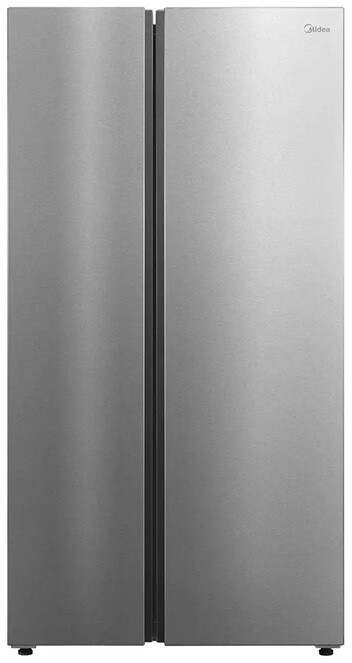
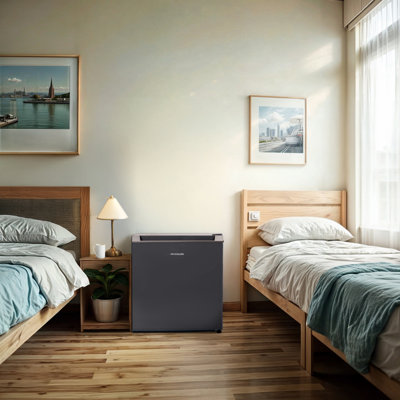
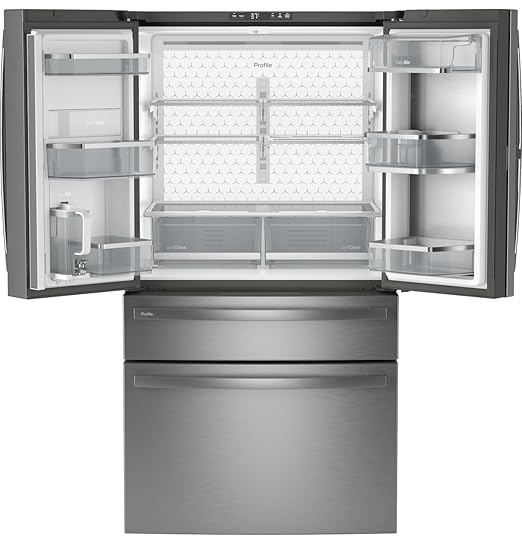
Temperature Control: Ice cream refrigerators typically offer adjustable temperature settings, often ranging from -20°F to 10°F.
Usage: Coolers are best for temporary storage and transport, while refrigerators are ideal for long-term storage and maintaining a consistent temperature.
Temperature Control: Ice cream coolers typically offer adjustable temperature settings, allowing you to maintain the ideal freezing point for your ice cream.
Finding the ideal storage solution for ice cream is crucial for maintaining its taste and texture.
Ice Cream Storage Solutions: Coolers Vs. Refrigerators
Introduction to Ice Cream Storage Options
Finding the ideal storage solution for ice cream is crucial for maintaining its taste and texture. Whether you're a homeowner, foodie, or chef, understanding the differences between ice cream coolers and ice cream refrigerators can help you make the right choice. Each option offers unique features and benefits, tailored for various needs and settings.
Understanding the Differences Between Coolers and Refrigerators
Ice cream coolers and ice cream refrigerators serve the same fundamental purpose: keeping ice cream cold and fresh. However, they differ in their design, functionality, and intended use. Here's a closer look at the main distinctions:
Feature
Ice Cream Cooler
Ice Cream Refrigerator
Temperature Range
0°F to -20°F
32°F to 40°F
Cooling Mechanism
Direct cooling
Compressor-based cooling
Portability
High
Low
Storage Capacity
Limited
Larger
Usage
Temporary storage
Long-term storage
Temperature Range: Ice cream coolers are designed to maintain extremely low temperatures, ideal for keeping ice cream solid. In contrast, ice cream refrigerators operate at slightly higher temperatures, suitable for extended storage but not as efficient for immediate consumption.
Cooling Mechanism: Coolers often use direct cooling methods, which can quickly drop the temperature. Refrigerators rely on compressor-based systems, providing more stable and controlled cooling.
Portability: Coolers are typically more portable, making them perfect for outdoor events, parties, or picnics. Refrigerators are bulkier and better suited for permanent installations in kitchens or food service areas.
Storage Capacity: While coolers are compact and offer limited storage, refrigerators boast larger capacities, accommodating more items and providing better organization.
Energy Consumption: Coolers generally consume less energy compared to refrigerators, making them more energy-efficient for short-term use.
Usage: Coolers are best for temporary storage and transport, while refrigerators are ideal for long-term storage and maintaining a consistent temperature.
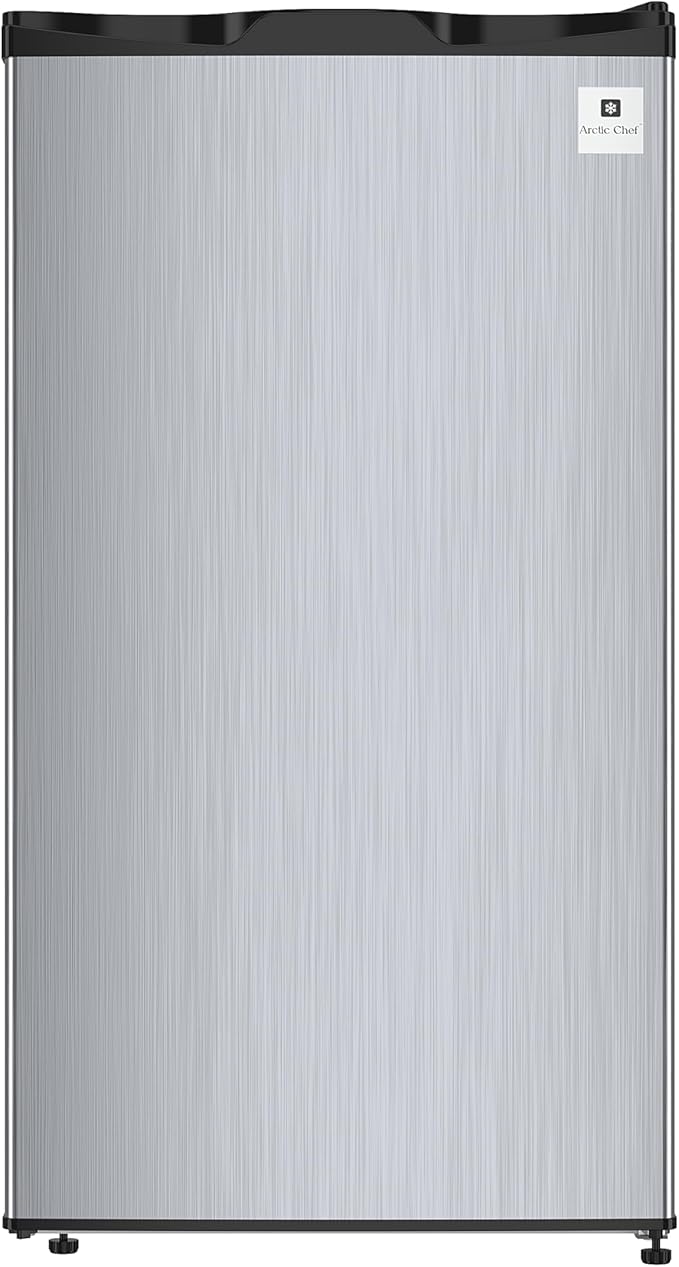
Ice cream coolers are specialized storage units designed to maintain low temperatures, ensuring your ice cream stays frozen and retains its texture. These coolers are often used in various settings, including homes, offices, and outdoor events. Key features of ice cream coolers include:
Temperature Control: Ice cream coolers typically offer adjustable temperature settings, allowing you to maintain the ideal freezing point for your ice cream.
Insulation: High-quality insulation is crucial for maintaining consistent low temperatures, reducing the frequency of temperature fluctuations.
Portability: Many ice cream coolers are designed with portability in mind, featuring wheels and handles for easy transportation.
Capacity: Ice cream coolers come in various sizes, accommodating different quantities of ice cream, from small batches for personal use to larger capacities for events or commercial purposes.
Power Source: These coolers can be powered by electricity, batteries, or even solar panels, making them versatile for different environments.
Feature
Description
Temperature Control
Adjustable settings to maintain ideal freezing point
Insulation
High-quality to reduce temperature fluctuations
Portability
Wheels and handles for easy transport
Capacity
Varies from small to large
Power Source
Electricity, batteries, solar panels
Pros and Cons of Using Ice Cream Coolers
When deciding whether an ice cream cooler is suitable for your needs, it's important to consider the advantages and disadvantages.
Pros:
Portability: Ice cream coolers are designed to be moved easily, making them perfect for outdoor events or gatherings.
Versatility: They can be used in various settings, from homes to commercial spaces.
Temperature Stability: High-quality insulation ensures that the temperature remains consistent, preserving the quality of your ice cream.
Energy Efficiency: Many ice cream coolers are designed to consume less power, making them cost-effective.
Cons:
Limited Capacity: Compared to larger ice cream refrigerators, coolers may have less storage space, which could be a limitation for those needing to store large quantities.
Dependence on Power Source: Some coolers may require a constant power source, which could be a drawback in certain situations.
Maintenance: Regular cleaning and maintenance are required to keep the cooler functioning optimally, which can be time-consuming.
By weighing the pros and cons, you can determine whether an ice cream cooler meets your specific needs. If you're still on the fence, you might find it useful to compare these coolers with ice cream refrigerators in Fridge.com section on how long can yabby last in the fridge.
Ice Cream Refrigerators
When it comes to storing ice cream, refrigerators specifically designed for this purpose offer unique features and benefits. Understanding these can help you make an informed decision in the ice cream cooler Vs. ice cream refrigerator debate.
Features and Functionality of Ice Cream Refrigerators
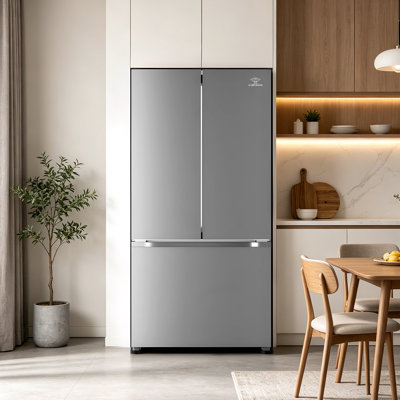
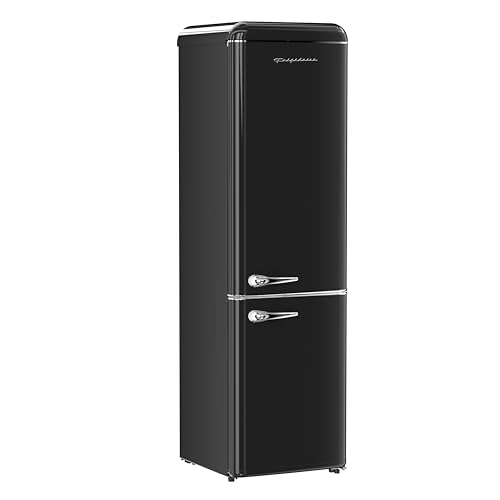
Ice cream refrigerators are engineered to maintain the ultra-low temperatures necessary for preserving ice cream's texture and taste. These refrigerators often come with precise temperature controls, allowing you to set and maintain the ideal conditions for your frozen treats.
Key features include:
Temperature Control: Ice cream refrigerators typically offer adjustable temperature settings, often ranging from -20°F to 10°F. This ensures your ice cream stays at the perfect consistency.
Frost-Free Function: Many ice cream refrigerators come with a frost-free feature, reducing the need for manual defrosting and ensuring consistent cooling.
Storage Capacity: These refrigerators are designed with various compartments and shelves, making it easier to organize and store different types of ice cream.
Feature
Description
Temperature Range
-20°F to 10°F
Frost-Free
Yes
Storage Capacity
Multiple shelves and compartments
Pros and Cons of Using Ice Cream Refrigerators
While ice cream refrigerators offer numerous advantages, they also come with some drawbacks. Here's a balanced look at the pros and cons:
Pros:
Optimal Storage Conditions: Ice cream refrigerators provide the precise temperature settings needed to maintain the perfect texture and flavor of your ice cream.
Consistent Cooling: The frost-free function ensures that your ice cream remains at a consistent temperature, preventing freezer burn.
Organized Storage: With multiple compartments, you can easily store and access various ice cream flavors and other frozen treats.
Cons:
Higher Cost: Ice cream refrigerators tend to be more expensive than standard freezers or ice cream coolers.
Space Requirement: These refrigerators can take up significant space, making them less suitable for smaller homes or apartments.
Energy Consumption: Due to their specialized cooling mechanisms, ice cream refrigerators may consume more energy, impacting your utility bills.
When deciding between an ice cream cooler and an ice cream refrigerator, consider these features and weigh them against your specific needs and space constraints. For more information on energy-efficient models, visit Fridge.com article on energy efficient refrigerator Vs. pink fridge.
By understanding the features and functionality of ice cream refrigerators, you can make an informed choice that best suits your lifestyle and ice cream storage needs. Don't forget to explore Fridge.com tips on cleaning and sanitizing your refrigerator to ensure it remains in optimal condition.
Considerations for Choosing Between a Cooler and a Refrigerator
When deciding between an ice cream cooler and an ice cream refrigerator, there are several factors to consider. These factors include your usage scenarios, space and size requirements, and energy efficiency.
Usage Scenarios
Your specific needs and usage scenarios play a crucial role in determining whether a cooler or a refrigerator is the best option for you. An ice cream cooler is often portable and ideal for short-term use, such as picnics, family gatherings, or outdoor events. Coolers are typically designed to keep ice cream cold for a few hours, making them suitable for temporary storage.
On the other hand, an ice cream refrigerator is designed for long-term storage and can maintain the necessary temperatures to keep ice cream frozen for extended periods. Refrigerators are best for home, office, or commercial use where consistent freezing is required.
Usage Scenario
Ideal Choice
Picnics, outdoor events
Cooler
Home, office, commercial use
Refrigerator
Space and Size Requirements
The available space and size requirements are also important considerations. Ice cream coolers are generally smaller and more compact, making them easy to transport and store. They can fit in various settings, from car trunks to small kitchen counters.
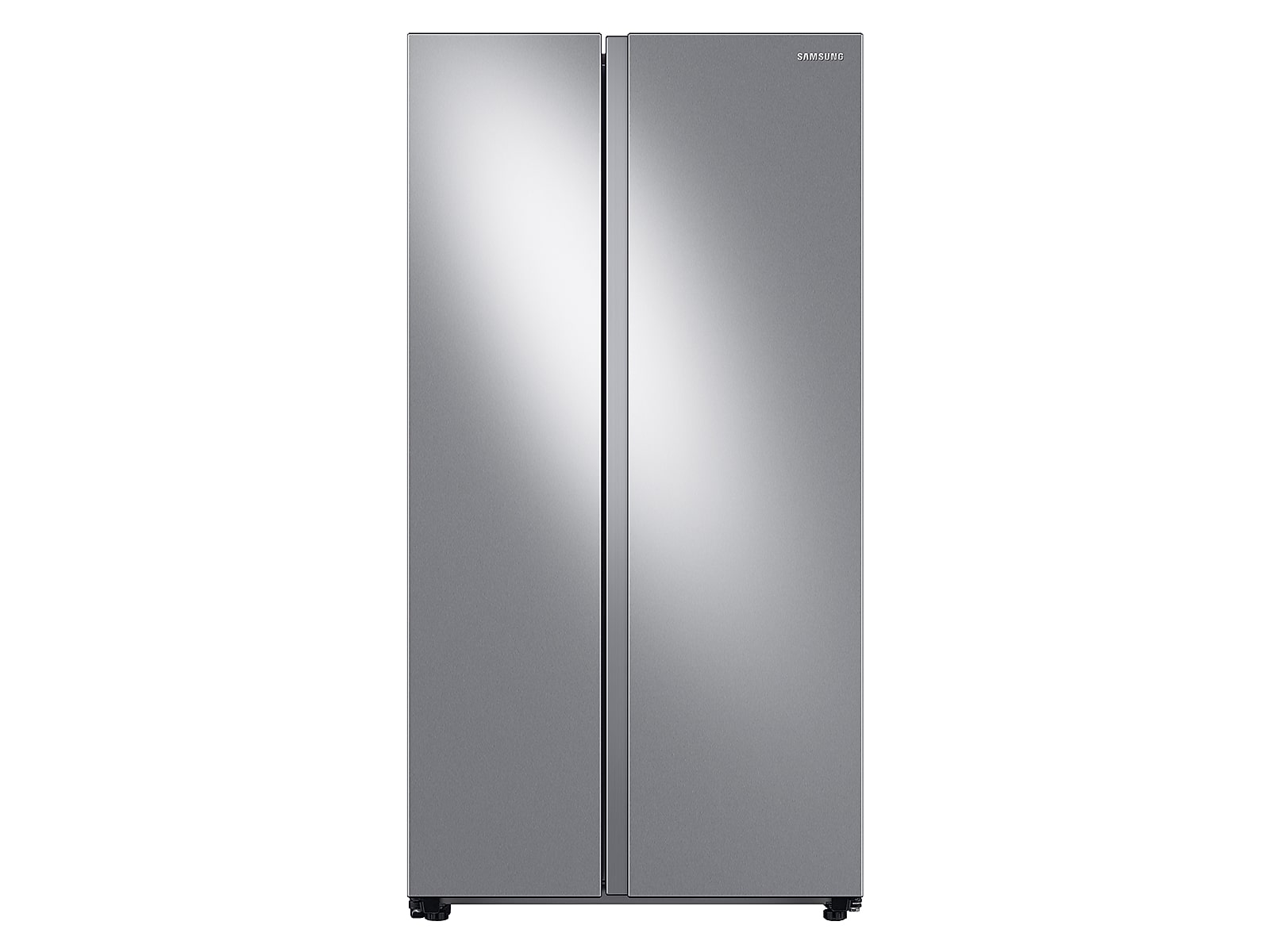
Ice cream refrigerators, however, require more space due to their larger size and capacity. They are suitable for areas with sufficient room, such as kitchens, garages, or dedicated storage spaces. If space is limited, you might consider a compact side by side fridge or a 9l mini fridge.
Factor
Cooler
Refrigerator
Portability
High
Low
Size
Small
Large
Space Requirement
Minimal
Significant
Energy Efficiency
Energy efficiency is a critical factor, especially if you plan to use the device frequently. Ice cream coolers typically do not have built-in cooling mechanisms and rely on ice packs or external sources for cooling. This means they consume little to no energy, making them highly energy-efficient for short-term use.
Ice cream refrigerators, however, come with built-in compressors and cooling systems that require electricity to maintain the desired temperature. While they are less energy-efficient than coolers, modern refrigerators are designed to be energy-saving, and you can find options that offer good energy efficiency. For more insights on energy-efficient options, check out Fridge.com article on energy efficient refrigerator Vs. pink fridge.
Factor
Cooler
Refrigerator
Built-in Cooling
No
Yes
Long-term Efficiency
High
Varies
When choosing between an ice cream cooler and an ice cream refrigerator, consider your usage scenarios, space, size requirements, and energy efficiency. Each option has its unique advantages and can cater to different needs. For further reading on related topics, explore Fridge.com articles on best fridge for national refreshment day and best fridge for mango day.
Proper maintenance and care of your ice cream cooler or refrigerator are essential to ensure longevity and optimal performance. Here are some tips for cleaning, temperature regulation, and storage guidelines.
Cleaning and Sanitizing
Regular cleaning and sanitizing of your ice cream storage appliance will keep it functioning efficiently and prevent contamination.
Steps for Cleaning:
Unplug the appliance before cleaning.
Remove all ice cream and other items.
Use a mild detergent and warm water to clean the interior surfaces.
Rinse with clean water and dry with a soft cloth.
Clean the exterior with a damp cloth and mild detergent.
Sanitize using a solution of one tablespoon of bleach per gallon of water.
Cleaning Frequency:
Appliance
Cleaning Frequency
Ice Cream Cooler
Every 2 weeks
Ice Cream Refrigerator
Monthly
Temperature Regulation
Maintaining the correct temperature is crucial for preserving the texture and flavor of your ice cream.
Recommended Temperatures:
Appliance
Temperature (°F)
Ice Cream Cooler
-10 to -20
Ice Cream Refrigerator
0 to 5
Use a thermometer to monitor the temperature regularly.
Avoid frequent opening of the door to maintain a consistent temperature.
Ensure the seals and gaskets are in good condition to prevent cold air from escaping.
Proper storage techniques will maximize the storage capacity and maintain the quality of your ice cream.
Storage Tips:
Store ice cream in airtight containers to prevent freezer burn.
Arrange items so that air can circulate freely around them.
Avoid overfilling the appliance to allow for proper air circulation.
Label and date containers to keep track of freshness.
Storage Duration:
Ice Cream Type
Maximum Storage Duration
Homemade Ice Cream
2 weeks
Store-Bought Ice Cream
2-3 months
For more information on storage practices, check out store ginger in the freezer and how long does ginger last in the freezer?.
By following these maintenance and care tips, you can ensure that your ice cream cooler or refrigerator remains in top condition, providing you with perfectly stored ice cream every time.
Compare prices on Fridge.com
Compare current prices and specifications on Fridge.com, then buy from the retailer you choose; delivery, installation and warranty terms are the retailer’s.
It also has tons of awesome articles about kitchen stuff and home news. Enhance your home, garage, backyard, patio, and office with the coolest essentials. With every necessary type of residential refrigerator or freezer in the collection, you're covered.
Free tool
Beverage Cooler Size Calculator
Free interactive tool from Fridge.com — get a quick answer while you read.